2027 Accelerated vs. Traditional Healthcare Innovation Degrees: Pros & Cons
Audited and Verified:
Our Editorial and Data Verification Process
Research.com uses government datasets, official education statistics and primary institutional information to support its career and degree guides. Our review process checks factual accuracy, occupational definitions, source dates and the requirements associated with the credentials discussed.
How This Article Was Fact-Checked
Our editorial team verifies salary estimates, employment projections, education requirements and program information against original data providers and official organizations. Salary figures are checked against the relevant occupational definitions and reporting periods. Information about licensure, accreditation and required in-person training is reviewed separately.
Fact-checked and verified on:

Co-Founder and Chief Data Scientist
Choosing between accelerated and traditional healthcare innovation degrees presents distinct advantages and challenges. Accelerated programs attract working adults and career changers aiming for quick completion, while traditional degrees offer a slower pace with greater academic depth. Notably, enrollment in accelerated healthcare programs grew by over 35% in recent years, reflecting increased demand for flexible, expedited learning paths.
This article will explore key differences in time commitment, learning experiences, and career outcomes for both degree types. It will also highlight essential considerations students should weigh when deciding which healthcare innovation education route aligns best with their professional goals and personal circumstances.
Key Points About Accelerated vs. Traditional Healthcare Innovation Degrees
- Accelerated healthcare innovation degrees offer flexibility for working professionals, enabling faster career advancement by reducing time to graduation and lowering overall tuition costs by up to 30%.
- Traditional programs promote deeper academic engagement, allowing students to explore complex healthcare innovation concepts thoroughly while benefiting from extended research opportunities.
- Traditional formats foster stronger peer connections through sustained cohort interaction and provide a balanced pace conducive to mastering both technical and leadership skills.
What Are the Differences Between Accelerated vs. Traditional Healthcare Innovation Programs?
Program structure in accelerated and traditional healthcare innovation degree formats varies significantly in pacing, scheduling, and learning intensity. Accelerated programs typically have a fast-paced, intensive schedule, whereas traditional programs offer a more flexible and spaced-out approach. Below is a detailed overview highlighting key differences between these program formats.
Here is an accelerated vs. traditional healthcare innovation program structure comparison focusing on essential aspects.
- Learning Modality: Accelerated programs often utilize hybrid or fully online formats, providing remote access to learning materials and simulations. Traditional programs generally emphasize in-person classroom settings with direct interaction and hands-on group activities.
- Cohort Structure: Accelerated degrees follow a cohort-based model where small groups move through coursework together, fostering collaboration but requiring quick adjustment to an intensive schedule. Traditional programs allow more enrollment flexibility and individualized course sequencing.
- Faculty Access: Due to compressed timelines and digital delivery in accelerated formats, students may experience limited direct faculty interaction. In contrast, traditional programs offer more frequent mentorship opportunities and face-to-face support during office hours and class sessions.
- Integration of Current Innovation Trends: Accelerated programs integrate cutting-edge tools such as AI-driven case studies and cloud-based collaboration early on. Traditional formats focus more on foundational theories before introducing advanced, technology-driven topics.
- Practical Experience: Project-based learning and real-world problem-solving are emphasized early in accelerated degrees to meet the immediate demands of healthcare settings. Traditional programs often schedule immersive fieldwork or capstone projects toward the end of the curriculum.
This comparison reflects key differences between accelerated and traditional healthcare innovation degrees and helps students understand how each format aligns with their learning preferences and career goals. For those curious about broader academic choices, exploring what are the best college majors could provide additional insight.
How Fast Can You Finish an Accelerated vs. Traditional Healthcare Innovation Program?
Program length varies significantly between accelerated and traditional healthcare innovation degrees. Accelerated formats condense coursework into shorter terms, enabling faster completion, while traditional paths follow a standard academic pace with longer durations. Understanding these differences is key for prospective students weighing their options.
Here is a comparison of completion timelines for both accelerated healthcare innovation degree completion time and traditional programs.
- Transfer Credits: Students who enter with prior credits can waive certain requirements, potentially shortening their degree duration. This advantage applies to both accelerated and traditional healthcare innovation pathways but can be especially impactful in accelerated programs.
- Full-Time vs. Part-Time Enrollment: Full-time students typically complete degrees faster due to heavier course loads per term. Part-time enrollment extends program duration, which is more common in traditional healthcare innovation program duration comparison.
- Course Intensity: Accelerated programs require intensive, year-round study, allowing students to finish in as little as five years for combined bachelor's and master's degrees, compared to six or more years traditionally.
- Program Structure: Flexible pacing in some programs lets students tailor timelines to personal needs, though this may extend duration.
- Admission Timing: Early admission into accelerated tracks enables students to start intensive study sooner, reducing overall time to degree.
For those looking for the easiest way to get a master's degree, choosing an accelerated healthcare innovation degree with these factors in mind can make a significant difference in completion speed and career readiness.
What Are the Admission Requirements for Accelerated vs. Traditional Healthcare Innovation Programs?
Admission requirements for accelerated and traditional healthcare innovation programs often share common standards such as a minimum GPA, prerequisite coursework, and submission of transcripts or resumes. However, they can differ significantly in how they assess academic readiness and professional experience tailored to each format's target students. Below are key distinctions that highlight these differences in admissions expectations.
- Timing of Application and Entry Point: Accelerated healthcare innovation program admission requirements usually allow or require applications during undergraduate studies, often by the junior year, enabling a direct transition into graduate-level coursework. In contrast, traditional healthcare innovation degree entry criteria generally expect applicants to have completed a bachelor's degree before applying.
- Work Experience: Traditional programs place greater emphasis on prior professional experience in healthcare or innovation fields, favoring applicants with established careers or relevant job backgrounds. Accelerated tracks tend to waive or lessen this requirement, focusing more on academic performance and progression within the current institution.
- Academic Performance: Accelerated programs prioritize strong academic records in undergraduate studies and assume concurrent completion of foundational healthcare knowledge. Traditional programs may accept a broader range of academic backgrounds but often require specific prerequisite courses or related field experience, especially for those from non-healthcare disciplines.
- Flexibility and Deadlines: Accelerated tracks often have limited application windows and demand full-time, fast-paced study commitments, catering to highly motivated students. Traditional programs usually offer flexible application cycles and options for part-time or full-time enrollment, accommodating working professionals or those changing careers.
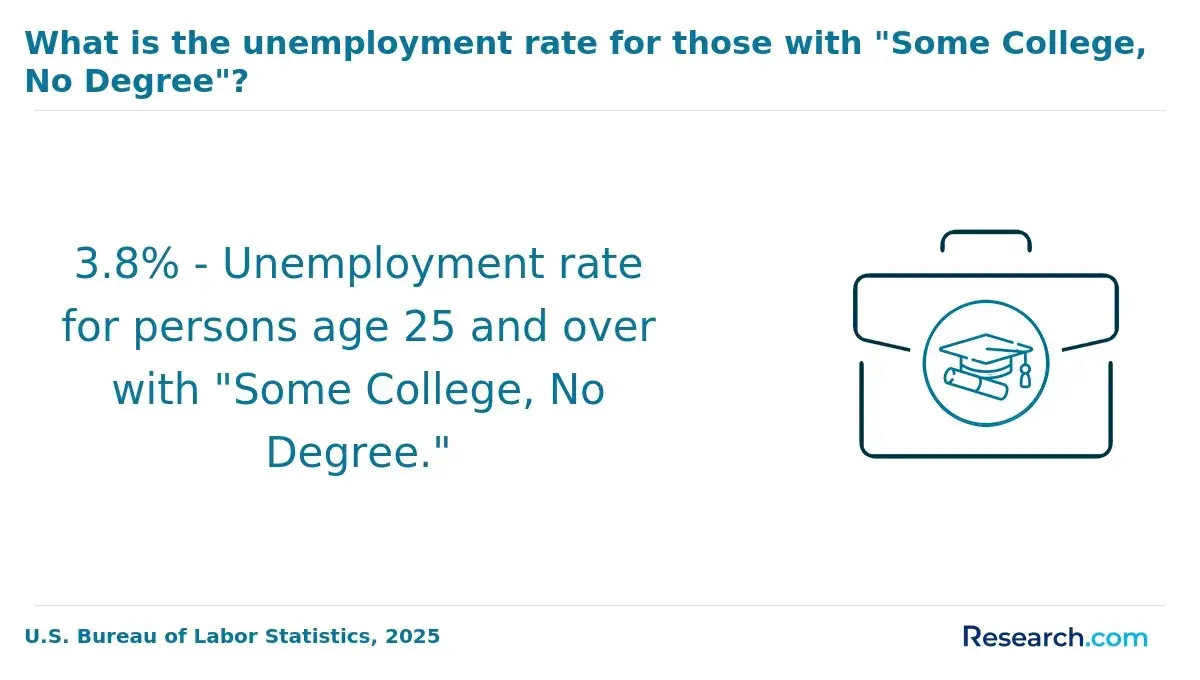
Both formats require at least a bachelor's degree from an accredited institution, commonly with a minimum GPA of 3.0 in the last 60 credits. For prospective students exploring advancement opportunities, understanding these distinctions can support choosing the best pathway. Those seeking cost-effective doctoral options in healthcare innovation might also consider exploring cheap online phd programs as an alternative route.
Accelerated healthcare innovation programs condense the same curriculum into a shorter period, focusing on a faster pace, increased workload, and often mixed delivery methods compared to traditional courses. These streamlined programs aim to equip students with essential skills efficiently while maintaining academic standards.
Below are key distinctions between accelerated and traditional healthcare innovation degree formats:
- Course Length: Accelerated programs typically last 12-24 months with continuous, full-time study, appealing to driven individuals eager to enter the workforce quickly. Traditional programs extend over two to four years, offering more time to explore topics deeply and balance academic breaks.
- Weekly Workload: Students in accelerated tracks face intensive weekly demands and fewer elective options, which may increase stress but reduce overall tuition costs. Traditional formats distribute coursework more evenly, allowing room for electives, research, and interdisciplinary experience.
- Instruction Style: Accelerated courses often combine online and hybrid learning with advanced digital tools and AI assessments for efficient skill acquisition. Traditional programs rely more on in-person instruction and longer clinical placements, although both formats are gradually integrating more technology.
- Ideal Candidates: The accelerated path benefits highly motivated students focused on rapid career advancement or cost savings, whereas traditional programs suit learners seeking flexibility, broad knowledge, and research opportunities.
- Academic Quality: Regardless of the format, both maintain rigorous accreditation and evidence-based teaching methods to ensure graduates meet professional standards in healthcare innovation.
Tuition and overall expenses for accelerated healthcare innovation master's programs tend to be lower than traditional options, mainly due to shorter completion times and reduced living costs. Although the per-credit price is often similar between formats, finishing earlier means less time paying for housing and more time earning an income. This dynamic can make accelerated tracks more cost-effective despite equivalent tuition rates.
Here are some cost factors to consider when comparing accelerated and traditional healthcare innovation programs:
- Tuition Rate per Credit: Most schools charge the same price per credit regardless of pace. For example, the number of credits required typically doesn't change between accelerated and standard tracks, so tuition per credit remains consistent.
- Total Program Expense: Because the credit load is usually stable, overall tuition fees are similar across both formats. Some institutions may offer discounts for accelerated combined bachelor's/master's programs, slightly reducing costs.
- Program Duration and Total Cost: Accelerated degrees typically finish in 12-20 months, while traditional programs last 2-3 years. Shorter enrollment periods lead to lower living expenses and help students return to the workforce sooner.
- Financial Aid Availability: Access to scholarships and federal aid is generally comparable for both accelerated and traditional tracks, ensuring students in either format can secure funding.
- Opportunity Cost: Accelerated students often save money by limiting lost income, as they rejoin employment faster than those in longer, traditional programs.
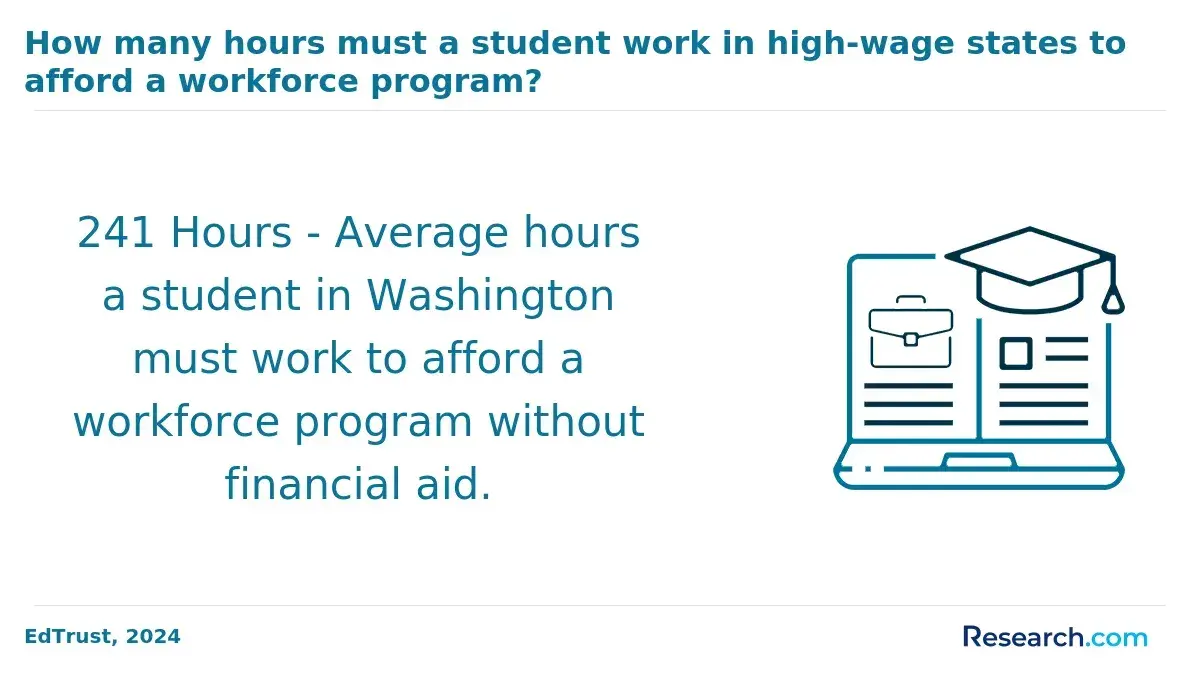
Both accelerated and traditional healthcare innovation degree students in the U.S. may qualify for financial aid, but eligibility and timing can vary due to differences in program length and enrollment status. Understanding these distinctions helps students plan their finances more effectively.
Here's a comparison of key financial aid considerations for each program format:
- Federal Aid Eligibility: Traditional students enrolled at least half-time usually meet standard federal loan requirements. Accelerated students must maintain a heavier credit load within shorter terms to stay eligible, or risk losing aid until they requalify.
- Scholarship Timelines: Scholarships from professional groups like AHIMA and ASAHP typically require continuous enrollment; accelerated students need to carefully track credits to remain eligible over compressed semesters.
- Employer Tuition Assistance: Both formats can use employer benefits, but accelerated students should confirm their employer covers accelerated studies and understand annual reimbursement limits.
- Aid Disbursement and Renewal: Accelerated pacing may cause gaps in aid if credit thresholds are temporarily unmet, whereas traditional students often have more consistent funding periods.
A healthcare innovation professional who pursued the accelerated track shared his experience: "Navigating financial aid during a fast-paced program was challenging. I had to stay organized, ensuring my course load never dropped too low to keep my loans active. It was stressful at times, especially tracking scholarship deadlines amidst intensive coursework, but getting employer tuition support was a big relief. The accelerated format meant I finished quicker, which felt rewarding after juggling work and study." His journey underscores how planning and awareness are crucial to maximizing financial aid in accelerated healthcare innovation programs.
Effective student support is essential for academic achievement, with accelerated and traditional healthcare innovation programs offering distinct approaches in service delivery, timing, and availability. Understanding these differences helps students choose the best fit for their learning style and goals. Below is a comparison of common support services provided in both program types.
- Academic Advising: Accelerated programs provide frequent, highly focused advising sessions to match their fast pace, offering quick access but limited depth. Traditional programs allow for more extended relationships with advisors, supporting thorough academic planning over several years.
- Tutoring: Students in accelerated tracks usually receive intensive, short-term tutoring aimed at addressing immediate coursework challenges. Conversely, traditional students benefit from ongoing, flexible tutoring options that accommodate longer schedules.
- Career Services: Accelerated programs emphasize rapid career preparation through targeted workshops and networking tailored for quick employment. Traditional programs promote broader career exploration with multiple events, extracurricular activities, and innovation clubs that foster diverse professional connections.
- Peer Interaction: Interaction tends to be condensed and task-oriented in accelerated courses, whereas traditional learners often have extended opportunities for collaboration and community-building within longer program durations.
Employment outcomes are a major factor when choosing between accelerated and traditional healthcare innovation programs. Both pathways offer solid career prospects, but differences in hiring speed and market readiness can influence how soon graduates secure jobs. Here is a comparison of key trends and considerations affecting placement rates for these program types.
Understanding these factors can help prospective students decide which format aligns better with their career goals.
- Employer Perception: Traditional program graduates often benefit from a reputation for thorough expertise, while those from accelerated courses are valued for agility and readiness to adapt. Employers increasingly emphasize digital health skills, which favors accelerated graduates with tech-focused training.
- Career Readiness: Accelerated graduates typically enter the workforce faster, an advantage amid healthcare's projected 1.9 million annual job openings through 2033, offering quicker hiring opportunities.
- Industry Demand: Healthcare roles, especially in innovation and administration, are expected to grow significantly-up to 29% in administration jobs-supporting strong demand for both graduate types.
- Job Placement Speed: Median placement time for accelerated program alumni ranges from 3 to 6 months, compared to 6 to 9 months for traditional program graduates, reflecting the agility of online learning and urgent sector hiring.
Recently, I spoke with a professional who completed a traditional healthcare innovation degree and found employment quickly. She shared that while her job search lasted several months, her deep academic foundation helped her confidently navigate interviews and demonstrate strong problem-solving abilities. She appreciated the networking opportunities from her program, which led to several promising leads. Though her path wasn't the fastest, she felt well-prepared and valued the comprehensive training that made her a competitive candidate. Her experience underscores that quick hiring can follow from robust preparation and strategic job searching, regardless of program format.
Accreditation ensures academic quality and legitimacy for both accelerated and traditional healthcare innovation degrees, regardless of pacing or delivery format. This process directly impacts a student's eligibility for federal financial aid, the transferability of credits, and how employers recognize the credential. Whether the program is delivered online, on campus, or in an accelerated format, the standards uphold rigorous criteria for curriculum, faculty qualifications, and institutional credibility. Therefore, accreditation acts as a key measure of trust and quality across all healthcare innovation educational paths. Students pursuing these degrees should understand that accreditation is fundamental to validating their education and future career prospects.
The accreditation standards for healthcare innovation degrees typically apply equally across accelerated and traditional formats, even though the course design in accelerated programs may involve shorter terms or more intensive schedules. Regional or programmatic bodies such as CAHME accreditation for accelerated and traditional programs ensure that all degrees meet stringent requirements for curriculum quality and program outcomes. Institutions must demonstrate compliance regardless of delivery method, with dedicated administration and faculty oversight. Prospective students should always verify the institution's accreditation status before enrolling to ensure their degree will be widely recognized. For those interested, there are options including 1 year doctoral programs that reflect how accelerated formats can condense timelines while maintaining accreditation standards.
Choosing between an accelerated and a traditional healthcare innovation degree depends largely on your career goals, schedule flexibility, and preferred learning pace. Both options offer distinct advantages tailored to different personal circumstances, making it important to carefully weigh your priorities. Below are key factors to consider when deciding the best accelerated vs traditional healthcare innovation degree for career goals and personal fit.
Key factors to consider when choosing healthcare innovation degree programs include:
- Time Commitment: Accelerated programs demand intense, full-time study and completion in as little as five years, such as Arizona State University's bachelor's plus master's track. Traditional programs take longer-typically four years for undergraduate and two to three years for graduate studies-allowing a more balanced lifestyle with time for part-time work or extracurriculars.
- Learning Style: Accelerated degrees suit self-motivated learners who thrive under pressure and want rapid mastery of material. Traditional formats support those who prefer incremental learning with opportunities for mentoring, networking, and broader academic engagement.
- Career Goals: If quick workforce entry or fast advancement is your focus, accelerated options provide an efficient path. For deeper knowledge and holistic collegiate experiences that encourage professional development outside the classroom, traditional degrees may be better. Consider also exploring certifications that pay well through this certification that pay well resource.
What Students of Accelerated vs. Traditional Healthcare Innovation Programs Say About Their Degree
- Axton: "The traditional healthcare innovation program offered a comprehensive learning experience with a manageable pace, allowing me to deeply absorb complex concepts. While the longer duration meant higher overall costs, it gave me opportunities for meaningful networking and internships that truly enhanced my career prospects. However, balancing coursework and part-time work was occasionally challenging. "
- Roman: "The accelerated healthcare innovation program was intense but rewarding, condensing what would be years of study into months. Although the upfront cost was high, the shorter timeframe allowed me to enter the workforce sooner, accelerating my professional growth. The rapid pace required discipline, which wasn't always easy, but it equipped me with practical skills quickly. "
- Jaime: "Enrolling in the healthcare innovation degree was a significant investment, with tuition adding up to a substantial amount over several years. The rigorous curriculum pushed me to think critically about healthcare solutions, although the slow pace sometimes felt like a drag. Nevertheless, the degree opened doors for career advancement I hadn't anticipated. "
Other Things You Should Know About Traditional vs. Accelerated Healthcare Innovation Degrees
Yes. Accelerated healthcare innovation degrees often require 30 to 60 transfer credits, and some schools cap admitted transfer work at 90 semester credits. Traditional programs more often accept fewer prior credits and expect completion of a full 120-credit bachelor’s pathway.
In 2027, accelerated healthcare innovation programs can offer a condensed curriculum that some students find intensive but efficient. Traditional programs offer more time for in-depth study, which benefits those seeking a thorough understanding. Both paths maintain academic standards, but learning quality varies by teaching methods and student adaptability.
In 2027, networking in accelerated programs often involves a faster-paced environment, requiring students to make quick connections, while traditional programs allow for deeper relationship-building over time. This difference can influence access to industry contacts and mentorship opportunities in the healthcare innovation field.
- Healthcare Management, Innovation, and Technology Certificate | Johns Hopkins Carey Business School https://carey.jhu.edu/programs/certificate/cert-healthcare-management-innovation-technology
- 5 Best Accelerated (FAST-TRACK) Bachelor’s in Healthcare Management Online Programs https://www.nursingprocess.org/accelerated-bachelors-in-healthcare-management-programs-online.html
- The Intersection of Tech and Healthcare: Recruiting for Innovation and Disruption https://thedigitalhealthrecruiter.com/the-intersection-of-tech-and-healthcare-recruiting-for-innovation-and-disruption/
- Innovating in Health Care Management Education: Development of an Accelerated MBA and MPH Degree Program at Yale https://pmc.ncbi.nlm.nih.gov/articles/PMC4339991/
- Med School Students in Accelerated Courses Perform as Well as Peers in Traditional Programs | International Medical Aid https://medicalaid.org/blog/med-school-students-in-accelerated-courses-perform-as-well-as-peers-in-traditional-programs/
- Comparing Accelerated and Traditional Nursing Education Models https://afaeducation.org/blog/comparing-accelerated-and-traditional-nursing-education-models/
- Traditional vs. Accelerated Nursing Programs - Which Should You Choose https://www.alliant.edu/blog/traditional-vs-accelerated-nursing-programs
- Advancing healthcare technology education and innovation in academia - Nature Biotechnology https://www.nature.com/articles/s41587-020-0689-7
- Accelerating health system innovation: principles and practices from the Duke Institute for Health Innovation - ScienceDirect https://www.sciencedirect.com/science/article/pii/S2666389923000478
- Are Health Care Hybrid Accelerated Programs Really Worth It? Costs and ROI. https://eimpartnerships.com/articles/are-health-care-hybrid-accelerated-programs-really-worth-it