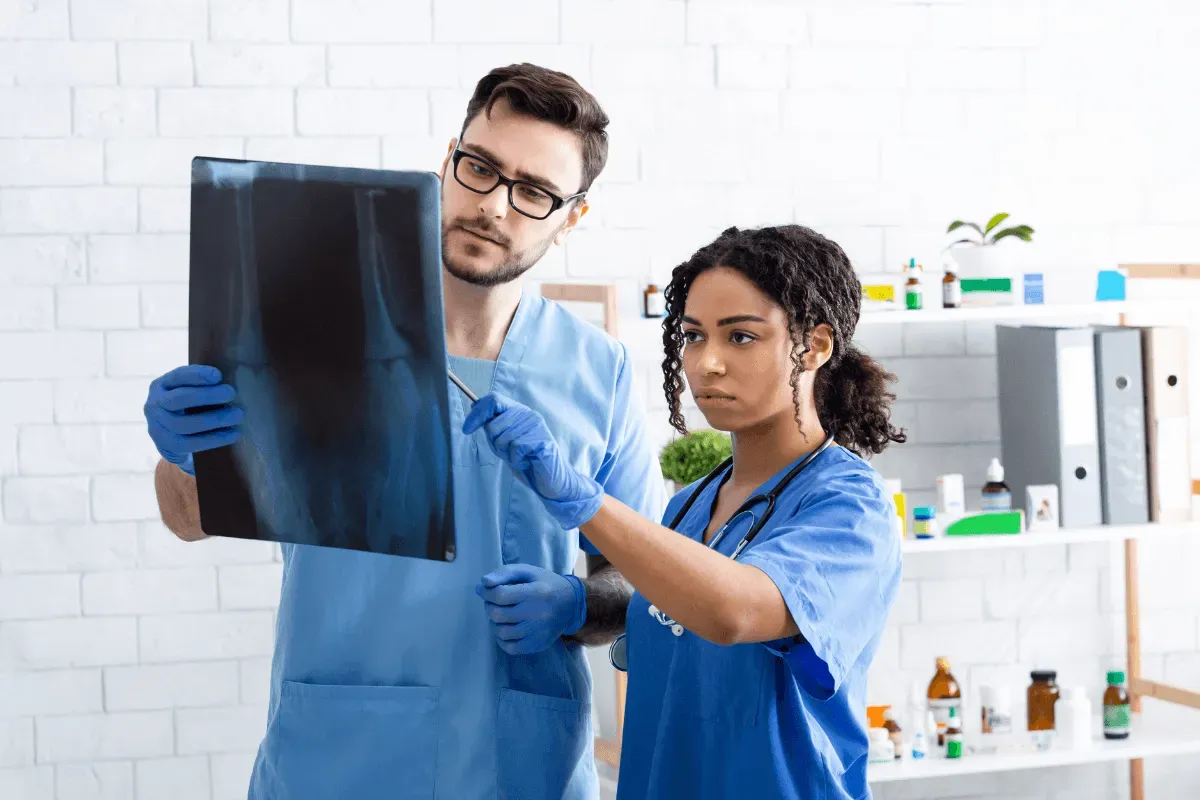
2027 What Do You Learn in a Healthcare Innovation Degree: Curriculum, Skills & Core Competencies
Audited and Verified:
Our Editorial and Data Verification Process
Research.com uses government datasets, official education statistics and primary institutional information to support its career and degree guides. Our review process checks factual accuracy, occupational definitions, source dates and the requirements associated with the credentials discussed.
How This Article Was Fact-Checked
Our editorial team verifies salary estimates, employment projections, education requirements and program information against original data providers and official organizations. Salary figures are checked against the relevant occupational definitions and reporting periods. Information about licensure, accreditation and required in-person training is reviewed separately.
Fact-checked and verified on:

Co-Founder and Chief Data Scientist
Healthcare systems face escalating challenges from aging populations and rising costs, driving urgent demand for innovation. Yet, only 34% of healthcare innovation roles require formal education in the field, creating a knowledge gap that hinders progress.
A healthcare innovation degree equips students with interdisciplinary skills blending technology, management, and clinical knowledge to bridge this divide.
This article explores the typical curriculum, essential skills, and core competencies developed through these programs. Understanding these elements helps prospective students and early-career professionals align their education with industry needs, enhancing their capacity to lead transformative change in health sectors nationwide.
Key Benefits of a Healthcare Innovation Degree
- Curriculum focuses on interdisciplinary studies, combining healthcare, technology, and business to develop solutions that improve patient outcomes and system efficiency.
- Students gain skills in data analytics, digital health tools, and project management essential for driving innovation in healthcare delivery.
- Core competencies include strategic thinking, problem-solving, and understanding regulatory environments, preparing graduates to lead transformative healthcare initiatives.
What Is a Healthcare Innovation Degree?
A healthcare innovation degree is an interdisciplinary academic program designed to prepare students to leverage technology, management, policy, and entrepreneurship to improve healthcare delivery.
Positioned within higher education as either a bachelor's or master's degree, it is aimed at individuals seeking to drive transformation within healthcare systems.
According to the U.S. Bureau of Labor Statistics, healthcare occupations are projected to grow 13% from 2021 to 2031, highlighting the growing demand for professionals skilled in healthcare innovation.
The degree's primary purpose is to equip graduates to develop innovative solutions that enhance patient outcomes, increase efficiency, and reduce costs.
This focus aligns closely with industry trends in digital health, telemedicine, data analytics, and healthcare policy reform. A healthcare innovation degree overview often emphasizes these areas to prepare students for the rapidly evolving healthcare environment.
What you learn in healthcare innovation programs typically spans multiple disciplines to foster creative problem-solving and leadership in healthcare settings. Programs cover topics bridging healthcare management and emerging technologies, ensuring graduates can navigate complex challenges in the field.
Students can pursue healthcare innovation degrees through traditional on-campus formats, accelerated pathways, or flexible online courses, making these programs accessible to early-career professionals, career changers, and working adults.
For those interested in advanced healthcare education, related options include online pharmd programs, which offer additional pathways within healthcare fields.
What Core Courses Are Included in a Healthcare Innovation Degree?
When evaluating a healthcare innovation degree program, understanding the core coursework is essential to grasp the skills and knowledge you will gain. These foundational classes build competencies that prepare students to contribute to advancing healthcare solutions effectively.
Below is a breakdown of key courses commonly included in a healthcare innovation curriculum core courses.
- Health Systems and Policy: This course introduces the structure, financing, and regulation of healthcare delivery in the U.S., providing critical context aligned with current industry standards.
- Healthcare Data Analytics: Focused on analyzing and interpreting healthcare data, this course develops skills in data-driven innovation and evidence-based decision-making.
- Technology and Digital Health Solutions: Covering emerging technologies like telemedicine, wearable devices, and electronic health records, this course prepares students to implement and evaluate digital health tools within clinical and administrative settings.
- Innovation and Entrepreneurship in Healthcare: Designed to foster entrepreneurial thinking, this course trains students to identify opportunities, design solutions, and manage projects for new products or services.
- Regulatory and Ethical Issues: This course covers compliance, patient privacy laws, and ethical considerations, ensuring innovations adhere to legal requirements and protect all stakeholders involved.
Choosing a healthcare innovation degree program also involves considering related fields that enhance employability and practical skills.
For instance, programs offering medical coding and billing classes online with financial aid provide valuable knowledge for understanding healthcare data management and reimbursement processes, complementing the innovation curriculum effectively.

What Specializations Are Available in a Healthcare Innovation Degree?
Specializing within a healthcare innovation degree enables students to focus on niche areas aligned with their career objectives, offering targeted skills that meet evolving industry needs. With healthcare technology roles expected to grow 17% between 2022 and 2032, professionals versed in these specializations are increasingly valuable.
The following areas highlight popular focus options that prepare graduates for diverse opportunities in the field.
- Digital Health: Concentrates on integrating technologies such as telemedicine, wearable devices, and electronic health records to enhance patient care. This specialization supports careers in healthcare IT and data management by applying innovative tools that improve health outcomes.
- Health Informatics: Emphasizes the use of data analytics, big data, and artificial intelligence to improve decision-making and efficiency in hospitals, clinics, and research. Graduates develop expertise in optimizing healthcare operations and policy through data-driven solutions.
- Biomedical Innovation: Focuses on creating new medical devices, diagnostics, and treatment methods, blending biology, engineering, and entrepreneurial skills. This track appeals to those interested in research and development within medical technology.
- Population Health and Policy Innovation: Addresses systemic health disparities by designing public health strategies and improving care delivery on a broad scale. This specialization prepares students for roles in government, non-profits, or consulting aimed at transformative healthcare reforms.
When considering a healthcare innovation degree, the length of time required to complete the program plays a critical role in planning finances, career transitions, and personal commitments.
Different formats offer varying timelines and levels of flexibility, making it important for students to choose an approach that aligns with their life circumstances and learning preferences.
Below is a comparison of typical degree options and their expected durations.
- Traditional full-time: Usually takes about four years, delivering a structured and comprehensive curriculum. This route best fits recent high school graduates or those able to dedicate themselves fully to their studies.
- Part-time: Often extends beyond six years, providing flexibility to accommodate working professionals or individuals balancing other responsibilities. This format stretches coursework over a longer period, easing the pace but requiring sustained commitment.
- Accelerated: Condenses learning into two to three years through intensive, year-round classes or semesters. Suitable for highly motivated students or those with some prior college experience who want to enter the workforce quickly.
- Online: Generally ranges from three to five years with self-paced, asynchronous classes. This model appeals to students needing maximum scheduling flexibility, though it may offer fewer opportunities for direct interaction with peers and instructors.
When I asked a graduate who completed a hybrid healthcare innovation program about his experience, he described the balancing act as "challenging yet rewarding."
Combining online coursework with periodic in-person sessions allowed him to continue working full-time while staying engaged academically.
He recalled moments of exhaustion managing project deadlines amid professional duties but emphasized that the "flexibility of hybrid learning made it possible to persevere."
Reflecting on the journey, he noted that consistent time management and a clear goal were essential to navigating the program's demands and ultimately achieving success.
Technical skill development is a fundamental focus of healthcare innovation programs, equipping students to meet the growing demands of the healthcare technology sector.
With healthcare technology roles projected to expand by 16% from 2021 to 2031, mastering these competencies enhances graduates' readiness for dynamic professional environments.
Below is an overview of the essential technical skills emphasized in such programs.
- Data Analytics: Students learn to leverage tools like SQL, Python, and R to analyze complex health data sets, supporting evidence-based decisions and improving patient care outcomes.
- Electronic Health Records (EHR) Systems: Proficiency in platforms such as Epic and Cerner enables students to efficiently manage clinical information and optimize healthcare workflows.
- Healthcare IT Infrastructure: Knowledge of interoperability standards like HL7 and FHIR facilitates seamless data exchange between diverse healthcare systems, enhancing communication and coordination.
- Project Management and Design Thinking: Training in agile methodologies and design thinking supports the development of innovative healthcare solutions through iterative problem-solving and collaboration.
- Regulatory Compliance and Security: Understanding frameworks like HIPAA and RegTech is critical for safeguarding patient privacy and ensuring compliance with healthcare regulations.

In healthcare innovation, mastering soft skills is as critical as acquiring technical expertise. These interpersonal and cognitive abilities empower students to navigate complex healthcare environments and collaborate across disciplines effectively.
Below is an overview of key soft skills cultivated through healthcare innovation programs and their importance in professional growth.
- Communication: Clearly articulating complex concepts to diverse audiences-including clinicians, patients, and decision-makers-facilitates teamwork and supports the successful adoption of innovative healthcare solutions.
- Teamwork: Interdisciplinary collaboration is foundational, as students learn to work alongside professionals from medicine, technology, and business sectors to drive meaningful change in healthcare settings.
- Problem-solving: Identifying obstacles and devising practical strategies through real-world case studies prepares students to address challenges like system inefficiencies and technology integration barriers.
- Critical thinking: Evaluating evidence and making informed decisions equips graduates to implement data-driven solutions that improve healthcare outcomes.
- Adaptability: Thriving amid rapid technological advancements and evolving regulations requires flexibility and a commitment to continuous learning, traits emphasized throughout the curriculum.
When speaking with a professional who completed a healthcare innovation degree, she reflected on how these soft skills proved invaluable in her career.
She described initial struggles communicating complex technical ideas to non-expert stakeholders, which she overcame by honing her communication skills during internships and project collaborations.
Navigating diverse team dynamics taught her patience and open-mindedness, essential for fostering innovation in healthcare. She highlighted how problem-solving assignments pushed her to think creatively under pressure, boosting her confidence in managing real-world healthcare projects.
Embracing adaptability allowed her to stay current with fast-changing technologies and regulations, which she credits for advancing her career.
"The program didn't just teach me to innovate-it taught me to connect, collaborate, and continuously evolve," she shared, underscoring the profound impact these skills had on her professional journey.
Breakdown of Private Fully Online For-profit Schools

About 75% of healthcare innovation programs in the U.S. incorporate internships or cooperative education experiences as integral parts of their curriculum or offer them as optional opportunities.
These hands-on placements provide students with a chance to integrate academic concepts with practical applications in clinical settings, technology companies, or policy environments.
Depending on the program, internships or co-ops may be mandatory for graduation or elective options chosen to gain additional exposure. Typically scheduled during summer sessions or the final academic year, these experiences range from several weeks to a few months in duration.
Many programs collaborate with healthcare providers, startups, and research organizations to streamline student placements and ensure meaningful engagement.
Such practical training allows students to translate classroom theories into real-world problem solving, like advancing healthcare technology, optimizing patient care workflows, or understanding regulatory compliance.
Internships and co-ops also foster professional relationships with mentors, employers, and industry peers, which can be invaluable for future career prospects and insights into workplace culture. These experiences further cultivate essential skills including communication, teamwork across disciplines, adaptability, and critical thinking.
Immersion in dynamic healthcare environments equips students with a deeper appreciation of sector complexities and innovations, ultimately enhancing their readiness and competitiveness for roles in healthcare management, development, and policy advisory positions.
Professional certifications can significantly complement a healthcare innovation degree by providing practical skills and industry-recognized credentials that enhance career readiness.
These certifications often validate specialized knowledge in areas like data analytics, project management, and health informatics, which are highly valued by employers. This additional qualification can help students stand out in a competitive job market and align well with their academic training in healthcare innovation certification programs.
While some healthcare innovation degree curricula include opportunities to earn certifications integrated with coursework and aligned with industry standards, many programs do not offer them as a formal part of the curriculum. Instead, certifications are often pursued independently by students as extracurricular credentials.
Popular options include Certified Professional in Healthcare Quality (CPHQ), Certified Health Data Analyst (CHDA), and Project Management Professional (PMP). Combining a degree with relevant certifications creates a well-rounded skill set that merges theoretical understanding with applied competencies.
For students seeking cost-effective credentialing options, exploring the cheapest medical billing and coding program can provide a valuable pathway. Ultimately, informed choices about certifications can boost employability and prepare graduates for leadership roles in healthcare.
Exploring healthcare innovation job opportunities allows students considering this degree to align their skills with in-demand roles at the intersection of healthcare, technology, and business.
The U.S. Bureau of Labor Statistics projects a 16% growth rate for healthcare occupations related to innovation and technology over the next decade, reflecting strong industry demand fueled by advances in digital health and telemedicine.
This positive job outlook makes understanding potential career paths essential for making informed educational and professional decisions.
Common career paths for healthcare innovation graduates span diverse sectors and responsibilities, leveraging their expertise in health informatics, data analysis, and project leadership to improve patient outcomes and operational efficiency.
- Healthcare project manager: These professionals lead initiatives to develop new medical devices, optimize patient care systems, and manage interdisciplinary teams. Their role often involves coordinating resources and timelines within hospitals and healthcare technology firms.
- Clinical innovation specialist: Focused on implementing innovative clinical solutions, they work closely with healthcare providers to enhance treatment protocols and integrate emerging technologies into care delivery.
- Health data analyst: Experts in analyzing healthcare datasets, they identify trends and insights that drive decision-making in pharmaceutical companies, hospitals, or consulting firms, improving healthcare outcomes and cost efficiency.
- Product development coordinator: Responsible for managing the lifecycle of new healthcare products, from concept to market, these graduates blend business acumen with knowledge of regulatory environments to ensure compliance and effectiveness.
- Healthcare policy developer and consultant: Utilizing their ability to translate research into practical applications, they influence policy and guide quality assurance practices, creating impact across healthcare delivery systems.
For students exploring further educational options, finding affordable accredited healthcare administration degrees can provide a strong foundation and complement a healthcare innovation degree, enhancing career flexibility and upward mobility in this expanding field.
Understanding potential salary outcomes is crucial for evaluating the return on investment of a healthcare innovation degree. Typical earnings for healthcare innovation graduates reflect a promising career path, with early salaries starting from $60,000 and median wages for related roles reaching over $100,000 annually.
This overview outlines the average salary ranges graduates can expect at different stages, highlighting key factors that drive earning potential.
- Early-career salaries: Graduates entering the workforce generally earn between $60,000 and $75,000 per year. Entry-level positions often include healthcare data analysts, project coordinators, or innovation specialists, where foundational skills in technology and healthcare systems are essential.
- Mid-career potential: With five to ten years of experience, healthcare innovation professionals can see salaries rise to between $90,000 and $120,000. This increase often corresponds with leadership roles or specializations in digital health, health informatics, or strategic innovation.
- Influencing factors: Salaries vary widely by industry segment, with private healthcare providers and tech companies offering higher wages than public or nonprofit sectors.
The Bureau of Labor Statistics reported a median annual wage of approximately $104,280 for medical and health services managers, a common career path for those with a healthcare innovation degree.
For prospective students weighing educational options, considering programs like the cheapest rn to bsn program online can be part of a broader strategy to enhance skills and salary prospects within the healthcare sector.
What Graduates Say About Their Healthcare Innovation Degree
- Axton: "The healthcare innovation degree offered a thorough grounding in both technology and patient-centered care, which was critical for advancing my skills. Courses on data analytics and healthcare systems prepared me to lead digital transformation projects. Considering the program's reasonable average cost of attendance, it was an investment that truly propelled my career forward in healthcare management. "
- Jaime: "This program encouraged deep reflection on the ethical and technological challenges in healthcare today. It equipped me with competencies in design thinking and interdisciplinary collaboration, which have become essential in my role developing new healthcare solutions. The hands-on curriculum made the cost worthwhile, as it directly translated to career opportunities I hadn't anticipated before. "
- Roman: "With a focus on innovation frameworks and practical implementation strategies, the healthcare innovation degree rigorously developed my problem-solving capabilities. The comprehensive core curriculum fostered expertise in emerging health technologies and regulatory environments that have been invaluable in my professional growth. Balancing the program cost against industry demand, I view it as a strategic stepping stone in my career. "
Other Things You Should Know About Healthcare Innovation Degrees
In 2027, a Healthcare Innovation Degree program emphasizes technologies like AI-driven diagnostics, telemedicine platforms, blockchain for secure patient records, and wearable health tech. These tools enhance patient care, data management, and personalized medicine, preparing students for modern healthcare challenges.
Students study patient privacy, informed consent, data governance, FDA device pathways, and HIPAA compliance. Many programs also require a capstone or practicum tied to healthcare operations or digital health, with about 3 to 6 credit hours devoted to applied ethics and regulatory management.
- ProfCert in Innovation in Healthcare https://www.rcsi.com/online/find-a-course/professional-certificate/i/n/innovation-in-healthcare
- What You Can Do with an MHCI Degree https://improvinghealthcare.mehp.upenn.edu/programs/master-health-care-innovation/what-you-can-do-mhci-degree
- Top 10 Soft Skills Every Healthcare Professional Needs https://calibr.ai/blogs/top-10-essential-soft-skills-every-healthcare-professional-need
- Master in Technological Innovation in Health | EIT Health https://eithealth.eu/programmes/master-innovation-health/
- Skills You Need to Succeed in the Medical Technology Industry | Medical Technology Jobs https://medicaltechnologyjobs.co.uk/career-advice/skills-you-need-to-succeed-in-the-medical-technology-industry
- DELPHI Internship Program | HITLAB https://www.hitlab.org/delphi/
- The Importance of Soft Skills in Healthcare https://www.ttmhealthcare.co.uk/blog/2024/08/the-importance-of-soft-skills-in-healthcare
- Best Healthcare Technology Courses & Certificates [2025] | Coursera Learn Online https://www.coursera.org/courses
- What Are the Differences in Salary Level for Different Degrees in Healthcare Management? | MHA Salary https://www.healthcare-management-degree.net/faq/what-are-the-differences-in-salary-level-for-different-degrees-in-healthcare-management/