2027 Best Doctorate Degrees With Career Services

Co-Founder and Chief Data Scientist
A doctorate can deepen your expertise, but it may not help you make a career move unless the program also supports your next step. The U.S. Bureau of Labor Statistics (BLS) reports a May 2024 median annual wage of $140,910 for computer and information research scientists - an occupation that typically requires a master's degree, though some employers prefer a PhD. That figure is not a promised return on doctoral study.
This guide compares doctoral fields, explains what career services can - and cannot - do, and helps prospective students check outcomes, costs, and career fit before enrolling.
Key Things You Should Know
- A research PhD, practice-focused doctorate, and licensure-oriented doctorate prepare students for different paths; career services should match the path you want.
- Ask whether graduate students can use individual coaching, employer connections, and alumni services - not merely a university-wide job board.
- BLS projects 20% employment growth for computer and information research scientists from 2024 to 2034, but field-wide demand does not establish a particular program's placement rate.
Top 10 Best Doctorate Degrees With Career Services - Career Services Doctorates
Business / DBA Programs
A Doctor of Business Administration (DBA) generally suits experienced professionals applying research to organizational problems; a business PhD more commonly emphasizes original research. For career support, look for executive coaching, industry contacts, and help translating a doctoral project into evidence of leadership skills. Ask whether services serve working doctoral students, not just MBA candidates. A DBA does not substitute for management experience or guarantee an executive role. If your goal is a promotion within your current field, compare its cost with an MBA, targeted certification, or additional experience.
Education / EdD Programs
A Doctor of Education (EdD) often centers on applied improvement in schools or educational organizations; an education PhD generally places more emphasis on research. Useful career support may include leadership interview preparation, practitioner networks, and help presenting a doctoral project to employers. Check whether advisers understand your intended setting, such as a school district, college, or nonprofit. Neither degree automatically confers an educator or administrator license. Compare program requirements with your state's credential rules before treating the doctorate as a route to a specific role.
Educational Leadership Programs
Educational leadership doctorates may award an EdD or PhD, so compare the actual curriculum rather than the field label. An EdD may fit a practicing leader addressing an organizational problem; a PhD may better fit a research-intensive goal. Ask whether career staff arrange district or higher-education networking and whether faculty mentor students pursuing your target role. Leadership hiring usually also weighs relevant experience. If you seek a principal or superintendent position, verify state certification and experience requirements separately from doctoral admission.
Psychology Programs
Psychology offers research-oriented PhDs and practice-oriented PsyD programs, but the degree name alone does not establish eligibility for clinical licensure. Career services should fit the intended path: research mentoring and publication guidance for academic or industry research, or internship and postdoctoral-placement support for clinical practice. Verify the program's accreditation status, internship expectations, and the requirements of the state where you intend to practice. A doctoral psychology program focused on research may not provide the clinical preparation needed for licensure.
Nursing / DNP Programs
The Doctor of Nursing Practice (DNP) emphasizes advanced nursing practice and systems improvement; a nursing PhD generally emphasizes research. DNP applicants should distinguish post-bachelor's and post-master's pathways and check required clinical hours, placements, and existing license requirements. Valuable career support includes specialty-specific advising, clinical networking, and guidance on presenting quality-improvement work. A DNP does not by itself grant advanced-practice licensure: state rules, certification, and the student's preparation pathway still matter.
Public Health Programs
A Doctor of Public Health (DrPH) commonly targets public health leadership and applied practice, while a public health PhD typically emphasizes original research. Look for career advisers with connections to health departments, healthcare systems, and policy organizations - not only general campus recruiting. Ask how students find applied projects or research collaborators and whether alumni work in your preferred sector. A doctorate can strengthen specialization, but many public health positions remain accessible through a master's degree plus relevant experience.
Computer Science Programs
A computer science PhD is most compelling when your goal requires sustained original research, such as work in an industry research lab or academic department. Assess faculty fit, access to research projects, funding, and whether career staff connect doctoral students with research employers. Internship policies and publication support can matter more than generic résumé workshops. For software development or many technical management roles, a PhD is not normally necessary; compare doctoral study with a master's degree and industry experience.
Cybersecurity Programs
Cybersecurity doctorates may emphasize technical research, applied security leadership, or policy; examine the curriculum and final research requirement before choosing. Useful career support includes connections to security researchers or employers and guidance on communicating specialized work to hiring teams. Check whether a program's faculty and projects match your interests, such as secure systems or privacy. Many cybersecurity jobs do not require a doctorate, and employers may prioritize demonstrated experience, relevant certifications, or eligibility for a security clearance.
Social Work / Human Services Programs
A Doctor of Social Work (DSW) often emphasizes advanced practice or leadership, while a social work PhD generally prepares students for research. Human services doctorates vary, making the curriculum especially important to inspect. Ask whether career services connect doctoral students with agencies, policy organizations, or academic employers aligned with their goals. A doctorate does not replace a required social work license or supervised experience. If you want a practice role already open to licensed master's-level professionals, weigh the doctorate's added value carefully.
Public Administration / Public Policy Programs
A Doctor of Public Administration (DPA) generally emphasizes applied public-sector leadership; a public policy or administration PhD typically emphasizes research and analysis. Compare access to government and nonprofit networks, policy-research opportunities, and coaching for sector-specific hiring processes. Ask whether career advisers understand the level of experience your target role requires. A doctorate may help develop specialized expertise, but an MPA, MPP, or substantial public-sector experience may be the more direct route to some positions.
What are the best doctorate degrees with career services?
The best choice is the doctorate whose academic purpose and verified doctoral-level career support both match your goal. The fields above are options to investigate, not a ranking of institutions: career-service availability, funding, and outcomes vary by program. No field name alone proves that its doctoral students receive specialized coaching or placement assistance.
This comparison shows where different kinds of support are most useful. Use it to narrow your search before evaluating individual schools.
| Career goal | Doctoral path to examine | Career support worth verifying |
| Original research | PhD in a relevant field | Faculty mentoring, research-employer contacts, publication and interview preparation |
| Advanced professional leadership | DBA, EdD, DrPH, DPA, or DSW | Sector networks, leadership coaching, help presenting applied projects |
| Advanced nursing practice | DNP with the appropriate entry pathway | Specialty advising, clinical connections, credential guidance |
| Clinical psychology | Appropriately designed PsyD or PhD | Internship, postdoctoral, and licensure-pathway guidance |
A program moves onto your shortlist only after you confirm who delivers these services, which students may use them, and how often support is available. Do not mistake a general alumni directory for individualized doctoral career advising.
Effective support helps students translate specialized work into opportunities: explaining research to employers, preparing for discipline-specific interviews, building professional networks, and navigating applications outside academia. Faculty advisers usually guide research or doctoral projects; career advisers focus on employment strategy. One person may help with both, but neither role should be assumed.
Ask whether appointments are available to online and part-time students, whether staff understand doctoral hiring, and how long alumni retain access. For a PhD, also ask how the department supports students seeking industry or government work. For a professional doctorate, ask how advisers help experienced applicants demonstrate the value of an applied project. Access is a service, not an employment outcome: request program-specific destination data, the number of graduates represented, and how those results were collected.
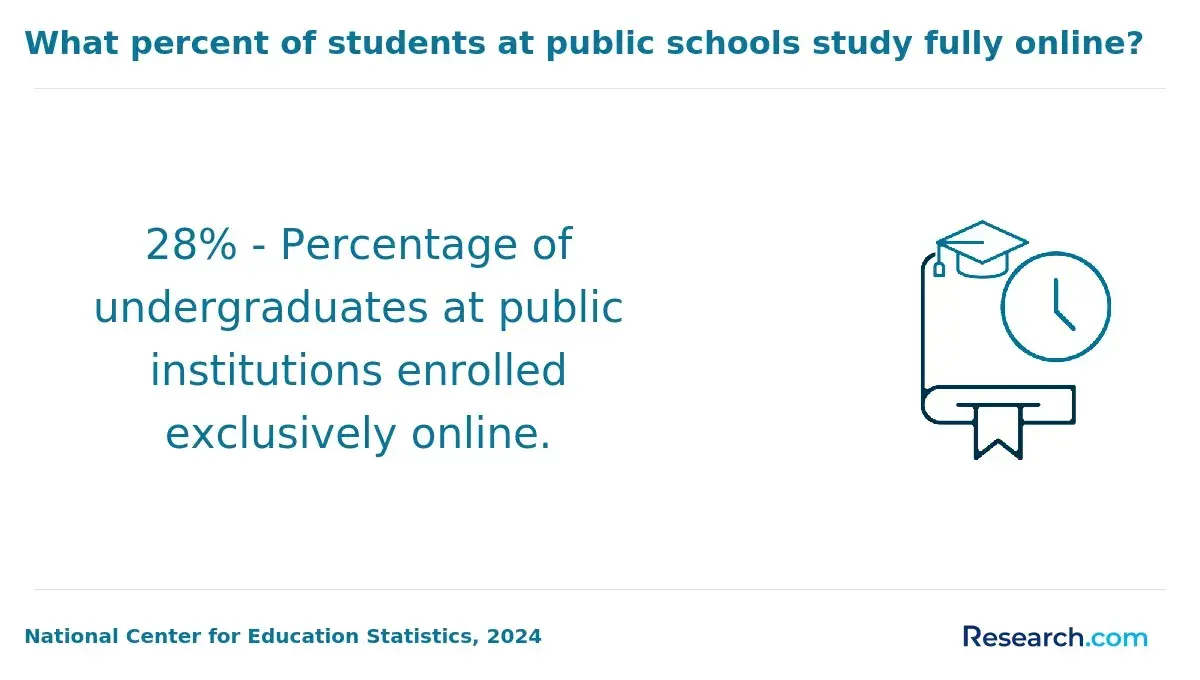
They can be. Start by confirming that the institution holds recognized institutional accreditation, then check any programmatic accreditation relevant to your intended profession. For a regulated career, ask the program and the licensing board whether its curriculum and experiential requirements meet the rules in the state where you plan to practice.
Online delivery says little about career-service quality or scheduling flexibility. Ask whether doctoral students can book remote advising appointments and attend employer events virtually. Also request a written account of live classes, campus visits, laboratories, clinical placements, residencies, examinations, and defenses. An online doctorate may still require scheduled or in-person work, so do not infer that it is fully remote or self-paced.
No doctoral field has the strongest outcome for every student. Research-intensive computer science can align closely with specialized research roles; a DNP can align with an appropriately prepared nurse's advanced-practice goals; professional doctorates can support experienced practitioners seeking deeper expertise. The relevant question is whether the degree improves access to your target work beyond what you could achieve with existing credentials and experience.
BLS occupational figures describe workers in a job, not the earnings of graduates from a particular degree. For example, the May 2024 median wage of $140,910 for computer and information research scientists does not establish a PhD's financial return: some employers accept a master's degree, and pay varies by role and employer. Lists of what majors make the most money can provide broader context, but they cannot replace doctoral program costs, funding terms, and graduate outcomes.
Universities may offer résumé and CV reviews, interview practice, job boards, career appointments, employer events, and alumni networking. Doctoral departments may separately offer teaching preparation, conference support, research mentoring, or guidance for clinical and professional placements. Availability varies; a university's general services page does not establish what a specific doctoral student can use.
For a fair comparison, ask each program the same questions. The answers reveal whether advertised support is accessible and relevant.
- Can doctoral students in my delivery format book individual appointments, and do graduates retain access?
- Who advises students pursuing my target sector, and what doctoral hiring experience do they have?
- Which placements or employer introductions does the program facilitate, and which must students arrange themselves?
- Can you share recent, program-specific career destinations and explain how response rates were measured?
Be cautious if a school promotes "job placement" but cannot explain the service, distinguish assistance from guaranteed placement, or provide context for its outcome claims.
Doctoral admission normally begins with a completed bachelor's degree; many professional doctorates require or prefer a relevant master's degree and work experience. Requirements may include transcripts, recommendations, a statement of purpose, writing or research samples, an interview, prerequisites, and - where applicable - professional licensure. GRE or GMAT policies vary by program. A research PhD may also expect evidence of research preparation and a close fit with potential faculty advisers.
Check the specific doctoral admissions page rather than assuming a university-wide rule applies. A DNP applicant should confirm the entry pathway and nursing credentials; a prospective clinical psychology student should investigate preparation for supervised training. If the target career does not require doctoral study, shorter alternatives such as 4 week certificate programs online may be worth examining, though a certificate is not equivalent to doctoral or professional licensure preparation.
Time depends on entry qualifications, enrollment pace, course sequencing, research or project progress, and any clinical or residency requirements. A PhD may continue well beyond coursework while a student completes candidacy requirements, original research, and a defense. A professional doctorate may instead culminate in an applied project, but that work also takes time. Ask for completion data from students in your entry pathway and enrollment format rather than relying on an advertised minimum.
Compare net total cost, not tuition alone: include mandatory fees, travel, clinical or research expenses, and earnings you may forgo. Then subtract only funding you are actually offered. Some PhD students receive assistantships, fellowships, stipends, or tuition remission; availability and duration differ. Professional doctorates may rely more heavily on student payment or employer assistance. Confirm whether graduate transfer credit applies to your degree - it does not automatically waive research, clinical, or residency requirements.
Flexible undergraduate offerings at online self paced colleges should not be taken as evidence that a doctorate at the same institution lets students control research deadlines or skip scheduled meetings.
Possible destinations include research, advanced clinical practice, education, government, and organizational leadership. A degree alone does not secure any of them. Licensure, experience, publications, postdoctoral training, or employer-specific qualifications may also be necessary.
This table separates potential destinations from the additional checks a student should make. It does not represent placement results or predicted graduate salaries.
| Doctoral path | Potential destination | Important qualification check |
| Computer science PhD | Research scientist or academic researcher | Research record, employer requirements, and possible postdoctoral expectations |
| Clinical psychology PsyD or PhD | Licensed psychologist | State education, supervised-practice, and examination rules |
| DNP | Advanced nursing practice or practice leadership | Existing nursing credentials, specialty preparation, and state requirements |
| DBA or leadership-focused doctorate | Organizational leadership or consulting | Relevant professional track record and employer expectations |
When comparing salaries, use BLS data for the specific occupation and location you want. Then ask programs for their own graduate destinations. An occupational median includes workers with different degrees and experience levels; it is not the typical starting salary or a return promised to doctorate holders.
How should you compare doctorate programs and career resources?
Start with the job or contribution you want to make, then decide whether it calls for a research doctorate, a practice-focused doctorate, a license, or no doctorate at all. Compare programs on evidence you can verify, not rankings or the presence of a "career services" tab.
Use this sequence to make a defensible shortlist and avoid expensive mismatches:
- Identify the target role and check its usual education, experience, and licensing requirements.
- Confirm institutional and, where relevant, programmatic accreditation; examine faculty or clinical fit.
- Request the full curriculum, culminating requirement, delivery obligations, and completion data for students like you.
- Get written details of doctoral career-service eligibility, staffing, appointments, and program-specific outcomes.
- Compare total cost after confirmed funding or employer assistance with the value of a master's degree, certification, or additional experience.
If you are changing fields, accelerated programs for career changers may offer an alternative starting point. Do not assume that an accelerated course format shortens a doctorate: research, clinical work, and final-project requirements still need to be completed.
Other Things You Should Know About
No. Coaching, networking, and placement assistance can support a search, but employers make hiring decisions. Ask for clearly defined services and documented outcomes.
Often, but eligibility and remote access vary. Confirm appointment availability, virtual events, and alumni access with the specific program.
A PhD generally fits original research goals; a professional doctorate may better fit applied practice or leadership. Neither automatically brings a promotion, so compare the curriculum with your target role.
No. Treat career support as an important comparison factor after confirming that the degree, funding, accreditation, and required work fit your goals.
- Survey of Earned Doctorates (SED) | ed.gov https://nces.ed.gov/statprog/handbook/sed_keyconcepts.asp
- Postgraduation trends - NCSES - NSF https://ncses.nsf.gov/pubs/nsf23300/report/postgraduation-trends
- What to Expect From Career Services | Johns Hopkins https://publichealth.jhu.edu/offices-and-services/office-of-student-affairs/career-services/what-to-expect-from-career-services
- What the Research Says About PhD Careers | Rutgers School of Graduate Studies https://grad.rutgers.edu/news/what-research-says-about-phd-careers
- Career Outcomes for Graduate Students | Meruelo Family Center for Career Development https://careerdevelopment.nd.edu/outcomes/graduate/
- Online/Distance Students - Career Services https://careerservices.uni.edu/students/onlinedistance-students
- Career Resources | Tulane University https://ogps.tulane.edu/career-resources
- Career Services | uchicago.edu https://socialsciences.uchicago.edu/node/24383
- Ph.D. Career Resources | washington.edu http://depts.washington.edu/envision/phd/obtaining_phd/uw_resources2.html
- Alumni Eligibility and Services - University Career Center https://careercenter.umich.edu/content/alumni-eligibility-and-services