2027 Best Doctoral Programs With Academic Advising

Co-Founder and Chief Data Scientist
Choosing a doctorate for an academic advising career involves two different questions: Will the degree advance your goals, and will the program advise you effectively while you earn it? The distinction matters because a dissertation supervisor is not necessarily the person who helps you plan courses or resolve a delay.
The U.S. Bureau of Labor Statistics reports a 2024 median wage of $65,140 for school and career counselors and advisors, an occupational figure that does not measure a doctorate's payoff. This guide helps prospective researchers and advising leaders compare doctoral pathways, support, costs, and alternatives before applying.
Key Things You Should Know
- Look first at higher education, student affairs, and educational leadership doctorates; a degree specifically titled "academic advising doctorate" is uncommon.
- Confirm that advising is a viable research or applied-project focus. Ask who handles course planning, research supervision, and academic difficulties. These may be different people, and access to one service does not establish access to the others.
- A doctorate is generally unnecessary for entry-level advising. Its value depends on the role you want, the program's funding and total cost, and whether faculty can support your work on advising.
Top 10 Best Doctoral Programs With Academic Advising - Top Doctoral Programs
Business / DBA Programs
A Doctor of Business Administration (DBA) may suit an experienced advising director studying operations, service design, or organizational change. It is a weaker match for someone seeking scholarship in student development unless faculty expertise and project rules accommodate that work. Ask whether doctoral students receive a named academic adviser in addition to a project supervisor, and whether the program's applied research can examine higher education advising. A DBA does not itself qualify someone for an advising leadership position.
Education / EdD Programs
A Doctor of Education (EdD) in higher education often offers a practical route for advising professionals who want to improve student-support systems. Look for faculty working on persistence, student success, or equity in access to guidance. Confirm how the program assigns academic advisers, changes project supervisors, and supports students whose workplace project becomes impractical. An EdD's applied focus can fit leadership goals; a research-oriented education PhD may better fit a goal of producing original scholarship.
Educational Leadership Programs
Educational leadership doctorates can fit advisers moving toward campus-wide student-success or academic affairs roles. Check the curriculum carefully: a program centered on K-12 school administration may offer little preparation for college advising. A useful comparison is whether advisers help students connect leadership coursework, institutional data, and a feasible doctoral project. Leadership experience still matters for director-level hiring; the credential alone does not confer it.
Psychology Programs
Psychology doctorates can support research on decision-making, motivation, or help-seeking, but their purpose varies substantially. A psychology PhD may be relevant when a faculty research group studies college students; a clinical PsyD is designed for a different professional path. Verify research-adviser fit and funding before applying. Academic advising is not the same as licensed psychological practice, and an advising-focused project does not replace the clinical preparation or licensure required to practice psychology.
Nursing / DNP Programs
A Doctor of Nursing Practice (DNP) is primarily an advanced nursing practice or leadership credential, not a general academic advising degree. It may fit a licensed nurse improving advising or progression in a nursing program, provided the school permits that project topic. Ask how academic advising, clinical oversight, and project supervision differ, and confirm placement requirements. Someone seeking to research advising across higher education may find an education doctorate more directly aligned.
Public Health Programs
A Doctor of Public Health (DrPH) or public health PhD could fit work on access to education, student well-being, or health-professions training. The DrPH typically emphasizes practice and leadership; the PhD emphasizes research. Neither is automatically an academic advising specialization. Before applying, check whether faculty can supervise the proposed topic and whether program advisers can help coordinate any fieldwork with doctoral milestones.
Computer Science Programs
A computer science PhD may fit a researcher developing advising systems or studying how students use educational technology. Admission and progress usually depend heavily on technical preparation and faculty research fit, not interest in advising alone. Ask whether the lab has access to appropriate education data and whether a faculty adviser can support the work. Applicants focused on running an advising office may gain more directly relevant preparation in higher education.
Cybersecurity Programs
A cybersecurity doctorate is a specialized choice for work such as protecting student records or evaluating privacy risks in advising technology. It is not a direct credential for advising practice. Compare research supervision, technical prerequisites, and access to suitable projects before considering it. An advising professional primarily seeking to improve student guidance should not choose cybersecurity solely because their institution uses digital advising tools.
Social Work / Human Services Programs
A Doctor of Social Work (DSW) or human services doctorate may suit a professional studying coordinated support for students facing complex barriers. Check whether the curriculum addresses higher education and whether faculty can supervise an advising-related project. Academic advisers, social workers, and counselors have different responsibilities; a doctorate in one field does not automatically grant another field's license or scope of practice.
Public Administration / Public Policy Programs
A Doctor of Public Administration (DPA) or public policy PhD can fit research on advising policy, public-college systems, or resource allocation. The DPA generally favors applied administrative work; a policy PhD may be better for original research. Ask whether an adviser has expertise in higher education policy and whether the dissertation or project can use institutional data. These degrees are less direct routes to day-to-day advising practice.
What Are Doctoral Programs With Academic Advising Specializations?
They are usually doctorates in a broader field - particularly higher education, student affairs, education, or educational leadership - in which a student can study academic advising through electives, research, or a doctoral project. "Academic advising specialization" should not be assumed to be an official concentration unless the institution names it as one.
The phrase "with academic advising" can also describe support for doctoral students: help choosing courses, meeting milestones, and resolving academic problems. That support differs from faculty research mentorship, dissertation supervision, tutoring, and career services. If your goal is to become an adviser rather than study advising, compare the doctorate with a relevant master's degree and professional experience first.
There is no dependable shortlist of doctorates that can be labeled both advising-focused and strong in doctoral-level academic advising support without checking current, program-specific information. Penn State's PhD in Higher Education and Kansas State University's PhD in Student Affairs in Higher Education are relevant programs to investigate because their fields align with advising research. Their inclusion here is not a claim that either awards an academic advising concentration or provides a particular advising service.
For either program, check the current degree catalog and institutional accreditation status. Then request written answers about faculty available for advising-related research, how doctoral academic advisers are assigned, and who helps when a dissertation adviser is unavailable. For any additional school, apply the same test rather than relying on a university-wide description of student services.
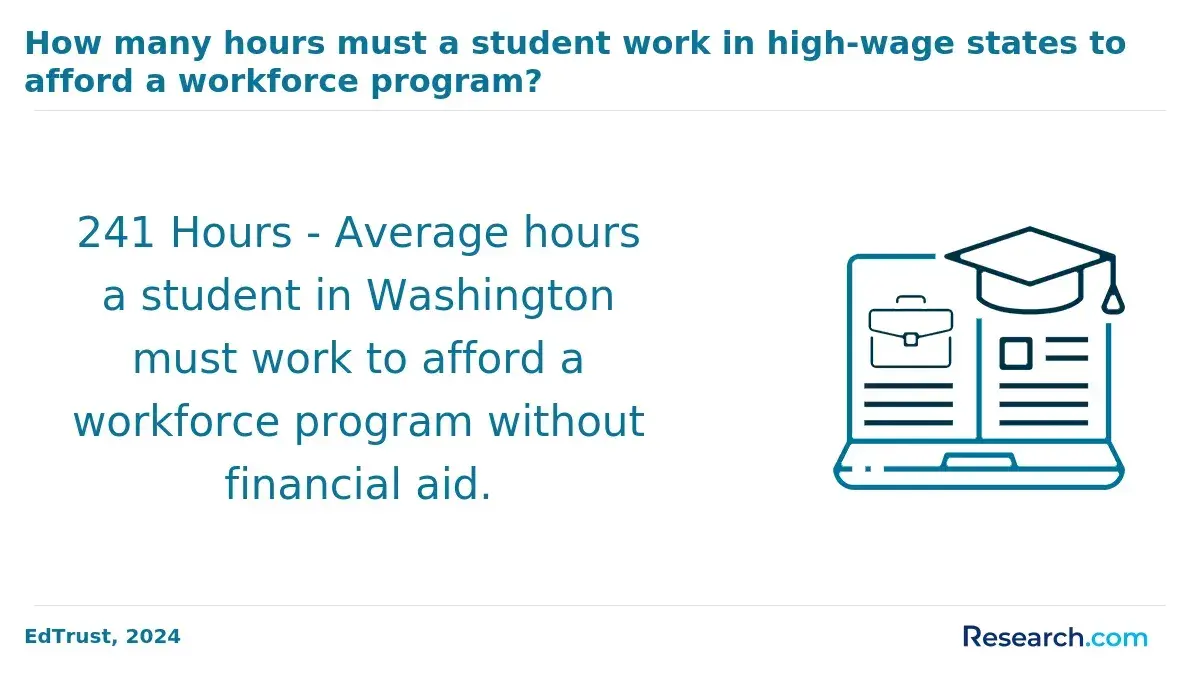
Requirements depend on the degree. Education and student affairs doctorates may evaluate prior graduate study, higher education experience, a statement of purpose, recommendations, and writing ability. Research PhDs also place substantial weight on research preparation and faculty fit. A bachelor's degree is a baseline for doctoral admission; some programs require a master's, while others offer more than one entry route. Check each program's current rules for GPA, tests, interviews, and prerequisites rather than assuming a university-wide graduate policy applies.
If you need a master's before applying, compare its relevance and cost - not just its speed. A fastest masters degree option will not automatically satisfy a doctorate's prerequisites or shorten its dissertation. Contact prospective PhD faculty when the program encourages it, and ask admissions staff whether an adviser match is required before acceptance.
In a relevant higher education doctorate, students may examine student development, access and equity, institutional policy, research methods, program evaluation, and the use of student data. A PhD generally builds toward original research, often through examinations, candidacy, a proposal, a dissertation, and a defense. An EdD may culminate in an applied dissertation or doctoral project. Neither format removes the need for sustained scholarly work.
Ask whether advising-related questions are permissible for the culminating work and who approves the topic. Interest in AI-assisted advising, for example, should lead to questions about data access, privacy, bias, and how an institution would evaluate whether the tool actually helps students.
Delivery format alone cannot establish effectiveness. An online program may provide strong advising and mentorship, while a campus program may be a better fit for close collaboration with a research group. Compare access to faculty, feedback on milestones, cohort interaction, and the support available if progress stalls. Confirm required live sessions, residencies, research activities, and defenses; online coursework does not prove that every requirement is remote or asynchronous.
Returning learners who have not yet completed undergraduate study can explore college degrees for seniors as an earlier educational step. Those options are not substitutes for the bachelor's degree and any graduate preparation a doctorate requires.
There is no single reliable total for this group of programs. Time depends on entry credentials, enrollment status, course sequencing, examinations, access to data, and progress on a dissertation or project. Finishing coursework does not necessarily mean finishing the degree. Request a program's recent time-to-degree information and its policy on continuing enrollment while completing research.
Compare the full financial commitment: tuition, mandatory fees, required visits, research expenses, and earnings you may forgo. Ask PhD departments whether an offer includes tuition remission, a stipend, and funding beyond coursework; do not assume all PhDs are funded. An EdD may rely more heavily on personal funds or employer assistance. Resources on the cheapest online colleges that accept FAFSA in USA can explain undergraduate and general online-cost comparisons, but they cannot establish doctoral tuition, funding, or aid eligibility for a particular program.
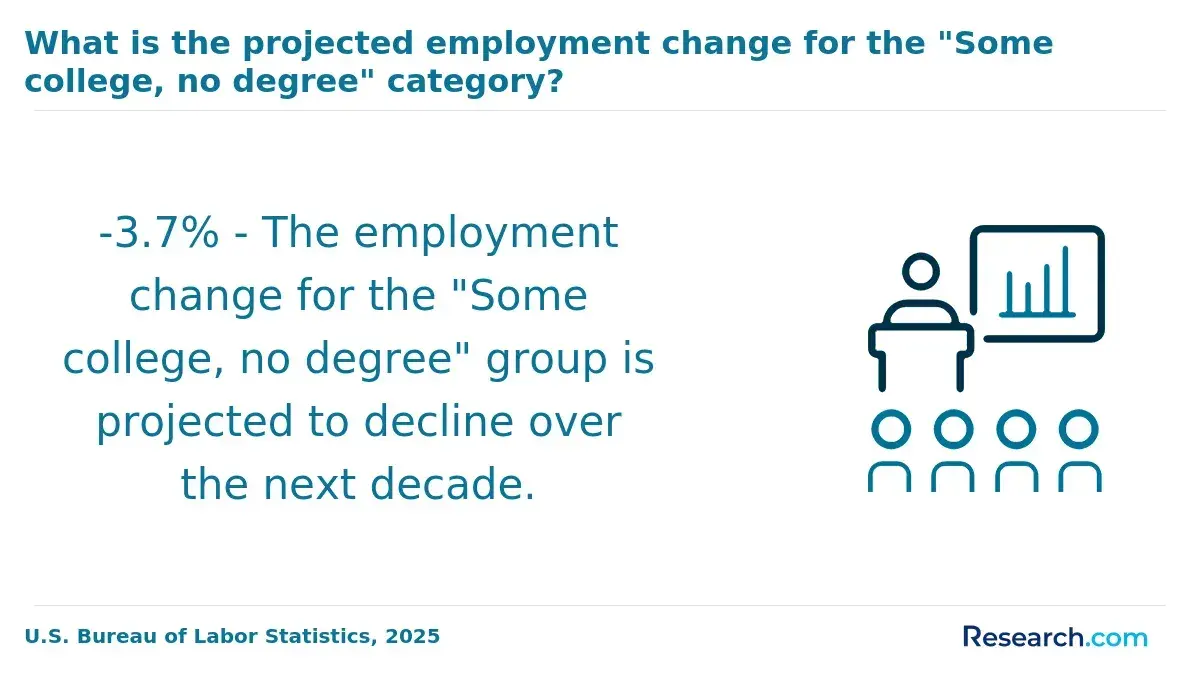
Relevant possibilities include advising research, student-success assessment, higher education administration, faculty work, and leadership in academic affairs. The fit depends on the degree and your prior experience. Most advising positions do not inherently require a doctorate, and a faculty or director role is not guaranteed by earning one. For leadership hiring, employers may also expect a record of managing people, budgets, or institutional initiatives; research hiring may require publications and methodological expertise.
If your immediate goal is to enter advising or move into a senior adviser role, compare job requirements with affordable master's degrees online and relevant work experience. A doctorate makes more sense when its research or advanced leadership training addresses a requirement your alternatives cannot.
There is no single, defensible national salary figure for this group: graduates enter different occupations, and occupational wage data do not isolate the effect of an advising-related doctorate. The Bureau of Labor Statistics' counselor-and-advisor figure cited earlier describes workers in an occupation, not doctoral graduates. It should not be treated as a salary target or a return-on-investment estimate.
For a personal estimate, identify positions you would realistically qualify for after graduation, review their posted pay and experience requirements, and compare the potential change with program cost and time away from work. A doctorate can have research or professional value even where a salary increase is uncertain.
How Should You Choose the Best Academic Advising Doctoral Program?
Start with the job or research question you want the degree to serve. The comparison below separates purposes that are easy to conflate; it is a guide to fit, not a ranking of schools.
| Primary goal | Path to examine first | Critical fit question |
| Study advising and produce original research | Higher education or related PhD | Can a faculty member supervise the proposed research? |
| Improve advising practice or lead change | Relevant EdD | Can the doctoral project address a real advising problem? |
| Enter or advance in advising practice | Relevant master's degree and experience | Do target jobs actually require a doctorate? |
Before committing, take these steps to test both the degree's fit and the advising support promised to doctoral students:
- Confirm institutional accreditation and the exact degree, concentration, delivery format, and culminating requirements in current school materials.
- Ask for the doctoral advising handbook or written policy identifying the academic adviser, research supervisor, meeting expectations, and process for changing advisers.
- Speak with current doctoral students about feedback, faculty availability, and support after coursework ends; treat their experiences as context, not a guarantee.
- Compare written funding or tuition terms and expected completion requirements with a realistic master's-plus-experience alternative.
Two common mistakes are mistaking general student-services access for sustained doctoral mentorship and choosing a well-known program without a faculty match. Either can become costly after enrollment. Get the details in writing before accepting an offer.
Other Things You Should Know About
Usually not. Review postings for the institutions and roles you want; relevant education and student-facing experience may be more useful for entry-level positions.
Advising is more commonly a research topic within a broader PhD, such as higher education or student affairs. Verify the institution's exact degree title and available faculty.
Not necessarily. Academic advisers may help plan degree progress, while dissertation advisers supervise research. Ask who performs each role and how students get help if either relationship changes.
Some relevant doctoral coursework may be online, but program-wide requirements vary. Confirm live meetings, visits, research activities, and defense arrangements directly with the program.
- Public Health Service Policies on Research Misconduct | Federal Register https://www.federalregister.gov/documents/2024/09/17/2024-20814/public-health-service-policies-on-research-misconduct
- IPEDS | ed.gov https://nces.ed.gov/ipeds/reported-data/207209
- Revisiting Academic Advising: Potential Role and Implications in Undergraduate Medical Training in India - PMC https://pmc.ncbi.nlm.nih.gov/articles/PMC10789466/
- Doing It All: Adding Advising into Faculty Workloads - NACADA https://nacada.ksu.edu/Resources/Academic-Advising-Today/View-Articles/Doing-It-All-Adding-Advising-into-Faculty-Workloads
- Guide to Advising Processes for Faculty and Students | yale.edu https://gsas.yale.edu/documents/yale-gsas-advising-guidelines-booklet8-23pdf
- Resources and Guidance for Dealing with Conflict | Northwestern University https://www.tgs.northwestern.edu/services-support/dealing-with-student-faculty-conflicts/
- Doctorate in Leadership & Academic Advising - K-State Online https://online.k-state.edu/programs/leadership-academic-advising-doctorate/
- Advising Appointments - ISSS https://global.upenn.edu/isss/advising/
- About Academic Advising Appointments | umn.edu https://advising.umn.edu/about/appointments
- Elements of Good Academic Advising | Faculty Handbook | University of Pittsburgh https://www.facultyhandbook.pitt.edu/students/graduate-studies/elements-good-academic-advising