
2027 Best Career Programs for Flexible Careers

Co-Founder and Chief Data Scientist
Choosing a career program is harder when classes must fit around work, caregiving, or an unpredictable schedule. Flexibility matters, but an online course is little help if its clinical placement or live meetings are impossible to attend. The U.S. Bureau of Labor Statistics (BLS) projects 29% employment growth for information security analysts from 2024 to 2034, illustrating why career changers may be considering new training. This guide compares career-focused program families, explains where hands-on requirements limit flexibility, and shows how to check whether a credential fits your time, budget, and target job.
Key Things You Should Know
- For scheduling flexibility, compare business, information technology, and computer science programs first; clinical and licensure-oriented fields usually require more fixed, in-person hours.
- Match the credential to the job: a certificate may build a specific skill, while regulated roles can require an approved degree, supervised training, examinations, and a license.
- Compare total cost and remaining requirements, not tuition alone. For context, BLS reports a 2024 median annual wage of $93,600 for registered nurses, but completing a nursing program does not guarantee that wage or a license.
Top 10 Best Career Programs for Flexible Careers
Business Programs
Business certificates, bachelor's degrees, and master's programs can prepare students for operations, accounting, marketing, or project work. Online and part-time options may suit working adults because many assignments can be completed remotely. An MBA is generally better suited to advancement than entry-level preparation; applicants typically need a bachelor's degree, and some programs expect work experience. Compare live meeting times, team-project schedules, and employer tuition assistance. For accounting careers, check your state's CPA education and licensing rules before choosing courses.
Healthcare Programs
Healthcare administration and health information programs can offer more remote coursework than patient-care training. Certificates may target a specific administrative skill; bachelor's and master's programs support broader preparation or advancement. Patient-facing options often require scheduled labs or placements, even when lectures are online. Choose administration if you need location flexibility, but check job postings for experience expectations. Choose a clinical pathway only after confirming that its placement schedule, accreditation, and state eligibility fit your circumstances.
Information Technology Programs
Information technology certificates and degrees cover networks, cloud systems, technical support, and cybersecurity. Remote labs and part-time study can make them workable alongside a job, though some courses require scheduled collaboration or proctored assessments. A short certificate may help an experienced worker add a skill; a degree offers broader foundations. Compare access to hands-on labs and internships, and check whether target employers expect a certification or prior experience. Cybersecurity roles, in particular, are not necessarily entry-level.
Computer Science Programs
Computer science bachelor's and master's programs emphasize programming, algorithms, and software systems. Much coursework can be completed online, but project deadlines and prerequisite sequences can constrain pacing. A portfolio-backed certificate may suit someone testing the field; a degree is worth considering for deeper technical preparation. Master's applicants may need programming and mathematics foundations, regardless of their undergraduate major. Compare capstone requirements, course rotation, and opportunities to build demonstrable work rather than assuming the credential alone will secure a developer role.
Nursing Programs
Nursing pathways include prelicensure programs for aspiring registered nurses and RN-to-BSN or graduate programs for licensed nurses. They serve different starting points: an RN-to-BSN program does not provide initial RN licensure. Online theory can reduce campus trips, but prelicensure labs and clinical placements require scheduled, in-person participation. Graduate nursing programs may also require supervised clinical hours. Confirm approval by the relevant nursing board, accreditation where applicable, placement responsibilities, and eligibility in the state where you intend to practice.
Psychology Programs
Psychology bachelor's programs provide a foundation for related work or further study; they do not qualify graduates to practice independently as psychologists. Master's programs vary widely, from research-focused study to counseling-related preparation. Online classes may be flexible, while practica and supervised work are not. If your goal is therapy or psychological practice, identify the exact occupation and state license first, then verify that the program's curriculum and supervised training meet its requirements. Otherwise, a broader psychology degree may be the better fit.
Education Programs
Education programs serve aspiring teachers, licensed educators seeking advancement, and people pursuing nonteaching roles. A master's degree does not automatically provide initial teacher certification. Online coursework may accommodate an educator's workweek, but initial-licensure routes typically include supervised student teaching during school hours. Compare state approval, placement arrangements, and whether classes meet live. If you cannot leave your current job for a placement, consider a program designed for an already licensed teacher or a nonlicensure education role.
Criminal Justice Programs
Criminal justice certificates and degrees examine law enforcement, corrections, courts, and public safety administration. Online and part-time classes can fit shift work, but the credential's value depends on the role. Police agencies set their own hiring and academy requirements; a degree does not replace them. For someone already employed in the field, a bachelor's or master's program may support advancement. Compare employer education policies and whether the curriculum addresses the specialization you want.
Engineering Programs
Engineering bachelor's programs combine mathematics, design, and laboratory work, which can make fully remote study difficult. Some engineering master's programs offer greater scheduling flexibility to applicants who already have technical preparation. If professional engineer licensure is your goal, review the degree's accreditation and your state board's education, examination, and experience rules. An engineering technology program can be valuable, but it may be treated differently from an engineering degree for licensure. Check required labs and campus attendance before enrolling.
Social Work Programs
Bachelor of Social Work and Master of Social Work programs prepare students for different levels of practice. An accredited BSW may qualify an applicant for an advanced-standing MSW pathway, subject to the school's rules. Online coursework can reduce travel, but field education requires supervised hours at an approved site. For clinical practice, an MSW alone is generally insufficient; state requirements commonly include additional supervised experience and an examination. Ask who secures placements and whether their hours can fit your work schedule.
What are the best flexible career programs for adult learners?
For most adult learners, the best flexible career program is the one that meets a specific job requirement without making attendance or placements unmanageable. Business, IT, and computer science often permit more remote work; healthcare administration can offer similar scheduling advantages. Nursing, teaching, social work, and clinical psychology can be strong choices when you can accommodate required practice hours.
If you already hold a bachelor's degree, compare graduate programs by prerequisites and weekly workload rather than looking only for the easiest masters degree to get online. A manageable program that does not qualify you for your intended role is a poor shortcut.
Which certificate and degree programs lead to flexible careers?
Certificates generally work best for a defined skill or credential requirement. Associate degrees can support entry into some technical and healthcare roles or provide a transfer route. Bachelor's degrees offer broader preparation; master's degrees may support specialization, advancement, or entry into professions with graduate-level requirements. None is inherently the most flexible: compare the actual schedule and experiential work.
An associates degree may be a sensible starting point when the target job accepts it or the courses apply to a planned bachelor's degree. Before choosing a shorter credential, check whether local employers accept it and whether its credits will meet the next program's major requirements - not merely transfer as electives.
How do you choose an accredited career program?
Start with institutional accreditation and, for regulated occupations, the relevant program approval or accreditation. Then check the licensing board in the state where you plan to work. Accreditation can affect aid eligibility and credit recognition, but institutional accreditation alone does not establish that a program qualifies graduates for a particular license.
Request written answers about delivery, required placements, total cost, and how prior credits apply to your intended credential. For a research or advanced professional path, examine the culminating requirement: even online doctoral programs without dissertation may require substantial applied projects or residencies, and a different doctoral format does not establish licensure eligibility.
Are online career programs as effective as campus-based programs?
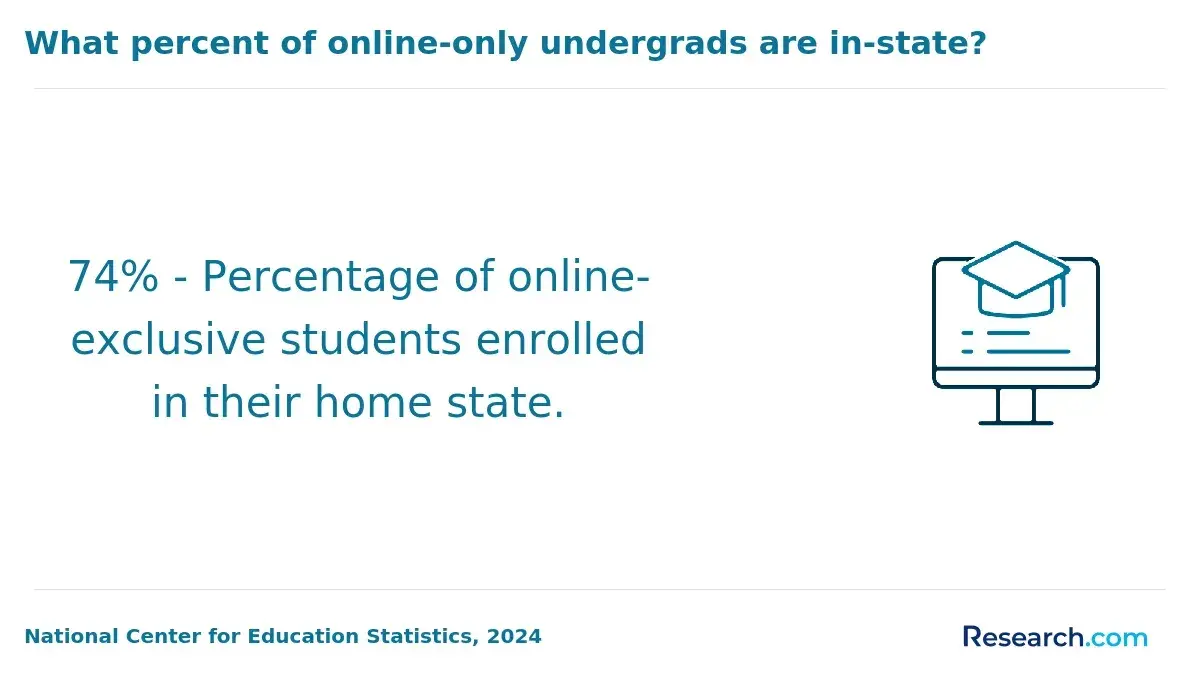
Online career programs can teach the same academic content as campus programs, but their effectiveness depends on program quality, student support, and access to practice. Recorded lectures help when your hours change; scheduled discussions may help if you value regular contact. Neither format eliminates deadlines.
Check what "online" includes before paying a deposit. Labs, clinicals, fieldwork, student teaching, orientations, or examinations may still require attendance at set times or locations. For a hands-on occupation, a nearby hybrid program with reliable placements may be more practical than a distant online program that leaves you to arrange them.
What do flexible career programs teach students?
Career programs combine field knowledge with tasks employers or licensing bodies expect. Business students may analyze budgets and operations; IT students may configure systems; computer science students may build software. Nursing, education, and social work students also practice under supervision. Advanced study can add research, leadership, or specialized practice, depending on the program.
Compare the curriculum with actual entry-level job descriptions. Look for a relevant capstone, portfolio, lab, or placement - not just a course title. As AI tools change some workplace tasks, programs that teach students to check outputs, protect information, and explain decisions can be more useful than training tied to a single tool.
What are the admission requirements for career programs?
Certificate requirements vary: some welcome beginners, while others expect previous coursework or work experience. Associate and bachelor's applicants commonly submit prior school records; graduate applicants ordinarily need a bachelor's degree and may face field-specific prerequisites. Selective clinical or licensure programs can impose separate requirements after general admission.
Ask admissions to distinguish admission to the institution from admission to the career program. Verify prerequisite grades, any GPA or testing rules, application deadlines, background checks, and placement eligibility. Returning students should also request a degree-specific transfer evaluation: accepted credits save time only when they satisfy remaining requirements.
How long do flexible career programs take, and what do they cost?
Completion time depends on required courses, enrollment pace, prerequisites, course rotation, and any placement or capstone. A certificate may be shorter than a degree, but a part-time student can take longer than a full-time student in the same program. An accelerated or advanced-standing estimate may assume substantial approved prior study; ask for an individual remaining-course plan.
For cost, compare a written estimate covering tuition, mandatory and program fees, books or equipment, travel, and unpaid placement time. Published low tuition is not necessarily a low total cost. A cheapest online college search can begin a shortlist, but confirm the price of the specific program, your aid eligibility, employer benefits, and the credits the school will actually apply.
What careers, salaries, and job outlooks follow these programs?
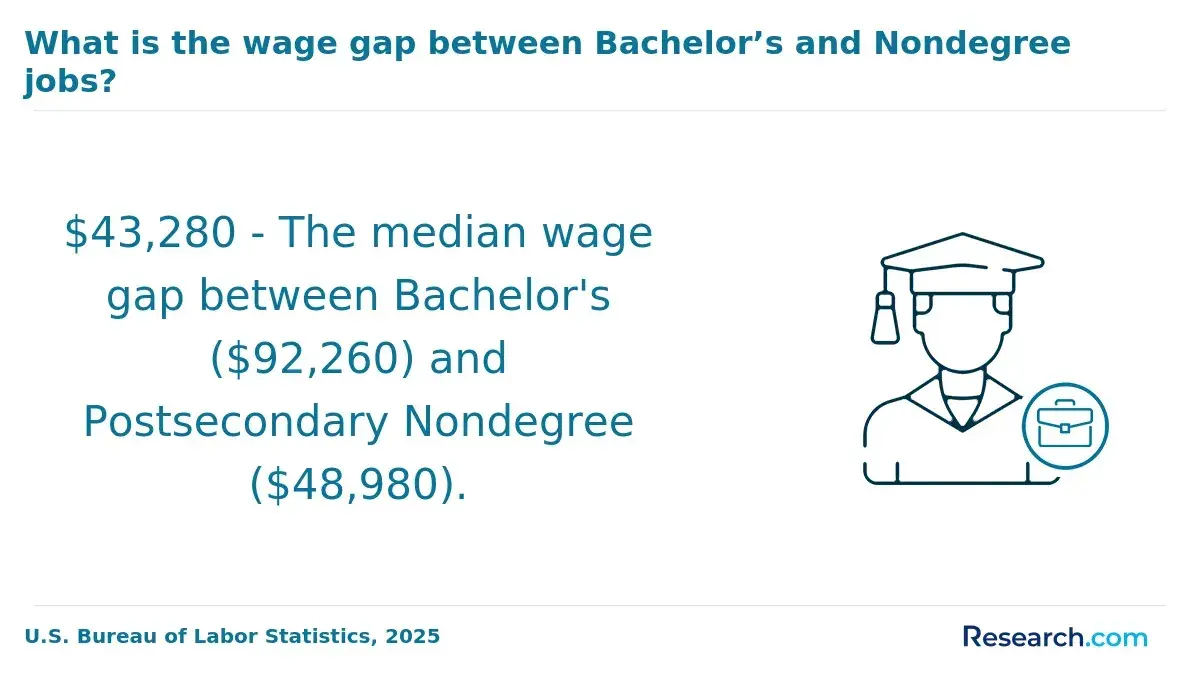
These fields connect to different kinds of work, not a single flexible-career outcome. Technology and some administrative roles may allow remote work; patient care, classroom teaching, and many field placements require a location and schedule. BLS occupational wages describe workers in a role - not the expected earnings of graduates from any particular program.
Information security illustrates both opportunity and a common misconception: its strong projected growth does not make an entry-level certificate sufficient for every analyst job. Employers may expect related IT experience. In any field, compare local openings with the credential, experience, and license they request, then weigh likely opportunities against program cost and time away from work.
Which licenses and certifications do flexible careers require?
Licensing requirements attach to occupations, not to a program's promise of career preparation. Registered nurses need to meet state board requirements and pass the applicable licensing examination. Public school teachers generally need state certification. Clinical social workers and many counseling or psychology practitioners need specified education, supervised experience, examinations, and state licensure. Professional engineer licensure has separate education, examination, and experience rules.
IT certifications are different: they may help demonstrate a technical skill but are not substitutes for a state professional license. Before enrolling, check your intended state board or certification body for current rules, then ask the program to explain - in writing - which requirements it fulfills and which remain after graduation.
Other Things You Should Know About
Sometimes. Business and technology coursework may be fully remote, but check for live meetings, fixed deadlines, proctored exams, and any required internship or lab.
Start with programs offering part-time enrollment and predictable course availability. Confirm the weekly workload and any placement hours before assuming your job and studies will fit together.
Not automatically. Some institutions assess prior learning or accept relevant credentials, but they decide what earns credit and how it applies to the specific program.
It can be for some skill-focused roles, particularly alongside relevant experience. For licensed occupations or jobs that require a degree, a certificate alone will not meet the requirement.
References
- Recognition of Accrediting Agencies | Texas Higher Education Coordinating Board https://www.highered.texas.gov/recognition-of-accrediting-agencies/
- Career planning for high schoolers | bls.gov https://www.bls.gov/careeroutlook/2015/article/career-planning-for-high-schoolers.htm
- Professional Licensure | U.S. Department of Education http://www.ed.gov/about/initiatives/international-affairs/professional-licensure
- Cost of Attendance (Budget) | 2025-2026 Federal Student Aid Handbook https://fsapartners.ed.gov/knowledge-center/fsa-handbook/2025-2026/vol3/ch2-cost-attendance-budget


