2027 Best College Programs With Self-Paced Courses

Co-Founder and Chief Data Scientist
Choosing a self-paced college program means asking more than whether you can study after work. Can you advance quickly, and what deadlines, placements, or costs remain? This guide compares program families and documented examples for working adults, transfer students, and career changers. It also explains how to check whether flexibility extends to the degree you want. The stakes are real: the U.S. Bureau of Labor Statistics projects 15% employment growth for software developers from 2024 to 2034, but a convenient schedule alone will not build the skills or meet the hiring requirements for that role.
Key Things You Should Know
- Start with the program, not the college: Western Governors University's competency-based MBA, Capella University's FlexPath psychology programs, and the University of Maine at Presque Isle's YourPace business programs serve different goals and use different pacing rules.
- Self-paced rarely means deadline-free. A term, assessment, capstone, clinical placement, or student-teaching requirement may still control when you finish; an eight-week course is not an eight-week degree.
- Check the career before paying for flexibility: the Bureau of Labor Statistics reports a 2024 median wage of $93,600 for registered nurses, but an online nursing degree does not itself grant RN licensure or imply that a graduate will earn that amount.
Top 10 Best College Programs With Self-Paced Courses
Business Programs
Competency-based MBAs and management master's programs suit professionals who can apply existing knowledge to assessments without waiting for a conventional class schedule. Western Governors University offers a competency-based MBA; Capella University offers an MBA through FlexPath. Compare their term rules, assessment methods, total required work, and tuition structure - not just the word "self-paced." Applicants seeking their first business credential may find a bachelor's program more appropriate, while career changers should check whether an MBA's coursework supplies the accounting or analytics foundations they need.
Healthcare Programs
Healthcare administration master's programs emphasize operations, finance, quality, and policy rather than clinical licensure. Western Governors University's competency-based Master of Healthcare Administration is one option to investigate if you have relevant experience and need adaptable study hours. Confirm its current admission, assessment, and fieldwork requirements before applying. A healthcare management degree may support advancement, but it does not replace the professional license required to practice nursing, therapy, or another regulated clinical occupation.
Information Technology Programs
IT management and cybersecurity master's programs can pair flexible assessments with workplace projects. Western Governors University offers competency-based graduate options in these areas. For each program, check whether assessments test technical implementation, management decisions, or both; the answer matters more than the degree title if you are targeting a particular job. Also check current certification content and exam costs. A master's degree does not automatically confer a professional certification or substitute for hands-on systems experience.
Computer Science Programs
A computer science master's typically goes deeper into algorithms, software systems, and advanced computing than an IT management degree. Do not assume an online computer science master's is self-paced: many have scheduled semesters, sequenced courses, or team projects. Ask for the academic calendar and assessment schedule before treating any program as a flexible option. If your goal is software development, compare the curriculum and projects with the skills employers request; a shorter IT credential may not provide equivalent technical preparation.
Nursing Programs
For licensed RNs, competency-based nursing education or leadership master's programs may allow flexible study of nonclinical material. Western Governors University offers nursing master's pathways, but applicants should verify the current specialty, RN-license requirements, and any practicum or field-experience obligations for their state. Clinical hours and site approvals cannot necessarily be accelerated by finishing readings early. If your goal is advanced practice rather than education or leadership, confirm that the exact program meets the relevant certification and state licensure pathway.
Psychology Programs
Capella University offers an MS in Psychology through FlexPath, making it a useful example of competency-based graduate study. Its appeal is control over much of the academic work, not a shortcut to independent clinical practice. Psychology master's degrees differ substantially in purpose; some focus on research or applied organizational work rather than therapist preparation. If you intend to counsel clients, verify the degree's clinical curriculum, accreditation where applicable, supervised training, and eligibility with your state licensing board before enrolling.
Education Programs
Competency-based education master's programs may fit working teachers pursuing curriculum, instructional design, or leadership roles. Western Governors University offers graduate education programs with this format. Review the exact track: coursework-only professional development differs from a program intended for initial teacher licensure or an additional endorsement. Student teaching, supervised practice, and state approval can impose fixed schedules even when academic assignments are flexible. Ask your state education agency whether the specific program meets your intended credential requirements.
Criminal Justice Programs
A criminal justice master's may cover policy, research, leadership, or public administration. Online availability is common, but it is not proof of self-paced assessments: verify the published format of the specific master's before applying. Compare the curriculum with the job you want, since investigation, law enforcement, and federal roles may have separate experience, testing, training, or hiring requirements. A general management master's could be a better fit if your objective is administration outside the justice system.
Engineering Programs
Engineering master's programs often depend on advanced prerequisites, specialized software or equipment, project collaboration, and course sequencing. Those features can limit genuine self-pacing even in an online program. Check whether the intended master's permits independent assessment timing, and distinguish engineering from engineering management. If you seek professional engineer licensure, consult your state board about the qualifying education and experience pathway; a flexible graduate degree alone does not establish eligibility.
Social Work Programs
An MSW can prepare students for social work roles, but required field education makes a completely choose-your-own-schedule degree unlikely. Even if academic courses offer flexible access, agencies and supervisors generally set placement hours. Before applying, check the specific MSW's accreditation, field-placement support, and your state's licensure rules. Advanced-standing pathways may shorten study for eligible graduates of qualifying social work bachelor's programs; they are not interchangeable with ordinary transfer credit or available to every applicant.
What Are Self-Paced College Programs and How Do They Work?
Self-paced study lets you move through at least some coursework or assessments according to your progress rather than a weekly lecture schedule. Competency-based education commonly awards credit when students demonstrate mastery. It is distinct from an asynchronous class, which may have no live meetings but still require weekly submissions.
The scope of that freedom varies. Western Governors University uses fixed-length terms while allowing students to advance through eligible courses as they demonstrate competency; the University of Maine at Presque Isle's YourPace uses shorter sessions. Both differ from an open-ended correspondence course. Compare the actual calendar and assessment rules when reviewing online self paced college courses.
Before enrolling, ask for a sample course schedule and identify every fixed event: term end, exam, group project, residency, capstone, and placement. This prevents a common mistake - assuming that control over reading time means control over the entire graduation date.
Which Accredited Colleges Offer the Best Self-Paced Programs?
No single accredited college is best for every self-paced student. The strongest shortlist depends on the exact program, how its assessments work, whether prior credit applies, and what attendance obligations remain. These documented program examples illustrate distinct models; they are not a price or outcome ranking.
| College and program example | Self-paced model | Best reason to investigate | Key limit to check |
| Western Governors University - MBA | Competency-based courses within fixed terms | Graduate business study for experienced professionals | Term cost, readiness for assessments, and remaining requirements |
| Capella University - FlexPath MS in Psychology | Competency-based, flexible assessment pacing | Graduate psychology study without a conventional weekly class pattern | Degree purpose and any intended occupation's licensure rules |
| University of Maine at Presque Isle - YourPace Bachelor of Arts in Business Administration | Competency-based work within scheduled sessions | Undergraduate business completion, particularly after a credit evaluation | Which previous courses satisfy major requirements |
| Purdue Global - ExcelTrack Bachelor of Science in Business Administration | Competency-based course modules | Undergraduate business study with a different assessment structure | Program availability, term rules, and full completion cost |
Verify institutional accreditation through the recognized accreditor and confirm that the named program and pacing format are currently offered. Institutional accreditation supports a baseline quality check; it does not establish that every program meets a profession's separate approval requirements.
What Degrees and Certificates Can You Earn Through Self-Paced Study?
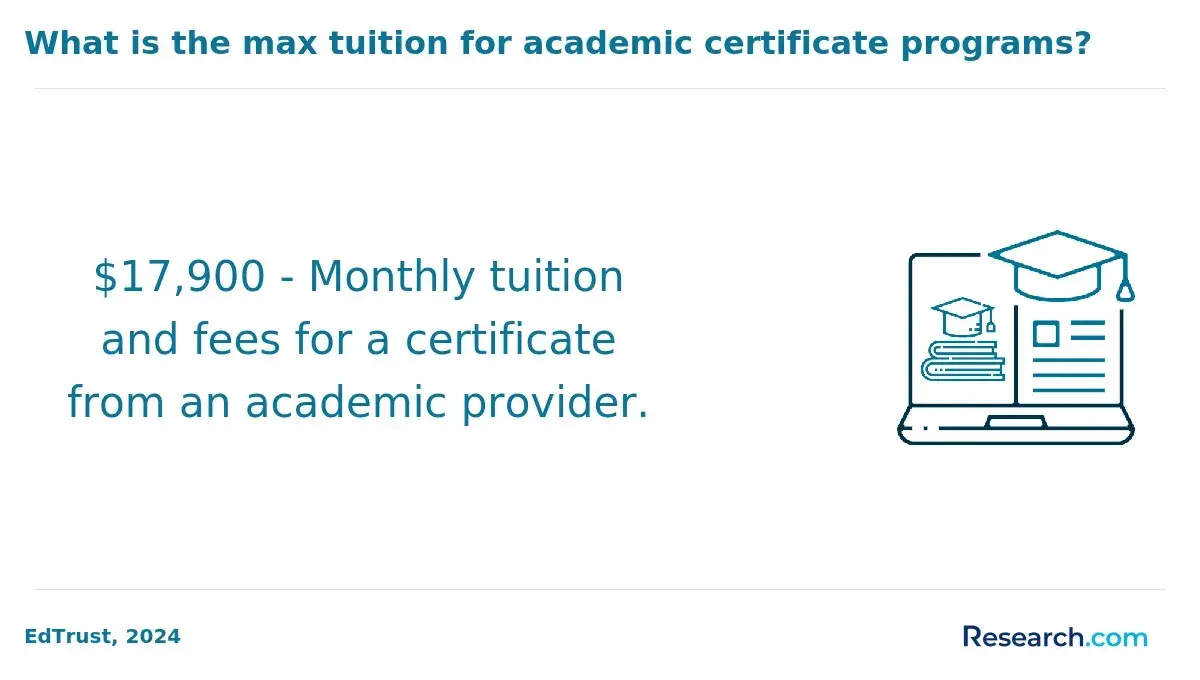
Self-paced formats can lead to undergraduate certificates, associate or bachelor's degrees, and selected master's degrees. Availability depends on the institution and major - not every credential a college advertises uses its competency-based format. Business and IT offer comparatively clear options; clinical and field-based programs require closer examination of in-person obligations.
Choose the credential that matches the job requirement. A certificate can target a narrow skill, while a bachelor's or master's covers a broader curriculum and may be necessary for advancement or further study. If a full degree is unnecessary, compare easy certifications to get online with the actual certification requirements employers list. A college certificate and an industry certification are not the same credential.
How Do Self-Paced Online Programs Compare With Campus-Based Programs?
Self-paced online study trades scheduled lectures for greater responsibility to plan, seek feedback, and monitor progress. Campus programs offer more predictable in-person contact and may make laboratory access or local placements simpler. Neither format is automatically faster or more supportive.
The comparison below separates scheduling from requirements that may remain fixed in either format.
| Factor | Self-paced online program | Campus-based program |
| Weekly study | Often adaptable around work, subject to assessments and term dates | Usually organized around scheduled class meetings |
| Feedback and accountability | Requires deliberate use of faculty, coaching, or tutoring | Regular meetings can provide built-in contact |
| Hands-on work | May still require local placements, labs, or in-person activities | Often uses campus facilities and scheduled fieldwork |
| Time to finish | Can vary with preparation, pace, and remaining requirements | Usually follows a published course sequence |
Be skeptical of a quick-completion claim unless you know the starting-credit assumption. Discussions of a masters in 6 months are useful for identifying accelerated structures, but short terms or rapid assessments do not mean every applicant can finish the entire degree in that time.
What Do You Study in Popular Self-Paced College Programs?
Business students commonly study accounting, finance, operations, and decision-making; IT students work on systems, security, and data; psychology students examine research methods and behavior. Nursing, education, and social work add professional practice or field components. At the master's level, look for advanced coursework that fits your intended role rather than assuming every degree in a field teaches the same skills.
Competency-based students may demonstrate learning through papers, projects, presentations, or exams. Request the program map before enrolling: required courses, electives, prerequisites, capstone, and experiential work reveal both the academic fit and the true limits of self-pacing. For a career change, check whether the curriculum builds foundational skills instead of primarily assessing knowledge you are already expected to have.
What Are the Admission Requirements for Self-Paced Programs?
Requirements depend on the credential and the individual program. Bachelor's applicants generally need a high school diploma or equivalent; master's applicants generally need a qualifying bachelor's degree. A nursing pathway may require an active RN license, while a specialized graduate program may require prerequisite courses or professional experience. Never assume that a college's broad admissions policy overrides a program's selective requirements.
Request a written evaluation of previous college credit before committing. Confirm which credits count toward general education, the major, and electives; whether grades or course age affect acceptance; and how many credits must be completed at the new institution. Professional experience does not automatically become academic credit - ask whether an assessment or published prior-learning policy applies to your program.
How Long Do Self-Paced College Programs Take and What Do They Cost?
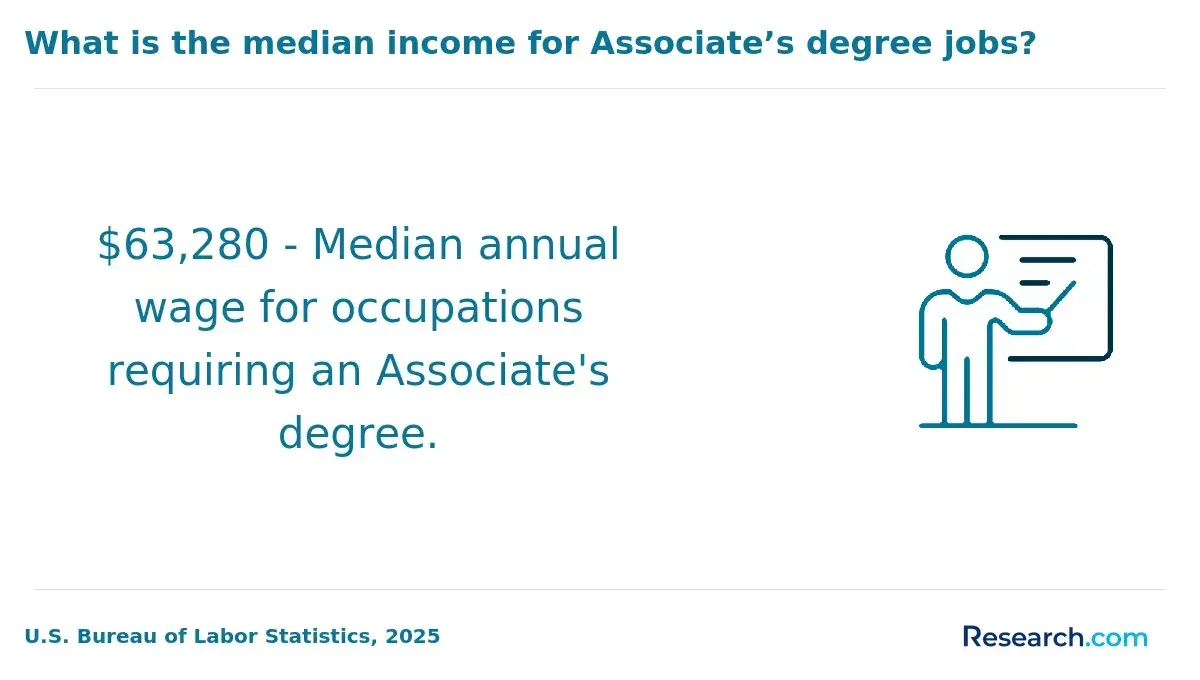
Completion time is the work left to do, not the length of one course or term. A bachelor's student bringing applicable credits may finish sooner than a first-time student; a master's student may still face prerequisites, a capstone, or supervised hours. Faster progress is possible in some competency-based programs, but only if assessments are available, you can demonstrate mastery, and required courses or placements do not create delays.
Compare costs using the same assumptions. Per-term or subscription tuition can reward faster completion, yet an extra term, mandatory fees, materials, certification exams, and travel can change the total. The following cost components belong in a personalized estimate.
| Cost component | Why it matters |
| Tuition structure | Per-credit and per-term prices respond differently to study pace |
| Required fees and materials | Published tuition may exclude technology, books, or assessments |
| Placement or travel expenses | Fieldwork and visits can add costs outside the tuition bill |
| Accepted credit | Only credit that applies to the degree reduces remaining coursework |
Ask each school for a program-specific estimate based on your evaluated credits and realistic terms to completion. Check federal aid eligibility, employer tuition assistance, and payment conditions before choosing the lowest advertised price. For graduate comparisons, a list of the cheapest masters degree online can help identify candidates, but it cannot replace your own total-cost calculation.
What Careers, Salaries, and Job Outlook Come From Self-Paced Programs?
Career value depends on the occupation, your prior experience, and whether the credential meets an employer's or licensing board's requirements. A business graduate might pursue operations roles; an IT graduate might pursue technical or management positions; a nursing graduate may seek advancement within the scope of an existing license. None of these outcomes follows automatically from choosing a self-paced format.
For context, the Bureau of Labor Statistics reports a 2024 median wage of $133,080 for software developers. That is an occupational median across workers, not an expected starting salary for computer science or IT graduates. Its projected 2024-2034 employment growth also indicates demand, not an individual job offer. Compare local postings, required skills, and likely entry points with the program's curriculum and total cost before estimating a return on investment.
How Can You Verify Licensing and Certification Requirements?
Licensure rules attach to the occupation and state, not to a school's use of "online" or "self-paced." This matters most for nursing, teaching, counseling, clinical psychology, social work, and engineering. A degree may be academically valid yet not satisfy the particular education, supervised practice, or examination requirement you need.
Use this sequence before enrolling in a program intended to support a license:
- Identify the exact license and state where you intend to work, then read that state board's current education and experience requirements.
- Confirm the program's institutional and, where required, programmatic accreditation or state approval for your specific pathway.
- Ask the program in writing whether it meets that state's educational requirements and how it arranges any clinical placement, practicum, or student teaching.
- Check separately for examinations, supervised hours, background checks, and applications required after graduation.
Recheck requirements if you move states or change specialties. Treat a vague statement such as "prepares students for licensure" as a reason to ask which license, in which state, and under what conditions.
Other Things You Should Know About
Usually not. Students may control when they study or submit assessments, while terms, course access, fieldwork, and graduation requirements still have deadlines.
Possibly, if the college accepts the credits and applies them to requirements you still need. Request a program-specific evaluation; accepted elective credit may not replace a required major course.
Accreditation applies to the institution or, where relevant, a specific professional program - not to the pacing method. Verify the accreditor and any professional approval required for your goal.
Start with the credential your intended career requires. Then compare documented assessment flexibility, fixed obligations, applicable transfer credit, student support, and your estimated total cost at programs offering that exact credential.
References
- Cost of Attendance (Budget) | 2025-2026 Federal Student Aid Handbook https://fsapartners.ed.gov/knowledge-center/fsa-handbook/2025-2026/vol3/ch2-cost-attendance-budget
- Accreditation in the U.S. | ed.gov http://www.ed.gov/laws-and-policy/higher-education-laws-and-policy/college-accreditation/accreditation-in-the-us
- Eligibility Requirements | Federal Student Aid https://studentaid.gov/understand-aid/eligibility/requirements
- Student Outcomes Data | Lamar Institute of Technology https://www.lit.edu/institutional-data/student-outcomes
- Picture an Online Degree at Your Own Pace | snhu.edu https://www.snhu.edu/about-us/newsroom/education/picture-an-online-degree-at-your-own-pace
- Undergraduate and Graduate Tuition and Fees | Purdue Global https://www.purdueglobal.edu/tuition-financial-aid/undergraduate-graduate-tuition-and-fees/
- Tuition & cost of attendance | UC Admissions https://admission.universityofcalifornia.edu/tuition-financial-aid/tuition-cost-of-attendance/
- Earn College Credit for Your Experience | sunyempire.edu https://sunyempire.edu/academics/get-credits/index.html
- UMass Global MyPath: Self-Paced Programs https://www.umassglobal.edu/why-umassglobal/flexible-ways-to-learn/self-paced