
2027 Best Associate Degree Completion Programs With Year-Round Enrollment

Co-Founder and Chief Data Scientist
Returning to college is easier to plan when you can start without waiting for fall - but a year-round calendar does not mean every required course runs every term. These associate degree completion pathways are for students with previous college credit who want to finish while managing work or other commitments.
The College Board reported average published tuition and fees of $4,050 for in-district students at public two-year colleges in 2024-25; your remaining credits and fees determine what you will actually pay. This guide helps you compare fields, calendars, transfer policies, and career requirements before you enroll.
Key Things You Should Know
- Start with a degree audit: in a 60-credit program, 30 accepted credits do not necessarily leave only 30 credits if prerequisites or major requirements remain unmet.
- Year-round enrollment is most useful when your remaining required courses - not just introductory electives - are offered in summer or multiple annual terms.
- Compare an accredited school's written credit evaluation, course schedule, total remaining cost, and any clinical or licensing requirements before choosing a program.
Top 10 Best Associate Degree Completion Programs With Year-Round Enrollment
Business Programs
Business administration AA, AS, and AAS pathways may cover accounting, management, marketing, and spreadsheets. Transfer-oriented programs suit students planning a bachelor's degree; career-oriented programs may emphasize applied skills. Many courses can be offered online across multiple terms, but confirm that your remaining accounting and capstone courses run when you need them. Ask whether previous business credits satisfy major requirements rather than merely counting as electives. An associate degree can support entry-level office or sales roles; management positions generally require experience.
Healthcare Programs
Healthcare administration and health information programs can suit returning students who want healthcare work without a direct patient-care credential. Coursework may include medical terminology, records, reimbursement, and privacy. Check whether older science or technology credits still satisfy requirements and whether a practicum limits scheduling flexibility. An online course calendar does not guarantee an online internship. For a particular records or coding role, compare the program with employer preferences and any relevant certification requirements before enrolling.
Information Technology Programs
IT associate programs commonly combine networking, systems, programming, or cybersecurity foundations. Year-round online courses can help students use existing general education credits, but labs and prerequisite sequences may restrict how quickly they finish. Ask whether prior coursework covers the current major requirements; a course accepted for credit may no longer meet a specific technology requirement. Compare transfer-oriented AS programs with applied programs and check whether the curriculum prepares you for the entry-level jobs or industry certifications you want.
Nursing / Pre-Nursing Programs
Pre-nursing associate pathways generally prepare students to apply to a nursing program; they do not themselves qualify graduates for registered nurse licensure. An associate degree in nursing is different: it includes supervised clinical education and usually has separate, selective admission. Summer general education courses may be available even when nursing cohorts start less often. Confirm prerequisite expiration rules, clinical schedules, state board approval, and the steps required for licensure before treating a year-round college calendar as a year-round nursing pathway.
Criminal Justice Programs
Criminal justice AA, AS, and AAS programs may cover law, courts, corrections, and investigative fundamentals. An online, multi-term schedule can work well for students finishing general education or elective requirements. If you intend to transfer, verify how major courses apply to the destination bachelor's program. If you want a public safety job, review the hiring agency's separate requirements: an associate degree does not replace background screening, academy training, or other conditions that may apply.
Psychology / Counseling Programs
A psychology associate degree is typically a transfer foundation, with courses in research methods, development, and behavior. Year-round enrollment may help you finish general education requirements before moving into a bachelor's program. Check that the destination school accepts the courses toward your intended major, not just as elective credit. An associate degree alone does not qualify someone to practice as a licensed counselor or psychologist; those paths require substantially more education and other state-specific steps.
What Are Associate Degree Completion Programs With Year-Round Enrollment?
Associate degree completion means finishing an associate program after previously earning college credit. It is not necessarily a separately named degree or a fixed-length track. An AA or AS often supports transfer, while an AAS often emphasizes workforce preparation, though the actual curriculum matters more than the abbreviation. Most programs require roughly 60 semester credits; how many you still need depends on which credits apply to general education, the major, and electives.
Year-round enrollment means a college provides opportunities to begin or study across the calendar year. It does not mean every class starts monthly or that clinical placements run in summer. Students considering an online associates degree should distinguish a frequent course start from a verified timeline for completing the entire degree.
Which Accredited Colleges Offer Year-Round Associate Degree Completion Programs?
There is no universally best college for returning students: the strongest option is the accredited institution that accepts the most applicable credit and offers your remaining courses when you can take them. The examples below illustrate different year-round scheduling models, not a ranking or a promise that every associate major starts every term. Confirm current program availability, institutional accreditation, and course dates directly before applying.
This comparison shows why a school's calendar alone cannot establish your finish date. Ask each school for a program-specific degree audit and schedule for the courses you would still need.
| College | Scheduling model to investigate | Completion question to ask |
| Southern New Hampshire University | Online undergraduate terms throughout the year | Which associate major requirements can I take in consecutive terms? |
| Thomas Edison State University | Recurring online course starts | Which transfer, examination, or prior-learning credits apply to my associate degree, and what must I complete through the university? |
| Rio Salado College | Frequent starts for many online courses | Are my required degree courses available on the same flexible schedule as introductory courses? |
| Ivy Tech Community College | Fall, spring, and summer course offerings | Does my specific program offer its remaining courses - and any required in-person components - in summer? |
Institutional type is another consideration, but it cannot replace a credit evaluation. If you are comparing a not for profit online university with a community college, compare the total cost and time to finish your specific degree at each.
How Do You Choose the Best Associate Degree Completion Program?
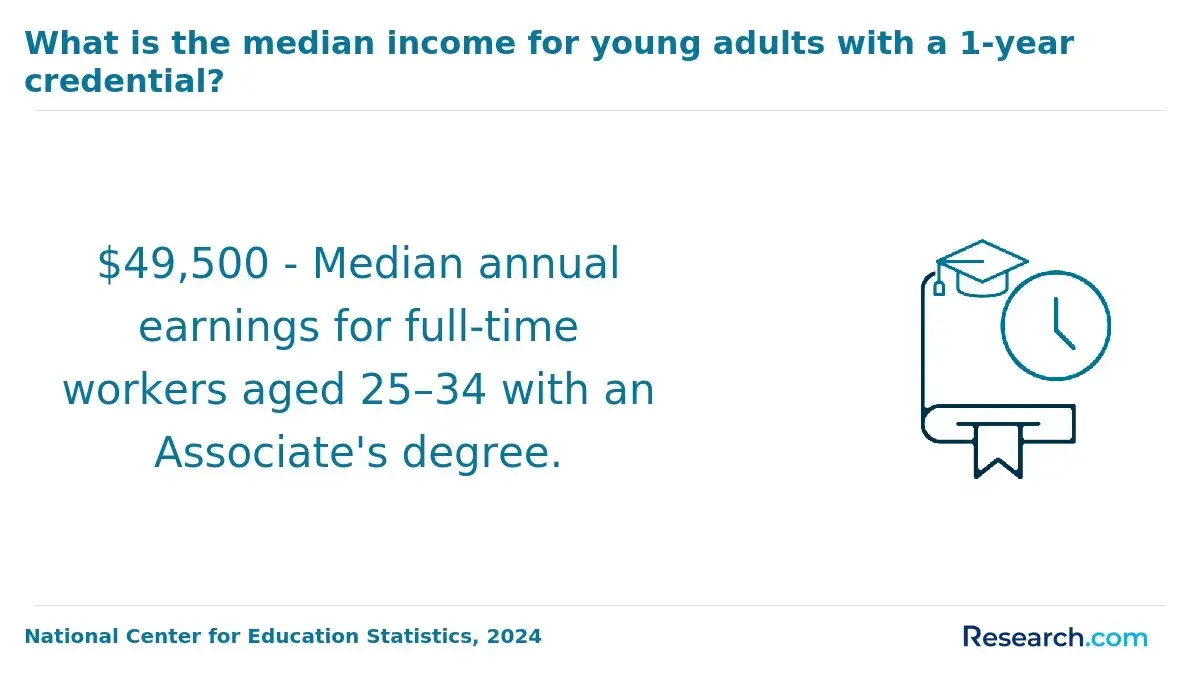
Choose based on the work left to complete, not a school's advertised start frequency. A program with fewer starts may be quicker or cheaper for you if it accepts more credits toward required courses. If your goal is a bachelor's degree, confirm how the associate coursework applies at the intended destination; if your goal is employment, examine the curriculum and any separate hiring or licensing requirements. Comparing the best degrees to get online may help you clarify the field, but your completed credits should shape the final choice.
Request the same information from each prospective school so the offers are comparable:
- Send transcripts for a written, program-specific evaluation showing accepted credits, unmet requirements, and any grade or course-age restrictions.
- Ask about the maximum transferable credits, minimum credits you must earn at the school, and evaluated credit for military training, exams, credentials, or other prior learning.
- Map every remaining required course to a published term, including prerequisites, labs, practicums, and capstones.
- Compare tuition, mandatory fees, materials, travel, and financial aid eligibility for the credits you still must take.
A common mistake is accepting a large transfer-credit total without checking its placement in the degree audit. Credits that fill only elective space may do little to shorten completion.
What Are the Admission Requirements for Associate Degree Completion Programs?
Colleges generally request an application and transcripts from previous institutions. Admission to the college may be straightforward while admission to a particular nursing or allied-health program is selective. Program-specific prerequisites, minimum grades, background checks, and clinical eligibility may also apply.
Before enrolling, find out whether the school evaluates official transcripts in advance and whether credits from your previous institution meet its policies. Some schools assess professional training, military education, examinations, or portfolios for credit, but experience does not automatically become college credit. Ask for the evaluation result in writing, including how it changes your remaining courses and residency requirement.
How Do Online and Campus-Based Completion Programs Compare?
Online study can eliminate routine travel, but it does not necessarily allow work at any hour: courses may have scheduled meetings and fixed deadlines. Campus study may offer easier access to physical labs or in-person support, while hybrid delivery can accommodate coursework online alongside required clinical or laboratory sessions.
These differences matter most when a student is trying to take courses in consecutive terms. Compare the delivery of your remaining requirements, rather than the format advertised for the program overall.
| Format | Potential advantage | Scheduling constraint to verify |
| Online | Less routine travel | Live meetings, proctored activities, and required-course start dates |
| Hybrid | Online coursework with in-person practice | Lab or clinical location, frequency, and assigned hours |
| Campus-based | On-site labs and services | Commute, class times, and summer availability |
When comparing online colleges, ask whether required courses are asynchronous and whether any in-person component can be completed near you. That answer is more useful than the word "online" alone.
What Courses Are Included in Associate Degree Completion Programs?
The remaining courses depend on your degree audit. General education may include writing, mathematics, and social or natural sciences. Major coursework varies: business students may need accounting; IT students may need networking labs; healthcare students may need terminology or records courses. Some programs also require a capstone, internship, practicum, or supervised clinical work.
Prerequisite order matters even when a school offers several annual starts. For example, a required advanced course may run only after an introductory course and may not be offered every term. Ask an advisor to identify the longest required course sequence before estimating your completion date.
How Long Do Associate Degree Completion Programs Take and Cost?
Completion can take a few terms or substantially longer. A student with many accepted credits that satisfy required courses may finish sooner than one whose previous credits count mostly as electives. Course load, start dates, prerequisites, residency rules, and clinical scheduling all affect the timeline. Short classes describe the length of a course, not the length of the entire associate degree.
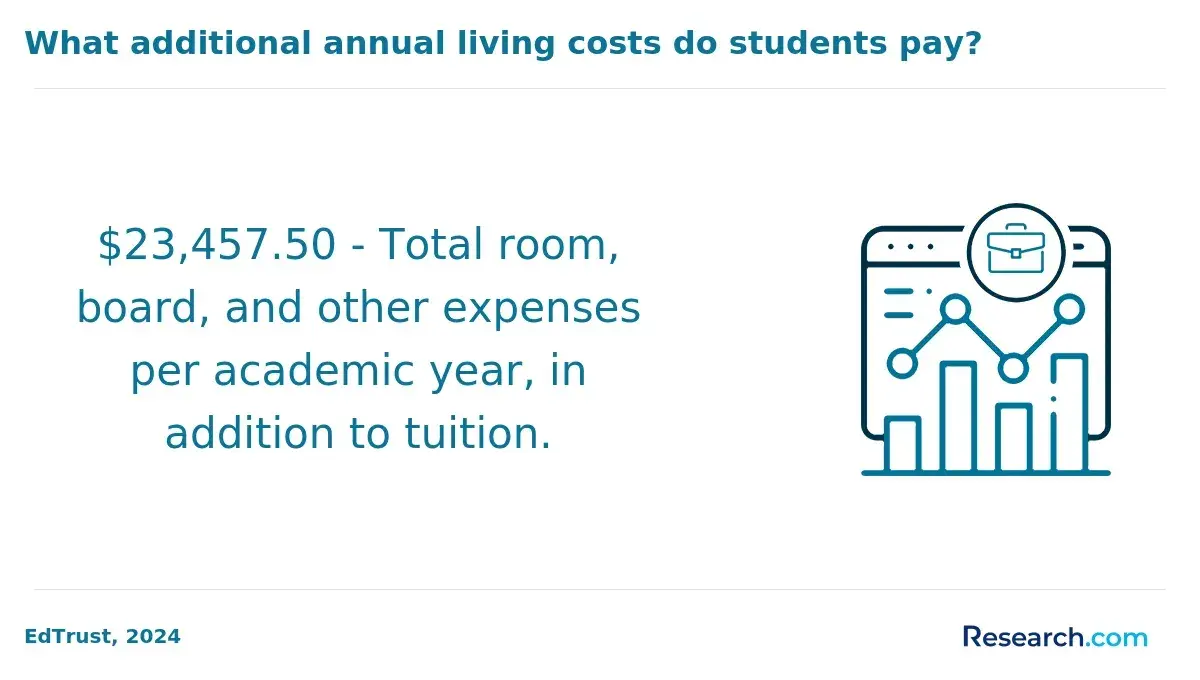
For a cost estimate, multiply the credits you still must earn at the new school by its applicable tuition rate, then add mandatory fees and required materials or travel. Published annual tuition averages are useful context, but they are not a quote for finishing your degree. Request an itemized estimate after your transfer evaluation, and check scholarships, employer assistance, and federal aid eligibility before deciding. The cheapest per-credit option may cost more overall if it requires you to retake courses.
What Careers and Salaries Can Associate Degree Graduates Expect?
Career outcomes depend on the field, local hiring requirements, and experience - not simply on completing an associate degree. Business, IT, healthcare administration, and criminal justice programs may support applications for relevant entry-level roles. Psychology and pre-nursing pathways more often serve as steps toward further education. Compare job postings in your area with the program's actual coursework before assuming a degree qualifies you for a particular position.
For perspective, the U.S. Bureau of Labor Statistics reported a 2024 median annual wage of $93,600 for registered nurses. That is an occupation-wide figure, not the expected pay of associate degree graduates or newly licensed nurses. A pre-nursing degree does not qualify someone for RN work, and graduates of an approved nursing program must meet state licensing requirements. Use occupational wage figures to assess a career path, not as a promised return on tuition.
What Certifications and Licenses Do Graduates Need for Their Careers?
Requirements vary by occupation and state. A general business, IT, criminal justice, or psychology associate degree does not itself confer a professional license; employers may still prefer particular experience or certifications. Nursing graduates seeking RN licensure must meet their state board's requirements, including the applicable licensing examination. Other clinical healthcare roles can require programmatic accreditation, supervised training, certification, or licensure.
Check the regulator or certifying body for the role you want before choosing a program, especially if you expect to work in a different state. Ask the college whether its curriculum meets the relevant educational requirements and whether required clinical placements are available where you live. Do not assume that institutional accreditation alone establishes eligibility for every professional credential.
Other Things You Should Know About
Some colleges offer frequent starts, while others enroll students in fall, spring, and summer. Your start date also depends on when the required courses in your major run.
The receiving college decides after evaluating your transcripts. Ask how many credits satisfy general education and major requirements, not just how many transfer in total.
Possibly, depending on the program and your remaining courses. Confirm whether labs, clinical work, practicums, proctored activities, or campus visits are required.
No. A later-starting program that accepts more applicable credit or offers a better course sequence may get you to graduation sooner. Compare written degree audits and term-by-term plans.
References
- Don't Miss Out on Federal Pell Grants | studentaid.gov https://studentaid.gov/articles/dont-miss-out-on-pell-grants/
- Credit for Prior Learning - Ohio Department of Higher Education https://highered.ohio.gov/initiatives/access-acceleration/credit-for-prior-learning
- 8VAC40-31-140. Certification criteria for institutions of... - Virginia Law https://law.lis.virginia.gov/admincode/title8/agency40/chapter31/section140/
- TEN_25-19.pdf - U.S. Department of Labor https://www.dol.gov/node/161262
- Colorado Transfer https://cdhe.colorado.gov/students/attending-college/colorado-transfer
- Cost of Attendance (Budget) | 2025-2026 Federal Student Aid Handbook https://fsapartners.ed.gov/knowledge-center/fsa-handbook/2025-2026/vol3/ch2-cost-attendance-budget
- .16 Graduation Requirements. | Library of Maryland Regulations https://regs.maryland.gov/us/md/exec/comar/13B.02.02.16
- University Associate Degree Graduation Requirements | asu.edu https://catalog.asu.edu/associatereq
- Credit for Prior Learning - Mohave College https://www.mohave.edu/academics/credit-prior-learning/
- How to Get College Credit for Work Experience - Post University https://post.edu/blog/pla-101-can-a-prior-learning-assessment-get-me-college-credit-for-work-experience/


