
2027 Are Online Environmental Science Master's Degrees Respected by Employers? Hiring Trends & Career Outcomes

Co-Founder and Chief Data Scientist
Graduates holding online environmental science master's degrees often face skepticism from employers uncertain about the equivalence of online and traditional programs. This concern can delay job offers or exclude candidates from competitive roles. According to a 2023 survey by the National Association of Colleges and Employers, 42% of hiring managers expressed reservations about online degrees despite increasing acceptance. Understanding how accreditation, program rigor, and employer hiring trends influence these perceptions is crucial for candidates. This article examines these factors alongside alumni career outcomes to clarify the real-world value of online environmental science master's credentials in today's job market.
Key Benefits of Knowing Whether Online Environmental Science Master's Degrees Are Respected by Employers
- Employer perception of online environmental science master's graduates has shifted positively, with 72% of hiring managers now recognizing the legitimacy of accredited online programs.
- Graduates from reputable online programs demonstrate comparable workplace performance and technical proficiency, often leading to equal access to promotions and salary increases.
- Skills-based hiring trends favor tangible expertise over credentials alone, increasing career prospects for online degree graduates in environmental consulting and policy roles.
How Have Employer Perceptions of Online Environmental Science Master's Degrees Changed Over the Past Decade?
Employer perceptions of online environmental science master's degrees have evolved significantly since the early 2010s. At that time, skepticism was widespread, largely due to negative associations with for-profit colleges that often lacked proper accreditation and consistent academic quality. These perceptions affected how hiring managers viewed online credentials, especially in specialized fields like environmental science, where rigorous technical knowledge is essential.
The COVID-19 pandemic triggered a rapid expansion of remote learning across higher education and reshaped employer attitudes. As organizations adapted to new working models, many hiring managers gained firsthand experience with online education's potential, prompting a broader reassessment of its value. This shift is reflected in trends in hiring graduates with online environmental science master's programs, which show increased employer openness.
A 2023 survey by Champlain College reveals that 84% of employers are now more accepting of online education compared to the pre-pandemic era. Today, much of this acceptance hinges on two critical factors: the accreditation status of the program and the prestige of the institution awarding the degree. Accredited and reputable programs are perceived as reliable indicators of skills and knowledge in environmental science, helping graduates confidently compete in the job market.
For prospective students considering online graduate options, it's helpful to compare programs rigorously. Some may even explore related degrees, such as a master's in speech pathology online, to understand how accreditation and program quality affect employer perceptions across disciplines.
What Do Hiring Managers Actually Think About Online Environmental Science Graduate Credentials?
Recent surveys from the National Association of Colleges and Employers (NACE) and the Society for Human Resource Management (SHRM) reveal that employer perception of online environmental science master's degrees has shifted notably. Early doubts about these graduate credentials have waned as many programs now emphasize accreditation and academic rigor. However, the hiring trends for environmental science graduates online programs still vary by industry sector, company size, and geographic region.
- Sectors Matter: Acceptance of online environmental science degrees varies by sector, with government and consulting showing more initial caution while nonprofits and tech-savvy organizations are generally more flexible.
- Institutional Reputation: Degrees from well-accredited and recognized universities reduce employer concerns, helping online credentials gain legitimacy.
- Geographic Differences: Urban employers, especially in large metropolitan areas, are more open to online degrees compared to rural or traditional industry regions.
- Experience Over Format: Demonstrable skills, internships, and portfolios weigh more heavily in hiring decisions than the degree's delivery method.
- Growing Acceptance: Employers increasingly recognize that online environmental science programs can produce capable graduates, reflecting evolving educational landscapes and workforce needs.
A SHRM HR manager commented in 2023 that "online environmental science degrees from well-known, accredited universities are increasingly seen as equivalent, provided the candidate demonstrates strong applied skills and relevant experience." In contrast, small businesses and nonprofits in rural settings often prioritize practical experience over the mode of degree delivery.
Prospective students evaluating programs will find that a strong curriculum combined with outcomes-related evidence can boost graduate prospects. Those interested may also explore the easiest masters degree options available, providing pathways into environmental science and related fields.
Does Accreditation Determine Whether an Online Environmental Science Master's Degree Is Respected?
Employers distinguish between regional accreditation and programmatic or professional accreditation when evaluating online environmental science master's degrees. Regional accreditation assesses the entire institution's academic quality and is essential for general credibility. Programmatic accreditation, however, focuses on the specific environmental science program, providing deeper assurance that the curriculum aligns with industry expectations and academic standards. This specialized accreditation can serve as a valuable endorsement beyond the regional seal.
Prospective students should use reliable verification tools like the U.S. Department of Education's Database of Accredited Postsecondary Institutions and Programs (DAPIP) and the Council for Higher Education Accreditation (CHEA) directory to confirm both institutional and program-specific accreditation. Programs lacking proper accreditation, regardless of online or in-person format, are typically disregarded by employers and may disqualify graduates from professional certifications or advanced opportunities.
Accreditation by discipline-specific organizations, such as those connected to professional environmental associations or STEM entities, can enhance a program's reputation and better signal rigorous preparation to employers. Recent surveys show that more than 80% of U.S. employers prioritize accreditation status when reviewing candidates from online fields, underscoring the continuing importance of recognized credentials in hiring decisions.
A professional who pursued an online environmental science master's degree shared that the process of verifying accreditation was "a crucial but confusing step" during his transition. He explained, "I had to dig through multiple databases to confirm the program's legitimacy, especially since I wanted to avoid wasting time and money on a degree that wouldn't open doors." He described feeling apprehensive when comparing programs and appreciated how programmatic accreditation boosted his confidence in the curriculum's relevance. "Knowing the program was recognized by credible environmental organizations mattered a lot when I eventually discussed my qualifications with potential employers." This validation helped him feel assured his degree would be respected despite being earned online, easing the uncertainty common among career changers.
Institutional reputation significantly impacts the value of an online environmental science master's degree, with the "brand premium" concept reflecting employers' trust in degrees from prestigious schools. This recognition typically holds whether the degree was earned online or on campus, provided the academic rigor and faculty remain consistent. Top-tier universities such as Stanford, the University of California-Berkeley, and the University of Florida offer flagship online environmental science programs led by the same professors and following the same curricula as their traditional programs, reinforcing this perception.
Data from employer surveys, like those conducted by the National Association of Colleges and Employers (NACE), highlight how school name recognition strongly influences hiring managers' views, especially in competitive fields. However, prospective students should not focus solely on prestige.
A well-accredited mid-tier program with solid industry partnerships and effective career placement can yield better professional results than a renowned institution lacking those connections. Evaluating programs should balance reputation with practical factors to maximize career outcomes.
For those considering cost-effective options tied to program reputation, exploring the cheapest online master's in counseling programs can provide insights into how affordability intersects with institutional value.
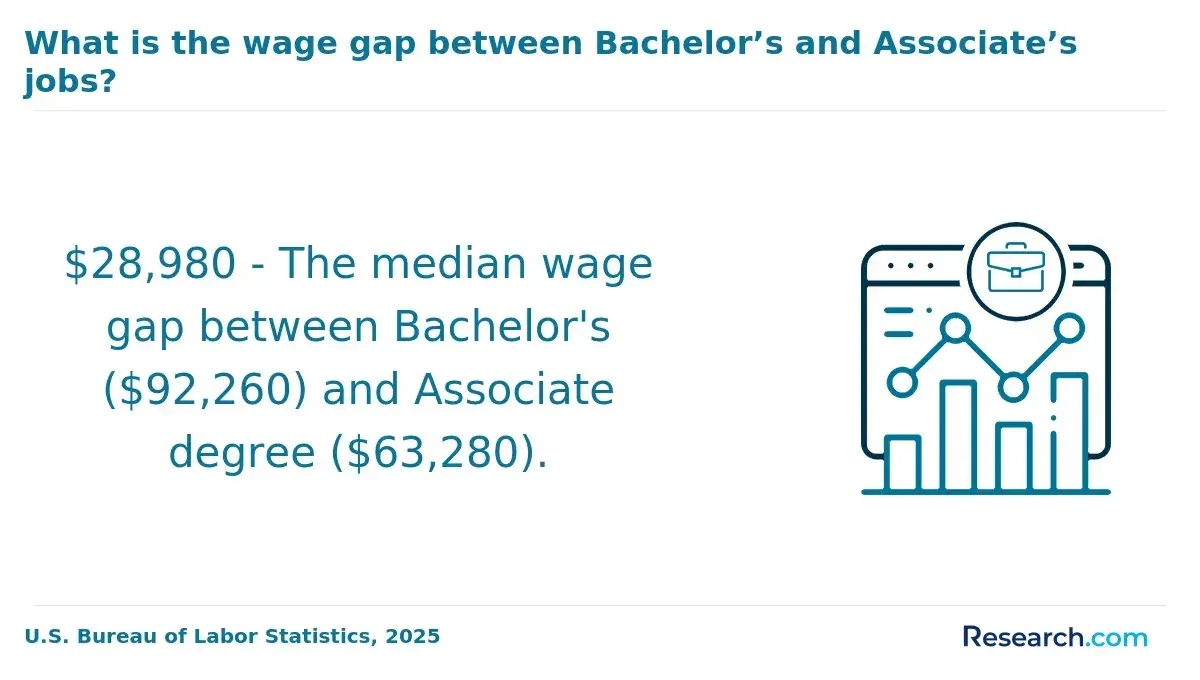
The 2024 Education Pays report from the U.S. Bureau of Labor Statistics confirms that holding a master's degree leads to higher median weekly earnings and reduced unemployment rates compared to bachelor's degree holders across various fields. In environmental science specifically, data from the BLS Occupational Outlook Handbook indicates that professionals with a master's degree earn median annual incomes near $80,000, while those with only a bachelor's degree typically earn around $71,000.
Studies from institutions such as NYU SPS highlight that the salary gap between graduates of online and traditional on-campus master's programs is minimal when program quality, accreditation, and field of study are comparable. This reflects a broader employer trend valuing applied skills and credentials over the method of instruction, as remote education gains legitimacy.
Prospective students should weigh the investment realistically. Assuming a two-year program costing approximately $25,000, the estimated annual salary increase of $9,000 over bachelor's-level earnings often enables graduates to recoup their expenses in just a few years. This calculation supports the long-term benefits of advancing education to enhance career prospects.
One professional who earned her master's online described an initially daunting process of balancing coursework with full-time work, but she emphasized the flexibility allowed her to continue advancing her career without interruption. Reflecting on salary outcomes, she noted, "I saw a steady bump in my compensation about a year after graduating, which confirmed my decision to pursue the degree online was both practical and worthwhile." Her experience illustrates how a reputable online environmental science master's program can support meaningful professional growth and financial rewards.
Employers in various fields show differing acceptance levels of online environmental science master's degrees. Sectors such as government and nonprofit organizations tend to be the most receptive, often valuing practical skills and experience over degree format. Their focus on applied competencies aligns well with accredited online programs.
- Government and Nonprofit Openness: These sectors emphasize relevant abilities and often show strong support for online environmental science credentials due to their practical priorities.
- Consulting and Tech Industry Acceptance: Firms in consulting and environmental technology increasingly value online degrees, especially where skills in data and project management matter most.
- Healthcare Sector Conservatism: The healthcare field remains cautious but is gradually acknowledging the legitimacy of online environmental science qualifications.
- Skills-Based Hiring Trend: With 70% of employers adopting this approach, demonstrated skills and certifications often outweigh the degree's delivery method, benefiting online graduates.
- Data-Driven Employer Insights: Reliable evaluation of acceptance depends on verifiable employer statements and industry research rather than unsubstantiated claims. When assessing employer attitudes toward online degrees, it is essential to rely on documented policies and credible data rather than anecdotal evidence. This approach gives prospective students a clearer picture of the labor market and identifies industries most welcoming to online environmental science graduates.
Many online environmental science master's programs offered by established universities employ the same syllabi, faculty, and assessments as their on-campus counterparts. This curriculum equivalency is a decisive factor in securing employer trust, as it ensures that online students receive an education of equal rigor and quality. Such alignment reassures hiring managers that graduates possess consistent skills and knowledge regardless of the program's delivery format.
Regional and programmatic accreditation bodies uphold strict quality standards that both online and campus-based programs must meet, guaranteeing that accredited online degrees maintain minimum academic benchmarks. This oversight enforces parity in content, teaching qualifications, and assessment rigor, giving employers confidence in the credentials of online graduates.
Concerns about peer learning are mitigated through virtual cohorts, synchronous discussions, and project-based assignments, which replicate critical interactive elements of the traditional classroom experience. However, certain environmental science specializations with hands-on lab work or field placements pose unique challenges. Credible online programs address these by arranging local partnerships, intensive on-site sessions, or advanced simulation technologies to provide necessary practical training.
Data highlights a 35% increase in enrollment in accredited online master's programs in STEM fields since 2019, indicating growing acceptance of their rigor and value among students and employers alike.
Online learning formats for environmental science master's degrees increasingly develop job-ready skills that employers value. Self-directed study in these programs fosters crucial competencies such as time management and accountability, aligning closely with the National Association of Colleges and Employers (NACE) career readiness competency framework.
By relying on digital collaboration tools and asynchronous communication, students gain hands-on experience in virtual teamwork and project management-essential skills in today's remote and hybrid work environments. This evolution in learning design positions online education as more than content delivery; it is a robust vehicle for skill development relevant to modern employers.
Curricula in reputable online environmental science master's degree programs intentionally integrate experiential learning activities like virtual labs, simulations, and case studies. These elements promote applied problem-solving abilities and technical proficiency comparable to traditional campus-based study.
Employer feedback and graduate outcome data reveal that online alumni often enter the workforce with a strong foundation in digital literacy and the independent handling of complex, interdisciplinary projects, sometimes outperforming their on-campus peers. This reflects the broad impact of online learning on environmental science skills development.
Despite these strengths, online students must be proactive to overcome limitations in in-person networking and mentorship opportunities. Without frequent campus recruiting events, they need to seek virtual professional connections and industry engagement actively. Understanding these dynamics enables students to leverage their online credentials strategically.
Prospective students evaluating options can also consider expanding their credentials by exploring offerings such as an online PhD in organizational leadership, which may complement environmental science master's degree pathways focused on leadership and management in environmental sectors.
Graduate employment outcomes and alumni data offer a more accurate gauge of online environmental science master's degrees than broad national statistics. Prospective students should request official placement rates, median salaries, and employer partner lists directly from online environmental science programs to verify the real-world value of their credentials.
This approach provides clearer insight into graduate career success than promotional materials alone. The increasing focus on graduate employment outcomes for online environmental science master's degrees underscores the importance of data transparency in program assessment.
National frameworks like the National Center for Education Statistics (NCES) Integrated Postsecondary Education Data System (IPEDS) graduation rates and the National Association of Colleges and Employers (NACE) graduate outcomes benchmarks offer helpful external points of comparison. Students can better judge whether a program's employment and earnings data are above, at, or below sector averages using these metrics. Such contextualization assists in identifying institutions with superior results relative to their peers.
Self-reported outcomes data have inherent limitations. Programs that employ third-party verification, whether through audits by external accounting firms or validation via NACE surveys, deliver more reliable and unbiased evidence of graduate success. Without such verification, employment and salary figures may lack full transparency, creating uncertainty about program quality and graduate prospects. Alumni career success and hiring trends in environmental science graduate programs increasingly demand this level of rigor.
Programs that demonstrate adherence to rigorous accreditation standards and that have institutional reputations grounded in quality tend to gain better employer acceptance. These factors, combined with measurable graduate outcomes, help prospective students assess the true value of online environmental science degrees in the marketplace. Skills-based hiring trends emphasize practical competencies and verifiable experience over the mode of delivery, reflecting evolving employer priorities.
For those seeking trusted options, exploring online degree programs accredited can be a valuable step toward ensuring program quality and market relevance.
Outdated beliefs about online environmental science master's degrees persist, but new data disproves many of these myths. A key misconception is that online degrees signal lower academic standards; however, the Excelsior/Zogby survey reports that 83% of executives now regard online degrees as just as credible as traditional ones.
- Equal Academic Standards: Accredited online environmental science programs maintain rigorous coursework and uphold the same quality benchmarks as traditional degrees.
- Accreditation Validity: Many online degrees receive full accreditation, ensuring formal recognition and adherence to quality standards.
- Time and Effort Investment: Online degrees demand equal commitment, with comparable credit requirements and academic challenges as in-person programs.
- Shifting Employer Views: A significant majority of executives now view online credentials as reputable, reflecting changing workplace dynamics.
- Remote Work Influence: The widespread acceptance of remote work and elite universities' online offerings have enhanced the perceived value of online environmental science qualifications.
Occupations closely related to environmental science-such as environmental scientists and specialists, urban planners, and conservation scientists-typically require or benefit from a master's degree. According to the U.S. Bureau of Labor Statistics, environmental scientists and specialists are expected to grow about 8% between 2022 and 2032, faster than the average for all careers, with median annual pay near $79,500 as of 2023. Other related roles share similar growth patterns, highlighting strong demand through the coming decade.
Data from the BLS Monthly Labor Review shows that professionals moving from a bachelor's to a master's degree in related fields experience an average increase in annual earnings of roughly $24,588, rising from about $69,459 to $94,047. This substantial wage premium reflects the financial benefits of advanced education in environmental science and adjacent areas.
Over time, employers place greater emphasis on demonstrated skills and professional accomplishments than the mode of education delivery. Whether online or campus-based, the master's credential holds equal weight once a graduate establishes a track record. This parity aligns with broader hiring trends favoring verifiable expertise over degree format.
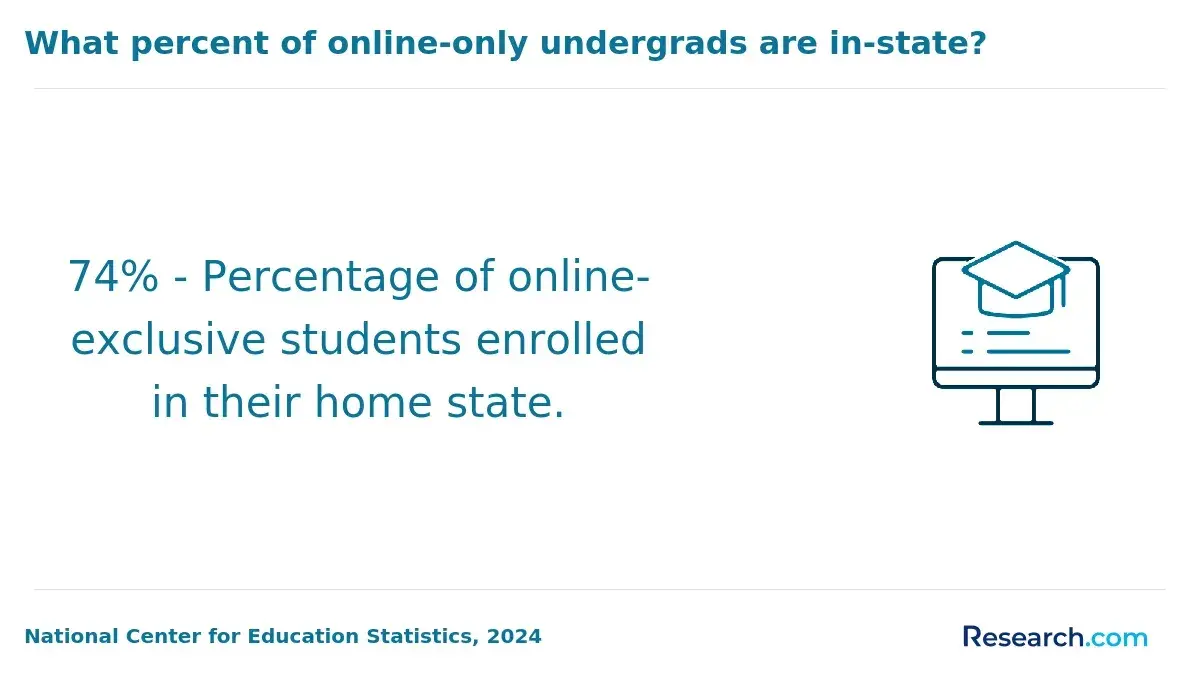
Online graduate education has become mainstream, with the National Center for Education Statistics reporting over 2.5 million graduate students enrolled exclusively online in 2023-24. This growing enrollment signals increasing trust from employers in online credentials and their graduates' capabilities.
What Graduates Say About Employer Reception to Their Online Environmental Science Master's Degree
- Mordechai: "Choosing an accredited online environmental science master's program was essential for me, especially because my employer prioritized credible qualifications. Their positive reception reassured me that investing time into this degree was valuable and impactful. Now, I confidently apply cutting-edge knowledge in my daily work, knowing the degree truly enhances my professional standing."
- Casen: "At first, I was uncertain how my company would view an online environmental science master's degree, but I was pleasantly surprised by their openness. The flexibility of an online program allowed me to balance work and study without sacrificing career growth. This degree became a pivotal factor in my successful transition into sustainability roles that I hadn't previously considered."
- Walker: "My experience pursuing an online environmental science master's degree was both challenging and rewarding. Employers in my field clearly appreciate the rigor and accreditation behind the program, which has bolstered my credibility professionally. Reflecting on this journey, I see how the degree opened doors to more specialized projects and leadership opportunities within my organization."
Other Things You Should Know About Environmental Science Degrees
Many environmental science careers benefit from professional licensure or certification, such as Certified Environmental Professional (CEP) status. An online environmental science master's degree from an accredited institution meets the educational requirements for most certification programs. However, candidates must still complete required work experience and pass examinations, and employers usually look for both formal education and licensure when hiring or promoting.
Yes, many employers expect documented field experience for roles such as environmental consultant, remediation specialist, or compliance analyst. Programs often include a capstone, practicum, or 3–6 credit internship to show applied skills in sampling, GIS, and environmental reporting.
- Best of 2025: Environmental Science Online Master’s Programs https://www.onlinemastersdegrees.org/best-programs/environmental-science/
- How Online Learning can help professionals upskill and reskill - EIT Campus https://eit-campus.eu/blog/how-online-learning-can-help-professionals-upskill-and-reskill
- Online Environmental Graduate Programs: Are They Right for You? https://www.cjbnetwork.com/articles/online-environmental-graduate-programsare-they-right-for-you
- Online Degree Programs Myths And Facts, Check Details https://pwskills.com/blog/online-degree-programs-myths-and-facts/
- Learn How To Earn A Master's In Sustainability Online https://www.learnhowtobecome.org/best-online-masters-in-sustainability-degree-programs/
- 7 Myths Surrounding Online Master’s Degree Programs https://www.snu.edu/blog/7-myths-surrounding-online-masters-degree-programs
- Employer Perceptions of Online Degrees: A Literature Review https://www.academia.edu/66731258/Employer_Perceptions_of_Online_Degrees_A_Literature_Review
- Debunking 8 of the biggest online learning myths https://www.ube.ac.uk/whats-happening/articles/online-learning-myths/
- How to Upskill for a Career in Sustainability and Environmental Roles | Alchemy Global Talent Solutions https://www.alchemygts.com/blogs/how-to-upskill-for-a-career-in-sustainability-and-environmental-roles
- What are the benefits of e-learning for environmental science courses? https://m.umu.com/ask/a11122301573854055893


