2027 How Long Does It Take to Earn an Online Environmental Science Master's Degree? Program Timelines & Completion Options

Co-Founder and Chief Data Scientist
Imagine a working professional aiming to bolster their career with an online environmental science master's degree but unsure how long the commitment will take amid job and family responsibilities. The average duration for such programs typically ranges from 18 to 36 months, with flexibility varying by school and course load. According to recent educational data, 62% of students enrolled in online environmental science master's programs prefer part-time study to balance work. This article explores various program timelines and completion options, offering clear insights to help prospective students choose paths that align with their schedules and career goals.
Key Things to Know About Online Environmental Science Master's Degree Timelines & Completion Options
- Full-time online environmental science master's programs typically take 1.5 to 2 years, while part-time students may require 3 to 4 years to complete their degrees due to reduced course loads.
- Accelerated options allow completion in as little as 12 months through intensive courses and year-round study, ideal for students seeking rapid entry into the workforce.
- Many programs offer flexible scheduling with asynchronous classes, enabling working professionals to balance jobs and study without fixed attendance, enhancing accessibility and retention.
What Is the Average Duration of an Online Environmental Science Master's Program?
The average duration of an online environmental science master's program generally falls between 18 and 24 months. This timeframe reflects the typical pacing for students following standard credit requirements for environmental science master's programs online, allowing sufficient time for mastering complex scientific principles and environmental policies. Most programs are structured to help students balance their coursework alongside personal and professional responsibilities within this period.
Several factors affect the overall length of study, including how students manage their course loads and the program's flexibility. While many students progress steadily, the timeline can vary somewhat based on individual circumstances. This typical duration excludes significantly accelerated or extended tracks, representing the common student experience. For those interested in doctoral studies after completing their master's, resources like shortest PhD programs can provide useful guidance on continuing education.
How Many Credits Are Required for an Online Environmental Science Master's Degree?
Online environmental science master's programs typically require between 30 and 45 semester credits to graduate. This range accounts for the diverse nature of programs and the typical credit hours for environmental science master's programs across different institutions. Understanding credit requirements helps students plan their studies effectively.
Several factors influence these credit totals, and it's important to consider how a program's specialization, institution, and structure can affect the overall credit load.
- Total Credit Range: Most programs demand 30 to 45 semester credits, accommodating general and advanced coursework as well as practical experience.
- Specialization Impact: Specialized tracks such as environmental policy, sustainability, or water resources management usually require additional credits beyond the general environmental science curriculum to cover focused topics or projects.
- Institutional Variability: Universities differ in their credit thresholds, with some adhering to the minimum 30 credits and others extending requirements to emphasize research or applied learning.
- Program Structure: Programs offering thesis or capstone options often include extra research credits, increasing the overall credit load compared to non-thesis professional degrees that concentrate on coursework.
- Related Programs: Students exploring accelerated options in social work or related fields can consider programs such as 1 year MSW programs online no BSW for comparison on pacing and credit requirements.
How Long Does a Full-Time Online Environmental Science Master's Program Take to Complete?
Completing a full-time online environmental science master's degree typically takes about two years, aligning with traditional graduate program durations. This standard timeframe reflects a structured academic calendar, enabling students to plan their studies with clear expectations. Several essential elements influence how long full-time students spend earning this degree.
The following points highlight key aspects shaping program length and pacing:
- Standard Completion Timelines: Most programs require between 30 and 36 credit hours, which students usually complete across four semesters spanning roughly 15 weeks each.
- Course Load Expectations: Full-time learners generally enroll in three to four courses per semester, balancing rigorous coursework without becoming overwhelming.
- Program Structure: Curriculums often combine foundational core classes, elective options, and a capstone project or thesis, building expertise and research capabilities progressively.
- Academic Intensity: The interdisciplinary and technical nature of environmental science demands sustained effort, including complex scientific theories and extensive data evaluation.
- Scheduling Consistency: Online programs commonly align semester start and end dates, offering steady pacing that helps students coordinate study with personal and professional commitments.
A professional who pursued a full-time online environmental science master's program shared that maintaining focus amid a heavy workload was a significant challenge, especially when balancing family and career demands. He remarked, "The steady semester schedule provided a reliable framework, but managing deadlines alongside daily responsibilities required careful time management." He also emphasized that engaging deeply with the capstone project was both demanding and rewarding, forcing him to apply knowledge in real-world contexts while navigating the intensity of simultaneous coursework. This hands-on element, combined with structured pacing, made the two-year commitment feel rigorous but achievable.
Completing a part-time online environmental science master's degree typically takes around four years, offering flexibility for working professionals. The average duration depends largely on course load and individual pacing. Below are essential factors to consider regarding part-time environmental science master's degree online completion time.
- Reduced Course Load: Part-time students usually take one to two courses per term, which balances academic work with professional or personal responsibilities. This lighter load extends the time needed to finish the program compared to full-time study.
- Flexible Scheduling: Most programs offer asynchronous coursework, allowing students to study at their convenience within each semester. This adaptability aids those managing unpredictable work hours or family needs.
- Program Pacing: Some schools provide recommended tracks dividing credits evenly across terms, while others permit students to accelerate or decelerate progress based on their circumstances. Adjusting pacing helps maintain steady progress.
- Balancing Commitments: Managing work and education requires strong time management and discipline. Reduced course loads help minimize burnout but demand consistent effort to keep on track and meet graduation timelines.
- Steady Progress: Enrolling regularly during fall, spring, or summer sessions supports timely completion. Avoiding extended breaks between terms helps graduate within the expected timeframe.
Working professionals should carefully plan their studies to complete the degree efficiently. For additional insights on degree timelines and career potential, consider reviewing information about the highest paid degrees.
About a quarter of online environmental science master's programs offer accelerated options that shorten the usual two-year duration to between 12 and 18 months. These tracks are designed for motivated students aiming to complete their degrees faster while still balancing other life commitments. Below are some important characteristics of these accelerated programs:
- Faster Completion Timelines: Coursework is structured into shorter academic terms or more frequent sessions, allowing students to finish significantly sooner than traditional programs.
- Intensive Course Loads: Students usually handle a heavier number of credits each term, demanding strong discipline and excellent time management skills.
- Eligibility Criteria: Many accelerated programs require a relevant undergraduate degree or professional background to ensure participants are prepared for the rigorous pace.
- Scheduling Flexibility: Despite their sped-up format, these programs often maintain the flexibility of online learning, helping students juggle education with work or family.
- Benefits and Challenges: While quicker graduation and potential tuition savings are appealing, the faster pace can be stressful and may not match every learner's style or circumstances.
A professional who completed an accelerated online environmental science master's shared that the experience was both demanding and rewarding. She described managing a full workload amid personal responsibilities as "intense but empowering," emphasizing how the condensed schedule pushed her to develop better organizational skills. Though challenging, she appreciated the ability to finish faster and quickly apply her new knowledge on the job, noting that the program's structure required persistent focus and adaptability throughout.
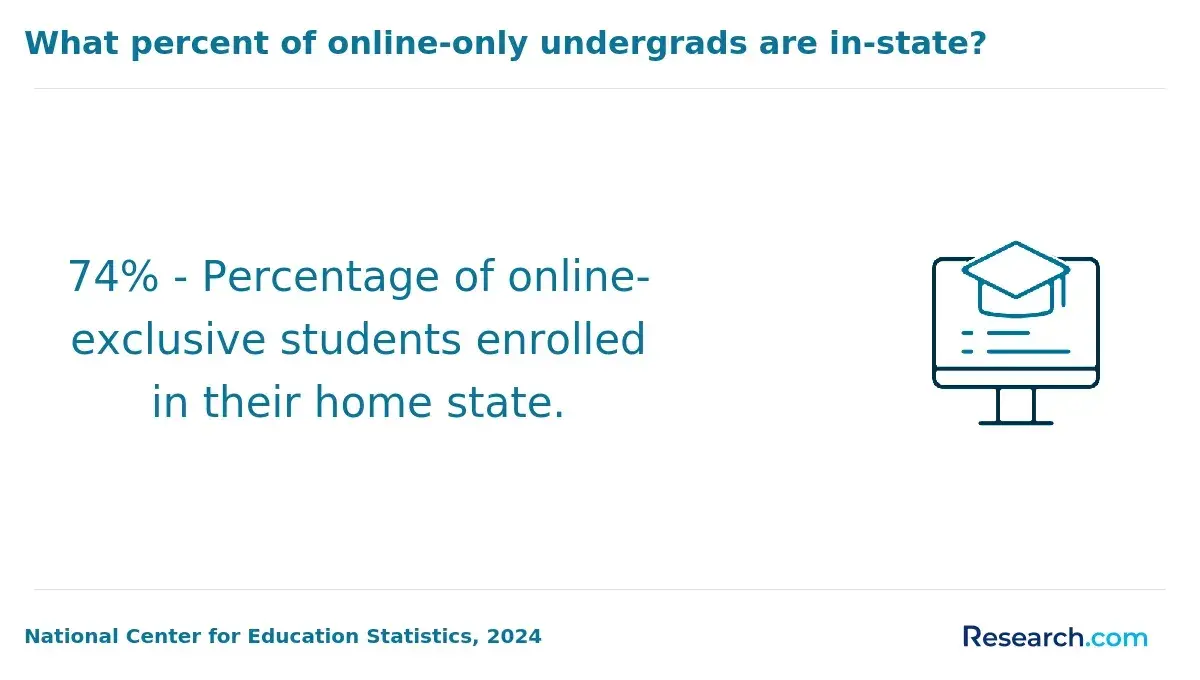
Asynchronous and synchronous course formats differ significantly in how students progress through an online environmental science master's degree. Asynchronous learning allows students to engage with course materials at their convenience, while synchronous learning requires attendance at scheduled live sessions. Research suggests that asynchronous students often experience varied completion speeds, balancing flexibility with self-discipline challenges. These differences can affect the overall time needed to finish the program.
- Flexibility: Asynchronous formats let students study whenever it suits their personal and professional schedules, potentially speeding up degree completion if time is managed efficiently.
- Pacing Control: Students in asynchronous courses set their own study rhythm, which benefits self-motivated learners but may lead to delays if motivation lapses. Synchronous courses follow a fixed timeline, helping maintain steady progress.
- Interaction Requirements: Synchronous learning emphasizes scheduled discussions and group work, which can improve engagement and encourage consistent course completion, especially for those who thrive on direct interaction.
- Scheduling Consistency: Attending live classes weekly in synchronous programs fosters routine study habits that often support a timely path to graduation.
- Program Duration Effects: While asynchronous options offer adaptability that can both shorten or extend study duration, synchronous formats tend to produce more uniform completion rates aligned with traditional academic calendars.
The decision between asynchronous and synchronous delivery shapes how quickly students can complete their environmental science master's degree based on personal discipline and study preferences.
Many online environmental science master's programs now offer monthly or rolling start dates to better meet the needs of diverse students. Though not universal, this growing trend allows multiple entry points beyond traditional fall or spring semesters, reflecting increasing demand for convenience and accessibility in graduate education. Programs that provide these options often enable students to begin coursework on a monthly or quarterly basis, enhancing enrollment flexibility.
Flexible start dates benefit students by accommodating work responsibilities and personal schedules, reducing wait times if a standard semester start is missed. These options support both part-time and full-time pacing, allowing learners to organize their coursework to fit their unique circumstances. However, students should consider potential impacts on course sequencing and availability, as some classes may only be offered during certain terms, requiring careful academic planning.
Transfer credits can shorten the timeline for completing an online environmental science master's degree, but the reduction is generally modest. Many graduate programs allow students to transfer a limited percentage of their total credits-commonly between 6 and 9 credits-which typically equals one or two courses. This means transfer students may bypass some foundational or elective classes, enabling them to finish sooner. Still, the degree-saving effect depends on how many credits are accepted and applied toward degree requirements, influencing program length and pacing options tied to transfer credits.
The impact of accepted transfer credits on environmental science master's program length varies based on institutional policies and course eligibility. Universities usually require transfer courses to come from accredited institutions and to closely align with the current curriculum-often including related fields like biology, chemistry, or earth sciences. The approval process generally entails transcript evaluation, review of course content, and sometimes faculty assessment to ensure equivalency and maintain program rigor. When approved, transfer credits allow students to focus sooner on advanced studies, potentially saving one or two academic terms. Prospective students should also consider how credits earned from other degrees, such as a bachelor of psychology online, might fit within their environmental science pathway.
Career changers typically take longer to complete environmental science master's programs online compared to students with related undergraduate degrees. Data shows that students coming from non-environmental fields often require additional time to grasp foundational concepts, which can extend their program timelines. Understanding the time to complete online environmental science master's degree for career changers involves several important factors.
- Adapting to a New Field: Students new to environmental science usually spend extra time learning core principles and specialized terminology, which can slow initial progress through the program.
- Completing Foundational Coursework: Many programs require prerequisite classes to build essential knowledge, adding semesters for career changers who lack prior related coursework.
- Balancing Commitments: Career changers often juggle full-time employment or family duties, making part-time study or extended pacing a practical approach to managing their workload.
- Pacing Flexibility: Online programs frequently allow adjustable schedules, enabling students to spread their coursework over more terms to improve learning retention and work-life balance, though this may lengthen the time to finish.
- Building Subject-Specific Skills: Developing proficiency in technical areas like geographic information systems (GIS) or environmental data analysis can require extra coursework or hands-on practice, affecting overall program length.
Ultimately, individual pacing and program structure shape each student's experience, but online formats often help bridge time differences between career changers and those with environmental science backgrounds. For professionals comparing program timelines in related fields, exploring marriage and family therapy programs online can provide insight into flexible options for graduate study paths.
Completing a master's degree in environmental science more quickly can provide some benefits but doesn't necessarily lead to better career results. Graduates with advanced degrees in this field often earn around 15% more annually than those with only a bachelor's, regardless of program length. Several factors shape how finishing faster affects professional outcomes.
- Early Workforce Entry: Graduating sooner lets individuals start gaining relevant job experience and increase earnings faster, which can be a key advantage.
- Skill Readiness: Accelerated programs may limit time for deep learning and hands-on practice, which are crucial for building expertise that employers seek.
- Employer Perceptions: Some hiring managers value efficiency in completing degrees, while others prefer applicants with more comprehensive training and project experience.
- Experience Versus Speed: Time invested in internships, research, or assistantships can expand professional networks and improve job prospects, opportunities that may be reduced in faster tracks.
- Long-Term Growth: Although quicker completion aids early career entry, developing a strong skill set and experience often supports better advancement over time.
What Graduates Say About Online Environmental Science Master's Degree Timelines & Completion Options
- Mordechai: "The flexibility of the program allowed me to balance work and study without feeling overwhelmed, which was crucial given my busy schedule. I appreciated being able to choose between accelerated and standard pacing to match my personal timeline. Knowing that a shorter completion time could save on tuition fees motivated me to stay on track and finish efficiently."
- Casen: "Reflecting on my time in the online environmental science master's program, the option to customize my course load really made a difference in how I managed my studies. Spreading out classes over a longer period helped me reduce financial strain by paying tuition in smaller increments. The program's structured yet adaptable pace offered the perfect balance between academic rigor and real-life responsibilities."
- Walker: "The program structure and pacing options were thoughtfully designed to accommodate various life situations, which I found very professional and supportive. Completing my degree within a specific timeline helped me plan my career advancement alongside my education. I felt that this approach to scheduling maximized both my learning experience and my investment in the degree."
Other Things You Should Know About Environmental Science Degrees
In 2027, the typical duration for an online environmental science master's degree program ranges from 1.5 to 3 years. This varies based on factors like enrollment status (full-time or part-time) and program structure, such as thesis or non-thesis options.
Challenges such as balancing coursework with professional or personal responsibilities can extend the completion timeline. Limited access to lab facilities or local resources might also slow progress, especially for programs requiring hands-on research. Additionally, students who need to develop foundational knowledge through prerequisite courses may spend more time finishing their degrees.
Most online environmental science master’s programs require a minimum undergraduate GPA of 3.0 on a 4.0 scale. Some schools admit applicants below that mark if they submit strong GRE scores, prerequisite science coursework, or relevant professional experience.
- Environmental Management https://www.shu.ac.uk/courses/geography-and-environment/msc-environmental-management/part-time
- Credit transfer and recognition of prior learning https://www.york.ac.uk/study/postgraduate-taught/apply/prior-learning/
- Why Pursuing A Master’s In Environmental Sciences Is A Smart Career Move https://alpinecollege.edu.in/why-pursuing-a-masters-in-environmental-sciences-is-a-smart-career-move/
- Learn How To Earn A Master's In Environmental Science Online https://www.learnhowtobecome.org/best-online-masters-in-environmental-science-degree-programs/
- Start an online degree within weeks https://www.walbrook.ac.uk/degrees/studying-with-us/learning-online/flexible-start-dates/
- Accelerated Environmental Science M.S. with Hood College https://www.mcdaniel.edu/academics/special-academic-opportunities/graduate-school-partnerships/accelerated-environmental
- Synchronous vs. Asynchronous Classes Online https://unity.edu/distance-education-blogs/synchronous-vs-asynchronous/
- The difference between a synchronous and an asynchronous class https://www.boisestate.edu/online/2024/10/25/the-difference-between-a-synchronous-and-an-asynchronous-class/
- Opportunities After Studying Master’s in Environmental Studies https://chetanyacareers.com/blogs/opportunities-after-studying-masters-in-environmental-studies/