2027 Administration Degree vs Bootcamp vs Certificate: Which Path Leads to Better Career Outcomes?

Co-Founder and Chief Data Scientist
Choosing between an administration degree, bootcamp, or certificate often presents a challenging dilemma for prospective learners aiming to maximize career outcomes. Salary disparities are notable-graduates with an administration degree earn a median salary approximately 20% higher than certificate holders, reflecting employer preferences for comprehensive credentials. Yet bootcamps boast higher job placement rates within six months post-completion, appealing to those prioritizing swift workforce entry. This decision also involves weighing return on investment, networking opportunities, and long-term advancement potential, which vary significantly among these paths. This article dissects these factors to guide readers toward the most strategic educational choice aligned with their unique career goals.
Key Things to Know About Which Path Leads to Better Career Outcomes: Administration Degree, Bootcamp, or Certificate
- Administration degree holders often see higher starting salaries-averaging 15% more than bootcamp graduates-reflecting employer preference for formal credentials in leadership roles.
- Bootcamps offer faster job placement-with rates around 80% within six months-making them ideal for career changers seeking quick entry and practical skills.
- Certificates provide strong networking opportunities and ROI for adult learners-enhancing specific skills without lengthy time or financial commitments.
How Does Administration Degree Compare to Bootcamps and Certificates in Total Program Cost and Time to Completion?
Prospective students looking to enter administration face a critical decision between a traditional multi-year degree and faster, more affordable alternatives like bootcamps or professional certificates. Each pathway offers distinct trade-offs in cost, time, and outcomes-none universally better, but all suited to different learner needs and career goals.
Traditional administration degrees, typically offered at the bachelor's or associate's level, require two to four years of full-time study. Bachelor's programs generally span four years, with associate's degrees completed in about two. According to the National Center for Education Statistics (NCES), the average total cost for a bachelor's degree at a public institution ranges from $25,000 to $50,000 for in-state students. Part-time students often extend completion time beyond four years but benefit from balancing work and study.
Bootcamps present a concentrated, short-term option lasting between 8 and 26 weeks. These programs target practical skills directly relevant to administration roles and tend to cost between $7,000 and $15,000, based on reports from Course Report and SwitchUp. Bootcamps usually run full-time or on accelerated schedules, appealing to career changers or those seeking a swift transition. Such programs are often chosen by students weighing administration degree versus bootcamp cost and duration carefully.
Professional certificates represent a third pathway, offered as self-paced or instructor-led courses via platforms like Coursera, Google, or industry associations. Completion times vary from a few weeks to several months, with costs generally between $300 and $2,000. These certificates afford flexible, targeted learning modules that complement existing qualifications or accelerate entry into the workforce. Data on average time and expenses for administration certificate programs confirm these trends.
- Time to Completion: Degrees require 2-4 years full-time; bootcamps last 8-26 weeks; certificates vary from weeks to months depending on pacing.
- Total Program Cost: Degrees average $25,000-$50,000 (public, in-state); bootcamps cost $7,000-$15,000; certificates range from $300-$2,000.
- Delivery Format: Degrees mix general education with major coursework; bootcamps emphasize immersive, practical skill-building; certificates target flexible, specific competencies.
While cost and duration are important-particularly for adult learners balancing work and life-they are not the full story. Factors such as employer credential preferences, salary outcomes, job placement rates, networking opportunities, and long-term career growth must also be considered. Those exploring options might also want to review affordable MBA programs as a further step in advancing administration careers.
What Career Outcomes Can Administration Degree Graduates Expect Compared to Bootcamp and Certificate Completers?
Career outcomes for administration degree graduates compared to bootcamp and certificate completers reveal a nuanced employment landscape influenced by shifting employer preferences and labor market trends. According to data from the Bureau of Labor Statistics (BLS) Occupational Employment and Wage Statistics, the NACE Early Career Salary Survey, and Course Report's annual bootcamp outcome reports, administration degree holders generally have higher median starting salaries and stronger job placement rates.
Key differences in these outcomes include:
- Employment Rate: Administration degree graduates typically report employment rates within six months of completion between 85% and 90%, while bootcamp and certificate completers often fall between 70% and 85%. Bootcamps partnered with employers can sometimes match degree pathways, especially in digital administration roles.
- Median Starting Salary: Degree holders usually start with salaries from $45,000 to $55,000, compared to $35,000 to $45,000 for bootcamp and certificate holders. These figures depend on industry and geographic location.
- Job Title Level at First Placement: Degree graduates frequently begin in mid-level roles-office managers or executive assistants-where bootcamp and certificate completers often enter entry-level positions like administrative coordinators or support specialists.
The outcome gaps between degree and non-degree pathways in the administration field are narrow in sectors that emphasize practical skills-such as project coordination or IT-enabled administration-where employers increasingly value verified skillsets over formal credentials. Still, a degree provides a competitive advantage in hiring pools demanding broad organizational knowledge and long-term career growth. For those evaluating salary and job placement rates for administration degree graduates compared to bootcamp certificate holders, it's important to recognize that bootcamp data is often self-reported and subject to survivorship bias or selective disclosure. Prospective students should seek independently audited data or third-party verification, such as membership with the Council on Integrity in Results Reporting (CIRR).
Career outcomes for administration are shaped by more than credentials alone. Portfolio quality, networking access, regional labor conditions, and industry target also significantly influence success. Adult learners, working professionals, recent high school graduates, and current students can use this analysis as a framework for asking better questions rather than drawing premature conclusions. For those interested in related fields, an example of an alternative credential path is a library degree, which shares some overlapping skills and career considerations.
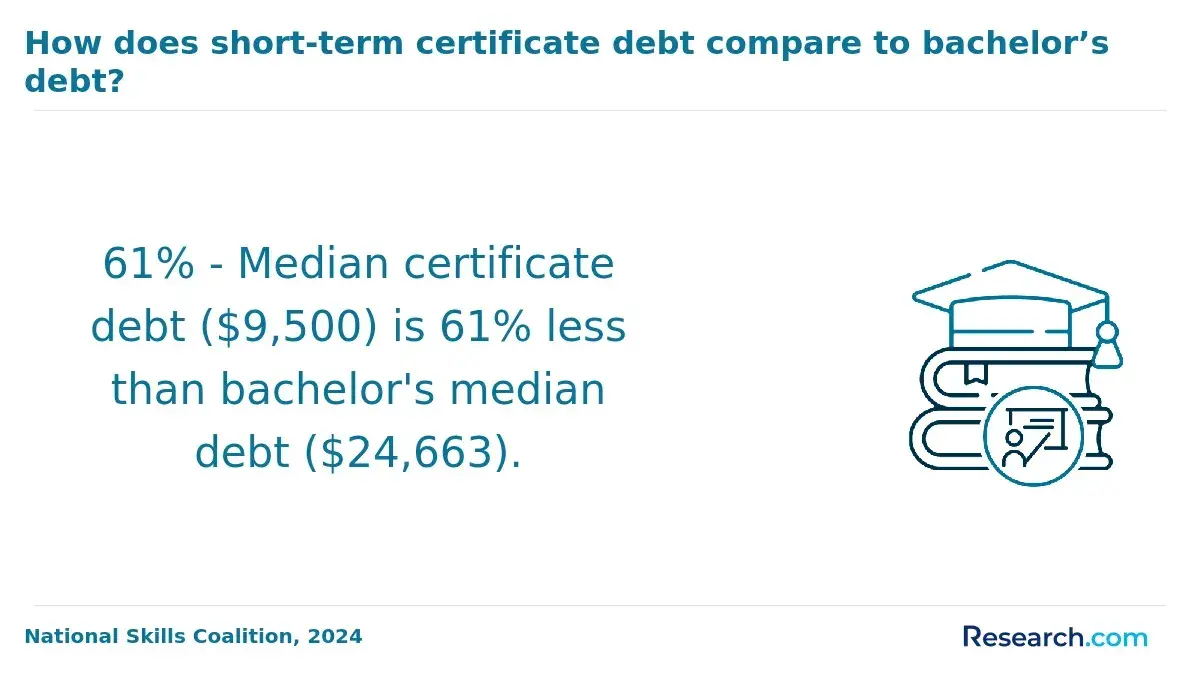
Which Administration Pathway - Degree, Bootcamp, or Certificate - Offers the Highest Starting Salary for Graduates?
Entry-level salaries for administration roles vary notably by education type, with data from BLS, NACE, LinkedIn Salary Insights, and Glassdoor showing distinct patterns. Graduates holding a bachelor's degree in administration or related fields tend to earn the highest starting salaries-typically between $50,000 and $60,000 annually. Bootcamp completers usually start lower, around $40,000 to $50,000, reflecting their skill-focused training. Certificate holders, who obtain shorter, specialized credentials, often earn slightly less-about $38,000 to $48,000-commonly filling roles such as administrative assistants or coordinators.
- Employer Type: Larger enterprises generally prioritize degree credentials, offering higher salary bands, while startups and smaller firms may value practical skills equally, reducing pay gaps between bootcamp and certificate earners.
- Industry Sector: Fields like finance, healthcare, and government lean heavily on formal degrees for compensation, whereas tech and creative sectors often weigh skills more evenly across education types.
- Job Title Specificity: Specialized positions, such as project administrators or operations managers, frequently require degrees for access to higher pay scales, limiting bootcamp and certificate holders' initial earnings in these roles.
- Geographic Market: Urban and tech-centric regions typically offer higher starting wages overall, but the relative salary differences by education remain consistent.
Salary growth trajectories also favor degree holders, who are more likely to advance to higher-paying, managerial, or specialized roles due to degree requirements embedded in many organizational policies. Bootcamp and certificate holders may enter with competitive pay but often find promotion tracks slower without a formal degree. It's important to remember these figures represent median salaries; individual outcomes vary significantly depending on prior experience, specialization, program quality, and geographic mobility. For those examining a cost-adjusted perspective, the ROI section provides deeper insight.
A professional who earned an administration degree reflected on his journey: "Balancing full-time work and study was challenging, and there were moments I questioned if the effort would pay off. But securing a position that valued my degree confirmed it mattered. The confidence from a structured program and access to career services opened doors that might not have been available otherwise." His experience highlights that beyond starting salary, personal growth and connection opportunities can be crucial when choosing between degree, bootcamp, or certificate pathways.
- Employer Preferences: In many administrative roles, especially within large enterprises, government bodies, and regulated sectors like healthcare or finance, a formal degree remains a primary credential-often serving as a hiring filter that aligns with traditional expectations of foundational knowledge. This preference shapes how employers rank administration certificates compared to degrees, generally favoring the latter for perceived breadth and institutional validation.
- Industry Variations: Conversely, startups and consulting firms tend to value practical skills and portfolios more highly, making administration certificates and bootcamps viable alternatives. These industries prize agility and current technical expertise, allowing candidates with shorter, skill-focused credentials to compete effectively with degree holders.
- Skills-Based Hiring Initiatives: Major tech companies and some government agencies have endorsed hiring based on skills assessments, placing less emphasis on degree status. Nevertheless, academic labor research shows that while these policies increase visibility for non-degree candidates, actual hiring and promotion practices in administration often maintain a strong degree preference, especially for career advancement.
- Credential Signaling: Degrees convey a broad, validated knowledge base and dedication-qualities prized in more conservative sectors. Bootcamps and certificates highlight targeted competencies but may require additional experience or networking to balance perceptions of depth.
- Long-Term Impact: Data indicates that administration professionals with degrees typically enjoy higher promotion rates and salary growth over time compared to those holding bootcamp or certificate credentials, who tend to succeed in sectors where specialized or evolving skills are prioritized.
Practical Advice: Choosing the right credential depends on career goals and work environments. Those targeting established organizations often benefit more from a degree, while individuals aiming for dynamic or tech-driven workplaces might find bootcamps or certificates more advantageous. For those exploring part-time or flexible study options, investigating online MSW programs can also offer insights into balancing education and work demands.
Admission to accredited administration degree programs tends to be selective, demanding multiple qualifications prior to acceptance. Key requirements often include:
- GPA Minimums: Applicants usually need a high school or prior college GPA between 2.5 and 3.0 on a 4.0 scale.
- Prerequisite Coursework: Completion of foundational classes in mathematics, English, and social sciences is typically required before or early in the program.
- Standardized Tests: Many programs still ask for SAT or ACT scores, though some have adopted test-optional policies recently.
- Letters of Recommendation: Selective programs often request references that highlight academic ability, leadership, or work ethic.
- Application Timelines: Deadlines are usually firm, sometimes six months before enrollment, aligned with fixed academic calendars.
By contrast, most administration bootcamps and certificate programs have minimal barriers. These emphasize accessibility and learner motivation over formal qualifications with features such as:
- Open Enrollment: No transcripts, test scores, or prior classes are typically required.
- Flexible Start Dates: Rolling admissions allow enrollment throughout the year.
- Minimal Recommendations: Letters of recommendation are seldom needed.
- Basic Technical Skills: Some programs may ask for introductory familiarity with relevant tools or concepts.
Selective admissions in degree programs act as a rigorous filter-employers often interpret graduation from these programs as evidence of foundational knowledge and discipline. On the other hand, bootcamps and certificates must validate quality through strong job placement, qualified instructors, rigorous curricula, and accreditation rather than exclusivity.
Lower entry barriers in bootcamps and certificates offer vital opportunities for non-traditional learners-including career changers, working adults, and those facing geographic or financial hurdles-enabling skill development without lengthy commitments or strict criteria. Prospective students should carefully evaluate their academic background, time constraints, and career aims to determine whether the structured rigor of a degree program or the flexible access of bootcamps and certificates aligns better with their needs.
One professional who built her career following administration degree completion reflected on the process: she found meeting the GPA and coursework demands stressful but also motivating, describing how securing strong letters of recommendation involved reaching out to former teachers and supervisors. The fixed deadlines required early planning, which at times felt challenging alongside work obligations. Yet, she emphasizes that navigating these hurdles helped cultivate discipline and a deeper understanding of the field-qualities employers valued highly in her subsequent roles.
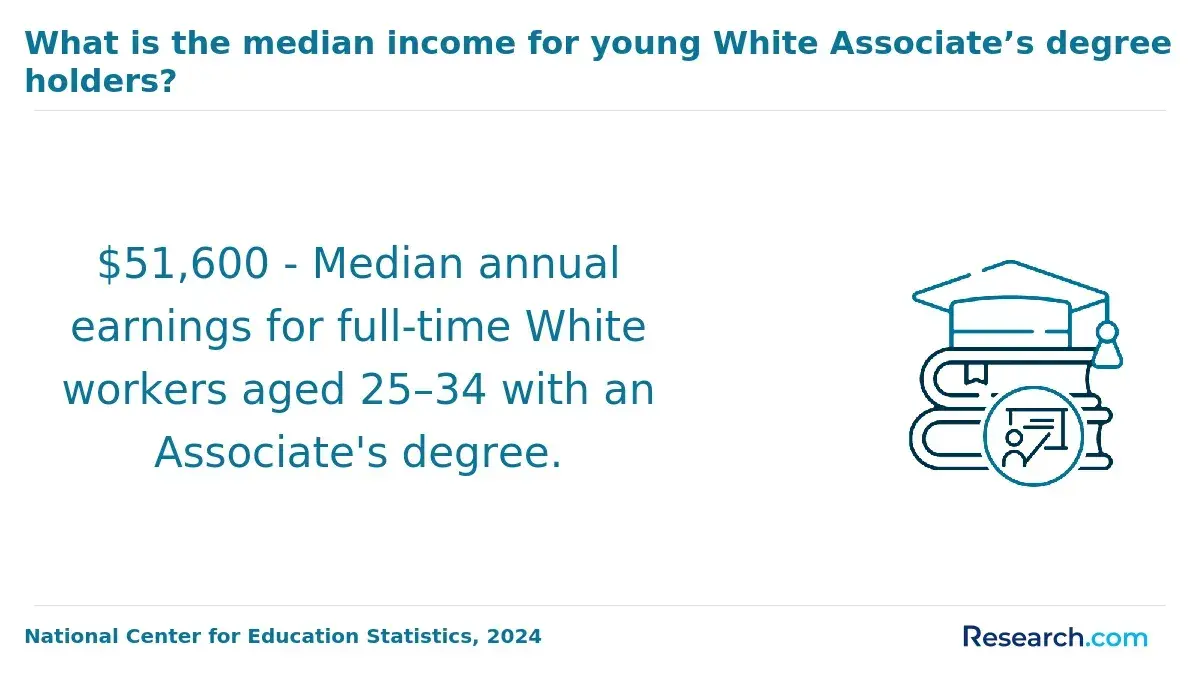
The curriculum scope varies notably across administration degree programs, bootcamps, and certificate offerings-shaping skill acquisition, practical readiness, and adaptability in different ways.
- Degree Programs: These provide a comprehensive, well-organized study plan. Alongside core administration subjects like organizational behavior, strategic management, finance, and ethics, students complete broad general education courses such as communication and social sciences. Electives enable specialization, while research projects or a thesis foster analytical and critical thinking abilities. This extensive curriculum builds durable foundational knowledge applicable across various careers but typically extends the time before entering the job market.
- Bootcamps: Bootcamps focus intensely on practical, project-based learning designed to rapidly develop specific administration skills. They prioritize hands-on experience with tools and processes essential for immediate workplace success, usually covering topics like project management software and digital communication. However, they generally omit extensive theory and elective diversity found in degrees. This condensed model produces job-ready skills swiftly but with less conceptual depth.
- Certificate Programs: Certificates range from entry-level credentials offered by providers like Google or Coursera-teaching fundamentals such as administrative software and workflow coordination-to advanced professional certifications from recognized industry bodies. Entry-level certificates suit newcomers aiming for supportive roles, while advanced certifications enhance credentials for experienced professionals. Unlike degrees, certificates typically focus on validating specific skills rather than balancing theory and practice or offering immersive projects, which influences their positioning in the job market based on employer expectations and candidate background.
Calculating true return on investment (ROI) for Administration education pathways requires considering not only direct costs-such as tuition, fees, and materials-but also the opportunity cost of income foregone while studying. For example, a two- to four-year degree involves significant time away from the workforce, which can translate into lost wages amounting to tens or hundreds of thousands of dollars, substantially impacting the real ROI compared to shorter programs.
Using data from NCES, NACE, and bootcamp outcome reports, ROI analyses for Administration credentials can be framed around three learner profiles:
- Recent High School Graduate: With no prior income to forgo, opportunity cost is limited to program expenses. Certificates and bootcamps typically offer faster ROI within five years-due to lower costs and shorter completion times-with average salary increases of 10-25% in administrative roles.
- Mid-Career Professional: Leaving a $50,000 annual salary to retrain means opportunity costs of $100,000 to $200,000 during a degree program's 2-4 year length. In this case, bootcamps and certificates minimize time out of work and enhance five-year ROI, offering 15-30% post-completion salary premiums, though degrees may deliver stronger long-term growth.
- Part-Time Learner: Continuing employment while studying reduces opportunity costs significantly. Although degree programs require higher upfront costs, cumulative salary gains over ten years typically offset this investment. Bootcamps and certificates accelerate early salary gains but may plateau if deeper expertise or credentialing is required.
ROI is a crucial metric but should be weighed alongside factors such as employer credential preferences, networking opportunities, and long-term career goals. Sometimes, pathways with lower short-term ROI provide access to specialized roles or deeper knowledge essential for career advancement. This balanced perspective helps readers make informed decisions about degree programs, bootcamps, and certificates tailored to their unique Administration career aspirations.
When comparing job placement rates for administration degree programs, bootcamps, and certificate courses, it is important to understand how outcomes are measured and reported. Degree programs rely on data from sources like the Integrated Postsecondary Education Data System (IPEDS) and institutional career services surveys-these often track employment directly related to the major and follow standardized methodologies.
Administration bootcamps often publish self-reported placement rates, which can vary widely depending on the program. Many bootcamps participate in the Council on Integrity in Results Reporting (CIRR), which enforces stricter auditing standards and offers more reliable outcomes data. However, some use broader definitions of "placement"-counting any employment in a loosely related field rather than administration roles specifically.
Certificate programs typically fall between these two, with placement rates drawn from institutional data that might not be as rigorous. These programs also vary greatly in duration and focus, making comparisons with degrees and bootcamps less straightforward. Those exploring certificate programs and administration degree employment outcomes should consider these differences carefully.
- Definitions: Placement means different things across pathways-degrees emphasize related employment, bootcamps sometimes include diverse or part-time roles, and certificates may not clearly define it.
- Reporting Standards: Prefer independently audited data like CIRR for bootcamps or institutional surveys for degrees; be cautious with self-reported stats lacking transparency.
- Career Services: Strong employer partnerships, interview coaching, and alumni networks significantly enhance placement outcomes and should factor into program choice.
- Granular Data: Request breakdowns by role type, salary range, time to placement, and employment status rather than accepting broad averages.
- Benchmarking: Compare program claims to industry averages-administration degree programs often report 70-85% placement, CIRR-audited bootcamps show 65-80%, while certificates vary widely.
By critically examining how each pathway defines placement and verifies outcomes-and considering career support quality-prospective students can make informed decisions that align with their career goals and learning style. For adults balancing work and study, combining pathways can also be beneficial. For example, supplementing a traditional degree with a bootcamp or professional certificate might enhance specific skills and boost employment prospects.
For those interested in related fields, exploring an online degree in finance may offer additional career flexibility beyond administration roles.
Networking benefits in administration degree programs often stand out due to their extensive infrastructure-alumni associations, large career fairs, faculty connections, Greek or professional organizations, and institutional employer partnerships. These elements create lifelong bonds and mentorship channels that support growth beyond graduation. The prestige and geographic reach of the institution further amplify these effects; graduates from highly regarded schools gain access to wide-ranging, influential networks that open doors to senior leadership roles and national or international opportunities.
- Degree Programs: Provide strong lifelong alumni access advantages in administration bootcamps and certificates, with formalized networks that facilitate sustained career advancement and job placement support.
- Bootcamps: Though smaller and newer, many bootcamps foster tight-knit cohort communities and alumni referral cultures. Their employer partnerships-especially in tech-adjacent administration fields like project management or data administration-offer localized but effective hiring pipelines and practical networking opportunities that cater to immediate employment needs.
- Certificate Programs: Industry-backed credentials such as Google Career Certificates or Salesforce Trailhead create professional communities where learners can connect with mentors, hiring managers, and peers. However, these networks tend to be less formalized and may focus primarily on short-term job placement rather than long-term career development.
Professional network development remains one of the most durable and compounding assets a learner can acquire-often exceeding the value of formal instruction for senior career advancement. For learners considering different educational pathways, understanding the depth and quality of networking access should inform their decisions alongside factors like salary outcomes, employer credential preferences, and job placement rates. Those seeking flexible, accelerated options may also explore paths like a fastest masters degree online to combine strong credentials with broad networking advantages.
Location greatly influences which educational route-degree, bootcamp, or certificate-yields the best career outcomes in administration fields. In major metro areas like New York and San Francisco, where employer networks are dense, bootcamp graduates often have an edge. These programs are typically headquartered in such cities, providing direct links to employers and robust professional ecosystems that boost placement rates.
- Concentration: Bootcamps thrive near urban employers looking for niche technical abilities, often prioritizing practical skills over traditional degree credentials.
- Relocation Impact: Moving away from a bootcamp's home city usually results in lower job placement figures, as local employer recognition and network connections weaken.
- Regional Markets: Mid-sized cities tend to value degrees more, supported by long-standing partnerships between local schools and businesses; bootcamps and certificates face tougher recognition challenges unless affiliated with national firms or remote roles.
- Rural Areas: Sparse employer density makes any pathway less advantageous, although degrees retain a relative advantage due to general familiarity; remote work offers new possibilities across all credential types.
The rise of remote work has equalized opportunities to some extent, allowing graduates-regardless of credential-to compete for well-paid jobs benchmarked against metropolitan salaries. Yet, this expansion also intensifies competition nationally, reinforcing the importance of local market knowledge and credential legitimacy.
Data from Course Report (2023) shows bootcamp alumni experience roughly a 10% higher placement rate when staying within their original program's city versus relocating elsewhere. Investigating employer density, remote work availability, and credential respect in target regions is crucial before deciding on the best pathway.
Employer preferences for administration candidates vary widely depending on the organization's size and sector. Large enterprises and government bodies frequently use formal degree requirements as a primary screening method, viewing degrees as a reliable indicator of foundational skills and discipline. Research from LinkedIn Talent Insights and SHRM confirms these organizations lean heavily on academic credentials when filtering applicants early in the hiring process.
- Large Employers: Degree credentials remain a standard benchmark to assess candidate aptitude and consistency.
- Startups and Agencies: These workplaces often value proven skills and real-world outcomes over formal education credentials.
- Recruiters typically emphasize portfolios and technical evaluations.
- Bootcamps and certificates can carry comparable influence, particularly when coupled with relevant project work.
- Changing Trends Since 2020: Many major employers have publicly removed degree mandates for certain administration roles, reflecting growing acceptance of alternative qualifications, as noted by Indeed's hiring manager studies.
- Ground Reality: Despite policy shifts, data indicates degrees still dominate among newly hired professionals in larger organizations-suggesting gradual evolution rather than a rapid overhaul.
To gain a deeper understanding, candidates should go beyond stated employer preferences by conducting informational interviews and reviewing LinkedIn profiles of recent hires. This research helps reveal the actual credential landscape in specific companies and roles-whether degrees, bootcamps, or certificates lead to hires-allowing learners to align their educational choices with real market demands and long-term career goals.
What Graduates Say About Which Path Leads to Better Career Outcomes: Administration Degree, Bootcamp, or Certificate
- Robert: "Choosing an administration degree was a strategic move for me because employers often see it as a solid credential, especially for management roles. The salary outcomes have generally been higher over time compared to bootcamp or certificate holders-though it's definitely a longer path to completion. What I appreciate most is the networking access you gain through alumni connections and on-campus opportunities, which opened doors for my long-term career growth."
- Case: "After completing a bootcamp, I noticed the quick turnaround in job placement rates was impressive-many companies prioritize the practical skills presented there. From a return on investment perspective, it felt more efficient since I entered the workforce rapidly without accumulating extensive student debt. However, I realize now that the certification paths might suit those who prefer flexible, bite-sized learning, while an administration degree tends to appeal to learners aiming for a more comprehensive education."
- Sebastian: "Reflecting on my journey through a certificate program, I found it adaptable for my busy schedule-and it gave me a decent introduction to the core concepts. Although the salary uplift wasn't as significant initially compared to an administration degree, employers often value certificates for specific skillsets, which helped me secure my first role. For others balancing work and study, this pathway can be a game-changer, but long-term advancement might require further education or experience."
Other Things You Should Know About Administration Degrees
A bachelor’s administration degree usually requires a high school diploma, transcripts, and standardized-test scores at some schools. Bootcamps often ask for no prior degree, but may require basic computer skills and an interview. Certificate programs commonly require only a high school diploma or equivalent and can start year-round.
Recent high school graduates typically benefit from enrolling in administration degree programs, which offer a structured curriculum and foundational knowledge for entry-level roles and future specialization. Career changers may find bootcamps and certificates more practical-these shorter programs provide targeted skills that enable quicker transition into the workforce. However, career changers aiming for senior positions may still eventually pursue a degree to enhance their credentials.
In recessions or tight labor markets, administration degree holders usually maintain stronger job security and more hiring opportunities due to their broader skill set and recognized credentials. Bootcamp and certificate holders may face more competition and less stability as employers often prioritize candidates with degrees during economic downturns. Nonetheless, short-term, skill-specific training can offer flexibility and quick re-skilling options in volatile markets.
- Degree or Certificate? Which Credential Do Employers Value More? - KDnuggets https://www.kdnuggets.com/degree-or-certificate-which-credential-do-employers-value-more
- Geographic location a significant predictor of students’ intentions to attend university - ACSES https://www.acses.edu.au/geographic-location-students-intentions-attend-university/
- Bootcamp Certification vs. Degree: The Importance of Accreditation in Education https://www.qahe.org/article/bootcamp-certification-vs-degree-the-importance-of-accreditation-in-education/
- University Degree vs AI Bootcamp: Which is Best Career Path? https://agilefever.com/university-degree-vs-ai-bootcamp-which-is-best/
- The Value of Certificates vs. Degrees: What’s Right for You? https://www.calmu.edu/the-value-of-certificates-vs.-degrees-whats-right-for-you
- CourseCareers https://coursecareers.com/blog-posts/online-courses-vs-bootcamps-vs-college-which-path-gets-you-job-ready-faster-in-2026
- What Hiring Managers Really Want to See on Your Resume - Per Sé Group https://www.persegroup.com/what-hiring-managers-really-want-to-see-on-your-resume/
- College Degree vs Bootcamp ROI https://oboe.com/learn/college-degree-vs-bootcamp-roi-688lvz/assessing-certifications-college-degree-vs-bootcamp-roi-3
- Do Employers Verify Degrees? How (and How Often) They Do It https://validgrad.com/blog/do-employers-verify-degrees/