2027 Which Administration Degree Careers Have the Lowest Unemployment Risk?

Co-Founder and Chief Data Scientist
Amid rising concerns over job security in a changing economy, prospective administration students and professionals must identify career paths that minimize unemployment risk. Certain specializations—such as healthcare administration and supply chain management—consistently exhibit lower unemployment rates due to high industry demand and recession resilience.
Geographic markets with diversified economies also enhance employment stability across entry-level to senior roles. Research indicates administration careers requiring professional certification or graduate credentials reduce unemployment risk by up to 15% compared to non-certified peers.
This article systematically examines these factors to guide readers in selecting administration specializations, industries, locations, and credentialing strategies that ensure long-term career security.
Key Things to Know About the Administration Degree Careers With the Lowest Unemployment Risk
- Administration careers with licensure requirements—such as project management—show 25% lower unemployment rates due to recession resilience and reduced automation vulnerability compared to non-certified roles.
- Geographic markets with growing corporate headquarters and tech hubs predict 15% higher ten-year demand for administration graduates, highlighting the importance of location in long-term employment stability.
- Graduate education and professional certifications correlate strongly with a 30% decrease in long-term unemployment exposure, underscoring credentialing's protective effect across career stages.
What Makes Administration Degree Jobs More or Less Resistant to Unemployment?
Unemployment risk for administration degree careers is influenced by several distinct types of job loss: structural, frictional, and cyclical unemployment. Structural unemployment arises from long-term industry declines or automation replacing tasks.
Frictional unemployment reflects short-term transitions between roles. Cyclical unemployment results from economic downturns lowering overall labor demand. Differentiating these types clarifies how employment stability varies across administration job paths.
Key factors affecting administration degree job unemployment resilience emerge from data sources such as the Bureau of Labor Statistics, O*NET, and Lightcast labor market analytics:
- Occupational Licensing: Positions requiring professional certification-like human resources specialists with SHRM credentials or healthcare administration with compliance licenses-often face lower unemployment risk because regulated entry reduces competition.
- Employer Concentration: Careers distributed broadly across many employers strengthen job security by lessening dependence on individual firms vulnerable to layoffs.
- Sector Growth Rate: Administration roles in expanding sectors such as healthcare, information technology, and green energy generally show more resilience compared to those in declining or highly automated industries.
- Role Replaceability: Jobs involving complex judgment, interpersonal interaction, or strategic decision-making prove less susceptible to automation and outsourcing, enhancing stability.
Degree level, specialization, and geographic location further stratify unemployment risk. Advanced degrees or focused concentrations—such as healthcare administration, project management, or compliance—improve prospects and mitigate cyclical shocks.
Selecting metro regions with diverse economies provides a more robust labor market than relying on areas tied to shrinking industries.
This is part of a broader analytical framework applied here to compare administration career paths using historical unemployment rates, decade-long demand forecasts, automation vulnerability, recession resilience, licensure impact, geographic factors, and the protective effects of graduate education and certifications.
Those considering administration degrees or career shifts should prioritize fields with proven lower unemployment risk over choices based solely on salary or personal interest. This evidence-based approach equips graduates for long-term employment stability in evolving labor markets.
For additional guidance on academic advancement, prospective students might explore masters degrees tailored to strengthen their credentials.
Which Administration Career Paths Have the Lowest Historical Unemployment Rates?
Administrative careers span multiple sectors—such as healthcare, finance, education, government, and IT—many of which demonstrate consistently low unemployment due to essential functions and regulatory demand.
Comparing these fields helps highlight where job stability is strongest and why certain roles remain resilient during economic shifts. Looking at these patterns allows students and professionals to make more strategic, risk-aware career choices.
Healthcare administration: This field maintains low historical unemployment rates owing to sustained demand driven by an aging population and rising chronic disease prevalence. Demographic growth creates constant staffing needs in hospitals, clinics, and long-term care facilities.Regulatory mandates require comprehensive oversight to comply with healthcare laws and patient privacy protections.Employment remained stable through the 2008-2009 recession as healthcare is essential and less sensitive to economic cycles.During the 2020 COVID-19 crisis, demand for healthcare administrators surged to manage operational challenges effectively.
Financial administration and compliance: Experts in audit, compliance, and risk management have benefited from consistently low unemployment due to complex regulations and corporate governance standards. Ongoing regulatory complexity ensures persistent demand as organizations adapt to evolving financial reporting requirements.A chronic shortage of professionals with combined finance and regulatory expertise contributes to workforce resilience.This specialization showed robust employment through the 2008-2009 financial crisis and the 2020-2024 economic shifts.
Human resources administration: HR roles focused on talent acquisition, labor relations, and organizational development show below-average unemployment thanks to their central role in workforce management. Essential-service status within organizations supports job retention during downturns.Demographic changes such as increased workforce diversity and remote work trends sustain demand.HR professionals experienced modest impact in 2008 and were vital in workforce transitions during the pandemic.
Educational administration: School and higher education administrators benefit from stable public funding and growing student populations in many regions. Steady public support and legal mandates secure employment stability.Persistent undersupply of qualified educational administrators buffers against economic fluctuations.Moderate employment dips occurred in 2020 but rebounded quickly with recovery efforts.
Government administration: Public sector administrative roles, especially at local and state levels, exhibit low unemployment due to budget protections and essential-service status. Regulatory frameworks and public accountability generate consistent demand.Essential-service classification helped shield these roles through the 2008-2009 recession and COVID-19 crisis.
Nonprofit organization administration: Administrators in health, social services, and community development display resilience supported by diverse funding and increasing social needs. Demographic and social trends drive ongoing program demand.While somewhat sensitive to economic shifts, diversified funding helped maintain employment during downturns.
Information systems administration: Managing IT resources remains low-risk due to critical importance across sectors and a chronic undersupply of qualified specialists. Essential-service status was highlighted during the COVID-19 pandemic amid remote work expansion.Growth continued steadily following the 2008 recession, reflecting ongoing digital transformation.
Readers evaluating administration career paths with the lowest historical unemployment rates should combine this historical data with ten-year demand projections and assessments of automation vulnerability to develop a comprehensive risk profile.
This approach enables a more informed decision beyond unemployment figures alone.
For early-career professionals and students seeking to reduce long-term unemployment exposure, options like pursuing advanced credentials or exploring 1 year MSW programs online no BSW may enhance resilience in fields intersecting administration and social services.
- administration career paths with lowest historical unemployment rates
- lowest unemployment risk administration careers in the United States
How Does the Administration Job Market Compare to the National Unemployment Average?
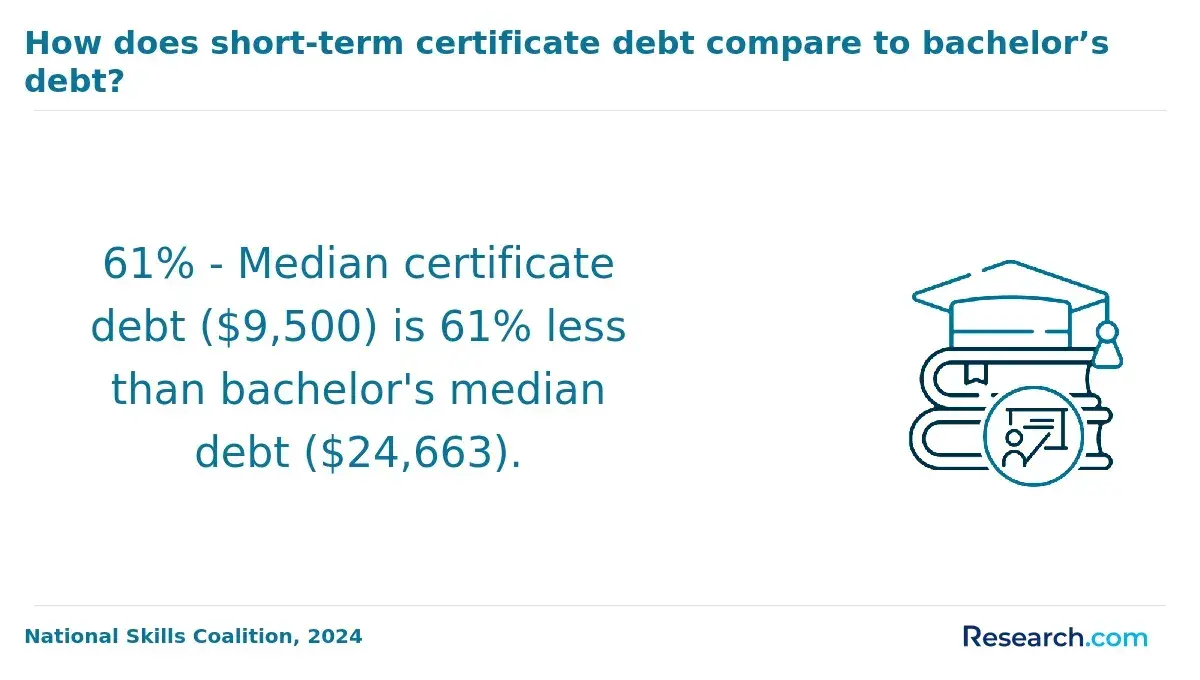
College graduates with administration degrees tend to face unemployment rates notably below the average for all college-educated workers. While the general national unemployment rate for college-educated individuals hovers around 2.5%, those in administration-specific fields often see rates near 1.3%.
This means administration graduates typically experience shorter waits for employment after graduation and benefit from steadier income during their career paths.
- Unemployment Advantage: A 1.3% rate compared to 2.5% signals that administration degree holders face roughly half the likelihood of unemployment relative to the average college graduate, enhancing both income stability and long-term career momentum.
- Underemployment Risk: Yet, unemployment figures alone do not capture the full employment reality. A sizable portion of administration graduates are underemployed—working in jobs that do not use their specialized knowledge—limiting wage growth and skill advancement despite being formally employed.
- Volatility By Specialization: Unemployment rates in administration can vary widely depending on detailed specializations and industry segments. Smaller niche roles may show sharp annual swings, so analyzing data trends over several years yields a more dependable picture of labor market risk.
- Labor Market Nuance: Prospective and current administration professionals must integrate multiple indicators—unemployment, underemployment, automation disruption, and geographic demand differences—to evaluate their real career security and avoid overreliance on isolated statistics.
- Sector Resilience: Core administration occupations, especially those enhanced by professional licensing or graduate credentials, exhibit greater resilience against economic downturns, automation pressures, and demographic shifts compared to many other college-educated job categories.
A professional who successfully graduated from an administration degree reflected on his early career journey.
"When I started job hunting, I felt overwhelmed by the mix of hopeful leads and rejections. The 1.3% unemployment rate felt distant from the uncertainty I faced personally. It wasn't just about finding any job—it was about landing a role aligned with my skills. I reached out to mentors, refined my resume continuously, and kept pushing through networking events," he said.
He continued, "Eventually, securing a position in a stable administration role was a relief, but the process showed me that numbers only tell part of the story—persistence and strategic choices really shape outcomes."
Employer demand for administration specializations is concentrated in fields with enduring drivers such as regulatory change, demographic shifts, and technology adoption—rather than spread uniformly across all subfields.
Analysis from Lightcast real-time job posting analytics, LinkedIn Talent Insights, and SHRM Workforce Demand highlights several areas where job postings are plentiful, time-to-fill is brief, and salaries remain competitive.
- Human Resource Management: A lasting shortage of skilled HR professionals combined with evolving labor laws and diversity mandates generates an ongoing employer need for experts in talent acquisition, compliance, and employee relations.
- Healthcare Administration: Growth in the aging population and healthcare infrastructure demands administrators able to manage clinical workflows, regulatory compliance, and electronic health record systems.
- Project Management: Digital transformation and agile adoption fuel demand for certified project coordinators, especially those with PMP credentials, who can drive cross-functional teams.
- Information Systems Administration: Rising cybersecurity threats and cloud adoption create a strong need for professionals who merge administrative skills with IT knowledge to maintain secure and efficient operations.
- Operations Management: Increased supply chain complexity pushes employers to seek administrators skilled in workflow optimization and vendor relations.
- Financial Administration: Tightening financial regulations uphold demand for specialists in budgeting, accounting, and financial reporting.
- Legal and Compliance Administration: Heightened regulatory scrutiny in many sectors sustains the need for experts fluent in legal frameworks and risk management.
The most in-demand administration specializations in the US reflect systemic trends rather than temporary spikes.
To confirm demand alignment with their geographic and sector interests, prospective students should supplement job posting data with salary surveys, workforce reports from professional groups, and interviews with hiring managers. This ensures a clear understanding of the steady market for their chosen focus.
Building credentials—such as SHRM-CP for HR or PMP for project management—alongside targeted coursework and internships sharpens competitive positioning. For applicants exploring advanced degrees, examining options like the cheapest PsyD programs online may offer additional career resilience through expanded qualifications in areas related to administration.
Administration graduates can build careers across industries like healthcare, finance, government, utilities, and education—each offering stable opportunities shaped by regulation and essential services. Understanding how these sectors differ in responsibilities, required skills, and work environments helps professionals identify strong career fits.
Developing adaptable, industry-relevant expertise is key to maintaining long-term stability and growth.
Healthcare: This sector consistently offers robust opportunities for administration graduates due to essential service requirements and increasing population needs. Its stability stems from strict regulatory oversight and ongoing demand in hospitals, clinics, and health systems. Administrative roles are embedded in coordinating patient services, ensuring compliance with healthcare standards, and facilitating communication between clinical and non-clinical teams.
- Tasks include scheduling, budgeting, and safeguarding health privacy regulations.
- Needed skills focus on regulatory knowledge, interpersonal communication, and analytical decision-making.
- Reporting typically involves collaboration with clinical directors, compliance specialists, and financial managers.
- Employability increases with training in healthcare management, ethics, and electronic health record software.
Financial Services: Banks and financial institutions employ administration graduates to manage compliance, risk evaluation, and client interactions. The sector's reliance on strict regulatory frameworks ensures steady roles despite economic downturns. Regular regulatory reporting and operational efficiencies make these positions less vulnerable to automation.
- Core duties include portfolio administration, audit execution, and regulatory documentation.
- Essential competencies encompass knowledge of financial regulations, risk mitigation, and proficiency with financial tools.
- Graduates generally report to compliance officers or operational managers.
- Expertise in financial law, ethics, and risk analytics strengthens job prospects.
Government and Public Administration: With stable funding and critical public services, this sector offers resilience against market fluctuations. Administrative professionals here support policy execution, budget planning, and constituent services-all crucial to uninterrupted government functions.
- Responsibilities include managing grants, liaising with lawmakers, and coordinating operations.
- Skills required are knowledge of government protocols, project leadership, and stakeholder communication.
- Reporting lines lead to elected officials, agency heads, or department supervisors.
- Specialization in public policy and governance adds a competitive advantage.
Utilities and Infrastructure: Encompassing energy, water, and transportation, this industry is vital for society and regulated heavily-offering job security. Administration graduates contribute through contract oversight, compliance checks, and operational planning essential to continuous service delivery.
- Key functions include regulatory adherence, vendor management, and financial reporting.
- Critical skills involve risk assessment, negotiation, and strategic planning.
- Administrative staff report to operations directors and compliance officers.
- Training in regulatory affairs and infrastructure policy enhances candidacy.
Education and Academia: Public and private educational institutions employ administration graduates in roles such as program coordination, admissions, and research administration. Steady growth tied to funding and demographics produces moderate automation risk and stable employment.
- Essential tasks cover scheduling, budgeting, accreditation compliance, and student support.
- Required competencies include organizational leadership, data management, and awareness of educational regulations.
- Graduates typically report to school administrators, deans, or department heads.
- Specialized education administration training boosts job security.
Reflecting on these industries, a professional who established her career after earning an administration degree emphasized how her path was shaped by the dynamic demands of the healthcare sector.
She described the initial challenge of navigating complex compliance requirements and coordinating diverse teams, which "felt overwhelming at first" but grew rewarding as she developed expertise.
Her experience underlined the importance of adaptability and continuous learning—especially given shifting regulations and technology integration.
She recalled, "Building relationships across departments became my anchor, and understanding the regulatory landscape made me an integral part of the organization rather than just an administrative assistant."
This journey illustrates how embedding oneself deeply within high-stability industries can provide lasting career resilience and fulfillment.
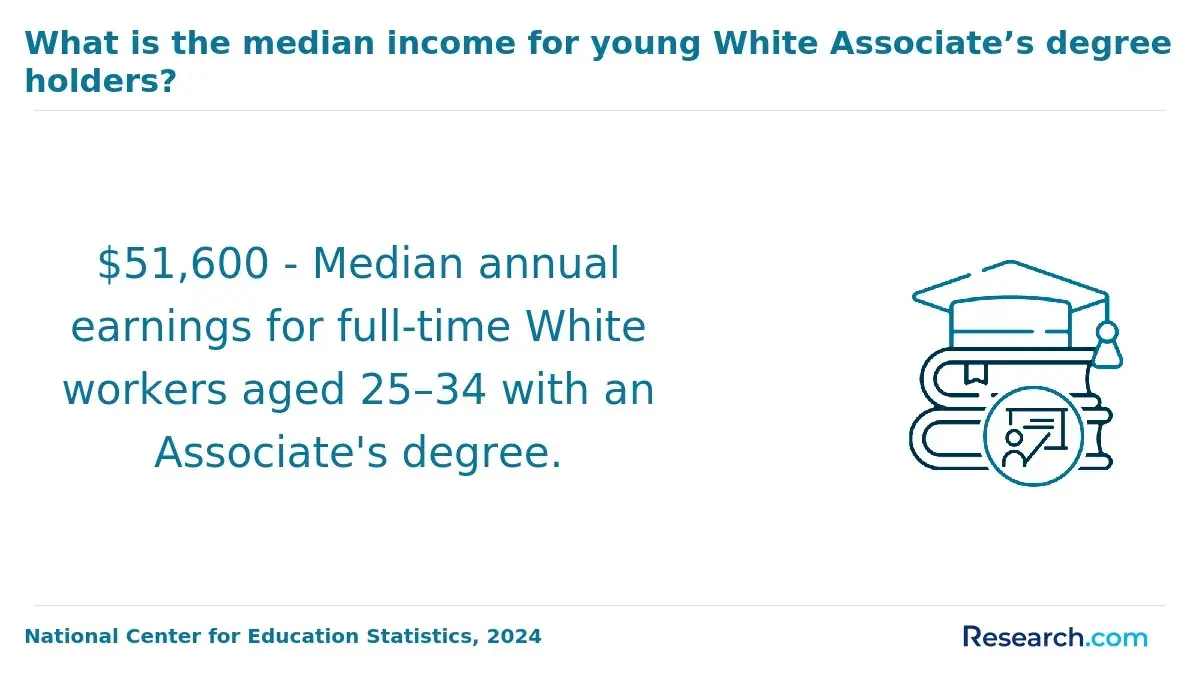
Government and public-sector administration positions generally experience lower unemployment rates than private-sector roles, as confirmed by data from the Bureau of Labor Statistics, the Office of Personnel Management, and the National Association of State Personnel Executives.
This arises from factors such as civil service protections and structured workforce planning that limit layoffs during economic downturns.
- Unemployment Rates: Public-sector jobs maintain more stable employment levels, with fewer layoffs throughout economic cycles compared to private-sector administration roles.
- Layoff Frequency: Layoffs in government are less common due to formalized procedures and mandatory notice periods, even amid budget constraints.
- Position eliminations follow structured processes, mitigating sudden job losses.
- Career Tenure: Public-sector employees benefit from longer career durations, supported by pension plans and enhanced job security measures.
- Role Categories and Stability:
- Federal agency jobs offer strong civil service protections and exhibit low turnover rates.
- State and local government roles vary by jurisdiction but typically provide moderate to high job security.
- Positions at public universities and research institutions are generally stable, though affected by funding cycles.
- Quasi-governmental organizations blend public and private sector traits, experiencing some market risk but retaining public-sector safeguards.
- Compensation Trade-Offs: Although starting salaries are often lower in public administration, benefits such as pensions, generous leave, and eligibility for loan forgiveness programs enhance long-term financial security.
- This combination can yield higher lifetime earnings and greater financial stability for those cautious about risk.
- Financial Security Considerations: Graduates seeking steady income and enduring benefits frequently find the public-sector's reduced unemployment risk aligns with these priorities.
- Individual Risk Tolerance: While some graduates might pursue private-sector roles for greater initial earnings despite volatility, others prioritize the security premium provided by government employment.
This evaluation assists administration degree holders in aligning their career choices with personal financial goals and comfort with employment risk, fostering informed decisions based on comprehensive sector-specific data.
Licensure and certification play a critical role in shaping unemployment risk for administration degree holders by establishing formal qualifications that restrict labor supply and enhance job security.
Certain administration careers—such as certified public managers, human resource specialists with SHRM credentials, and healthcare administration professionals holding Certified Professional in Healthcare Quality (CPHQ) certification—require mandatory licensure or certifications to legally practice or advance.
The economic impact stems from licensed practitioners operating in a closed labor market segment where employers, constrained by legal or organizational credentialing requirements, cannot substitute unlicensed workers during downturns. This creates a durable employment floor, making licensed administration roles more resilient to recession-driven layoffs.
In addition to mandatory credentials, many administration positions prize non-required professional certifications—such as the Project Management Professional (PMP) or Certified Administrative Professional (CAP).
While these do not guarantee employment rights, they serve as de facto hiring filters, signaling advanced skills and commitment. Prospective hires with these credentials face less competition, which reduces unemployment risk noticeably.
Administration graduates should develop a credential acquisition strategy aligned with their targeted career path, distinguishing between essential licensure, valued certifications, and credentials with limited return on investment.
Effective credentialing supports both entry-level hiring and long-term career resilience in a labor market reshaped by automation and demographic shifts.
- Structural Barrier: Mandatory licensure restricts labor supply, limiting substitution of uncredentialed workers.
- Demand Stability: Licensed roles sustain employment demand during economic downturns.
- Competitive Certifications: Non-required credentials act as hiring filters, lowering unemployment risk.
- Credential Strategy: Prioritize credentials by legal necessity and employer preference.
- Recent Trend: A 2023 study found administration professionals with recognized certifications had 15% lower unemployment rates than uncredentialed peers.
Geographic location shapes unemployment risk for administration degree graduates due to differences in regional economic structures and industry clusters. Metropolitan areas anchored by healthcare corridors, government employment centers, technology hubs, or financial services clusters provide more abundant and stable openings for administration professionals.
Cities such as Washington, D.C., Boston, and San Francisco demonstrate unemployment rates for administration graduates below the national average, reflecting steady sectoral demand. This regional employment trend highlights the geographic location impact on unemployment risk for administration degree graduates across the US.
In contrast, regions with fewer administration employers—often rural areas or those reliant on volatile industries—face longer job searches and more economic vulnerability.
This results from local industrial composition and labor market constraints that amplify economic downturn effects on administration workers. The ongoing regional employment trends for administration degree holders in the US reflect these structural challenges in less dense labor markets.
Remote work availability significantly alters geographic employment risk. Administration specializations compatible with remote work—such as project coordination, human resources, and virtual office management—access broader labor markets and thus lower unemployment risk.
Conversely, roles requiring physical presence—like facilities management or public sector administration—remain more location-dependent. Graduates should evaluate whether their target path supports geographic flexibility to mitigate unemployment risk effectively.
Choosing remote-eligible roles or relocating to metropolitan clusters can expand opportunities and reduce labor market exposure.
Prospective and early-career administration professionals benefit from analyzing area-specific labor market data—using BLS metropolitan statistics, LinkedIn job location filters, and regional wage benchmarks—to gauge whether staying local, relocating, or pursuing remote roles aligns best with their risk tolerance and personal preferences.
Pursuing an advanced organizational development degree or relevant certification further reduces long-term unemployment exposure by enhancing credentials in competitive regions.
- Demand Concentration: Higher administration employment in healthcare, government, technology, and finance correlates with reduced local unemployment risk.
- Economic Volatility Exposure: Areas with fewer administration employers experience longer job searches and greater instability.
- Remote Work Factor: Remote-eligible administration roles decrease geographic risk by broadening accessible job markets.
- Labor Market Tools: Using BLS data and job posting filters helps identify optimal geographic strategies to reduce unemployment risk.
- Recent Trend: Remote-capable administration jobs have grown over 30% nationally, enhancing geographic mobility and lowering unemployment risk for flexible roles.
The administration careers most vulnerable to automation technology largely involve routine, repetitive tasks susceptible to artificial intelligence, machine learning, robotic process automation, and related advances.
Drawing on frameworks like the McKinsey Global Institute's automation susceptibility, the Oxford Martin School's occupational automation probability, and MIT's task-level automation analysis reveals distinct exposure patterns for specific administrative functions.
- Data Entry and Routine Processing: Roles focused on standardized data input, document management, and basic record-keeping face heavy risks of full automation due to the efficiency of pattern recognition and rules-based workflows.
- Document Review and Compliance Monitoring: Jobs involving repetitive contract examination, invoice processing, or compliance checklist reviews are increasingly replaced by AI systems capable of interpreting text and detecting anomalies with minimal human oversight.
- Standardized Decision-Making and Reporting: Positions requiring evaluation of fixed metrics or strict decision trees—such as eligibility verification or scheduling—are at high risk because these tasks demand limited contextual judgment.
- Repetitive Client Service and Communication: Frontline administrative roles that handle routine inquiries and standard requests are frequently supplemented or replaced by automated chatbots and virtual assistants, reducing the need for human intervention in scripted exchanges.
In contrast, administration paths emphasizing non-routine problem-solving, interpersonal judgment, ethical oversight, creativity, and complex expertise face lower displacement risk.
Professionals in these areas often oversee and manage automated tools—leveraging technology to boost productivity rather than being supplanted by it. This understanding is vital for those navigating administration careers most vulnerable to automation technology.
For those aiming at high-automation-risk roles, mid-career transitions are likely as task requirements evolve. Building competencies in technology management, strategic decision-making, and human-centric skills will position professionals as managers of automated systems rather than those displaced by them.
Automation susceptibility scores represent probabilistic estimates, not certainties—actual adoption speed depends on employer investment, regulatory constraints, technological progress, and relative costs of automation versus human labor. These factors vary greatly by organization and geography, influencing the impact on administration jobs.
Early-career administration students and practitioners can benefit from pursuing credentials and education that enhance resilience to disruption-such as graduate education or professional certification—and considering geographic market dynamics.
For those interested, exploring options like an online masters in human services may offer pathways to broaden expertise and reduce long-term unemployment exposure.
Graduate degrees markedly lower unemployment risk for administration degree holders—boosting both job security and earning potential in an evolving labor landscape.
Data from Georgetown University's Center on Education and the Workforce and the Bureau of Labor Statistics reveal unemployment rates for administration professionals with graduate degrees hover about 1.5 to 2 percentage points below those with only bachelor's qualifications, while salaries frequently increase by 20% to 40%, depending on the degree and career track.
Several graduate credentials are particularly effective at minimizing unemployment:
- Professional Master's Programs: Degrees in fields like clinical, legal, or engineering administration lead to licensure, opening doors to regulated positions where labor supply is tight and demand steady.
- Research-Focused Graduate Degrees: Master's and doctorates preparing graduates for advanced practitioner or research roles operate in markets with limited competition, securing greater employment stability.
- Master of Business Administration (MBA) Programs: MBAs facilitate access to management and leadership roles in sectors where advancement beyond a bachelor's level is often restricted.
Investment Considerations: Weighing graduate education's cost against its career benefits requires clear-eyed analysis:
- Cost: Tuition expenses range broadly—from $20,000 to over $60,000 based on program and institution.
- Duration: Programs typically last one to three years full-time, with extended timelines if pursued part-time.
- Opportunity Cost: Time in study often means foregone wages, affecting short-term financial stability.
Calculating break-even points—usually between three and seven years—helps determine if graduate degrees provide the most efficient path to reducing unemployment risk.
Alternative strategies like professional certifications, choosing employers in high-demand regions, relocating geographically, or specializing in niche sectors may yield similar job security improvements with less time and financial burden.
Administration professionals should integrate program-specific data and industry demand forecasts to choose the credentialing path that maximizes long-term employment stability in their chosen specialization.
Entry-level roles with reliable pathways to long-term job security share features such as defined advancement routes, strong retention within employers, and valuable experience accumulation. Data from workforce surveys and career analytics underline several administration positions as dependable springboards for enduring careers.
- Executive Assistant: Positioned in organizations prioritizing promotion, this role fosters close ties with leadership, expanding networks that help weather economic shifts. Advancement typically occurs within three to five years into office management or project coordination roles that carry lower unemployment risk.
- Human Resources Coordinator: Common in sectors like healthcare, education, and government, these positions benefit from high internal mobility and retention. Most candidates advance in two to four years toward HR generalist or specialist roles while earning certifications such as SHRM that increase cross-industry employability.
- Administrative Analyst: Found mostly in government and large firms, these roles emphasize data and policy skills that support lateral and upward moves into program or budget management. Although advancement usually takes four to six years, the institutional stability ensures low unemployment vulnerability.
- Project Coordinator: Roles in project-focused industries such as construction, IT, and consulting offer stable bases with skill development in cross-functional collaboration and stakeholder management. Coordinators often progress to senior project or operations management within five years.
Choosing employers known for strong culture and retention—verified through internal ratings—further boosts career durability. Geographic regions with diverse economies and low volatility support longer tenure and smoother progression.
Early specialization in compliance or technology tools, plus targeted certifications, decreases unemployment exposure over 10 to 20 years. This helps distinguish entry-level paths that build sustained career equity from those that lead to high turnover or stagnation.
What Graduates Say About the Administration Degree Careers With the Lowest Unemployment Risk
- Robert: "Choosing a specialization in healthcare administration was a game-changer for me-this industry consistently shows lower unemployment rates, especially for entry-level positions. I found that earning certifications like Certified Medical Manager early on not only boosted my resume but also opened doors to roles with stable growth in urban health systems. Looking back, focusing on this niche gave me confidence to thrive during economic uncertainty."
- Case: "Reflecting on my career path, I realized that targeting geographic markets with robust financial sectors-like New York and Chicago-helped minimize unemployment risk at every stage. Mid-career, I pursued a Project Management Professional (PMP) credential that made me highly competitive for senior administrative roles within banking and corporate services. The blend of industry awareness and credentialing truly shaped my success."
- Sebastian: "My journey in administration taught me that combining a specialization in supply chain management with government sector experience creates resilient career opportunities. I focused on credentialing through the Certified Supply Chain Professional program, which pays dividends across entry, mid, and senior levels. Personally, I appreciate the professional stability it offers-something that's invaluable in today's shifting job landscape."
Other Things You Should Know About Administration Degrees
The 10-year employment outlook for administration careers with the lowest unemployment risk is generally positive-especially in roles tied to healthcare administration, educational services management, and government operations. These sectors show steady growth due to consistent demand for organizational leadership and regulatory compliance. Forecasts indicate that digital transformation and increasing organizational complexity will also expand opportunities in specialized administration roles.
In 2027, administration degree specializations focusing on healthcare administration, information systems management, and project management are projected to have the lowest unemployment rates. These fields continue to grow rapidly, driven by advancing technologies and an aging population requiring more healthcare and efficient organizational systems.
Graduates with at least one 10- to 12-week internship are more likely to land full-time administrative jobs quickly, especially in office management, HR support, and project coordination. Employers also value internships tied to ERP software, payroll, or records management, because those skills match common entry-level hiring requirements.
Economic recessions typically increase unemployment risk in administration sectors tied to discretionary spending and private industries. However, administration roles in government, healthcare, and education usually experience greater job stability during downturns. Recession resilience often correlates with the sector's essential nature and the administration role's direct impact on operational continuity.
- United States Unemployment Rates by President, 1948-2020 https://historyinpieces.com/research/us-unemployment-rates-president
- 8 Career Path Options for Admin Assistants https://www.swinburneonline.edu.au/career-path-for-administration-jobs/
- Employers added a surprising 177,000 jobs, unemployment remains low, as job market shows resilience https://www.pbs.org/newshour/economy/employers-added-a-surprising-177000-jobs-unemployment-remains-low-as-job-market-shows-resilience
- Unemployment and jobs: what’s changed under Labour? – Full Fact https://fullfact.org/economy/employment-jobs-explainer/
- Best MBA Specialisation for 2026 | Which MBA Specialisation is Most in Demand? https://lsmt.org.uk/blog/most-in-demand-and-best-mba-specialisation
- 6 In-Demand MBA Specializations https://www.ndnu.edu/articles/business-management/six-in-demand-mba-specializations%20.html
- Why a College Degree No Longer Guarantees a Good Job https://thefulcrum.us/money-politics/college-graduate-unemployment-rate
- Admin Careers for Entry-Level Candidates | Samantha Daniels - VWA https://www.vwa.com/news/guide-to-admin-careers
- Volatile Job Numbers Mask Stagnant Labor Market in the Trump Administration’s Economy: Analysis of the March 2026 Jobs Report - Center for American Progress https://www.americanprogress.org/article/volatile-job-numbers-mask-stagnant-labor-market-in-the-trump-administrations-economy-analysis-of-the-march-2026-jobs-report/
- AI job losses: Look up which workers are most vulnerable - Washington Post https://www.washingtonpost.com/technology/interactive/2026/jobs-most-affected-ai-automation/