2027 Addiction Psychology Degree Completion Programs for Working Adults

Co-Founder and Chief Data Scientist
Many working adults face challenges completing an addiction psychology degree due to rigid schedules, unclear credit transfer policies, and high tuition costs. Choosing a program without proper accreditation or industry recognition risks wasting time and money.
High-quality completion programs offer flexible formats, often online or hybrid, with clear articulation agreements and accreditation that supports licensure. Graduates of accredited addiction psychology programs report a median salary increase of nearly 15% compared to those without degrees.
This article guides prospective students through critical factors such as maximizing prior learning credits, identifying credible programs, accessing financial aid, and comparing options to align education with career goals and life demands.
Key Things to Know About Addiction Psychology Degree Completion Programs for Working Adults
- Maximize credit for prior learning by submitting transcripts and military or ACE evaluations; some programs award up to 75% of required credits based on relevant experience or training.
- Identify programs recognized by employers and licensure boards to ensure degrees meet certification requirements; over 60% of addiction counselor roles require credentials aligned with accredited completion programs.
- Access financial aid options tailored for working adults, including employer tuition reimbursement and federal aid; 56% of adult learners report combining multiple aid sources to finance their degree.
What Are Addiction Psychology Degree Completion Programs, and Who Are They Designed For?
Addiction psychology degree completion programs offer tailored pathways for adults who have some college credits but no degree or are transitioning careers into this field. Unlike traditional four-year or graduate programs, these options provide accelerated pacing and flexible scheduling, including evening, weekend, or online classes-specifically to meet working adults' needs.
Such programs excel at recognizing prior learning through strong credit transfer policies that incorporate previous coursework, military training evaluated via ACE guidelines, and relevant professional experience.
The primary audiences include adults resuming education after time away, military veterans holding ACE-credited training, mid-career professionals pursuing credential-gated promotions, and career changers entering the addiction psychology field with recognized qualifications.
These groups benefit significantly from programs designed for nontraditional students, often labeled as online addiction psychology degree completion options for professionals.
Data from the National Student Clearinghouse, the American Association of State Colleges and Universities (AASCU), and the Lumina Foundation confirm that completion programs represent credible, accredited pathways.
They balance academic rigor with practical outcomes by delivering employer- and licensure-recognized credentials that improve career prospects in addiction psychology.
Key considerations for prospective students include maximizing credit transfers, ensuring program recognition by employers and licensing bodies, and exploring financial aid tailored to working adults. Careful evaluation helps align the program with personal goals and life circumstances.
For those exploring graduate health fields, examining PharmD programs can also provide insight into comparable adult-focused degree pathways.
How Do Addiction Psychology Degree Completion Programs Differ From Traditional On-Campus Degree Programs?
Addiction Psychology degree completion programs offer structural features tailored for working adults, contrasting sharply with traditional campus-based degree paths.
These programs accommodate complex schedules through flexible scheduling formats, including evening, weekend, online, and hybrid classes. Traditional programs typically enforce rigid daytime campus schedules, limiting employment compatibility.
- Pacing Options: Completion programs often provide accelerated cohort tracks or self-paced enrollment, allowing learners to advance based on availability or prior knowledge. In contrast, traditional degrees follow a fixed semester-based, full-time timeline with little room for adjustment.
- Residency Requirements: On-campus residency is minimal or optional in completion programs, sometimes limited to brief orientations-while traditional degrees expect continuous campus presence throughout the academic year.
- Asynchronous Coursework: A significant portion of degree completion material is offered asynchronously, empowering students to study anytime. Traditional programs rarely offer this degree of autonomy.
- Credit Transfer Flexibility: These programs maximize credit acceptance for prior college courses, military training, such as ACE-credited experience, and professional work, streamlining progress toward the degree. Traditional programs typically have more stringent transfer policies.
- Advising Services: Personalized advising designed for adult learners helps navigate credit policies, course selection, and career planning-services often less specialized in traditional settings.
National Center for Education Statistics and IPEDS data reveal substantial growth in enrollment for addiction psychology degree completion programs for working adults over the past decade, reflecting a trend toward educational pathways that minimize disruption to careers and families.
Both traditional and completion degrees generally confer equivalent Bachelor of Science or Bachelor of Arts credentials in addiction psychology, but completion programs uniquely meet the needs of mid-career professionals, military veterans, and career changers.
For those evaluating the differences between online and traditional addiction psychology degrees, assessing how programs credit prior learning, support licensure recognition, and offer financial aid is critical. Exploring options such as a masters of health administration can complement an addiction psychology degree for expanded career opportunities.
What Prior Credits and Experiences Count Toward a Addiction Psychology Degree Completion Program?
Many addiction psychology degree completion programs allow students to transfer previously earned college credits and may also award credit for relevant professional training or work experience. Accepted credits often include general education courses, psychology coursework, and classes completed at accredited institutions.
Transfer Credits: Addiction Psychology degree completion programs typically accept credits from regionally accredited colleges, though the number of transferable credits and required course relevancy vary. Some institutions enforce limits, while others demand alignment with addiction psychology curricula, so verifying accreditation and credit agreements upfront is essential.
Military Training Credits: Veterans benefit from having military coursework reviewed through the American Council on Education (ACE) registry. Many reputable programs honor ACE recommendations, converting military occupational specialties and training into academic credit. Beware of schools that dismiss ACE credits or lack clear military credit policies.
Professional Certifications: Certifications in counseling, behavioral health, or substance abuse fields may qualify for academic credit depending on institutional guidelines and relevance to addiction psychology learning outcomes.
Prior Learning Assessment (PLA): Many completion pathways allow students to submit portfolios documenting professional experience, training, and independent study. CAEL research shows PLA can shorten degree completion by up to a year-saving tuition and accelerating career advancement.
Credit-By-Examination: Exams like CLEP and DSST help adult learners earn credits without traditional coursework, adding flexibility to degree timelines.
Since credit policies differ widely, especially depending on prior institution accreditation, requesting official transcripts and a pre-enrollment credit evaluation is crucial before committing financially or academically.
Students should avoid programs that impose arbitrary credit caps without transparent academic reasoning. The American Association of Collegiate Registrars and Admissions Officers (AACRAO) offers transfer credit guidelines promoting fair and consistent institutional practices.
Minimum GPA requirements for addiction psychology degree completion programs generally range between 2.0 and 2.5 on a 4.0 scale, setting an academic baseline for admission.
However, several programs offer conditional admission for applicants with lower GPAs, providing academic support options such as tutoring or adjusted course loads to promote student success.
Others adopt open admission policies when applicants bring substantial professional or military experience relevant to addiction services, often validated through ACE credit recommendations.
- Holistic Review: Admissions typically consider more than GPA alone, evaluating years of professional experience, letters of recommendation, and reflective personal statements to gauge applicant readiness in line with standards from regional accreditors like the Higher Learning Commission.
- Academic Forgiveness: Returning students with prior low GPAs might benefit from fresh-start policies that exclude older grades from GPA calculations after a set non-enrollment period, enhancing their admission prospects.
- Pre-Admission Evaluation: Prospective students should request formal academic eligibility assessments from programs under consideration to understand admission likelihood before investing in full applications.
These policies reflect the varied GPA criteria for addiction psychology completion programs designed to support working adults with diverse backgrounds.
Career changers and mid-career professionals can maximize credit for prior learning and gain recognition through employer- and licensure-approved programs, helping align academic credentials with professional goals and financial considerations.
For those entering this field, evaluating programs carefully includes understanding pathways to support academic progression and career advancement, alongside exploring financial aid options and flexible scheduling formats.
Also, adults seeking to verify expectations about career outcomes often research related fields and may find insights about medical coding pay relevant when comparing credential pathways.
Degree completion programs in addiction psychology often design class schedules to serve adults working full-time, typically 40+ hours weekly, by offering varied formats like evening cohorts, weekend intensives, fully asynchronous online courses, and hybrid mixes of online plus live or in-person sessions.
Such flexibility enables students to study without sacrificing job or family commitments. A common recommendation is a credit load of 6 to 9 credits per term, striking a balance between meaningful progress and manageable workload for busy learners.
- Cohort Learning Model: Many programs organize students into fixed groups progressing together through a set curriculum and timeline. This promotes accountability, peer connections, and ensures predictable schedules, helpful for those planning months ahead around professional and personal demands.
- Student Support: Access to dedicated advisors who assist in resolving scheduling issues and provide resources to integrate coursework with career pressures is a frequent feature.
- Persistence and Graduation Rates: Data from the National Student Clearinghouse Research Center demonstrates that cohort-based completion programs yield higher persistence and graduation rates compared to traditional formats, highlighting the effectiveness of structured group learning and support.
- Evaluation Tips: Prospective students should clarify policies on course cancellations and makeup options for unavoidable work conflicts to avoid falling behind.
A professional who built her career after completing an addiction psychology degree shared how challenging balancing full-time work with studies initially felt overwhelming. She described late nights and precise planning as vital, yet found that the cohort structure offered a strong sense of community and motivation.
"Knowing others were progressing alongside me made it easier to stay committed during stressful periods," she recalled. She also valued having an advisor who helped navigate unexpected scheduling conflicts, ensuring she did not lose progress.
Reflecting on the experience, she noted that while flexibility was key, the program's firm timelines created discipline that was crucial for staying on track and ultimately earning her degree.
Recent data from the National Center for Education Statistics and the Online Learning Consortium reveal that nearly 70% of adult learners in addiction psychology degree completion programs opt for fully online formats, while approximately 25% choose hybrid models blending remote and occasional in-person instruction.
The COVID-19 pandemic significantly accelerated institutions' capabilities to offer robust online learning, enhancing accessibility for working adults managing job and family commitments.
- Synchronous Live Sessions: Scheduled video conferencing facilitates real-time interaction with instructors and peers, supporting those who prefer structured environments and immediate feedback, though it demands consistent availability during set times.
- Asynchronous Recorded Lectures: Learners access materials on their own time, offering maximum flexibility; this suits busy professionals but requires discipline to stay on track.
- Blended Hybrid Models: These combine virtual coursework with on-site intensives or labs, ideal for students needing hands-on experience or living near campus.
Evaluating program quality involves examining faculty qualifications, maintaining favorable student-to-faculty ratios for personalized support, ensuring virtual academic services such as tutoring and advising, and verifying that online offerings share the same institutional accreditation as on-campus programs.
- Program Fit: Decide between online, hybrid, or in-person based on your learning preferences, work schedule, and location.
- Enrollment Questions: Ask about the mix of synchronous and asynchronous components, any required campus visits, remote delivery of clinical training, and credit transfer options, especially for prior military experience.
A 2023 study confirms that over 85% of addiction psychology programs now provide some coursework online, reflecting a lasting shift toward flexible, accessible degree completion pathways for adult learners.
Completion timelines for addiction psychology degree completion programs vary based on prior credits, enrollment format, and program design. Students entering with about 60 credits typically face a two- to three-year completion window. Those with around 90 credits, often at junior standing, may finish within one to two years.
Students holding substantial prior learning credits assessed through formal prior learning assessments (PLAs) sometimes accelerate this timeline further, though policies differ by institution.
- Credit Transfer: The volume of accepted transfer credits or PLA awards most directly reduces remaining coursework, making completion faster.
- Enrollment Intensity: Full-time study shortens degree timelines but may challenge working adults managing jobs and families; part-time enrollment extends completion but offers flexibility.
- Fixed Requirements: Elements like internships, fieldwork, or capstone projects often impose minimum time obligations linked to clinical hours or site availability that cannot be compressed regardless of course load.
- Financial Impact:
- Quicker graduation diminishes total tuition and fees by lowering the number of semesters attended.
- Accelerated completion reduces lost income by returning learners sooner to higher earning roles.
- Delays increase financial strain through extended tuition payments and forgone salary potential.
- Program Transparency: Students should obtain documented average time-to-degree data based on their exact credit profile rather than relying on minimum advertised timelines that usually assume the highest credit transfers and accelerated full-time enrollment.
Prospective students seeking reputable addiction psychology completion programs should also prioritize those recognized by employer credentialing and licensure authorities. Maximizing credit for prior military or ACE-credited training improves efficiency.
Accessing financial aid tailored to working adults further supports degree attainment. Evaluating programs through objective quality criteria, such as accreditation, credit policies, and scheduling options, helps ensure alignment with professional goals and life obligations.
Accreditation is an important consideration when choosing an addiction psychology degree completion program because it helps ensure the program meets recognized academic quality standards. Attending an accredited school can also impact financial aid eligibility, credit transfer options, and future career or graduate study opportunities.
Regional Accreditation: Institutional accreditation from regional bodies, such as the Higher Learning Commission (HLC), the Middle States Commission on Higher Education, and the Southern Association of Colleges and Schools Commission on Colleges (SACSCOC), is the most respected standard for addiction psychology degree completion programs in the US. Employers, graduate schools, and federal student aid programs recognize regional accreditation as a mark of academic legitimacy.
National Accreditation: National accreditors like the Distance Education Accrediting Commission (DEAC) typically oversee career or technical schools. While some nationally accredited addiction psychology degree completion programs exist, this accreditation carries lower prestige.
Programmatic Accreditation: Although less prevalent for addiction psychology itself, related behavioral health programs may hold specialized accreditation from bodies such as the Council on Social Work Education (CSWE). Programmatic accreditation influences licensure eligibility, employer preferences, and graduate admissions by signaling specialized academic rigor relevant to addiction psychology.
Risks of Unrecognized Accreditation: Prospective students should be cautious of programs claiming only national or unverified accreditation. Credentials from such schools may not be accepted by employers or licensing boards, risking financial loss and academic setbacks.
When comparing program costs, scheduling, and credit transfer policies, consider trusted sources for financial guidance and program rankings, such as those featuring the cheapest online nutrition degree,to inform decisions impacting career outcomes and education affordability for adults completing addiction psychology degrees.
Costs for addiction psychology degree completion programs vary widely by institution type and program design. Public regional universities typically charge between $300 and $500 per credit hour for in-state students, with additional mandatory fees from $50 to $150 per term.
Private nonprofit schools often range from $600 to over $1,000 per credit hour. For-profit institutions may have comparable or higher tuition but often include expenses for technology, materials, and required residencies or intensives, adding $500 to $2,000 annually to total costs.
Accurately estimating all these factors is vital for working adults evaluating addiction psychology degree completion program tuition costs.
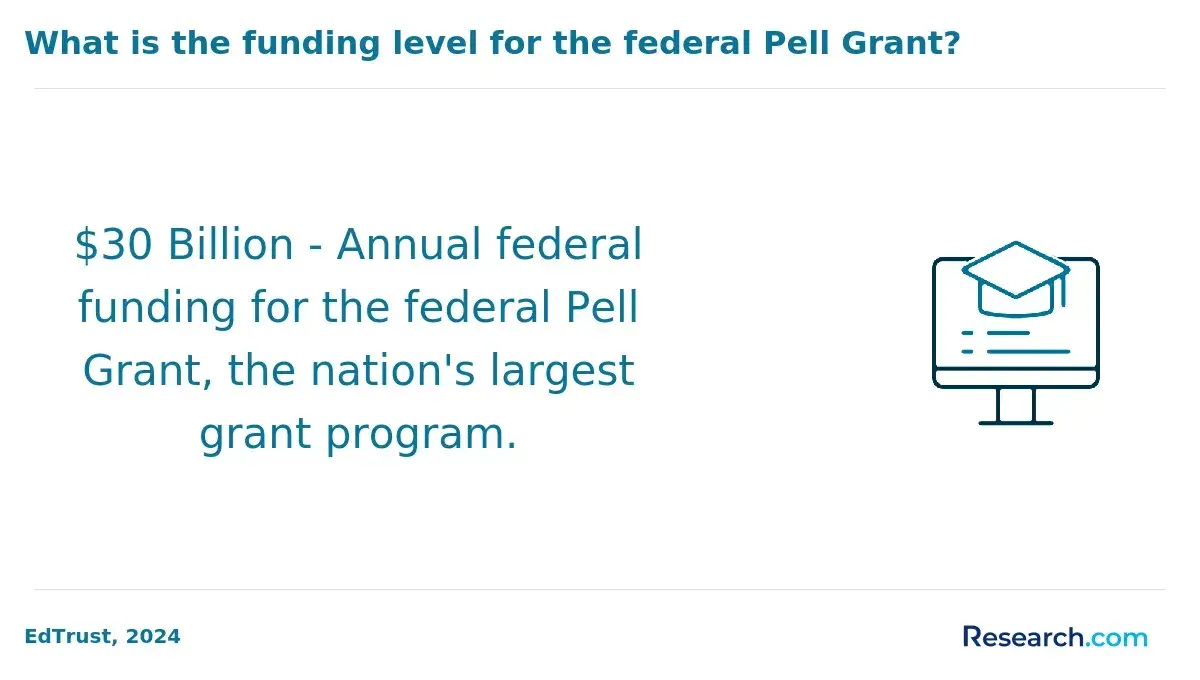
Financial aid options for addiction psychology working adults considerably alleviate expenses. Pell Grants remain available to part-time learners who meet eligibility criteria. Many employers provide tuition reimbursement programs that can substantially offset or even cover entire degree costs.
Military-affiliated students benefit from GI Bill and MyCAA programs, valuable resources for service members and their families. Additionally, numerous institutions offer scholarships tailored to non-traditional and adult students. Adult learners filing FAFSA independently should prepare for income verification complexities typical in this demographic.
Tax advantages help those paying out of pocket. The Lifetime Learning Credit provides a tax credit for qualifying tuition and fees, while employer-provided educational assistance may be excluded from taxable income under IRS Section 127.
Consulting a tax professional is advisable to understand benefits properly based on individual finances. To make informed decisions, prospective students should compare net costs across two or three programs, factoring in prior credit transfer savings, employer aid, and actual tuition after financial assistance, as sticker prices alone rarely reflect true out-of-pocket costs.
- Tuition Rates: Public universities $300-$500/credit; private nonprofits $600-$1,000+/credit; added fees and residency costs often increase total expenses.
- Financial Aid: Pell Grants for part-time adult students; employer tuition reimbursement; GI Bill and MyCAA for military-affiliated learners; scholarships for non-traditional adults.
- Tax Benefits: Lifetime Learning Credit; IRS Section 127 educational assistance exclusion; professional tax advice recommended.
- Cost Comparison: Account for prior credit transfer, employer aid, and net tuition after financial aid-sticker price underrepresents true expense.
For further guidance on accelerated healthcare management degrees that may complement addiction psychology training, explore the fastest online MHA.
Adults completing an addiction psychology bachelor's degree often see measurable salary improvements, typically a 15-25% premium compared to peers with some college but no degree, according to research from the Georgetown University Center on Education and the Workforce.
This aligns with median earnings data from College Scorecard and BLS wage figures for common addiction psychology roles, confirming better compensation prospects after degree completion.
Career benefits reported by working adults finishing addiction psychology programs include:
- Promotion Eligibility: Earning a degree unlocks access to supervisory or management roles previously unavailable without formal credentials.
- Credential-Gated Titles: Many positions in counseling, behavioral health, and case management require a bachelor's credential, making degree completion essential for these jobs.
- Professional Experience Leverage: Unlike recent graduates, working adults combine their practical experience with academic credentials-often qualifying directly for senior or specialized roles post-graduation.
- Career Advancement: Graduates frequently move into licensed roles or gain eligibility for graduate programs in clinical counseling or social work.
- Goal Alignment: Prospective students should verify that their chosen program meets licensure or employer requirements, as some roles demand specific accredited credentials or coursework.
Graduates who balance employment with degree completion benefit from enhanced marketability, joining academic achievements with workplace expertise.
Such pathways emphasize the importance of maximizing credit for prior learning, selecting accredited programs recognized by employers and licensing bodies, and evaluating financial aid options tailored to working adults. Careful program comparison using established quality criteria ensures alignment with personal career objectives and life commitments.
Employers tend to focus on the accreditation and formal recognition of addiction psychology degrees rather than the path taken to earn them, as shown in hiring surveys by the Society for Human Resource Management (SHRM) and the National Association of Colleges and Employers (NACE).
Whether a degree is earned through a completion program or traditional study usually does not influence hiring decisions.
- Diploma Uniformity: Accredited schools award the same credential regardless of whether the degree was completed via a traditional or completion program, meaning employers see no difference in the diploma.
- Resume Presentation: Applicants should simply list their degree as granted by the institution, without specifying the completion format. When discussing education in interviews, emphasizing the program's accelerated pace and focus on adult learners can showcase valuable skills such as discipline and time management.
- Regulated Roles: Some sectors, like federal jobs with Office of Personnel Management (OPM) standards or licensed professions overseen by state boards, may scrutinize how the degree was earned. Individuals in these fields should confirm credential acceptance with licensing bodies or HR before enrolling.
- Private Sector Preferences: In most private addiction psychology positions, professional experience, demonstrated skills, and strong references hold greater weight than the method of degree completion. Completion degrees serve as full credentials that enhance career opportunities rather than being viewed as inferior to traditional degrees.
What Graduates Say About Addiction Psychology Degree Completion Programs for Working Adults
- Major: "Choosing an addiction psychology degree completion program that offers flexible scheduling was a game-changer for me as a full-time employee. The evening and weekend courses meant I could keep my job while advancing my education without burnout. Plus, the program's accreditation assured me that my degree would be respected by employers-something I hadn't considered before enrolling."
- Douglas: "What stood out most in my program was its clear credit transfer policies-allowing me to bring in prior coursework seamlessly and finish much faster than expected. This not only saved me money but also gave me confidence that the curriculum met rigorous educational standards. The thoughtful balance between cost and quality differentiated this program from less structured online options I researched."
- Ezra: "Reflecting on my journey, I found that a reputable addiction psychology completion program prioritized career outcomes through specialized support like internship placements and networking opportunities. These structural features meant my transition into the workforce was smoother and more targeted toward roles that actually fit my aspirations. The investment was definitely worthwhile given the professional doors it opened."
Other Things You Should Know About Addiction Psychology Degrees
Many addiction psychology degree completion programs provide support services tailored to working adults, such as academic advising, tutoring, and career counseling. These programs often offer flexible scheduling and access to online resources that accommodate busy lifestyles. Some schools also provide technical support and peer networking opportunities to help students stay engaged and succeed.
Yes, credits earned in addiction psychology degree completion programs frequently transfer to graduate programs in psychology or counseling. It is important to choose programs with proper regional accreditation to ensure smooth credit transfer. Students should verify transfer policies early to align their undergraduate studies with future graduate education plans.
Most addiction psychology degree completion programs require a minimum GPA of 2.0 to 2.5 for transferred college credits, and some ask for a 2.75 or higher for admission. Applicants usually also need official transcripts and proof that prerequisite psychology or general education courses were completed.
- 50 Best Master's Degree Programs in Addiction Counseling https://addiction-counselor.org/degrees/masters/
- Online Addiction Studies & Mental Health AAS Degree | CHCP https://www.chcp.edu/degrees-certificates/addictions-studies-mental-health-aas-degree/online/
- NASAC Accredited Programs https://nasacaccreditation.org/accreditation/nasac-accredited-programs/
- Addiction Counseling Cost, Tuition & Financial Aid https://www.addiction-counselors.com/addiction-counseling-cost-and-aid/
- Alcohol and Drug Counseling Minor (Bachelor’s Completion) https://www.apu.edu/programs/alcohol-drug-counseling-minor-bachelors-completion/
- Best Online Bachelor's In Addiction & Recovery 2025 https://www.psychology.org/degrees/addictions-and-recovery/bachelors/
- Addiction Specialist Degrees, Certifications, and Qualifications https://americanaddictioncenters.org/admissions/degrees-qualifications
- What's the Difference Between an Addiction Counseling and a Psychology Degree? - City Vision University https://www.cityvision.edu/difference-between-addiction-studies-and-psychology-degree/
- Substance Abuse Counselor https://onlinecounselingprograms.com/become-a-counselor/counseling-careers/substance-abuse-counselor/