2027 Addiction Psychology Degree Programs You Can Start Without Meeting All Requirements

Co-Founder and Chief Data Scientist
Many prospective students face barriers entering addiction psychology degree programs-whether due to GPA shortfalls, incomplete prerequisites, career breaks, or unconventional professional backgrounds. These hurdles often seem insurmountable, delaying or derailing educational goals. Yet, conditional admission policies, bridge courses, and alternative credential evaluations open pathways for early enrollment despite unmet standard requirements. Institutional support systems guide students in meeting academic and performance benchmarks during this provisional phase. Notably, addiction psychology graduates see a median salary increase of 15% compared to related fields, reflecting strong career ROI in healthcare and social services. This article explores how flexible admissions frameworks enable access and success in addiction psychology programs.
Key Things to Know About Addiction Psychology Degree Programs You Can Start Without Meeting All Requirements
- Conditional admission policies allow students below GPA thresholds to enroll provisionally, requiring completion of specified courses within set timelines to maintain enrollment status.
- Bridge and foundational courses address prerequisites gaps, enabling transfers and career changers to strengthen academic readiness before fully entering degree coursework.
- Alternative credential reviews consider professional experience or certifications, offering adult learners and nontraditional students a pathway when transcripts are incomplete or outdated.
What Is the Minimum GPA Requirement for a Addiction Psychology Degree Program?
The minimum GPA requirement for addiction psychology degree programs varies widely, reflecting the selectivity of each institution. Selective universities typically require GPAs from 3.0 to 3.5 or above, while moderately competitive programs often set thresholds between 2.5 and 3.0. Open-admission schools may accept GPAs as low as 2.0 or impose no strict minimum, emphasizing access for a broader range of students. This variation relates directly to how institutions balance academic rigor with inclusivity and accommodate diverse backgrounds.
Admissions committees do not evaluate GPA in isolation. They consider grade trends, course difficulty, and policies that allow grade replacement or forgiveness. For example, a candidate with improving grades or strong performance in challenging prerequisite courses may offset a modest overall GPA. These factors highlight the complexity behind the minimum GPA requirement for addiction psychology programs and the flexibility some schools offer.
Students with GPAs below published standards should first:
- Consult Admissions Counselors: Obtain personalized advice about options within specific programs.
- Request Holistic Review: Inquire whether work experience, recommendations, or personal statements might influence admission.
- Explore Conditional Admission: Some schools admit students on probationary terms, requiring completion of benchmarks or foundation courses.
These approaches lead to how schools support applicants with academic deficiencies through conditional admission, bridge courses, and other supports that allow early enrollment before meeting all standard requirements. For students seeking accelerated pathways related to healthcare, the fastest DNP program online is also worth exploring for a comparative view of flexible program structures.
Which Addiction Psychology Programs Accept Applicants on Academic Probation or With Academic Deficiencies?
Many addiction psychology programs accept students with academic probation or transcript deficiencies through conditional or provisional admission tracks, designed to provide early enrollment opportunities before all standard entry requirements are fully met. These programs usually require students to meet specific GPA thresholds and credit limits during an initial probationary term, along with close academic advising and progress monitoring.
- University of Northern Colorado: This regionally accredited institution offers provisional admission for addiction psychology undergraduates with GPAs below the standard threshold. Students must maintain a minimum 2.0 GPA over their first 12 credit hours, capped at 12 credits, with mandatory biweekly advisor meetings to support academic success during probation.
- California State University, Fullerton: Graduate students conditionally admitted to the counseling psychology program, especially those focusing on addiction, must achieve a 3.0 term GPA while completing no more than 9 credit hours. Monthly consultations with advisors are required to evaluate progress and plan remedial steps if needed.
- Northeast Ohio Medical University: Offering a bridge program for students with incomplete prerequisite courses, this regionally accredited university admits students provisionally, requiring a 2.5 GPA in the first 10 credits of foundational classes that are not counted toward degree requirements. Academic advisors guide course selection and individual learning plans.
- University of South Florida: Catering to adult learners returning after academic interruptions, this program limits the first-term course load to 6 credits and requires a 2.75 term GPA. Biweekly advisor meetings focus on customized academic strategies and aligning career goals.
- State University of New York at Albany: Undergraduate transfers with deficiencies may receive provisional acceptance, needing at least a 2.0 GPA over up to 15 credit hours. Students must engage in structured advisor meetings and support workshops to foster academic achievement.
Since policies vary significantly across institutions and between undergraduate and graduate addiction psychology programs, applicants should contact admissions offices directly to confirm current conditional admission requirements. Importantly, students applying with academic probation histories or other challenges can still gain entry by crafting a compelling personal statement outlining their journey and securing strong academic or professional references. These elements bolster applications and demonstrate readiness for a demanding but rewarding career path.
Community college transfer students still completing prerequisite coursework, adult learners re-entering education after gaps, and career changers with strong work experience but incomplete transcripts often find these conditional pathways especially critical. Some programs also consider alternative credential reviews as part of their flexible admission policies.
Students interested in progressing smoothly through such programs might also explore related options like a BSN completion to bridge academic credentials within healthcare-related behavioral fields.
How Do Conditional Admission and Provisional Enrollment Work for Addiction Psychology Degree Seekers?
Conditional admission and provisional enrollment often serve as flexible entry points for students aiming to enter addiction psychology programs without fully meeting all standard requirements. Although the terms are sometimes used interchangeably, they have distinct roles.
- Conditional Admission: Students granted this status must fulfill specific academic or prerequisite conditions, such as improving a slightly low GPA, completing designated foundation courses within one or two semesters, or submitting outstanding transcripts and test scores by a deadline. Successfully meeting these terms allows students to move into full program status; failure usually means dismissal or loss of enrollment privileges.
- Provisional Enrollment: This temporary status enables students to start courses as unclassified or non-degree candidates while completing missing documentation or prerequisites. It offers a chance to demonstrate readiness through coursework or fulfilling administrative requirements, but does not guarantee full admission.
- Performance Benchmarks: Both pathways require students to reach minimum GPA levels or pass foundational classes during their initial terms. Academic advisors typically monitor progress closely and provide support to help students meet these benchmarks.
- Progress Examples: Many conditionally admitted students have successfully advanced by completing requisite courses on time and raising their academic standing, turning what might seem like hurdles into achievable milestones.
- Key Questions: Prospective students should clarify, during admissions, what criteria trigger conditional or provisional status, the duration of the review period, available support resources, and who decides when full admission is granted.
A professional who earned a degree in addiction psychology shared that his initial admission came with a conditional status due to a missing prerequisite course. "At first, it felt overwhelming because I had to juggle catching up academically while starting core classes," he recounted. "The advisors were essential-I had clear deadlines and regular check-ins, which kept me on track." He noted that overcoming early doubts and managing those requirements not only built his confidence but also made the full admission an earned milestone rather than just a formality. "Looking back, that period taught me discipline and resilience, which are invaluable in this field."
Many accredited addiction psychology programs offer alternative admission options for applicants who have not met all standard prerequisites. These conditional entry pathways for addiction psychology programs without prerequisites allow candidates with diverse backgrounds to pursue their goals through recognized alternative credentials.
- Portfolio Review: Programs focusing on adult learners or online formats often accept a detailed portfolio showcasing relevant work, volunteer experience, certifications, and personal reflections.
- Programs Most Likely To Recognize It: Online addiction psychology degrees and adult education initiatives.
- Documentation Required: Letters of recommendation, employment history in behavioral health, and a personal statement.
- Institutional Infrastructure Needed: Admissions committees familiar with evaluating experiential learning.
- Demonstrated Professional Experience: Extensive workforce history in addiction or mental health fields may substitute for prerequisites-frequently in practitioner-oriented master's or certificate programs.
- Programs Most Likely To Recognize It: Applied counseling degrees and workforce upskilling certificate programs.
- Documentation Required: Verified employment records, supervisor evaluations, and possibly a skills assessment or interview.
- Institutional Infrastructure Needed: Coordination between academic departments and career services.
- Prior Learning Assessment Credit: Some institutions grant credit via portfolio evaluation or challenge exams to acknowledge knowledge gained outside traditional coursework.
- Programs Most Likely To Recognize It: Competency-based addiction psychology degrees and strong prior learning assessment offices.
- Documentation Required: Proof of prior training, certifications, licenses, and sometimes exams or skill demonstrations.
- Institutional Infrastructure Needed: Established prior learning offices and clear transfer credit policies.
- Placement Testing: Certain programs offer subject-specific placement tests in psychology or related courses, enabling students to bypass missing prerequisites upon demonstrating mastery.
- Programs Most Likely To Recognize It: Traditional universities offering conditional admission and bridge coursework.
- Documentation Required: Test scores and potential enrollment in foundational classes.
- Institutional Infrastructure Needed: Testing centers and academic advising support.
Applicants should proactively connect with program coordinators or admissions staff, as many schools accommodate alternative admission pathways informally, even if not clearly listed on websites. Navigating these options successfully often depends on direct dialogue with department chairs or program directors rather than relying solely on centralized admissions offices. This engagement is crucial, especially for those balancing incomplete transcripts or career changes who aspire to advance in addiction psychology.
For those considering career transitions or seeking workforce reentry, understanding these flexible pathways is crucial. There are also related fields where knowledge of job earnings may be useful, as in medical billing and coding, for which the medical coder salary is frequently researched alongside mental health professions.
Some addiction psychology programs offer students the option to enroll in core degree courses while still completing prerequisite classes-this method, known as concurrent or co-requisite enrollment, differs from conditional admission. While conditional admission lets students start under certain performance conditions, it doesn't always allow simultaneous prerequisite coursework. Concurrent enrollment helps students begin foundational addiction psychology classes alongside essential prerequisites like introductory statistics or research methods, speeding up progress toward their degree.
This approach usually involves pairing early quantitative or research-focused courses with initial addiction psychology classes so students develop critical analytical skills while engaging with core subject matter. However, taking on multiple demanding classes at once increases academic pressure, requiring disciplined time management and strong study routines to balance the heavier workload effectively.
To find out if a program permits this dual enrollment, review the institution's course catalog carefully, have detailed conversations with academic advisors, and request a degree audit to clarify outstanding requirements before registration.
Students juggling schooling with jobs or family should consider these strategies to maintain success:
- Time Management: Design a consistent weekly plan prioritizing study and coursework deadlines to stay organized.
- Advisor Support: Keep in touch with advisors regularly to review academic progress and adjust course loads if needed.
- Resource Utilization: Use tutoring services, study groups, or online tools to deepen understanding and save study time.
- Workload Awareness: Expect heavier reading, assignments, and exams in compressed periods during concurrent enrollment.
- Self-Care: Balance academic demands with sufficient rest and stress management, especially when managing outside responsibilities.
A professional who built her career after completing an addiction psychology degree shared how concurrent enrollment shaped her experience: "Starting core classes while still finishing prerequisites felt overwhelming at times, but it pushed me to develop strong habits early on. Regular meetings with my advisor were crucial-they helped me adjust my schedule and stay motivated. Although balancing work and school was tough, using campus resources made a difference. Looking back, that challenging period was essential in preparing me for the fast pace of professional work."
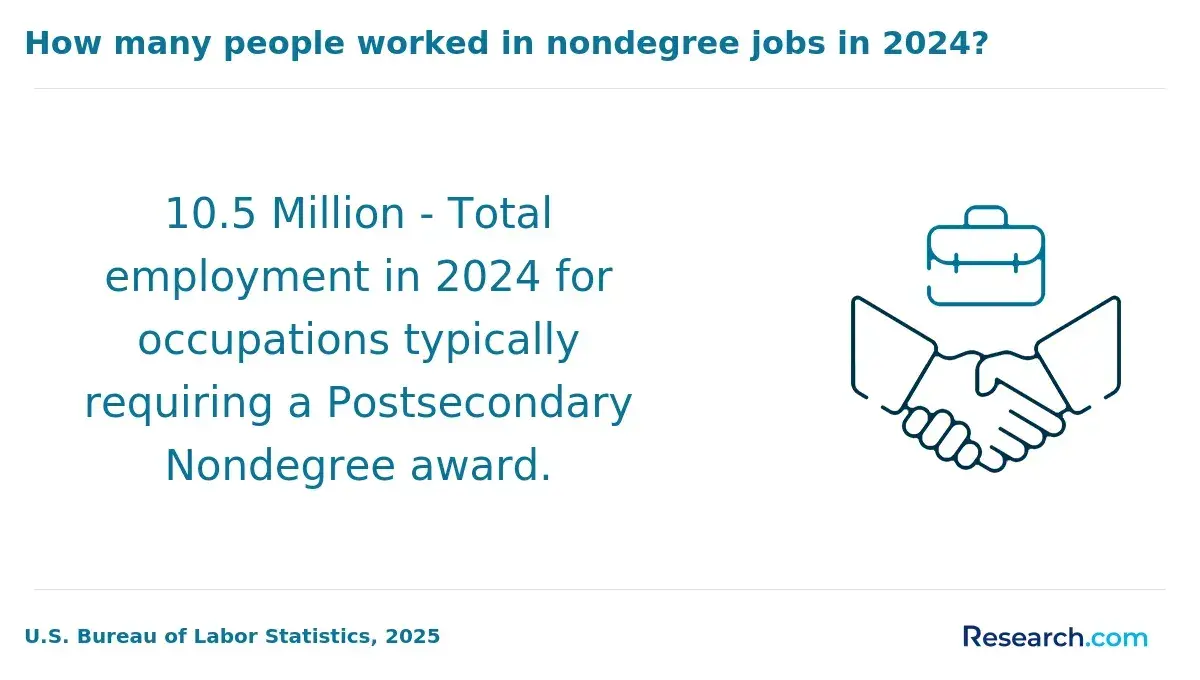
Community colleges offer critical pathways for students who don't yet meet traditional admission standards but want to pursue addiction psychology degrees. Through 2+2 articulation agreements, students can start coursework at a two-year college and smoothly transfer credits to four-year bachelor's or graduate programs. Dual-enrollment options also let high schoolers or returning learners begin relevant classes early, accelerating academic progress and easing the transition to advanced study.
- Prerequisite Completion: Community colleges provide foundational courses such as introductory psychology, biology, and statistics that count toward degree requirements at four-year institutions.
- GPA Improvement: Students can rebuild or enhance their academic standing with transferable classes, showing commitment and readiness to admissions committees.
- Skill Development: Coursework emphasizes research, academic writing, and critical thinking-essential abilities valued by addiction psychology programs.
- Transfer Pathways: Prospective students should consult target schools to verify written articulation agreements. If none exist, working directly with advisors allows tailored plans that align community college classes with degree needs.
- Flexible Admission Standards: Transfer applicants are often judged with more leniency than first-time freshmen, allowing conditional admission based on demonstrated progress instead of full prior credentials.
As of 2023, over 40% of new enrollees in addiction psychology-related programs began their studies at community colleges-underscoring the significance of these flexible routes for broadening access to this field.
When applicants fall short of meeting all standard quantitative requirements for Addiction Psychology programs, like GPA thresholds, test scores, or prerequisite courses, personal statements and letters of recommendation become essential tools for conditional admission. These documents provide admissions committees with a qualitative view of the candidate, allowing them to assess potential beyond mere numbers.
A compelling personal statement for conditionally admitted applicants should include:
- Candidness: A sincere, forward-focused explanation of academic setbacks that acknowledges difficulties without dwelling on them.
- Preparation: Clear evidence of prior relevant experiences, such as internships, volunteer roles, or jobs in behavioral health, that demonstrate readiness for Addiction Psychology study.
- Program Fit: Specific reasons why the chosen Addiction Psychology program aligns with the applicant's career goals and learning style, showing thoughtful connection rather than generic praise.
Letters of recommendation carry the greatest influence when they come from supervisors, clinical mentors, or instructors who can directly attest to the applicant's intellectual ability and professional accomplishments. Personal acquaintances or general character references hold much less weight with admissions committees.
Admissions officers recognize that the personal statement is the primary vehicle for conditionally admitted applicants to control their narrative, turning perceived weaknesses into demonstrations of resilience, motivation, and future academic success. Crafting a well-structured and authentic statement offers a critical opportunity to show that quantitative gaps do not define the candidate's true potential.
Various addiction psychology programs acknowledge that not all applicants immediately meet strict admission prerequisites. To support diverse educational backgrounds, many institutions provide bridge or foundational courses that replace or defer standard requirements. These pathways enable students to start their academic journey while completing necessary preparatory work, essential for addiction psychology programs with bridge courses for admission.
- Non-Credit Boot Camps: Typically offered by community colleges and vocational schools, these short, intensive programs focus on key skills like academic writing or introductory psychology concepts. They rarely appear on transcripts but can fulfill prerequisite needs for conditional admission. Their low cost and brief duration make them ideal for those seeking rapid entry into degree programs.
- Post-Baccalaureate Preparatory Sequences: Mainly provided by universities, these credit-bearing courses serve students with prior degrees who need foundational knowledge. Credits earned appear on official records and often apply toward degree requirements, though the time and expense are greater than boot camps, usually requiring one or two semesters.
- Certificate-Level Prerequisite Bundles: Common at online or hybrid schools, these bundled courses create a cohesive certificate program covering necessary prerequisites. Certificates are formally documented, usually guarantee progression, and typically span one to two semesters, accommodating both traditional and adult learners balancing education with other obligations.
- Self-Paced Online Remediation Modules: Offered by universities and private providers, these flexible modules allow independent study to meet admission criteria. Some programs provide certificates of completion, others only internal approval, with costs ranging from free to moderate-requiring strong self-discipline but offering accessibility.
Because foundational courses replacing admission requirements in addiction psychology degrees are sometimes omitted from main program details, prospective students should actively request information about foundational enrollment options directly through admissions offices. This inquiry is crucial for clear understanding of available support, timelines, and conditions.
For individuals exploring transitional pathways through healthcare fields, programs like a medical assistant to LPN bridge program exemplify how structured bridges can facilitate career advancement by aligning prerequisite completion with professional goals.
Many addiction psychology degree programs recognize that work experience or a strong professional background credit for academic requirements in addiction psychology can partially or fully offset unmet academic prerequisites, especially under holistic admission policies. These programs value hands-on involvement in relevant fields as proof of a candidate's readiness beyond grades or formal coursework.
- Relevant Experience: Direct work in addiction counseling, substance abuse prevention, or behavioral health support is highly regarded. Roles such as counselors, case managers, addiction specialists, or healthcare providers serving affected populations demonstrate commitment and field-specific expertise.
- Certifications: Industry credentials like Certified Addiction Counselor (CAC) or comparable certifications provide verified evidence of knowledge and competency.
- Leadership Roles: Management or supervisory positions-such as program coordinators or clinical supervisors-in addiction psychology reflect advanced understanding and accountability.
- Scholarly Contributions: Authored articles, conference presentations, or training workshops on addiction topics signal professional engagement and academic potential.
- Community Service: Volunteering focused on addiction recovery, outreach, or education highlights dedication and practical application of skills.
- Documentation: Applicants should prepare a professional resume tailored for academic review, emphasizing measurable outcomes and relevant duties. Admissions committees may request detailed employment histories, certification verifications, work samples, and references able to attest to professional aptitude rather than academic performance.
- Cautionary Note: Despite its value, applicants must confirm that the program formally accepts professional experience in lieu of academic credentials before investing substantial effort.
For adult learners, high school graduates falling short of GPA thresholds, community college transfer students still completing prerequisite coursework, or career changers with incomplete transcripts, leveraging professional experience as admission substitute in addiction psychology programs can open pathways early on. Programs sometimes allow conditional admission, with bridge or foundational courses designed to fulfill academic gaps while students work toward their degree. Success in these courses and maintaining performance benchmarks is critical to continuing enrollment in good standing.
Prospective students might also explore supportive institutional systems that provide advising and tailored resources during this transitional phase. Those aiming to resume formal education effectively should research flexible admission options and confirm program policies thoroughly.
Finally, prospective learners with a strong professional background might consider consulting rankings like the cheapest MSN online programs to identify affordable continuing education opportunities that accommodate non-traditional admission paths.
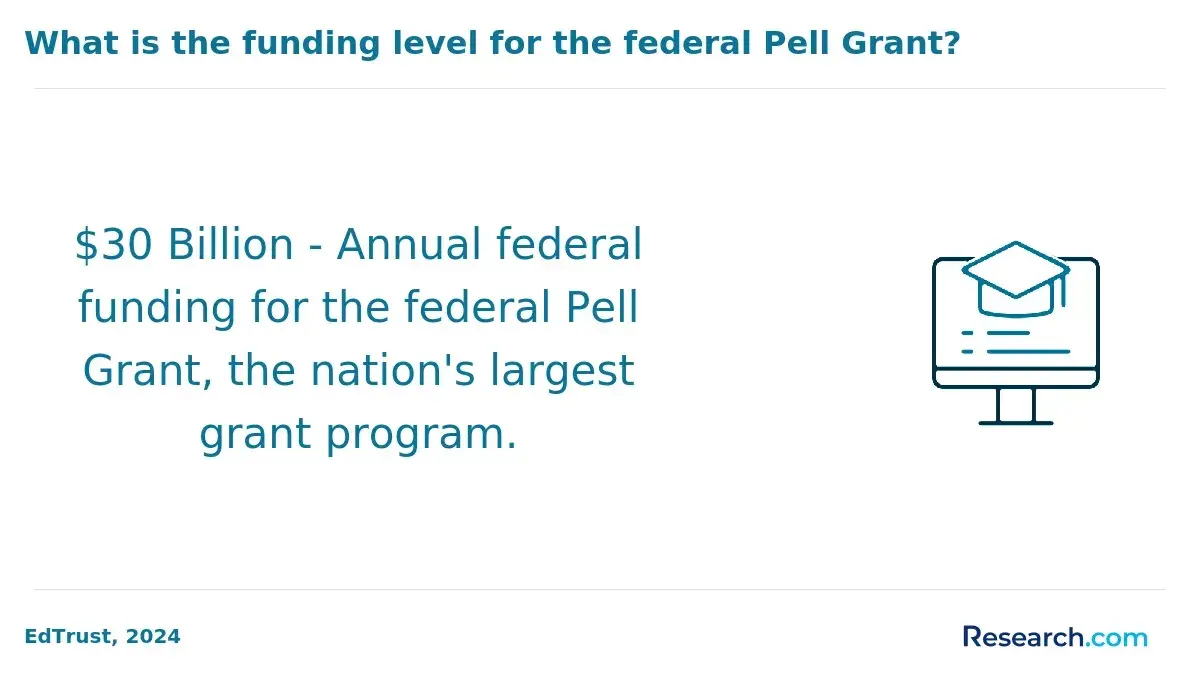
Students admitted conditionally to addiction psychology programs can access federal financial aid via FAFSA if they enroll at least half-time, typically meaning a minimum of 6 credit hours per semester. Continued eligibility depends on maintaining satisfactory academic progress, which includes meeting required GPA thresholds and completing a set percentage of attempted credits during the provisional period.
Many universities offer scholarships aimed at learners returning to education, non-traditional students, or those with interrupted academic histories. These awards often target addiction psychology majors or adult learners pursuing careers in behavioral health, providing financial support despite past academic challenges.
Foundations focused on addiction recovery, mental health, and related fields frequently provide merit- or need-based scholarships for candidates with unconventional or incomplete transcripts. Such grants may value professional experience, community service, and demonstrated commitment to the discipline alongside academic achievements.
Early communication with financial aid offices and academic advisors is crucial for students enrolling conditionally. Coordinating aid packaging with enrollment status helps prevent surprises in tuition costs and ensures compliance with institutional and federal requirements linked to provisional admission.
Online addiction psychology programs-especially those linked to large public university systems or operated by for-profit institutions-often provide more flexible admission routes compared to traditional campus programs. These online options may allow students to start before completing all prerequisites by offering conditional admission or waivers based on alternative credentials like professional experience or certifications.
- Admission Flexibility: Students can enroll with pending prerequisite courses, working on foundational topics concurrently while progressing in the program.
- Prerequisite Waivers: Online programs commonly assess substitute qualifications beyond formal transcripts, whereas campus-based programs usually insist on full prerequisite completion upfront.
- Conditional Enrollment: Entry is often tied to academic benchmarks-such as maintaining a minimum GPA or completing designated bridge courses within an initial term-to ensure successful continuation.
- Support Infrastructure: Online students admitted conditionally should investigate the availability of resources like specialized academic advising, virtual tutoring, and disability accommodations. In-person campus services may offer more immediate mental health support but vary greatly by institution.
- Accreditation and Quality: Flexible admission does not imply inferior standards. Many online programs hold regional accreditation and deliver curricula and outcomes comparable to those of traditional campus programs.
Prospective students should prioritize verifying a program's accreditation and graduation rates instead of choosing solely based on enrollment ease, ensuring their degree holds recognized value and meets professional expectations.
What Graduates Say About Addiction Psychology Degree Programs You Can Start Without Meeting All Requirements
- Major: "Starting the addiction psychology program without meeting all requirements felt intimidating at first-but the clear timeline expectations kept me motivated throughout. I appreciated how the academic obligations were outlined upfront, helping me balance coursework with my personal commitments. Meeting the performance benchmarks wasn't just about passing-it pushed me to truly grasp the material, which made continuing in good standing very rewarding."
- Douglas: "Reflecting on my journey, I realize that being conditionally admitted to addiction psychology actually gave me a structured sense of urgency. The program's timeline expectations were strict yet fair, allowing me to plan my studies effectively. I found that understanding the academic obligations deeply-like the required assignments and tests-played a major role in maintaining my good standing despite initial uncertainties."
- Ezra: "From a professional standpoint, beginning the addiction psychology degree before meeting all prerequisites was a challenging yet eye-opening experience. The program's emphasis on timely progress through clearly defined performance benchmarks impressed me; these measures ensured I stayed on track academically. Knowing the exact obligations I had to meet helped me prioritize tasks efficiently, ultimately strengthening my commitment to the field."
Other Things You Should Know About Addiction Psychology Degrees
Regional accrediting bodies such as the Higher Learning Commission (HLC) and specialized organizations like the American Psychological Association (APA) play key roles in maintaining program quality. These bodies require programs to demonstrate transparent admission policies, including provisions for conditional or provisional admission when students do not meet all standard criteria. Schools must balance flexibility with academic rigor to retain accreditation and ensure that students are adequately prepared for professional demands.
Most programs require at least 12 to 18 semester credits in psychology, including introductory psychology, abnormal psychology, and statistics. Some also ask for a minimum GPA of 2.5 to 3.0. If you are missing one course, conditional admission or a deficiency plan may allow enrollment before full completion.
In 2027, many Addiction Psychology degree programs offer academic advising, tutoring, and mentorship to students who enroll without meeting all requirements. These support services help bridge any educational gaps and ensure student success throughout the program.
Transfer students often undergo an evaluation of prior coursework to identify equivalencies and gaps relative to addiction psychology prerequisites. Programs may require these students to complete additional foundational courses or demonstrate competency through exams. Academic advisors work closely with transfer students to develop customized pathways that satisfy degree requirements while recognizing previous academic achievements.
- In-Person vs. Virtual Outpatient Treatment | Behavioral Health and Substance Use Disorder Treatment In Massachusetts | Gosnold Behavioral Health https://gosnold.org/blog/in-person-vs-virtual-outpatient-treatment/
- Online Addiction Treatment vs. In-Person Treatment: Which is Right for You? https://www.holonhealth.com/online-vs-in-person-addiction-treatment/
- Counseling Scholarships with an Emphasis on Addiction & Substance Abuse Counseling https://addiction-counselor.org/resources/scholarships/
- Virtual vs. In-Person IOP and PHP: Which Option Is Best for You? - San Antonio Behavioral Healthcare Hospital https://www.sanantoniobehavioral.com/news/virtual-vs-in-person-iop-and-php/
- Community Collaboration in Addictions and Mental Health : Fleming College https://flemingcollege.ca/programs/community-collaboration-in-addictions-and-mental-health
- The Truth About The Addiction Intake And Admissions Process - Individualized Addiction Treatment https://beeconrecovery.com/addiction-intake-and-admissions-process/
- Accelerated Addiction Counseling Programs | Compare Timelines https://www.addiction-counselors.com/accelerated-addiction-counseling-programs/
- Code of Ethics https://www.naadac.org/code-of-ethics
- Career Paths in Addiction and Community Support Without a University Degree - CDI College Online https://www.cdicollege.ca/study-online/community/news/career-paths-in-addiction-and-community-support-without-a-university-degree/
- Concurrent Disorders Certificate Program https://www.camh.ca/en/education/academy/continuing-education-directory/concurrent-disorders-certificate-program