2027 Accredited Online Surgical Tech Degree Programs That Accept the Most Transfer Credits

Co-Founder and Chief Data Scientist
Choosing an online surgical tech degree is harder when you already have college credits, military training, or a certificate and do not want to repeat coursework. The stakes are real: the U.S. Bureau of Labor Statistics reports a May 2024 median annual wage of $62,830 for surgical technologists and projects 6% job growth for surgical assistants and technologists from 2023 to 2033.
This guide helps prospective students compare transfer-friendly accredited options, estimate remaining credits, avoid policy traps, and decide whether a program's transfer rules will actually save time and money.
Key Things You Should Know
- The most transfer-friendly online surgical tech options are usually degree-completion programs for certified or previously trained surgical technologists, with bachelor's-completion pathways often allowing up to about 90 transfer credits toward a 120-credit degree.
- A high transfer-credit maximum does not guarantee a shorter degree; credits must apply to general education, surgical technology, clinical, or major requirements rather than only counting as electives.
- Career value matters alongside speed: BLS May 2024 wage data places the median annual wage for surgical technologists at $62,830, so students should compare tuition saved against accreditation, CST eligibility, clinical access, and employer recognition.
Which Accredited Online Surgical Tech Degree Programs Accept the Most Transfer Credits?
The programs that accept the most transfer credits are generally not entry-level "start from zero" surgical tech programs. They are usually online or hybrid completion pathways for students who already completed surgical technology coursework, hold a surgical technology credential, or have substantial college credit from a regionally accredited institution.
The table below focuses on transfer efficiency rather than advertising claims. Use it to identify which type of program may fit your background, then request an official transfer evaluation before making a tuition deposit:
| Program | Credential and format | Best-fit transfer student | Maximum transfer-credit potential | Accreditation and decision notes |
| Weber State University | Online Bachelor of Science in Surgical Technology completion pathway | Certified surgical technologists or graduates of qualifying surgical technology programs who want a bachelor's degree | Up to about 90 credits may apply toward a 120-credit bachelor's degree, depending on prior coursework and institutional rules | Strong option for students who already have an associate degree or substantial technical credit; verify how surgical technology credits, general education, and upper-division requirements apply |
| University of Cincinnati Online | Online Associate of Applied Science in Surgical Technology completion pathway | Practicing surgical technologists or students with prior surgical technology education seeking an associate degree | Often structured to accept a large block of prior technical and general education credit toward a 60-credit associate degree | Useful for students who trained through a certificate or hospital-based pathway and need an academic degree; confirm the exact credit award and CST-related documentation requirements |
| Washburn University | Online or hybrid surgical technology pathway with clinical requirements | Students who need an entry-level surgical technology route and may have transferable general education courses | Transfer credit is usually most useful for anatomy, physiology, English, math, psychology, or other general education requirements | More valuable for first-time surgical tech students than for maximum transfer credit; clinical placement and sequencing can limit how much time transfer credits save |
| Rasmussen University | Hybrid Surgical Technologist associate degree options at eligible locations | Students with previous college coursework who still need program-specific lab and clinical training | Institutional transfer policies may accept prior college credits, but usable transfer credit depends on campus, course equivalency, grades, and program sequence | Check both institutional accreditation and surgical technology program accreditation status for the specific campus or modality before enrolling |
The main pattern is clear: bachelor's-completion programs tend to accept the highest number of credits because they build on previous allied health education.
Entry-level associate programs may accept fewer credits because surgical technology requires hands-on lab competencies, supervised clinical cases, sterile technique training, and sequenced professional courses.
If you are comparing this route with other fast online options, remember that the fastest degree to get online is not always the best choice for operating room roles, where accreditation, clinical eligibility, and employer requirements matter as much as speed.
How Do Online Surgical Tech Degree Programs Evaluate Transfer Credits?
Online surgical tech programs usually evaluate transfer credits in two separate ways: the college determines whether credits are eligible for transfer, and the academic program determines whether those credits satisfy degree requirements. This distinction matters because a course can transfer to the institution but still fail to reduce your surgical technology course load.
Most schools review several factors before awarding credit. These are the items students should prepare before requesting an evaluation:
- Official transcripts from every college, technical school, military education provider, or hospital-based program previously attended.
- Course descriptions or syllabi for anatomy, physiology, microbiology, pharmacology, medical terminology, and surgical technology courses.
- Proof of institutional accreditation for the school where the credits were earned, especially if credits came from a technical college or career school.
- Minimum grade documentation, since many health science programs require at least a C for transfer and may require higher grades for science prerequisites.
- Evidence of current certification or clinical training, such as CST documentation, if the program awards block credit for professional preparation.
A common mistake is assuming that credits "accepted by the college" automatically replace major requirements. In surgical technology, older science courses, non-equivalent lab courses, and courses without documented clinical competencies may transfer only as electives.
This type of detailed course mapping is common across transfer-heavy online degrees. For example, students comparing an accelerated bachelor's degree psychology also need to know whether prior credits fulfill the major, general education, or elective categories rather than simply increasing the total number of credits on the transcript.
How Can Transfer Credits Shorten an Online Surgical Tech Degree?
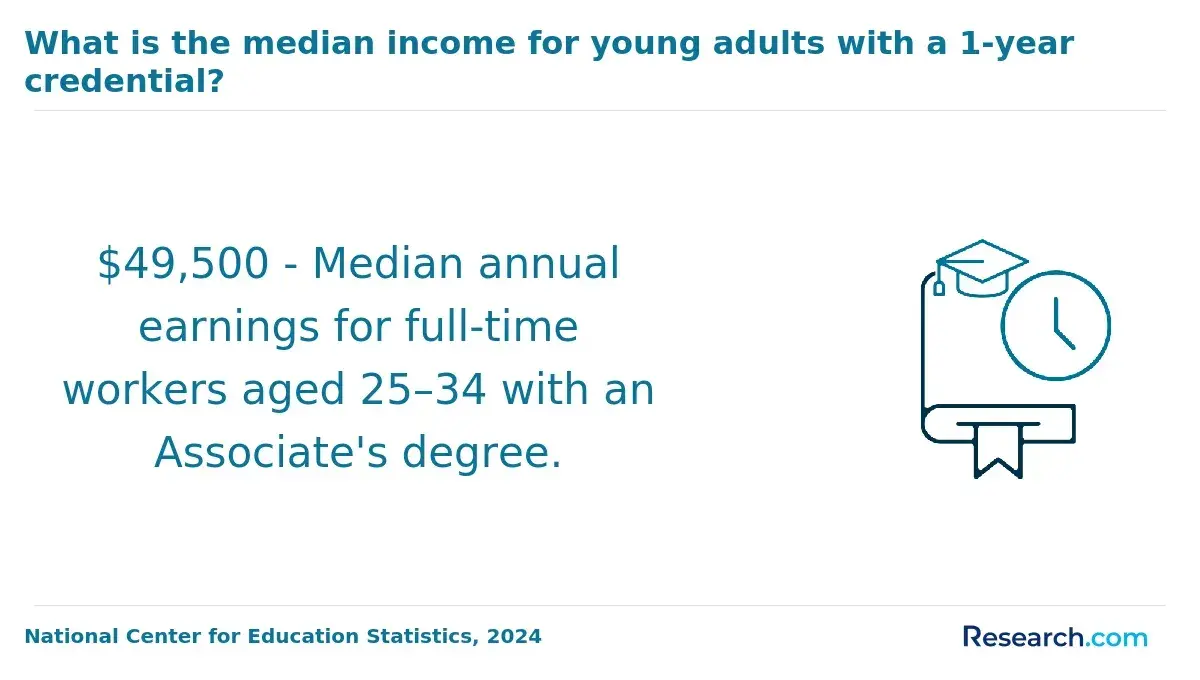
Transfer credits shorten a surgical tech degree only when they replace courses you would otherwise have to take. The biggest time savings usually come from transferring completed general education requirements, allied health prerequisites, or an entire accredited surgical technology certificate into a degree-completion program.
The table below shows how remaining credits can change by student profile. It is not a guarantee of any school's evaluation, but it shows why two students applying to the same program may have very different timelines:
| Student background | Likely transferable credits | Typical remaining work | Time-saving potential |
| No prior college credit | None or very limited | Full general education, surgical technology theory, lab, and clinical sequence | Lowest; clinical sequencing usually determines the timeline |
| General education coursework completed | English, math, psychology, anatomy, physiology, or humanities courses | Major courses, labs, clinical practice, and any missing prerequisites | Moderate; may reduce course load but not always clinical semesters |
| Completed surgical technology certificate | Technical coursework may transfer as block credit if properly documented | General education courses and degree-completion requirements | High, especially in associate completion programs |
| Associate degree plus CST credential | General education, technical coursework, and lower-division electives | Upper-division bachelor's coursework, leadership, research, or advanced health science courses | Highest in bachelor's-completion programs |
In entry-level programs, transferring 15 credits may reduce tuition but still leave the same number of clinical terms because operating room competencies must be completed in sequence. In completion programs, a larger block of transfer credit can reduce both credits and calendar time because the program is designed for students who already have clinical foundations.
Students focused on speed should compare surgical tech timelines with broader online degree options, but they should not ignore clinical requirements. A surgical technology degree can be transfer-friendly, yet it is rarely as flexible as a fully online non-clinical program.
How Much Can Transfer Credits Reduce the Cost of an Online Surgical Tech Degree?
Transfer credits can reduce cost in a direct way: fewer credits taken at the new school usually means fewer tuition charges. However, the real savings depend on whether the program charges per credit, by term, by subscription period, or with separate lab, clinical, technology, background check, and exam fees.
Use this simple process to estimate your own transfer-credit savings before enrolling:
- Ask the school for the total number of credits required for the degree and the minimum number of credits you must complete there.
- Request an official or pre-admission transfer evaluation showing exactly which credits apply to the degree plan.
- Subtract accepted degree-applicable credits from the total degree credits, not from the school's maximum transfer limit.
- Multiply remaining credits by tuition per credit, then add program fees, books, uniforms, background checks, immunization costs, certification exam costs, and travel to clinical sites.
- Compare the total remaining cost against the program's accreditation, clinical placement support, CST eligibility, completion timeline, and employer recognition.
For example, if a 60-credit associate degree accepts 30 applicable credits, the student may only pay tuition for the remaining 30 credits. But if 12 of those credits transfer only as electives and do not meet surgical tech or general education requirements, the real savings are smaller.
Students planning a longer education path should also think beyond the first credential. Someone who may later pursue healthcare administration, education, or leadership can compare undergraduate savings with future graduate costs, including options such as affordable master's degrees online, to understand the full education investment.
Can Military, Professional, or Prior Learning Credits Transfer to an Online Surgical Tech Degree?
Some online surgical tech degree programs may consider military training, professional certification, prior learning assessment, or standardized exam credit. These credits are most likely to help with electives, general education, medical terminology, basic health science content, or degree-completion requirements.
They are less likely to replace hands-on surgical technology competencies unless the program has a formal policy for evaluating documented clinical training. This is because surgical technologists must demonstrate skills such as sterile field maintenance, instrument handling, surgical case preparation, aseptic technique, and intraoperative teamwork.
Students with nontraditional learning should ask targeted questions before applying. These questions help reveal whether prior learning will actually shorten the degree:
- Do you award credit for CST certification, military medical training, operating room experience, or hospital-based surgical technology programs?
- Do ACE-recommended military credits apply to the major, general education, electives, or only institutional credit totals?
- Is a portfolio or skills validation required for prior learning credit?
- Are there limits on how many credits can come from CLEP, AP, DSST, military transcripts, employer training, or professional certification?
- Will prior learning credits count toward financial aid enrollment status or residency requirements?
The red flag is a vague promise that "experience may count" without a written policy. Ask for a degree audit showing where each credit lands, because elective credit may look helpful on paper while doing little to reduce your remaining surgical technology courses.
Which Types of Previous College Credits Transfer Best to Online Surgical Tech Degrees?
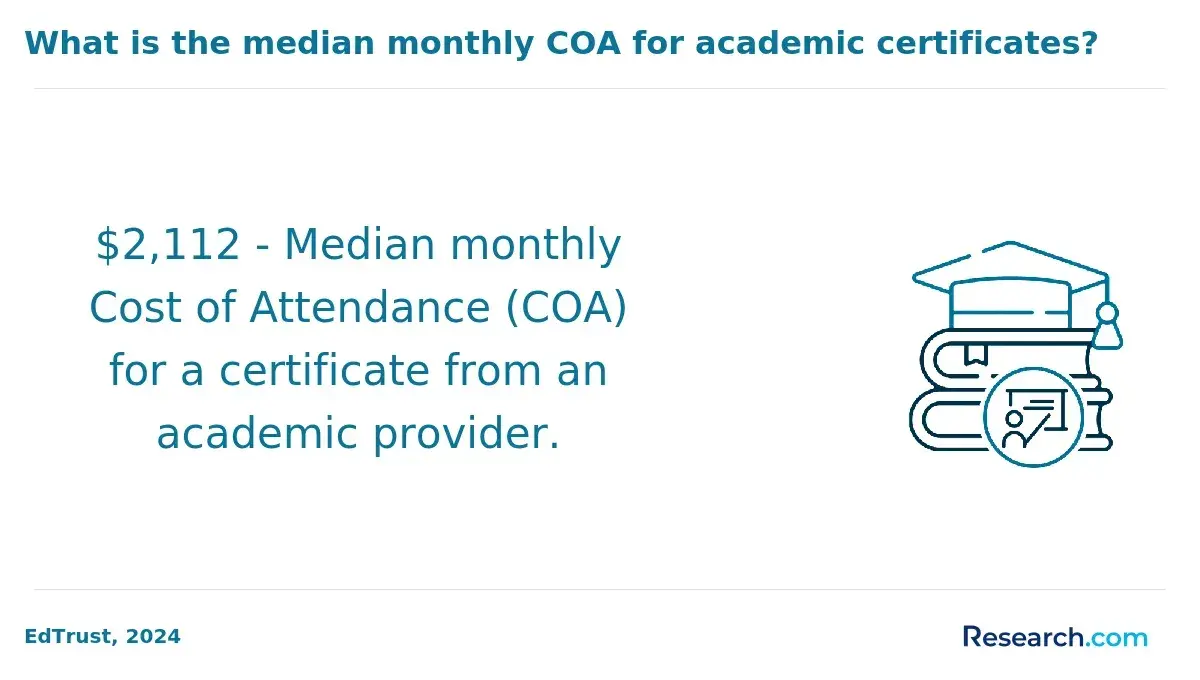
The best-transfer credits are recent, graded, transcripted courses from accredited colleges that closely match the receiving program's curriculum. In surgical technology, science and health-related courses are useful only when they meet the school's content, lab, grade, and age requirements.
The table below summarizes which credits usually have the strongest transfer value and which ones require extra caution:
| Previous credit type | Transfer strength | Why it matters | Common limitation |
| English composition and communication | High | Often fulfills general education requirements in associate and bachelor's programs | May need a minimum grade or equivalent course level |
| Anatomy and physiology with lab | High when recent and equivalent | Frequently required for surgical technology admission or progression | Some schools set expiration windows for science courses |
| Medical terminology | Moderate to high | Relevant to surgical procedures, documentation, and operating room communication | May not transfer if clock-hour based or noncredit |
| Surgical technology theory courses | Variable | Can be valuable in completion programs for credentialed surgical technologists | Entry-level programs may require their own sequence |
| Clinical or practicum courses | Variable and closely reviewed | May document hands-on competencies and case experience | Often requires syllabi, case logs, accreditation proof, or certification |
| General electives | Moderate | Can help reach total degree credits | May not reduce required surgical tech coursework |
Students often overvalue old or loosely related credits. A biology course without a lab, a noncredit medical assistant course, or a workplace training certificate may not satisfy a surgical technology requirement even if it appears healthcare-related.
How Do Transfer Agreements Affect Online Surgical Tech Degree Completion?
Transfer agreements can make degree completion more predictable because they pre-map credits between two schools. These agreements may be called articulation agreements, transfer pathways, bridge agreements, or block-credit arrangements.
For surgical tech students, the strongest agreements usually connect a certificate or associate program with a bachelor's-completion option. This can be especially helpful for working CSTs who want to move into education, management, sales, sterile processing leadership, surgical services coordination, or a future graduate pathway.
Before relying on a transfer agreement, confirm the details that affect completion:
- Whether the agreement is still active for the catalog year in which you will enroll.
- Whether it applies to your specific campus, online modality, and surgical technology credential.
- Whether credits transfer as a block or course by course.
- Whether the agreement waives general education requirements or only counts credits as electives.
- Whether you must hold CST certification, a license, a minimum GPA, or recent clinical experience.
- Whether upper-division residency requirements still require a set number of credits at the receiving institution.
A transfer agreement is valuable because it reduces uncertainty. It does not eliminate the need for an official degree audit, especially if you changed majors, repeated courses, earned credits at multiple schools, or completed coursework many years ago.
What Transfer Policies Should Students Compare Before Choosing an Online Surgical Tech Degree?
The best transfer policy is not simply the one with the highest maximum. It is the one that accepts the most credits that apply directly to your remaining degree requirements while preserving accreditation, clinical eligibility, and career value.
Compare these policy areas side by side before you choose a program:
- Maximum transfer limit: The highest number of credits the institution may accept toward the credential.
- Residency requirement: The minimum number of credits you must complete at the new school, regardless of how many credits you already have.
- Major-course restrictions: Rules that require surgical technology, lab, practicum, or capstone courses to be completed through the program.
- Science course age limits: Policies that require anatomy, physiology, microbiology, or pharmacology courses to be completed within a recent time window.
- Minimum grade rules: Requirements that may exclude courses below a C or higher for prerequisites.
- Accreditation requirements: Whether prior credits must come from a regionally accredited, nationally accredited, CAAHEP-accredited, ABHES-accredited, or otherwise approved institution.
- Elective-credit treatment: Whether extra credits reduce the actual degree plan or only increase the transcript total.
- Clinical placement policy: Whether transferred credits affect clinical placement, case requirements, or time in supervised practice.
One red flag is a school that advertises a generous transfer policy but will not provide a written degree audit before enrollment. Another is a program that is institutionally accredited but lacks the programmatic accreditation or clinical structure needed for your intended certification or employer requirements.
Which Students Benefit Most From Transfer-Friendly Online Surgical Tech Degree Programs?
The biggest beneficiaries are students who already have structured healthcare education. Transfer-friendly surgical tech programs are especially useful for working surgical technologists who need an associate or bachelor's credential for advancement, employer requirements, teaching roles, or graduate-school preparation.
These students are usually the strongest fit:
- Certified surgical technologists who completed a certificate or diploma and now need an associate degree.
- Associate degree holders who want a bachelor's-completion pathway related to surgical technology, health science, or allied health leadership.
- Military-trained surgical or operating room personnel with documented training and transcripts.
- Students who completed recent anatomy, physiology, microbiology, English, math, psychology, or communication courses.
- Working adults who need online theory coursework but can manage clinical, practicum, or employer-based requirements locally if required.
Students who should be cautious include first-time college students who need full hands-on training, students without access to clinical sites, and applicants who are choosing a school only because it advertises a high transfer maximum. For entry-level surgical technology, a program with fewer transfer credits but stronger clinical placement support may be the better investment.
If your long-term goal is healthcare leadership rather than continued operating room practice, compare surgical tech completion pathways with broader leadership degrees, including the best organizational development master's programs online if you already hold or plan to earn a bachelor's degree.
How Should Students Choose an Online Surgical Tech Degree Based on Transfer Efficiency?
Transfer efficiency means the program uses your previous credits in a way that reduces remaining time, tuition, and duplicated coursework without weakening the credential's value. The right choice is the program that gives you the best completed-degree outcome, not necessarily the biggest transfer number.
Follow this decision process before committing:
- Verify institutional accreditation and, for entry-level surgical technology preparation, confirm whether programmatic accreditation aligns with CST eligibility and employer expectations.
- Request a written transfer evaluation from every finalist school, not just an admissions estimate.
- Ask whether accepted credits fulfill general education, prerequisites, major requirements, clinical requirements, or electives.
- Calculate remaining credits, tuition, fees, clinical costs, and time to completion after the transfer evaluation.
- Compare clinical placement support, certification preparation, graduation requirements, and employer recognition.
- Choose the program with the strongest combination of applied transfer credit, affordability, accreditation, schedule fit, and career relevance.
A stricter program can be the better choice when it has stronger accreditation alignment, better clinical oversight, clearer CST preparation, or more reliable employer recognition. A more expensive program can also be worthwhile if it accepts substantially more applicable credits and reduces the number of terms you must remain enrolled.
Students considering future graduate study should also think about whether the bachelor's degree they choose will support later admissions requirements. For example, someone weighing a healthcare role against behavioral health or counseling-adjacent interests may also compare options such as an accelerated master's program psychology before locking into a long-term education plan.
Other Things You Should Know About Surgical Tech
Fully online entry-level surgical tech degrees are uncommon because students must complete hands-on labs and supervised clinical experiences. Many programs offer online theory courses, but clinical and skills components usually require in-person participation.
Programmatic accreditation can affect certification eligibility and employer acceptance, especially for entry-level surgical technology training. Students should confirm current certification rules with the National Board of Surgical Technology and Surgical Assisting and verify requirements with employers in their state.
Some schools allow additional transcripts after enrollment, but deadlines vary. It is safer to submit all transcripts before enrolling so your degree plan, tuition estimate, and expected graduation date are based on the most complete evaluation.
A bachelor's degree is not usually the entry-level requirement for surgical technologist roles. It may be useful for advancement, teaching, management, surgical services coordination, or preparation for graduate education, depending on the employer and career goal.
References
- Transfer Articulation Agreements https://www.northshore.edu/support/transfer-services/agreements.html
- Surgical Technician Programs & Healthcare Courses in Florida https://www.browardtechnicalcolleges.com/health-science/
- Surgical Tech Certification: Overview and FAQ https://credenzahealth.com/career-advice/surgical-tech-certification-overview-and-faq
- Surgical Technologist | MATC https://www.matc.edu/course-catalog/healthcare/surgical-technology.html
- Associate Surgical Technology https://www.monroeu.edu/academics/undergraduate-programs/school-allied-health-professions/associate-surgical-technology
- Surgical Technician | Online National Certification https://www.americanalliedhealth.com/certification/surgical-technician-certification
- Surgical TechnologyRequirements https://www.aims.edu/degrees-certificates/surgical-technology/requirements
- Articulation Agreements | Ozarks Tech (OTC) https://ozarkstech.edu/student-life/after-otc-transfer-careers/transfer-to-a-university/articulation-agreements/
- How to become a surgical tech - Children's Minnesota https://www.childrensmn.org/blog/become-surgical-tech/
- CST Certification https://www.nbstsa.org/cst-certification