2027 Online Surgical Tech Degree Programs With Monthly Tuition Payment Plans

Co-Founder and Chief Data Scientist
Monthly tuition plans can reduce the immediate cost of starting a surgical technology program, but they do not make a program fully online or replace financial aid. Most surgical tech programs combine online coursework with required in-person labs and clinical training. The U.S. Bureau of Labor Statistics projects 5% employment growth for surgical assistants and technologists from 2023 to 2033, underscoring continued interest in this career path. This guide explains how installment plans work, their likely costs and limits, and how to compare programs before committing.
Key Things to Know About Surgical Tech Programs with Monthly Tuition Payments
- Monthly tuition payment plans usually split a school's remaining term balance into installments; they commonly require an enrollment fee, and they generally must be paid off within the academic term rather than after graduation.
- No reliable nationwide average exists for monthly surgical tech payments because program length, tuition, aid, deposits, and clinical charges vary widely; calculate the payment from the school's written net balance, not advertised tuition alone.
- Online surgical tech programs are typically hybrid: lecture content may be online, but labs and supervised clinical rotations are normally in person, so confirm clinical placement, travel, and non-tuition costs before choosing a payment plan.
Which online Surgical Tech degree programs have monthly tuition payment plans?
Monthly payment availability is usually determined by the college's student accounts office, not by the surgical technology department. As a result, a school may offer a payment plan for eligible students across many certificate, diploma, or associate degree programs, including surgical technology, without advertising a separate "surgical tech monthly plan."
Be especially careful with the word online. Surgical technology education generally requires hands-on instruction and clinical experiences in health care settings. A program may deliver general education courses, lectures, and some assignments online while still requiring campus labs, skills checkoffs, and clinical rotations at approved facilities.
The comparison below shows the program and payment-plan details that matter more than a generic monthly-payment claim.
| What to verify | Why it matters | Best evidence to request |
| Program accreditation status | Accreditation can affect certification eligibility, transferability, and employer acceptance. | The accreditor name and current program status in writing. |
| Online versus hybrid delivery | Required travel, labs, and clinical placement can materially change the real cost. | A term-by-term schedule showing online, campus, and clinical requirements. |
| Payment-plan eligibility | Some plans exclude short programs, late registrants, or balances below a minimum amount. | The current payment-plan agreement and eligibility rules. |
| Clinical placement responsibility | Students may need to commute or relocate if the school cannot place them locally. | A written explanation of who arranges placements and where they may occur. |
Ask the admissions representative to connect you with both the program director and student accounts office. Admissions staff can explain the curriculum; the student accounts office can confirm installment dates, fees, and whether clinical charges are included.
How much do online Surgical Tech degree programs typically cost?
There is no dependable national average for online or hybrid surgical technology program tuition because schools price certificates, diplomas, and associate degrees differently and may bill clinical, laboratory, and equipment expenses separately. For broad context, College Board reported average published 2024-25 tuition and fees of $11,610 for in-state students at public four-year institutions and $41,540 at private nonprofit four-year institutions. Those figures are not surgical-tech pricing benchmarks, but they illustrate why a school-specific cost sheet is essential.
A surgical technology program's published tuition may not represent its complete attendance cost. Shorter career programs can have lower tuition than a four-year degree while requiring concentrated spending on supplies, credentials, and clinical compliance.
Before estimating a monthly payment, obtain the charges below for the exact start term and program track. This separates the balance a plan can potentially divide from expenses that may be due before classes or clinicals begin.
| Cost category | Often included in tuition installments? | What to confirm |
| Tuition and mandatory institutional fees | Often | Whether the plan applies after grants and loans are posted. |
| Books, digital courseware, and supplies | Sometimes | Whether charges are billed by the school or bought separately. |
| Scrubs, instruments, and protective equipment | Often not | Required brands, replacement rules, and purchase deadline. |
| Background check, drug screening, immunizations, and CPR | Often not | Which vendor is used and whether fees are paid directly. |
| Certification examination and licensure-related costs | Usually not | Whether the program includes an exam voucher or only preparation. |
| Travel, parking, lodging, and child care for clinicals | No | Likely clinical locations and attendance schedule. |
Use the school's net balance rather than its headline tuition to estimate installments: subtract confirmed grants, scholarships, employer benefits, and accepted aid from charges covered by the plan, then divide by the number of scheduled payments. Students comparing different health-care or degree routes can also review options such as the fastest degree to get online, but should not assume that a faster format meets surgical technology clinical-training requirements.
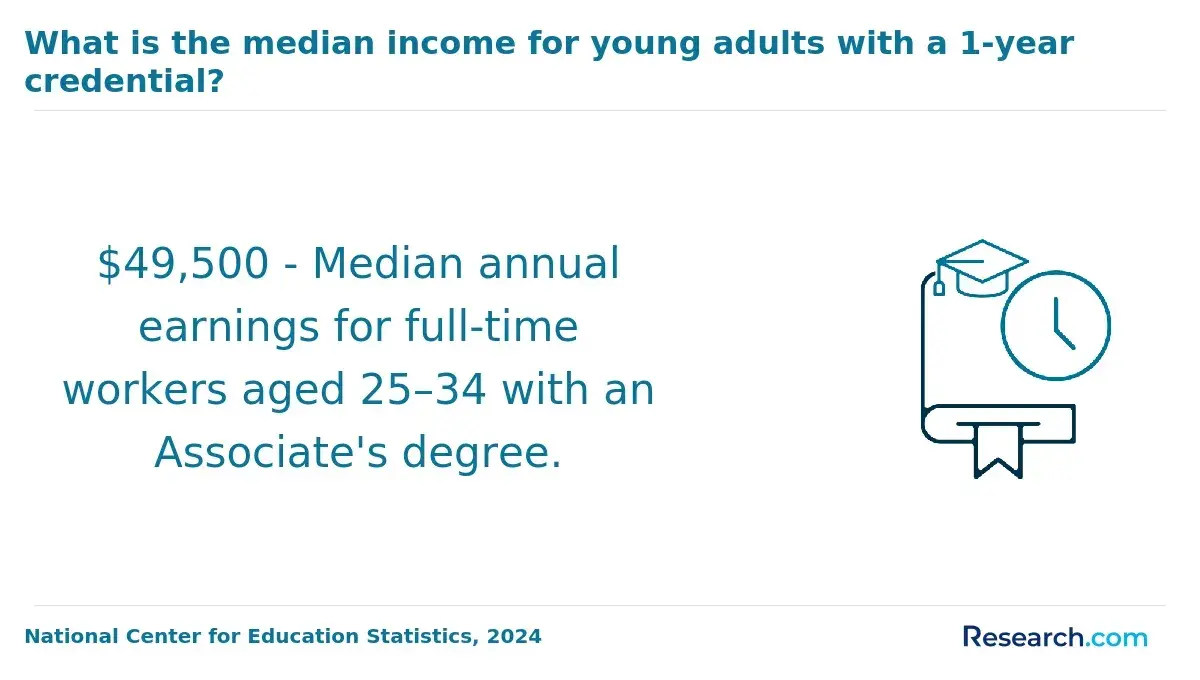
How common are monthly tuition payment plans among Surgical Tech programs?
Installment plans are common across U.S. colleges, but availability for a particular surgical technology cohort is not universal. A plan may be offered only for fall and spring terms, may require enrollment before a published deadline, or may exclude clock-hour programs and accelerated cohorts. Because surgical tech programs often have fixed clinical sequences, missed or delayed payments can also jeopardize progression.
Do not treat an institution-wide payment-plan page as confirmation for your program. Confirm whether the plan covers your tuition type, start date, and program length, particularly if your school uses a nontraditional term calendar.
Schools typically structure plans in one of the following ways. The differences affect both cash flow and what happens if you enroll late.
| Plan structure | How it works | Potential drawback |
| Term-based installment plan | The balance is divided across several payments due during one semester or quarter. | A late enrollment can create fewer, larger installments. |
| Monthly automatic-payment plan | Payments are drafted on scheduled dates from a bank account or card. | Returned-payment and card-processing fees may apply. |
| Program-length financing arrangement | Payments may extend across a longer training period, depending on the provider. | It may be credit-based financing rather than a no-interest school payment plan. |
If your priority is a degree with a different academic schedule, compare program pacing separately from payment flexibility. For example, an accelerated bachelor's degree psychology can have different financial and clinical requirements than surgical technology training.
Can monthly tuition plans make paying for Surgical Tech degrees more attainable?
Monthly plans can make a surgical tech program more attainable for students who can cover the full term balance from regular income but cannot pay it all at registration. They are primarily a budgeting tool: the school divides an existing balance into scheduled installments. They are not a substitute for aid when the total balance exceeds what you can safely pay during the term.
Payment plans tend to work best when the required installment fits comfortably after rent, food, transportation, child care, emergency savings, and clinical-travel costs. They may be a poor fit when income is unpredictable or when the plan requires a payment larger than you could make in a low-income month.
This comparison helps distinguish a short-term installment plan from other ways of covering educational costs.
| Option | Often makes sense when | Key trade-off |
| School monthly payment plan | You can pay the full net balance within the term and want to avoid borrowing. | Payments may be high because the repayment window is short. |
| Federal student aid, if eligible | You need assistance beyond what current income can cover. | Loans must be repaid and require careful borrowing decisions. |
| Employer tuition assistance | Your employer offers an applicable benefit and you can meet its conditions. | Reimbursement may occur after you pay or complete courses. |
| Paying upfront | You have available funds and the school offers no meaningful advantage to installments. | It reduces liquidity and may make unexpected expenses harder to manage. |
Complete the FAFSA and explore scholarships before enrolling in installments. A payment plan is more sustainable when it is used for the remaining balance after aid rather than for charges that aid could reduce. Learners considering a later graduate degree may also compare affordable master's degrees online to understand how costs and financing structures differ at another education level.
Does monthly payment plans have an effect on the overall cost of Surgical Tech degrees?
A monthly payment plan can cost less than borrowing if it is interest-free and you pay every installment on time, but it is rarely free by default. Schools and third-party administrators may charge enrollment, late, returned-payment, or card-processing fees. These charges can raise the total amount paid even if tuition itself does not change.
The most important distinction is between a school-administered installment plan and longer-term private financing. A conventional term plan typically requires payoff before the term ends. Financing that continues after enrollment may include interest, credit approval, and substantially different consumer terms.
Compare the full cost, not just the advertised monthly amount. The figures to request are shown below.
| Cost question | Why it changes total cost |
| Is there an enrollment or setup fee? | A one-time fee increases the cost even when installments are interest-free. |
| Is interest charged? | Interest can make a longer repayment arrangement more expensive than a term plan. |
| What is the late-payment fee? | One missed due date can erase the benefit of a low setup fee. |
| Are credit-card payments subject to a convenience fee? | Recurring card fees can add up across several installments. |
| What happens after withdrawal? | You may still owe charges under the school's refund schedule. |
Read the refund policy alongside the plan agreement. Withdrawing, failing a prerequisite, or being unable to meet clinical-health requirements can change your balance; a payment plan does not cancel amounts you remain responsible for under institutional policy.
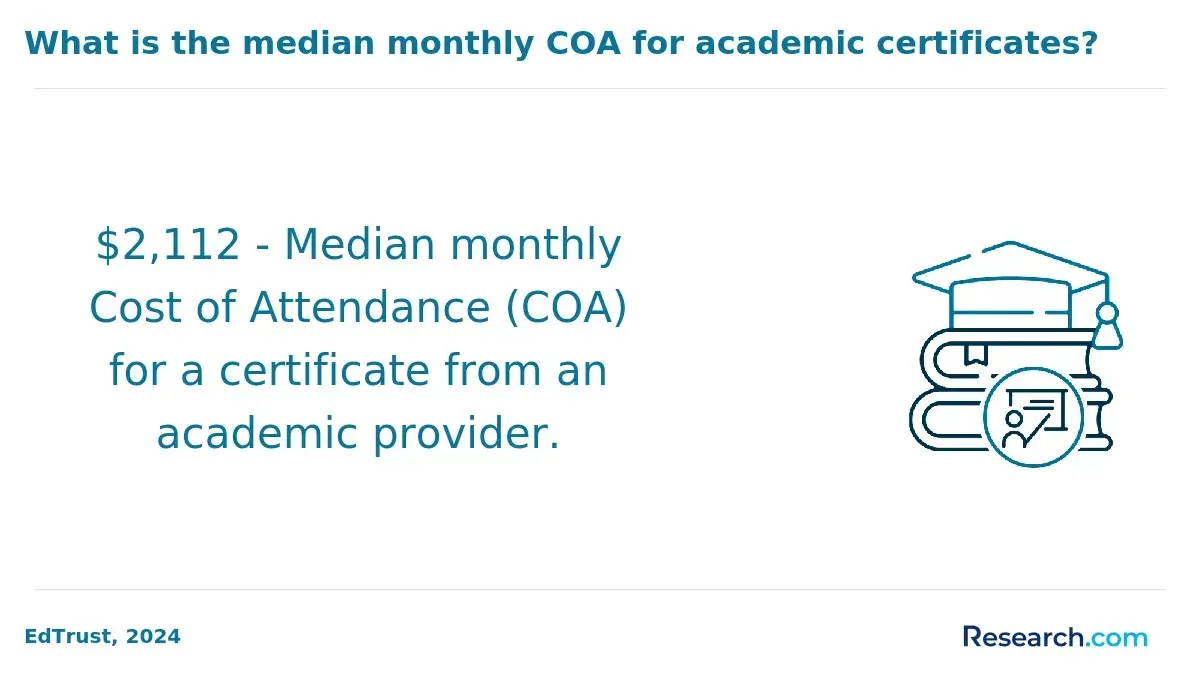
Do monthly payment plans affect your financial aid eligibility for Surgical Tech programs?
Enrolling in a monthly plan generally does not by itself reduce eligibility for federal student aid. Eligibility is determined through factors such as FAFSA information, enrollment status, satisfactory academic progress, program eligibility, and the school's cost of attendance. However, a plan can affect your cash-flow timing because payments may be due before grants, loans, or employer reimbursement are disbursed.
Ask whether the school recalculates installments after financial aid posts. If it does not, you could make a larger early payment and later receive a credit balance or refund; if it does, your scheduled installments may decline after aid is applied.
Take these steps before authorizing automatic payments:
- Submit the FAFSA and any school-required aid documents as early as possible.
- Confirm that the surgical technology program is eligible for the aid you expect to use.
- Review your award letter to distinguish grants, scholarships, work-study, and loans.
- Ask the financial aid office when each aid source is expected to disburse.
- Ask student accounts whether the plan will be adjusted when aid posts to your account.
Maintain required enrollment and academic progress. A change in course load, withdrawal, or loss of satisfactory academic progress can change aid eligibility and leave a larger unpaid balance. Payment affordability should be assessed against the amount due after realistic aid, not an award that has not yet been finalized.
Is there a deposit required before starting Surgical Tech monthly payment plans?
Often, yes. A school may require an initial down payment, an enrollment fee, or both before activating a payment plan. The exact amount varies by institution, start date, and plan enrollment date, so students should not assume that "monthly payments" means no money is due upfront.
For surgical technology students, upfront costs may also arrive before tuition installments begin. Clinical sites can require health records, immunizations, background checks, drug screens, CPR certification, uniforms, and equipment before a student is cleared to participate.
Ask for a written first-day cost estimate that separates these categories:
- Required tuition down payment
- Payment-plan enrollment or administrative fee
- Application, registration, and orientation charges
- Clinical compliance and health-screening costs
- Books, uniforms, tools, and required technology
A lower deposit can improve short-term affordability, but it usually means more is divided across later payments. Compare the first required payment and every later payment; choosing solely by the deposit can hide an installment amount that does not fit your budget.
Are there fees not covered by monthly tuition payment plans for Surgical Tech programs?
Yes. Plans often cover the institutional balance posted to your student account, not every expense connected with becoming a surgical technologist. Direct-to-vendor and clinical-readiness expenses are particularly likely to fall outside the plan.
Request an itemized list before enrolling. The table distinguishes common charges that may be billed through the college from costs students frequently pay separately.
| Expense | Common payment treatment | Why to check early |
| Tuition | Usually eligible if the school offers a plan for the program. | It is normally the main balance divided into installments. |
| Institutional fees | May be included. | Some mandatory fees are due in full at registration. |
| Textbooks and access codes | Varies. | They may be charged to the account or purchased independently. |
| Clinical screening and health documentation | Frequently excluded. | Vendors may require payment before placement clearance. |
| Transportation to labs and clinical rotations | Excluded. | Recurring travel costs can strain a monthly budget. |
| Certification examination expenses | Frequently excluded. | Inclusion differs by program and may be limited to one attempt. |
Also confirm whether a clinical site can impose its own requirements or whether replacement scrubs, supplies, and repeat compliance screenings are student-paid. Build a small contingency amount into your plan rather than assuming every education-related cost appears on the tuition bill.
What should you look for in payment plan terms for Surgical Tech programs?
Review the full agreement before providing bank or card information. The best plan is not necessarily the one with the lowest initial payment; it is the one whose total cost, due dates, and consequences of a missed payment are clear and manageable through the required clinical schedule.
Use these questions to compare written terms across schools or plans:
- How many installments are available, and what are the exact due dates?
- What payment-plan enrollment fee, deposit, convenience fee, late fee, or returned-payment fee applies?
- Is the plan interest-free, or is it a credit-based financing product?
- Which billed charges are included, and which clinical or supply costs are excluded?
- Will installments be recalculated after financial aid, scholarships, or employer benefits post?
- What happens after a missed payment, including registration holds, late charges, collection activity, or removal from classes?
- What balance remains due if you withdraw, cannot begin clinicals, or repeat a course?
- Can you change payment dates or pay the balance early without a penalty?
Get answers by email or in the official agreement, not only in a verbal conversation. Students who are also assessing leadership-focused graduate pathways can compare the structure of best organizational development master's programs online, although those programs serve different career goals and should not be treated as substitutes for surgical technology training.
How do you know if online Surgical Tech degrees with monthly payments are right for you?
A monthly plan may be right for you if you have stable income, can pay the complete net term balance within the scheduled period, and understand the in-person commitments of a hybrid surgical tech program. It can be particularly useful for students who want predictable dates and prefer not to take an additional loan for a manageable short-term balance.
It may not be the right choice if you need repayment to extend well beyond the term, your income varies significantly, the plan forces you to choose between tuition and essential expenses, or the school cannot clearly document clinical placement and total charges. In those situations, investigate aid, scholarships, employer support, a less expensive program, or delaying enrollment until funding is secure.
Use this final decision sequence to avoid common errors such as enrolling based on a low advertised monthly figure or overlooking a required clinical expense.
- Verify program accreditation, certification pathway, and all in-person lab and clinical requirements.
- Request the complete cost of attendance and identify charges excluded from the payment plan.
- Complete financial aid steps and calculate the balance remaining after confirmed assistance.
- Divide that balance by the actual number of payments, then add known fees and a contingency for clinical costs.
- Compare the result with your monthly budget and choose the plan only if you can make every payment without relying on uncertain income.
- Save the signed agreement, refund policy, and written payment schedule before the first payment is processed.
Do not choose a surgical tech program solely because it advertises online learning or monthly payments. Career fit, clinical access, accreditation, completion requirements, and total cost should lead the decision. If your goals are outside direct patient-care training, an accelerated master's program psychology represents a different academic route with its own admissions, cost, and career considerations.
Other Things You Should Know About Surgical Tech
Usually not. Programs may place academic coursework online, but surgical technology training commonly requires in-person labs, competency assessments, and supervised clinical experiences. Confirm the location, schedule, and placement process before enrolling.
Some schools allow card payments, but they may charge a convenience fee or limit card use. Ask whether bank-account drafts are available and compare the fee before selecting a payment method.
Policies vary. Possible consequences include a late fee, failed automatic draft fee, registration hold, loss of plan eligibility, or a requirement to pay the remaining balance immediately. Read the missed-payment policy before you enroll.
Often, but timing is important. Many employers reimburse after course completion, while school installments may be due earlier. Ask whether the school can defer payment based on employer authorization or whether you must pay first and wait for reimbursement.
References
- Online Surgical Tech Program | 4 Months | $1,200 Tuition https://www.clinicalskillsinstitute.com/online-healthcare-certification-programs/surgical-technologist
- Cost to Become a Surgical Tech (Programs & Certification) https://www.stepful.com/post/cost-to-become-a-surgical-tech
- Financial Assistance Programs - Southern Crescent Technical College https://www.sctech.edu/financial-aid/types-of-financial-aid/
- Online Resources & Scholarships for Surgical Tech Students https://www.edumed.org/financial-aid/scholarships/surgical-tech-programs/
- Surgical Technology Education Incentive Program (EIP) https://www.nyuhscareers.org/EIP/SurgTechs/
- Buy Now, Pay Later: Is It Right for You? Pros and Cons Explained - EastRise https://www.eastrise.com/blog/buy-now-pay-later-is-it-right-for-you-pros-and-cons-explained/
- Medical Payment Plans: Guide for Healthcare Providers - Cherry https://withcherry.com/blog/patient-payment-plans
- Surgical Technician Online Training Program ACTS https://www.americation.org/surgical-technician-online-program
- Steps On How To Become A Surgical Tech | HowToBecome Guide https://www.learnhowtobecome.org/surgical-tech/
- What Is a Tuition Payment Plan and How Can You Benefit from One? | NC Assist Loans https://www.ncassist.org/paying-for-college-101/blog/tuition-payment-plan/