2027 Cheapest Accredited Online Surgical Tech Degree Programs That Accept FAFSA

Co-Founder and Chief Data Scientist
Key Things You Should Know
- The cheapest FAFSA-eligible surgical tech options are usually public community or technical colleges with online didactic coursework, but hands-on labs and clinical rotations are still required.
- For 2024-25, the maximum Federal Pell Grant is $7,395, but FAFSA submission does not guarantee a grant or full coverage of tuition, fees, books, uniforms, instruments, and clinical costs.
- Cost should be compared against career ROI: the BLS reports a 2024 median pay of $62,830 for surgical assistants and technologists and projected 6% employment growth from 2023 to 2033.
Which Are the Cheapest Accredited Online Surgical Tech Degree Programs That Accept FAFSA?
The lowest-cost accredited online surgical tech degree programs are usually not fully online. Surgical technology requires sterile technique practice, instrumentation skills, simulation, and supervised clinical cases, so most affordable programs use online coursework plus in-person labs, campus visits, or approved clinical placements.
The table below highlights affordable, FAFSA-participating options to investigate first. Because tuition depends heavily on residency, clinical-site availability, fees, and whether you already hold college credits, treat this as a decision shortlist rather than a guaranteed national ranking.
| School | Credential | Online format | Accreditation and FAFSA signal | Why it may be affordable |
| San Juan College | Associate of Applied Science in Surgical Technology | Hybrid or online coursework with required clinical components | Institution participates in federal student aid; program accreditation should be verified with current CAAHEP records | Public community college tuition can be especially low for in-district or in-state students |
| Great Falls College Montana State University | Associate of Applied Science in Surgical Technology | Online-supported coursework with in-person skills and clinical requirements | Public institution with federal aid participation; students should confirm current programmatic accreditation and clinical placement rules | Public two-year college pricing may keep tuition lower than many private alternatives |
| Southeast Community College | Associate of Applied Science in Surgical Technology | Primarily campus or hybrid elements depending on cohort and course sequence | Public college that participates in federal student aid; surgical technology accreditation should be confirmed before enrolling | Resident tuition at community colleges is often among the lowest routes to the credential |
| Ivy Tech Community College | Associate of Applied Science in Surgical Technology | Some general education or theory courses may be online; labs and clinicals are in person | Large public community college system with FAFSA participation; accreditation may vary by campus or program site | Best value for Indiana residents or students who can use transfer credits and local clinical access |
| Rasmussen University | Surgical Technologist Associate Degree | Blended format with online courses and required campus or clinical experiences | Institution participates in federal student aid; students should verify programmatic status by location | May be worthwhile when schedule flexibility, transfer credit, or local campus access offsets higher private tuition |
A key limitation is that "online surgical tech degree" often means online academic coursework, not an online-only program. Before applying, ask each school whether the surgical technology program itself is eligible for Title IV federal aid, whether your state is approved for distance education enrollment, and whether the school can place you in clinical rotations near your home.
Common mistakes include choosing a program because the website says "online," assuming all campuses have the same accreditation, or comparing only per-credit tuition. The real cheapest program is the one with the lowest total out-of-pocket cost after grants, transfer credits, fees, and travel costs are included.
How Does FAFSA Eligibility Work for Online Surgical Tech Degree Programs?
For surgical technology, FAFSA eligibility matters because many students must pay for more than tuition. Books, scrubs, background checks, immunizations, drug screening, CPR certification, lab supplies, surgical instruments, certification exam costs, and travel to clinical sites can add meaningful expenses.
Use this process before you rely on federal aid for any program. These steps help separate a legitimately FAFSA-eligible degree from a program that is merely offered by a school with some federal aid participation.
- Confirm the school has a valid federal school code and participates in Title IV federal student aid.
- Ask whether the specific surgical technology degree, diploma, or certificate is eligible for federal aid, not just whether the institution accepts FAFSA.
- Verify whether online or hybrid students receive the same aid consideration as campus students in the same program.
- Check whether your enrollment status, such as full-time, half-time, or less than half-time, changes your grant or loan eligibility.
- Ask whether clinical prerequisites, prerequisite science courses, or waiting-list semesters are included in the program's aid-eligible cost of attendance.
- Request a written financial aid estimate that separates grants, scholarships, loans, and expected out-of-pocket costs.
One current trend affecting students is the simplified FAFSA rollout and the increased use of the Student Aid Index in aid calculations. That can change how families understand eligibility, so students should avoid relying on a prior year's aid estimate as a guarantee for a new enrollment period.
How Much Does an Online Surgical Tech Degree Cost After Financial Aid?
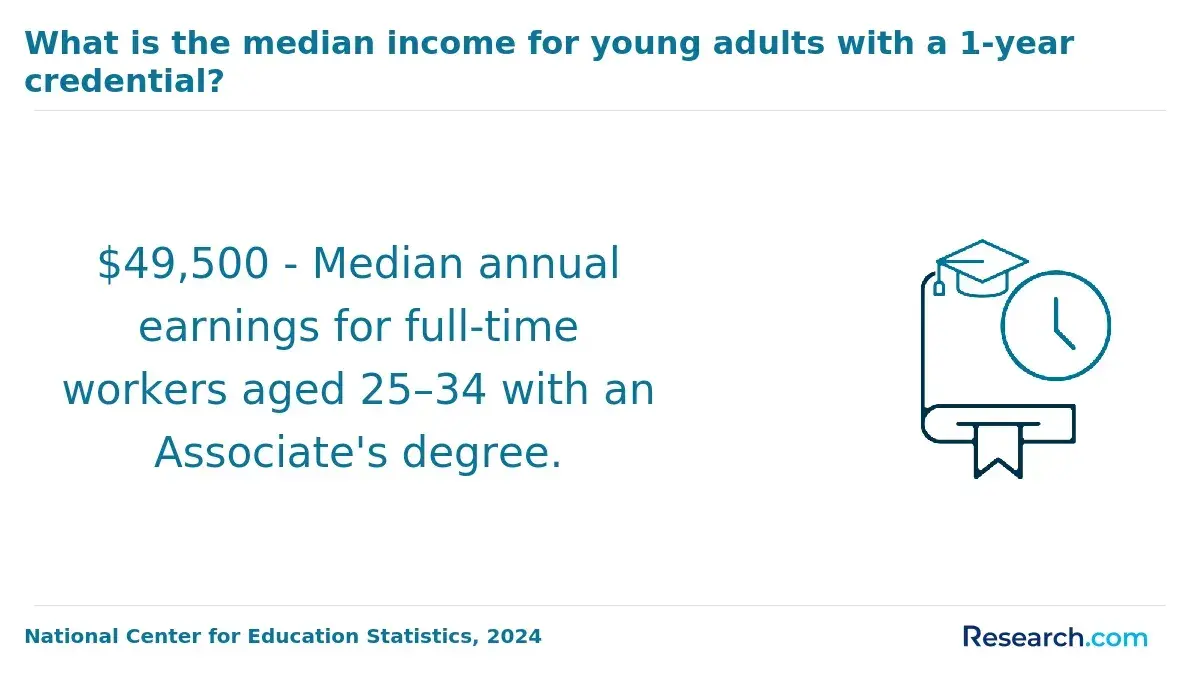
The cost after financial aid is the net price: tuition and required expenses minus grants, scholarships, employer assistance, and other aid that does not need to be repaid. Loans can make a program payable upfront, but they do not reduce the true cost because they must be repaid with interest.
The table below shows how the same published program cost can feel very different depending on grant eligibility. The figures are examples for comparison only; students should use each school's official cost of attendance and personalized aid offer.
| Cost scenario | Estimated program charges | Grant and scholarship aid | Estimated out-of-pocket or loan need | What it means |
| Low-cost public college, high grant eligibility | $8,000 to $14,000 | Up to the applicable Pell Grant and state aid amount | Potentially low if tuition and fees are modest | Often the strongest affordability scenario for eligible students |
| Low tuition but high required expenses | $8,000 to $14,000 plus clinical costs | Varies by FAFSA results and school aid | Can rise if supplies, travel, and testing are not covered | Low tuition alone may understate the real price |
| Private or proprietary blended program | Often higher than public college options | Federal grants may help if the program is eligible | Borrowing may be higher unless transfer credit or employer aid applies | Flexibility may justify the price only if completion is realistic |
| Student with substantial transfer credit | Reduced by accepted credits | Varies by remaining enrollment and aid rules | Lower if fewer credits must be paid for | A higher per-credit school may be cheaper if it accepts more credits |
When comparing offers, focus on how much you must pay or borrow to finish, not the largest grant shown on the award letter. A school may include federal loans in "aid," but loans are debt, not discounts.
Ask financial aid offices for the total cost of attendance for the whole program, including prerequisite courses and clinical expenses. If a school provides only semester-by-semester estimates, multiply cautiously and ask what fees increase in later terms.
Which Affordable Online Surgical Tech Degree Programs Offer the Best Value?
The best value is usually the program that combines low net price, recognized accreditation, realistic clinical placement, strong completion support, and eligibility for certification. The lowest tuition may not be the best option if it delays graduation, requires long travel, lacks clinical sites, or does not prepare students for employer-preferred credentials.
Use the comparison below to decide when a lower-cost option is truly better and when a higher-priced program may be reasonable. This is especially important in surgical technology because clinical access can determine whether you can actually finish the program.
| Program type | Best value when | Use caution when | Decision takeaway |
| Public community or technical college | You qualify for resident tuition and can attend required labs or clinicals locally | The waitlist is long or clinical sites are limited | Often the strongest first choice for affordability |
| Public college with hybrid or distance-supported coursework | You need online theory courses but can travel for hands-on requirements | Travel, lodging, or missed work would erase tuition savings | Compare total attendance cost, not just tuition |
| Private nonprofit college | Institutional grants, small cohorts, or transfer policies reduce the net price | The net price remains much higher than public alternatives | Can be worth considering, but only after a written aid estimate |
| Private proprietary or career college | Schedule flexibility and start dates help you complete faster with manageable debt | Borrowing is high or accreditation is unclear by location | Evaluate debt carefully against expected entry-level pay |
Students considering speed should remember that "fast" and "cheap" are not always the same. A shorter program can be valuable if it gets you into the workforce sooner, but only if it is accredited, aid-eligible, and clinically feasible; readers comparing broader options can also review a fastest degree to get online when weighing healthcare against other career paths.
A more expensive program may be worth choosing if it accepts more transfer credits, offers better clinical placement support, has a schedule that lets you keep working, or reduces the risk of stopping out. It is usually not worth paying more for vague promises, unclear certification outcomes, or convenience that still requires major unpaid travel.
Are the Cheapest Online Surgical Tech Degree Programs Properly Accredited?
Accreditation is one of the most important filters in surgical technology. Institutional accreditation helps determine federal aid eligibility, while programmatic accreditation can affect certification eligibility, employer acceptance, and the credibility of the surgical technology curriculum.
For surgical technology, students commonly look for programmatic accreditation through organizations recognized in the field, such as CAAHEP accreditation based on ARC/STSA recommendations or ABHES accreditation where applicable. Requirements can vary by credential, state, employer, and certification pathway, so students should verify the exact rule that applies to their goal.
Follow this verification checklist before paying an application fee or enrollment deposit. It helps prevent the most expensive mistake: enrolling in a low-cost program that does not lead to the credential or job market access you expected.
- Check the school's institutional accreditation through the U.S. Department of Education's recognized accreditation database or the school's official accreditation page.
- Confirm the surgical technology program's current programmatic accreditation status, including the exact campus, location, or distance-learning option.
- Ask which certification exam graduates are prepared or eligible to take and whether eligibility depends on completing an accredited program.
- Request written confirmation that your state allows enrollment in the online or hybrid program.
- Ask whether clinical placements are guaranteed, arranged by the school, or the student's responsibility.
- Confirm whether accreditation is current, probationary, teach-out, or pending, because "seeking accreditation" is not the same as being accredited.
A low-cost program with unclear accreditation can become expensive if you need to repeat training elsewhere. If a school avoids direct answers about accreditation, clinical sites, or certification eligibility, treat that as a red flag.
What FAFSA Grants and Federal Aid Can Pay for an Online Surgical Tech Degree?
Federal aid can help pay for eligible tuition, fees, books, supplies, and other education-related costs included in the school's cost of attendance. The most valuable aid is grant or scholarship funding because it does not need to be repaid.
The table below summarizes common FAFSA-connected aid sources and how they affect affordability. Students should read award letters carefully because schools may display grants and loans together even though they have very different long-term consequences.
| Aid type | Repayment required? | How it can help surgical tech students | Main limitation |
| Federal Pell Grant | No | Can reduce tuition and required costs for eligible undergraduate students | Amount depends on FAFSA results, enrollment intensity, and remaining eligibility |
| Federal Supplemental Educational Opportunity Grant | No | May provide additional grant aid at participating schools | Funds are limited and not available to every eligible student |
| Federal Direct Subsidized Loan | Yes | Can cover remaining costs with interest benefits while eligible students are in school | Still creates debt and has annual borrowing limits |
| Federal Direct Unsubsidized Loan | Yes | Can help when grants do not cover the full cost | Interest begins accruing immediately |
| Federal Work-Study | No loan repayment | Can provide part-time earnings for eligible students | Availability depends on the school and may be difficult during clinical-heavy terms |
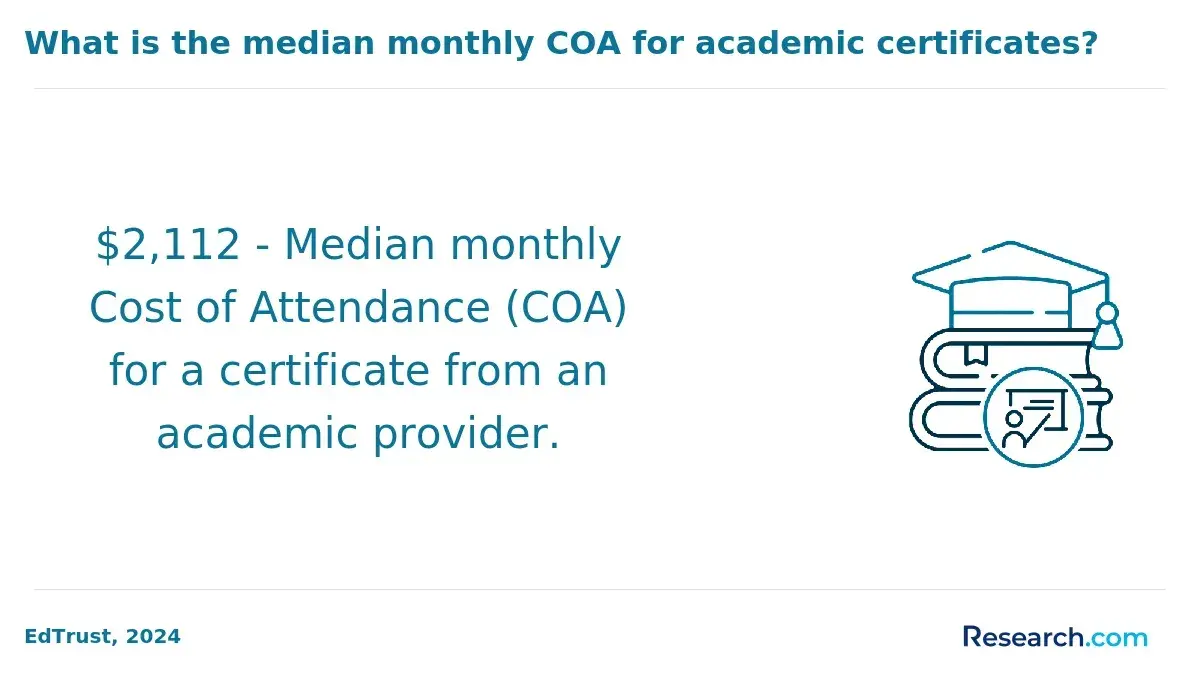
For 2024-25, the maximum Pell Grant is $7,395. That amount can make a public community college program much more affordable, but it may not cover the full cost of a private program or a program with high clinical travel expenses.
Students should also ask about state grants, workforce development funding, hospital tuition assistance, union benefits, and employer reimbursement. These funds may reduce borrowing, but they can include service commitments, grade requirements, reimbursement delays, or limits on approved schools.
How Do Transfer Credits Lower the Cost of an Online Surgical Tech Degree?
Transfer credits lower cost by reducing the number of credits you must pay for at the new school. In surgical technology, transfer credit is most useful for general education courses such as English, math, psychology, anatomy and physiology, medical terminology, or microbiology; core surgical technology courses are less likely to transfer because they are skills-based and cohort-sequenced.
Before choosing the lowest sticker price, compare how many credits each school will actually accept. A school with slightly higher tuition can cost less overall if it accepts a full block of prior credits and shortens your time to graduation.
Use these questions when speaking with admissions or the registrar. They help you estimate whether transfer credit will produce real savings or only reduce a small elective requirement.
- Which general education and science prerequisites can transfer into the surgical technology degree?
- Is there a minimum grade, recency limit, or lab requirement for anatomy, physiology, and microbiology credits?
- Will transferred credits reduce tuition-bearing credits, or will the program still require a fixed full-time cohort sequence?
- Can credits from nationally accredited, regionally accredited, military, or prior-learning sources be evaluated?
- Will transfer credits change financial aid eligibility by reducing enrollment intensity in some terms?
- Can the school provide an official degree audit before you commit?
Transfer strategy matters most for adult learners who already completed college courses. If you are comparing surgical technology with other online pathways, note that fields such as an accelerated bachelor's degree psychology may accept broader transfer credit, while surgical technology usually protects the integrity of its hands-on clinical sequence.
Which Students Benefit Most From a Low-Cost Online Surgical Tech Degree With FAFSA?
A low-cost online or hybrid surgical tech degree with FAFSA is best for students who want a structured healthcare career, can meet in-person clinical requirements, and need federal or state aid to keep borrowing low. It is especially attractive for students who live near an approved clinical site or public college and can use resident tuition.
The students who benefit most usually share several traits. The list below can help you decide whether affordability and format match your life, not just your budget.
- Recent high school graduates who want a healthcare role faster than a four-year degree may benefit from an associate-level path with federal aid.
- Working adults in healthcare support roles may benefit if their employer offers schedule flexibility, tuition assistance, or clinical connections.
- Parents and caregivers may benefit from online theory courses, but only if lab schedules and clinical shifts are realistic.
- Students with prior college credit may benefit if transfer courses reduce the number of paid credits required.
- Students in rural areas may benefit when a program has distance-supported coursework and approved local clinical arrangements.
This path is less ideal for students who cannot attend early-morning clinical shifts, cannot stand for long periods, are uncomfortable with surgical environments, or need a program that is completely online. Surgical technologists support operating-room teams by preparing sterile instruments, maintaining the sterile field, anticipating surgeon needs, counting supplies, and helping keep procedures organized and safe.
Students who decide they want broader management, training, or leadership options may eventually compare healthcare pathways with affordable master's degrees online, but surgical technology itself is typically an entry-level clinical education route rather than a fully online graduate pathway.
How Does the Cost of an Online Surgical Tech Degree Affect Career ROI?
Career ROI depends on how much you pay, how much you borrow, how quickly you finish, and whether the program qualifies you for the credentials and jobs you want. A surgical tech program with low debt can offer stronger ROI than a higher-cost program, even if both lead to similar entry-level roles.
The BLS reports a 2024 median pay of $62,830 for surgical assistants and technologists, with 6% projected employment growth from 2023 to 2033. For students, that means education debt should be kept proportionate to expected early-career earnings, especially because wages vary by state, employer, shift, certification, and experience.
Use the ROI comparison below to think through trade-offs. The goal is not to predict your salary, but to prevent a program's cost from outrunning the economic value of the credential.
| Cost factor | How it affects ROI | Better-value signal | Warning sign |
| Total borrowing | Higher loan balances reduce take-home benefit after graduation | Grants, scholarships, and cash payments cover a large share | Loans cover nearly every cost, including living expenses |
| Time to completion | Longer programs may delay income and add living costs | Clear cohort plan and predictable clinical schedule | Waitlists or failed clinical placement delay graduation |
| Accreditation and certification alignment | Credential eligibility can influence employer acceptance | Program clearly documents exam and accreditation status | School uses vague language about eligibility |
| Work schedule compatibility | Keeping a job can reduce borrowing | Online theory courses and predictable lab blocks | Clinical hours conflict with income needs |
A more expensive program may still produce good ROI if it helps you finish sooner, supports clinical placement, and keeps you employed while enrolled. By contrast, the cheapest option can have poor ROI if it creates delays, forces extra travel, or lacks the accreditation needed for your target employers.
If your long-term goal is advancement beyond the operating room, compare whether you may later need leadership, education, or management training. Some students eventually explore options such as the best organizational development master's programs online, but that should be considered separately from the immediate ROI of a surgical technology associate degree.
How Should Students Choose the Cheapest FAFSA-Eligible Online Surgical Tech Degree?
Students should choose the cheapest FAFSA-eligible online surgical tech degree by comparing verified accreditation, total net price, clinical feasibility, transfer credit, completion timeline, and certification alignment. Do not choose based only on advertised tuition or the presence of a FAFSA code.
This step-by-step process keeps the decision practical. Complete it for at least three schools before committing, because the lowest published tuition is not always the lowest final cost.
- List only programs that lead to the credential you need, such as an accredited associate degree in surgical technology.
- Verify institutional and programmatic accreditation for the exact campus, online option, or hybrid location.
- Confirm that the specific surgical technology program is Title IV eligible and that your enrollment status supports the aid you need.
- Request a full cost estimate covering tuition, fees, books, uniforms, instruments, background checks, immunizations, exam fees, travel, and clinical expenses.
- Ask for a written transfer credit evaluation before enrollment if you have prior college coursework.
- Compare net price after grants and scholarships, then separate optional loans from aid that does not need repayment.
- Confirm who arranges clinical placements and whether placements are available near you.
- Ask about completion rates, certification exam preparation, graduate employment support, and typical schedules.
- Choose the lowest-debt program that you can realistically complete and that supports your certification and employment goals.
The biggest red flags are unclear accreditation, pressure to enroll before receiving a financial aid estimate, promises of fully online completion without explaining clinicals, and award letters that make loans look like discounts. If any of these appear, pause and request written clarification.
Finally, compare surgical technology with your broader goals. If you want a clinical operating-room role soon, a low-cost accredited surgical tech degree can make sense; if you are aiming for counseling, research, or behavioral health pathways, an accelerated master's program psychology would represent a very different educational and career investment.
Other Things You Should Know About Surgical Tech
Usually, no. Most surgical technology programs require in-person labs, simulations, and supervised clinical rotations because students must demonstrate sterile technique and operating-room skills safely.
To enroll in an online surgical tech degree program, prerequisites often include a high school diploma or GED and completion of foundational courses such as biology and chemistry. Some programs may also require CPR certification or prior healthcare experience for admission.
Often, yes. Programs may require scrubs, shoes, textbooks, lab kits, background checks, immunizations, CPR certification, and exam fees. Ask for a complete supply list before comparing costs.
Employers generally care most about accreditation, certification eligibility, clinical competence, and references. A hybrid format can be acceptable when the program includes appropriate hands-on labs and clinical experience.
References
- Online Resources & Scholarships for Surgical Tech Students https://www.edumed.org/financial-aid/scholarships/surgical-tech-programs/
- Funding Surgical Tech Education: Grants and Loans - CNI College https://cnicollege.edu/blog/student-services/pay-surgical-tech-programs-federal-financial-aid/
- Online Medical Assistant Program With Financial Aid (2026) https://www.clinicalskillsinstitute.com/post/online-medical-assistant-program-with-financial-aid
- Surgical Technology https://carrington.edu/program/surgical-technology/
- Best programs to become a surgical technologist https://clema.ai/occupations/surgical-technologists
- How to Choose the Best Surgical Tech Program | Your Guide https://www.brooklinecollege.edu/blog/how-to-choose-the-best-surgical-tech-program/
- Financial Aid for Surgical Technology Programs https://certifiedsurgicaltechnologist.com/education-for-surgical-technologists/financial-aid-surgical-technology-programs/
- Cost to Become a Surgical Tech (Programs & Certification) https://www.stepful.com/post/cost-to-become-a-surgical-tech
- Steps On How To Become A Surgical Tech | HowToBecome Guide https://www.learnhowtobecome.org/surgical-tech/
- Surgical Technology https://www.bhclr.edu/academics/programs/allied-health-programs/surgical-technology/