2027 Accredited Online Forensic Accounting Degree Master's Programs: How to Verify & Avoid Scams

Co-Founder and Chief Data Scientist
Choosing an online forensic accounting master's program is not just a question of convenience, tuition, or course format. The bigger decision is whether the credential will be recognized by employers, licensing bodies, financial aid offices, and future universities. If a program lacks recognized accreditation, students can lose both money and career momentum after investing months or years of work.
The risk is real: nearly 15% of students pursuing online advanced degrees in accounting fields may encounter programs with questionable or misleading accreditation claims. In forensic accounting, where credibility, ethics, audit judgment, and legal evidence standards matter, an unrecognized degree can weaken a resume instead of strengthening it.
This guide explains how to verify accreditation for an online forensic accounting master's degree, which accrediting agencies matter, how employers and universities evaluate online credentials, and what warning signs may indicate a diploma mill or education scam. It is designed for working professionals, accounting graduates, career changers, and anyone comparing online graduate programs before enrolling.
Key Benefits of Verifying Accredited Online Forensic Accounting Degree Master's Programs
- Verifying accreditation ensures the forensic accounting degree is recognized by employers and industry bodies, preventing time lost on unaccepted credentials.
- Confirming program legitimacy protects students' financial investment from fraudulent schools, which reportedly affect over 15% of online degree seekers annually.
- Accredited degrees enhance career prospects by meeting certification requirements and increasing eligibility for advanced forensic accounting roles.
Why Is It Important to Verify Accreditation for an Online Forensic Accounting Master's Degree Program?
Verifying accreditation means confirming that a recognized, independent accrediting organization has reviewed a college or university for academic quality, faculty standards, student support, governance, and financial stability. For an online forensic accounting master's program, this step should happen before you apply, submit transcripts, sign enrollment documents, or pay a deposit.
Accreditation matters because it affects whether the degree is taken seriously. Employers may reject degrees from unaccredited schools, universities may refuse transfer credits, and professional licensing or certification pathways may be harder to pursue. In accounting-related careers, this is especially important because forensic accountants often work with audits, fraud investigations, litigation support, regulatory matters, and sensitive financial evidence.
Students should not rely only on an institution's website or admissions representative. Diploma mills and weak providers often use official-sounding language, seals, and “accreditation” claims that are not recognized by legitimate authorities. Studies indicate that roughly 30 to 40 diploma mills are identified annually in the United States, which shows why independent verification is a necessary part of program research.
Accreditation can also affect cost. Students in unaccredited programs may be ineligible for federal financial aid, and credits from those programs may not transfer if they later move to a recognized university. If you are comparing accounting pathways, review total tuition, aid eligibility, and the broader cost of accounting degree options before committing to a program.
If you are still deciding between forensic accounting and broader business training, comparing standards across online MBA programs can also help you understand how accreditation, affordability, and institutional reputation affect graduate business education.
How Can I Check If an Online Forensic Accounting Master's Program Is Accredited?
The safest way to check accreditation is to verify it through official third-party sources, not through marketing materials alone. The U.S. Department of Education recognizes over 60 accrediting agencies, and legitimate institutions should be easy to confirm through public databases or accreditor websites.
Use the following steps before enrolling in an online forensic accounting master's program:
- Search the U.S. Department of Education database: Use the Database of Accredited Postsecondary Institutions and Programs to confirm whether the institution is accredited by a recognized agency. Match the institution name carefully, because fraudulent schools sometimes use names similar to legitimate universities.
- Check the accreditor's own website: If a school claims accreditation from the Higher Learning Commission (HLC), Middle States Commission on Higher Education (MSCHE), AACSB, ACBSP, or another body, verify that listing directly on the accreditor's site.
- Confirm the type of accreditation: Institutional accreditation applies to the college or university as a whole. Programmatic or business accreditation may apply to the business school or accounting program. Both can matter, but they are not the same.
- Review the accreditation status and dates: Look for whether accreditation is current, probationary, withdrawn, or pending. “Candidate” or “applicant” status is not the same as full accreditation.
- Ask the school specific questions: Request the accrediting agency name, accreditation status, effective dates, and whether the online program is included. A legitimate school should answer clearly and provide documentation.
- Compare claims across sources: The school website, accreditor website, and federal database should align. If they do not, pause before submitting payment or personal documents.
Students sometimes compare graduate options across fields when evaluating online education quality. If you are researching online flexibility more broadly, reviewing an accelerated MSW can show how different disciplines present accreditation, field requirements, and student support.
What Are the Top Recognized Accrediting Agencies in the U.S. for Online Forensic Accounting Master's Programs?
For an online forensic accounting master's degree, students should understand two accreditation layers: institutional accreditation and business or accounting-related accreditation. Institutional accreditation confirms that the college or university meets recognized academic and operational standards. Programmatic business accreditation can provide additional evidence of quality in the business school or accounting curriculum.
Commonly recognized agencies and accreditors relevant to regional accredited online forensic accounting graduate programs include:
- Higher Learning Commission (HLC): HLC is an institutional accreditor that reviews colleges and universities for academic quality, governance, student learning, and institutional effectiveness. A school accredited by HLC has passed a recognized institutional review process.
- Middle States Commission on Higher Education (MSCHE): MSCHE evaluates institutions for educational quality, administrative integrity, student support, and continuous improvement. Students should confirm whether the institution's online offerings are included in its accreditation status.
- Association to Advance Collegiate Schools of Business (AACSB): AACSB accreditation is widely viewed as a rigorous business-school credential. For forensic accounting students, AACSB accreditation can signal strong faculty qualifications, curriculum oversight, research expectations, and business education standards.
- Accreditation Council for Business Schools and Programs (ACBSP): ACBSP focuses on teaching quality, learning outcomes, and continuous improvement in business programs. It can be relevant for students who want assurance that the business or accounting curriculum has been reviewed at the program level.
Do not assume that a recognizable agency name is enough. Confirm the exact institution, the current status, and whether the school or business program is actually listed. A school may also advertise memberships, approvals, or partnerships that sound similar to accreditation but do not carry the same weight.
Students comparing graduate programs for return on investment often also review career-oriented rankings, including lists of the most lucrative degrees. Those comparisons are more useful when the underlying degree comes from a recognized, accredited institution.
Are Accredited Online Degrees as Respected as Traditional On-Campus Degrees?
Accredited online degrees can be respected similarly to on-campus degrees when they come from recognized institutions and meet the same academic standards. A 2023 survey by the Society for Human Resource Management revealed that over 70% of employers regard online degrees from accredited universities as equally credible to those earned on campus.
What employers usually care about is not simply whether the program was online. They look at the institution's accreditation, reputation, curriculum rigor, transcript, applicant experience, and whether the candidate can perform the work. In forensic accounting, employers may also value technical accounting knowledge, fraud examination skills, data analysis, communication ability, and professional judgment.
Perception can still vary by employer and industry. A degree from an established university with clear accreditation and a strong business or accounting school will generally be easier to explain than a degree from a little-known provider with vague accreditation claims. Students should also check whether the online diploma or transcript distinguishes delivery format. Many accredited universities do not treat online and campus graduates differently on official records, but policies vary.
The practical test is simple: if the institution is recognized, the program is rigorous, faculty credentials are transparent, and graduates can document relevant skills, an online forensic accounting master's degree can be a credible credential for career advancement.
Can I Transfer Credits From a Non-Accredited Online Program to an Accredited University?
In most cases, transferring credits from a non-accredited online program to an accredited university is difficult. Credit transfer is never guaranteed, and accreditation status is one of the first factors registrars and graduate admissions offices review. According to a 2023 report from the National Association for Credential Evaluation Services, about 85% of accredited institutions limit or reject transfer credits earned through non-accredited programs.
Universities commonly evaluate the following factors:
- Accreditation status of the original school: Credits from accredited institutions are more likely to receive serious review. Credits from non-accredited schools may be denied before course content is evaluated.
- Course equivalency: The receiving university compares syllabi, credit hours, learning outcomes, assignments, and course level to determine whether a course matches its curriculum.
- Graduate-level rigor: Master's programs usually require advanced coursework. A course that appears too broad, too short, or insufficiently rigorous may not transfer.
- Grade requirements: Some schools require a minimum grade for transfer consideration, especially at the graduate level.
- Residency requirements: Many universities require students to complete a minimum number of credits through the degree-granting institution, which limits how many credits can transfer even from accredited schools.
- Time limits: Older graduate credits may expire under institutional policy, particularly in fields where standards, technology, and regulations change.
Before enrolling anywhere, ask the target university for its written transfer policy. If you have already completed coursework at a non-accredited provider, gather syllabi, transcripts, faculty credentials, assignments, and course descriptions, but prepare for the possibility that you may need to retake courses at an accredited institution.
How to Verify Financial Aid Options in Accredited Online Master's Programs?
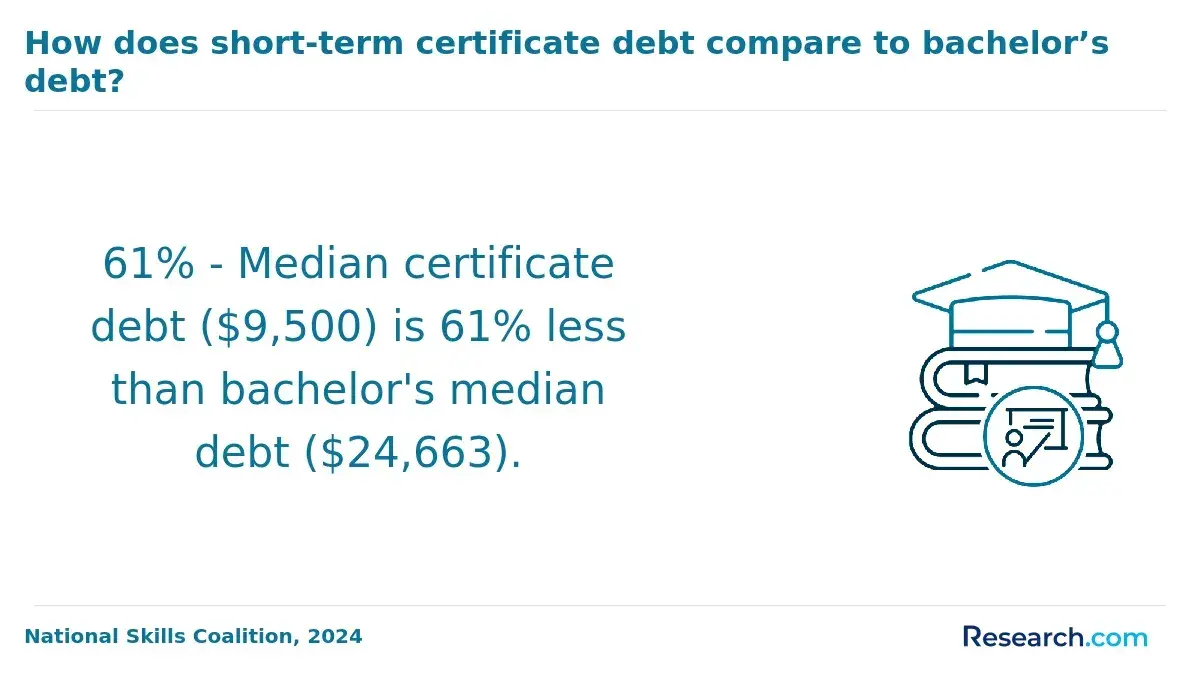
Financial aid verification should happen at the same time as accreditation verification. A school may advertise affordability, scholarships, or easy financing, but only eligible institutions can participate in federal student aid programs. Graduate students may borrow up to $20,500 annually through federal Direct Unsubsidized Loans, so confirming eligibility can materially affect how you plan to pay for the degree.
Use these steps to verify financial aid for an accredited online forensic accounting master's program:
- Complete the FAFSA: The Free Application for Federal Student Aid is the standard application for federal aid. Submit it through the official federal process and avoid any service that charges unnecessary fees for basic filing help.
- Confirm the school's federal aid eligibility: Accreditation alone is not enough. Verify that the institution is eligible to participate in federal financial aid programs through official U.S. Department of Education resources.
- Review the school's financial aid disclosures: Look for tuition, fees, refund policies, satisfactory academic progress rules, aid deadlines, and enrollment requirements. Vague or hard-to-find cost information is a warning sign.
- Ask about graduate-specific aid: Some undergraduate aid programs do not apply to master's students. Confirm which loans, scholarships, assistantships, employer benefits, or payment plans are available to graduate students in the online program.
- Check who manages your loans: Make sure loan servicer and repayment information comes from legitimate sources. Be cautious of third parties promising loan approval, forgiveness, or special access in exchange for upfront fees.
- Contact the financial aid office directly: Ask for written confirmation of aid eligibility, estimated cost of attendance, and the steps required to maintain aid while enrolled online.
A legitimate institution should make financial aid requirements clear before enrollment. If a school pressures you to pay immediately, refuses to provide written cost details, or promises guaranteed aid without reviewing eligibility, slow down and verify independently.
How Do Employers Verify the Legitimacy of an Online Degree?
Employers verify online degrees through formal checks, transcript requests, and accreditation review. A 2022 survey by the National Association of Colleges and Employers found that about 92% of employers perform formal education background checks during hiring.
For forensic accounting roles, verification can be especially important because candidates may work with fraud investigations, financial records, legal teams, auditors, or regulators. Employers want assurance that the credential is real and that the applicant has completed graduate-level accounting or forensic coursework.
- Education background checks: Employers or screening vendors confirm dates of attendance, degree level, graduation status, and institution name.
- Official transcript requests: Some employers request transcripts directly from the college or university, especially for roles requiring specific accounting coursework or graduate credentials.
- Accreditation review: Hiring teams may verify whether the institution is accredited by a recognized agency. This is a common way to identify diploma mills or unrecognized schools.
- Third-party verification services: Credential verification companies can confirm degrees with institutions and flag inconsistent or unverifiable claims.
- Institutional reputation checks: Employers may consider whether the school is known, whether it has a credible business program, and whether its graduates have relevant professional outcomes.
- Resume consistency review: Discrepancies between a resume, application, transcript, and background check can delay hiring or lead to rejection.
Applicants should list the institution's official name, degree title, graduation date, and relevant coursework accurately. Avoid exaggerating accreditation, certification, or licensure status. If your degree was earned online, be ready to explain the program's rigor, accreditation, and practical forensic accounting training with confidence.
What Are the Most Common Online Degree Scams to Watch Out For?
Legitimate online forensic accounting master's programs exist, but fraudulent providers continue to target students who want flexible, career-focused credentials. According to the Federal Trade Commission, education-related scams lead to annual losses exceeding $100 million in the U.S. alone.
Watch for these common online degree scams:
- Diploma mills: These operations sell degrees with little or no coursework, minimal faculty interaction, and no recognized accreditation. Claims such as “earn a master's degree in weeks” or “degree based mainly on life experience” should raise immediate concern.
- Fake accrediting agencies: Some scams create official-looking accrediting bodies to legitimize unrecognized schools. Always verify the accreditor through recognized government or higher education sources.
- Guaranteed admission: A legitimate graduate program typically reviews transcripts, GPA, professional background, recommendations, statements, or prerequisite coursework. Admission with no meaningful review can signal a low-quality or fraudulent provider.
- Upfront financial aid fees: Genuine federal financial aid does not require a processing fee before disbursement. Be wary of schools or third parties demanding payment to “unlock” scholarships, loans, or grants.
- Pressure to enroll immediately: High-pressure sales tactics, expiring discounts, repeated calls, or refusal to let you compare programs can indicate a predatory operation.
- Unverifiable faculty or address information: Legitimate programs identify faculty, administrative offices, program leadership, and student support contacts. Missing or inconsistent details are red flags.
- Unclear tuition and refund policies: If you cannot find total cost, fees, withdrawal rules, or refund deadlines in writing, do not enroll until the school provides them.
Knowing how to identify fake online forensic accounting master's programs can protect your finances, time, and professional reputation. A program that seems unusually cheap, unusually fast, or unusually easy may cost more in the long run if the degree is not recognized.
If you are comparing affordable online education in other fields, a cheap psychology degree online can provide a useful example of how legitimate low-cost options should still disclose accreditation, curriculum, and tuition clearly.
What Should You Do If You Suspect an Online Forensic Accounting Program Is Fraudulent?
If you suspect an online forensic accounting program is fraudulent, stop taking action that could increase your financial exposure. The Federal Trade Commission (FTC) receives thousands of consumer fraud complaints related to education scams each year, and quick documentation can help if you need to dispute charges or file a complaint.
Take these steps immediately:
- Pause enrollment and payments: Do not sign new agreements, submit additional documents, or make further payments until the program's legitimacy is confirmed.
- Verify accreditation independently: Check the institution and accreditor through recognized sources such as the U.S. Department of Education or the Council for Higher Education Accreditation (CHEA). Do not use links supplied only by the suspected school if you are unsure they are legitimate.
- Save all records: Keep emails, text messages, contracts, brochures, screenshots, payment receipts, enrollment forms, and financial aid communications. These materials may support a complaint, refund request, or charge dispute.
- Contact your bank or credit card issuer: Ask about chargeback rights, fraud monitoring, and steps to prevent additional unauthorized payments.
- Report the program: File a complaint with the FTC and consider notifying your state's attorney general or consumer protection agency. If the school used a fake accreditor, include that information in your report.
- Contact legitimate universities before transferring: If you completed coursework, ask accredited institutions whether any credits can be reviewed. Do not assume credits will transfer.
- Protect your identity: If you submitted Social Security information, tax records, or financial aid documents, monitor your credit and accounts for suspicious activity.
When researching online forensic accounting master's programs in the United States, use independent verification rather than relying on enrollment claims. Lists of the most popular online colleges can be a starting point for identifying recognized institutions, but you should still confirm each program's current accreditation status before applying.
How Do I Choose the Best Accredited Online Master's Program in Forensic Accounting?
The best accredited online master's program in forensic accounting is the one that matches your career goal, budget, schedule, and credential needs while meeting recognized academic standards. Accredited programs in the U.S. typically achieve a graduation rate near 60%, which can reflect both student commitment and institutional support.
Evaluate programs using these criteria:
- Accreditation status: Confirm institutional accreditation first, then look for business or accounting-related accreditation such as AACSB or ACBSP. Verify the claims through official sources.
- Curriculum fit: Review whether the program covers fraud examination, forensic accounting methods, auditing, financial statement analysis, data analytics, ethics, litigation support, and investigative techniques. Match coursework to the roles you want.
- Faculty expertise: Look for instructors with academic credentials, accounting experience, forensic accounting background, audit expertise, fraud investigation experience, or professional certifications. Faculty quality can strongly affect the practical value of the degree.
- Online format: Compare asynchronous courses, live classes, residency requirements, exam proctoring, group projects, and pacing. A flexible program is only useful if its deadlines work with your job and family responsibilities.
- Admissions requirements: Check whether the program expects an accounting background, prerequisite courses, professional experience, test scores, recommendations, or a statement of purpose. Missing prerequisites can add time and cost.
- Student support: Strong online programs provide academic advising, library access, technical support, tutoring, writing help, career services, and faculty availability for remote students.
- Career outcomes: Ask about graduate employment, employer partnerships, internship support, alumni networks, and career paths. Be cautious if a program cannot provide any meaningful outcome information.
- Total cost: Compare tuition, fees, books, technology costs, residency travel, and time to completion. The lowest sticker price is not always the best value if the program lacks recognition or support.
- Licensure or certification alignment: If you plan to pursue CPA licensure, CFE certification, or another credential, confirm requirements with the relevant board or organization. Program completion alone may not satisfy every requirement.
Before enrolling, create a short list of programs and verify each one the same way: accreditation, total cost, curriculum, admissions requirements, faculty, support, and outcomes. This prevents you from choosing based only on marketing language or tuition claims.
What Graduates Say About Verifying Accredited Online Forensic Accounting Degree Master's Programs
- : "Choosing the right school for my online forensic accounting degree master's was crucial, especially given how many programs claim to offer the same credentials. I found that verifying accreditation early saved me from wasting time and money on dubious options. Investing in a reputable, accredited program was worth every penny and has opened doors in my career that I never expected. — Nathanael"
- : "Reflecting on my journey, the cost of an accredited online forensic accounting degree master's program was a big consideration, but I realized that cheaper options often lacked proper recognition. Confirming accreditation through trusted sources ensured that my degree held weight when seeking professional roles. This diligence made a significant difference, and I now confidently advise others to prioritize verified programs over cost alone. — Russell"
- : "As a working professional, I needed a forensic accounting master's program that balanced flexibility with legitimacy. I focused heavily on verifying the institution's accreditation and program authenticity to avoid scams, as this directly impacted my career advancement. The recognized degree gave me credibility with employers and reinforced the importance of thorough research before enrolling. — Jose"
Other Things You Should Know About Forensic Accounting Degrees
To verify accreditation in 2027, check the U.S. Department of Education's Database of Accredited Postsecondary Institutions and Programs (DAPIP) or the Council for Higher Education Accreditation (CHEA) website. These platforms ensure that the program meets educational standards and is recognized by credible accrediting bodies.
Many accredited online forensic accounting master's programs include a practical component such as internships, capstone projects, or case studies to provide hands-on experience. While not universally mandatory, these experiences are highly recommended as they enhance real-world skills essential for forensic accounting careers. Confirm with the program whether such opportunities are offered or required.
Yes, most accredited online forensic accounting master's programs in the U.S. accept international students. These programs often provide flexible admission requirements and virtual learning platforms that accommodate students worldwide. However, potential enrollees should check admission criteria and ensure they meet any English proficiency and credential evaluation requirements.
References
- Best Online Master's in Forensic Accounting Degree Programs of 2025 - Intelligent https://www.intelligent.com/best-online-forensic-accounting-masters-degree/
- Forensic Accounting Degree Online https://www.snhu.edu/online-degrees/bachelors/bs-in-accounting/forensic-accounting-and-fraud-examination
- Importance of Accredited Online Degree Programs | TUW https://www.tuw.edu/school-news/importance-of-accredited-online-degree-programs/
- Uniting Changemakers To Revolutionize Education https://www.education2conf.com/blog/considering-online-program-heres-scam-prevention-guide-education-20-conference
- Top Master's in Forensic Accounting Online | Accounting.com https://www.accounting.com/degrees/forensic-accounting/masters/best-online-programs/
- What to Expect During a Fraud Examination - Anders https://anderscpa.com/learn/blog/what-to-expect-during-a-fraud-examination/
- Master of Business Administration with a Concentration in Forensic Accounting https://online.uncp.edu/degrees/business/mba/forensic-accounting/
- Best of 2025: Online Master’s Programs in Forensic Accounting https://www.onlinemastersdegrees.org/best-programs/business/accounting/forensic-accounting/
- Should You Get a Master's in Accounting Online or In Person? https://learn.neumann.edu/neuperspectives/should-you-get-a-masters-in-accounting-online-or-in-person
- Forensic Accounting: How to Become a Forensic Accountant | NU https://www.nu.edu/blog/how-to-become-a-forensic-accountant/