2027 ACBSP-Accredited Online Business Degrees With Credit for Management Experience

Co-Founder and Chief Data Scientist
If you already manage people, budgets, projects, or operations, repeating equivalent introductory coursework can make a business degree slower and more expensive than necessary. This guide explains how ACBSP-accredited online business degrees may recognize documented management learning through transfer credit, prior-learning assessment, or competency exams. It is designed for working adults deciding whether an online bachelor's or MBA is worth the investment. The U.S. Bureau of Labor Statistics reports that management occupations had a median annual wage of $122,860 in 2024, making careful degree selection especially important for advancement-minded professionals.
Key Things You Should Know
- ACBSP accreditation evaluates business-program quality; it does not mean a school must award college credit for management experience, so applicants must verify each institution's prior-learning policy.
- Experience credit is usually awarded through portfolio review, standardized examinations, military-credit evaluation, or validated employer training - not simply for years spent in a management title.
- Management occupations had a $122,860 median annual wage in 2024, but a degree's return depends on total price, accepted credits, career target, employer support, and the student's ability to finish.
What does it mean for an online business degree to be ACBSP-accredited with experience credit?
An ACBSP-accredited online business degree is offered by a business unit or program reviewed by the Accreditation Council for Business Schools and Programs. ACBSP examines areas such as leadership, curriculum, faculty qualifications, student learning, and continuous improvement. Institutional accreditation is separate: students should confirm both the college's institutional accreditation and the business program's ACBSP status.
"Credit for management experience" usually means academic credit may be awarded for college-level learning gained outside a traditional classroom. It is not automatic payment for professional tenure. A supervisor with strong evidence of learning in accounting, project management, operations, or leadership may earn credit if that learning aligns with a course's outcomes.
This route is most useful for experienced professionals who need a bachelor's completion program or want to reduce duplicate lower-division coursework. It is less suitable for applicants seeking credit for specialized upper-level business classes without substantial, assessable evidence.
How can prior management experience be evaluated for college credit in business programs?
Schools use different methods, and the maximum amount of credit can vary substantially. Ask whether credits apply to general education, business foundations, electives, or required major courses; that distinction determines whether an evaluation actually shortens graduation time.
| Evaluation method | What a student provides | Typical best use | Important limitation |
| Prior-learning portfolio | Resume, work samples, reflective narrative, training records, and supervisor verification | Documented management, operations, training, or project work | Review fees and faculty assessment may apply |
| Credit-by-exam | Passing score on an approved examination | Business fundamentals or general education knowledge | Exam credit may not replace advanced major requirements |
| Military or corporate training review | Official military transcript or employer-training documentation | Structured, evaluated training programs | Acceptance is determined by the receiving school |
| Transfer-credit evaluation | Official college transcripts | Previously completed accredited coursework | Course equivalencies and age-of-credit rules vary |
Prepare before applying by collecting official transcripts, job descriptions, performance artifacts with confidential information removed, training certificates, and evidence of responsibility. A portfolio should demonstrate what you learned, how you applied it, and how that learning matches a published course outcome.
A common mistake is assuming a manager title proves academic equivalency. Avoid that mistake by requesting a written preliminary evaluation and asking which specific degree requirements - rather than how many vague credits - may be met.
What types of online business degrees accept professional management experience toward graduation requirements?
Online associate, bachelor's-completion, and selected graduate programs can recognize prior learning, although the policies are not interchangeable. Associate and bachelor's programs are generally more likely to apply credit toward broad education or introductory business requirements. MBA programs commonly expect applicants to complete all graduate-level curriculum and may value experience in admission decisions rather than award academic credit for it.
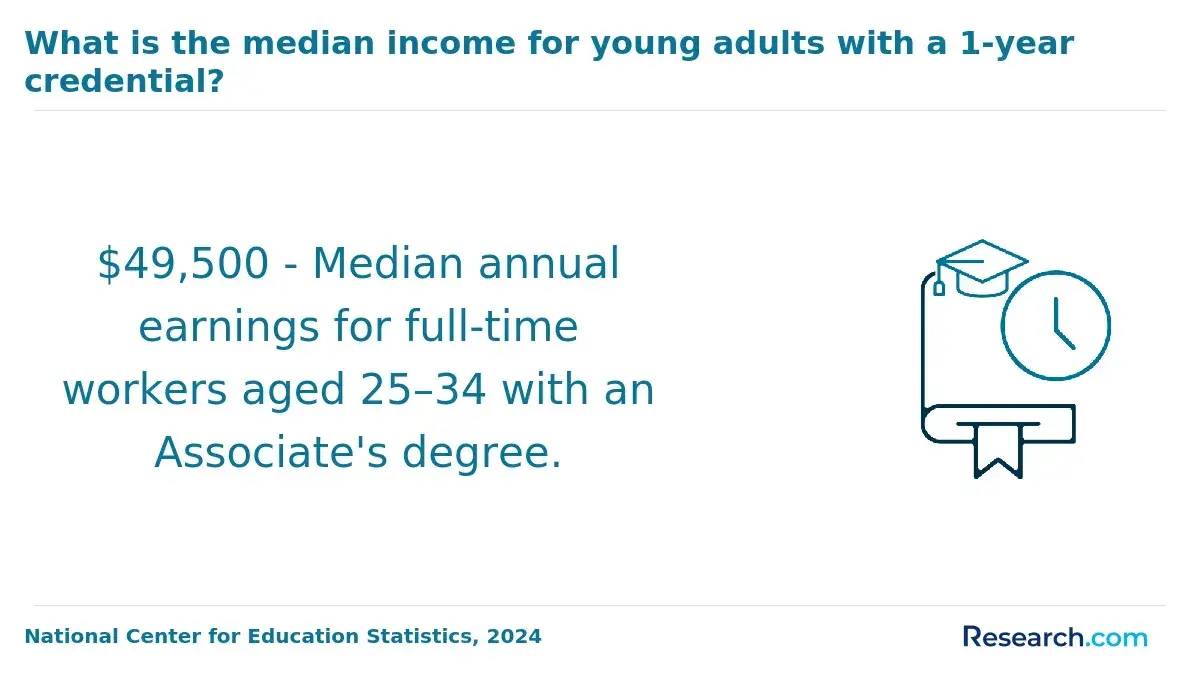
For professionals deciding between a shorter credential and a degree, 2 year online degrees can be a practical starting point when they need foundational business knowledge, lower upfront cost, or a transfer pathway. A bachelor's degree is usually the stronger choice for roles that list it as a preferred or required qualification.
| Program type | Experience-credit potential | Best fit | Trade-off |
| Associate in business | Often available for general education, electives, or prior coursework | Newer professionals or career changers | May not meet bachelor's-preferred job requirements |
| Bachelor's in business administration | Often strongest in degree-completion formats | Managers without a four-year degree | Upper-level major and residency requirements remain |
| Bachelor's in management or operations | May recognize relevant prior learning where course outcomes align | Supervisors targeting operational leadership | Narrower concentration may reduce flexibility |
| MBA or specialized master's | Usually limited or unavailable for work experience itself | Professionals with a completed bachelor's degree | Experience rarely reduces graduate credit requirements |
Choose a general business administration degree if you want broad mobility across industries. Choose a focused management, supply chain, or finance concentration when your target role clearly uses that specialty.
How do ACBSP-accredited online business programs compare with campus programs for working adults?
For working adults, the meaningful comparison is not online versus campus in the abstract; it is whether the format permits consistent progress while preserving access to faculty, advising, career support, and group-project opportunities. ACBSP standards apply to program quality regardless of delivery format, but students should still investigate how online learning operates in practice.
| Factor | Online program | Campus program | Decision implication |
| Scheduling | Often asynchronous, with some live sessions | Fixed meeting times are common | Online fits variable shifts; campus may suit learners needing routine |
| Networking | Virtual teams, discussion boards, and employer connections | In-person events and local relationships | Evaluate the school's actual career-engagement model |
| Prior-learning access | Frequently designed for adult and transfer students | Available at some institutions | Policy matters more than format alone |
| Learning support | Remote tutoring, library, and technical services | In-person access may be easier | Confirm evening and weekend support availability |
Online study works best for self-directed learners who can reserve weekly study time and communicate proactively. A campus or hybrid option may be better for students who need face-to-face accountability, local recruiting, lab-like experiences, or immediate access to instructors.
Do not confuse asynchronous delivery with effortless pacing. Team assignments, proctored exams, deadlines, and required live presentations may still occur.
What admission requirements apply to online business degrees that award credit for work experience?
Most undergraduate programs require an application, official transcripts, and evidence of high school completion or a recognized equivalent. Transfer-oriented programs may also require a minimum number of completed credits. Graduate programs generally require a bachelor's degree and may request a resume, statement, recommendations, and prior academic records.
Prior-learning credit has its own process and deadline. Applicants should confirm requirements before enrolling because a school may require portfolio submission in the first term, charge separate assessment fees, or limit the number of credits that can be applied.
Before committing, ask admissions or prior-learning staff the following questions in writing:
- Is the online business program currently ACBSP-accredited, and does that accreditation cover my degree level and location?
- What is the maximum prior-learning credit allowed, and what is the institutional residency requirement?
- Which of my potential credits can apply to required courses rather than only electives?
- What are the portfolio, examination, transcript-evaluation, and graduation fees?
- Will I receive a written degree plan showing remaining requirements before I enroll?
Military-connected learners should also compare transfer policies, tuition support, and remote student services. Resources on the best online college for military spouses can help families evaluate flexibility alongside academic fit.
What core courses and concentrations are offered in online business administration programs?
A business administration curriculum typically builds a common foundation before moving into a concentration. Prior management experience can make these topics feel familiar, but formal courses often add analytical tools, ethical frameworks, financial literacy, and evidence-based decision-making that employers may expect from degree holders.
Core coursework commonly includes accounting, economics, finance, marketing, management, business law, statistics or analytics, information systems, operations, strategy, and organizational behavior. Concentrations differ by school and should be selected for career relevance rather than trend appeal.
| Concentration | Common emphasis | Potential career direction |
| Management | Leadership, staffing, organizational behavior | Team supervision and operations leadership |
| Finance | Financial analysis, budgeting, investment concepts | Financial analyst or corporate finance support |
| Marketing | Consumer behavior, digital strategy, market research | Marketing coordination or brand support |
| Human resources | Talent, compensation, employee relations | HR specialist or people-operations roles |
| Supply chain or operations | Procurement, logistics, process improvement | Operations, logistics, or purchasing roles |
AI-enabled analytics and automation are increasingly relevant across these concentrations. Look for coursework that teaches students to interpret data, assess AI-supported recommendations, protect sensitive information, and make accountable management decisions - not merely use a single software platform.
How long do online business degrees typically take and what do they cost with experience credit?
Completion time depends on the number of transferable credits, institutional residency rules, course availability, and whether a student studies part time or full time. A bachelor's degree normally requires about 120 semester credits, but an accepted prior-learning award can reduce the remaining coursework. It does not necessarily reduce calendar time if required courses are offered in sequence.
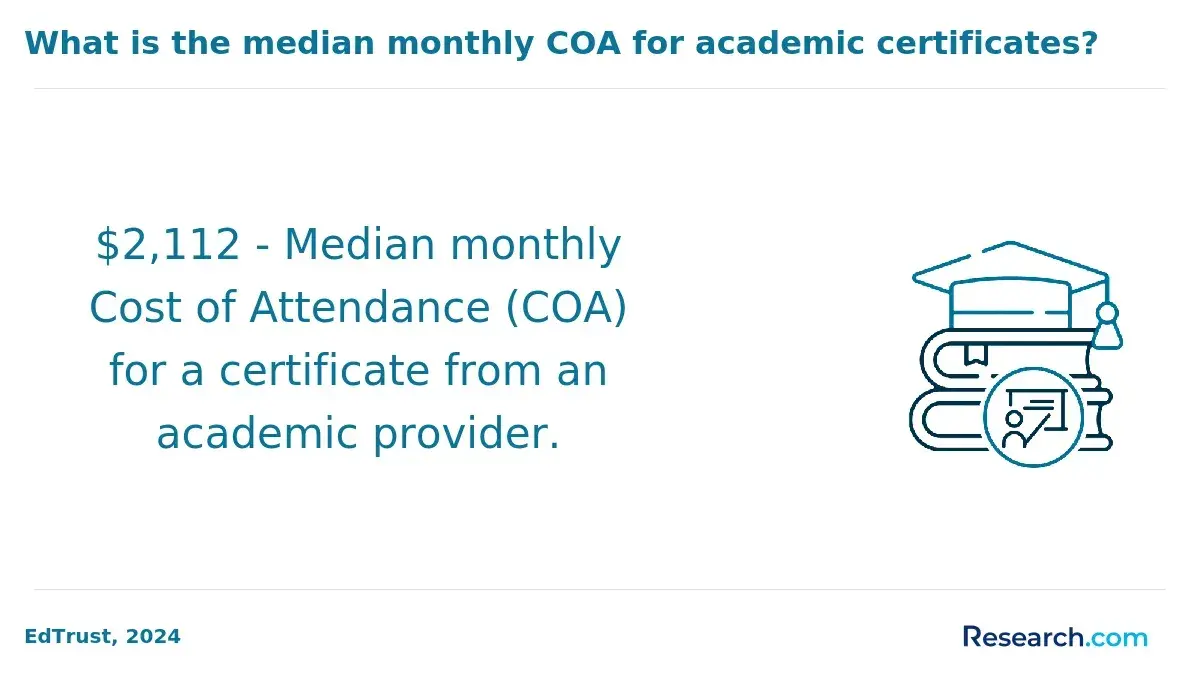
Total cost should be calculated from the written degree plan, not from a school's headline per-credit tuition. Include required courses, technology charges, books, portfolio assessment, exam fees, graduation charges, and potential lost employer tuition assistance if you change jobs.
| Cost or timeline factor | Why it changes the outcome | What to verify |
| Accepted transfer and prior-learning credits | Can reduce remaining tuition and coursework | Exact requirement fulfilled by each credit |
| Residency requirement | Sets the minimum credits taken through the institution | Number of in-house credits required for graduation |
| Course format and term length | Influences workload and sequencing | Whether required courses run every term |
| Financial aid and employer support | Changes out-of-pocket cost rather than sticker price | Eligibility, reimbursement conditions, and deadlines |
Accelerated terms can help a prepared student move faster, but they compress reading, group work, and assessments. Professionals seeking an efficient route should compare degree plans with guides to quick degrees that pay well, while remembering that speed should not replace accreditation, fit, or transferable learning.
What business and management careers can you pursue with an ACBSP-accredited online degree?
An ACBSP-accredited business degree can support careers in management, operations, finance, human resources, sales, marketing, and project coordination. Accreditation can signal that a program has undergone business-specific review, but employers typically evaluate the full picture: degree level, relevant experience, skills, results, industry knowledge, and communication ability.
Experienced managers may use a bachelor's degree to satisfy a screening requirement or compete for broader responsibility. Career changers may need internships, projects, software skills, or entry-level roles before moving into management. The degree is a foundation, not a substitute for progressively responsible experience.
Common paths include operations manager, management analyst, project coordinator, human resources specialist, purchasing agent, sales manager, financial analyst, and administrative services manager. Roles involving regulated finance, public accounting, or human resources certification can have additional employer, state, or professional-body requirements.
For readers comparing business against other high-earning academic options, most lucrative degrees offers useful context. Earnings potential should be weighed against your existing experience, aptitude, local labor market, and the time needed to pivot into a new field.
What salary ranges and advancement opportunities are common for graduates of online business programs?
Salary varies more by occupation, industry, location, experience, and responsibility than by whether a degree was completed online. The U.S. Bureau of Labor Statistics reported a 2024 median annual wage of $122,860 for management occupations overall. That broad occupational group includes many senior roles, so it should not be treated as an entry-level salary expectation.
| Career stage | Typical focus | How an online business degree may help |
| Entry or transition stage | Coordinator, analyst, specialist, or supervisory assignments | Builds business vocabulary and may meet degree-screening requirements |
| Mid-career management | Budget ownership, team leadership, process improvement | Can formalize experience and support movement across functions |
| Senior leadership | Strategy, organizational performance, executive decision-making | May complement extensive experience; an MBA or specialized graduate degree may also be considered |
Advancement is strongest when coursework aligns with a measurable workplace goal: improving a process, managing a budget, interpreting business data, or leading cross-functional teams. Students should discuss promotion pathways with their employer rather than assuming a credential alone will trigger a raise.
How can students evaluate and choose a reputable ACBSP-accredited online business school?
Start with the degree requirement behind your goal. If an employer requires a bachelor's degree, compare bachelor's completion plans; if you already hold one and need executive-level preparation, investigate graduate options. Then verify that experience credit creates a real reduction in remaining requirements.
A careful comparison should cover academic quality, affordability, and completion feasibility. Use this sequence before paying an application or enrollment deposit:
- Verify institutional accreditation and confirm the specific business program's current ACBSP accreditation directly with the school.
- Request an official or written preliminary transfer and prior-learning evaluation.
- Compare total remaining tuition, required fees, residency credits, and realistic completion timeline across at least two programs.
- Review course delivery, live-session expectations, tutoring, disability support, career services, and technology requirements.
- Check whether the concentration, elective options, and faculty expertise match your target industry or role.
- Ask for a final degree map before enrolling and retain written answers about credit applicability.
Red flags include vague claims that "life experience" automatically earns a degree, pressure to enroll before a credit evaluation, unclear accreditation language, and a refusal to identify which requirements transferred credit will satisfy. A reputable school can explain its policies, limits, costs, and academic expectations clearly.
Other Things You Should Know About Business Administration
No. ACBSP accreditation evaluates business-program quality. Credit for work experience is governed by each institution's prior-learning, transfer-credit, and residency policies.
Management experience can strengthen an MBA application and make coursework more meaningful, but it generally does not replace a graduate degree when an employer specifically requires one. Most MBA programs do not award academic credit solely for professional experience.
There is no universal amount. The result depends on documented learning, portfolio or exam performance, institutional limits, and whether the learning matches open degree requirements. Obtain a written evaluation from each school.
Employer perceptions vary, but reputable online degrees from institutionally accredited schools can be valuable when the program fits the role and the candidate can demonstrate relevant skills and experience. Confirm the school's accreditation, curriculum, and career support rather than relying on delivery format alone.
References
- Best Online Bachelor's in Business Administration Programs (2026) https://www.collegetransitions.com/blog/best-online-bachelors-in-business-administration-programs/
- ACBSP-Accredited Online MBA Programs https://www.bschools.org/online/acbsp-accredited-mba-programs