2027 Online Colleges With Transparent Total Program Pricing Before You Apply

Co-Founder and Chief Data Scientist
Before applying to an online business administration program, you should know the likely price to graduate - not just the cost of one credit or term. This matters because transfer credit, mandatory fees, course materials, and pacing can substantially change the final bill. For prospective business students, transparent pricing makes it easier to compare value against career goals: the U.S. Bureau of Labor Statistics reports a $122,090 median annual wage for management occupations in May 2024. This guide explains how to find and verify full-program pricing, evaluate schools, and avoid costly surprises.
Key Things You Should Know
- A school has truly transparent total pricing only when it shows the required credits, tuition rate, mandatory fees, likely material costs, and assumptions behind its graduation-cost estimate before enrollment.
- For a standard 120-credit bachelor's degree, multiply the published per-credit rate by credits still needed after transfer evaluation, then add mandatory fees; do not assume advertised tuition is your final price.
- Business administration can support management-track careers, but outcomes vary by experience and role; management occupations had a $122,090 median annual wage in May 2024, according to the U.S. Bureau of Labor Statistics.
How do online business administration degrees with upfront total pricing work?
An online business administration degree with upfront total pricing gives prospective students a clear estimate of what completing the credential should cost before they submit an application or commit to enrollment. The strongest disclosures state the number of credits required, the tuition basis, required institutional fees, and whether books, proctoring, technology, or graduation charges are included.
Programs use several pricing models. A per-credit model can be transparent when the school publishes a complete degree map and all required charges. A flat-rate term model can be less predictable because the total depends on how many courses you finish each term. Subscription-style programs may be economical for fast-moving students but can cost more if work, caregiving, or difficult courses slow progress.
The comparison below shows why "transparent" and "fixed" are not identical concepts. Use it to identify the questions that matter before treating an advertised number as a complete cost.
| Pricing model | What the school should disclose | Who it may suit | Main caution |
| Per-credit tuition | Rate per credit, credits required, mandatory fees, annual increases, and transfer-credit policy | Students with a known transfer evaluation and predictable course load | The total changes if prerequisite or repeated courses are needed |
| Flat tuition per term | Term price, expected terms to completion, fees, and course-load limits | Students who can take a full course load consistently | Finishing fewer courses per term raises the total |
| Subscription or competency-based pricing | Term price, assessment fees, completion assumptions, and pace requirements | Experienced professionals able to accelerate through familiar material | Completion speed is not guaranteed |
| Published program total | All required charges and the exact academic year or catalog period covered | Students seeking the clearest budgeting baseline | Transfer credit and future price changes can still alter an individual bill |
A reliable estimate is personalized only after the institution evaluates your transcripts. Ask for the estimate in writing, including the number of accepted credits and the catalog year that governs your tuition. If a representative gives a verbal number without showing the assumptions, treat it as preliminary rather than binding.
Transparent pricing is especially valuable for students using federal aid. Comparing cheapest online colleges that accept FAFSA can help you separate an attractive sticker price from the amount you may need to cover after grants, loans, and employer assistance are applied.
Which online business administration colleges clearly show full program costs before applying?
The best candidates are not necessarily the schools with the lowest advertised tuition. They are colleges that provide a public tuition-and-fee schedule, a program curriculum showing graduation requirements, and a way to determine how transfer credits affect the remaining total. Some institutions publish an estimated full degree price; others provide enough itemized information for a prospective student to calculate one.
Look first at public and nonprofit institutions, private nonprofit colleges, and online-focused universities that make their catalogs and fee schedules easy to locate. A nonprofit university may offer a useful starting point, but nonprofit status alone does not establish affordability, academic quality, or a fixed total cost.
Use this screening framework when building a shortlist. A school should satisfy every applicable item before you invest time in an application.
| What to find before applying | Why it matters | What a clear disclosure looks like |
| Program length | Determines the number of credits you must fund | A degree plan showing total credits and major requirements |
| Tuition basis | Shows whether cost is calculated by credit, course, or term | A current public rate tied to online undergraduate study |
| Mandatory fees | Fees can make a low tuition rate misleading | An itemized list for technology, services, proctoring, and graduation where applicable |
| Transfer policy | Accepted credits can materially reduce time and cost | Maximum transfer limits, equivalency rules, and an official evaluation process |
| Price-protection policy | Tuition can change while you are enrolled | Written terms explaining whether your rate is locked and for how long |
| Refund and withdrawal terms | Important if your schedule changes after a term begins | A published schedule explaining financial responsibility by withdrawal date |
A college that lists only "starting at" tuition, omits required fees, or will not state how many credits remain after reviewing transcripts has not yet provided a true completion-cost estimate. That does not automatically make it a poor program, but it means you should delay your decision until the financial details are documented.
Also distinguish total institutional charges from total cost of attendance. Institutional charges generally include tuition and required school fees. Cost of attendance may also estimate housing, food, transportation, personal expenses, and equipment. Online learners may have lower commuting or housing costs, but they can still need a dependable computer, internet access, and time away from paid work.
How can I compare transparent total program pricing across online business administration schools?
Compare schools using the same assumptions: the same credential level, the same number of remaining credits, the same enrollment pace, and the same aid assumptions. Comparing one school's annual tuition with another school's estimated degree total is a common and avoidable mistake.
Start with the school's official curriculum and your likely transfer credits, then request a written estimate. Follow these steps to produce a decision-ready comparison.
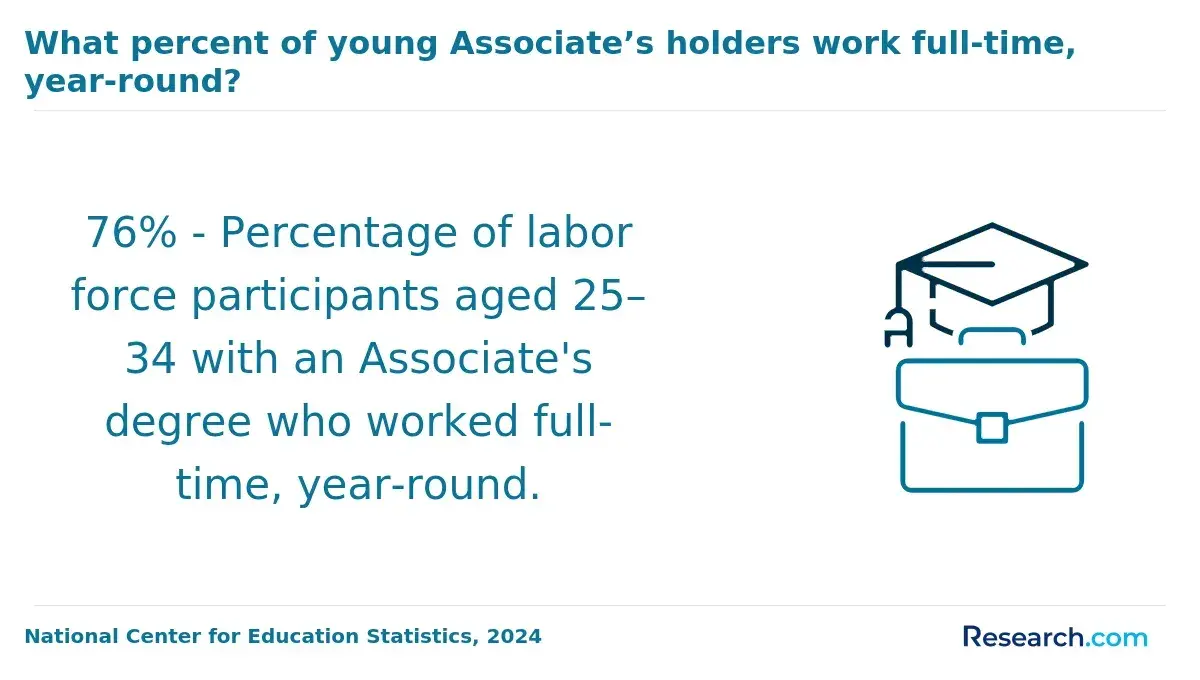
- Confirm whether you need an associate degree, bachelor's degree, completion program, or master's degree for your target role.
- Count the credits required for graduation and subtract only transfer credits the school has officially accepted.
- Calculate tuition using the school's stated model, including the expected number of terms if pricing is term based.
- Add mandatory fees, course materials, proctoring, required software, and any residency or graduation charges.
- Ask whether tuition is locked for continuing students and what happens if you need an additional term.
- Compare the net price after grants, employer tuition assistance, military benefits, or scholarships - not just the published total.
- Keep a written record of the estimate, catalog year, transfer evaluation, and adviser confirmation.
The following comparison grid helps distinguish a lower initial price from a lower likely completion cost. It is designed for your own figures rather than generalized estimates, because the number of accepted credits is individual.
| Cost question | School A | School B | Why it changes the decision |
| Credits remaining after official transfer review | Enter figure | Enter figure | More remaining credits usually means more tuition and time |
| Tuition method | Enter per-credit or term rate | Enter per-credit or term rate | Different methods require different completion assumptions |
| Mandatory institutional fees | Enter figure | Enter figure | These are part of the required school bill |
| Estimated books, software, and proctoring | Enter figure | Enter figure | Often excluded from headline tuition |
| Estimated institutional total | Enter figure | Enter figure | Supports an apples-to-apples comparison |
| Rate lock or tuition-increase policy | Enter terms | Enter terms | Helps assess exposure to later price changes |
Do not choose solely on the lowest total. A slightly higher-cost program may be the better investment if it accepts more applicable transfer credit, provides stronger career support, offers a schedule you can realistically complete, or includes the specialization you need. Conversely, avoid borrowing more for prestige alone when the program does not improve access to your intended career.
Students considering graduate study should calculate bachelor's and master's costs separately. Reviewing affordable online masters programs can help clarify whether a later MBA or specialized master's degree fits your career plan better than paying extra now for an undergraduate program.
What accreditation should online business administration programs with published total pricing have?
Accreditation is a quality-review process that matters for federal financial aid eligibility, credit transfer, graduate-school admission, and employer confidence. For an online business administration degree, start by confirming institutional accreditation from an accreditor recognized by the U.S. Department of Education or the Council for Higher Education Accreditation. Check the college's accreditation statement and the accreditor's directory rather than relying only on promotional language.
Business-specific accreditation is a separate consideration. Programs may hold accreditation from organizations such as AACSB, ACBSP, or IACBE. This can signal that a business school has met standards related to curriculum, faculty, and continuous improvement, but it is not required for every legitimate business career. It tends to matter most when you want a highly selective MBA, certain competitive employers, or a business-school-focused academic pathway.
This distinction helps match accreditation depth to your goals.
| Type of review | What it generally covers | When it is especially important |
| Institutional accreditation | The college as a whole, including academic and administrative standards | All degree seekers, especially students using aid or planning to transfer |
| Programmatic business accreditation | The business school or business programs | Students targeting selective business pathways or graduate education |
| State authorization | Whether the institution may enroll students in a particular state | Online learners studying outside the institution's home state |
Do not confuse accreditation with a promise of employment, salary, transferability, or professional licensure. Employers and receiving colleges set their own standards. If you plan to pursue a regulated credential later, such as CPA licensure, review your state board's education requirements because a general business administration degree may not include the accounting credits required.
Red flags include vague claims such as "internationally accredited" without naming a recognized accreditor, pressure to enroll before you can review academic policies, or an inability to confirm whether the school is authorized to serve students where you live. Verify these points before paying an application fee or signing an enrollment agreement.
What courses and specializations are included in an online business administration degree?
An online business administration curriculum typically combines broad business foundations with general education and electives. At the bachelor's level, students commonly study accounting, finance, economics, management, marketing, business law, operations, information systems, statistics, and strategic decision-making. Programs vary in how much mathematics, writing, group work, and applied project work they require.
Specializations can make a general degree more relevant to a target industry, but they should not replace core skills. The options below are common examples and show how concentration choice can influence the roles you pursue.
| Specialization | Typical subject emphasis | Potential career direction |
| Management | Leadership, organizational behavior, operations, and strategy | Supervisory, operations, or management-track roles |
| Marketing | Consumer behavior, research, digital channels, and branding | Marketing coordination, sales support, or market research roles |
| Finance | Corporate finance, investments, budgeting, and financial analysis | Financial analyst support, banking, or corporate finance pathways |
| Human resources | Talent acquisition, employee relations, compensation, and employment law | HR coordination and people-operations roles |
| Healthcare management | Healthcare operations, compliance, reimbursement, and leadership | Administrative roles in healthcare organizations |
| Entrepreneurship | New ventures, small-business planning, innovation, and finance | Small-business ownership or business development support |
AI-enabled analytics, customer-relationship systems, and workflow automation are increasingly relevant across business functions. Choose a program that teaches you to interpret data, communicate recommendations, use spreadsheets or analytics tools, and apply ethical judgment - not one that treats software exposure as a substitute for business fundamentals.
Before enrolling, compare required courses with job postings for two or three roles you want. If you are aiming for accounting, supply chain, analytics, or finance, a specialized degree may be a stronger fit than a broad business administration major. If you want flexibility across industries or are moving into supervision, the general degree can be a practical choice.
What admission requirements and prerequisites do online business administration programs typically expect?
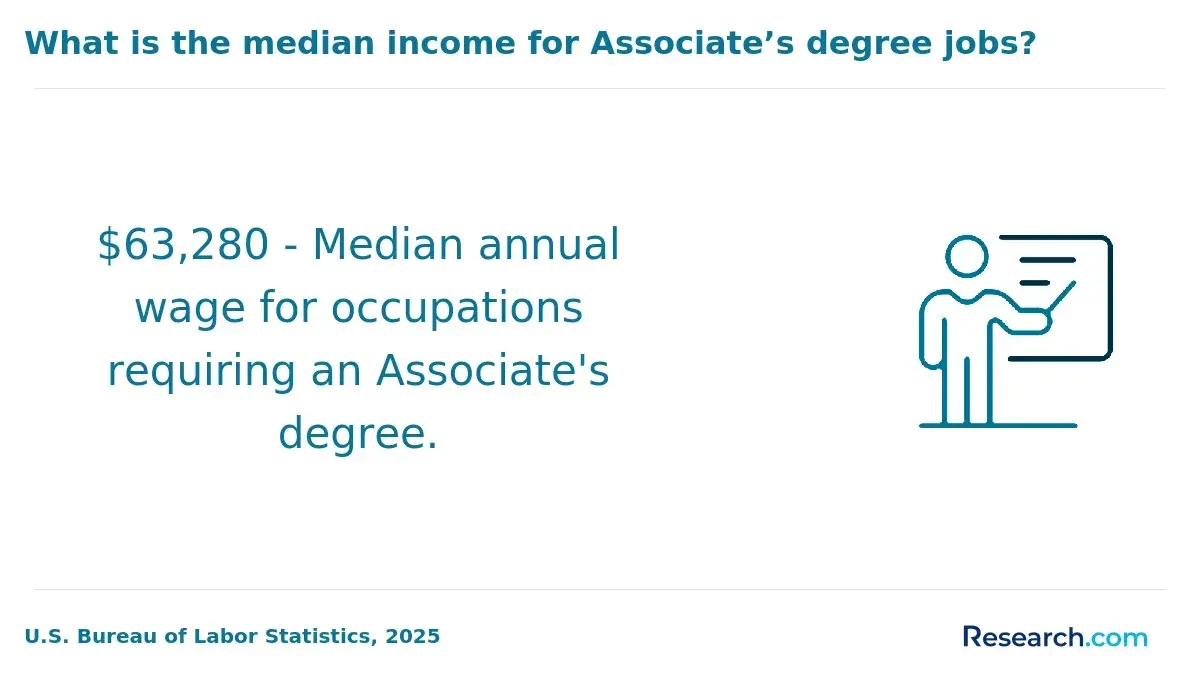
Admission requirements depend on the degree level and institution. Associate and bachelor's programs commonly require a high school diploma or equivalent, an application, and official transcripts. Transfer applicants usually submit transcripts from every prior college so the school can determine which credits apply to general education and major requirements.
Many online bachelor's programs do not require standardized test scores, but policies differ. Some may request a personal statement, proof of English proficiency for eligible applicants, placement information, or additional documentation for students seeking particular aid benefits. Competitive programs may set minimum GPA expectations, while others use a broader review process.
Prepare these items before you apply so that you can receive a meaningful cost estimate quickly.
- Official high school and college transcripts, including records from dual-enrollment courses
- A list of completed courses with syllabi or catalog descriptions when you want to request transfer equivalencies
- Current resume if you want credit for prior learning, professional training, or military experience
- Financial aid information and employer tuition-benefit details if applicable
- Questions about prerequisites, transfer limits, course sequencing, and the written completion-cost estimate
A common mistake is assuming that admission equals acceptance of all prior credits. A school may admit you but apply only some courses toward the business degree, which can increase both duration and total cost. Wait for the official transfer evaluation before comparing final prices.
Older learners returning to college may benefit from programs with flexible scheduling, credit for prior learning, and accessible advising. Resources on online degrees for seniors can help adult students assess formats that fit their goals and prior experience.
How long does it take to finish an online business administration degree and what affects timeline?
A traditional bachelor's degree generally requires about 120 semester credits. The time to finish online depends less on whether the program is online and more on your transfer credits, course load, prerequisite sequence, term calendar, and ability to maintain steady enrollment. A student beginning with no transferable credit often needs roughly four years at a conventional full-time pace; transfer students and accelerated learners may finish sooner.
The following factors determine whether a published timeline is realistic for you.
| Timeline factor | How it can shorten completion | How it can extend completion |
| Transfer credit | Accepted general education and business courses reduce remaining requirements | Credits that do not fit degree requirements may not reduce the program length |
| Enrollment intensity | More credits per term can reduce the number of terms | Part-time enrollment requires more terms |
| Course sequencing | Early completion of prerequisites keeps upper-level courses available | Missing a prerequisite can delay later required classes |
| Term structure | Shorter, frequent terms may allow continuous progress | Compressed courses can be difficult to balance with work and caregiving |
| Prior learning assessment | Eligible evaluated learning may reduce required coursework | Not all experience, training, or exams will be accepted |
Choose acceleration only if you can protect enough study time each week. The fastest advertised pathway is not automatically the least expensive if taking too many courses leads to withdrawals, repeats, or an extra subscription term. Ask the program for a term-by-term plan based on your transfer evaluation and intended pace.
What business administration careers can I pursue and what are typical salary ranges?
A business administration degree can support entry-level business roles and provide academic preparation for advancement, but it is not a job title or a guaranteed route to management. Employers commonly weigh relevant experience, communication ability, industry knowledge, technical skills, and demonstrated results alongside the degree.
Salary varies significantly by location, industry, seniority, and responsibility. The U.S. Bureau of Labor Statistics reported a $122,090 median annual wage for the broader management occupations group in May 2024. That figure covers many experienced management roles and should not be treated as an entry-level expectation for a new graduate.
This table identifies common pathways and the experience context that usually affects pay more than the degree title alone.
| Career path | Typical work | Common entry point | Salary interpretation |
| Management analyst | Analyzes operations and recommends organizational improvements | Analyst, coordinator, consulting support, or operations role | Pay generally rises with industry expertise and consulting experience |
| Operations manager | Coordinates processes, staffing, budgets, and performance goals | Operations coordinator, team lead, or supervisor | Compensation depends heavily on organization size and scope of responsibility |
| Human resources specialist | Supports recruiting, onboarding, employee records, and policies | HR assistant or HR coordinator | Credentials and specialized employment-law knowledge can affect advancement |
| Marketing specialist | Supports campaigns, research, content, and customer analysis | Marketing coordinator or sales-support role | Digital analytics and portfolio evidence can be important to hiring |
| Financial analyst | Assesses budgets, forecasts, investments, and financial performance | Finance assistant, junior analyst, or banking role | Employers may prefer stronger quantitative coursework for this path |
| Sales manager | Leads sales teams, performance goals, and customer strategy | Sales representative or account coordinator | Base pay and incentive compensation structures vary widely |
For a stronger return on investment, pair the degree with relevant work experience while enrolled. Internships, project portfolios, customer-service experience, spreadsheet proficiency, and measurable leadership examples can make a broad business credential more actionable. If your target job requires deep accounting, data, or supply-chain expertise, consider a concentration or targeted certificate alongside the degree.
What is the job outlook for business administration graduates and demand for management roles?
Business administration graduates enter a broad labor market rather than one occupation, so no single job-outlook figure describes every outcome. The U.S. Bureau of Labor Statistics projects employment in management occupations to grow faster than the average for all occupations from 2024 to 2034. Demand reflects organizations' continuing need to coordinate operations, budgets, teams, projects, and strategic decisions.
That broad outlook is encouraging, but it does not mean every graduate will move directly into a management position. Many management jobs require several years of related experience. New graduates often start in analyst, coordinator, sales, administrative, customer-success, operations, or junior HR roles and build supervisory responsibility over time.
Current hiring also rewards business professionals who can work with data and technology responsibly. Automation can reduce routine administrative work while increasing the value of employees who can define problems, interpret results, communicate with stakeholders, and make accountable decisions. Build these capabilities through coursework and work-based projects.
Use job-outlook information as one part of your decision, not as a salary guarantee. Search local postings for your target role, note recurring skill requirements, and compare them with each program's courses. This approach is more useful than selecting a degree based only on a broad national growth projection.
How do online and campus business administration programs differ in flexibility, support, and outcomes?
Online and campus business administration programs can cover similar academic content, but the student experience differs. The right format depends on your schedule, learning habits, access to support, and need for in-person networking - not on an assumption that one delivery mode is universally better.
This comparison highlights the trade-offs to evaluate before choosing a format.
| Decision factor | Online program | Campus program | Best fit |
| Schedule | May offer asynchronous coursework and flexible login times | Usually follows fixed meeting times and locations | Online can fit working adults; campus can add structure |
| Networking | Requires intentional use of virtual events, internships, and faculty office hours | Provides easier access to in-person peers, clubs, and employer events | Campus may help students who value frequent face-to-face contact |
| Academic support | Often includes remote tutoring, advising, and library services | May provide both in-person and digital support | Compare actual service hours and response times, not format alone |
| Learning environment | Requires self-direction and reliable technology | Provides dedicated facilities and routine | Choose the setting where you can consistently complete work |
| Cost beyond tuition | May reduce commuting and relocation expenses | May add transportation, housing, and campus-related costs | Calculate your own total cost of attendance |
Before enrolling online, attend a virtual information session if available, test the learning platform, and ask how group projects, examinations, tutoring, career coaching, and internship support work for remote students. Ask whether faculty teach the online courses, whether advising is available outside standard work hours, and how quickly students typically receive responses.
The most common mistake is choosing online study only because it appears convenient. Flexibility works best when you have a realistic weekly study plan, quiet work time, and the willingness to ask for help early. Choose campus or hybrid study when physical access to labs, peer networks, structured meetings, or local recruiting is central to your success.
Other Things You Should Know About Business Administration
It means the school provides enough information to estimate what completing the degree will cost, including required credits, tuition, mandatory fees, and relevant assumptions. A personalized total still depends on accepted transfer credits, pace, and future policy changes.
Employers generally focus on whether the institution is properly accredited, the skills you can demonstrate, and your relevant experience. Confirm the school's accreditation, build practical experience, and be prepared to explain projects and results from your coursework.
Possibly. Accepted transfer credits can reduce the number of courses you need, but only an official evaluation confirms which credits apply to your degree. Ask for that evaluation before relying on an accelerated completion estimate.
It can be worthwhile when the curriculum supports your target role, the total price is manageable, and you can gain relevant experience while studying. It may be less suitable if your goal requires a specialized credential that the general program does not provide, such as advanced accounting coursework or technical analytics training.
References
- 2025 Most Affordable Online Colleges & Degrees https://www.onlineu.com/most-affordable-colleges
- Cost of Attendance https://www.savingforcollege.com/article/cost-of-attendance
- Does College Pay Off? A Comprehensive Return On Investment Analysis - FREOPP https://freopp.org/whitepapers/does-college-pay-off-a-comprehensive-return-on-investment-analysis/
- The True Cost of College: How Much Does Your Education Really Cost? https://www.citizensbank.com/student/articles/true-cost-of-college.aspx
- Online College Tuition Comparison: Online vs. In-Person https://www.uagrantham.edu/blog/online-college-tuition-comparison-online-vs-in-person/
- How do student loans work? | Student loans 101 | Fidelity https://www.fidelity.com/learning-center/smart-money/how-do-student-loans-work
- Estimate your college cost | USAGov https://www.usa.gov/estimate-college-cost
- How does a college degree improve graduates’ employment and earnings potential? - APLU https://www.aplu.org/our-work/4-policy-and-advocacy/publicuvalues/employment-earnings/
- Is College Worth it? | Return on Investment Analysis of College Degree https://educationdata.org/college-degree-roi
- The Rising Cost of College Education: Exploring Causes and Solutions https://ntinow.edu/the-rising-cost-of-college-education-exploring-causes-and-solutions/
- How Much Does College Cost? https://www.collegedata.com/resources/pay-your-way/whats-the-price-tag-for-a-college-education