2027 How to Avoid Medical Billing Programs That Do Not Qualify for Aid or Certification

Co-Founder and Chief Data Scientist
A medical billing program can look affordable and career-focused yet leave you unable to use federal financial aid or sit for the certification exam employers prefer. That distinction matters: the U.S. Bureau of Labor Statistics projects medical records specialist employment to grow 7% from 2024 to 2034.
This guide is for prospective medical billers and coders who want to verify a school before paying a deposit. Learn how to check aid eligibility, accreditation, curriculum, certification preparation, costs, and career value.
Key Things You Should Know
- Federal student aid generally requires enrollment in an eligible program at a school approved to participate in Title IV aid; institutional accreditation alone does not automatically make every program aid-eligible.
- Employers commonly recognize AAPC and AHIMA credentials, but a school certificate is not the same as professional certification such as CPC, CCA, or CCS.
- The Bureau of Labor Statistics reports a $50,250 median annual wage for medical records specialists in May 2024, but pay varies by role, experience, employer, and location.
How do you know if a medical billing program qualifies for aid and certification?
A qualifying medical billing program meets two separate tests: it is eligible for the type of financial aid you plan to use, and its curriculum prepares you for a certification that is relevant to your target job. Do not assume that either result follows from an advertisement saying "accredited," "career ready," or "financial aid available."
For federal aid, confirm the school's participation status and ask whether the specific certificate or degree program is Title IV eligible. Short, noncredit, continuing-education, and third-party training programs may be useful, but they often do not qualify for federal Pell Grants or Direct Loans.
Use the following verification process before applying or paying an enrollment fee:
- Ask the financial aid office whether the exact program, campus, and delivery format are eligible for federal Title IV aid.
- Request the program's length in credit or clock hours, total published cost, refund policy, and any required equipment or exam fees.
- Verify the institution and accreditor in the U.S. Department of Education's accreditation database rather than relying only on a school logo.
- Ask which certification exams the curriculum specifically prepares students to take and whether exam eligibility requires work experience or an additional practicum.
- Review completion, withdrawal, job-placement, and licensure disclosures when the school is required to publish them.
Certification eligibility is separate from financial aid eligibility. For example, a program may teach coding concepts but not include enough anatomy, coding practice, or specialty content to make a graduate competitive for a professional exam or an entry-level coding job.
Be especially careful when a recruiter promises guaranteed certification, guaranteed employment, or "government grants" without explaining the source and conditions. Legitimate schools can explain whether funding is federal, state, institutional, military, employer-sponsored, or private financing.
What accreditation should a medical billing school have?
For a degree-granting or federal-aid-eligible school, the most important starting point is institutional accreditation from an accrediting agency recognized by the U.S. Department of Education. Accreditation evaluates the institution as a whole, including academic oversight, student services, finances, and policies. It is not a promise that a medical billing certificate alone will lead to a job or certification.
Some allied health and career-training programs also hold programmatic accreditation. In medical billing and coding, programmatic review can be useful when available, particularly if it evaluates health information, coding, or healthcare administration content. However, the appropriate credential depends on the program type and the student's goal.
| Credential or review | What it usually evaluates | Why it matters |
| Institutional accreditation | The college or school's overall academic and administrative quality | Often relevant to transfer credit acceptance and federal aid participation |
| Programmatic accreditation | A particular academic field or career program | Can provide added evidence that curriculum standards are being reviewed |
| Professional certification preparation | Alignment with an exam body's content areas | Helps indicate whether coursework fits a credential such as CPC, CCA, or CCS |
Verify the accreditor's recognition status, not merely the word "accredited." A school may be licensed to operate by a state agency, approved for workforce training, or accredited by an organization that is not recognized for federal-aid purposes. Those statuses can have value, but they are not interchangeable.
Students intending to transfer into an associate or bachelor's degree should ask receiving schools how they evaluate credits. Transferability is decided by the receiving institution, and even credits from an accredited school may not apply to every program.
Which medical billing certifications are most recognized by employers?
The most recognized credentials typically come from major professional organizations rather than from the school itself. The right option depends on whether you want physician-office coding, hospital coding, claims work, or broader health information responsibilities.
| Certification | Organization | Typical fit | Important consideration |
| Certified Professional Coder (CPC) | AAPC | Physician-office, outpatient, and professional-fee coding | Often sought for coding roles; candidates should understand current exam and experience policies |
| Certified Coding Associate (CCA) | AHIMA | Newer coding professionals seeking an entry-level credential | Can be a practical starting point for candidates with limited experience |
| Certified Coding Specialist (CCS) | AHIMA | Experienced hospital and physician-based coding professionals | Generally better suited to applicants with stronger coding knowledge and experience |
| Certified Medical Reimbursement Specialist (CMRS) | AMBA | Medical billing and reimbursement-focused work | May fit billing-focused goals, though employer preferences vary |
Ask local employers which credential they request in job postings before choosing a program. A physician group may prioritize outpatient coding knowledge and CPC preparation, while a hospital revenue-cycle department may value AHIMA-oriented credentials and inpatient coding exposure.
Certification is voluntary for many billing roles, but it can help a candidate show standardized knowledge. It does not replace experience, accuracy, communication skills, familiarity with electronic health record systems, or an employer's onboarding requirements.
Are online medical billing programs valid for financial aid?
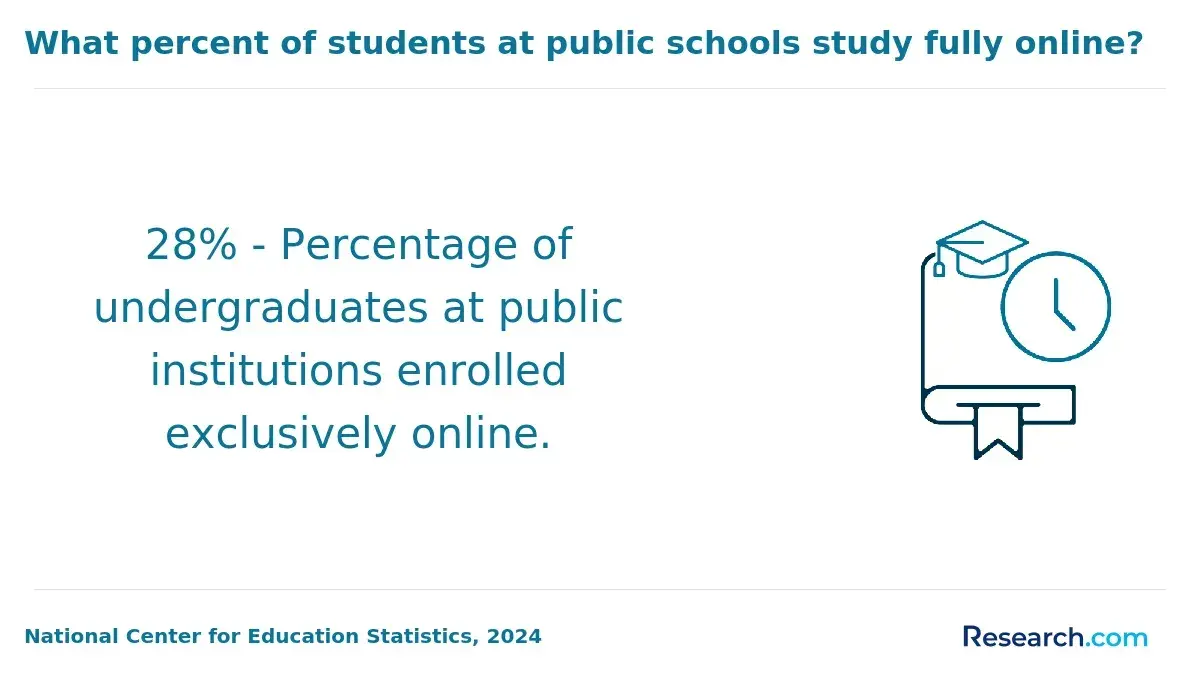
Online medical billing programs can be valid for financial aid if the school and the specific online program meet applicable federal, state, and institutional requirements. Delivery format alone does not determine eligibility. A fully online certificate at a Title IV-participating college may qualify, while a similar program offered as noncredit workforce training may not.
Online study is often a sensible choice for working adults, caregivers, and students who need asynchronous coursework. Learners balancing family responsibilities may also compare college programs for moms when deciding whether a short certificate or a longer degree better fits their schedule and advancement plans.
Before enrolling online, confirm these practical details with the school:
- Whether online students in your state can enroll and receive the same aid consideration as campus students.
- Whether attendance, participation, proctored exams, externships, or live sessions have fixed requirements.
- Whether coding manuals, simulation software, a computer, internet access, and certification exam fees are included in the total cost.
- Whether students receive instructor feedback on claims, diagnosis coding, procedure coding, and denial-management exercises.
Online training is not automatically easier or faster. Strong programs require consistent practice with coding conventions, payer rules, documentation review, and software workflows. Choose online learning when you can maintain a regular study schedule and the program provides meaningful academic and career support.
What coursework is included in medical billing training?
Medical billing training focuses on how healthcare providers document services, submit claims, receive payment, correct denials, and protect patient information. Programs differ substantially: billing-only certificates emphasize claims and reimbursement, while medical billing and coding programs add diagnosis and procedure coding.
A well-rounded curriculum generally covers the following areas because each affects claim accuracy and reimbursement workflows:
- Medical terminology, anatomy, and physiology.
- ICD-10-CM diagnosis coding and, where applicable, ICD-10-PCS procedure coding.
- CPT and HCPCS Level II coding for professional services, supplies, and procedures.
- Insurance plans, payer policies, prior authorization, coordination of benefits, and claims processing.
- Revenue cycle management, payment posting, denial analysis, collections, and compliance.
- HIPAA privacy, healthcare ethics, documentation standards, and fraud-and-abuse awareness.
- Electronic health records, practice-management systems, and billing software workflows.
Students who want coding-heavy jobs should prioritize programs with substantial supervised coding practice, current code-set instruction, and feedback on accuracy. Students seeking front-office or claims roles may benefit from a billing-focused program that also teaches customer communication, insurance verification, and payment posting.
One common mistake is enrolling in a program that teaches only terminology and basic claims forms while advertising coding careers. Request a course list and ask how many assignments require students to interpret clinical documentation and apply coding guidelines.
What admissions requirements do medical billing programs usually have?
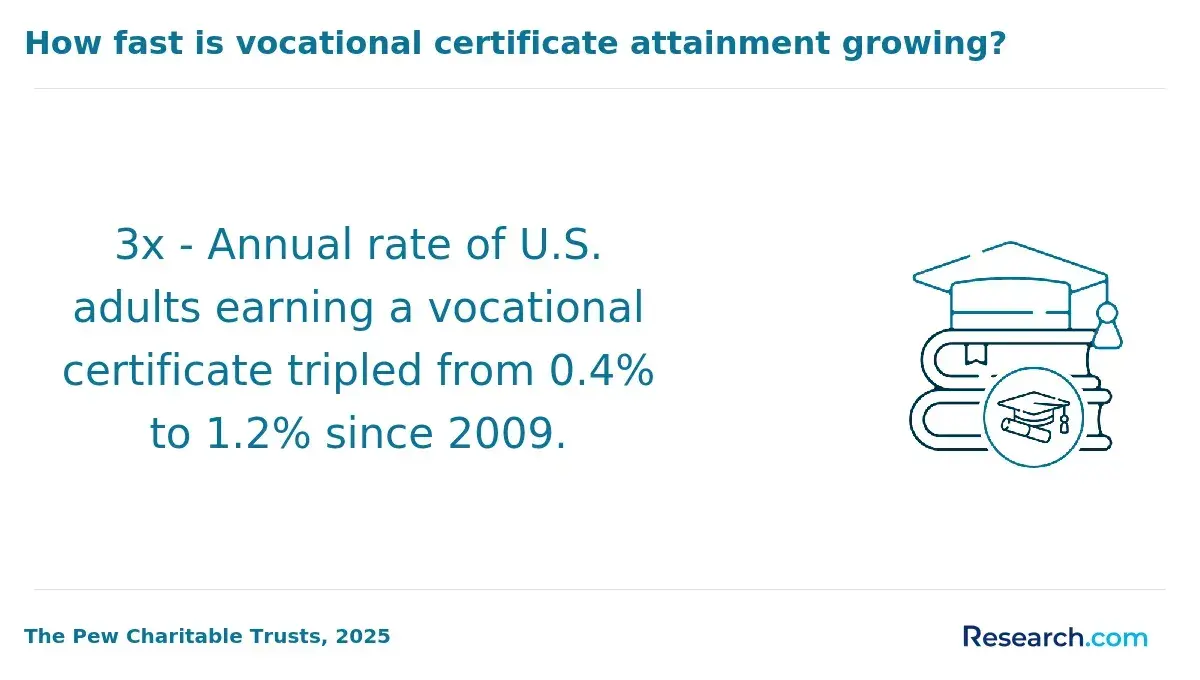
Most entry-level medical billing certificate programs require a high school diploma, GED, or equivalent. Community colleges may also require an application, placement assessment, residency documentation, immunization records for certain experiential activities, or prerequisite coursework. Associate degree programs often have broader general-education requirements.
Requirements vary by school, so compare the admissions process alongside the curriculum and financial-aid rules. Applicants who want to keep initial costs down can explore no application fee colleges, but should still evaluate program eligibility, total charges, and student support.
| Program type | Common admission baseline | Best fit |
| Short certificate | High school credential or equivalent; limited prerequisites | Students seeking focused billing or coding fundamentals |
| Career diploma | High school credential or equivalent; school-specific assessment may apply | Students wanting structured vocational training |
| Associate degree | College application plus placement or prerequisite requirements | Students who want general education credits and broader advancement options |
Ask whether prior learning, military training, transfer credits, or healthcare work experience can reduce required coursework. Do not assume credits will transfer later, and obtain any transfer-credit evaluation in writing when possible.
How long does medical billing training usually take?
Medical billing training can take a few months to about two years, depending on the credential, course load, prerequisites, and whether a student studies continuously. A short certificate is usually the fastest route to foundational billing work, while an associate degree generally offers more time for coding practice, general education, and broader healthcare administration preparation.
| Pathway | Typical timeline | Main trade-off |
| Billing certificate | Several months to about one year | Faster and often lower-cost, but may offer less coding depth and fewer transferable credits |
| Billing and coding certificate or diploma | About nine months to 18 months | More targeted certification preparation, with a longer study commitment |
| Associate degree | About two years full time | Broader education and possible advancement value, but more tuition and time |
Accelerated schedules can work for highly organized students who can devote regular weekly time to reading, coding drills, and assessments. If your long-term goal includes management, health information, or a bachelor's degree, compare the certificate route with quickest online degrees that may provide a broader credential and different career options.
Do not select a program solely because it advertises the shortest completion time. Ask whether the stated timeline assumes full-time enrollment, whether required books and code sets are available on time, and whether the schedule leaves adequate preparation time for a certification exam.
How much do medical billing programs cost?
Medical billing program costs vary widely by institution, credential level, format, residency status, and included materials. The advertised tuition is only one part of the decision. A low-price program may exclude textbooks, current coding manuals, technology fees, exam vouchers, proctoring, or career services.
Compare costs using the school's net-price and financial-aid information, then calculate the full amount you would pay after grants and scholarships. A certificate may cost less upfront than a degree, while an associate degree may offer transferable credits and a wider academic foundation. Students considering a broader fast-track degree can compare 2-year bachelor degree programs before deciding whether a short billing credential is sufficient for their long-term goal.
Build a complete comparison using these cost categories:
- Tuition and mandatory institutional fees.
- Books, coding manuals, software subscriptions, and computer equipment.
- Certification exam application, testing, retake, and membership costs.
- Transportation, childcare, or lost work hours for required campus sessions or externships.
- Interest and repayment obligations if private loans are used after grants and scholarships.
A practical affordability test is to compare total net cost, not monthly payment. Financing can make a program appear inexpensive while increasing the final amount repaid. Avoid schools that will not provide a clear written breakdown of charges, cancellation terms, and financing conditions.
What jobs can medical billing graduates qualify for?
Graduates may qualify for entry-level revenue-cycle, claims, patient-account, and coding-support roles. Exact titles vary by employer, and many coding jobs prefer candidates with certification or prior experience. A billing certificate is usually most directly aligned with administrative and reimbursement work rather than advanced inpatient coding.
| Job title | Typical responsibilities | Common preparation advantage |
| Medical biller | Submit claims, post payments, follow up on balances, and resolve billing issues | Billing software, payer rules, and claims-cycle training |
| Medical billing specialist | Manage reimbursement workflows, denials, payment posting, and account reconciliation | Billing experience plus strong accuracy and communication skills |
| Medical coder | Assign standardized diagnosis and procedure codes from documentation | Coding-focused coursework and a recognized coding credential |
| Patient account representative | Explain balances, verify coverage, collect information, and coordinate payment questions | Customer service, privacy knowledge, and insurance familiarity |
| Claims specialist | Review claim status, investigate denials, and communicate with payers and providers | Insurance, reimbursement, and problem-solving skills |
Healthcare organizations increasingly use automation to route claims, flag missing information, and identify coding patterns. This makes accuracy, exception handling, documentation interpretation, compliance awareness, and communication especially valuable. Automation can change routine tasks, but it does not eliminate the need for people who can resolve complex claims and apply judgment.
For advancement, consider building experience in a specialty such as physician billing, hospital revenue cycle, oncology, surgery, or compliance. An associate or bachelor's degree may be more useful than a short certificate for some supervisory, health information, or administrative pathways.
What is the salary and job outlook for medical billing careers?
Medical billing and coding jobs are commonly grouped within the U.S. Bureau of Labor Statistics occupation of medical records specialists. The BLS reports a median annual wage of $50,250 for this occupation in May 2024 and projects 7% employment growth from 2024 to 2034. These figures provide useful national context, not a guaranteed starting salary for a billing certificate graduate.
Pay depends on the employer, region, setting, credential, specialty, experience, and assigned duties. A patient-account role focused on calls and payment posting may pay differently from a certified coding role in a hospital system or specialty practice. Use local job listings to identify typical qualifications and wage ranges in your area before choosing a program.
To judge return on investment, compare the program's total net cost with realistic entry-level opportunities, not the highest salary shown in marketing materials. Ask schools for outcomes definitions: whether "placement" includes temporary work, unrelated employment, part-time positions, or jobs obtained before enrollment.
Medical billing can be a good fit for detail-oriented learners who are comfortable with rules, documentation, software, and follow-up work. It may be a weaker fit for someone seeking a fully independent clinical role, a guaranteed remote job, or rapid high earnings without building experience and credentials.
Other Things You Should Know About Medical Billing and Coding
Possibly. Federal aid generally requires that you enroll in an eligible program at a school that participates in Title IV federal student aid. Confirm eligibility for the exact certificate, campus, and online format directly with the financial aid office before enrolling.
No. A school certificate shows that you completed coursework. Professional certification is awarded by an outside credentialing organization after meeting its requirements and passing an exam. Employers may view these as different qualifications.
Not always. Many entry-level billing roles do not legally require certification, but employers may prefer it for coding-heavy positions. Review job postings in your target area to see whether CPC, CCA, CCS, or another credential is commonly requested.
Verify accreditation and aid claims independently, request all costs and refund terms in writing, review the curriculum, and avoid guarantees of jobs, salaries, or certification. Be cautious if a school pressures you to sign immediately or will not clearly explain its financing.
References
- Crushing Fraud, Waste, & Abuse https://www.cms.gov/fraud
- Grants for Medical Billing and Coding: 2026 Funding Guide https://www.startgrants.com/grants-for-medical-billing-and-coding.php
- Your Guide to Accredited Medical Billing and Coding Programs https://www.collegedegree.education/your-guide-to-accredited-medical-billing-and-coding-programs
- Accredited Online Medical Billing Schools: 2026 Guide https://www.healthjob.org/guide/online-medical-billing-and-coding-schools