2027 What Degree Do You Need to Be a Marketing Manager: Test Prep Guide, Dates, Scores, and Tips

Co-Founder and Chief Data Scientist
Choosing the right degree for marketing management matters because employers increasingly expect managers who can connect brand strategy, analytics, AI tools, and revenue growth. The U.S. Bureau of Labor Statistics reports a May 2024 median annual wage of $161,030 for marketing managers, but reaching that level usually requires the right education plus experience.
This guide is for students, career changers, and working professionals comparing degree paths. You will learn which programs fit the role, what tests and scores may be expected, how costs compare, and how to choose a program with stronger career value.
Key Things You Should Know
- A bachelor's degree in marketing, business, communications, or a related field is the standard entry requirement for marketing manager roles, while an MBA or specialized master's degree can help with advancement into strategy, analytics, or executive-track positions.
- Marketing managers earned a May 2024 median annual wage of $161,030 according to BLS wage data, but pay varies widely by industry, region, company size, performance responsibility, and years of experience.
- Admissions tests are often optional for undergraduate and many graduate marketing programs, but competitive applicants still need strong grades, relevant coursework, portfolios or internships, and test planning for SAT, ACT, GMAT, or GRE when required.
What degree do you need to become a marketing manager in the United States?
The most common degree for a marketing manager is a bachelor's degree in marketing, business administration, communications, advertising, or a closely related field. Marketing managers plan campaigns, study customer behavior, set positioning strategies, manage budgets, guide creative and analytics teams, and measure whether marketing activity supports revenue or brand goals.
A degree is important because marketing management is not usually an entry-level role. Most professionals move into management after gaining experience as marketing coordinators, digital marketing specialists, brand associates, sales analysts, content strategists, or account executives. The degree helps you build the foundation; experience proves you can apply it.
The table below compares the main education paths and when each one makes sense. Use it to match your current stage with the level of responsibility you want.
| Education path | Best fit | Typical career use | Important limitation |
| Associate degree | Students seeking a lower-cost start or transfer pathway | Marketing assistant, sales support, social media assistant | Usually not enough by itself for manager-level roles |
| Bachelor's degree | Most future marketing managers | Entry into marketing, advertising, sales, brand, product, or digital roles | Management usually requires several years of experience after graduation |
| Graduate certificate | Working professionals filling a skill gap | Analytics, digital marketing, product marketing, CRM, or brand strategy specialization | May not substitute for a degree if an employer requires one |
| Master's degree or MBA | Professionals targeting senior management, strategy, or leadership roles | Marketing director track, product marketing leadership, consulting, executive-track roles | Higher cost and opportunity cost; ROI depends on career goals and employer recognition |
| Doctorate | People interested in research, teaching, or high-level academic roles | University faculty, research leadership, advanced consumer behavior research | Not required for most corporate marketing manager jobs |
For most readers, the practical answer is this, earn a bachelor's degree first, build a portfolio and measurable work experience, then consider graduate study only if it clearly supports advancement, a pivot into analytics or product strategy, or access to stronger employer networks.
Which majors and specializations best prepare you for a marketing manager career?
The best major depends on the type of marketing manager role you want. A brand-focused manager may benefit from marketing and communications coursework, while a growth or performance marketing manager needs stronger analytics, digital advertising, and revenue measurement skills.
The table below summarizes strong majors and specializations for different marketing career directions. It can help you avoid choosing a program that sounds relevant but lacks the coursework employers actually value.
| Major or specialization | What it prepares you to do | Best for |
| Marketing | Understand consumer behavior, segmentation, pricing, branding, campaigns, and market research | General marketing manager, brand manager, campaign manager |
| Business administration | Build a broad foundation in management, finance, operations, strategy, and marketing | Students who want flexibility across business roles |
| Digital marketing | Use SEO, paid media, email marketing, marketing automation, social media, and web analytics | Growth marketing, demand generation, e-commerce marketing |
| Business analytics or marketing analytics | Analyze customer data, campaign performance, attribution, dashboards, and forecasting | Performance marketing, CRM, revenue operations, analytics leadership |
| Communications or advertising | Develop messaging, media strategy, creative campaigns, public relations, and audience engagement | Brand communications, agency management, public relations-adjacent roles |
| Product marketing | Translate product features into positioning, sales enablement, launch plans, and customer messaging | Technology, SaaS, B2B, and product-led companies |
If you are unsure, choose a broad business or marketing major and use electives, internships, and certificates to specialize. Employers often care less about the exact major name and more about whether you can show evidence of campaign planning, data interpretation, customer insight, and leadership potential.
Before choosing a specialization, compare it against your target job postings. Look for recurring requirements such as Google Analytics, CRM platforms, SQL basics, marketing automation, paid media, pricing strategy, or product launch experience. A strong program should help you build at least some of those skills before graduation.
Do you need certification or licensing to work as a marketing manager?
Marketing managers in the United States do not need a state license. Unlike nursing, teaching, law, accounting, or certain finance roles, marketing management is not regulated by a licensing board. Employers instead evaluate education, experience, portfolio evidence, industry knowledge, leadership ability, and results.
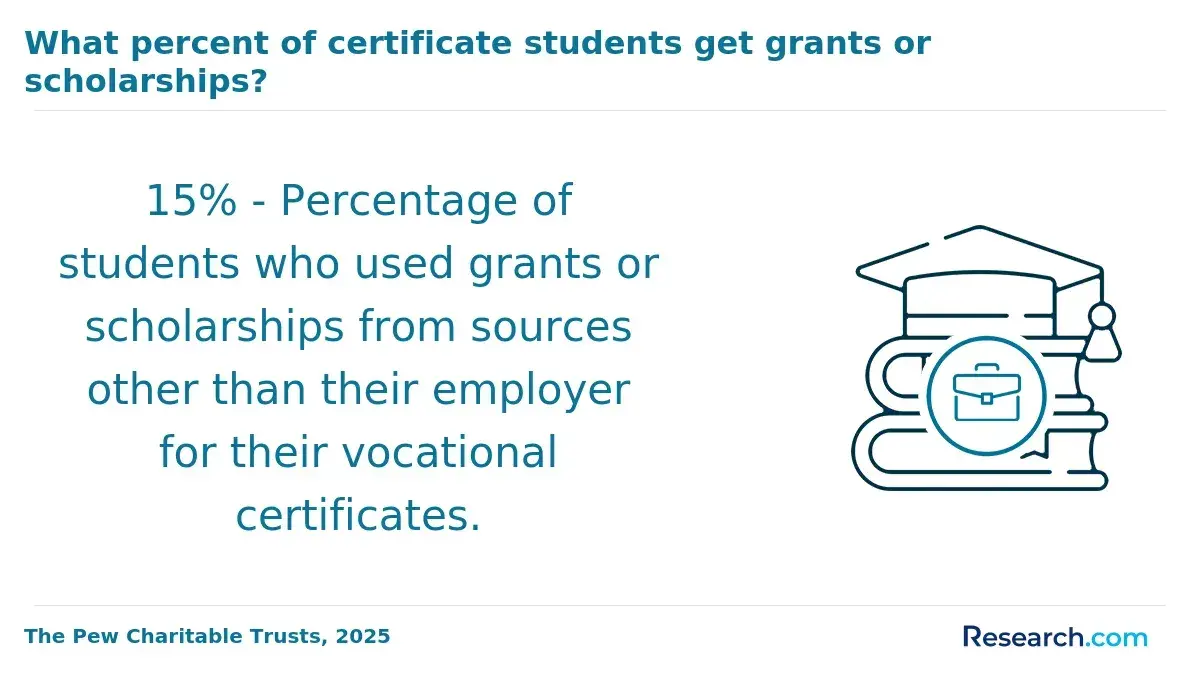
Certifications can still be useful when they fill a specific skills gap. They are most valuable when they teach a tool or method employers name in job descriptions, such as analytics, paid search, marketing automation, social media advertising, customer relationship management, or product marketing.
Use certifications strategically rather than collecting credentials at random. The most useful options usually fall into these categories:
- Platform certifications that prove you can use common tools for analytics, ads, CRM, email automation, or e-commerce reporting.
- Skill-based certifications that build practical ability in SEO, content strategy, marketing analytics, product marketing, or conversion optimization.
- Leadership or project management credentials that help experienced marketers show readiness to manage budgets, timelines, stakeholders, and cross-functional teams.
- Short career-focused credentials, including online certifications, that can help working adults update skills without committing immediately to a full degree.
The common mistake is treating a certificate as a substitute for experience. A certificate may help you get noticed, but manager-level roles usually require proof that you can plan campaigns, interpret results, communicate with executives, and improve business outcomes.
How do online marketing degrees compare with campus-based programs for future managers?
Online and campus-based marketing degrees can both prepare you for management if the institution is accredited, the curriculum is rigorous, and the program includes applied projects. The better choice depends on your schedule, learning style, networking needs, and how much hands-on support you want.
The table below compares the two formats on factors that directly affect future marketing managers. Focus less on the delivery format and more on whether the program helps you build skills, relationships, and work samples.
| Factor | Online marketing degree | Campus-based marketing degree |
| Flexibility | Stronger for working adults, parents, military students, and learners outside commuting distance | Better for students who want a fixed schedule and in-person structure |
| Networking | Can be strong if the program offers live sessions, cohort projects, alumni events, and career services | Often stronger for local internships, clubs, events, and informal faculty access |
| Applied learning | Depends on virtual projects, simulations, portfolios, and employer-connected assignments | May offer in-person consulting projects, competitions, labs, and campus recruiting |
| Cost control | May reduce commuting, relocation, and work-disruption costs | May offer access to campus scholarships, assistantships, or local employer pipelines |
| Employer perception | Usually acceptable when the school is accredited and reputable | Often familiar to regional employers, especially if the school has a strong business network |
Online study can be a smart option if you already work in marketing or sales and need credentials without leaving your job. Some working professionals also compare quick masters degrees online when they need an accelerated route, but speed should not come at the expense of accreditation, faculty access, or meaningful projects.
Campus programs may be better if you are a traditional undergraduate student who wants internships, student organizations, case competitions, and face-to-face career coaching. If you are choosing online, ask whether the diploma identifies the modality, whether career services are available to online students, and whether group projects mirror real marketing work.
What admission requirements and test scores do marketing management degree programs expect?
Admissions requirements vary by degree level, school selectivity, and program format. Many undergraduate business programs and graduate marketing programs are test optional, but test optional does not mean standards are low. Schools still evaluate academic readiness, writing ability, quantitative preparation, career goals, and fit.
For undergraduate applicants, common requirements include a high school diploma or equivalent, transcripts, GPA review, college-preparatory coursework, essays, recommendation letters, and sometimes SAT or ACT scores. The SAT moved to a fully digital format for U.S. students in 2024, which means test preparation now requires comfort with adaptive digital testing, shorter reading passages, and on-screen math tools.
For graduate marketing, MS, or MBA applicants, schools may request transcripts, a resume, essays, recommendations, work experience, and sometimes GMAT or GRE scores. Some programs waive graduate tests for applicants with strong GPAs, professional experience, prior graduate study, or quantitative coursework.
The table below shows how testing expectations commonly differ by program type. Use it as a planning guide, not as a universal rule, because each school sets its own policies.
| Program type | Common tests | How scores are usually used | Planning tip |
| Associate or transfer pathway | Placement tests may be used instead of SAT or ACT | Course placement in math, English, or business prerequisites | Ask how placement affects time to degree and whether transfer credits are guaranteed |
| Bachelor's in marketing or business | SAT or ACT may be optional, recommended, or required | Admissions review, merit aid consideration, or business-school direct admission | Submit scores only when they strengthen your application under the school's policy |
| Master's in marketing | GMAT or GRE may be optional or waivable | Academic readiness, especially for analytics-heavy or quantitative programs | Check whether a waiver requires a minimum GPA, work history, or prior coursework |
| MBA with marketing concentration | GMAT, GRE, Executive Assessment, or waiver options | Assessment of readiness for graduate business coursework | Compare average admitted-student profiles, not just minimum requirements |
If you need a faster credential before applying to a degree program, short programs can help you test your interest in the field. For example, some students compare 6-month certificate programs that pay well before deciding whether to pursue a full marketing or business degree.
For test prep, start by confirming whether the test is required, optional, or used for scholarships. Then build a schedule around official test dates, leaving enough time for a retake if your target school allows updated scores. SAT administrations are typically offered across the school year, ACT national dates generally run from fall through summer, and MBA deadlines often cluster in multiple rounds, so early planning matters.
How long do marketing management degrees take, and what do they cost?
A bachelor's degree usually takes four years of full-time study, while an associate degree generally takes about two years and can lower the cost if credits transfer cleanly into a bachelor's program. Graduate certificates may take several months to a year, and master's or MBA programs commonly take one to two years full time or longer part time.
Cost depends on public versus private pricing, residency status, online fees, transfer credits, scholarships, employer tuition assistance, and whether you study full time or part time. College Board's 2024 tuition and fee averages show why program type matters, public four-year in-state tuition and fees averaged $11,610 for the academic year, while private nonprofit four-year tuition and fees averaged $43,350.
That gap can significantly affect ROI, especially if your target role does not require a prestige-priced program. The table below summarizes common timeline and cost considerations. Use it to think in total cost, not just advertised tuition.
| Credential | Typical full-time timeline | Main cost drivers | Best cost-control strategy |
| Associate degree | About 2 years | Local tuition, fees, books, transfer planning | Choose a school with a clear articulation agreement to a four-year business program |
| Bachelor's degree | About 4 years | Tuition, fees, housing, lost work time, internship location | Use transfer credits, in-state tuition, scholarships, and paid internships when possible |
| Graduate certificate | Several months to 1 year | Per-credit tuition, technology fees, employer reimbursement eligibility | Pick a certificate that stacks into a master's degree if you may continue later |
| Master's or MBA | About 1 to 2 years full time | Tuition, program reputation, residency, travel, opportunity cost | Compare employer outcomes, scholarships, assistantships, and inexpensive masters programs before enrolling |
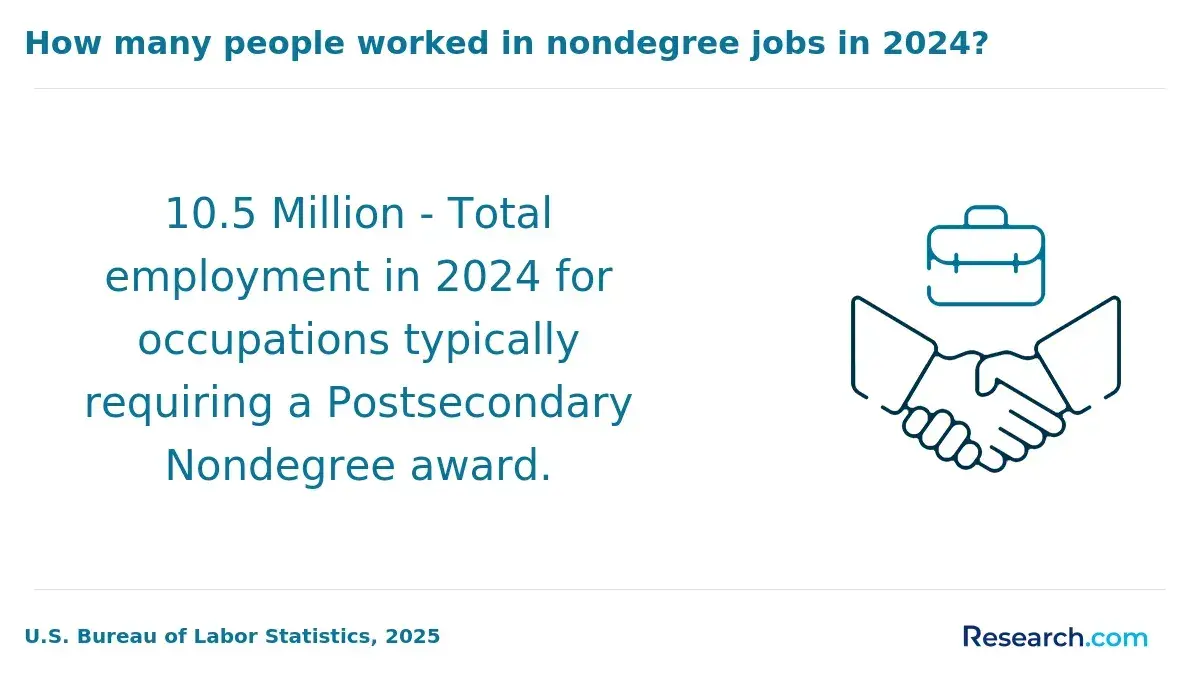
Federal Student Aid lists the maximum Pell Grant at $7,395 for the 2024-25 award year, but eligibility depends on financial need and enrollment status. For students who qualify, grants can reduce borrowing, but they rarely cover the full cost of a four-year degree by themselves.
Before enrolling, calculate the full price of attendance, expected debt, time away from work, and likely starting role. A lower-cost accredited program with strong internships may be a better choice than a high-price program with weak career support.
Students looking for affordable graduate education may also compare this degree with inexpensive master's programs that align with their career goals and budget. Evaluating tuition, transfer credit policies, and career outcomes can help identify a program that offers strong long-term value.
What core courses and skills are taught in marketing management degree programs?
Marketing management programs combine business fundamentals with customer insight, communication, analytics, and strategy. The best programs do not treat marketing as only creative promotion; they teach students how marketing decisions affect revenue, customer retention, brand equity, and competitive positioning.
The table below connects common courses with the managerial skills they build. This helps you evaluate whether a curriculum is broad enough for long-term advancement.
| Course area | What you learn | Why it matters for managers |
| Principles of marketing | Segmentation, targeting, positioning, pricing, channels, and promotion | Builds the strategic foundation for campaign and brand decisions |
| Consumer behavior | How people make purchase decisions and respond to messages | Helps managers avoid campaigns based only on assumptions |
| Market research | Surveys, interviews, data collection, sampling, and insight generation | Supports evidence-based planning and product decisions |
| Digital marketing | Search, social, email, content, paid media, and web analytics | Prepares managers to oversee modern acquisition and engagement channels |
| Marketing analytics | Dashboards, campaign metrics, attribution, forecasting, and reporting | Helps managers connect marketing activity to business performance |
| Brand management | Brand identity, positioning, messaging, and portfolio strategy | Supports long-term differentiation and customer trust |
| Business communication | Presentations, persuasive writing, executive summaries, and stakeholder updates | Managers must translate marketing plans into clear decisions for leaders and teams |
AI is also changing what students should expect from a marketing curriculum. Programs should help students understand how to use AI tools for research, segmentation, content workflows, testing, and reporting while also teaching judgment, ethics, privacy, and brand governance.
When comparing programs, look for assignments that produce portfolio evidence. Strong examples include campaign plans, market research reports, analytics dashboards, product launch briefs, media plans, and presentations based on real or simulated business problems.
What are typical salaries and earning potential for marketing managers at different levels?
Marketing manager pay varies by responsibility level, industry, region, and whether the role owns revenue-related outcomes. BLS May 2024 wage data reports a median annual wage of $161,030 for marketing managers, which reflects experienced professionals rather than new graduates entering the field.
The table below shows a realistic career progression rather than promising a specific salary. Use it to understand why experience, measurable results, and industry choice matter.
| Career level | Common roles | What employers usually look for | Earning context |
| Entry level | Marketing coordinator, social media assistant, sales development, content assistant | Internships, writing samples, basic analytics, campaign support, tool familiarity | Typically below manager-level pay because the role is execution-focused |
| Early career specialist | Digital marketing specialist, SEO specialist, email marketer, marketing analyst | Channel expertise, reporting ability, optimization experience, portfolio evidence | Pay rises when the role can show measurable impact on leads, traffic, retention, or sales |
| Manager | Marketing manager, brand manager, demand generation manager, product marketing manager | Planning, budgeting, leadership, cross-functional collaboration, business results | BLS median wage data for marketing managers reflects this broader management category |
| Senior leader | Marketing director, VP of marketing, chief marketing officer | Strategic leadership, revenue accountability, team management, executive communication | Compensation may include bonuses or equity, especially in growth-oriented companies |
High earnings are most likely when education is paired with strong experience. A degree can open doors, but employers usually promote marketers who can connect strategy with numbers, lead teams, and explain performance in terms executives understand.
Be cautious with programs or bootcamps that advertise salary outcomes without context. Ask whether the figures are based on verified graduates, what share of graduates responded, which job titles were included, and whether the data reflects your target region.
What is the job outlook and industry demand for marketing managers?
Demand for marketing managers remains tied to competition for customers, digital transformation, brand differentiation, and data-driven growth. The BLS projects employment for advertising, promotions, and marketing managers to grow 8% from 2023 to 2033, faster than the average for all occupations. For readers, that suggests continued opportunity, but not automatic access to manager roles without experience.
Industries hiring marketing managers include technology, healthcare, finance, retail, manufacturing, professional services, media, education, hospitality, and nonprofit organizations. The strongest candidates can adapt marketing fundamentals to the needs of a specific industry, whether that means lead generation for B2B software or patient acquisition for healthcare organizations.
Current trends are reshaping what employers expect from marketing leaders. The most important shifts include:
- AI-assisted work, where managers need to guide tools for research, content workflows, campaign testing, and reporting without losing brand judgment or ethical oversight.
- Greater demand for analytics, because executives increasingly expect marketing teams to explain performance, attribution, customer acquisition cost, and retention impact.
- Privacy-aware marketing, as changes in cookies, tracking, consent, and customer data practices require stronger first-party data strategies.
- Closer alignment with sales and product teams, especially in B2B, SaaS, healthcare, and e-commerce environments where marketing influences revenue pipelines.
The best way to prepare is to build both strategic and technical fluency. You do not need to become a software engineer, but you should understand dashboards, customer data, campaign testing, and how marketing contributes to measurable business goals.
How can you evaluate and choose an accredited, reputable marketing management program?
Choosing a marketing degree should be a decision about fit, outcomes, cost, and credibility, not just brand recognition. Start by confirming institutional accreditation from a recognized accreditor, then evaluate whether the business school or program has additional business accreditation, employer partnerships, experienced faculty, career services, and applied learning opportunities.
Use the following steps to compare programs before you apply or enroll. These checks can help you avoid expensive mistakes and choose a degree that supports your actual career goal:
- Confirm institutional accreditation through official accreditation databases or the school's accreditation page, and be cautious if a school makes accreditation hard to verify.
- Review the curriculum for marketing analytics, digital marketing, market research, consumer behavior, strategy, and business communication rather than relying only on the program title.
- Ask how students build portfolios through projects, internships, consulting work, simulations, or capstone campaigns.
- Compare total cost of attendance, including fees, books, technology charges, housing, commuting, and time away from work.
- Check transfer credit, prior learning, and graduate certificate stacking policies if you may change programs later.
- Ask for career outcome data by program, not just schoolwide averages, and find out which employers recruit from the program.
- Evaluate online student support if you are studying remotely, including tutoring, advising, library access, career coaching, and live faculty interaction.
- Match the program level to your goal, a doctorate or PhD online may fit academic or research ambitions, but it is usually unnecessary for corporate marketing management.
Common red flags include unclear accreditation, pressure-heavy admissions calls, vague career placement claims, no access to faculty credentials, limited marketing-specific coursework, and salary promises that sound guaranteed. A reputable program should be transparent about cost, requirements, graduation expectations, and realistic career paths.
The smartest choice is usually the program that gives you accredited credentials, practical work samples, strong advising, manageable debt, and a path into internships or roles related to the kind of marketing you want to manage.
Other Things You Should Know About
Yes, but it is easier if you have a related degree and relevant experience. Employers may consider candidates with degrees in business, communications, psychology, economics, data analytics, or another field if they can show strong marketing results, leadership ability, and industry knowledge.
Good starting roles include marketing coordinator, digital marketing specialist, content marketing assistant, sales development representative, marketing analyst, social media specialist, or account coordinator. Choose a role that gives you measurable campaign experience and exposure to customers, data, and cross-functional teams.
A portfolio is not always required, but it can be very helpful. Include campaign plans, writing samples, analytics dashboards, market research summaries, brand briefs, social media examples, or project results that show how you think and what business problem you helped solve.
It can be, especially for people who combine creativity with analysis and communication. Marketing managers often guide messaging and campaigns, but they also work with budgets, data, deadlines, stakeholders, and performance goals, so creative ideas need to be supported by strategy and evidence.
References
- How to Choose a Digital Marketing Agency: A Complete Guide https://raibec.lt/en/how-to-choose-a-digital-marketing-agency-a-complete-guide/
- How to Choose the Best Product Marketing Course | Pragmatic Institute https://www.pragmaticinstitute.com/resources/articles/product/how-to-choose-the-best-product-marketing-course/
- Earn an Online Marketing Degree https://www.oedb.org/rankings/online-marketing-programs/
- How to Evaluate Your Digital Marketing Program - Canopy Advisory Group https://canopyadvisory.com/how-to-evaluate-your-digital-marketing-program/
- Marketing Manager Salaries State-by-State https://www.allbusinessschools.com/marketing/salary/
- How Long Does It Take to Get a Marketing Degree? | Modern Marketing Partners https://www.modernmarketingpartners.com/2023/05/30/how-long-does-it-take-to-get-a-marketing-degree/
- Major Required Courses https://fbm.bnbu.edu.cn/mkt_en/students/undergraduate_studies/curriculum.htm
- How to apply for a Bachelor in Marketing ? - ESCE https://www.esce.fr/en/faq-all-the-answers-to-your-questions/how-to-apply-for-a-bachelor-in-marketing/
- Riveter Consulting Group | Lifestyle Management Service | Staffing Agency https://riveterinc.com/how-much-does-a-marketing-manager-get-paid-complete-explanation/
- Best Marketing Certifications for Your Marketing Career https://www.business.com/articles/guide-to-marketing-certifications/