2027 How Hard Is the SAT: Test Prep Guide, Dates, Scores, and Tips

Co-Founder and Chief Data Scientist
The SAT can feel high-stakes because one score may influence admissions, scholarships, placement, and how confidently you build a college list. The digital SAT is shorter than the old paper test, but it still rewards strong reading, math, timing, and strategy.
College Board reported a 1024 mean total SAT score for the class of 2024, giving students a useful benchmark for judging readiness. This guide explains how hard the SAT really is, what scores mean, when to test, how to prepare, and how to decide whether the SAT fits your college goals.
Key Things You Should Know
- The SAT is challenging but learnable: it is a 2-hour, 14-minute digital exam scored from 400 to 1600, with Reading and Writing plus Math contributing up to 800 points each.
- A "good" SAT score depends on the college: the class of 2024 national mean was 1024, while highly selective colleges often report middle 50% admitted-student ranges far above the national average.
- The standard SAT registration fee is $68, and eligible students can use fee waivers that cover test registration and additional score-reporting benefits.
How hard is the SAT compared with other college entrance exams?
The SAT is hard in a specific way: it tests academic reasoning under time pressure, not just memorized facts. Since the U.S. digital SAT rollout, the exam has become shorter and adaptive, meaning the second module in each section adjusts based on performance in the first module.
Compared with the ACT, the SAT generally gives students more time per question and places heavier emphasis on algebra, evidence-based reading, grammar, and concise problem-solving. The ACT includes a Science section, while the SAT does not have a separate science test. However, both exams can be demanding for students who struggle with pacing or who have not practiced the test format.
The table below compares the SAT with other common exams students may encounter. Use it to decide whether the SAT's format matches your strengths, not to assume one test is universally easier.
| Exam | Best fit for students who | Main difficulty | Score scale |
| SAT | Prefer more time per question and strong algebra-based math | Adaptive digital modules, careful reading, and multi-step math reasoning | 400 to 1600 |
| ACT | Work quickly and are comfortable with science-data interpretation | Fast pacing across English, Math, Reading, and Science | 1 to 36 composite |
| AP exams | Have completed a specific advanced high school course | College-level subject depth rather than general admissions testing | 1 to 5 |
| Placement tests | Need course placement after admission | Determining readiness for college-level math, writing, or language courses | Varies by college |
The SAT may feel easier than the ACT for students who like fewer sections and more deliberate problem-solving. It may feel harder for students who depend on calculator-heavy math shortcuts, dislike adaptive tests, or have trouble interpreting dense reading passages quickly.
What SAT score do I need for competitive colleges and scholarship opportunities?
There is no single SAT score that works for every college. The most useful benchmark is the middle 50% SAT range for admitted students at each school, which shows where the central half of enrolled or admitted students scored.
As a practical rule, scoring near or above a college's middle 50% range can strengthen an application, especially at schools that consider scores. Scoring below that range does not automatically rule you out, but it means the rest of your application should be especially strong.
The table below gives a decision-oriented way to interpret SAT score bands. These are not admissions guarantees; they are planning ranges to help you build a balanced college list.
| SAT total score range | How to interpret it | Typical planning use |
| Below 1000 | Below the recent national mean | Consider test-optional colleges, targeted prep, community college transfer pathways, or colleges where other strengths matter more |
| 1000 to 1190 | Near or above the national average range for many applicants | Can be competitive at many regional public universities and broad-access colleges |
| 1200 to 1390 | Strong score for many moderately selective colleges | Useful for honors programs, merit aid consideration, and selective public universities |
| 1400 and above | Highly competitive score range | Often relevant for selective and highly selective colleges, though grades, rigor, essays, and activities still matter |
For scholarships, the SAT can matter in two ways. Some colleges use scores directly in merit-award formulas, while others use scores as one factor in holistic scholarship review. If a school is test-optional for admission, it may still allow or require test scores for certain scholarships, honors colleges, or major-specific awards.
A common mistake is aiming for a generic "good score" instead of a target score tied to specific colleges. A better approach is to list each college's middle 50% SAT range, scholarship rules, and test-optional policy, then decide whether retesting is likely to improve your options.
How should I prepare for the SAT, and what study plan works best?
The best SAT study plan starts with diagnosis, not random practice. Because the digital SAT is adaptive, students should practice both content skills and decision-making under timed conditions.
Use the following plan if you have 8 to 12 weeks before test day. It is structured to help you improve without burning out or wasting time on topics you already know well.
- Take one full-length digital practice test to establish a baseline score and identify weak areas in Reading and Writing and Math.
- Set a realistic target score based on your college list, not on a national average or a friend's score.
- Study 4 to 5 days per week in short sessions, alternating between skill review, timed drills, and error review.
- Create an error log that tracks the question type, why you missed it, and what you will do differently next time.
- Take another practice test every 2 to 3 weeks, then adjust your plan based on score movement and recurring mistakes.
- Spend the final week reviewing strategy, sleep schedule, calculator setup, and pacing rather than trying to learn large amounts of new content.
If you have less than a month, focus on high-yield gains: grammar rules, algebra fluency, function questions, word problems, and pacing. If you have six months or more, build fundamentals first, then shift into SAT-specific practice closer to the exam.
Students often underperform because they "review" by rereading explanations without re-solving missed questions. The better method is active correction: redo the problem, explain the correct path in your own words, and solve a similar question later without help.
What sections are on the SAT, and how is the test scored?
The digital SAT has two main sections: Reading and Writing, and Math. Each section contains two modules, and the test adapts after the first module, so strong performance early can lead to a more difficult second module with access to higher score potential.
The SAT total score ranges from 400 to 1600. Reading and Writing is scored from 200 to 800, and Math is scored from 200 to 800. Colleges usually focus on the total score and may also consider section scores for major readiness, placement, or scholarship review.
The table below summarizes the SAT format so you can understand where the difficulty comes from and how to allocate study time.
| SAT section | Time | Questions | What it tests |
| Reading and Writing | 64 minutes | 54 questions | Reading comprehension, vocabulary in context, grammar, transitions, rhetorical skills, and evidence use |
| Math | 70 minutes | 44 questions | Algebra, advanced math, problem solving, data analysis, geometry, and trigonometry basics |
| Total | 2 hours, 14 minutes | 98 questions | College readiness in literacy, quantitative reasoning, and academic problem-solving |
The digital SAT includes a built-in calculator tool, but students may also bring an approved calculator. The important point is that a calculator does not replace math fluency. Many questions are fastest when you recognize structure, estimate intelligently, or use algebra before computation.
When can I take the SAT, and how do I register and choose test dates?
The SAT is typically offered nationally several times during the school year, commonly in late summer, fall, winter, spring, and early summer. U.S. administrations often fall in August, October, November, December, March, May, and June, though exact dates and registration deadlines should always be checked through the official registration system.
Choose your SAT date based on application deadlines, readiness, and whether you want time to retest. Juniors often test in spring, then retest in late summer or fall of senior year if needed.
Follow these steps to choose and register for a test date without creating deadline problems:
- Check the application and scholarship deadlines for every college on your list.
- Pick a first test date that leaves enough time to receive scores and retest if your score is below target.
- Register early, especially if you need a nearby test center, weekend availability, or accommodations.
- Confirm your photo, admission ticket, approved ID, calculator, and device requirements before test day.
- If you qualify for accommodations or a fee waiver, start the process early because approval and school coordination can take time.
A common timing mistake is waiting until senior fall to take the SAT for the first time. That can work for some students, but it leaves little room for score improvement, illness, test-center issues, or scholarship deadlines that close earlier than admission deadlines.
How do SAT scores factor into college admissions, majors, and career pathways?
SAT scores are one part of a larger admissions picture. Colleges may consider grades, course rigor, essays, recommendations, extracurriculars, portfolios, auditions, interviews, and context alongside test scores. At test-optional colleges, submitting a score is usually best when it strengthens the application relative to the school's admitted-student profile.
Scores can also matter after admission. Some colleges use SAT Math scores for placement into calculus, statistics, engineering math, or business quantitative courses. Others use scores for honors programs, advising, or scholarship eligibility.
Your intended major should influence how you interpret your score. A future engineering, computer science, nursing, accounting, or economics applicant may benefit from a stronger Math score, while a humanities or social science applicant may want Reading and Writing to reinforce academic fit.
If you are still choosing a flexible academic path, reviewing the easiest online bachelor degree comparison can help you think about workload, major fit, and long-term goals beyond admission.
The career value of the SAT is indirect. The test itself does not create a career outcome, but it may affect college access, merit aid, and program options.
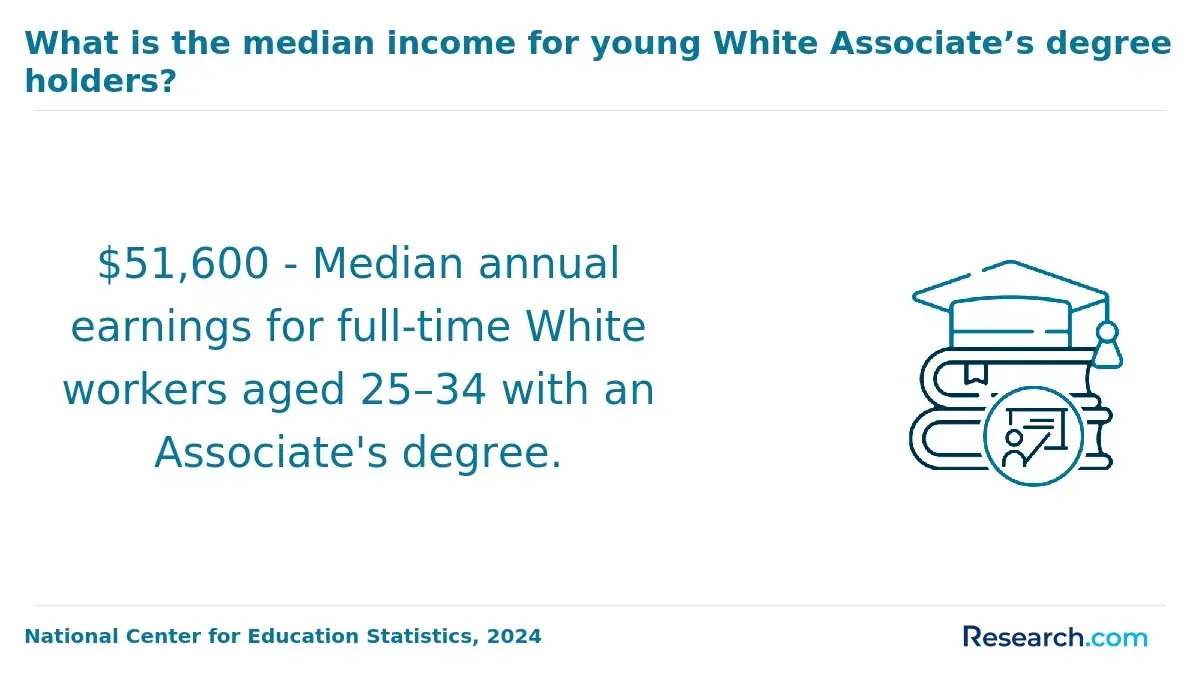
BLS 2024 education-pay data shows bachelor's degree holders had median weekly earnings of $1,543, compared with $930 for workers with only a high school diploma. That gap does not mean every degree pays off equally, but it shows why choosing an affordable, accredited, goal-aligned college path matters.
Use SAT scores as a planning signal, not a label. A lower score may point you toward test-optional applications, transfer pathways, or colleges with strong support services. A higher score may open additional scholarship or honors opportunities, but it should still be paired with a realistic cost and major plan.
Can I get into accredited online or campus programs with test-optional policies?
Yes. Many accredited online and campus colleges use test-optional, test-flexible, or test-blind policies, especially for adult learners, transfer students, and applicants with strong high school or college records. The key is to verify both accreditation and the exact admissions policy for your applicant type.
Test-optional means you may choose whether to submit scores. Test-blind means the college does not consider scores even if submitted. Test-flexible may allow AP scores, dual-enrollment grades, placement exams, or other evidence instead of the SAT.
If you are comparing online programs, prioritize accreditation, transfer credit, student support, total cost, and career alignment. A curated list of the top online colleges can be a useful starting point, but you should still confirm that the program fits your major, schedule, state authorization needs, and financial aid plan.
Before applying without an SAT score, check the following policy details because they can affect admission, placement, and scholarships:
- Whether the policy applies to first-year students, transfers, adult learners, homeschooled students, and international applicants.
- Whether merit scholarships, honors programs, nursing, engineering, education, or other selective majors have separate score requirements.
- Whether you need placement testing for math, writing, or foreign language after admission.
- Whether the school is institutionally accredited and whether your specific program has required programmatic accreditation or licensure approval.
A major red flag is assuming "online" automatically means easier admissions or lower quality. Accredited online programs can be rigorous, and some selective majors may still require prerequisites, minimum GPAs, clinical placements, portfolios, or additional screening.
How much does taking the SAT cost, and are fee waivers available?
The standard U.S. SAT registration fee is $68. Other costs can apply if you register late, change details, send extra score reports, travel to a test center, buy prep materials, or retake the exam.
Here are the main SAT cost items students should budget for when planning test dates and applications:
- Standard SAT registration: $68
- Late registration fee: Additional $34
- Score reports: Some reports may be included or available during a limited period, while extra reports can carry additional fees
- Indirect costs: Transportation, calculator, approved ID documents, practice materials, and possible retesting
Fee waivers are available for eligible students, typically through a high school counselor or approved access organization. A waiver can reduce the financial barrier by covering SAT registration and related score-reporting benefits, but eligibility rules and benefits should be confirmed before registering.
For families comparing test costs with college affordability, the SAT fee is only a small part of the bigger financial decision. If financial aid will determine where you enroll, researching online colleges with financial aid can help you compare institutions that participate in federal aid programs and may offer lower total costs.
A common mistake is paying for multiple retakes without a score-improvement plan. Retesting can be worthwhile, but only if you know which section needs work, have time to prepare, and can identify a realistic score target tied to admissions or scholarship value.
How do I decide between taking the SAT or the ACT for my goals?
The smartest choice is the test that gives you the stronger score for your target colleges. Because most U.S. colleges that accept test scores accept both SAT and ACT scores without preference, your decision should be based on format, pacing, content strengths, and practice-test results.
Take one official-style SAT practice test and one official-style ACT practice test under timed conditions. Then compare your scores using concordance tools and, more importantly, compare how the tests felt: Did you run out of time? Did ACT Science help or hurt you? Did SAT Math feel more manageable?
Use these decision rules to choose efficiently instead of trying to master both exams at once:
- Choose the SAT if you prefer more time per question, are stronger in algebra, and like shorter reading passages.
- Choose the ACT if you work quickly, are comfortable with a separate science-data section, and prefer a more predictable non-adaptive format.
- Consider both only if your first practice-test results are close and you have enough time to prepare without hurting grades or applications.
- Skip retesting if your current score is already above the target range for your colleges and scholarships, unless a specific award requires a higher score.
Your testing decision should also fit your long-term academic timeline. For example, students planning an accelerated undergraduate-to-graduate path may care less about prestige-driven testing and more about transfer credit, prerequisites, and later program speed. Comparing options such as the fastest masters degree can help frame how early college choices may affect future flexibility.
Do not choose the ACT only because someone says it is easier, or the SAT only because it is more familiar. The better test is the one that produces the stronger application with the least unnecessary stress and cost.
What SAT prep resources, courses, and tutoring options offer the best value?
The best SAT prep value depends on your starting score, target score, budget, timeline, and learning style. Many students can make meaningful progress with free practice tests, official question banks, and a disciplined error log, while others benefit from a structured class or tutor.
The table below compares common SAT prep options by fit and trade-off. Use it to avoid overpaying for help you do not need or underinvesting when your target score is far above your baseline.
| Prep option | Best for | Main advantage | Main limitation |
| Free official practice | Self-motivated students with a clear schedule | Lowest cost and closest alignment with the real digital SAT | Requires discipline and strong self-review habits |
| Prep book | Students who like written explanations and topic-by-topic drills | Affordable structure and portable practice | May not fully simulate digital adaptive testing |
| Online course | Students who need a guided plan but not one-on-one tutoring | Structured lessons, pacing, and analytics | Quality varies, and some courses are too generic |
| Group class | Students who benefit from deadlines and peer accountability | Live instruction at lower cost than private tutoring | Less personalized attention |
| Private tutor | Students with specific weaknesses, high score goals, or repeated plateaus | Personalized diagnosis and targeted correction | Highest cost and dependent on tutor quality |
When evaluating paid prep, ask for evidence of curriculum quality, digital SAT alignment, instructor experience, diagnostic process, refund rules, and how the provider measures progress. Be cautious of guaranteed-score claims, pressure tactics, or programs that rely mostly on passive video watching.
Families with frequent moves, military schedules, or unpredictable obligations may need flexible online prep and flexible college planning at the same time. If that describes your situation, reviewing military spouse online college options can help connect test planning with mobile-friendly degree pathways.
The best-value prep plan is usually the least expensive option that produces reliable practice, honest feedback, and steady correction. Start free, pay only when you can identify the exact problem paid help will solve, and protect your grades because GPA and course rigor often matter as much as test scores.
Other Things You Should Know About SAT Difficulty
Many students take the SAT two times: once after initial preparation and once after targeted review. Taking it more often can make sense if scores are improving and deadlines allow, but repeated testing without a new study plan usually has limited value.
Yes. Test centers provide scratch paper, and students should use it for math setup, answer elimination, and quick notes. Even though the test is digital, writing out steps can reduce careless errors.
Policies vary. Some colleges allow score choice, some superscore across test dates, and a small number may ask for all scores. Always check each college's testing policy before sending reports.
Do light review only, pack required items, confirm your test center or device instructions, and sleep as consistently as possible. Last-minute cramming is usually less helpful than arriving rested and organized.
References
- How Adult Learners Can Apply to College Without SAT or ACT Scores https://www.aiuniv.edu/blog/2015/september/how-to-get-into-college
- How to Prepare for the SAT: Complete Study Plan & Free Resources | McMillan Education https://www.mcmillaneducation.com/blog/how-to-prepare-for-sat/
- SAT Registration: 7 Steps to Register for the Test https://epicexamprep.com/sat-exam/sat-registration/
- ACT/SAT Optional List for Fall 2025 - Fairtest https://fairtest.org/test-optional-list/
- How Much Does It Cost To Take the SAT? Mindko (Formerly College Tools) https://www.mindko.com/blog/how-much-does-it-cost-to-take-the%20sat
- Top SAT Colleges & Scholarships 2025: Score Guide by Tutelaprep https://www.tutelaprep.com/v2/blog/top-sat-colleges-and-scholarships-2025/
- How SAT Scores are Calculated | Manhattan Review https://www.manhattanreview.com/sat-score-calculation/