2027 Paying for College as a First-Generation Student

Co-Founder and Chief Data Scientist
Paying for college can feel harder when no one in your family has navigated financial aid before. The stakes are real: College Board reported 2024-25 published tuition and fees of $11,610 for in-state public four-year colleges and $43,350 for private nonprofit four-year colleges. This guide is for first-generation students and families who need a clear plan. You will learn how FAFSA, grants, scholarships, loans, work options, and school choice affect affordability so you can compare offers and avoid preventable debt.
Key Things You Should Know
- First-generation students should file the FAFSA every year because federal Pell Grants can provide up to $7,395 for eligible undergraduates, and many state and college grants also use FAFSA data.
- The listed tuition price is not the real price: compare net cost after grants and scholarships, plus housing, food, books, transportation, fees, health insurance, and lost work time.
- Federal undergraduate Direct Loans for 2025-26 carry a 6.39% fixed interest rate, so borrowing can be useful but should be limited to amounts tied to a realistic post-graduation budget.
How can first-generation students use FAFSA, grants, and scholarships to pay for college?
The FAFSA, or Free Application for Federal Student Aid, is the main gateway to federal grants, federal student loans, work-study, and many state and institutional aid programs. For first-generation students, filing it early matters because some grant programs run on limited funds and colleges may set priority deadlines before admission decisions are final.
Start with gift aid before considering loans. Gift aid includes grants and scholarships that generally do not have to be repaid, while loans must be repaid with interest. The federal Pell Grant is the best-known need-based grant, with a maximum award of $7,395 for eligible students in 2025-26. That amount may not cover the full cost of attendance, but it can meaningfully reduce what you need from savings, work, or loans.
Use this sequence to build a funding plan that prioritizes free and lower-risk aid first:
- Submit the FAFSA as soon as you can and list every college you are seriously considering, including community colleges and transfer options.
- Check your state higher education agency for separate grant deadlines, residency rules, and programs for low-income or first-generation students.
- Complete each college's scholarship application, honors application, and financial aid forms before the priority deadline.
- Search for outside scholarships from local foundations, employers, community organizations, professional associations, and first-generation student programs.
- Review your aid offer and accept grants and scholarships first, then work-study if it fits your schedule, then federal loans only if needed.
A common mistake is assuming that a FAFSA submission automatically means you have accepted all aid. It does not. The FAFSA determines eligibility; you still choose which parts of an aid offer to accept. If a college includes loans in the offer, ask the financial aid office to show the cost with and without loans so you can see the true gap.
What special financial aid and funding programs exist specifically for first-generation students?
First-generation students may qualify for programs designed to address barriers that go beyond tuition, such as advising, emergency aid, summer bridge programs, book support, mentoring, and completion grants. The term first-generation student usually means that neither parent or guardian completed a bachelor's degree, but definitions vary by college and scholarship provider.
Many first-generation funding opportunities are tied to participation in support programs rather than a standalone scholarship. These programs can be just as valuable as cash because they help students stay enrolled, meet deadlines, and avoid financial mistakes.
Here are common first-generation funding sources to look for and how they usually help:
| Program type | Typical support | Best fit |
| TRIO Student Support Services | Academic coaching, financial literacy, tutoring, transfer help, and sometimes grant aid | Eligible low-income, first-generation, or students with disabilities at participating colleges |
| College first-generation centers | Mentoring, workshops, book funds, emergency grants, and peer networks | Students who want structured campus support and guidance from staff familiar with first-gen needs |
| State access and promise programs | Tuition support, last-dollar grants, or completion incentives | Students attending eligible in-state public colleges or community colleges |
| Private foundation scholarships | Scholarship awards, leadership development, career coaching, or cohort-based advising | Students who meet academic, income, community service, identity, or regional criteria |
| Employer and union benefits | Tuition reimbursement, dependent scholarships, or education assistance | Students or family members connected to an employer, union, or professional group |
One red flag is any organization that asks you to pay a fee to access "exclusive" first-generation scholarships. Legitimate scholarship applications may require essays, transcripts, or recommendation letters, but you should not have to buy access to basic scholarship listings or pay to receive an award.
How do I estimate my true college costs and compare financial aid offers effectively?
The true cost of college is the cost of attendance minus grants and scholarships. Cost of attendance includes direct charges, such as tuition, fees, housing, and meal plans, plus indirect costs, such as books, transportation, personal expenses, dependent care, and technology. A school with higher tuition can sometimes be cheaper after aid, while a lower-tuition school can become expensive if housing or commuting costs are high.
College Board reported 2024-25 average published tuition and fees of $4,050 at public two-year colleges, $11,610 for in-state students at public four-year colleges, and $43,350 at private nonprofit four-year colleges. These figures are starting points, not final prices, because your net cost depends on financial need, merit aid, state aid, housing choices, and whether credits transfer on time.
The table below shows the cost items to compare in every offer. It helps you avoid the common mistake of comparing only tuition while missing fees, living expenses, and loan amounts.
| Cost or aid item | What to check | Why it matters |
| Tuition and mandatory fees | Annual rate, per-credit charges, program fees, and expected increases | These are the core academic charges, but they are not the full cost |
| Housing and food | On-campus, off-campus, living with family, meal plan requirements | Housing choices can change affordability more than a small tuition difference |
| Books, supplies, and technology | Textbook costs, laptop requirements, software, lab kits, clinical supplies | These costs are often due before refunds arrive |
| Transportation | Parking, gas, public transit, flights, car maintenance | Commuting can be cheaper than dorming, but not if it reduces study time or work reliability |
| Grants and scholarships | Whether awards renew, GPA rules, enrollment requirements, and appeal options | Nonrenewable aid can make later years much more expensive |
| Loans | Subsidized vs. unsubsidized, annual amount, interest rate, and total borrowed by graduation | Loans reduce today's bill but affect your future monthly budget |
Before you commit, calculate a four-year or transfer-completion estimate. If you are still exploring easiest online bachelor degree options because you need flexibility, compare program fees, transfer credit rules, and required in-person components just as carefully as tuition.
Use this practical offer-comparison process before paying an enrollment deposit:
- Find each school's total cost of attendance for your living situation, not just tuition.
- Subtract grants and scholarships that do not have to be repaid.
- Separate renewable awards from one-year awards and note GPA or credit-hour conditions.
- Add estimated out-of-pocket costs for transportation, books, health insurance, deposits, and supplies.
- List the exact loans you would need each year and estimate total debt at graduation.
- Ask the financial aid office whether it can review your award if family income changed, medical costs increased, or other special circumstances apply.
What strategies help first-generation students balance work, savings, and student loans responsibly?
A responsible college funding plan usually combines several sources: grants, scholarships, family contributions when available, student savings, part-time work, and limited borrowing. The best mix depends on your course load, commute, caregiving responsibilities, academic preparation, and whether your program has fixed daytime requirements such as labs, clinical hours, or student teaching.
Work can reduce borrowing, but too many work hours can slow degree progress. For first-generation students, the safest plan is often to set a maximum weekly work schedule before classes begin, then adjust after seeing how much time courses require. If you are connected to the military community, resources on colleges for military spouses may also help you evaluate portable, flexible options when relocation or family duties affect enrollment.
Use these strategies to protect both your finances and your academic progress:
- Choose federal work-study or campus jobs when possible because supervisors are often more familiar with student schedules.
- Build a small semester emergency fund for books, transportation, food, medical costs, or a delayed financial aid refund.
- Borrow only what you need for the academic year, and return unused loan funds if you can cover costs another way.
- Meet with an advisor before dropping a class because falling below required enrollment levels can affect aid, housing, and loan status.
- Prioritize paid internships, co-ops, tutoring, research assistant roles, and jobs related to your major when they can strengthen your résumé.
The biggest red flag is using private loans or credit cards to cover a recurring budget gap without changing the plan. If you need debt for rent, food, transportation, and tuition every term, ask the financial aid office about emergency aid, dependency overrides when applicable, professional judgment reviews, cheaper housing, part-time enrollment, or transfer pathways before borrowing more.
How should first-generation students choose between community college, public universities, and private schools?
First-generation students should compare college types based on net price, completion support, transferability, major availability, location, schedule, and career outcomes. Institution type alone does not determine value. A private nonprofit college with strong grant aid may cost less than an out-of-state public university, while a community college can be the lowest-cost start if credits transfer cleanly into a bachelor's program.
Community college often makes sense when you need lower tuition, a local start, smaller classes, or time to choose a major. A public university may fit if you want a wide range of majors, research opportunities, campus life, and a clear four-year path. A private school can be worth considering if it offers strong need-based aid, high-touch advising, a supportive first-generation program, or a specialized academic fit.
The table below compares the main trade-offs. Use it to match the school type to your financial situation and academic plan rather than assuming one option is always better.
| College option | When it can make sense | What to verify before enrolling |
| Community college | You want the lowest starting tuition, need to stay local, or plan to transfer | Transfer agreements, program prerequisites, advising quality, and whether credits apply to your intended major |
| In-state public university | You want a direct bachelor's path, broad major options, campus resources, and in-state pricing | Net price after aid, housing cost, class availability, graduation requirements, and first-year support |
| Out-of-state public university | A specific program, scholarship, or regional exchange makes it affordable | Nonresident tuition, renewal rules, travel costs, and whether the program is worth the price difference |
| Private nonprofit college | The school offers strong grants, close advising, or a mission and program fit | Net cost for all years, loan levels, retention support, and whether aid is renewable |
| Online or hybrid college | You need flexibility for work, caregiving, military relocation, or transportation limits | Accreditation, transfer credits, technology fees, required campus visits, and student support access |
If you are unsure what to study, compare majors in college by cost, course requirements, career pathways, and your tolerance for math, writing, labs, fieldwork, or licensure. The cheapest school is not the best choice if it does not offer the major or support you need to finish.
What should first-generation students know about federal vs. private student loans and repayment?
Student loans can help cover a real funding gap, but they should be used carefully. Federal loans are generally the safer first option for undergraduate students because they have fixed rates, no credit check for most undergraduate Direct Loans, deferment options, and access to federal repayment plans. Private loans depend on lender rules, credit approval, cosigners, interest rates, and repayment terms.
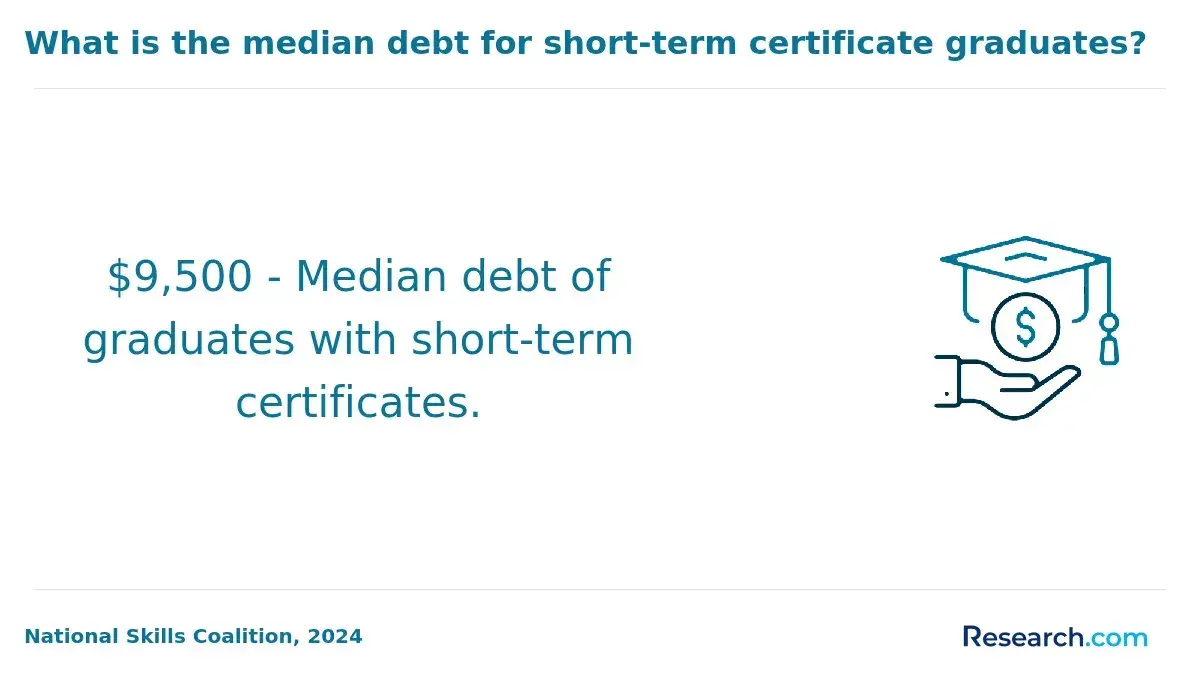
For 2025-26, federal Direct Subsidized and Unsubsidized Loans for undergraduates have a fixed interest rate of 6.39%. That rate helps you estimate repayment more clearly than variable-rate debt, but the amount borrowed still matters. A first-year dependent undergraduate can generally borrow up to $5,500 in federal Direct Loans, with lower subsidized limits based on eligibility.
Before borrowing, understand the differences below. This table summarizes the decision factors that matter most for first-generation students who may not have family members familiar with loan terms.
| Loan type | Main advantage | Main risk | Best use |
| Federal Direct Subsidized Loan | The government pays interest during eligible in-school periods | Need-based limits may be lower than your full gap | First loan to accept if you must borrow and qualify |
| Federal Direct Unsubsidized Loan | Available to many students regardless of financial need | Interest starts accruing after disbursement | Limited borrowing after grants, scholarships, savings, and subsidized loans |
| Federal Parent PLUS Loan | Can help parents cover remaining costs | Parent is legally responsible, and interest rates are higher than undergraduate Direct Loans | Only after comparing affordability for the parent borrower |
| Private student loan | May cover gaps when federal options are exhausted | Credit checks, cosigner risk, fewer protections, and possible variable rates | Last resort after confirming total debt and repayment affordability |
Ask these questions before accepting any loan:
- What will my total estimated debt be if I borrow this amount every year until graduation?
- Is the loan subsidized, unsubsidized, parent, or private debt?
- When does interest start, and is the interest rate fixed or variable?
- What monthly payment might I face under standard repayment?
- What happens if I pause enrollment, transfer, graduate late, or earn less than expected after college?
A common mistake is treating the "accepted loan amount" as free spending money after tuition is paid. Loan refunds are still debt. If you receive more than you need for books, transportation, and living costs, ask the loan servicer or financial aid office how to return the unused portion.
How can I find and apply for first-generation scholarships at colleges and external organizations?
First-generation scholarships can come from colleges, state agencies, local foundations, national nonprofits, employers, faith communities, civic groups, and professional associations. The strongest applications usually connect your background to your goals without turning the essay into a list of hardships. Scholarship committees want to see persistence, clarity, community contribution, and a realistic education plan.
Build a scholarship calendar instead of applying randomly. Many awards have deadlines months before the school year begins, and local scholarships often have less competition than large national awards.
Use this scholarship search plan to stay organized and avoid missed opportunities:
- Ask each college whether it has first-generation scholarships, access grants, completion grants, emergency aid, or cohort programs.
- Search your high school counseling office, community foundation, local businesses, library, and city or county education funds.
- Check scholarships tied to your identity, major, career goal, volunteer work, employer, parent's employer, or regional background.
- Create one master résumé, one activities list, and reusable essay drafts that can be tailored for each prompt.
- Track the deadline, award amount, renewal rules, transcript requirement, recommendation letters, and notification date for every application.
- Apply for smaller awards too because several local awards can reduce books, transportation, and housing costs.
If you are considering starting with a two-year credential, exploring the best associates degrees to get can help you identify programs that may lead to work, transfer, or both. When scholarships are tied to a major or career field, make sure the degree path matches the award's rules.
Watch for scholarship displacement. Some colleges reduce institutional grants when you bring in outside scholarships. Ask the financial aid office how outside awards are applied and whether they reduce loans, unmet need, work-study, or college grants first.
How do online, hybrid, and campus-based programs differ in cost and financial aid options?
Online, hybrid, and campus-based programs can all qualify for federal financial aid if the institution and program meet eligibility rules. The difference is not simply "online is cheaper." Online students may save on housing or commuting, but they may pay technology fees, proctoring fees, subscription costs, or out-of-state online tuition. Campus students may pay more for housing but gain easier access to advising, jobs, labs, tutoring, and peer support.
Online enrollment has become a normal part of higher education, especially for working adults and students with caregiving responsibilities. The key financial question is whether the format helps you complete credits successfully without adding hidden costs or delaying graduation.
This comparison shows the cost and support differences to review before choosing a format:
| Format | Cost considerations | Best fit | Risk to check |
| Campus-based | Housing, meal plans, parking, activity fees, and local living costs | Students who want in-person advising, labs, campus jobs, and structured routines | Living costs may exceed the tuition difference between schools |
| Hybrid | Commuting plus online fees, possible evening or weekend requirements | Students who want flexibility but still need labs, studios, clinicals, or face-to-face support | Required campus visits may conflict with work or transportation |
| Fully online | Technology fees, exam proctoring, software, reliable internet, and possible residency-based tuition | Working students, caregivers, transfer students, and students far from campus | Weak advising or limited interaction can increase the chance of stopping out |
| Self-paced online | Subscription tuition, per-term pricing, or competency-based fees may apply | Students with strong time management and prior college credit or work experience | Delays can erase savings if you do not complete courses quickly |
Students who need maximum flexibility should compare accreditation, support, transfer policies, and pacing models before choosing among the best accredited self-paced online colleges. Self-paced programs can be affordable for disciplined students, but they are not ideal if you need frequent instructor reminders, in-person tutoring, or a highly structured weekly schedule.
What campus support services help first-generation students manage finances and stay enrolled?
Financial aid is only one part of college affordability. Staying enrolled, passing courses, and completing credits on time are just as important because extra semesters can increase debt and delay earnings. First-generation students should look for colleges that treat financial wellness, academic advising, and belonging as connected issues.
Before enrolling, ask whether the college offers proactive support rather than only emergency help after a problem becomes severe. The most useful services are easy to find, available outside standard class hours, and connected to real decisions such as dropping a course, changing majors, or appealing aid.
Look for these support services when comparing schools:
- Financial aid counseling that explains grants, loans, satisfactory academic progress, appeals, and renewal rules in plain language.
- First-generation student programs that provide mentoring, workshops, peer networks, and help navigating campus offices.
- Academic advising that helps you register for the right courses in the right order so you avoid wasted credits.
- Career services that connect majors to internships, résumé help, campus jobs, and salary research.
- Emergency aid, food pantries, transportation help, childcare referrals, and textbook lending programs.
- Tutoring, writing centers, math labs, accessibility services, and mental health counseling.
One common mistake is waiting until a bill is overdue or a class is failing before asking for help. Contact financial aid, advising, and student support offices as soon as your work schedule changes, a family emergency affects attendance, or you think you may need to drop below full-time status.
How can first-generation students plan for post-graduation budgets, salaries, and loan repayment?
College affordability should include what happens after graduation. A program is more financially manageable when your expected debt is reasonable compared with likely early-career earnings, required graduate school, licensure costs, and the region where you plan to live. No degree guarantees a salary, but labor market data can help you make a more informed plan.
The Bureau of Labor Statistics reported in its 2024 education-pay data that workers with a bachelor's degree had median weekly earnings of $1,543, compared with $1,099 for workers with an associate degree and $930 for workers with a high school diploma. This does not mean every graduate earns those amounts, but it shows why completion matters: leaving college with debt but no credential can be the weakest financial outcome.
Use these steps before your final year, or earlier if you are choosing a major:
- Estimate your total debt at graduation, including federal loans, private loans, parent loans, and unpaid balances.
- Research entry-level salaries by occupation, location, industry, and credential requirements rather than relying on national averages alone.
- Ask your department and career center for internship placement data, licensure pass rates when relevant, employer partnerships, and common first jobs.
- Create a sample monthly budget that includes rent, food, transportation, health insurance, taxes, savings, and student loan payments.
- Complete federal loan exit counseling and compare repayment options before the grace period ends.
- Build a plan for graduate school only if it is required or strongly useful for your target occupation, and compare assistantships, employer support, and additional debt.
A practical borrowing benchmark is not a rule, but it is useful: try to keep total student loan debt below what you reasonably expect to earn in your first year after graduation. If your projected debt is far higher, consider lower-cost schools, paid internships, transfer pathways, more scholarships, part-time enrollment, or a different program structure.
Other Things You Should Know About
No. First-generation status alone does not automatically increase federal aid, but it can help you qualify for certain college scholarships, support programs, mentoring initiatives, and foundation awards. Your FAFSA-based aid usually depends on financial need, enrollment status, school cost, and eligibility rules.
Not always. Compare the net cost after all grants and scholarships, then check whether the award renews each year. A large one-year scholarship may be less valuable than a smaller renewable award at a school with lower housing costs and stronger support.
Yes, it can be a strong option if credits transfer cleanly, advising is reliable, and the program fits your goals. It is especially useful for reducing first-year costs, but you should confirm transfer agreements and bachelor's degree requirements early.
Contact your school counselor, college financial aid office, or a trusted college access organization. If you have unusual family circumstances, ask the financial aid office about dependency status, provisional options, or a professional judgment review.
References
- 5 Ways You Can Support First-Generation College Students • Code2College https://code2college.org/5-ways-you-can-support-first-generation-college-students/
- How Do Student Loans Work? https://www.savingforcollege.com/article/how-do-student-loans-work
- How Prospective Families Weigh Online and Hybrid College Options https://www.ruffalonl.com/blog/enrollment/how-prospective-families-weigh-online-and-hybrid-college-options/
- Cost of Online College vs. Traditional | Champlain College Online https://online.champlain.edu/blog/cost-of-online-education-vs-traditional-education
- Chapter One: The beginning of and growth of Federal Student Loans | Lumina Foundation https://www.luminafoundation.org/history-of-federal-student-aid/chapter-one/
- Do You Know What Support Your First-Generation Students Need to Be Successful? - iGrad Financial Wellness | Enrich https://enrich.org/insights/1824/do-you-know-what-support-your-first-generation-students-need-to-be-successful
- Home | FirstGen Forward https://www.firstgenforward.org/
- Estimate your college cost | USAGov https://www.usa.gov/estimate-college-cost
- Online and hybrid college programs explained. Flexibility, risk, and the real value equation | CG https://collegegrind.org/posts/online-and-hybrid-college-programs-explained/
- How to Compare Financial Aid Offers From Colleges | AcceptedX Blog https://acceptedx.com/blogs/how-to-compare-financial-aid-offers-from-colleges