2027 Can You Work Full-Time While Taking Online Classes?

Co-Founder and Chief Data Scientist
Working full-time while taking online classes is possible, but it requires choosing the right course load, format, and support system. NCES reported in 2024 that 53% of U. S. undergraduates took at least one distance education course in fall 2022, showing that online learning is now a mainstream path. This guide is for working adults comparing online degrees, certificates, and part-time enrollment. You will learn how much time online classes take, which programs fit busy schedules, how to avoid burnout, and how to decide whether enrolling now is realistic.
Key Things You Should Know
- Many adults work 40 hours a week while taking online classes, but the most sustainable load is often 1 to 2 courses per term rather than a full-time college schedule.
- A common planning rule is 2 to 3 study hours per credit each week, meaning one 3-credit online course may require about 6 to 9 hours outside any live sessions.
- Cost and ROI matter. College Board's 2024 data shows average published 2024-25 tuition and fees of $4,050 at public two-year colleges and $11,610 for in-state public four-year colleges.
Can you realistically work full-time and take online college classes at the same time?
You can realistically work full-time and take online college classes at the same time, especially if you enroll part-time, choose asynchronous courses, and protect weekly study blocks before the term begins. The key question is not whether online classes are flexible; it is whether your work schedule, family responsibilities, academic background, and energy level leave enough consistent time to complete readings, assignments, exams, and group work.
Online classes usually fall into two broad categories. Asynchronous courses let you complete weekly work on your own schedule, although deadlines still apply. Synchronous courses require live attendance at set times, often in the evening. Working adults usually do best when most courses are asynchronous and when any live sessions are predictable.
The biggest mistake is assuming "online" means "easy" or "self-paced." Many accredited online courses are academically equivalent to campus courses and may move quickly in 7- or 8-week terms. A full-time worker should evaluate workload before enrolling, not after the first assignment is due.
The table below shows when combining full-time work and online study tends to be realistic versus risky. Use it as a quick self-check before choosing your first term schedule.
| Situation | Realistic fit? | Why it matters |
| Stable 40-hour schedule with predictable evenings or weekends | Usually realistic | You can build recurring study blocks and plan around deadlines. |
| Rotating shifts, mandatory overtime, or frequent travel | Possible but harder | You may need asynchronous courses, lighter loads, or longer deadlines. |
| Returning to school after many years away | Start cautiously | A lighter first term helps you rebuild study habits and technology confidence. |
| Taking lab-heavy, clinical, or licensure courses | Depends on program | Some requirements may be scheduled, in person, or tied to state rules. |
| Trying to finish as fast as possible while working full-time | Higher burnout risk | Accelerated pacing can be valuable, but only if your weekly time budget supports it. |
How many online courses can you take while working full-time without burning out?
For most full-time workers, 1 to 2 online courses per term is the safest starting point. Some students can handle 3 courses, especially if they have strong academic preparation and few outside obligations, but that load can quickly feel like a second job.
A practical way to estimate your course load is to convert credits into weekly study time. The table below summarizes common online course loads and what they may feel like alongside a 40-hour workweek.
| Course load | Typical credits | Estimated weekly study time | Best for |
| 1 course | 3 credits | About 6 to 9 hours | New online students, parents, shift workers, or students in writing-heavy courses |
| 2 courses | 6 credits | About 12 to 18 hours | Workers with predictable schedules who want steady degree progress |
| 3 courses | 9 credits | About 18 to 27 hours | Experienced students with strong time management and limited outside commitments |
| 4 courses | 12 credits | About 24 to 36 hours | Rarely ideal for full-time workers unless the job is unusually flexible |
Before choosing a heavier load, look at the actual syllabus, assignment calendar, exam format, and grading structure. A 3-credit statistics, accounting, nursing prerequisite, or programming course may take more time than a 3-credit elective.
Use these steps to choose a sustainable load instead of guessing:
- Start with your non-negotiable work hours, commute time, sleep, caregiving, and health needs.
- Block study time on a weekly calendar before registering for courses.
- Choose one difficult course and one lighter course instead of stacking multiple demanding classes.
- Ask whether the school allows you to drop, withdraw, or reduce your load without major financial penalties.
- Review your first term results before increasing the number of courses.
What types of online degree programs are best suited for full-time working adults?
The best online degree programs for full-time working adults are usually flexible, accredited, career-aligned, and designed with part-time enrollment options. The right choice depends on whether you need a fast credential, a transfer-friendly degree, a bachelor's for promotion, or a graduate degree for advancement.
For students who want a lower-cost starting point, online associate programs can be useful because they often provide transfer credits and entry-level preparation. If you are comparing manageable two-year options, reviewing easiest associate degrees can help you understand which programs may be less math-heavy, less lab-intensive, or more flexible for working adults.
The table below compares common online program types by fit, time commitment, and trade-offs. Use it to narrow your options before speaking with admissions advisors.
| Program type | Best suited for | Common advantages | Trade-offs to check |
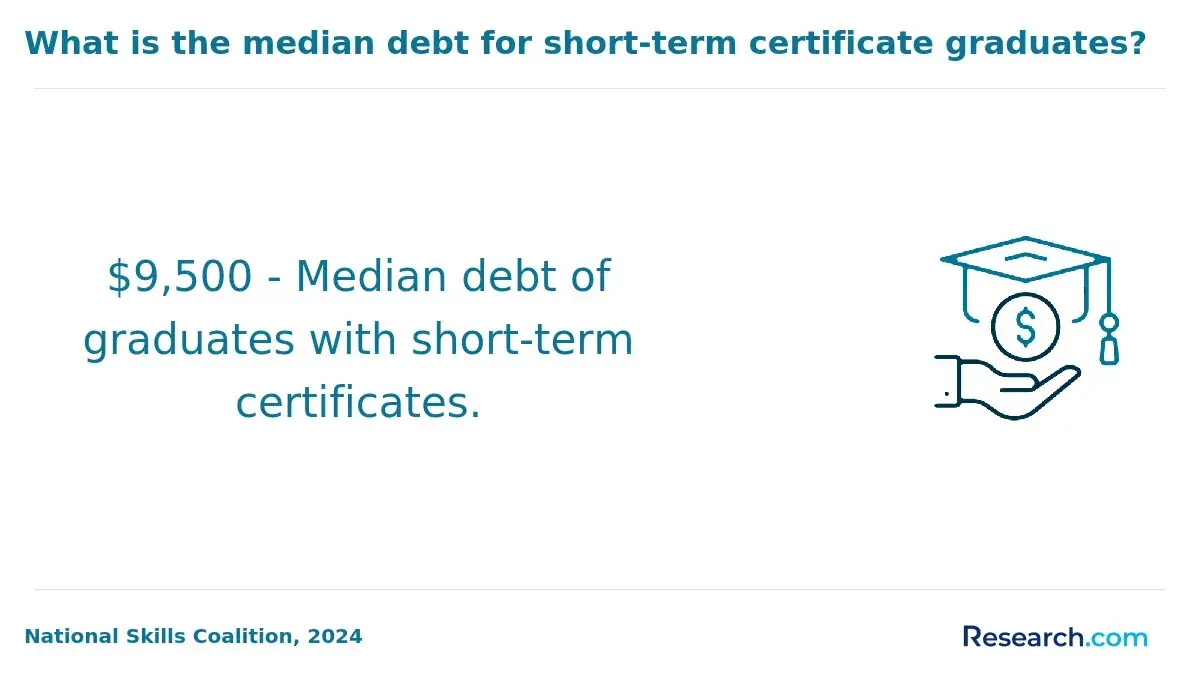
| Certificate | Workers seeking a focused skill or career pivot | Shorter timeline, targeted coursework, often lower total cost | May not replace a degree for jobs requiring one |
| Associate degree | Students starting college or planning to transfer | Lower tuition at many public two-year colleges, flexible general education | Transfer policies vary by school and major |
| Bachelor's degree completion | Adults with prior college credits | Can turn unfinished credits into a completed degree | Not all old credits may transfer or apply to the major |
| Master's degree | Professionals seeking advancement or specialization | Often aligned with career fields such as business, education, healthcare, technology, or public administration | Higher workload and more independent research or projects |
| Doctoral degree | Experienced professionals pursuing leadership, teaching, or advanced practice roles | May support senior roles in education, healthcare, business, or policy | Longer timeline, intensive writing, and significant cost considerations |
Working adults should be especially cautious with programs that require daytime internships, clinical placements, student teaching, or labs. These can still be worthwhile, but only if the school explains how employed students typically complete those requirements.
How do accredited online colleges support students who work full-time?
Accredited online colleges support full-time workers by designing services around remote access, flexible advising, and predictable academic planning. Accreditation is important because it affects credit transfer, employer recognition, graduate school eligibility, and access to federal financial aid.
When comparing schools, look beyond the course catalog. Strong online programs usually provide support systems that reduce friction for students who cannot visit campus during business hours.
- Extended-hour academic advising, online degree audits, and clear course rotation plans.
- Remote tutoring, writing center support, library access, and research databases.
- Career services that include resume reviews, virtual coaching, internship guidance, and employer connections.
- Technology support during evenings or weekends, especially for learning management systems, proctoring tools, and exam access.
- Transfer credit evaluation before enrollment so you know how much time and money you may save.
- Disability services, military and veteran support, and accommodations for documented needs.
A major red flag is a school that will not clearly confirm its accreditation status, total program cost, transfer credit policy, or student support availability. Another warning sign is pressure to enroll immediately without enough time to review aid, refund policies, and program requirements.
For licensure-linked fields such as nursing, teaching, counseling, accounting, and social work, accreditation alone may not be enough. You should also confirm whether the program meets the requirements for your state, since licensing rules can vary.
What time management strategies help balance a 40-hour workweek with online study?
Balancing a 40-hour workweek with online study requires a system, not just motivation. The best approach is to treat school like a recurring professional commitment with fixed blocks, clear weekly goals, and backup time for work emergencies.
These strategies help working adults keep coursework manageable throughout the term:
- Create a weekly "course command center" every Sunday or Monday by reviewing deadlines, readings, quizzes, and discussion posts for all classes.
- Use fixed study blocks instead of waiting for free time, such as two weekday evenings and one weekend block.
- Complete discussion posts and small assignments early so larger projects do not crowd the end of the week.
- Break major papers or projects into smaller milestones, including topic selection, outline, research, draft, revision, and final submission.
- Tell your employer early if you may need occasional schedule flexibility for exams, practicums, or required live sessions.
- Build a buffer day before deadlines to account for overtime, family issues, illness, or technology problems.
Common mistakes include overloading the first term, enrolling in two difficult quantitative courses at once, studying only late at night, ignoring academic support, and trying to multitask during work hours. A better approach is to start modestly, build momentum, and increase your load only after you know how online coursework fits your life.
AI tools are also changing how students study, but they should be used carefully. They can help summarize notes, create practice questions, or organize a study schedule, but they should not replace your own analysis, citations, calculations, or original writing. Always follow your school's academic integrity policy.
How do online program formats and schedules compare to traditional campus programs for workers?
Online program formats often fit working adults better than traditional campus schedules because they reduce commuting and may offer asynchronous access. However, online learning is not automatically more flexible in every program. Some online degrees still require live attendance, proctored exams, group meetings, labs, practicums, or clinical hours.
Students who want to finish faster should compare accelerated formats carefully. An accelerated bachelor's degree online can be a strong fit for adults with transfer credits and consistent study time, but compressed terms can increase weekly workload.
The table below compares common schedule models so you can choose the format that matches your work routine.
| Format | How it works | Best for full-time workers | Main caution |
| Asynchronous online | Weekly deadlines without required live meetings | Workers with changing schedules or family responsibilities | Requires strong self-direction and deadline tracking |
| Synchronous online | Live virtual class meetings at scheduled times | Workers with predictable evenings and a preference for real-time instruction | Less flexible if work shifts change |
| Hybrid | Mix of online work and occasional campus meetings | Students near campus who benefit from in-person labs or networking | Travel and attendance requirements may conflict with work |
| Accelerated terms | Courses run in shorter sessions, often 5 to 8 weeks | Experienced students who can focus intensely on fewer courses at a time | Missing one week can be difficult to recover from |
| Traditional campus | Classes meet in person on a set schedule | Workers with local access and stable schedules | Commute time and daytime class times can limit feasibility |
The best format is the one you can sustain, not necessarily the fastest one. If your job has unpredictable overtime, asynchronous part-time enrollment may be more realistic than a fast-paced program with frequent live meetings.
What admission requirements and enrollment options should full-time workers expect for online programs?
Full-time workers should expect admissions requirements to vary by degree level, school type, and program competitiveness. Many online programs use similar standards as campus programs, but they may offer multiple start dates, rolling admissions, part-time enrollment, and transfer-friendly pathways.
If application costs are a barrier, some accredited schools offer free online college applications, which can make it easier to compare options without spending money before you know your aid package or transfer results.
Before applying, gather the documents most online programs commonly request. Having them ready can shorten the time between application and enrollment.
- High school transcript, GED record, or prior college transcripts.
- Transfer credit records, including military, workplace, or professional training if the school evaluates them.
- Resume or work history for adult-degree, graduate, or professional programs.
- Personal statement, goal statement, or short admissions essay for selective programs.
- Letters of recommendation for some graduate, healthcare, education, or leadership programs.
- Standardized test scores only when required, since many online undergraduate programs are test-optional.
Enrollment options matter as much as admission. Ask whether the school offers part-time status, stop-out policies, leave of absence options, prior learning assessment, employer tuition billing, and course sequencing that works for evening or weekend study.
How much weekly study time do online degrees typically require for working students?
Online degrees typically require consistent weekly study time, even when there are no scheduled class meetings. A good baseline is 6 to 9 hours per week for each 3-credit course, with more time needed for writing-heavy, quantitative, lab-based, or accelerated courses.
The table below shows a practical weekly time budget for working students. It is not a guarantee, but it can help you avoid underestimating the commitment.
| Degree level | Typical workload pattern | What working students should watch |
| Certificate | Focused assignments, skill practice, quizzes, or projects | Short programs can still be intense if courses are compressed |
| Associate degree | General education, introductory major courses, discussion boards, exams | Placement in math or writing can affect time to completion |
| Bachelor's degree | Major courses, writing, projects, group work, and upper-division expectations | Transfer credits may reduce total time but not weekly workload per course |
| Master's degree | Advanced reading, research, applied projects, case studies, or practicums | Expect more independent work and less step-by-step instruction |
| Doctoral degree | Research, leadership projects, dissertation or capstone work, possible residencies | Long-term persistence and advisor fit become especially important |
To estimate your real weekly study load, review the syllabus for reading volume, assignment length, exam frequency, group work, and proctoring requirements. If you are considering doctoral study while employed, resources on best 1-year PhD programs online can help you compare accelerated claims carefully and understand why program structure, transfer credit, and dissertation requirements matter.
A useful rule is to schedule study when your energy is highest, not only when your calendar is empty. For many working adults, early mornings, lunch breaks, and one longer weekend session are more sustainable than relying only on late-night work.
How can working adults finance online classes and still manage living expenses?
Working adults can finance online classes through a mix of federal aid, employer tuition assistance, scholarships, payment plans, transfer credits, and careful course-load planning. The goal is not just to afford tuition; it is to avoid a schedule or debt level that makes finishing harder.
College Board's 2024 Trends in College Pricing data reported average published 2024-25 tuition and fees of $4,050 at public two-year colleges, $11,610 for in-state students at public four-year colleges, and $43,350 at private nonprofit four-year colleges. These figures show why comparing total cost, transfer pathways, and aid eligibility can matter as much as choosing an online format.
Use the following checklist before committing to a program's financial plan:
- Complete the FAFSA if the school participates in federal student aid and you may qualify for grants, loans, or work-study.
- Ask your employer whether tuition assistance, reimbursement, training budgets, or promotion-linked education benefits are available.
- Request a full cost estimate that includes tuition, fees, books, technology charges, proctoring fees, residency costs, and graduation fees.
- Confirm how many prior credits will transfer and whether they apply to your major requirements, not just electives.
- Compare per-credit tuition with total program cost, because a cheaper credit hour may not save money if fewer credits transfer.
- Take only the loan amount you need, especially if you can pay for one course at a time while working.
Be careful with programs that advertise low monthly payments without explaining total cost, interest, or completion requirements. Also avoid choosing a school only because it is the cheapest; accreditation, transferability, student support, and career alignment can affect value.
Federal Pell Grants can help eligible undergraduates, but aid amounts depend on financial need, enrollment intensity, and annual federal rules. Graduate students generally have fewer grant options, so employer support and careful borrowing often become more important at the master's or doctoral level.
For doctoral study, workers should also ask how research, capstone, residency, and dissertation expectations are structured. Some professional pathways include applied projects instead of traditional dissertations, so comparing doctoral programs without dissertation can help experienced professionals understand alternative formats and their limitations.
What long-term career benefits can full-time workers gain from completing online degrees?
Completing online classes while working full-time can support career mobility, promotion eligibility, field changes, and long-term earnings potential. The benefit is strongest when the credential matches a real requirement in your target role, industry, or employer's promotion structure.
BLS 2024 education data shows that workers with a bachelor's degree had median weekly earnings of $1,543, compared with $930 for workers with only a high school diploma. This does not mean every degree produces the same return, but it does show why completing a credential can matter in labor markets where employers use degrees as screening, promotion, or specialization signals.
Online degrees may be especially useful for workers pursuing fields where formal credentials are commonly valued, such as business, healthcare administration, education, information technology, accounting, public administration, human resources, and data-related roles. They can also help workers qualify for graduate school, professional certifications, or internal leadership tracks.
Before enrolling, connect the program directly to a career outcome. Ask yourself what job title, salary range, certification, license, or promotion step the credential is supposed to support. Then compare that goal with the program's curriculum, employer recognition, internship access, alumni outcomes, and state requirements if licensure is involved.
The smartest long-term choice is often not the fastest degree or the most prestigious brand. It is the accredited program you can finish, afford, and clearly connect to your next career step.
Other Things You Should Know About
It is possible, but it is difficult for most adults. Full-time enrollment can require 24 to 36 hours of study per week, so many working students start part-time and increase their load only if their schedule supports it.
Not usually. Accredited online classes often cover the same learning outcomes as campus classes. The main difference is flexibility, not lower academic expectations.
It can help if you may need schedule flexibility, tuition assistance, or time off for exams. You do not always have to disclose it, but a supportive employer can make balancing school and work easier.
One course is often the safest first step if you have been out of school for years or have major family responsibilities. Two courses may be reasonable if your work schedule is predictable and you already have strong study habits.
References
- Is it Possible to Take Online Classes While Working? | SoFi https://www.sofi.com/learn/content/taking-online-classes-while-working/
- Can I Work Full-Time While Earning an Online Degree? https://www.athens.edu/online-degree-completion-programs-working-adults/can-i-work-full-time-while-earning-an-online-degree/
- Ultimate Time Management: How to Balance Work and Online Study Successfully https://www.straighterline.com/blog/ultimate-time-management-how-to-balance-work-and-online-study-successfully
- How To Choose Between Online Vs. Traditional Education Programs | PLNU https://www.pointloma.edu/resources/accelerated-undergraduate/how-choose-between-online-vs-traditional-education-programs
- The Advantages of Online Learning for Working Professionals https://www.tuw.edu/school-news/advantages-of-online-learning/
- Best Online Degree Programs for Working Adults https://www.scholaro.com/db/News/best-online-degree-programs-256
- Time Management for Online Learners: Balance Work, Study & Life https://ebsedu.org/blog/time-management-for-online-learners/
- Study Online While Working: Your Complete Guide https://www.careerfaqs.com.au/careers/blog/study-tips/how-to-study-online-while-working-full-time
- Online vs. On-Campus: Which Mode of Learning Is Best for You? https://www.onlinemastersdegrees.org/student-resources/which-mode-of-learning-is-best/
- Balancing Work, Family, And Online Study | Catholic International University https://catholiciu.edu/balancing-work-family-and-online-study-time-management-for-adult-learners/