2027 Can You Use a Payment Plan for Online College?

Co-Founder and Chief Data Scientist
If online college is affordable only if you can spread out the bill, a tuition payment plan may help. College Board's 2024 pricing data shows published tuition and fees averaged $11,610 for in-state public four-year colleges, making cash-flow planning a real enrollment issue. This guide explains how online college payment plans work, who they fit, what fees and risks to watch, and how to compare plans with loans, financial aid, employer assistance, and low-cost online programs.
Key Things You Should Know
- Yes, many accredited online colleges let students divide tuition into monthly or term-based installments, but plans usually require on-time payments and may charge enrollment, late, or returned-payment fees.
- Payment plans can reduce or avoid borrowing, but they work best when the remaining balance after grants, scholarships, employer aid, and savings is small enough to pay within the term.
- With U.S. student loan balances at about $1.62 trillion in late 2024, comparing payment plans, total program cost, accreditation, and career value is essential before enrolling.
How do online college tuition payment plans work and what options are available?
Online college tuition payment plans let you break a tuition bill into smaller payments instead of paying the full term balance at once. They are usually administered by the school's bursar, student accounts office, or a tuition-management provider, and they are different from loans because most do not charge interest.
The main difference is timing. A traditional semester plan might split a balance into three to five payments, while some online programs with eight-week or monthly starts may require faster payments because the academic term is shorter.
The table below summarizes common online college payment plan models and when each one tends to fit best.
| Payment plan type | How it usually works | Best fit | Main caution |
| Term installment plan | The remaining balance is divided across several due dates within the semester or session. | Students who have predictable monthly income and a manageable balance after aid. | Missed payments can trigger late fees, registration holds, or plan cancellation. |
| Monthly tuition plan | The school charges a set monthly amount for access to courses or a defined enrollment period. | Students in competency-based or subscription-style programs who can complete courses steadily. | Taking too few courses can make the total degree cost higher over time. |
| Pay-as-you-go course plan | Students pay for one course or session at a time rather than committing to a full semester bill. | Part-time students, working adults, or learners testing whether online college fits. | Progress may be slower, and financial aid eligibility can be affected by enrollment intensity. |
| Deferred employer-reimbursement plan | The school delays part of the bill until the employer reimbursement arrives after grades are posted. | Employees with written tuition-assistance benefits. | The student may still owe the balance if the employer denies reimbursement. |
Before assuming a payment plan is available, check whether the plan applies to your program, course load, start date, and residency status. Some schools offer plans only before a deadline, only for balances above a minimum amount, or only after financial aid has been posted.
Can you use a monthly payment plan instead of student loans for online college?
Yes, you can often use a monthly payment plan instead of student loans for online college, but only if the monthly amount is realistic. A payment plan is a cash-flow tool, not a discount, so the full balance still has to be paid on the school's schedule.
This option makes the most sense when your out-of-pocket balance is limited and your income is stable. For example, after grants, scholarships, transfer credits, employer assistance, or savings are applied, a payment plan may let you cover the rest without taking federal or private loans.
Use this sequence before choosing a payment plan over borrowing:
- Ask the school for the total term balance after grants, scholarships, and accepted financial aid are applied.
- Divide that balance by the number of scheduled payments and compare the result with your monthly budget.
- Add any plan enrollment fee, late fee risk, technology fee, graduation fee, and required materials.
- Confirm whether a missed payment could block course access, future registration, transcript release, or graduation processing.
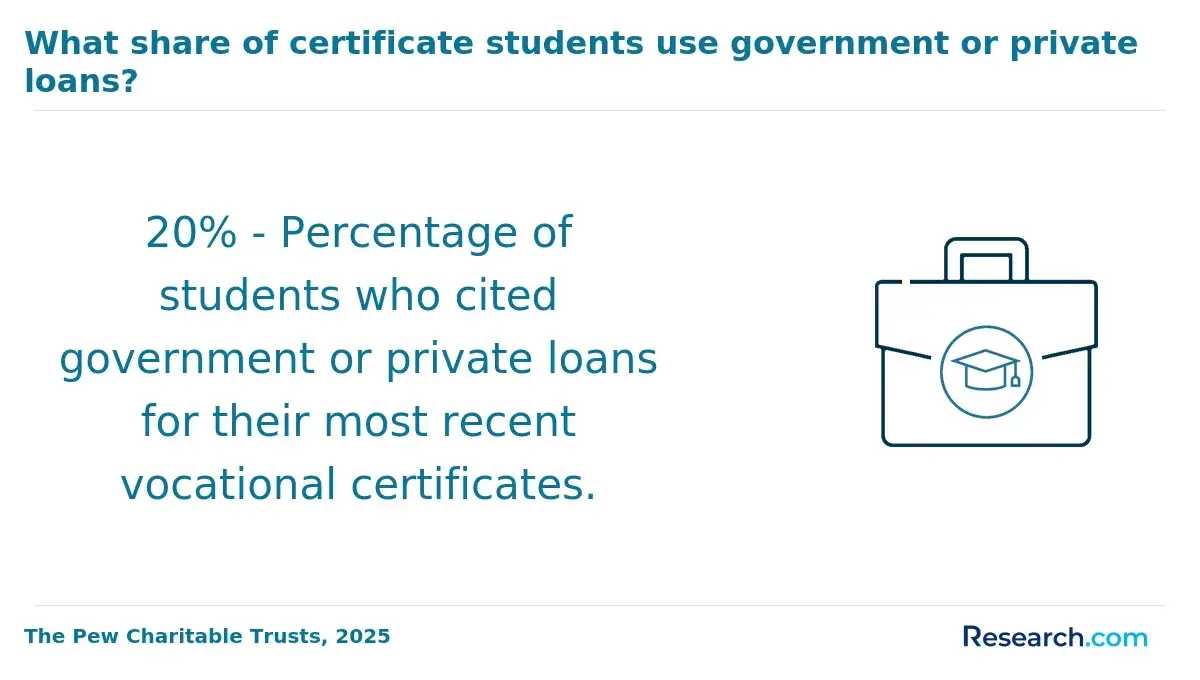
- Compare the plan with federal student loan options before considering credit cards or private loans.
A payment plan may not be the best choice if it would force you to rely on credit cards for everyday expenses. In that case, a smaller course load, a lower-cost institution, more transfer credit, or a delayed start may be safer than creating a short-term cash crunch.
Which types of online colleges and programs typically offer tuition payment plans?
Payment plans are common across many types of online colleges, but the details vary by institution and academic calendar. Public universities, community colleges, private nonprofit universities, and some for-profit institutions may all offer installment plans, though availability is not guaranteed.
Program structure matters because it affects billing. A 16-week semester, an eight-week online term, and a self-paced subscription model can all create very different payment deadlines.
The table below explains which online program types commonly offer payment options and what students should verify before enrolling.
| Online program type | Payment plan availability | What to verify |
| Online associate degree | Often available through community colleges and public systems. | Whether the plan covers tuition, fees, and online course charges. |
| Online bachelor's degree completion program | Common, especially for adult learners transferring previous credits. | How transfer credits reduce the payment balance and time to completion. |
| Online master's degree | Frequently available, but terms may be shorter and balances higher per course. | Whether employer tuition assistance or graduate aid can be combined with the plan. |
| Online doctoral program | May be available, but dissertation, residency, and continuation fees can complicate billing. | Whether the plan covers research, dissertation, or doctoral support fees. |
| Competency-based program | Often uses monthly or subscription-style tuition rather than traditional installments. | How many courses you realistically can complete per subscription period. |
| Certificate or bootcamp-style program | Sometimes available through institutional or third-party plans. | Whether the credential is eligible for federal aid and whether credits transfer into a degree. |
Students looking for the cheapest easiest online degree should still compare accreditation, transfer policies, and total cost, not just whether the school advertises monthly payments. A low monthly bill can be appealing, but it is less useful if the program does not match your academic goal or employer expectations.
What costs do online college payment plans usually cover, and what fees apply?
Online college payment plans usually cover direct institutional charges, but coverage depends on the school. Direct charges are the costs billed by the college itself, while indirect costs are expenses you may pay separately.
The table below separates common cost categories so you can see which items are likely to appear in a payment plan and which may require separate budgeting.
| Cost category | Usually included in a payment plan? | Why it matters |
| Tuition | Usually yes | This is the core charge most plans are designed to divide into installments. |
| Mandatory institutional fees | Often yes | Technology, student services, or online learning fees may increase the balance. |
| Course materials billed by the school | Sometimes | Inclusive-access textbooks or digital materials may be added to the account. |
| Books bought independently | Usually no | You may need cash or other aid before the course starts. |
| Proctoring, lab, clinical, or exam fees | Sometimes | Program-specific charges can surprise online students in health, education, technology, and licensure tracks. |
| Application, graduation, or transcript fees | Sometimes | These smaller charges can still affect your final out-of-pocket cost. |
Payment plans are often promoted as interest-free, but that does not mean they are free. Schools may charge plan enrollment fees, late-payment fees, returned-payment fees, or penalties tied to missed due dates.
Watch for these common cost mistakes before signing the agreement:
- Comparing only monthly tuition and ignoring mandatory online, technology, or course fees.
- Assuming books, software, proctoring, certifications, or background checks are included in the payment plan.
- Missing the enrollment deadline and losing access to the most manageable installment schedule.
- Choosing a plan without knowing what happens if financial aid is delayed.
- Forgetting that shorter online sessions can make each payment due faster than a traditional semester plan.
A strong plan should show the balance, number of payments, due dates, fees, accepted payment methods, and consequences of nonpayment before you agree to it.
How do you qualify for and enroll in an online college tuition payment plan?
Most online college payment plans do not require a credit check, but you usually must be admitted, registered for classes, and in good financial standing with the school. The plan is tied to your student account, so eligibility often depends on timing and account balance rather than credit score.
The enrollment process is usually straightforward, but small timing mistakes can make the plan more expensive or unavailable. Use the steps below to reduce that risk.
- Confirm the school's accreditation and your program's eligibility for financial aid, licensure, or employer reimbursement if those apply to your goal.
- Request a written cost estimate that separates tuition, required fees, books, materials, and other program-specific charges.
- Submit the FAFSA if you plan to use federal aid, and wait for the school to show your net balance after accepted aid.
- Ask student accounts how many installments are available for your start date and whether late enrollment reduces the number of payments.
- Review the agreement for fees, due dates, refund rules, withdrawal deadlines, and consequences of missed payments.
- Set calendar reminders or automatic payments only after confirming you will have funds available on each due date.
One red flag is pressure to enroll immediately without a complete cost breakdown. Another is a school that emphasizes affordability but avoids clear answers about accreditation, transfer credits, refund rules, or graduate outcomes.
Are online college payment plans available for students using financial aid or employer tuition assistance?
Yes, many students can use payment plans together with financial aid, scholarships, military benefits, or employer tuition assistance. The key is that the payment plan normally covers the remaining balance after expected aid is applied.
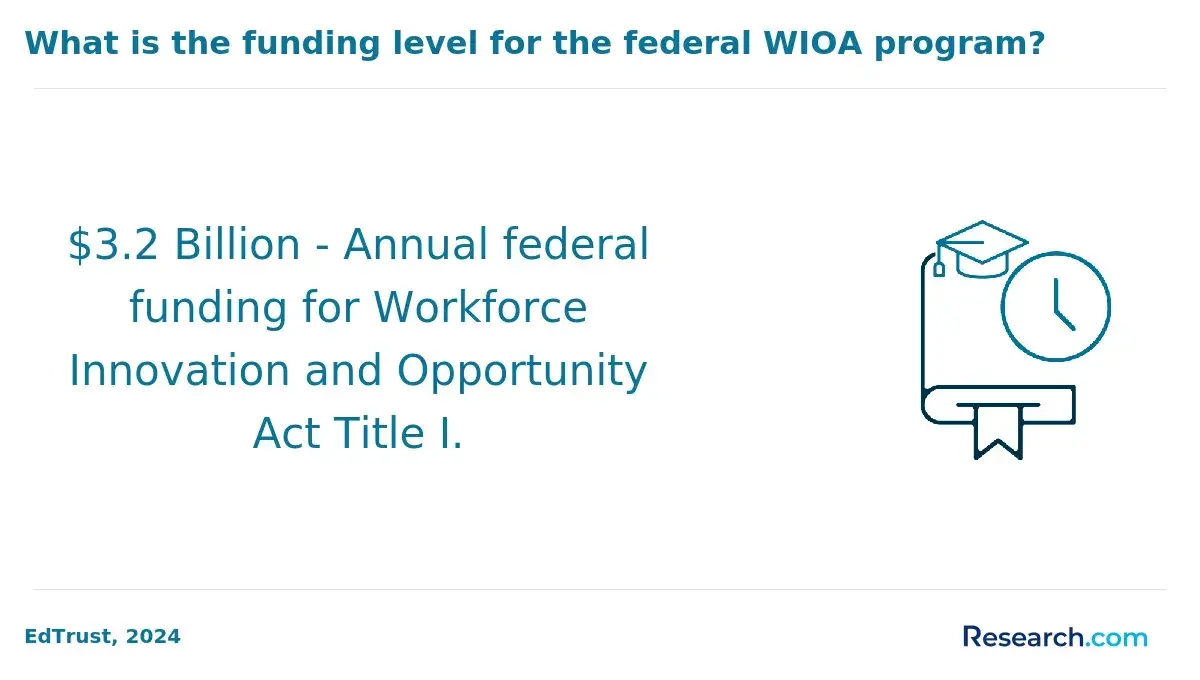
Federal aid can reduce the amount you need to place on a payment plan, but timing matters. Aid disbursement may occur after classes begin, and if aid is adjusted because of enrollment changes, withdrawals, or eligibility issues, the unpaid balance can become your responsibility.
Employer tuition assistance works differently because many employers reimburse after you complete the course and submit grades. The IRS allows up to $5,250 in employer-provided educational assistance to be excluded from taxable income under qualifying plans, which can make employer aid especially valuable when paired with a school-approved deferred payment option.
Students returning to college later in life should ask whether employer reimbursement, prior learning credit, and flexible billing can be combined; resources on degrees for older adults can also help compare programs built for nontraditional learners. The best arrangement is usually one where aid lowers the balance first, and the payment plan covers only what remains.
Before relying on aid or reimbursement, ask the school and employer these questions:
- Will pending financial aid reduce the payment plan balance before the first installment is due?
- What happens if aid is delayed, reduced, or returned because I drop a course?
- Does my employer pay the school directly, reimburse me, or require a grade before payment?
- Does the school offer a special deferment plan for employer-sponsored students?
- Are books, fees, certifications, or repeated courses excluded from employer coverage?
How do payment plans differ between online and campus-based degree programs?
Online and campus-based payment plans are similar in purpose, but they can differ in billing rhythm, fee structure, and how quickly payment is due. Online programs often use multiple start dates, shorter sessions, and per-course registration, which can make the payment calendar less predictable if you are used to a traditional semester.
The comparison below shows the practical differences that matter most when budgeting for an online degree versus a campus-based program.
| Feature | Online degree program | Campus-based degree program |
| Academic calendar | May use eight-week, monthly, or rolling starts. | Often follows fall, spring, and summer semesters. |
| Payment timing | Installments may be compressed into shorter sessions. | Payments are often spread across a full semester. |
| Campus fees | Some campus-based fees may be reduced or replaced by online technology fees. | More likely to include activity, facility, transportation, or campus service fees. |
| Course load flexibility | Often easier to adjust one course at a time. | May be more tied to fixed full-time or part-time schedules. |
| Hidden cost risks | Proctoring, software, internet, and required devices. | Commuting, housing, parking, meals, and campus materials. |
Accelerated online programs can be efficient, but speed changes the budget. If you are considering quick masters degrees online, check whether tuition is billed per course, per term, or per subscription period so you do not confuse a shorter timeline with lower total cost.
Online may be better if you need to keep working, avoid relocation, or pay course by course. Campus may be better if your program requires labs, studios, clinical placements, networking access, or on-site services that materially improve your learning and career preparation.
What are the pros and cons of online college payment plans compared with credit cards or private loans?
Payment plans, credit cards, and private loans can all help cover a tuition gap, but they carry very different risks. The biggest advantage of a school payment plan is that it may avoid interest, while the biggest limitation is that the balance must usually be paid quickly.
Federal Reserve consumer credit data in 2024 showed credit card interest rates on accounts assessed interest remained above 20%, which means using a card for tuition can become expensive if you cannot pay the balance promptly. Private student loans may offer longer repayment periods, but rates, approval, cosigner requirements, and borrower protections vary widely.
The table below compares the major trade-offs so you can choose the least risky option for your situation.
| Option | Main advantage | Main drawback | Best used when |
| Online college payment plan | Often interest-free and tied directly to the tuition bill. | Short repayment window and penalties for missed payments. | You can reliably pay the balance within the term. |
| Credit card | Fast and flexible if the school accepts it. | High interest risk, possible processing fees, and no education-specific protections. | You can pay the balance in full before interest accrues. |
| Private student loan | Can spread repayment over a longer period. | May require credit approval or a cosigner and may lack federal loan protections. | You have exhausted lower-cost options and understand the repayment terms. |
| Federal student loan | May offer fixed rates, deferment options, and income-driven repayment access. | Still creates debt and may not cover all costs. | You need financing and qualify for federal aid. |
A payment plan is usually preferable to a credit card if you can meet every due date. A loan may be more realistic if your balance is too large to pay during the term, but borrowing should be based on the total program cost, expected credential value, and your repayment capacity.
How can you compare payment plan options to choose an affordable, accredited online college?
Choosing an affordable online college is not just about finding a low monthly payment. You need to compare total price, accreditation, transfer credit, financial aid, program length, and whether the credential supports your career goal.
Students comparing affordable online master's programs should be especially careful because graduate programs may have higher per-credit costs and fewer grant options than undergraduate programs. A payment plan can help with cash flow, but it cannot fix a program that is overpriced for your goals.
Use this checklist when comparing schools:
- Verify institutional accreditation through the U.S. Department of Education or the Council for Higher Education Accreditation database.
- Check programmatic accreditation if your field requires it, such as nursing, counseling, social work, education, business, or engineering.
- Request the total cost to completion, not just cost per credit or monthly payment.
- Ask how many transfer, prior learning, military, or professional credits can apply to your degree.
- Compare payment plan fees, due dates, refund rules, and missed-payment consequences across schools.
- Review graduation requirements, licensure alignment, internship or clinical obligations, and residency requirements.
- Compare career services, employer partnerships, alumni outcomes, and whether the program's schedule fits working adults.
The table below highlights common red flags and better alternatives when evaluating online college payment plans.
| Red flag | Why it is risky | Better approach |
| The school advertises only a monthly price. | You may not see the full cost to graduate. | Ask for a written total program cost estimate. |
| Accreditation is vague or difficult to verify. | Credits, financial aid, licensure, or employer acceptance may be affected. | Confirm institutional and programmatic accreditation independently. |
| The plan has unclear missed-payment rules. | You could face holds, dropped registration, or added fees. | Request the payment agreement before enrolling. |
| Transfer credit review happens after enrollment. | You may commit before knowing your real timeline and cost. | Ask for a preliminary transfer evaluation first. |
| The program does not align with licensure rules. | You may finish coursework that does not meet state requirements. | Check state board or employer requirements before starting. |
Do low-cost or subscription-style online colleges with monthly tuition affect your long-term career and debt outlook?
Low-cost and subscription-style online colleges can improve your debt outlook if they help you finish an accredited credential faster and borrow less. They can also backfire if the monthly model encourages you to enroll without a realistic study plan.
The long-term value depends on completion, credential relevance, and career fit. BLS 2024 earnings data shows workers age 25 and older with a bachelor's degree had median weekly earnings of $1,543, compared with $930 for workers with only a high school diploma. That gap does not guarantee an outcome for any individual, but it shows why degree completion and program quality matter when weighing tuition against long-term earning potential.
Subscription-style tuition can be attractive for motivated students because completing more courses per term can lower the effective cost per course. However, if work, caregiving, health, or academic readiness limits your pace, a traditional per-credit program with a predictable payment plan may be more affordable in practice.
The same logic applies at the graduate level. Someone comparing a low-cost master's or the cheapest online PhD should examine dissertation fees, continuation enrollment, research support, and time-to-completion policies because advanced degrees often have costs beyond coursework.
Consider a low-cost monthly model if you can meet these conditions:
- You have enough weekly study time to complete courses at a pace that makes the subscription price worthwhile.
- The institution is properly accredited and the program meets employer or licensure expectations.
- You understand what happens if you pause, withdraw, repeat a course, or need more months than planned.
- You can pay the monthly amount without using high-interest credit for living expenses.
- The degree connects to a realistic career objective, promotion pathway, licensure requirement, or salary ceiling you have researched.
The best debt outlook usually comes from combining a low total cost, strong transfer-credit use, manageable monthly payments, and a credential that supports a clear career move.
Other Things You Should Know About
Yes. Many online colleges offer monthly or installment payment plans, usually through the student accounts office or a tuition-management provider. Availability, fees, and due dates vary by school and program.
Many school-administered plans are interest-free, but they may still charge enrollment, late-payment, or returned-payment fees. Always review the written agreement before enrolling.
Often, yes. Schools commonly apply grants, scholarships, and accepted federal aid first, then use the payment plan for the remaining balance. Ask what happens if aid is delayed or adjusted.
It can be better if you can afford every installment on time and avoid interest. A loan may be more realistic if the balance is too large to pay during the term, but borrowing increases long-term repayment obligations.
References
- Is College Worth It? A Balanced Look at the Pros and Cons https://www.businessinsider.com/personal-finance/student-loans/is-college-worth-it
- Should I Use a Personal Loan to Pay for My Education? https://www.experian.com/blogs/ask-experian/is-a-personal-loan-better-than-a-student-loan/
- What Is a Tuition Payment Plan and How Can You Benefit from One? | NC Assist Loans https://www.ncassist.org/paying-for-college-101/blog/tuition-payment-plan/
- Best Monthly Tuition Plans for Online College Students in 2026 https://www.nexford.edu/insights/best-monthly-tuition-plans-for-online-college-students
- College Payment Plans: An Alternative To Student Loans https://www.hopwoodfinancial.com/blog/college-payment-plans-an-alternative-to-student-loans
- Are Tuition Payment Plans Offered by Colleges a Better Option Than Student Loans? https://finance.yahoo.com/news/tuition-payment-plans-offered-colleges-180018795.html
- College is still worth it, even with student debt, but we can do better | Brookings https://www.brookings.edu/articles/college-is-still-worth-it-even-with-student-debt-but-we-can-do-better/
- Most Affordable Online Colleges Of 2025 https://www.affordablecollegesonline.org/cheap-online-colleges/
- Pay College Costs Monthly with Tuition Installment Plans https://www.savingforcollege.com/article/pay-college-costs-monthly-with-tuition-installment-plans
- Monthly Payment Plan https://yesbud.online/monthly-payment-plan/