2027 Foreign Diplomat: Complete Student Guide

Co-Founder and Chief Data Scientist
Choosing a path toward diplomacy means balancing ambition, public service, language ability, graduate study, and a highly competitive hiring process. The field matters because international relations now intersects with cybersecurity, trade, climate policy, migration, and AI-enabled information campaigns. For salary context, the U. S. Bureau of Labor Statistics reported a May 2024 median annual wage of $132,350 for political scientists, a related occupation often used to benchmark policy careers. This guide explains degrees, costs, accreditation, online options, jobs, and practical ways to decide whether diplomacy is the right investment for you.
Key Things You Should Know
- A bachelor's degree is usually the practical minimum for aspiring U.S. diplomats, but there is no single "foreign diplomat degree"; common majors include international relations, political science, economics, public policy, foreign languages, history, and regional studies.
- College cost is a major planning factor: College Board's 2024-25 figures list average published tuition and fees at $11,610 for in-state public four-year students, $30,780 for out-of-state public four-year students, and $43,350 for private nonprofit four-year students.
- Diplomacy is competitive and outcomes are not guaranteed; the strongest candidates typically combine academic preparation, writing ability, foreign language skills, cross-cultural experience, policy knowledge, and evidence of sound judgment under pressure.
What is a foreign diplomat degree?
A "foreign diplomat degree" is not usually the name of a formal degree. It is a shorthand students use for academic programs that prepare them for diplomatic, international policy, foreign service, development, security, trade, or global affairs careers. The most common degree labels are international relations, international affairs, political science, global studies, public policy, public administration, economics, foreign languages, area studies, and security studies.
In the U.S., diplomats are most commonly associated with the U.S. Department of State's Foreign Service, but diplomacy-related work also exists in federal agencies, think tanks, humanitarian organizations, defense contractors, international businesses, and state or local trade offices. A degree can help you build the knowledge base, but hiring decisions usually depend on the full profile: education, experience, writing, judgment, leadership, language ability, adaptability, and security-clearance suitability.
The table below compares common academic options. Use it to match your degree choice to the kind of diplomatic work you actually want to do, because "international" programs can vary widely in focus.
| Program type | Best fit | Typical strengths | Possible limitation |
| International relations or international affairs | Students aiming for foreign service, global policy, NGOs, or international organizations | Diplomacy, international law, conflict, regional politics, global institutions | May need added economics, data, or language depth for specialized roles |
| Political science | Students interested in government, policy analysis, elections, institutions, and research | Strong foundation in governance, comparative politics, and policy writing | May be less career-specific unless paired with internships or regional expertise |
| Economics | Students interested in trade, development, sanctions, finance, or economic diplomacy | Quantitative reasoning, market analysis, policy modeling | May need added coursework in history, languages, and diplomacy |
| Foreign language or area studies | Students targeting a specific region or language-intensive career | Cultural fluency, language proficiency, regional context | May need added policy, economics, or management training |
| Public policy or public administration | Students seeking government leadership, program management, or policy implementation | Budgeting, evaluation, ethics, public-sector decision-making | Often more common at the master's level than the bachelor's level |
This path is a good fit if you enjoy complex problems, careful communication, public service, and learning about other societies. It may be a poor fit if you want a predictable location, a narrow technical role, quick hiring, or a career where a single degree directly qualifies you for a specific licensed job.
What education do foreign diplomats need?
Foreign diplomats generally need at least a bachelor's degree, although the U.S. Foreign Service does not require one for every applicant pathway. In practice, a degree is strongly useful because the selection process tests writing, situational judgment, policy awareness, leadership, and the ability to analyze complex public issues. Many competitive candidates also complete internships, study abroad, language immersion, military service, Peace Corps service, graduate school, or relevant federal work.
Education choices should be based on the kind of diplomatic profile you want to build. A bachelor's degree can be enough to apply, while a master's degree can help candidates who need deeper policy expertise, stronger research training, or a career pivot from another field. If you are comparing graduate options and want a flexible path, a guide to the easiest online masters can help you think through workload, format, and fit, but "easy" should never be the main criterion for a diplomacy-focused program.
The following sequence shows a practical education path. It is not the only route, but it helps students avoid treating the degree as the entire preparation process.
- Complete a bachelor's degree in a field that develops writing, analysis, policy knowledge, and global awareness.
- Build language ability through coursework, immersion, testing, or work experience, especially if you can reach professional proficiency.
- Complete internships or service experiences connected to government, policy, international organizations, security, trade, or community work.
- Develop evidence of leadership, crisis judgment, ethical decision-making, and ability to work with people from different backgrounds.
- Consider a master's degree only if it adds clear value, such as regional specialization, quantitative skills, public policy training, or access to recruiting networks.
Students should also understand the difference between academic preparation and eligibility. A degree can prepare you for the work, but U.S. Foreign Service hiring involves assessments, medical and security clearances, suitability review, and placement needs. Requirements can change, so applicants should confirm current rules directly with the relevant federal hiring authority before making major financial decisions.
What accreditation should foreign diplomat programs have?
Accreditation matters because it affects credit transfer, graduate school eligibility, employer recognition, and access to federal financial aid. For most students, the first thing to verify is institutional accreditation from an accreditor recognized by the U.S. Department of Education or the Council for Higher Education Accreditation. Without recognized accreditation, a degree may be difficult to use for graduate admission or government-related employment screening.
Programmatic accreditation is less straightforward in diplomacy than in fields such as nursing or engineering. International relations programs are not typically licensed through a single required accreditor. However, some related programs may carry meaningful quality signals, such as NASPAA accreditation for public policy, public administration, or public affairs programs. Membership in professional networks, strong internship placement, experienced faculty, and language resources can also matter, but they are not substitutes for recognized institutional accreditation.
Before enrolling, use this checklist to reduce the risk of choosing a program that looks international on the surface but lacks practical value.
- Confirm the school's institutional accreditation through an official accreditor database, not only the school's marketing page.
- Ask whether credits transfer to public universities or recognized graduate programs.
- Review the curriculum for writing-intensive policy courses, research methods, economics, regional studies, and language options.
- Check whether the program offers internships, study abroad, Model United Nations, federal pathways advising, or alumni working in public service.
- Look for transparent outcome information, but avoid schools that imply a degree will guarantee a diplomatic appointment.
A common mistake is assuming a prestigious-sounding program title is enough. "Global leadership," "diplomacy," or "international studies" can be valuable, but the real test is accreditation, curriculum depth, faculty expertise, experiential learning, and whether the program helps you build evidence for competitive public-service roles.
Can you earn a foreign diplomat degree online?
Yes, you can complete many diplomacy-related degrees online, especially at the bachelor's and master's levels. Online programs are common in political science, international relations, public administration, public policy, security studies, emergency management, and global affairs. The key question is not whether the degree is online; it is whether the program helps you build the same portfolio that competitive candidates need: writing samples, internships, language ability, faculty mentorship, policy research, and professional networks.
Online study can be especially useful for working adults, military-connected students, caregivers, and students who do not live near a university with a strong international affairs department. If you are military-affiliated, comparing online military friendly colleges can be a practical starting point because benefits advising, transfer credit, and flexible scheduling can significantly affect completion.
The table below summarizes when online or campus study may make more sense. Use it to evaluate fit rather than assuming one format is automatically better.
| Format | Best for | Main advantages | Watchouts |
| Online degree | Working adults, military students, career changers, students far from campus | Flexibility, broader school choice, ability to keep working while studying | May require extra effort to find internships, networking, and language immersion |
| On-campus degree | Traditional students seeking daily faculty access and campus-based opportunities | In-person advising, student organizations, study abroad support, live simulations | May cost more if relocation, housing, or lost work income is involved |
| Hybrid degree | Students who want flexibility but also value periodic in-person engagement | Balanced access to campus resources and online convenience | Travel requirements can add cost and scheduling pressure |
If you choose an online program, ask specifically how the school supports internships near your location, language development, career advising, and writing feedback. A strong online program should not leave you to build the professional side of your preparation alone.
What do foreign diplomat programs teach?
Foreign diplomat programs usually teach how governments interact, how policy decisions are made, how conflict and cooperation develop, and how cultural, economic, legal, and security issues shape international relations. The strongest programs go beyond current events. They train students to write clearly, evaluate evidence, understand institutions, negotiate across differences, and communicate under pressure.
Because diplomacy now overlaps with technology, students should also look for courses that address cybersecurity, disinformation, data analysis, AI governance, energy security, global health, and economic statecraft. AI tools can help with research and translation, but they also create policy risks around misinformation, surveillance, bias, and security. Diplomacy students who understand both global politics and technology will often be better prepared for modern policy work.
A well-rounded program commonly includes the following learning areas. These categories matter because they connect classroom study to the actual demands of diplomatic and policy work.
- International relations theory, diplomatic history, and global institutions to understand how states and non-state actors behave.
- Comparative politics, U.S. foreign policy, and regional studies to interpret country-specific context.
- International economics, trade, development, and sanctions policy to understand financial and strategic leverage.
- Foreign language study and intercultural communication to build credibility and reduce misunderstanding.
- Policy writing, briefing, negotiation, public speaking, and research methods to prepare for practical communication tasks.
- Security studies, human rights, international law, migration, climate policy, and cyber policy to support specialization.
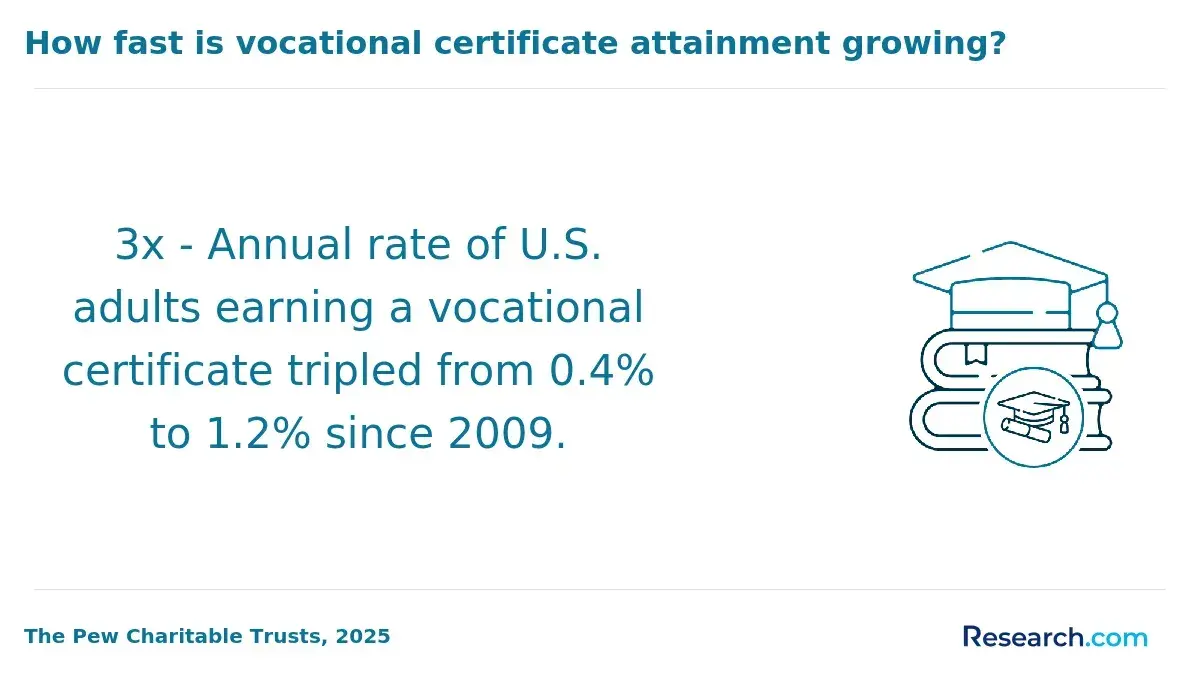
Certificates can also be useful when they add a concrete skill, such as data analytics, project management, cybersecurity fundamentals, emergency management, or language proficiency. Students comparing short credentials should focus on skills that complement their degree; a list of certifications that pay well can be useful for identifying marketable options, but diplomacy candidates should prioritize relevance over salary headlines.
What are the admission requirements for foreign diplomat programs?
Admission requirements depend on degree level and school selectivity. Bachelor's programs often evaluate high school transcripts, GPA, essays, recommendation letters, and sometimes standardized test scores. Transfer students may need college transcripts and minimum completed credits. Master's programs in international affairs, public policy, security studies, or public administration may require a bachelor's degree, statement of purpose, resume, recommendations, writing sample, and sometimes quantitative coursework or professional experience.
Admissions offices may not require foreign language proficiency, but having language study can make your application more convincing. Strong writing also matters because diplomacy-related programs often rely on essays, policy memos, research papers, and oral presentations. Applicants should treat the admissions essay as evidence of judgment and clarity, not just enthusiasm for travel or world events.
Use the following steps before applying. They help you avoid wasting application fees on programs that do not match your academic profile or career goals.
- Identify whether you are applying for a broad international relations program or a specialized track such as security, development, trade, or regional studies.
- Compare prerequisite expectations, especially economics, statistics, foreign language, and writing requirements.
- Ask whether transfer credits, military credits, or prior learning credits are accepted and how they apply to major requirements.
- Prepare a statement of purpose that connects your experience, target role, and the program's specific curriculum.
- Contact admissions or program staff to ask about internships, alumni outcomes, and career advising before you commit.
One red flag is an admissions process that accepts almost anyone while making bold career promises. Open-access or less selective programs can still be legitimate, especially at public institutions, but students should expect transparent accreditation, clear requirements, realistic career language, and accessible support services.
How long does a foreign diplomat degree take?
A foreign diplomat-related degree typically follows standard U.S. degree timelines. An associate degree usually takes about two years of full-time study, a bachelor's degree about four years, and a master's degree about one to two years. Part-time enrollment can extend the timeline, while transfer credit, summer courses, dual enrollment, or accelerated formats can shorten it.
The table below shows common timelines and when each credential may make sense. This helps you plan realistically instead of assuming the fastest option is automatically the best one.
| Credential | Typical full-time length | Best use | Decision point |
| Associate degree | About two years | Lower-cost start before transferring into a bachelor's program | Confirm transfer agreements and major prerequisites early |
| Bachelor's degree | About four years | Main academic foundation for diplomacy-related careers | Choose courses and experiences that build writing, language, and policy skills |
| Graduate certificate | Several months to one year | Skill upgrade in areas such as security, analytics, public management, or regional affairs | Best when it fills a specific gap rather than replacing a degree |
| Master's degree | About one to two years | Advanced policy, international affairs, public administration, or security preparation | Worth considering if it improves specialization, network, or career mobility |
Speed has trade-offs. Accelerated programs can reduce time away from the workforce, but they may leave less room for internships, language immersion, study abroad, or research assistantships. For diplomacy, those experiences can be as important as the credential itself.
How much does foreign diplomat training cost?
Foreign diplomat training costs vary because there is no single required degree. Your total cost depends on tuition, fees, books, housing, transportation, technology, study abroad, language testing, internship location, and whether you study full time or part time. College Board's 2024-25 pricing gives a useful benchmark for undergraduate planning: average published tuition and fees were $11,610 for in-state public four-year students, $30,780 for out-of-state public four-year students, and $43,350 for private nonprofit four-year students. These figures are sticker prices, so grants and scholarships can change the net price significantly.
Because the bachelor's degree is usually the biggest academic expense, students should compare total cost before focusing on a school's international reputation. If affordability is the priority, researching the cheapest online bachelor's degree options can help you identify lower-cost pathways, especially if you can pair an affordable degree with strong internships, language study, and writing experience.
Major cost categories often include the following. Reviewing them before enrollment helps prevent underestimating the true cost of preparation.
- Tuition and mandatory fees for the degree or certificate program.
- Books, software, language-learning tools, testing fees, and technology requirements.
- Housing, transportation, relocation, or commuting costs for campus-based study.
- Study abroad, immersion programs, passport expenses, visas, and travel insurance if applicable.
- Unpaid or low-paid internship costs, especially in high-cost cities such as Washington, D.C.
- Graduate entrance exams, application fees, transcript fees, and professional association memberships.
To reduce cost, consider starting at a community college with a clear transfer plan, choosing an in-state public university, applying for federal aid through the FAFSA, using employer or military education benefits if eligible, seeking language scholarships, and prioritizing paid internships. The smartest financial choice is not always the cheapest school; it is the program that offers recognized accreditation, relevant coursework, manageable debt, and practical access to career-building experiences.
What jobs can a foreign diplomat degree lead to?
A foreign diplomat degree can lead to more than one career path. Some graduates pursue the U.S. Foreign Service, while others build careers in federal agencies, legislative offices, policy research, intelligence analysis, international development, humanitarian work, security consulting, trade compliance, global communications, or nonprofit program management. The degree is broad, so students should intentionally build a specialization.
Diplomacy-related work is not limited to extroverted networking. Many roles involve research, writing, analysis, briefings, and careful one-on-one communication. Students who prefer quieter work may want to compare policy analysis, intelligence research, language analysis, or international compliance with other good jobs for introverts before assuming diplomacy is only for highly social personalities.
The table below connects common job paths to typical responsibilities. Use it to decide which experiences to build while in school.
| Career path | Typical responsibilities | Helpful preparation |
| Foreign Service Officer | Represent U.S. interests, report on political or economic developments, support citizens abroad, manage programs, conduct public diplomacy | Policy writing, leadership, language skills, regional knowledge, public service experience |
| Foreign Service Specialist | Provide specialized support in areas such as security, IT, medical services, office management, facilities, or financial management | Role-specific technical training, professional experience, certifications, federal hiring readiness |
| Policy analyst | Research issues, write briefs, evaluate policy options, advise decision-makers | Research methods, statistics, writing samples, internships, subject-matter specialization |
| International development program officer | Manage grants, coordinate projects, monitor outcomes, work with local partners | Project management, economics, language skills, regional experience, monitoring and evaluation |
| Trade or compliance analyst | Analyze trade rules, sanctions, export controls, supply chains, and regulatory risk | Economics, law-related coursework, data skills, business knowledge, attention to detail |
| Public diplomacy or communications specialist | Explain policy, manage outreach, counter misinformation, support cultural or educational programs | Writing, media literacy, digital communication, cultural awareness, crisis communication |
Common mistakes include waiting until senior year to seek internships, studying a region without learning its language, choosing broad electives without a specialization, and assuming the Foreign Service is the only successful outcome. A better approach is to build a portfolio that can support several related paths, including federal service, policy research, nonprofit work, and private-sector international roles.
What salary and job outlook do foreign diplomats have?
Salary for foreign diplomats varies because compensation depends on role, agency, grade, step, locality pay, overseas allowances, hardship or danger differentials, language incentives, and years of service. For U.S. Foreign Service roles, official pay schedules and allowances should be checked directly through federal sources at the time of application. For broader labor-market context, the U.S. Bureau of Labor Statistics reported a May 2024 median annual wage of $132,350 for political scientists. This is not a diplomat-specific salary, but it helps benchmark advanced policy and government-analysis careers.
Job outlook also requires careful interpretation. The BLS projects political scientist employment to grow 3% from 2023 to 2033, which suggests modest demand in related policy analysis roles. However, Foreign Service hiring depends on federal budgets, agency staffing needs, security requirements, language needs, and world events, so applicants should not treat general occupational growth as a forecast of diplomatic hiring.
The table below explains the salary and outlook factors that can affect real outcomes. These variables matter more than the degree title alone.
| Factor | How it can affect outcomes | What students can do |
| Federal hiring needs | Openings can vary by agency priorities, budgets, and staffing shortages | Monitor official vacancy announcements and keep alternative policy paths open |
| Language proficiency | Professional-level language ability can strengthen a candidate profile for certain assignments | Study consistently, seek immersion, and document proficiency when possible |
| Graduate education | A master's degree may help for policy, research, or leadership roles, but it is not a universal requirement | Enroll only when the program improves specialization, network, or advancement potential |
| Security clearance suitability | Many federal roles require background review, and issues can delay or prevent hiring | Understand clearance expectations and be accurate in all application materials |
| Location and assignment | Pay and allowances can differ by domestic locality or overseas post | Evaluate lifestyle, family needs, mobility, and risk tolerance before committing |
The outlook is best viewed as competitive but viable for students who prepare broadly. If your only acceptable outcome is becoming a Foreign Service Officer, the risk is higher. If you would also be satisfied with policy analysis, international development, security, trade, or public-sector leadership, the degree can support a wider career strategy.
Other Things You Should Know About
No. There is no single required major for most diplomacy pathways. International relations, political science, economics, public policy, foreign languages, history, and regional studies are all relevant if they help you build writing, analysis, language, and judgment skills.
Not necessarily. A master's degree can strengthen policy expertise or help with a career change, but it does not replace the required selection steps. Applicants should compare the cost of graduate school with the specific skills, network, and opportunities the program provides.
Yes, if the school is properly accredited and the program is academically rigorous. Online students should be especially intentional about internships, language practice, faculty relationships, and professional networking.
The biggest mistake is relying on the degree alone. Competitive candidates usually build a broader profile that includes strong writing, public service, leadership, language ability, regional knowledge, internships, and realistic backup career paths.
References
- Diplomatic Training: New Trends https://afsa.org/diplomatic-training-new-trends
- Admission https://diplomats.pl/en/academy-of-young-diplomats/admission/
- Diplomatic Training around the World - Diplo Resource https://www.diplomacy.edu/resource/diplomatic-training-around-the-world/
- One-Year Certificate in International Diplomacy https://diplomaticacademy.us/diplomacy-courses/diplomacy-certificate/
- Accreditation https://www.mofa.gov.kn/accreditation/
- Accreditation services guidelines https://www.international.gc.ca/protocol-protocole/policies-politiques/guidelines-accreditation-services-directive.aspx
- Step-by-Step Guide: How to Become a Diplomat https://youngandhired.org/tpost/nfyp1d0u11-step-by-step-guide-how-to-become-a-diplo
- Diplomatic Training Programmes - IAMD London and International https://iamdacademy.co.uk/diplomatic-training-programmes
- Diplomat and Foreign Service Officer Training Course https://rcademy.com/course/diplomat-and-foreign-service-officer-training-course/
- How to become a diplomat | Leeds Beckett University https://www.leedsbeckett.ac.uk/enhancing-employability/how-to-become-a-diplomat/