2027 How Important Is Your Major?

Co-Founder and Chief Data Scientist
Choosing a major can feel like choosing your future, but the real answer is more nuanced. Federal Reserve Bank of New York reporting in 2024 showed that roughly 4 in 10 recent college graduates were underemployed, which means a degree alone does not automatically create a direct career path.
This guide is for students, parents, adult learners, and career changers who want to understand when a major matters, when skills matter more, and how to choose a path that fits salary goals, licensure rules, costs, and long-term flexibility.
Key Things You Should Know
- Your major matters most when a career is regulated, technical, or credential-based; nursing, engineering, accounting, education, architecture, and many health professions often require specific coursework, accredited programs, or state approval.
- BLS May 2024 wage data reported a $133,080 median annual wage for software developers, compared with $49,500 for all occupations, showing why ROI depends heavily on career target, not just degree completion.
- For many business, technology, communications, nonprofit, and operations roles, employers often weigh internships, portfolios, technical skills, communication, and work experience as much as or more than the exact major listed on a diploma.
How much does your college major actually matter for your career and earnings?
Your major matters, but it is not destiny. A college major is the academic field you concentrate in, while a career path is the combination of education, skills, work experience, credentials, network, and labor market demand that leads to paid work. Some majors are tightly connected to specific occupations, while others build transferable skills that can be used across industries.
The simplest way to think about it is this: your major matters more at the entry point of your career and in licensed fields; it usually matters less as you gain experience. A first employer may use your major as a quick signal of preparation, but after several years, hiring managers are more likely to evaluate what you can do, what you have built, and what results you have produced.
The table below summarizes how much a major typically matters across common career categories. Use it to identify whether you need a direct academic path or whether you can build flexibility through electives, internships, minors, certificates, or work experience.
| Career category | How much the major matters | Why it matters | Examples |
| Licensed or regulated professions | Very high | State boards, accrediting bodies, or professional standards often require specific coursework or approved programs. | Nursing, teaching, engineering licensure, architecture, accounting |
| Technical specialist roles | High | Employers usually expect evidence of technical preparation, though portfolios and certifications can help. | Software development, data analytics, cybersecurity, laboratory roles |
| Business and operations roles | Moderate | Relevant coursework helps, but internships, Excel, analytics, communication, and leadership can be decisive. | Marketing, sales, HR, project coordination, supply chain |
| Creative and communications roles | Moderate to low | Portfolio quality and practical experience often outweigh the exact degree title. | Writing, design, media, content strategy, public relations |
| Generalist entry-level roles | Low to moderate | Many employers look for a bachelor's degree, work habits, communication, and trainability rather than a single major. | Client services, recruiting, administrative leadership tracks, nonprofit roles |
A practical takeaway is to choose a major based on the level of career specificity you need. If your target job requires licensure, choose the approved path early. If your goal is flexible, build a major-plus-skills strategy instead of relying on the major alone.
Which careers and licensed professions strictly require a specific college major?
Some careers are not flexible about academic preparation because public safety, legal authority, or professional standards are involved. In these fields, choosing the wrong major can delay eligibility for exams, licensure, graduate study, or professional practice.
The word "strictly" can be tricky. Medicine, for example, does not always require a specific undergraduate major, but medical schools require prerequisite courses. Nursing, teacher preparation, architecture, and many engineering pathways are more structured because program approval or accreditation can affect whether you qualify for licensure.
The table below shows examples of careers where major choice, required coursework, or program approval is especially important. Always verify requirements with your state licensing board and the school before enrolling.
| Career goal | Major or program issue | What to verify before choosing |
| Registered nurse | Completion of an approved nursing program is required for NCLEX-RN eligibility. | State board approval, clinical placements, NCLEX pass rates, ACEN or CCNE accreditation when applicable |
| K-12 teacher | Teacher licensure usually requires a state-approved educator preparation program. | Subject-area requirements, student teaching, state exams, reciprocity rules |
| Licensed professional engineer | An ABET-accredited engineering degree is often the safest route toward licensure. | ABET status, FE exam preparation, state PE requirements, internship options |
| Certified public accountant | Accounting coursework and credit-hour rules are state-specific. | CPA education rules, 150-hour pathway, accounting course requirements, exam eligibility |
| Architect | Many licensing paths favor or require a NAAB-accredited architecture degree. | NAAB accreditation, studio requirements, experience hours, state licensing rules |
| Physical therapist, physician assistant, physician, dentist, pharmacist | Graduate or professional school prerequisites matter more than the undergraduate major title. | Prerequisite courses, GPA expectations, clinical exposure, entrance exam requirements |
The most common mistake is assuming that any degree with a similar name will meet professional requirements. A "health sciences" major is not the same as a nursing program, and a general education major may not lead to teacher licensure unless it is part of an approved pathway.
How does choice of major influence salary potential, lifetime earnings, and ROI?
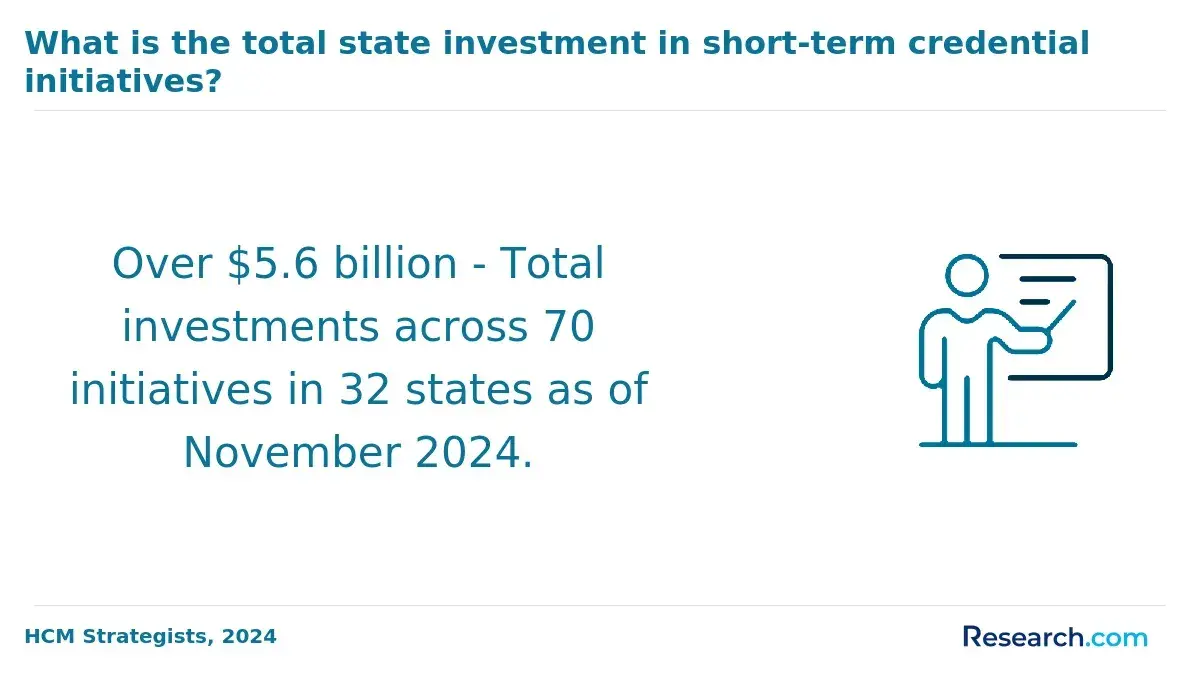
Major choice affects return on investment because tuition is paid upfront, while salary benefits unfold over many years. ROI depends on total cost, time to completion, debt, graduation odds, local job demand, and whether the major leads to occupations with strong wages or advancement.
BLS May 2024 wage data shows why the field matters: the median annual wage for all U.S. occupations was $49,500, while software developers had a median annual wage of $133,080. That gap does not mean every computer science student will earn that salary, but it does show that majors connected to high-demand technical roles can create a stronger earnings ceiling when students also build relevant skills.
Cost also matters. College Board's 2024 pricing data reported average published tuition and fees of $11,610 for in-state students at public four-year colleges and $43,350 at private nonprofit four-year colleges for the 2024-25 academic year. A lower-cost program can sometimes produce a better ROI than a prestigious option if both lead to similar career opportunities.
The table below compares ROI factors by major type. It is not a ranking; it is a decision tool for weighing risk, flexibility, and payoff.
| Major type | Typical ROI strengths | Typical ROI risks | Best-fit student profile |
| Engineering, computer science, data-focused majors | Strong connection to high-wage technical roles and internship pipelines | Rigorous math or coding requirements; skills can become outdated without continuous learning | Students who enjoy technical problem-solving and are willing to build portfolios or project experience |
| Health and nursing majors | Clear occupational pathway and strong demand in many regions | Clinical scheduling, licensure rules, competitive admissions, physical and emotional demands | Students seeking a structured route into patient care or health systems |
| Business majors | Flexible across industries and often compatible with internships | Broad programs can be weak without analytics, finance, sales, or operations skills | Students who want flexibility and will actively pursue applied experience |
| Education and public service majors | Clear mission fit and defined credential pathways | Salary varies widely by state, district, and funding environment | Students motivated by service and willing to verify licensure and regional pay |
| Liberal arts, humanities, social sciences | Strong writing, research, analysis, and communication foundation | Less direct occupational signaling unless paired with internships, technical skills, or graduate planning | Students who want broad preparation and will intentionally build career-specific experience |
To evaluate ROI, do not ask only "Which major pays the most?" Ask which major gives you a realistic route to a job you can perform well, afford, and sustain. A high-paying field can be a poor investment if you dislike the work, struggle to complete the program, or attend a school whose costs require excessive borrowing.
When do skills, experience, and internships matter more than your major to employers?
Skills and experience matter more than the major when the job is not governed by licensure and the employer can evaluate your work directly. This is especially common in technology, marketing, analytics, sales, operations, design, media, entrepreneurship, and many business support roles.
NACE's 2024 employer research continued to emphasize career readiness competencies such as communication, teamwork, problem-solving, professionalism, and technology use. For students, that means a transcript is only one part of the hiring story; employers also want proof that you can contribute in a workplace.
If your major is broad or not directly tied to one occupation, build evidence that reduces hiring risk for employers. The following steps are especially useful before graduation:
- Complete at least one internship, co-op, practicum, research project, or substantial volunteer role related to your target field.
- Create work samples, such as a portfolio, GitHub repository, writing samples, data dashboard, campaign plan, case study, or presentation deck.
- Add marketable tools to your resume, such as Excel, SQL, Python, Tableau, Adobe Creative Cloud, CRM software, project management tools, or AI-assisted workflow skills when relevant.
- Use electives or a minor to connect your academic interest to a hiring category, such as psychology plus HR, English plus technical writing, or sociology plus data analysis.
- Ask employers, alumni, and career services which entry-level job titles match your skills, then tailor your resume to those roles instead of applying broadly with one generic document.
One common mistake is treating "skills-based hiring" as proof that college major never matters. A better interpretation is that many employers want both: a degree that shows persistence and learning ability, plus practical evidence that you can perform the job.
How closely are most people's jobs related to their undergraduate major in practice?
Many people work in jobs that are only partly related, or not directly related, to their undergraduate major. That does not always mean the major was wasted. College often builds writing, quantitative reasoning, research, collaboration, and learning skills that can transfer across careers.
The Federal Reserve Bank of New York's 2024 reporting on recent graduates found underemployment remained near 40%, meaning many recent graduates were working in jobs that did not typically require a college degree. For readers, the lesson is not to avoid college; it is to avoid assuming that the degree title alone will carry the job search.
The table below explains the different ways a major can relate to a job. This distinction matters because "not directly related" can still be professionally useful.
| Relationship between major and job | What it looks like | Example | Career planning implication |
| Direct match | The major prepares students for a clearly named occupation. | Nursing major to registered nurse | Verify accreditation, licensure, and clinical or fieldwork requirements early. |
| Adjacent match | The major provides relevant knowledge, but the job requires additional tools or experience. | Economics major to financial analyst | Add internships, software skills, and industry-specific coursework. |
| Transferable match | The major builds useful skills, but the job title is not tied to the field. | History major to policy analyst or project coordinator | Translate research, writing, and analysis into employer language. |
| Career pivot | The first degree is not closely related, and the person adds new credentials or experience. | Biology major to UX researcher after portfolio and training | Use certificates, projects, entry-level experience, or graduate study strategically. |
A smart approach is to plan for both alignment and adaptability. If your major has a direct career route, use it. If it does not, identify three to five job titles early and reverse-engineer the skills, internships, and credentials those roles require.
How should you choose a major if you are undecided but career-focused?
If you are undecided but career-focused, choose a major by testing career fit before you commit too deeply. The goal is not to find a perfect passion on the first try; it is to reduce expensive mistakes and build options that match your strengths, job market realities, and financial limits.
Students comparing flexible formats can also explore online colleges, especially when work, family responsibilities, transfer credits, or lower relocation costs are part of the decision. Format should support your career plan, not replace it.
Use the following process before declaring or changing a major:
- List three target career families, such as healthcare, technology, business, education, public service, or creative work.
- Check whether each career family requires licensure, state approval, accreditation, graduate school prerequisites, or a specific undergraduate major.
- Compare entry-level job postings in your region and note recurring skills, software, internships, certifications, and degree preferences.
- Estimate total cost, including tuition, fees, books, commuting, housing, lost work hours, and the extra semesters that may result from changing majors.
- Talk with an academic advisor and a career advisor before the add/drop or major declaration deadline, and ask how many credits would apply if you changed direction later.
- Choose a major-minor-elective combination that keeps at least two realistic career paths open.
Avoid choosing a major only because it sounds impressive, your friends chose it, or it appears on a highest-paying list. The better question is whether you can complete the curriculum successfully and graduate with evidence that employers or graduate programs value.
Does the type of institution or program format change how important your major is?
Yes, institution type and program format can change how important your major appears to employers, but they do not override fundamentals. Accreditation, curriculum quality, faculty support, career services, internships, employer relationships, and completion rates usually matter more than whether a school is public, private nonprofit, or private for-profit.
Program format matters most when it affects access to labs, clinical placements, studios, fieldwork, networking, or internships. For adult learners who need flexibility, a self-paced bachelor's degree online may be useful, but it should still be checked for accreditation, transfer policies, employer recognition, and fit with the intended career.
The table below shows how format can influence the value of a major. Use it to evaluate fit rather than assuming one format is always better.
| Program format | Where it can work well | Where it may be risky | What to check |
| Traditional campus program | Majors needing labs, studios, clinicals, close faculty access, or residential networking | Higher housing or commuting costs; less flexibility for working adults | Internship pipelines, facilities, graduation rates, total cost |
| Fully online program | Business, IT, psychology, communication, liberal arts, management, and some completion degrees | Programs requiring hands-on placements if local arrangements are weak | Accreditation, proctoring, placement support, employer acceptance |
| Hybrid program | Fields needing both flexibility and in-person practice | Travel requirements can be underestimated | Campus visit schedule, clinical or lab locations, transportation costs |
| Accelerated program | Students with transfer credits, strong time management, and clear goals | Heavy workload; less time for internships or exploration | Credit load, refund rules, advising support, employer-aligned projects |
| Community college transfer pathway | Cost-conscious students planning a bachelor's degree | Credit loss if transfer agreements are unclear | Articulation agreements, guaranteed transfer maps, major prerequisites |
A major can become more or less valuable depending on execution. A business major with internships and analytics projects may outperform a more prestigious but unfocused path. Likewise, an online technology major without projects or employer-facing experience may be harder to market.
How do online and campus-based programs differ in preparing majors for careers?
Online and campus-based programs can both prepare students well, but they build career readiness differently. Campus programs often provide more spontaneous networking, labs, clubs, career fairs, and faculty interaction. Online programs often benefit working adults who can immediately apply coursework on the job.
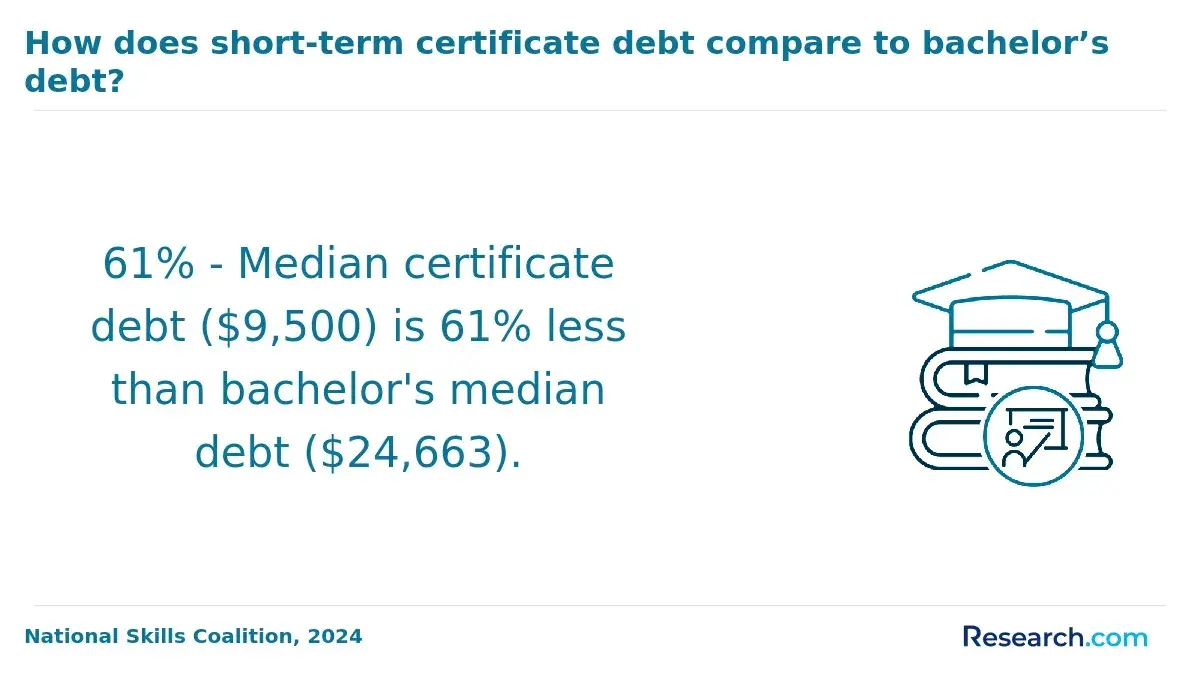
Shorter credentials can also support a major when they fill a specific skill gap. For example, 6 week online courses with certificates may be useful for targeted software, business, healthcare administration, or project management skills, but they should not be confused with degrees or licensure programs.
Before choosing online or campus-based study, compare the career preparation features that matter for your major. The following factors are especially important because they affect employability, not just convenience:
- Internship access: Ask whether online students receive the same internship postings, career fairs, employer introductions, and resume support as campus students.
- Hands-on requirements: For nursing, education, counseling, engineering, science, and allied health fields, confirm how labs, clinicals, practicums, or student teaching are arranged.
- Portfolio development: For technology, writing, design, analytics, and communications majors, look for courses that produce employer-ready work samples.
- Faculty interaction: Check whether students can meet instructors through office hours, live sessions, feedback tools, or mentoring.
- Peer and alumni network: Ask how online students connect with classmates, alumni, student organizations, and professional groups.
- Career services access: Verify that online learners receive interview preparation, job search coaching, and employer events rather than only self-service resources.
The best format is the one that lets you finish, afford the degree, meet field requirements, and build evidence of job readiness. For a licensed or hands-on major, convenience should never outweigh placement quality or state eligibility.
What role do accreditation and professional standards play in major selection?
Accreditation is a quality-review process that evaluates schools or programs against recognized standards. Institutional accreditation affects transfer credits, federal financial aid eligibility, and general legitimacy. Programmatic accreditation matters in fields where professional preparation is regulated or closely reviewed.
Professional standards are especially important when degree names sound similar but lead to different outcomes. For instance, an advanced criminal justice learner comparing an online PhD criminal justice no dissertation option should still examine institutional accreditation, dissertation or capstone expectations, faculty expertise, research fit, and whether the credential matches academic, leadership, or applied career goals.
Use this checklist before enrolling in any major tied to licensure, certification, graduate study, or public-sector employment:
- Confirm institutional accreditation through a recognized accreditor and verify it directly with official accreditation databases, not only the school's marketing page.
- For regulated fields, check programmatic accreditation, such as ABET for engineering, CCNE or ACEN for nursing, CAEP or state approval for education, AACSB or ACBSP for some business programs, and NAAB for architecture when relevant.
- Contact the state licensing board and ask whether the program meets education requirements in the state where you plan to work.
- Ask the school for exam pass rates, placement rates, clinical or practicum availability, and whether online students are eligible for the same outcomes as campus students.
- Review transfer credit policies if you may change schools, change majors, or continue into graduate study.
- Be cautious if a school avoids direct answers about licensure, promises guaranteed jobs, pressures you to enroll quickly, or will not provide total cost information.
The biggest red flag is a program that advertises a career outcome but does not meet the education requirement for that outcome. If the career requires a license, the licensing board's rules matter more than the program brochure.
Can you successfully change careers later if your major doesn't match your goals?
Yes, you can change careers later, and many professionals do. The key is to identify the gap between your current qualifications and the requirements of the new field. Sometimes that gap can be closed with projects, networking, certificates, or entry-level experience. Other times, a second degree, graduate program, or professional license is necessary.
For experienced professionals, advanced online study can sometimes support a pivot into leadership, research, teaching, or specialized practice. Comparing online doctoral programs may make sense for some advanced career goals, but a doctorate is usually unnecessary for routine career changes and should be evaluated carefully for cost, time, accreditation, and expected return.
If your major no longer matches your goals, use a staged approach rather than jumping immediately into another degree. This helps you avoid overpaying for credentials you may not need.
- Define the new target role clearly, including job titles, industries, salary range, location, and whether remote work is realistic.
- Review 20 to 30 job postings and identify repeated requirements, separating "must-have" credentials from preferred qualifications.
- Map your transferable skills, such as communication, analysis, leadership, customer service, research, budgeting, teaching, or technical troubleshooting.
- Fill the smallest credible gap first through a project, certificate, bootcamp, volunteer role, freelance work, internal transfer, or graduate prerequisite course.
- Talk to people already in the field and ask what credential actually changed their opportunities.
- Consider another degree only when the role requires it, the credential is recognized, and the cost is reasonable compared with likely career benefits.
Career changes are easiest when you build a bridge from what you already know. A psychology major moving into user research, a teacher moving into instructional design, or a biology graduate moving into health data work may not need to start over; they may need targeted skills and proof of applied ability.
Other Things You Should Know About Choosing a Major
No, but you need a plan. Broad majors can work well when paired with internships, technical skills, writing samples, research experience, leadership roles, or a minor that points toward a career field.
No. Salary matters for ROI, but completion likelihood, interest, workload, debt, location, job availability, and career fit matter too. A high-paying major is not a good investment if you are unlikely to finish or dislike the work.
It depends on the field. For licensed and technical careers, the major and program quality can matter a lot. For many general business or communications roles, employers may focus more on experience, skills, internships, and interview performance.
Yes, but you should be intentional. Liberal arts majors often build strong communication, research, and critical thinking skills, but students usually need to connect those skills to specific roles through internships, portfolios, data skills, or industry experience.
References
- Accreditation Standards - Standards for Accreditation of Education https://www.accreditation.info/accreditation/accreditation-standards.html
- How Much Does Your Major Matter After College? — Creative College Prep https://www.creativecollegeprep.com/blog/how-much-does-your-college-major-really-matter
- How to Choose a Major: Balancing Interests and Job Prospects https://www.cialfo.co/blog/how-to-choose-a-major
- List of Careers and Job Titles: https://www.mymajors.com/career-list/
- Complete List of College Majors & Degrees | How to Choose https://www.act.org/content/act/en/students-and-parents/college-planning-resources/choosing-a-college/how-to-choose-a-major.html
- How to Pick a College Major If You Are Undecided | Tiffin University https://www.tiffin.edu/news/how-to-pick-a-college-major-if-you-are-undecided/
- Does College Pay Off? A Comprehensive Return On Investment Analysis - FREOPP https://freopp.org/whitepapers/does-college-pay-off-a-comprehensive-return-on-investment-analysis/
- The role of accreditation in elevating global healthcare education standards https://www.worldhealthexpo.com/insights/accreditation/the-role-of-accreditation-in-elevating-global-healthcare-education-standards