2027 Best Majors for Students Who Are Good With People

Co-Founder and Chief Data Scientist
Choosing a major is harder when your strongest skill is not one subject, but working well with people. That strength can lead to careers in counseling, education, healthcare, business, public service, and leadership. The need is real: BLS May 2024 wage data show registered nurses had a median annual wage of $93,600, while many counseling and social service roles are projected to grow faster than the average for all occupations. This guide helps students compare people-oriented majors, understand career trade-offs, and choose a program that fits their goals.
Key Things You Should Know
- The best majors for students who are good with people usually fall into three groups: helping professions such as social work and counseling, communication-centered fields such as public relations and human resources, and service or leadership fields such as nursing, education, hospitality, and public health.
- Salary and advancement vary widely by credential: BLS May 2024 data place registered nurses at a median annual wage of $93,600, human resources specialists at $72,910, and social workers at $61,330, while clinical counseling, teaching, and social work roles may require state licensure.
- Students should check accreditation, field placement quality, licensure alignment, and total cost before enrolling; the College Board's 2024 data show average published tuition and fees of $11,610 for in-state public four-year colleges and $43,350 for private nonprofit four-year colleges.
What are the best college majors for students who are naturally good with people?
The best college majors for students who are naturally good with people are majors that turn interpersonal strengths into job-ready skills: listening, persuasion, conflict resolution, teaching, coaching, advocacy, patient support, team leadership, and client service. The right choice depends on whether you want to help individuals directly, lead teams, communicate for organizations, or improve services at the community level.
If your goal is strong earnings at the bachelor's level, compare people-focused majors with broader labor-market options such as the best bachelor degrees to get. Some people-oriented careers pay well with a bachelor's degree, while others become more financially attractive after a master's degree, license, or specialized certification.
The table below compares strong major choices by fit, typical outcomes, and caution points. Use it to narrow your list before looking at specific colleges.
| Major | Best fit for students who want to... | Common career direction | Important trade-off |
| Psychology | Understand behavior, motivation, mental health, and decision-making | Case management, research support, HR, counseling graduate study | Clinical practice usually requires graduate education and licensure |
| Social Work | Advocate for people facing family, health, housing, or community challenges | Social services, child welfare, healthcare social work, nonprofit roles | Licensure and supervised experience matter for advanced practice |
| Education | Teach, mentor, coach, and support children or adult learners | Teaching, instructional support, curriculum roles, tutoring | Public school teaching requires state-approved preparation and certification |
| Nursing | Combine direct patient care with science and communication | Registered nursing, care coordination, public health nursing | Programs can be academically intense and require clinical placements |
| Communication | Write, speak, present, persuade, and manage public messages | Public relations, corporate communication, media, sales support | Internships and portfolio work are especially important |
| Human Resources | Support hiring, training, employee relations, and workplace culture | HR specialist, recruiter, benefits coordinator, training specialist | Business knowledge and data skills increasingly strengthen employability |
| Public Health | Help communities through health education, outreach, and prevention | Community health, health education, program coordination | Some epidemiology or policy roles require graduate study |
| Hospitality Management | Use service, leadership, and customer experience skills in fast-paced settings | Hotel, event, tourism, food service, or guest experience management | Schedules may include evenings, weekends, or seasonal demand |
A practical way to decide is to ask what kind of "people work" energizes you. If you like deep one-on-one support, psychology, social work, nursing, or counseling-related paths may fit. If you like presenting, persuading, and building networks, communication, HR, marketing, or public relations may be stronger choices.
Which majors lead to careers focused on helping and working directly with others?
Majors that lead to careers focused on helping and working directly with others usually include a fieldwork component, a professional code of ethics, and a clear service population. These majors are best for students who want their daily work to involve clients, patients, students, families, or communities rather than mostly independent technical tasks.
The strongest helping-oriented majors tend to prepare students for these career directions:
- Social work: prepares students for case management, community services, child and family support, healthcare navigation, and, with graduate education and licensure, clinical social work.
- Psychology: builds a foundation in human behavior, research methods, development, and mental health; it can lead to entry-level human services roles or graduate study in counseling, psychology, or social work.
- Education: prepares students to teach, assess learning, manage classrooms, work with families, and support students with diverse needs.
- Nursing: combines patient care, health assessment, clinical judgment, teamwork, and communication with families and care teams.
- Public health: focuses on prevention, outreach, health education, program planning, and community-level problem solving.
- Human services or counseling studies: often prepares students for support roles in agencies, behavioral health organizations, crisis services, or nonprofit programs, though counseling licensure usually requires a graduate degree.
These majors make the most sense if you are comfortable with emotional complexity, boundaries, documentation, and ethical decision-making. They may be less ideal if you want minimal client contact, dislike unpredictable situations, or prefer work where outcomes are quickly measurable.
One key distinction is that "helping people" does not always mean therapy. Teachers help through instruction, nurses help through clinical care, public health workers help through prevention, and HR professionals help by improving workplace systems. The best major is the one that matches the type of help you want to provide.
How do people-oriented majors like psychology, social work, and education differ?
Psychology, social work, and education are often grouped together because all three involve understanding people. However, they prepare students for different problems, settings, and professional expectations. Choosing among them should start with the population you want to serve and the kind of authority you want to have in your role.
The comparison below shows how these three common people-oriented majors differ in focus and career preparation.
| Major | Core focus | Typical undergraduate preparation | Best fit | Graduate or licensure considerations |
| Psychology | Behavior, cognition, emotion, development, and research | Statistics, research methods, abnormal psychology, developmental psychology | Students interested in mental health, behavior, research, HR, or graduate study | Licensed psychologist and many counseling roles require graduate education and supervised practice |
| Social Work | Individuals, families, systems, advocacy, and social services | Human behavior, social welfare policy, practice methods, field placement | Students who want direct service, advocacy, casework, or community impact | Advanced clinical roles usually require an MSW, supervised hours, and state licensure |
| Education | Teaching, learning, student development, curriculum, and classroom practice | Pedagogy, classroom management, assessment, subject methods, student teaching | Students who want to teach or support learning in schools or educational organizations | Public school teaching typically requires completion of a state-approved teacher preparation program |
Psychology is the broadest academic foundation, but it can be less direct at the bachelor's level if your goal is licensed clinical work. Social work is more practice-oriented and often includes structured field education. Education is the most clearly aligned with classroom teaching, but certification rules vary by state and grade level.
A common mistake is choosing psychology because it "sounds like counseling" without checking the graduate requirements for becoming a licensed counselor, therapist, or psychologist. If you want the shortest route into direct human services work, social work or human services may be more aligned. If you want classroom teaching, choose a program that is explicitly approved for teacher preparation in your state.
What degrees support strong communication, teamwork, and relationship-building skills?
Students who are good with people do not have to choose only healthcare, teaching, or social services. Many degrees build communication, teamwork, negotiation, and relationship-building skills for business, media, nonprofit, and organizational careers. These paths may fit students who like people but prefer professional, client-facing, or team-based environments over clinical or classroom settings.
Some communication-heavy degrees can also support hybrid or remote roles, especially in recruiting, training, marketing, public relations, customer success, and project coordination. Students who want flexibility should compare these options with what degrees allow you to work from home, because not every people-oriented field requires in-person service every day.
The degrees below are especially useful for students who want to turn interpersonal strengths into workplace influence.
- Communication: builds writing, speaking, media strategy, persuasion, interviewing, and audience analysis skills.
- Public relations: prepares students to manage reputation, media relationships, campaigns, and stakeholder communication.
- Human resources management: focuses on recruiting, employee relations, training, benefits, workplace policy, and organizational culture.
- Business administration: can support sales, management, operations, customer success, entrepreneurship, and team leadership.
- Marketing: combines consumer behavior, branding, analytics, persuasion, and client communication.
- Organizational leadership: develops skills in team dynamics, conflict resolution, supervision, and change management.
- Hospitality or event management: emphasizes service design, guest experience, logistics, team coordination, and problem solving under pressure.
These majors are often strongest when paired with internships, campus leadership, a portfolio, or measurable project experience. Employers may value a communication degree more when a student can show campaign results, writing samples, presentation experience, or evidence of managing people and deadlines.
What are the typical admission requirements for people-focused undergraduate majors?
Admission requirements for people-focused undergraduate majors are usually similar to general college admission requirements, but selective or professionally regulated programs may add extra steps. Nursing and teacher education are the most likely to have formal progression requirements after initial college admission.
Most applicants should be prepared for the following common requirements:
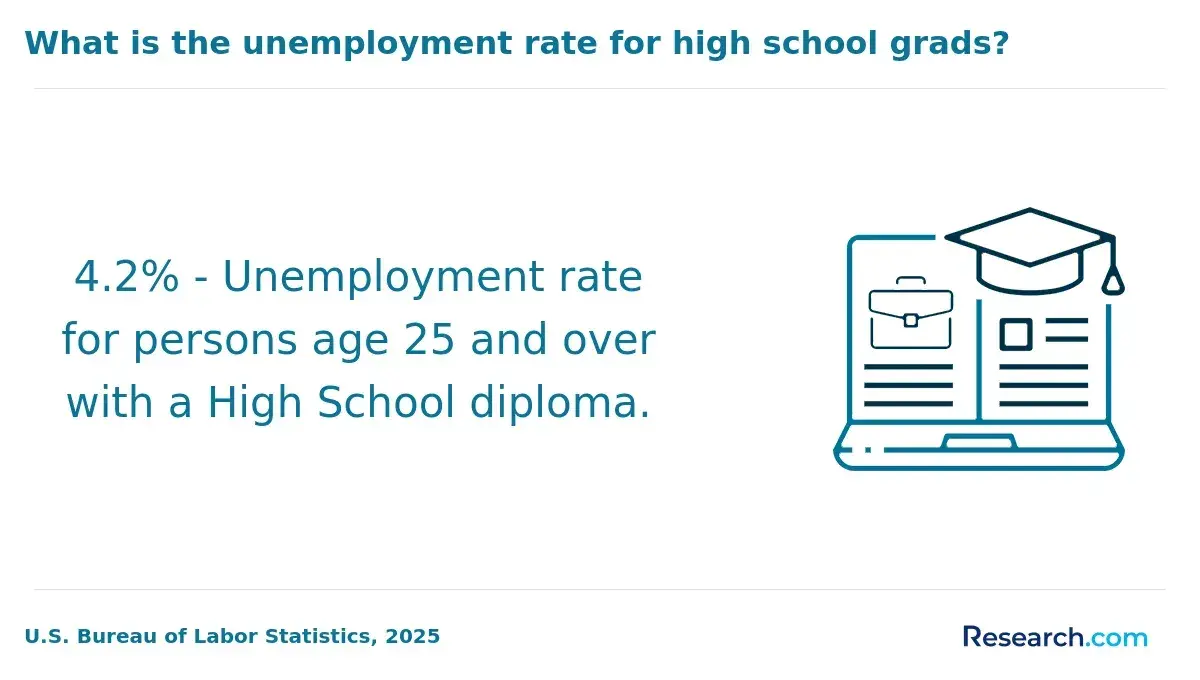
- High school diploma or GED: required for standard undergraduate admission.
- Transcript review: colleges may look for English, math, science, social science, and foreign language preparation.
- Minimum GPA: some majors, especially nursing and education, may require a higher GPA for entry into upper-division professional coursework.
- Application essay or personal statement: often used to evaluate motivation, communication skills, and fit for service-oriented programs.
- Prerequisite courses: nursing may require anatomy, physiology, microbiology, chemistry, or statistics; psychology and social work may require introductory social science courses.
- Background check or health documentation: common before clinicals, student teaching, internships, or placements involving vulnerable populations.
- Test scores: many colleges remain test-optional, but some programs or scholarships may still consider SAT, ACT, or placement exam results.
Cost should be part of the admission decision, not an afterthought. College Board's 2024 pricing data reported average published tuition and fees of $11,610 for in-state students at public four-year institutions and $43,350 at private nonprofit four-year institutions for the 2024-25 academic year. That gap matters because many people-focused careers require graduate school, licensure fees, unpaid or low-paid fieldwork, or relocation for placements.
Students should also ask whether admission to the college automatically means admission to the major. At some universities, a student may enter as a pre-nursing, pre-education, or pre-social work student and later compete for a limited number of professional-program seats.
How do online programs in people-oriented fields compare with campus-based options?
Online programs in people-oriented fields can be excellent for working adults, transfer students, parents, and students who need schedule flexibility. The main limitation is that people-focused fields often require in-person experiences, such as clinical rotations, student teaching, internships, labs, simulations, or supervised field placements.
Students considering graduate study after a bachelor's degree may also compare accelerated pathways such as one-year master's programs online, but speed should never matter more than accreditation, licensure alignment, and field placement quality.
The table below explains when online and campus-based formats tend to make sense for people-focused majors.
| Format | Best for | Strengths | Limitations |
| Fully online | Communication, HR, psychology, business, public health, and some human services programs | Flexible schedule, easier for working students, may reduce commuting costs | May still require local internship coordination; less face-to-face networking |
| Hybrid | Nursing, education, social work, counseling-related preparation, and applied public health | Combines online coursework with supervised practice or campus intensives | Requires travel, scheduled placements, or fixed meeting times |
| Campus-based | Students who want structured support, labs, student organizations, and local employer connections | More direct access to faculty, peers, advising, and placement offices | Less flexible for students working full time or living far from campus |
Online is not automatically easier. In many people-focused programs, online students must be proactive about communication, time management, placement paperwork, and state authorization rules. Before enrolling, ask who secures field placements, whether placements are available in your area, and whether the program meets requirements in the state where you plan to work.
What coursework and field experiences are common in majors centered on working with people?
Coursework in people-oriented majors usually blends theory, communication practice, ethics, cultural competence, research, and applied experience. The goal is not simply to "be good with people," but to learn how to work with people responsibly, effectively, and within professional boundaries.
Although requirements vary by school and major, students commonly encounter the following learning experiences:
- Human development and behavior: courses that explain how people think, learn, grow, communicate, and respond to stress or change.
- Communication and interviewing: practice in active listening, professional writing, conflict resolution, public speaking, and difficult conversations.
- Ethics and professional standards: training on confidentiality, boundaries, mandated reporting, informed consent, equity, and responsible decision-making.
- Research and data literacy: courses in statistics, assessment, program evaluation, survey methods, or evidence-based practice.
- Diversity and cultural competence: preparation for working with people across age, race, language, disability, socioeconomic, and cultural differences.
- Field experience: internships, practicums, clinical rotations, service learning, student teaching, or supervised agency work.
- Capstone or portfolio: a final project, case analysis, teaching portfolio, campaign plan, research paper, or applied presentation.
Field experience is often the most important part of the degree because it tests whether the career actually fits. A student may love psychology coursework but dislike crisis-oriented agency work, or enjoy education theory but discover that classroom management is stressful. Good programs help students reflect on those experiences before they commit to graduate school or licensure.
AI and workplace technology are also changing coursework. Communication students may learn analytics and content tools, HR students may study applicant tracking systems, nursing students may use simulation labs, and education majors may evaluate instructional technology. For people-oriented students, the competitive advantage is learning to use technology without losing judgment, empathy, and ethical awareness.
What careers, salaries, and job outlook can people-oriented majors offer?
People-oriented majors can lead to a wide range of careers, from direct service to management. The strongest outcomes usually come from matching the degree to the credential level required in the field. A bachelor's degree may be enough for HR, public relations, community program coordination, or entry-level social services, while counseling, clinical social work, school counseling, and advanced healthcare roles often require graduate education.
Students considering graduate school should compare cost, time, and career payoff carefully. Some advanced degrees lead to licensed practice or leadership roles, while others may offer less direct return; reviewing resources on the most lucrative masters degrees can help frame that decision alongside personal fit.
The table below uses BLS May 2024 wage data and current occupational outlook information to show how selected people-focused careers compare. Salaries vary by state, employer, experience, union coverage, licensure, and industry, so use these figures as benchmarks rather than promises.
| Career | Common major pathway | Typical responsibilities | Median annual wage, May 2024 | Outlook context |
| Registered Nurse | Nursing | Assess patients, coordinate care, educate families, administer treatment | $93,600 | Demand is supported by healthcare needs, but entry depends on licensure and clinical preparation |
| Human Resources Specialist | Human resources, business, communication, psychology | Recruit, interview, support employee relations, explain benefits and policies | $72,910 | Employers increasingly value HR technology, compliance knowledge, and communication skills |
| Public Relations Specialist | Communication, public relations, journalism, marketing | Write releases, manage media relationships, support campaigns and public messaging | $69,780 | Digital communication skills and portfolio evidence can influence opportunities |
| School and Career Counselor or Advisor | Psychology, education, counseling-related graduate study | Guide students on academics, career planning, social development, and transitions | $65,140 | Public school roles commonly require a master's degree and state credential |
| Social Worker | Social work | Assess needs, connect clients to services, advocate, document cases, coordinate support | $61,330 | Clinical roles require graduate education, supervision, and state licensure |
| Substance Abuse, Behavioral Disorder, and Mental Health Counselor | Psychology, counseling, social work, human services | Support clients with treatment plans, coping strategies, recovery, and referrals | $59,190 | BLS projects much faster than average growth for this occupation from 2024 to 2034 |
| Training and Development Specialist | HR, communication, education, business | Design and deliver employee training, evaluate learning, support workplace development | $69,040 | Technology-enabled learning and organizational change can increase demand for skilled trainers |
The best-paying people-oriented roles are not always the best fit. Nursing may offer strong wage benchmarks but requires science coursework, licensure exams, shift work, and clinical responsibility. Communication or HR may offer more business flexibility, but students often need internships and measurable project results to stand out.
Are there licensing or certification requirements for common people-focused professions?
Licensing and certification requirements are common in people-focused professions because many roles involve public safety, vulnerable populations, confidential records, or clinical judgment. Requirements vary by state, so students should verify rules with the relevant state board before choosing a program.
The table below summarizes common credential considerations. It is meant to help students identify where extra steps may exist, not replace state-specific licensing guidance.
| Profession | Typical requirement | What students should check before enrolling |
| Registered Nurse | State nursing license after an approved nursing program and NCLEX-RN exam | Program approval status, NCLEX pass rates, clinical placement access, state authorization |
| Public School Teacher | Completion of a state-approved teacher preparation program and certification exams | Grade level, subject area, student teaching requirements, reciprocity if moving states |
| Licensed Clinical Social Worker | MSW, supervised post-graduate experience, and state clinical exam requirements | CSWE accreditation, field placement quality, supervision rules, state licensure pathway |
| Licensed Professional Counselor | Graduate counseling degree, supervised hours, and state exam requirements | CACREP status where relevant, required course areas, practicum and internship hours |
| School Counselor | Usually a master's degree and state school counseling credential | State education department approval, internship setting, testing requirements |
| Human Resources Professional | Licensure is usually not required; voluntary certifications may help with advancement | Business curriculum, internship access, SHRM or HRCI certification preparation |
A major red flag is any program that suggests licensure is automatic. A degree may make a student eligible to apply for a license, but the student may still need exams, supervised hours, background checks, fees, and state approval. Online students should be especially careful because a program based in one state may not meet requirements in another.
How can students choose an accredited, reputable program in a people-oriented field?
Choosing an accredited, reputable program matters because people-oriented careers often rely on trust, supervised experience, and eligibility for licensure or graduate admission. A low-cost program can be a smart choice, but only if it meets academic, professional, and state requirements.
Students planning graduate study should compare total cost and format early. For example, affordable online master's programs may reduce tuition pressure, but students still need to confirm accreditation, placement support, and licensure alignment before enrolling.
Use these steps to evaluate programs before committing:
- Confirm institutional accreditation through a recognized accreditor and check whether the program has specialized accreditation when relevant, such as CSWE for social work, CCNE or ACEN for nursing, CACREP for counseling, or CAEP for educator preparation.
- Ask whether the program meets licensure or certification requirements in the state where you plan to work, especially for nursing, teaching, social work, and counseling-related careers.
- Review field placement support, including who finds placements, how far students may need to travel, and whether evening or weekend placements are realistic.
- Compare total cost, not just tuition, including fees, books, background checks, uniforms, testing fees, transportation, lost work time, and required campus visits.
- Look for transparent outcomes such as graduation rates, licensure exam pass rates, employment data, internship partners, and graduate school placement.
- Talk with current students or recent graduates about advising quality, workload, faculty responsiveness, and whether the program's career promises matched reality.
Common mistakes can be expensive in people-focused fields because changing programs may delay fieldwork, licensure, or graduation. Watch for these red flags before you apply:
- Unclear accreditation: avoid programs that do not clearly state institutional and programmatic accreditation where it matters.
- Weak placement support: be cautious if the school expects students to find clinical, teaching, or social service placements with little guidance.
- Vague career claims: no school should imply that a degree guarantees a specific job, salary, or license.
- Poor state authorization information: online programs should clearly explain which states they serve and whether they meet professional requirements there.
- No transfer-credit clarity: students with prior credits should get a written transfer evaluation before enrolling.
- Overemphasis on rankings: rankings can be useful, but fit, accreditation, cost, field experience, and licensure alignment matter more.
The strongest choice is usually the program that connects your interpersonal strengths with a specific career path, gives you supervised experience, and keeps your debt manageable.
If you are unsure, start with a broad major such as psychology, communication, public health, or business, then use internships and electives to test whether you prefer direct service, organizational work, education, or healthcare.
Other Things You Should Know About
Psychology, communication, business administration, and public health are flexible options because they can lead to several people-focused paths. If you want a licensed profession, social work, nursing, education, or counseling-related graduate study may be more direct.
Yes, but students should understand its limits at the bachelor's level. Psychology is a strong foundation for understanding behavior and mental health, but clinical counseling or psychologist roles usually require graduate education, supervised experience, and state licensure.
Communication, HR, marketing, public relations, business, training and development, and some public health roles can support remote or hybrid work. Nursing, teaching, social work, and counseling often require in-person fieldwork or direct service, though some administrative and telehealth roles may be flexible.
Compare the required degree level, total cost, licensure rules, field placement quality, salary benchmarks, and your tolerance for emotional labor. A major is more likely to be worth it when it clearly connects to jobs you would actually want and does not require more debt than the career path can reasonably support.
References
- Career paths you can take if you like helping people https://www.bcu.ac.uk/blog/social-work-and-community-studies/career-paths-you-can-take-if-you-like-helping-people
- How Occupational Licensing Requirements Affect Access to Middle-Skills Pathways - R Street Institute https://www.rstreet.org/
- The 10 teamwork skills everyone needs https://www.notion.com/blog/teamwork-skills
- How to Choose the Best Career to Study: A Practical Guide for Future Students https://urbeuniversity.edu/blog/how-to-choose-the-best-career-to-study-a-practical-guide-for-future-students
- Working with Others: The Power of Collaboration and Positive Workplace Relationships https://mitskills.com/working-with-others-the-power-of-collaboration-and-positive-workplace-relationships/
- Top 10 College Majors https://www.princetonreview.com/college-advice/top-ten-college-majors
- Careers That Help People | University of Phoenix https://www.phoenix.edu/blog/careers-that-help-people.html
- Admission Requirements | Undergraduate Admissions + Programs https://www.ualberta.ca/en/admissions/how-to-apply/admission-requirements/index.html
- High School Classes Required for College Admission - National Association for College Admission Counseling (NACAC) https://www.nacacnet.org/high-school-classes-required-for-college-admission/
- Economic Mobility: Skills-Focused Communities of Practice That Unlock the Value of College https://economic-mobility.wested.org/project/skills-focused-communities-of-practice-that-unlock-the-value-of-college/