
Most Affordable Welding Schools & Training - Budget-Friendly Welding Trade Programs in Emporia for 2026

Co-Founder and Chief Data Scientist
Choosing the right welder trade school in Emporia can feel overwhelming, but this article makes it easier for you. We've gathered a welder trade school programs ranking created by the Research.com team of data scientists to help you find quality programs worth your time and investment.
Whether you’re starting a new career or upgrading your skills, earning a welding diploma or certification opens doors to steady jobs and growth opportunities.
Read on to discover affordable, trusted options that fit your goals and budget, helping you make a confident decision for 2026 and beyond.
Key benefits of finishing welder trade school in Emporia
- Graduates from welder trade schools in Emporia can expect competitive salaries, with local welders earning around $33.51 per hour or approximately $69,700 annually, reflecting strong local demand.
- Career paths include roles like welder, arc cutter, or metal fabricator, offering diverse opportunities in Emporia's manufacturing and construction industries.
- Completing a welder trade school online offers flexibility and convenience, allowing students to balance work and study while gaining skills that employers value in Emporia's job market.
- Most Affordable Welding Schools & Training - Budget-Friendly Welding Trade Programs in Emporia for 2026
- What can I expect from welder trade schools in Emporia?
- Where can I work after finishing welder trade schools in Emporia?
What can I expect from welder trade schools in Emporia?
Enrolling in a welder trade school program in Emporia means stepping into a hands-on, skill-building environment where classroom lessons meet real-world practice. Graduates from Flint Hills Technical College often recall how mastering techniques like Shielded Metal Arc Welding and Gas Tungsten Arc Welding transformed their confidence as they worked on actual steel structures, simulating jobs in power plants or refineries.
Expect to learn from American Welding Society-certified instructors who bring industry standards directly into the classroom. Many students appreciate the blend of blueprint reading and metallurgy theory alongside advanced welding processes, preparing them for diverse challenges on the job.
Facilities equipped with robotics and CNC programming offer a glimpse into the future of welding, making the training feel both current and exciting. Flexible class schedules mean you can balance education with work or family commitments, while financial aid options ease the burden, allowing focus on skill mastery.
Graduates often highlight not only the technical expertise gained but also the sense of community and opportunity, with pathways into apprenticeships and local industry jobs opening immediately after completion of their program.
Where can I work after finishing welder trade schools in Emporia?
Graduates from welder trade schools in Emporia often find themselves in high demand across a range of local industries. Many quickly secure roles in manufacturing plants and fabrication shops, where they apply hands-on skills learned in class to real-world metal assembly and repair projects. For example, graduates from popular Emporia programs often share how they transitioned smoothly into positions as combo welders or maintenance technicians, gaining valuable experience while earning competitive starting wages around $14 per hour.
Beyond traditional factory settings, welding skills open doors in logistics companies, vehicle repair shops, and equipment maintenance roles. Local staffing agencies like Focus Workforce Management actively connect recent grads with employers seeking dependable welders for all shifts, making the job search less daunting.
These career paths offer graduates a fulfilling mix of steady employment and opportunities to advance as they sharpen their craft. The satisfaction of building something tangible and the pride in contributing to Emporia's industrial community resonate deeply with those who train here.
After completing a welder trade school program in Emporia, graduates often find themselves stepping into the workforce with an average starting wage around $18.54 per hour. Many recall feeling excited as they landed their first entry-level positions, realizing their skills were already in demand. This initial pay reflects local job postings and is a solid foundation for building a career in welding.
With experience, welders in Emporia can see their hourly wages rise significantly. Some graduates from well-known Emporia trade schools report earning up to $33.51 per hour within a few years, especially when they specialize in high-demand welding techniques or move into supervisory roles.
For example, welding supervisors in the area earn around $67,847 annually, demonstrating the clear financial rewards tied to advancement. These numbers highlight how investment in your education here can translate into meaningful income growth as you develop expertise and take on greater responsibility.
- Emporia offers welding programs at Flint Hills Technical College, including a one-year technical certificate and a two-year associate of applied science degree.
- Admission requires a high school diploma or equivalent, with options for high school juniors and seniors to start early coursework.
- Training covers multiple welding techniques such as SMAW, GMAW, GTAW, and FCAW, taught by certified instructors using modern equipment.
- Program costs vary; certificates are generally completed in one year and are more affordable, while associate degrees take two years, with financial aid available.
- Welding jobs in Kansas pay entry-level salaries from $38,000 to $46,000 annually, with experienced welders earning $55,000 or more.
Completing a welder trade school program in Emporia typically takes between six months to one year, depending on the intensity and format of the course chosen. Many graduates from popular local trade schools recall how the immersive schedules-often blending hands-on practice with classroom instruction-helped them quickly gain essential skills without unnecessary delays.
For example, some students enroll in accelerated programs that allow them to finish in as little as six months, perfect for those eager to enter the workforce rapidly. Others choose part-time or evening classes, stretching the timeline closer to a year but offering flexibility for those balancing work or family commitments. Graduates often describe the experience as both challenging and rewarding, emphasizing how the focused training in Emporia's well-equipped schools gave them confidence to tackle real-world welding projects immediately after completion.
Choosing a program in Emporia means benefiting from instructors who understand local industry demands, ensuring that the time spent studying is both efficient and directly relevant to available jobs nearby.
The core difference between online and on-campus welder trade school programs in Emporia lies in how you experience the craft itself. Graduates from on-campus programs often recall the intensity of spending most days in a real welding shop, working with industry-standard equipment under expert supervision. This hands-on approach, typical at schools like Tulsa Welding School, means 80% of the time is spent practicing welding techniques, safety, and material handling, creating confidence that can't be replicated online.
Online programs, on the other hand, shine in flexibility. Many students juggling work or family appreciate learning theory, blueprint reading, and metallurgy through video lessons and virtual classrooms. But welding is tactile-graduates frequently mention missing that immediate, physical connection to metal and sparks. Some online courses try to bridge this gap with occasional lab sessions, yet these moments rarely match the daily immersion found on campus.
For Emporia students, choosing between these paths means weighing hands-on mastery against convenience, each shaping how prepared you feel stepping into the workforce.
Understanding the average cost of welder trade school in Emporia Kansas is crucial for those embarking on this career path. Flint Hills Technical College, a well-known institution in Emporia, lists its in-state tuition for the Welding Technology program at $4,960, with additional fees amounting to $1,780 and books and supplies costing about $1,700. Many graduates recall budgeting carefully for these expenses but remark on the program's value given the practical skills gained. These tuition fees for welding programs in Emporia Kansas provide a clear estimate of local costs, reinforcing that pursuing welding here can be financially manageable compared to other regions.
Out-of-state students face the same base tuition but may encounter extra fees, prompting some to reach out to the school for detailed cost breakdowns. Students at Flint Hills often share how understanding these numbers early helped them plan better and stay motivated throughout their studies. For comparison, Heartland Welding Academy in Andover, Kansas, shows a higher tuition rate of $9,300, suggesting that Emporia's programs offer a more affordable entry into welding careers.
Nationally, welding programs average around $10,370 in tuition and last about 9.71 months. What many students value is the blend of reasonable costs and quality education found locally. Those who have completed training in Emporia frequently reflect positively on how the commitment led to stable employment and enhanced feelings of accomplishment. For anyone considering this path, it helps to explore all costs carefully and look into the promising career outlook, including healthy welder salary expectations.

Welder trade school students in Emporia can access a variety of financial aid options that make pursuing their training more achievable. Graduates from local institutions like Flint Hills Technical College often recall how completing the Free Application for Federal Student Aid (FAFSA) unlocked federal grants and student loans, easing the immediate financial pressure. These grants, unlike loans, don't require repayment, providing a crucial lifeline for many.
Many students also benefit from work-study programs, allowing them to earn while they learn, which can be a game changer for those balancing family or other commitments. Maintaining a 2.0 GPA and completing at least two-thirds of classes is essential to keep this aid flowing, a challenge that many have found motivating rather than discouraging.
Beyond federal help, scholarships from local businesses and skilled trades organizations further brighten the path. Programs like the Workforce Innovation and Opportunity Act (WIOA) have empowered Emporia welders with up to $10,000 in funding, turning dreams into reality for those entering this high-demand field.
Students who reach out early to financial aid offices in Emporia's trade schools often discover personalized guidance that transforms daunting paperwork into clear steps toward their goals.
Enrolling in a welder trade school in Emporia often begins with meeting straightforward yet essential prerequisites that ensure readiness for this hands-on career path. Most popular trade schools in Emporia expect applicants to have a high school diploma or GED, reflecting a basic foundation in math and reading skills crucial for understanding welding blueprints and safety protocols.
Graduates often recall how their prior experience with simple mechanical tasks or even hobbies like metalworking gave them a confident edge when starting their programs. Schools appreciate applicants who demonstrate:
- Basic understanding of algebra and geometry to calculate measurements accurately
- Physical stamina and dexterity, as welding demands manual precision and endurance
- A strong commitment to safety, since welding involves handling high temperatures and equipment
Trade schools in Emporia also value an applicant's eagerness to learn and adapt. Many students share stories about how their initial nervousness gave way to excitement after hands-on practice sessions, highlighting that passion and perseverance matter as much as formal qualifications.
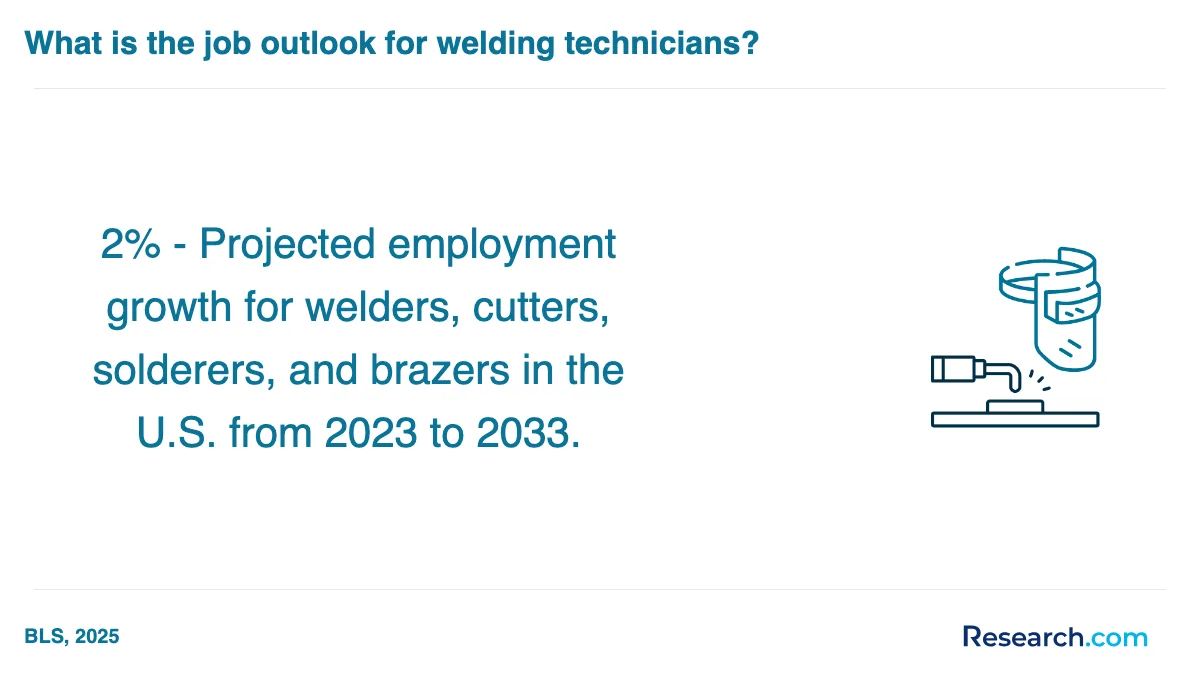
Welder trade school programs in Emporia immerse students in a variety of essential courses designed to build both confidence and expertise. Graduates often recall starting with core subjects like blueprint reading, which enables them to decode complex welding plans before even picking up a torch. This foundation is quickly complemented by lessons in metallurgy, where students explore the unique behaviors of metals such as aluminum and stainless steel-knowledge that proves invaluable when working on real projects.
Hands-on training is a highlight at popular Emporia trade schools, where students master key welding processes including:
- Oxy-acetylene cutting and welding
- Semi-automatic cutting techniques
- Brazing
- Shielded Metal Arc Welding (SMAW)
- Gas Metal Arc Welding (GMAW)
- Flux Cored Arc Welding (FCAW)
- Gas Tungsten Arc Welding (GTAW)
Many students describe the thrill of practicing industry-standard welding positions on modern equipment, feeling ready to tackle the unpredictable demands of the workplace. Advanced courses in robotic welding and CNC programming add a cutting-edge edge, preparing learners for tomorrow's manufacturing challenges. Safety training and quality control workshops ensure graduates leave not only skilled but also responsible and detail-oriented-qualities that local employers in Emporia highly value.
Welding programs in Emporia Kansas typically specialize in a range of essential techniques that prepare students for diverse careers in the field. Graduates from Flint Hills Technical College often highlight hands-on training in shielded metal arc welding, gas tungsten welding, and structural welding, which build confidence to tackle real-world projects. Some students express pride in mastering MIG, TIG, stick, and flux core welding methods, skills crucial in manufacturing and construction sites.
Welder training courses in Emporia Kansas cover practical skills like blueprint reading and pipe layout, bridging classroom knowledge with workplace demands. Popular programs, such as those at Washburn Tech, focus on quality assurance and safety, reinforcing the importance of precision and responsibility when bonding or cutting metals.
- Proficiency in various arc welding techniques
- Emphasis on welding symbols and print reading
- Courses on safety protocols and quality control
These specializations empower students to transition into careers where the demand for skilled welders is strong. Many graduates feel excited about joining trades with growth potential, especially those interested in best paying trades.
Choosing the best welder trade school program in Emporia requires looking beyond just the course listings. Graduates from local colleges often share how hands-on training and strong industry connections made their learning experience rewarding and practical. Imagine yourself practicing welding techniques with instructors who have real-world expertise, rather than just theoretical knowledge. This approach builds confidence and readiness for actual job sites.
The environment matters, too. Schools that foster a collaborative atmosphere help students feel supported, reducing the stress that can come with mastering complex skills. Some Emporia programs even partner with regional employers, increasing chances of internships or employment right after graduation.
Before making a decision, consider schools that offer flexible learning paths, such as trade school or vocational program options tailored to your schedule and goals. These tailored programs often lead to certifications that employers in Emporia highly value, making your transition into the workforce smoother and more assured.
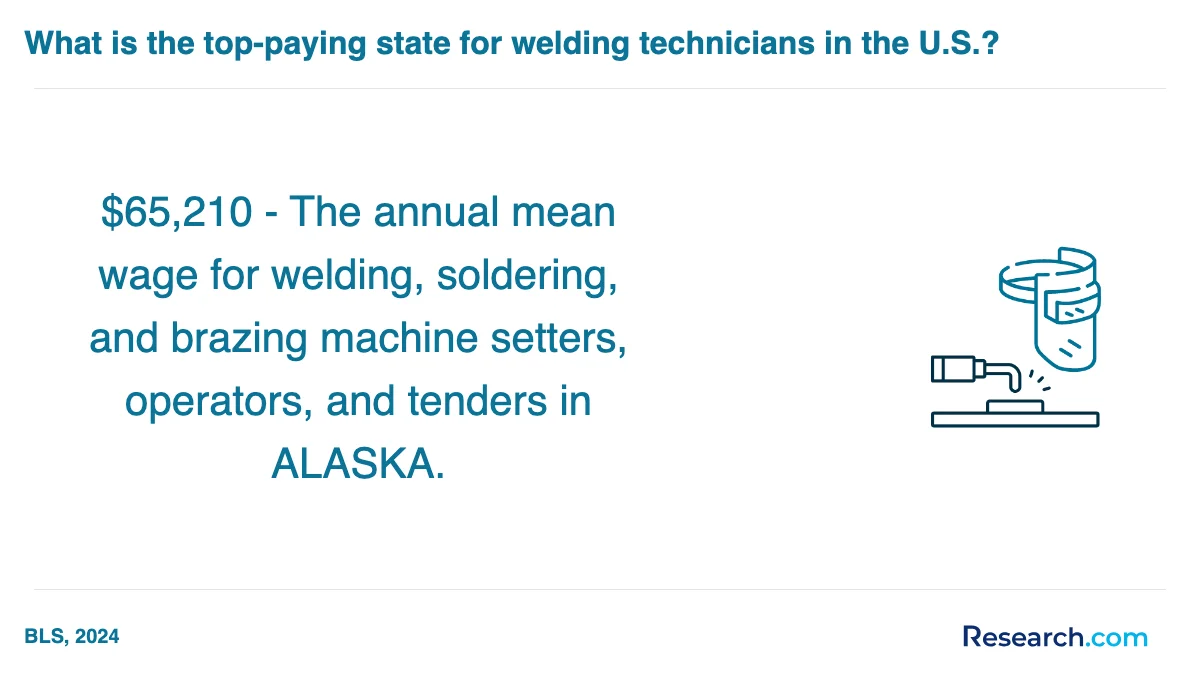
Graduates from welder trade school programs in Emporia can tap into a variety of welding career opportunities in Emporia KS that align with their skills and ambitions. Many find rewarding positions in local manufacturing plants, where they handle assembly, fabrication, and equipment repair-often earning up to $14.00 per hour initially. These roles offer a clear path for advancement as welders gain experience and certifications.
Others thrive in construction and maintenance sectors, servicing hotels, industrial facilities, and agricultural sites, where their ability to manage multiple welding techniques is highly valued. Graduates from prominent trade schools in Emporia report satisfaction working on-site, performing vital repairs, and contributing to large projects.
More specialized welding jobs for trade school graduates in Emporia open up with further education, such as associate degrees, leading to roles in power plants, refineries, or automated welding operations. The presence of major employers like Michelin highlights opportunities for career growth within top industrial firms.
- Entry-level welding positions in manufacturing and fabrication
- Maintenance and repair roles in hospitality and industrial plants
- Advanced technical positions in power plant and refinery construction
- Transition into related fields like mold mechanic or maintenance technician
Such diversity of options shows welding is among easy trades that pay well, blending practical skills with stable local demand and meaningful career progression.
The welding job opportunities in Emporia KS are robust and growing, making it an ideal time to pursue welder trade school programs locally. Graduates from popular trade schools often share how quickly they secure positions, benefiting from companies eager to hire at all experience levels-from entry to master inspector roles. A standout fact is that employers in Emporia are offering welder positions at competitive wages, sometimes reaching $31 per hour, a strong signal of welder salary and hiring trends Emporia currently enjoys.
Many welders find themselves working in manufacturing, maintenance, and specialized sectors like mold mechanics at major firms such as Michelin. Graduates often highlight the real-world skills gained through hands-on training that prepare them to excel in fast-paced environments requiring safety compliance and independence. Key aspects to focus on include:
- The demand for certified welders among local manufacturers and fabricators
- Opportunities for long-term career growth and advancement
- The wide range of roles accessible with just a few months of experience or formal certification
For students concerned about affordability and flexibility, some opt for affordable online maintenance technician trade school programs that complement their welding training, boosting marketability. This blend of training aligns with the booming industry needs and signals promising career stability backed by solid local employer demand.
Most Affordable Welding Schools & Training - Budget-Friendly Welding Trade Programs in Emporia for 2026
# 1 position
Flint Hills Technical College - Welding Technology/Welder.
associateFlint Hills Technical College offers a Welding Technology/Welder program with a hybrid format including some distance education. The program trains students in various welding techniques such as arc welding, resistance welding, brazing, and high-energy beam welding. Coursework covers welding metallurgy, safety, structural design, and applicable codes. Annual in-state tuition is $6,196, and graduates earn a median salary of $36,731 one year after completion. The program is accredited by the Higher Learning Commission.
# 2 position
Flint Hills Technical College - Welding Technology/Welder.
certificate or diplomaFlint Hills Technical College offers a Hybrid Welding Technology/Welder program designed to equip students with skills in arc welding, resistance welding, brazing, soldering, and cutting. The curriculum covers welding metallurgy, heat treating, structural design, safety, and applicable codes. Annual in-state tuition is $6,196. Graduates have median earnings of $36,731 one year after completion. The program is accredited by the Higher Learning Commission.
Frequently Asked Questions about welder
After completing a welder trade school in Emporia, preparing for the job market involves several key steps. First, obtaining industry-recognized certifications, such as those from the American Welding Society (AWS), can significantly improve employment prospects. Many employers in Kansas value these credentials as proof of skill.
Networking is also crucial. Joining local trade organizations and attending job fairs in Emporia helps graduates connect with potential employers. According to the Kansas Department of Labor, welding jobs in the Emporia area are projected to grow by 7% through 2028, reflecting steady demand.
Additionally, developing a strong resume that highlights hands-on experience gained during training is important. Many trade schools offer career services to assist with this process.
Employers in Emporia prioritize several key skills when hiring graduates from welder trade schools. Technical proficiency in various welding techniques, such as MIG, TIG, and Stick welding, is essential. According to the Bureau of Labor Statistics, welders with certification from the American Welding Society (AWS) have better job prospects nationwide, including in Emporia. Employers also value the ability to read blueprints and interpret welding symbols accurately, as these skills ensure precision and safety on the job.
Strong attention to detail and manual dexterity are crucial, as welding requires working with small, intricate parts. Additionally, knowledge of safety protocols and the use of protective equipment is mandatory to reduce workplace accidents. Communication skills and teamwork are often highlighted in job listings from Emporia-area manufacturers, reflecting the collaborative nature of many welding projects.
Finding internships relevant to welder trade school programs in Emporia involves several practical steps. Start by contacting local trade schools and community colleges, such as Flint Hills Technical College, which often partner with area employers to provide internship opportunities.
Check with Emporia's local workforce development offices and the Kansas Department of Labor, which maintain listings of apprenticeship and internship programs in skilled trades. According to the U.S. Bureau of Labor Statistics, welding apprenticeships nationwide have a placement rate of about 70%, reflecting strong industry demand.
Additionally, reach out directly to welding shops, manufacturing companies, and construction firms in Emporia. Networking through career fairs and trade associations like the American Welding Society can also help uncover unpaid or paid internships that provide hands-on experience aligned with your training.
Obtaining a welder trade school diploma in Emporia significantly enhances career mobility and advancement opportunities. According to the Kansas Department of Labor, welders with formal training typically experience higher job placement rates and earn wages approximately 15% above the regional average. This credential demonstrates practical skills and knowledge valued by local employers in manufacturing, construction, and energy sectors.
Emporia's growing industrial base demands qualified welders, and diploma holders are often prioritized for promotions and specialized roles. The diploma also facilitates eligibility for certifications like the American Welding Society (AWS) credentials, which further improve prospects. Overall, a welder diploma serves as a vital stepping stone toward stable employment and upward career movement in Emporia's labor market.
Students attending welder trade schools in Emporia can benefit from part-time jobs that provide practical experience and income. Local manufacturing plants and metal fabrication shops often seek entry-level helpers, which can complement classroom learning. According to the Kansas Department of Labor, these roles typically pay between $12 and $16 per hour, offering valuable exposure to welding environments.
Construction sites in Emporia also hire part-time laborers who assist welders, allowing students to observe and practice safety measures and tool handling firsthand. Additionally, equipment maintenance positions in nearby warehouses can help develop technical skills related to welding machinery.
To choose the most affordable welder degree program near Emporia, KS, consider researching local community colleges and vocational schools, as they often offer lower tuition rates compared to four-year institutions. Use online tools such as Research.com to compare program costs and curricula and find options near me. Additionally, reach out to institutions near Emporia, KS, to inquire about financial aid opportunities and scholarship programs for welding students.
- Most Affordable Welding Schools & Training - Budget-Friendly Welding Trade Programs in Denison for 2026
- Most Affordable Welding Schools & Training - Budget-Friendly Welding Trade Programs in Elgin for 2026
- Most Affordable Welding Schools & Training - Budget-Friendly Welding Trade Programs in Columbus for 2026
- Welding Technology - Flint Hills Technical College https://fhtc.edu/program/welding-technology/
- Gas Metal Arc Welding Process (GMAW) | Southside Virginia Community College https://southside.edu/welding
- Local Training Finder | CareerOneStop https://www.careeronestop.org/Toolkit/Training/find-local-training-detail.aspx
- Emporia, KS. Trade Schools | Trade School Guide https://toptrade.school/find/kansas/emporia/
- Trade Schools and Technical Colleges - Emporia, KS & Online https://careerschoolnow.org/colleges/cities/emporia-ks
- Welding Programs - Industrial Welding Process Training https://fpctx.edu/welding/
- Welding Trade Schools in Emporia, KS - Welder Training https://weldingcareernow.com/welding-schools/emporia-ks
- Welding training - Warsaw, Kraków, Wrocław, Łódź, Poznań https://kurso.eu/en/training-and-courses/welding-courses/welding/
- Welding & Trade School in the U.S. | Tulsa Welding School https://www.tws.edu/
- Welding Trade Schools: Ignite Your Future With Hands-On Training https://www.trade-schools.net/trades/welding


