Most Affordable Trade School & Training Programs - Leading Certification Courses in Seattle for 2026

Co-Founder and Chief Data Scientist
Choosing the right trade school in Seattle can feel overwhelming, especially when budget matters. This article introduces the most affordable trade schools in Seattle for 2026, designed to help you find quality programs without breaking the bank.
The Research.com team of data scientists created a trade school programs ranking to guide you toward programs that balance cost and value. Reading this article can simplify your decision and boost your confidence in pursuing a trade diploma or certification.
Getting certified opens doors to rewarding careers, and this guide supports your journey with trusted insights.
Key benefits of finishing trade school programs trade school in Seattle
- Trade school graduates in Seattle can earn from $45,000 to over $92,000 annually, with technical jobs like HVAC and electrical offering starting salaries between $55,000 and $85,000, and apprenticeships paying more than $30 per hour plus benefits.
- Popular career paths for trade school graduates include healthcare support roles such as medical assistants and dental hygienists, as well as skilled trades like utilities, transportation, and construction management, all providing strong job security and growth.
- Online trade school programs in Seattle offer flexible schedules and the same valuable certifications as on-campus options, making it easier to balance work and study while quickly launching a rewarding career.
- Most Affordable Trade School & Training Programs - Leading Certification Courses in Seattle for 2026
- What can I expect from trade school programs trade schools in Seattle?
- Where can I work after finishing trade school programs trade schools in Seattle?
What can I expect from trade school programs trade schools in Seattle?
The average cost of a trade school program in Seattle varies based on the field and length but generally ranges from affordable to moderate when compared to traditional colleges. Graduates from Seattle Skills Center note that many courses run around half a day for nearly a full academic year, making them accessible without full-time financial strain. These programs often come with additional benefits like earning three Career and Technical Education (CTE) credits and sometimes college credit equivalencies.
Apprenticeships, such as those with City Light, offer paid on-the-job training, which helps offset costs while gaining valuable experience. Graduates frequently share stories of balancing classroom learning with real workplace challenges, supported by union programs and state oversight that ensure quality training without unexpected expenses.
Flexible scheduling through institutions like South Seattle College allows students to maintain jobs or family duties. Many find this balance enhances their confidence and commitment. Programs targeting underrepresented groups also provide supportive pathways to high-paying careers, emphasizing that cost considerations never mean sacrificing quality or opportunity.
Where can I work after finishing trade school programs trade schools in Seattle?
Graduates from Seattle trade schools often step directly into thriving local industries, thanks to strong connections between programs and employers. Those completing construction, electrical, or plumbing tracks frequently begin as apprentices with unions or contractors, combining paid on-the-job training with classes. These graduates regularly land roles as journey-level electricians, plumbers, or carpenters, working on projects like the massive Waterfront Seattle development.
Trade school alumni in HVAC programs find rewarding careers with property management firms or HVAC companies maintaining commercial and residential systems. Many share stories of feeling proud maintaining vital infrastructure while earning competitive salaries around $68,932 annually.
Automotive program graduates often secure mechanic or technician roles at Seattle dealerships and repair shops, enjoying steady work and a 12% job growth outlook. For tech-focused students, companies like Amazon and Microsoft offer entry-level IT support and cybersecurity roles, where starting salaries near $55,556 evolve quickly with experience.
Popular Seattle trade schools equip students with hands-on skills that open doors in healthcare, manufacturing, and public safety as well, helping graduates feel confident pursuing meaningful, stable careers close to home.
After completing a trade school program in Seattle, graduates often find themselves earning competitive wages that reward their specialized skills. For many students from well-known Seattle trade schools, entry-level roles such as Construction Laborer start around $21.00 per hour, making it possible to earn a solid living right out of school. Others, like HVAC Technicians, can command hourly rates as high as $52.44, reflecting their advanced training and experience.
Apprenticeships are a valuable next step, with apprentices earning about $50,438 annually, gradually increasing their income through hands-on experience. Many trade school grads report salaries ranging from $57,200 to $92,300, with top performers earning over $113,000 per year.
This earning potential often excites new students, who feel confident that their investment in Seattle's trade schools will lead to rewarding careers. Real-life success stories highlight how graduates quickly find well-paying jobs that match their skills, fueling satisfaction and motivation as they grow professionally.
- Most Seattle trade schools have open admissions for students 18 or older with a high school diploma or GED®.
- Tuition for a one-year certificate or two-year associate degree typically ranges from $4,000 to $5,000 per year, excluding books and living expenses.
- The Washington State Opportunity Scholarship offers up to $1,500 per quarter for eligible students in approved trade programs.
- Heating, air conditioning, and refrigeration mechanics earn an average of $68,932 per year with a 19% job growth projected through 2030.
- Welders earn about $59,562 annually, and automotive service technicians make around $54,945, both with steady job growth expected.
- No bachelor's degree is required for entry, and applicants should complete FAFSA or WASFA to apply for financial aid.
Trade school programs in Seattle typically take between one and five years to complete, depending on the field and credential. Many graduates of Seattle Central College's Wood Technology Center, for example, finish certificate programs in carpentry or cabinet making within one to two years, feeling confident as they step into skilled jobs. Those pursuing automotive technology at South Seattle College usually complete their Associate of Applied Science Degree in about two years of full-time study, gaining hands-on experience that quickly prepares them for the workforce.
For high school students at the Seattle Skills Center, trade education fits neatly into the academic year, with daily sessions that build both high school credits and industry certifications. Apprenticeships offer a longer, immersive path: programs like Seattle City Light's Generation Electrician Constructor last around four years, combining paid work and classroom training, which many find rewarding and career-launching. Masonry apprenticeships often span three to four years, balancing on-the-job learning with skill development.
Associate degree programs in various technical fields also generally require two years, providing a solid base for advancing careers. Part-time options and internships can adjust timelines but still lead graduates toward meaningful employment in Seattle's thriving trade sectors.
Online trade school programs in Seattle offer flexibility that suits busy schedules, allowing students to complete coursework remotely at their own pace. Graduates often appreciate being able to balance family or work commitments while advancing their skills, especially with self-paced courses available year-round at local schools. Interaction with instructors happens through video calls or discussion boards, making it possible to stay connected without physically attending classes.
In contrast, on-campus programs provide hands-on experience that many students find invaluable. Those attending popular Seattle trade schools enjoy direct access to specialized equipment and face-to-face learning, which builds confidence in practical skills. Scheduled classes create a routine that some find motivating, and the social environment fosters peer support and teamwork. For example, students in automotive or welding programs benefit from immediate feedback during labs.
Both formats lead to recognized certificates or degrees, though on-campus options may offer broader course selections. Choosing between them depends on whether you value flexibility or immersive, in-person training most.
The average trade school tuition in Seattle generally runs around $24,080 per year, which reflects statewide averages for the 2024-2025 academic year. However, students often find that costs vary significantly based on whether the school is public or private, and the specific program of study. For example, graduates from South Seattle College report feeling relieved by the affordable tuition of $4,324 annually, making hands-on trades accessible without overwhelming debt. Others choosing Seattle Central College for programs like automotive technology or nursing pay around $7,776 to $12,720 per year, combining quality education with moderate expenses.
Seattle trade school program costs 2026 tend to be higher at private institutions, where students pursuing aesthetics or massage therapy at places like the Seattle Institute of Cosmetology encounter annual tuition around $19,800 to $27,500. Though pricier, many graduates appreciate the specialized training and accelerated career pathways private schools often provide. Additional expenses such as tools and supplies, essential for fields like welding or automotive work, can add a few thousand dollars, but the investment typically leads to practical skills that open doors in competitive job markets.
Financial aid options also play a crucial role in managing costs. Many students effectively reduce out-of-pocket expenses through scholarships, grants, and federal aid programs available at Seattle trade schools. Students looking for even more affordable options may explore cheap online landscaping technology trade school programs to complement or substitute some in-person training, blending flexibility with budget-conscious planning.
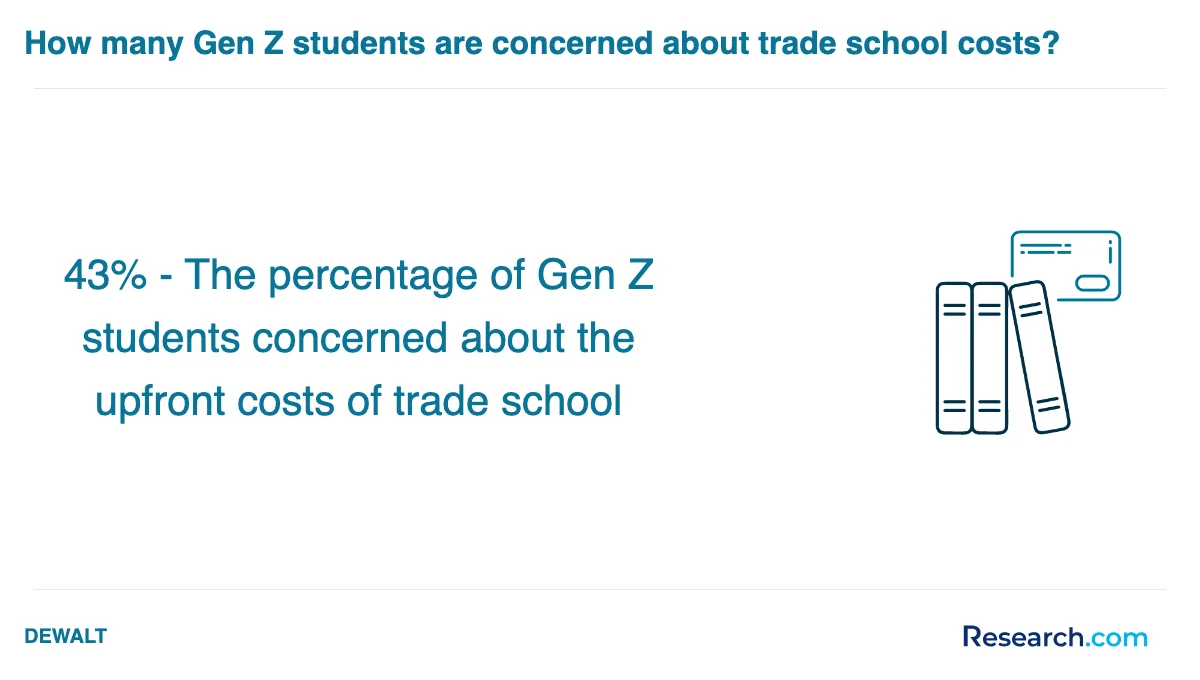
Trade school students in Seattle have access to several practical financial aid options that make pursuing vocational education more affordable. Many graduates from North Seattle College share how the Seattle Promise program relieved their tuition burden by covering up to two years of classes, regardless of income or citizenship. This program also offers equity scholarships that help with essentials like books and housing, making day-to-day expenses manageable.
For King County residents attending technical schools, the Assistance League of Seattle used to offer $1,500 quarterly scholarships for students maintaining a 2.5 GPA, though this aid is currently paused. Meanwhile, the state's Washington Career & Technical Scholarship (CTS) provides up to $1,500 each quarter to qualifying students, supporting many at Seattle Central College seeking certificates or apprenticeships.
Most students start by completing the FAFSA or WASFA applications to unlock federal Pell Grants, work-study, and school-specific scholarships. Many graduates from South Seattle College emphasize how combining these supports helped cover costs and reduce stress during their studies.
Enrolling in a trade school program in Seattle is accessible and straightforward for most applicants, especially at well-known institutions like Seattle Central College. Typically, anyone aged 18 or older, or those who have graduated high school or passed the GED® exam, can apply. Many graduates recall how this open-admission policy made the process feel welcoming and doable, especially for adult learners making a career change.
For younger students under 18, certain options exist, such as submitting an underage petition or joining special high school programs offered locally. One graduate mentioned how these pathways allowed them to begin technical training early while finishing high school.
Financial aid eligibility, including programs like the Washington State Opportunity Scholarship, requires:
- Washington state residency
- Proof of financial need (family income below 125% of the state median)
- Completion of FAFSA or WASFA forms
- Enrollment in at least three credits per term
- No prior bachelor's degree
Seattle trade schools emphasize inclusivity, supporting undocumented students and those with disabilities, often providing necessary accommodations so everyone can succeed.
Note that specialized fields like healthcare or IT might ask for extra steps such as background checks or immunization proof. Graduates in these fields often advise new students to check program-specific requirements early to avoid surprises.

Trade school programs in Seattle typically focus on practical skills that prepare students for in-demand careers. Graduates from Seattle Central College's Wood Technology Center often recall hands-on experiences in carpentry, boat building and repair, and residential construction, where they mastered tool use, safety practices, and industry certifications that helped them step confidently into the workforce.
South Seattle College's automotive technology students highlight how partnering with industry leaders like Ford ASSET and Toyota T-TEN provided them with real-world expertise in vehicle repair and service, blending classroom learning with lab work over a two-year program. This practical approach makes the transition to employment smoother and more exciting.
North Seattle College offers courses in aviation electronics, fire science, and mechatronics, where apprenticeships in ironworking and controls allow students to apply technical theory on real job sites, increasing their confidence and readiness.
Students at the Seattle Skills Center benefit from year-long CTE courses in areas like manufacturing, landscaping, and energy systems, gaining certifications and credits that pave the way for further education or immediate employment.
City of Seattle apprenticeships for electricians combine intensive classroom instruction with hands-on training, teaching safe, complex electrical work recognized by local employers.
- Carpentry, boat building, residential construction at Seattle Central College
- Automotive technology with industry partnerships at South Seattle College
- Aviation electronics, fire science, mechatronics, apprenticeships at North Seattle College
- Manufacturing, landscaping, energy systems courses at Seattle Skills Center
- Electrical apprenticeships through City of Seattle programs
Trade school programs in Seattle offer a wide variety of specializations tailored for hands-on learners ready to enter thriving industries. Graduates from North Seattle College describe gaining skills in areas like Associate Controls Specialist Apprenticeships, Aviation Electronics, Industrial Power and Control, and Mechatronics, which make them confident and job-ready. Meanwhile, those studying at Bates Technical College often share how programs such as Automotive Technology, Diesel and Heavy Equipment Technology, or HVAC/R prepared them for immediate career opportunities with real certifications and apprenticeship hours.
Many students at Seattle Central College's Wood Technology Center appreciate focusing on Carpentry, Cabinet Making, and Marine Carpentry, where sustainable building practices are emphasized, a perfect fit for those excited by eco-friendly construction. South Seattle College's partnerships with automakers through programs like the Automotive Technology Associate allow students to access manufacturer-specific training, boosting their career prospects.
Specializations also include roles in construction, manufacturing, electrical, and plumbing trades, supported by apprenticeship programs combining paid work experience with classroom instruction across Seattle. If you are wondering what skills are needed in different fields, this what are considered trade jobs guide can help clarify.
Start by verifying program accreditation to ensure your training meets industry standards and that employers will recognize your credentials. Graduates from South Seattle College often share how accreditation opened doors for them in healthcare and skilled trades. Next, look at the range of programs and hands-on training opportunities, as many students find Renton Technical College's practical approach invaluable for mastering skills quickly. If you're weighing costs, consider how to compare Seattle trade school costs by exploring tuition rates, scholarships, and unique options like apprenticeships that might even be tuition-free through union partnerships.
Flexible scheduling options are a lifesaver for many working students balancing jobs and family, something Bates Technical College accommodates well with evening and weekend classes. Visiting campuses or virtual tours can help you connect with instructors and current students, giving you real insight into support services and mentorship. For a clearer understanding of the difference between trade and vocation programs, explore what is the difference between a trade and a vocation.

Trade school graduates in Seattle find numerous skilled trades career pathways in Seattle that connect classroom knowledge with hands-on experience. Many graduates enter unionized apprenticeship programs in construction, electrical work, plumbing, carpentry, and welding-fields boasting strong demand across the city. These programs combine paid on-the-job training with formal instruction, allowing graduates to earn while they learn and transition smoothly into the local workforce.
Seattle trade school job opportunities also extend to the transportation and automotive sectors. Graduates often become automotive technicians, diesel mechanics, commercial drivers, or marine equipment specialists, supporting vital regional infrastructure. Those interested in technology can pursue careers in aviation electronics, industrial power controls, or mechatronics, maintaining advanced machinery used by Seattle's aerospace and manufacturing industries.
Practical programs in facilities maintenance, HVAC, and sheet metal technology have graduates praising their preparation for immediate job placement. Students from popular trade schools in Seattle highlight how industry-recognized certifications open doors. For those wanting to explore training further, consider the best hvac certificate courses online, which bolster career readiness in this growing field.
The job market for trade school graduates in Seattle remains promising despite overall economic challenges and a rise in King County's unemployment rate. Graduates from popular Seattle trade schools often secure roles in welding, HVAC, and automotive services-fields showing strong local demand and competitive wages. For instance, many HVAC mechanics from Seattle programs report feeling confident about job stability, as the field is projected to grow by 19%, offering salaries near $69,000.
Graduates frequently share practical experiences, such as quickly finding apprenticeships through the Seattle Jobs Initiative or Seattle Colleges' aviation maintenance programs, which partner with major employers like Alaska Airlines. These opportunities help bridge training with employment, especially for those without four-year degrees.
Key highlights for graduates navigating the job market for trade school graduates in Seattle include:
- 7% growth expected in welding and related trades
- Competitive pay starting at entry-level apprenticeships, rising significantly with experience
- A focus on hands-on mentorship, job shadowing, and support networks
Those interested in exploring options can find comprehensive guidance on the best online trade school programs, which include many Seattle-based choices designed to maximize career readiness and local job placement.
Most Affordable Trade School & Training Programs - Leading Certification Courses in Seattle for 2026
# 1 position
North Seattle College - Computer Systems Networking and Telecommunications.
associateNorth Seattle College offers a hybrid program in Computer Systems Networking and Telecommunications, focusing on designing, implementing, and managing linked computer systems and software to improve efficiency. The curriculum covers operating systems, systems design, networking theory, management, security, and troubleshooting. Annual in-state tuition is $5,058. The program is accredited by the Northwest Commission on Colleges and Universities, preparing students for roles as network specialists and managers at various levels.
# 2 position
North Seattle College - Heating, Air Conditioning, Ventilation and Refrigeration Maintenance Technology/Technician.
associateNorth Seattle College offers a hybrid Heating, Air Conditioning, Ventilation and Refrigeration Maintenance Technology/Technician program. It prepares students to repair, install, service, and maintain HVAC and refrigeration systems using diagnostic techniques and testing equipment. Instruction covers mechanics, electricity, and electronics principles related to these systems. The program’s annual in-state tuition is $5,058 and it is accredited by the Northwest Commission on Colleges and Universities.
# 3 position
North Seattle College - Industrial Mechanics and Maintenance Technology/Technician.
associateNorth Seattle College offers a hybrid Industrial Mechanics and Maintenance Technology/Technician program focused on repairing and maintaining industrial machinery and equipment such as cranes, pumps, engines, pneumatic tools, and conveyor systems. The program is accredited by the Northwest Commission on Colleges and Universities. Annual in-state tuition for this program is $5,058.
# 4 position
North Seattle College - Business Administration and Management, General.
associateNorth Seattle College offers a Business Administration and Management, General program with a hybrid format that includes some distance-education options. This program prepares students to plan, organize, direct, and control business functions and processes. Coursework covers management theory, human resources, accounting, purchasing, logistics, marketing, and decision-making. Annual in-state tuition is $5,058. The program is accredited by the Northwest Commission on Colleges and Universities.
# 5 position
North Seattle College - Office Management and Supervision.
associateNorth Seattle College offers a hybrid Office Management and Supervision program designed to train individuals to manage business office operations and personnel. The curriculum covers employee supervision, labor relations, budgeting, scheduling, office systems, records management, and public relations. Annual in-state tuition is $5,058. The program is accredited by the Northwest Commission on Colleges and Universities, providing recognized credentials in this field.
# 6 position
North Seattle College - Accounting Technology/Technician and Bookkeeping.
associateNorth Seattle College offers a hybrid program in Accounting Technology/Technician and Bookkeeping, designed to prepare students for technical administrative roles supporting accountants and financial management. The curriculum includes instruction in posting transactions, record-keeping systems, accounting software, and general accounting principles. The program’s annual in-state tuition is $5,058. It is accredited by the Northwest Commission on Colleges and Universities.
# 7 position
North Seattle College - Industrial Mechanics and Maintenance Technology/Technician.
certificate or diplomaNorth Seattle College offers a hybrid Industrial Mechanics and Maintenance Technology/Technician program designed to prepare students to repair and maintain a variety of industrial machinery and equipment, including cranes, pumps, engines, pneumatic tools, and conveyor systems. The program’s annual in-state tuition is $5,058. It is accredited by the Northwest Commission on Colleges and Universities, ensuring recognized educational standards.
# 8 position
North Seattle College - Phlebotomy Technician/Phlebotomist.
certificate or diplomaNorth Seattle College offers a Hybrid Phlebotomy Technician/Phlebotomist program preparing students to draw blood samples using various techniques under medical supervision. The curriculum covers vascular anatomy, blood physiology, skin puncture, venipuncture, specimen handling, safety, and regulations. Accredited by the Northwest Commission on Colleges and Universities, the program has an annual in-state tuition of $5,058, with median earnings of $49,101 one year after completion.
# 9 position
South Seattle College - Computer Science.
associateSouth Seattle College offers a Computer Science program delivered in a hybrid format, combining in-person and distance education. The curriculum covers computer theory, problem-solving, system design, and user interfaces with a scientific approach. Students learn computational science principles, programming, and practical applications. The program’s annual in-state tuition is $4,865. It is accredited by the Northwest Commission on Colleges and Universities.
# 10 position
South Seattle College - Computer Systems Networking and Telecommunications.
associateSouth Seattle College offers a hybrid program in Computer Systems Networking and Telecommunications that prepares students to design, implement, and manage linked computer systems and software efficiently. The curriculum covers operating systems, systems design, networking theory, network management, security, and troubleshooting. Annual in-state tuition is $4,865. The program is accredited by the Northwest Commission on Colleges and Universities.
Frequently Asked Questions about trade school programs
Preparing for the job market after completing trade school in Seattle involves several key steps. Graduates should begin by developing a strong resume that highlights their technical skills and certifications earned during their program. According to the Washington State Employment Security Department, sectors such as construction, healthcare, and manufacturing see steady demand for skilled tradespeople in Seattle.
Networking is crucial; attending industry events and joining local trade associations can connect candidates with potential employers. Additionally, seeking internships or apprenticeships before graduation can improve job prospects. Many Seattle trade schools also offer career services, including job placement assistance, which can be a valuable resource for graduates entering the workforce.
Employers in Seattle highly value practical and technical skills among trade school graduates. According to the Washington State Workforce Training and Education Coordinating Board, skills in advanced manufacturing, HVAC, electrical work, and construction trades are in strong demand, reflecting Seattle's growing infrastructure and tech industries.
Beyond technical abilities, soft skills such as communication, problem-solving, and teamwork are crucial. A 2023 survey by the National Association of Workforce Boards found that 78% of Seattle employers prioritize adaptability and reliable work ethic when hiring trade graduates.
Additionally, familiarity with safety regulations and digital tools related to specific trades significantly enhances employability in the region. These combined skills meet employer expectations in Seattle's competitive job market.
Finding internships in Seattle relevant to your trade school program starts with leveraging local resources. Many trade schools in the city maintain partnerships with businesses in industries like construction, healthcare, and technology. Check with your school's career services office for established internship listings and employer contacts.
The Seattle Office of Economic Development offers programs supporting internships, particularly in skilled trades, with some positions paid. According to the Washington State Department of Commerce, about 60% of Seattle internships in 2023 were in industries aligned with trade skills, including manufacturing and automotive services.
Online platforms like Handshake and local job boards also list internship opportunities targeted to trade students. Networking through industry associations, such as the Associated General Contractors of Washington, can further uncover openings. Early and active engagement increases the chance of securing a relevant and beneficial internship.
In Seattle, earning a trade school diploma can significantly enhance career mobility and advancement. Many local industries, including construction, healthcare, and technology services, value practical skills obtained through trade programs. According to the Washington State Employment Security Department, graduates from accredited trade schools in Seattle see employment rates above 80% within six months of completion.
Trade credentials often lead to higher starting wages compared to those with only a high school diploma. For example, the Economic Policy Institute reports that in Washington State, trade school graduates earn approximately 20% more on average in the first five years of their careers. This financial boost supports upward mobility and stability.
Furthermore, Seattle's robust economy means many trade school alumni have access to apprenticeships and employer-sponsored advancement opportunities. Skills learned in these programs are tailored to meet local labor market needs, facilitating smoother transitions to supervisory roles or specialized positions.
Seattle offers various part-time job opportunities that complement trade school education, providing practical experience and income. Popular roles include apprentice electrician, HVAC technician assistant, and automotive service helper. These jobs align well with programs in electrical, HVAC, and automotive technologies.
According to the U.S. Bureau of Labor Statistics, Seattle's part-time job market for skilled trades has grown by 8% from 2021 to 2023. Positions in construction and manufacturing, often filled by trade students, pay between $15 and $25 per hour, depending on experience.
Additionally, local employers value certifications from trade schools, increasing students' chances of securing relevant part-time roles during study.
To find the most affordable degree program near me in Seattle, WA, you can start by researching local universities and colleges in the area that offer programs aligned with your field of interest. Programs vary in affordability, and options like community colleges often provide lower tuition rates compared to four-year institutions. Consider using resources like Research.com to compare program costs, financial aid opportunities, and reviews to determine the best option near Seattle, WA that fits your budget.
- Most Affordable Trade School & Training Programs - Leading Certification Courses in Bremerton for 2026
- Most Affordable Trade School & Training Programs - Leading Certification Courses in Billings for 2026
- Most Affordable Trade School & Training Programs - Leading Certification Courses in Lancaster for 2026
- Most Affordable Trade School & Training Programs - Leading Certification Courses in Anaheim for 2026
- Most Affordable Trade School & Training Programs - Leading Certification Courses in Topeka for 2026
- Most Affordable Trade School & Training Programs - Leading Certification Courses in Olathe for 2026
- Most Affordable Trade School & Training Programs - Leading Certification Courses in Overland Park for 2026
- Most Affordable Trade School & Training Programs - Leading Certification Courses in Tulsa for 2026
- Skilled Trades Pathway - Seattle Public Schools https://www.seattleschools.org/departments/cte/cte-programs-and-courses/skilled-trades-pathway/
- Skilled Trades and Technical Training | North Seattle College https://northseattle.edu/areas-study/skilled-trades-and-technical-training
- Professional & Technical Career Training | Seattle Colleges https://www.seattlecolleges.edu/programs/professional-technical-career-training
- Trade Schools, What Are The Benefits - InterCoast Colleges https://intercoast.edu/articles/benefits-of-trade-schools/
- Pre-apprenticeship Trades Rotation Program (Training) - ANEW https://anewcareer.org/programs/pre-apprenticeship-trades-rotation-training-program/
- Career Training and Opportunities for Graduates - Interagency High School https://interagency.seattleschools.org/student-life/career-training-and-opportunities-for-graduates/
- Career Pathways - BatesTech - BatesTech https://www.batestech.edu/career-pathways/