Most Affordable Trade School & Training Programs - Leading Certification Courses in Santa Maria for 2026

Co-Founder and Chief Data Scientist
Choosing the right trade school in Santa Maria can feel overwhelming, but it doesn’t have to be. This article offers a clear guide to the most affordable options for 2026, helping you find a program that fits your goals and budget.
The ranking featured here is carefully crafted by the Research.com team of data scientists, so you can trust the information is based on solid research. Earning a trade school diploma or certification opens doors to rewarding careers, and this article is designed to help you take that important first step confidently.
Key benefits of finishing trade school programs trade school in Santa Maria
- Trade school graduates in Santa Maria can earn competitive salaries, such as licensed vocational nurses making about $39.37 per hour with additional overtime pay, while instructional assistants and substitute teachers typically earn between $22.16 to $215 per day, offering good financial stability.
- Popular career paths include healthcare roles like LVNs, education support jobs such as instructional assistants, and substitute teaching, all providing meaningful work and strong local demand for graduates.
- Obtaining a trade school diploma or certification online offers flexibility and convenience, allowing students to balance work and life while gaining skills from respected local programs, making education accessible and practical.
- Most Affordable Trade School & Training Programs - Leading Certification Courses in Santa Maria for 2026
- What can I expect from trade school programs trade schools in Santa Maria?
- Where can I work after finishing trade school programs trade schools in Santa Maria?
What can I expect from trade school programs trade schools in Santa Maria?
The average cost of a trade school program in Santa Maria typically ranges between $10,000 and $20,000, depending on the field of study and the length of the program. Graduates from schools like Carrington College and the Center for Employment Training often highlight that this investment feels worthwhile due to the hands-on training and career-focused environment. Many students appreciate how programs can be completed in under a year, allowing them to start earning sooner without accumulating excessive debt.
Students can expect transparent tuition fees covering specialized labs and equipment, such as EKG machines for healthcare or digital studios for creative arts at Laurus College. Day and evening scheduling options also provide flexibility for working adults or those balancing family responsibilities. In addition, support services like job placement assistance help graduates transition smoothly into local job markets, boosting confidence and reducing uncertainty.
While costs vary, the practical skills and career-ready preparation make Santa Maria trade school programs a smart investment for those eager to enter growing industries without long delays or inflated expenses.
Where can I work after finishing trade school programs trade schools in Santa Maria?
After finishing a trade school program in Santa Maria, graduates find numerous job opportunities in fields like business administration, construction, and healthcare. For instance, those trained in business office administration at local schools like the Center for Employment Training confidently step into roles such as administrative assistants or customer service representatives, often moving up quickly with gained experience.
Graduates skilled in green building construction frequently secure jobs as carpenters or HVAC technicians. Santa Maria's growth and nearby industrial areas create steady demand, with employers offering competitive hourly wages around $25 to $35 for HVAC-related roles. This hands-on work brings a strong sense of accomplishment and stability.
Medical assisting graduates enjoy roles in clinics and hospitals across Santa Maria and the Central Coast, benefiting from the region's expanding healthcare sector. Others find rewarding careers in public utilities, working as water operators or maintenance techs, enjoying long-term job security with benefits.
Even those new to the workforce can find entry-level positions as warehouse associates or maintenance supervisors, showcasing the broad appeal of Santa Maria's trade school training.
After finishing a trade school program in Santa Maria, graduates often find themselves earning between $17 and $40 per hour, depending on their chosen field. For example, many graduates from popular local trade schools entering healthcare as licensed vocational nurses (LVNs) report starting wages around $39.37 per hour, with some able to earn an extra $9,375 annually through overtime. This can bring yearly earnings close to $82,000, which feels rewarding and reflects the value of their specialized skills.
Others starting in roles like food preparation or building maintenance typically make around $18.55 to $20.68 per hour, which translates to an annual salary near $38,000 to $43,000. Many students appreciate how quickly these jobs provide stable income right out of school, especially when local employers are actively hiring.
Graduates often share how gaining certifications and experience boosts their earnings over time, surpassing the regional hourly wage average of $34.26. The practical, hands-on training at Santa Maria trade schools equips students to step confidently into roles that reward their effort with tangible financial benefits.
- Trade school programs in Santa Maria offer year-round open enrollment with flexible day (8:00am-3:00pm) and evening (4:30pm-9:30pm) schedules.
- Most programs require only a high school diploma or GED and can be completed in less than a year, such as the 8-9 month Green Building Construction Skills course.
- Tuition typically ranges from $10,000 to $20,000, with financial aid options including federal grants and loans available to eligible students.
- Graduates can expect entry-level salaries between $38,000 and $50,000 depending on the field, with potential to exceed $55,000 with experience and certifications.
- Hands-on training is a core component, with facilities designed to simulate real work environments for fields like medical assisting and audio/video production.
Trade school programs in Santa Maria generally take between 8 and 12 months to complete when attending full-time, making it possible for students to enter the workforce quickly. For example, graduates from the Center for Employment Training (CET) often share how their Green Building Construction Skills program wrapped up in just 8 to 9 months, combining classroom learning with hands-on projects that make the experience engaging and practical.
Many students appreciate the year-round open enrollment system in Santa Maria's trade schools, which lets them start training without waiting for traditional semester dates-a feature that helped previous students jumpstart their careers faster. Courses typically run Monday to Friday, with day classes from 8:00 am to 3:00 pm and evening classes from 4:30 pm to 9:30 pm, accommodating different schedules.
Medical Assistant and Business Office Administration programs at CET reflect similar timelines, allowing students to achieve certification in under a year. This focused, full-time schedule supports those eager to gain real-world skills and quickly secure meaningful employment in Santa Maria's job market.
The primary difference between online and on-campus trade school programs in Santa Maria lies in how students engage with their education. On-campus programs at places like Carrington College and the Center for Employment Training offer hands-on learning in real classrooms and labs. Graduates often recall working directly with EKG machines or injection arm trainers during medical assisting classes, gaining immediate feedback from instructors and peers. This setting benefits those who thrive on structure and in-person support, especially in fields demanding practical skills completed within about a year.
In contrast, online programs provide flexibility, allowing students at Laurus College to study around their busy lives using video lessons and digital tools. Many appreciate that asynchronous classes fit their schedules, making it easier to balance work or family. Although some healthcare or skilled trade courses require virtual simulations or occasional campus visits, online formats cater to learners seeking convenience without sacrificing quality. Both methods support career readiness but cater to different learning styles and lifestyle needs in Santa Maria.
The average cost of a trade school program in Santa Maria typically ranges from $6,900 to $15,249 for tuition and fees, depending on the school and program chosen. For instance, graduates from the Center for Employment Training (CET) Santa Maria report paying $15,249 for the 2024-2025 academic year. Many students recognize that this can seem like a significant investment but appreciate the clear, structured path toward employment. When living expenses are included-like housing and food-the total annual cost might rise to about $31,937. This helps explain why some graduates carefully budget and seek affordable options.
Many find that lower tuition options exist at local vocational and adult schools, where programs costing around $6,900 attract students looking for quick, career-focused training in fields like medical assisting or construction. These less expensive programs typically last less than a year, enabling students to jump-start their careers faster while managing costs effectively. Graduates often express relief at how these programs balance quality with affordability.
Understanding the difference between tuition and net price is essential. At CET Santa Maria, the average net price, after financial aid such as scholarships and grants, is around $17,821. With about 64% of students receiving aid, many report feeling supported in managing costs. This financial assistance plays a large role in making programs accessible to full-time workers and recent high school graduates pursuing Santa Maria trade school average cost options. For those interested in exploring these opportunities further, sites listing top trade school degrees offer additional guidance.
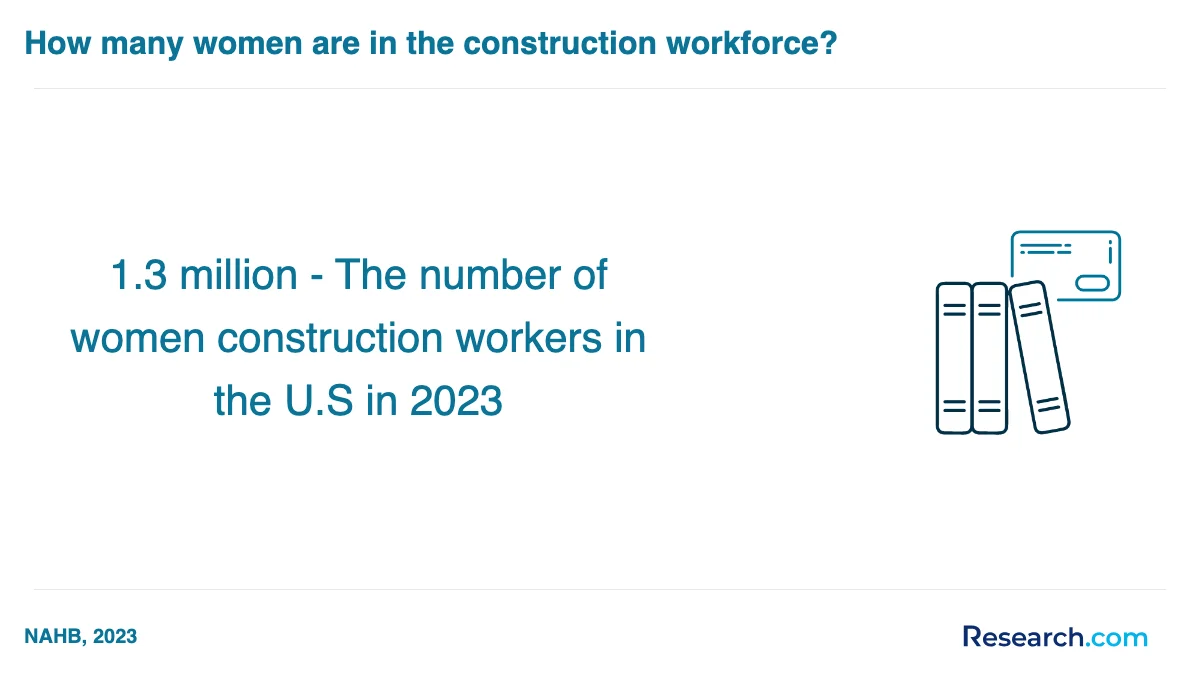
Trade school students in Santa Maria can access several forms of financial aid that make education more affordable and manageable. Many rely on the Federal Pell Grant, which helped a local graduate cover essential books and supplies without worrying about repayment. Others with exceptional need qualified for the Federal Supplemental Educational Opportunity Grant (FSEOG), easing their financial burden even further.
Part-time jobs through Federal Work Study programs are a popular choice for students attending institutions like the Center for Employment Training (CET). One graduate shared how the steady work-study income made it possible to focus on their hands-on training without accumulating debt. Federal student loans, both subsidized and unsubsidized Direct Loans, also offer flexibility-subsidized loans relieving interest costs during school.
California residents benefit from Cal Grant C Awards, which cover occupational programs without GPA restrictions, a relief for many seeking technical careers. The California Dream Act expands opportunities for undocumented students meeting AB 540 requirements, showing Santa Maria's commitment to inclusive education funding.
Enrolling in a trade school program in Santa Maria is straightforward, with minimal prerequisites that welcome a diverse range of students. Most local schools, like the Center for Employment Training (CET), operate with open enrollment year-round, allowing you to start as soon as you're ready, whether you're a recent high school graduate or changing careers.
The primary requirement is a high school diploma or GED. Graduates from CET's Business Office Administration or Green Building Construction programs often share how this simple step opened doors quickly, without the stress of standardized tests or complex transcripts.
Some programs, especially in healthcare, may ask for a few additional items such as:
- Proof of immunizations
- Background checks
- Completion of basic science courses with a C grade or better
No residency restrictions apply-being a US citizen or permanent resident usually suffices. Many graduates find navigating FAFSA for financial aid manageable, which helps ease costs.
Always check specific program prerequisites before applying, as requirements might vary slightly each year or by specialization. For instance, construction trade students frequently begin without prior experience, while those in medical programs often benefit from having some related coursework.
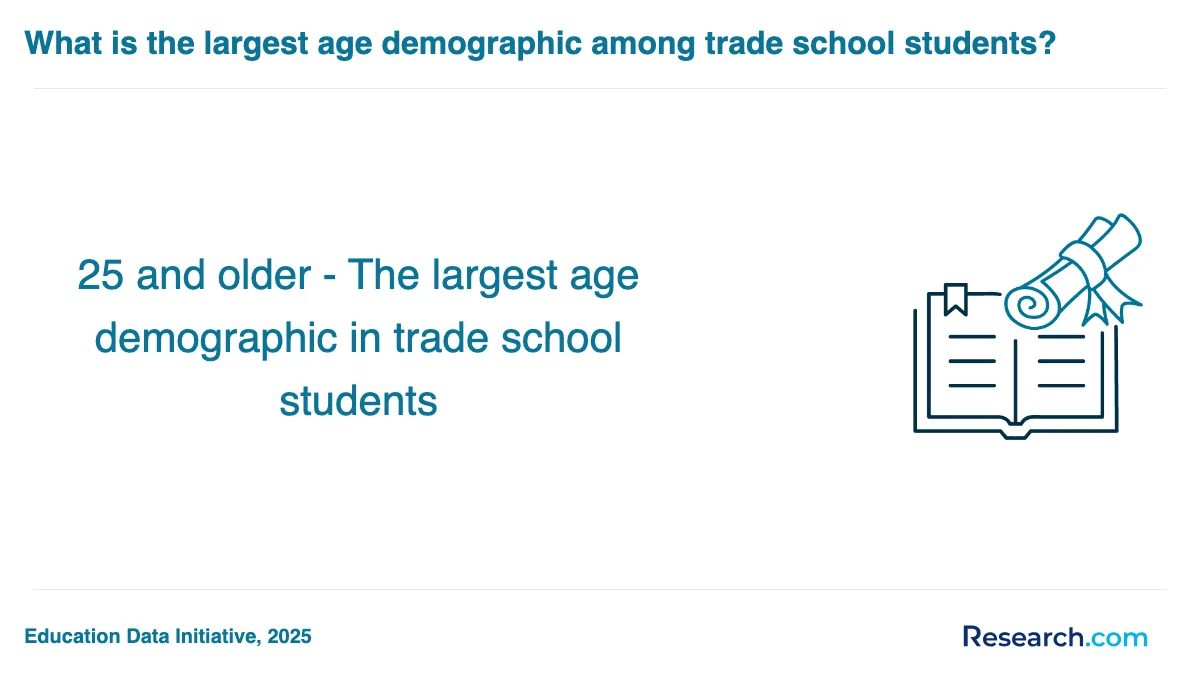
Trade school programs in Santa Maria typically include practical courses tailored to local job markets, enabling students to quickly gain the skills employers seek. Healthcare training is a standout option, with courses like Medical Assisting and Vocational Nursing. Graduates from Carrington College often highlight how hands-on practice with EKG machines and autoclaves in well-equipped labs boosted their confidence for clinical settings.
Business Office Administration is another popular choice, especially at the Center for Employment Training (CET). Students learn essential office software, records management, and customer service skills, which many graduates say helped them secure administrative roles right after finishing school.
Construction-related courses in Green Building Construction Skills focus on sustainable methods and safety, meeting growing industry demands. CET students appreciate learning both theory and hands-on techniques in under a year, making it a fast track to employment.
Technical fields expand opportunities further with programs in Audio Video Production, Digital Arts and Computer Animation, and Information Technology Systems Management at Laurus College. These courses balance creativity and technical expertise, preparing graduates for various media and IT careers.
Trade school programs in Santa Maria offer practical specializations that prepare students for immediate employment and career growth. Graduates from the Center for Employment Training (CET) highlight the benefits of focused tracks like Business Office Administration, which builds essential office and administrative skills through hands-on experience. Many find this ideal for entering business roles quickly.
Construction enthusiasts praise CET's Green Building Construction Skills program, which combines theory with real-world practice in sustainable building and safety. This 8-9 month program equips students for the expanding green construction sector, making their training highly relevant and in demand.
Healthcare remains a rewarding choice, with CET's Medical Assistant program enabling students to handle clinical and administrative tasks efficiently. Graduates feel confident supporting physicians and managing patient care within less than a year.
Laurus College offers creative and tech-driven specializations such as Audio Video Production and Information Technology Systems Management. Students appreciate the real-world projects that prepare them for dynamic careers, including digital marketing and web development.
Those interested in automotive careers can explore reliable options linked to automotive trade schools, adding even more pathways for success.
When choosing a trade school program in Santa Maria, start by verifying that the program is accredited and aligned with industry demands. Graduates from popular local schools often highlight how this ensures they develop skills that employers immediately recognize and value. Many find that flexible scheduling options, like those at CET, help them juggle work and family commitments while earning hands-on experience in fields like business administration or green building construction.
Considering graduate outcomes is essential. Programs with strong job placement rates and partnerships with Santa Maria businesses enable smooth transitions into full-time roles. Support services such as career counseling and resume workshops also boost confidence and readiness. For working adults, year-round enrollment and tutoring can be lifesavers.
Exploring all available programs, including some of the cheapest appliance repair courses online, can expand your options. These practical, focused programs help with choosing a trade school program in Santa Maria that truly meets your personal and professional goals.
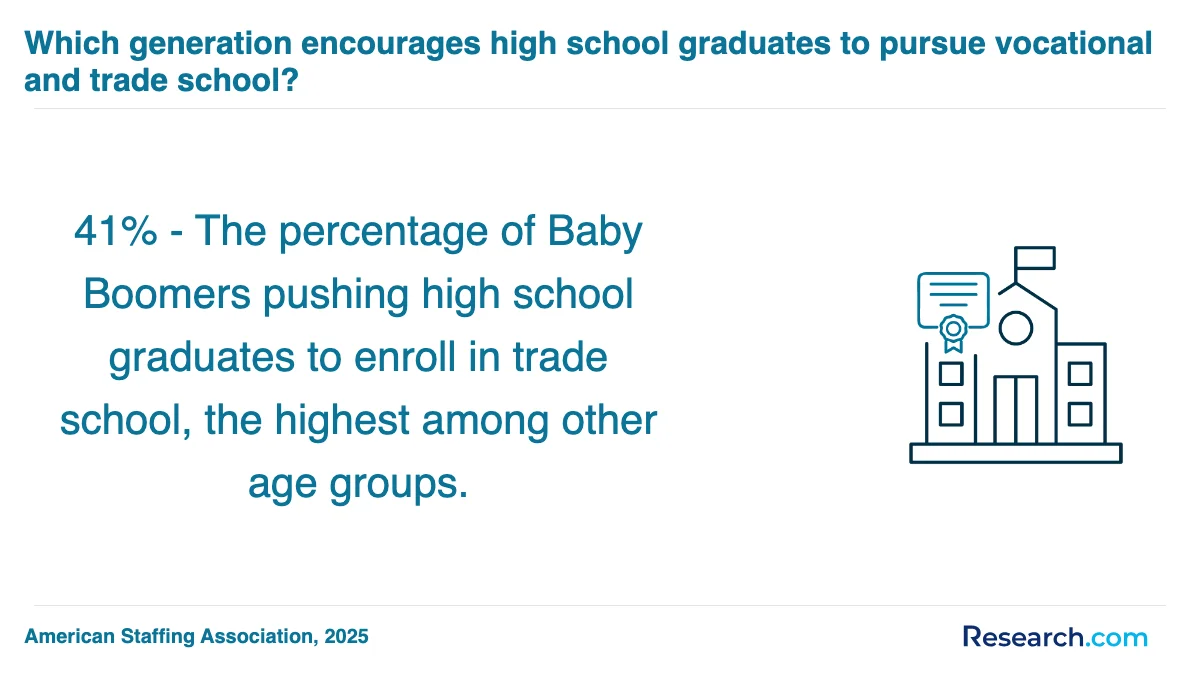
Career opportunities for trade school graduates in Santa Maria span several high-demand industries, offering practical paths to employment. Graduates from local trade schools often find rewarding roles in healthcare, such as medical assistants and billing specialists, where their hands-on training prepares them to support busy clinics and hospitals. Many students highlight the satisfaction of quickly stepping into vital healthcare support positions.
Construction trades remain a thriving option, with programs focusing on green building, electrical technology, and construction management. Graduates often secure jobs as electricians, site supervisors, or technicians, contributing to Santa Maria's ongoing residential and commercial growth. For those exploring technology and digital media, Santa Maria's trade programs equip students with skills for roles like IT support, video editing, and web design, fields seeing steady expansion in local businesses.
The variety offered includes business office administration and highly technical areas such as aviation maintenance and HVAC-R. Graduates appreciate training that emphasizes both practical skills and fast job placement. For students looking into electrical careers, Santa Maria also provides access to low cost electrician trade school programs online, helping build a career without breaking the bank.
Trade school programs and job outlook in Santa Maria show promising results, with many completing certificates in under a year and entering stable, well-paying careers. Students from popular local schools report confidence from learning skills that are directly applicable in Santa Maria's diverse job market.
The job market for trade school graduates in Santa Maria is thriving, driven by strong demand in industries like construction, healthcare, and technology. Graduates from local programs at schools like the Center for Employment Training (CET) and San Joaquin Valley College (SJVC) report finding opportunities quickly after completing hands-on training in fields such as HVAC, welding, and medical assisting. Many employers are actively seeking vocational school graduates, offering roles like field service technician or electrician, often with pathways for further on-the-job learning.
Careers in Santa Maria often come with competitive wages, with median earnings for certified technicians around $55,000 and salaries up to 34% higher for those with certifications. Graduates share how flexible schedules at these schools allowed them to work part-time while studying, easing their financial concerns and boosting their confidence entering the workforce.
Current openings exceed 120 positions, giving practical hope to recent graduates. For those wanting to enhance skills, exploring most affordable maintenance technician online courses can offer additional credentials to stand out in this flourishing local market.
The strong job market for trade school graduates in Santa Maria reflects real opportunities that combine skill-building with solid employment prospects.
Most Affordable Trade School & Training Programs - Leading Certification Courses in Santa Maria for 2026
# 1 position
Allan Hancock College - Information Technology.
associateAllan Hancock College offers a hybrid Information Technology program focusing on designing technological information systems to support business and research data needs. The curriculum covers computer hardware and software principles, algorithms, databases, telecommunications, application testing, and human interface design. Annual in-state tuition is $1,156. The program is accredited by the Western Association of Schools and Colleges Accrediting Commission for Community and Junior Colleges.
# 2 position
Allan Hancock College - Computer Science.
associateAllan Hancock College offers a Computer Science program with a hybrid format, combining in-person and distance education. The curriculum covers computer theory, problem-solving, system design, programming, and computational science principles. The annual in-state tuition is $1,156. The program is accredited by the Western Association of Schools and Colleges Accrediting Commission for Community and Junior Colleges.
# 3 position
Allan Hancock College - Computer Systems Networking and Telecommunications.
associateAllan Hancock College offers a Computer Systems Networking and Telecommunications program with a hybrid format that includes some distance education. The program trains students to design, implement, and manage computer networks and related software, preparing them for roles as network specialists and managers. Instruction covers operating systems, systems design, networking theory, security, and troubleshooting. The annual in-state tuition is $1,156. The program is accredited by the Western Association of Schools and Colleges Accrediting Commission for Community and Junior Colleges.
# 4 position
Allan Hancock College - Legal Assistant/Paralegal.
associateAllan Hancock College offers a Legal Assistant/Paralegal program in a hybrid format, combining on-campus and distance education. The program prepares students to assist attorneys by performing research, drafting legal documents, and managing administrative tasks. Instruction covers legal research, drafting, courthouse procedures, and legal specializations. The annual in-state tuition is $1,156. The program is accredited by the Western Association of Schools and Colleges Accrediting Commission for Community and Junior Colleges.
# 5 position
Allan Hancock College - Criminal Justice/Law Enforcement Administration.
associateAllan Hancock College offers a hybrid Criminal Justice/Law Enforcement Administration program designed to prepare students for managing public law enforcement agencies. The curriculum covers law enforcement history, operational command leadership, labor relations, incident response, legal responsibilities, budgeting, and organizational leadership. The program charges an annual in-state tuition of $1,156 and is accredited by the Western Association of Schools and Colleges Accrediting Commission for Community and Junior Colleges.
# 6 position
Allan Hancock College - Criminal Justice/Police Science.
associateThe Criminal Justice/Police Science program at Allan Hancock College offers hybrid learning options, preparing students for duties such as patrol, investigation, traffic and crowd control, evidence management, and report preparation. The program is accredited by the Western Association of Schools and Colleges Accrediting Commission for Community and Junior Colleges. Annual in-state tuition is $1,156, providing an affordable pathway for those pursuing a career in law enforcement and public security.
# 7 position
Allan Hancock College - Automobile/Automotive Mechanics Technology/Technician.
associateAllan Hancock College offers a hybrid program in Automobile/Automotive Mechanics Technology/Technician. The curriculum covers brake systems, electrical systems, engine performance and repair, suspension and steering, transmissions, drive trains, and heating and air conditioning systems. The program is accredited by the Western Association of Schools and Colleges Accrediting Commission for Community and Junior Colleges. Annual in-state tuition is $1,156.
# 8 position
Allan Hancock College - Welding Technology/Welder.
associateThe Welding Technology/Welder program at Allan Hancock College offers hybrid learning with some distance-education options. It prepares students to apply technical skills in various welding methods, including arc welding, resistance welding, and high-energy beam welding. The curriculum covers welding metallurgy, structural design, safety, and industry codes. The annual in-state tuition is $1,156. The program is accredited by the Western Association of Schools and Colleges Accrediting Commission for Community and Junior Colleges.
# 9 position
Allan Hancock College - Interior Design.
associateAllan Hancock College offers a hybrid Interior Design program that prepares students to professionally plan, design, and furnish residential and commercial spaces. The curriculum includes computer applications, drafting, lighting, acoustics, color coordination, furniture, textiles, and structural design. Instruction covers building codes and applications for offices, hotels, factories, restaurants, and housing. The program is accredited by the Western Association of Schools and Colleges Accrediting Commission for Community and Junior Colleges. Annual in-state tuition is $1,156.
# 10 position
Allan Hancock College - Dental Assisting/Assistant.
associateAllan Hancock College offers a Dental Assisting/Assistant program with a hybrid format, including some distance-education options. The curriculum trains students in patient care, dental radiography, office administrative duties, and chairside assisting under supervision. Instruction covers medical record-keeping, equipment maintenance, sterilization, and patient intake. The program is accredited by the Western Association of Schools and Colleges Accrediting Commission for Community and Junior Colleges. Annual in-state tuition is $1,156.
Frequently Asked Questions about trade school programs
After completing a trade school program in Santa Maria, preparing for the job market involves several practical steps. First, students should build a professional resume highlighting skills and certifications earned during their training. Many trade schools offer career services or job placement assistance, which can be instrumental in connecting graduates with local employers.
Networking within the Santa Maria community and attending industry-specific job fairs increase employment opportunities. According to the California Employment Development Department, fields like construction and healthcare in the region have steady growth, making targeted job applications essential.
Continuing education and obtaining licenses or certifications required by California law can also improve job prospects.
Employers in Santa Maria value trade school graduates who combine strong technical skills with effective soft skills. According to data from the California Employment Development Department, proficiency in specific trades such as welding, HVAC, and automotive repair is highly sought after. Graduates with hands-on experience using industry-standard tools tend to have better job prospects.
Additionally, employers emphasize communication, problem-solving, and teamwork abilities. Many local businesses report that 70% of success depends on soft skills alongside technical knowledge. Time management and adaptability are also critical, given the dynamic nature of work environments in Santa Maria's trade sectors.
Finding internships in Santa Maria that align with your trade school program starts with utilizing local resources. The Santa Maria Workforce Development Board offers internship listings and employer connections tailored to vocational fields such as welding, HVAC, and healthcare. According to the California Employment Development Department, sectors like construction and manufacturing in Santa Maria show steady internship openings, reflecting the area's economic focus.
Trade schools often maintain relationships with local businesses and provide internship placement assistance. Actively attending career fairs organized by these schools or Santa Barbara County can expose you to opportunities. Online platforms like CalJOBS also list internships specific to Santa Maria and the Central Coast region.
Networking with instructors and alumni enhances your chances, as many internships are secured through direct referrals in this community-oriented city.
A trade school diploma in Santa Maria can significantly enhance career mobility and advancement opportunities. According to data from the California Community Colleges Chancellor's Office, graduates from vocational programs in the region report employment rates exceeding 70% within six months of completion. This credential often leads to higher starting wages and faster promotion tracks compared to those without formal trade education. Employers in industries like construction, healthcare, and technology prioritize certified skills, which trade schools emphasize through practical training. Additionally, Santa Maria's growing economy supports the demand for skilled workers, making trade diplomas valuable for entering and advancing in these job markets.
Part-time job opportunities in Santa Maria can effectively complement trade school education by providing practical experience and income. Many students find work in fields aligned with their studies, such as automotive repair, construction, or healthcare support. According to the U.S. Bureau of Labor Statistics, Santa Maria's retail and service sectors offer numerous entry-level positions suitable for trade students looking to build skills outside classroom hours.
Roles in local warehouses, landscaping companies, and food service establishments are prominent options. These jobs allow students to develop time management and customer service skills while gaining exposure to industry-specific tools and environments. Additionally, healthcare trainees often secure part-time roles as medical assistants or patient care aides, enhancing their clinical knowledge.
The availability of part-time work varies seasonally, reflecting Santa Maria's agricultural economic base, which also occasionally offers jobs in equipment operation and maintenance. Students are encouraged to explore community job boards or local workforce centers for updated listings that align with their trade programs.
Yes, there are affordable degree programs near me in Santa Maria, CA, offered by community colleges and state universities. Allan Hancock College, located near Santa Maria, CA, provides an array of associate degree programs at lower tuition costs compared to many four-year institutions. Furthermore, nearby universities also offer transfer pathways and degrees for students seeking more affordable higher education options; Research.com can be a valuable resource for exploring these academic opportunities.
- CTE Courses https://cte.smjuhsd.k12.ca.us/academics
- Trades and Industrial Programs Enhance Job Skills - San Joaquin Valley College https://www.sjvc.edu/program/trades-and-industrial-programs/
- Education/Workforce - Santa Maria Valley Chamber of Commerce https://www.santamaria.com/education-workforce/
- Career Technical Education https://www.hancockcollege.edu/cte/index.php
- Santa Maria | Carrington College https://carrington.edu/location/santa-maria-california/
- Career Pathways & CTE - Santa Maria High School https://smhs.smjuhsd.org/academics/career-pathways-cte