Most Affordable Trade School & Training Programs - Leading Certification Courses in Pennsylvania for 2026

Co-Founder and Chief Data Scientist
Choosing the right trade school in Pennsylvania can be overwhelming, especially when considering affordability and program quality. This article introduces the most affordable trade schools in Pennsylvania for 2026, featuring a carefully crafted trade school programs ranking by the Research.com team of data scientists.
By exploring this guide, you’ll gain valuable insights to help make a confident, informed decision about your education and career path. Earning a trade school diploma or certification opens doors to rewarding opportunities and personal growth that truly matter.
Key benefits of finishing trade school programs trade school in Pennsylvania
Getting a trade school diploma or certification in Pennsylvania offers great benefits:
- Starting salaries for careers like electricians range from $40,000 to $50,000, while HVAC technicians begin near $45,000, providing a strong financial foundation right after graduation.
- Popular career paths include skilled roles in manufacturing, healthcare technology, HVAC, and building trades, offering many opportunities to find a job you enjoy.
- Online trade school programs give flexibility for busy students, allowing you to learn at your own pace and balance work or family life, making education more accessible and convenient.
- Most Affordable Trade School & Training Programs - Leading Certification Courses in Pennsylvania for 2026
- What can I expect from trade school programs trade schools in Pennsylvania?
- Where can I work after finishing trade school programs trade schools in Pennsylvania?
What can I expect from trade school programs trade schools in Pennsylvania?
The average cost of a trade school program in Pennsylvania typically ranges from $5,000 to $15,000, depending on the program length and specialization. Graduates from popular schools often mention that this investment is significantly lower than traditional four-year colleges, which aligns well with their goal to enter the workforce quickly and avoid substantial debt.
Students can expect a mix of classroom learning and hands-on experience, which many find engaging and practical. For example, those in automotive technology programs train with brand-specific equipment from Ford or BMW, making the cost feel like a worthwhile step toward real job readiness. HVAC or welding students frequently highlight how affordable, targeted training helped them gain certified skills within one to two years.
Trade schools in Pennsylvania also offer accelerated or self-paced options, a major perk for working adults balancing family and jobs. This flexibility-combined with strong job placement support services-translates into both emotional relief and confidence for many graduates as they transition directly to well-paying careers.
Where can I work after finishing trade school programs trade schools in Pennsylvania?
Graduates from Pennsylvania trade schools find jobs across high-demand industries experiencing skilled worker shortages. Many quickly secure roles in construction, where skills learned at schools like the Pennsylvania College of Technology translate directly to work as residential or commercial builders, remodeling specialists, or contractors managing local projects. These positions offer a steady stream of opportunities thanks to ongoing infrastructure investments throughout the state.
Welding and manufacturing programs prepare students for essential roles fabricating structural steel or industrial machinery, with graduates often employed in factories or on-site at large builds such as bridges. The shortage of skilled welders nationwide ensures these jobs come with competitive wages and job security.
Those trained in electrical and HVAC systems frequently join utility companies or service contractors, handling installation and maintenance that keeps homes and businesses running smoothly. This hands-on work is a natural fit for graduates of specialized technical programs popular in Pennsylvania.
Trade school alumni commonly enter healthcare support roles as medical assistants or lab technicians in hospitals and clinics expanding throughout the state. Meanwhile, commercial truck driving and diesel technology programs enable students to work in logistics firms powering Pennsylvania's supply chains.
With strong union support and local networking opportunities emphasized during training, many graduates feel confident stepping into rewarding careers within Pennsylvania's robust trade markets.
After finishing a trade school program in Pennsylvania, you can expect to earn an average of around $62,746 per year, or about $30.17 per hour. Graduates from popular trade schools across the state often report stepping into jobs where this kind of salary comfortably supports their lifestyle.
For example, those who trained as electricians found themselves earning over $70,000 annually, with some steadily climbing to six figures as they gain experience. One graduate shared how quickly their wages grew after just a few years, making the investment in their trade school education feel rewarding both professionally and financially.
Plumbers and pipefitters also see strong returns, typically earning close to $70,000 a year. Even trades like ironwork and facilities maintenance offer competitive pay - ironworkers can make up to $28.46 per hour, while maintenance technicians average about $48,620 annually.
Many graduates emphasize how practical their skills, taught at well-known Pennsylvania institutions, quickly translate into steady, reliable income - proof that trade school is a solid path to a stable career and financial confidence.
- Applicants usually need a high school diploma, GED, or state-authorized equivalency to enroll in Pennsylvania trade schools.
- Most programs require students to be at least 18 years old or have parental permission if younger.
- Entrance often includes application submission, transcripts, possibly an interview, and passing placement tests like COMPASS or Wonderlic.
- Program costs range from $5,000 to $20,000, with similar rates for in-state and out-of-state students and available financial aid.
- Graduates can expect starting salaries between $35,000 and $55,000, with experienced workers earning up to $80,000 or more depending on their field.
In Pennsylvania, completing a trade school program can take anywhere from eight months to two years, depending on your chosen field and credential. Graduates from certificate and diploma programs in trades like welding or electrician training often finish within about 12 months, dedicating roughly 1,350 hours over three terms. This pace fits well for those eager to jump into the workforce quickly.
Associate degree programs generally take longer-typically 18 to 24 months-but provide a broader scope of skills. For instance, students at Universal Technical Institute in Exton complete their Electrical, Electronics & Industrial Technology course in just 12 months, reflecting how some schools tailor schedules to busy, career-focused learners.
Many Pennsylvania trade schools also offer accelerated or self-paced options. Motivated students can capitalize on flexible scheduling to finish programs in as little as six to eight months, balancing work, family, or other commitments.
Hands-on training and small class sizes help students feel confident and prepared for real-world tasks, making each month of study worthwhile and engaging.
Online trade school programs in Pennsylvania offer flexibility ideal for students balancing work or family. Graduates appreciate being able to complete coursework on their own schedules, like those at Northampton County Area Community College, where many associate degrees and trade programs are fully online. This format suits self-motivated learners who thrive without the routine of physical classes.
On the other hand, on-campus programs provide hands-on training essential for trades like carpentry or plumbing. Students at Pennsylvania's technical colleges often value the direct interaction with instructors and peers, along with structured class times that build discipline. Smaller class sizes help them gain personalized guidance and practical experience that online formats can't replicate.
Both delivery methods maintain strong academic standards, typically taught by the same faculty. The choice depends on whether you prefer flexible remote learning or the tactile, in-person environment needed for some trades-each caters to different learning styles and life circumstances, making Pennsylvania's trade schools versatile options for many students.
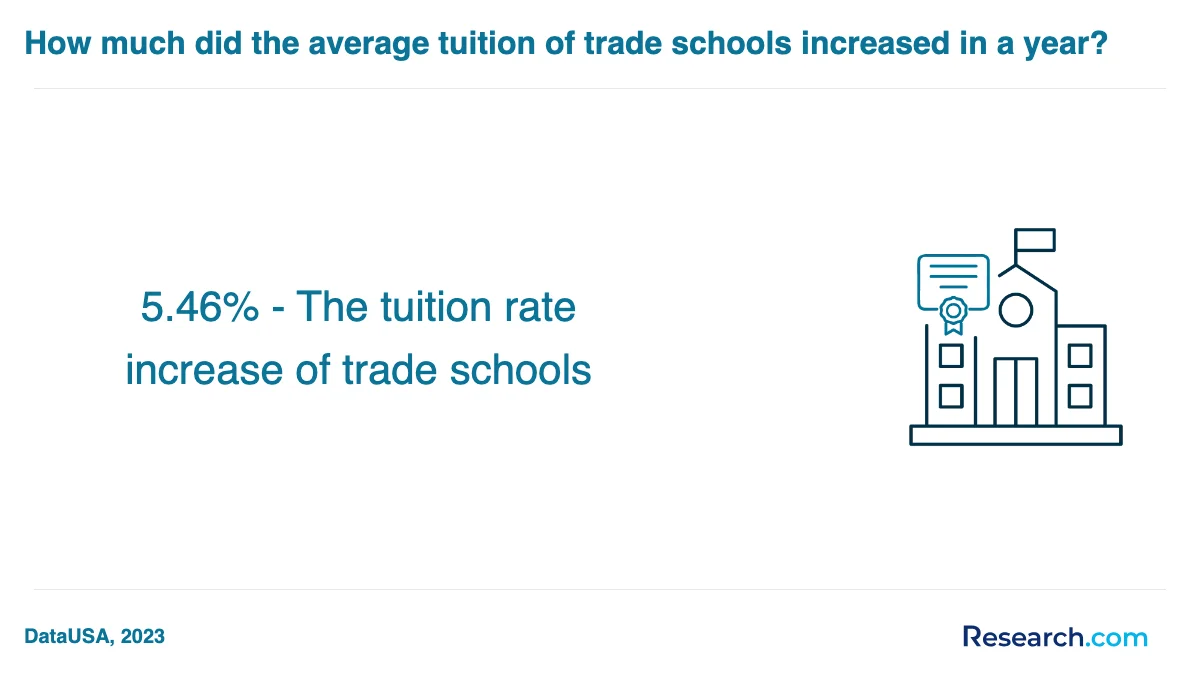
The average trade school tuition in Pennsylvania typically falls between $16,400 and $19,116 for the entire program, based on the most recent 2024-2025 academic year data. This range includes tuition and mandatory fees but excludes living expenses, books, and supplies. Graduates from well-known schools like Laurel Technical Institute, where the net price can be as low as $8,930 after scholarships, often share how these manageable costs helped them gain skills without overwhelming debt. Similarly, students at the New Castle School of Trades benefit from a net price reported around $6,735, illustrating how financial aid can significantly reduce the burden.
Understanding the total cost of trade school programs in Pennsylvania is essential for realistic financial planning. These costs are quite comparable to national averages, where tuition for trade programs ranges roughly from $12,000 to $20,000. Many prospective students find this appealing, especially when viewing trade education as an accessible alternative to the steep $79,000-plus price tag of a traditional four-year college degree. Practical learners often report feeling relieved by the affordability, enabling a focus on mastering valuable skills rather than worrying about large debts.
For those exploring economic paths in construction or skilled trades, there are reliable options to consider low cost construction training programs online, which can complement or substitute in-person schooling, adding flexibility and savings. It's smart to research each school's detailed cost breakdown and financial aid opportunities to make informed decisions tailored to your career goals.
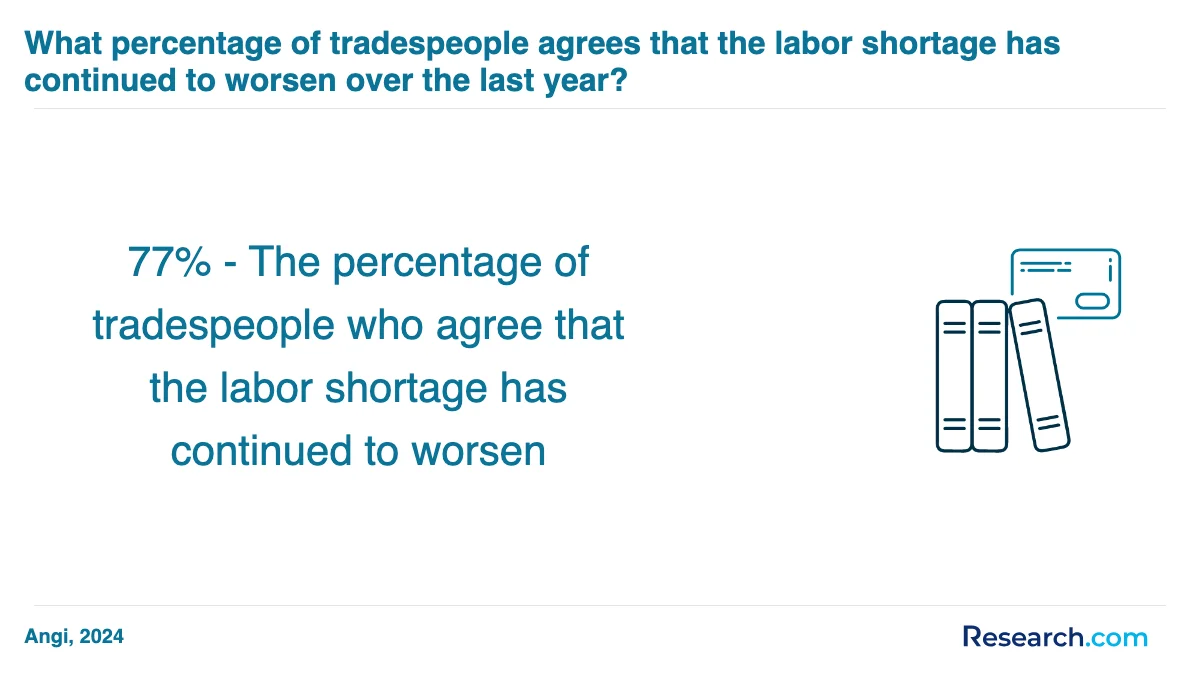
Trade school students in Pennsylvania can tap into several financial aid programs that make education more affordable and manageable. Applying through the Free Application for Federal Student Aid (FAFSA) is essential, as it unlocks access to federal programs like Pell Grants, which many graduates recall as crucial support that didn't require repayment. For example, a HVAC student at a well-known technical school found Pell Grants covered a large part of tuition, easing financial pressure and allowing focus on hands-on training.
Beyond Pell Grants, students can seek Federal Work-Study opportunities to earn part-time income on campus, which helped some cosmetology students balance work and study. The Federal Supplemental Educational Opportunity Grant (FSEOG) offers extra help for those with the greatest need, often supplementing Pell Grants at community colleges and trade schools across the state.
At the state level, Pennsylvania's State Grant Program assists eligible residents attending two-year trade schools. Deadlines matter: those aiming for grants must submit FAFSA by May 1, or by August 1 for first-time students at technical colleges. Many graduates from schools like the Pennsylvania College of Technology highlight this aid as a vital resource.
Institutional scholarships also add value. Some trade schools, such as Lebanon Valley College, give merit-based awards between $1,000 and $5,000 annually, helping students stay motivated and less worried about finances. And for those needing extra support, federal loans are available but require careful planning for repayment.
Students in approved Comprehensive Transition Programs can access tailored federal aid, including Pell Grants and work-study, a resource praised by graduates who needed additional support. Filing FAFSA early-for the 2025-26 cycle, the deadline is June 30, 2026-remains key to unlocking these opportunities.
To enroll in a trade school program in Pennsylvania, the first requirement is having a high school diploma or GED. Graduates from local programs often recall how submitting official transcripts or proof of equivalency was essential-Thaddeus Stevens College of Technology, for example, strictly enforces this rule. If you studied outside the U.S., translated documents might be needed.
Residency is another common hurdle. Many schools require you to be a Pennsylvania resident for at least one year. At Williamson College of the Trades, applicants must prove residency, though exemptions exist for active military members and veterans.
Other prerequisites include:
- Being at least 18 years old, especially for union apprenticeships or hands-on trades
- Passing drug screenings and background checks
- Clearing standardized tests, such as math or mechanical aptitude
- Having a valid driver's license and transportation if the trade involves travel or fieldwork
Some selective programs add steps like interviews or financial assessments. Meanwhile, secondary students often enjoy tuition-free access at local technical institutes, bypassing separate applications. These requirements reflect real-world readiness, helping graduates confidently launch their careers.
Trade school programs in Pennsylvania typically include hands-on courses tailored to meet local employer demands. Graduates from well-known schools like Berks Technical Institute find themselves well-prepared for real-world jobs thanks to practical training and industry-experienced instructors.
Common courses usually fall into these categories:
- Skilled Trades: Automotive Technology teaches students diagnostic skills with advanced software for vehicle repair. Welding Technology covers various welding methods essential for manufacturing and construction. Electrical and Building Technology programs focus on installing and maintaining vital infrastructure.
- Healthcare Training: Programs such as Medical Billing & Coding, Dental Assisting, and Practical Nursing blend classroom and clinical labs, helping graduates confidently support medical teams or manage health records.
- Technology and IT Support: Courses train students to troubleshoot technical problems, manage networks, and deliver business support-skills increasingly sought after as digital demand grows.
- Commercial Driver's License (CDL) Training: Students learn vehicle operation and safety protocols, gearing up for transportation careers in weeks or months.
Courses are designed to fit within 12 to 18 months, allowing students to acquire job-ready skills efficiently without the distractions of general education. Many graduates highlight how their direct, applied learning made them confident and employed faster than a traditional college path.
Trade schools in Pennsylvania offer a variety of practical specializations tailored to current workforce needs. Graduates from popular schools in the state often recall hands-on training in fields like automotive technology, where they master advanced diagnostics and repairs using up-to-date equipment over about a year of study. Welding technology programs stand out as well, teaching electric arc and gas metal arc welding techniques that prepare students for manufacturing and construction careers. Electrical technology covers both residential and industrial wiring, safety protocols, and the National Electrical Code, essential for those entering the electrician workforce.
Other key areas include construction technology, building technology, and HVAC, where students develop skills in carpentry, blueprint reading, and system installation for diverse job settings. Additionally, healthcare specializations like dental hygiene and emergency management attract those focused on allied health. Graduates who pursue unique trades often gain expertise in diesel and heavy equipment repair, CNC machining, collision repair, and culinary arts.
Students interested in technology-driven fields appreciate options such as engineering technology, robotics and automation, and game and simulation programming.
Many students find these programs lead to high paying trades, combining practical skill-building with certifications aligned with Pennsylvania's industry demands.
Choosing the best trade school programs in Pennsylvania starts with pinpointing your career goals and exploring schools known for those trades. Graduates from popular campuses like Williamson College of the Trades praise programs that combine rigorous hands-on training with solid job placement-this practical approach turns skills into confidence on day one. Accreditation matters; confirmed approval by the Pennsylvania Department of Education means the program meets industry standards and employers recognize your credentials. When comparing options, consider eligibility rules-some schools require a high school diploma plus entrance assessments, and a few even hold Applicant Days to personally evaluate candidates.
Financial factors often influence decisions. Many public CTE centers offer tuition-free training for eligible students, and veterans find peace of mind through GI Bill® acceptance. To get a real sense of success rates, look at how schools support graduates in landing jobs and forming industry connections. This pragmatic research is essential for those wondering how to compare trade schools in Pennsylvania. For a further understanding of career prospects within vocational education, check out valuable insights on high paying trades that are easy to learn.

Trade school graduates in Pennsylvania enjoy a variety of career opportunities for trade school graduates in Pennsylvania that lead to stable, well-paying jobs. The construction sector stands out with roles including commercial builders and remodeling specialists, fueled by ongoing infrastructure projects across the state. Graduates from programs like Thaddeus Stevens College often share how they quickly secured jobs due to high local demand.
In the manufacturing arena, welding remains a high-demand skilled trade in Pennsylvania. Skilled welders and fabrication specialists trained at schools such as Triangle Tech consistently find themselves in strong positions, especially given the nationwide shortage of this expertise. These trades offer real hands-on experience and direct pathways to employment.
Healthcare support roles also provide career fulfillment, particularly in urban centers like Pittsburgh and Philadelphia. Meanwhile, transportation careers, especially for those trained in Commercial Truck Driving at New Castle School of Trades, satisfy Pennsylvania's critical logistics needs.
Other popular paths include automotive technology, electrical work, HVAC, and building maintenance. Many students appreciate short program durations and accessible tuition. Those interested in HVAC can explore some of the most affordable online hvac training to enhance their skills and employment prospects.
The job outlook for trade school graduates in Pennsylvania is highly encouraging, driven by a significant demand for skilled trades in Pennsylvania. Graduates from popular trade schools frequently share how hands-on training in construction, welding, and HVAC prepared them for immediate roles, with some securing apprenticeships even before graduation. Practical experience combined with recognized certifications places them ahead in a market facing a shortage of over 300,000 skilled workers by 2030.
Trade schools in Pennsylvania often offer tailored programs that align closely with employer needs, such as electrical work and commercial truck driving. Graduates report that employers value their industry-recognized credentials, which open doors to steady-paying jobs in sectors expanding due to infrastructure upgrades and manufacturing growth.
Common factors that benefit trade school graduates here include:
- Strong engagement with on-the-job training and apprenticeships.
- Competitive pay scales reflecting the demand for skilled labor.
- Access to tuition-free training waitlists through state-supported initiatives.
For those exploring flexible options, several students found success with most affordable online maintenance technician trade programs, allowing work-study balance and quick entry into the workforce.
Most Affordable Trade School & Training Programs - Leading Certification Courses in Pennsylvania for 2026
# 1 position
Butler County Community College - Computer and Information Sciences, General.
associateButler County Community College offers a hybrid program in Computer and Information Sciences, General, covering computing, computer science, and information systems. The program provides some distance-education options and is accredited by the Middle States Commission on Higher Education. Annual in-state tuition is $5,610. This general program is distinct from specific computer science or information science degrees and aims to provide a broad foundation in computing fields.
# 2 position
Butler County Community College - Computer and Information Systems Security/Auditing/Information Assurance.
associateButler County Community College offers a hybrid program in Computer and Information Systems Security/Auditing/Information Assurance. The curriculum covers security needs assessment, safeguard recommendations, implementation, auditing, and maintenance of security systems. Students learn computer architecture, programming, networking, cryptography, security auditing, law, risk assessment, contingency planning, and investigation techniques. The program is accredited by the Middle States Commission on Higher Education. Annual in-state tuition is $5,610.
# 3 position
Butler County Community College - Physical Fitness Technician.
associateButler County Community College offers a Physical Fitness Technician program with a hybrid format that includes some distance-education options. The program prepares students for roles in health and fitness clubs, wellness centers, and corporate fitness programs, covering human anatomy, exercise science, nutrition, and customer service. Annual in-state tuition is $5,610. The program is accredited by the Middle States Commission on Higher Education.
# 4 position
Butler County Community College - Criminal Justice/Law Enforcement Administration.
associateButler County Community College offers a Criminal Justice/Law Enforcement Administration program with a hybrid format including some distance education. The curriculum covers law enforcement history, operational command leadership, public police administration, labor relations, legal responsibilities, budgeting, public relations, and organizational leadership. The annual in-state tuition is $5,610. This program is accredited by the Middle States Commission on Higher Education.
# 5 position
Butler County Community College - Criminal Justice/Police Science.
associateButler County Community College offers a Criminal Justice/Police Science program in a hybrid format, combining in-person and distance education. The program trains students in essential law enforcement skills such as patrol, investigation, traffic and crowd control, evidence management, and report preparation. Annual in-state tuition is $5,610. The program is accredited by the Middle States Commission on Higher Education.
# 6 position
Butler County Community College - Heating, Air Conditioning, Ventilation and Refrigeration Maintenance Technology/Technician.
associateButler County Community College offers a hybrid program in Heating, Air Conditioning, Ventilation, and Refrigeration Maintenance Technology/Technician. The curriculum prepares students to repair, install, service, and maintain HVAC and refrigeration systems, including instruction in diagnostic techniques, testing equipment, and relevant mechanics, electricity, and electronics principles. Annual in-state tuition costs $5,610. The program is accredited by the Middle States Commission on Higher Education.
# 7 position
Butler County Community College - Health and Medical Administrative Services, Other.
associateButler County Community College offers a hybrid program in Health and Medical Administrative Services, Other, providing some distance-education options. The annual in-state tuition is $5,610. Graduates have a median earning of $23,252.60 one year after completing the program. This program is accredited by the Middle States Commission on Higher Education. It covers instructional content related to health and medical administrative services not listed in other specific categories.
# 8 position
Butler County Community College - Physical Therapy Assistant.
associateButler County Community College offers a Physical Therapy Assistant program in a hybrid format, combining in-person and distance education. The program trains students to assist physical therapists by implementing treatment plans, conducting interventions, and monitoring patient progress. Instruction covers anatomy, physiology, biomechanics, clinical documentation, and professional ethics. The annual in-state tuition is $5,610. The program is accredited by the Middle States Commission on Higher Education.
# 9 position
Butler County Community College - Business Administration and Management, General.
associateButler County Community College offers a fully online Business Administration and Management, General program designed to prepare students for planning, organizing, directing, and controlling business functions. The curriculum covers management theory, human resources, accounting, purchasing, marketing, and decision-making. The program is accredited by the Middle States Commission on Higher Education. Annual in-state tuition is $5,610, providing accessible education in this field.
# 10 position
Butler County Community College - Accounting Technology/Technician and Bookkeeping.
associateButler County Community College offers a fully online program in Accounting Technology/Technician and Bookkeeping. This program prepares students to provide technical administrative support to accountants and financial management personnel. Coursework includes posting transactions, record-keeping systems, accounting software operation, and general accounting principles. The program’s annual in-state tuition is $5,610. It is accredited by the Middle States Commission on Higher Education.
Frequently Asked Questions about trade school programs
Preparing for the job market after completing trade school in Pennsylvania involves several key steps. First, graduates should obtain relevant industry certifications or licenses, which often enhance employment opportunities in fields like HVAC, electrical work, or welding. According to the Pennsylvania Department of Labor & Industry, nearly 80% of trade school graduates find employment within six months of completing their programs.
Networking is also crucial. Attending local job fairs, joining trade associations, and connecting with alumni can help graduates learn about openings and secure positions. Additionally, many trade schools offer career services such as resume workshops and interview preparation, which improve job readiness.
Finally, researching labor market trends in Pennsylvania's industries-such as construction and manufacturing-can guide graduates toward high-demand specialties, increasing their chances of job placement.
Employers in Pennsylvania prioritize trade school graduates who demonstrate strong technical skills relevant to their industry. For example, proficiency with industry-specific tools, machinery operation, and adherence to safety protocols rank highly. According to the Pennsylvania Department of Labor & Industry, nearly 70% of employers seek candidates with hands-on experience in fields such as welding, HVAC, and automotive repair.
Besides technical expertise, soft skills are crucial. Communication, teamwork, and problem-solving abilities are frequently mentioned in employer surveys. The National Association of Manufacturers highlights that 82% of Pennsylvania manufacturers value effective communication for on-the-job success. These combined skills improve job performance and career advancement opportunities in the state's trade sectors.
Finding internships related to your trade school program in Pennsylvania involves several practical steps. Start by contacting your school's career services or internship office, as many trade schools partner with local businesses to place students in relevant roles. According to the Pennsylvania Department of Labor, industries such as healthcare, manufacturing, and skilled trades actively seek interns for hands-on experience.
Utilize online resources like Pennsylvania's WorkReadyPA program, which connects students with apprenticeship and internship opportunities. Additionally, explore job boards specific to Pennsylvania, including those provided by local trade unions and industry associations.
Networking is crucial; attend job fairs, industry conferences, and connect with alumni who have pursued similar programs. Employers often prefer candidates with referrals. Lastly, reach out directly to companies in your field, as many offer internships that are not widely advertised.
In Pennsylvania, a trade school diploma can significantly enhance career mobility and opportunities for advancement. According to the Pennsylvania Department of Labor & Industry, individuals with trade credentials often see faster job placement compared to those with only a high school diploma. Skilled trades such as HVAC, electrical work, and welding are in high demand within the state's growing industries.
Trade diplomas provide practical skills that employers prioritize, facilitating promotions and higher wages. Data from the National Center for Education Statistics shows that Pennsylvania trade school graduates typically earn 20-30% more than those without postsecondary training. Furthermore, these credentials can help workers transition into supervisory roles or specialized trades, broadening their career paths.
Part-time job opportunities in Pennsylvania that complement trade school education are abundant, offering practical experience alongside academic learning. Many students find employment in fields related to their studies, such as automotive repair, electrical work, or healthcare assistance. According to the Pennsylvania Department of Labor & Industry, industries like construction and manufacturing often seek part-time workers with vocational skills.
Positions such as apprentice electrician, dental assistant, or HVAC technician helper provide hands-on training while earning wages. These roles not only enhance student resumes but also improve technical competencies essential for certification exams.
Furthermore, flexible schedules in retail or warehouse settings allow students to balance work and study commitments efficiently. The U.S. Bureau of Labor Statistics notes that Pennsylvania's trade sectors maintain stable part-time job growth, making these roles reliable income sources during training periods.
To find the most affordable degree program near me in Pennsylvania, you can begin by researching local universities and community colleges that offer programs aligned with your academic interests, which often have lower tuition fees for in-state students. Utilizing resources like Research.com and visiting individual institution websites can provide information on tuition costs and available financial aid. Additionally, consider reaching out to admissions offices directly for personalized advice on affordable options near Pennsylvania.
- Most Affordable Trade School & Training Programs - Leading Certification Courses in Maryland for 2026
- Most Affordable Trade School & Training Programs - Leading Certification Courses in West Virginia for 2026
- Most Affordable Trade School & Training Programs - Leading Certification Courses in Rhode Island for 2026
- Most Affordable Trade School & Training Programs - Leading Certification Courses in Tennessee for 2026
- Most Affordable Trade School & Training Programs - Leading Certification Courses in Vermont for 2026
- Most Affordable Trade School & Training Programs - Leading Certification Courses in South Carolina for 2026
- Most Affordable Trade School & Training Programs - Leading Certification Courses in Indiana for 2026
- Most Affordable Trade School & Training Programs - Leading Certification Courses in Maine for 2026
- Most Affordable Trade School & Training Programs - Leading Certification Courses in Michigan for 2026
- Most Affordable Trade School & Training Programs - Leading Certification Courses in Georgia for 2026
- Find The Best Trade Schools In Pennsylvania https://www.accreditedschoolsonline.org/vocational-trade-school/pennsylvania/
- Skills Trade Programs | Department of Labor and Industry | Commonwealth of Pennsylvania https://www.pa.gov/agencies/dli/programs-services/disability-and-vocational-rehabilitation/cti-at-hgac/programs/skills-trade.html
- Williamson College of the Trades https://williamson.edu/
- Career Training & Trade School | Culinary & Pastry Arts | YTI Lancaster, PA https://yti.edu/campuses/lancaster/
- In-Demand Trade School Programs in NJ & PA | Pennco Tech https://www.penncotech.edu/
- Trade School Programs in Pittsburgh, PA | All-State Career https://www.allstatecareer.edu/campuses/pennsylvania/pittsburgh.html