Most Affordable Trade School & Training Programs - Leading Certification Courses in Carolina for 2026

Co-Founder and Chief Data Scientist
If you’re thinking about advancing your career without breaking the bank, exploring trade schools in Carolina is a smart move. Our article presents a carefully crafted trade school programs ranking created by the Research.com team of data scientists. This ranking helps you easily identify affordable and reputable trade programs that fit your goals.
Getting a diploma or certification from a trade school can open doors to new opportunities and provide valuable skills quickly. Reading this guide will empower you to make confident decisions about your future education and career path.
Key benefits of finishing trade school programs trade school in Carolina
- Trade school graduates in North Carolina can earn good salaries, like $61,025 on average, with careers such as mechanics making around $47,770 and dental hygienists earning over $81,000 annually.
- Popular career paths include aircraft mechanics, elevator installers, and nuclear power reactor operators, offering strong job growth and stable incomes in the Carolina job market.
- Online trade school diplomas offer flexibility and convenience, letting students balance work and study while gaining valuable skills without commuting, just like many successful graduates from Carolina's top online programs.
- Most Affordable Trade School & Training Programs - Leading Certification Courses in Carolina for 2026
- What can I expect from trade school programs trade schools in Carolina?
- Where can I work after finishing trade school programs trade schools in Carolina?
What can I expect from trade school programs trade schools in Carolina?
The average cost of attending a trade school program in Carolina generally falls between $5,400 and $5,800 per year, making it an affordable choice for many aspiring students. Graduates from schools like Northeastern Technical College and Aiken Technical College often recall how this reasonable tuition allowed them to focus more on learning than on financial stress.
Many students appreciate that trade schools in Carolina provide flexible scheduling options such as day, evening, and online classes, which help balance work or family life. A graduate from Forsyth Tech described feeling motivated by the Learn & Earn Apprenticeship Program, where they gained paid work experience alongside classroom instruction.
Hands-on training is a highlight, with students frequently engaging in real-world tasks like clinical hours or apprenticeships that build confidence. Small class sizes add to this positive experience, offering personalized support from instructors and career services. This blend of affordability and practical preparation creates excitement about fast-tracked careers in healthcare, skilled trades, and technology.
Where can I work after finishing trade school programs trade schools in Carolina?
After finishing a trade school program in Carolina, graduates often find themselves stepping into roles that quickly build their skills and confidence. Many secure positions as electricians, HVAC technicians, or maintenance technicians at local construction companies or manufacturing plants. One graduate from a well-known Carolina trade school shared how hands-on training led her directly to a job with a major manufacturer, where she now enjoys steady advancement.
Others find rewarding careers in automotive service centers as auto body technicians or mechanics, where daily challenges keep work engaging and rewarding. Hospitals and clinics also hire medical or dental assistants trained at Carolina trade schools, providing a meaningful way to connect with the community. Hospitality organizations frequently recruit graduates for roles in hotel maintenance or food processing, offering career growth and stability.
Graduates often highlight how partnerships between their schools and local businesses created smooth pathways from education to employment, sometimes through apprenticeships or internships that offer practical experience and strong industry connections.
After finishing a trade school program in Carolina, graduates often feel excited about stepping into a career that pays well and offers growth. For example, those completing programs at Coastal Carolina Community College typically begin with salaries around $35,230, enough to support a comfortable lifestyle as they gain experience. Meanwhile, graduates from Johnston Community College generally start closer to $39,166, boosting confidence in their new chosen fields.
Trade school degrees here can lead to solid earnings, with many graduates earning an average of about $61,025 annually across the state. If you specialize in a trade like mechanics, expect median pay around $47,770, while dental hygienists enjoy more lucrative roles near $81,400, reflecting both demand and skill. Imagine working as an aircraft mechanic, earning approximately $70,010, and feeling proud of a profession that keeps planes flying safely. These scenarios highlight why many feel optimistic about trading their time in Carolina's trade schools for rewarding jobs and futures.
- Applicants need a high school diploma, GED, or equivalent, and most schools require students to be at least 18 years old, though some accept 16-year-olds with extra permissions.
- Application requires an official transcript or GED proof, with placement exams common; SAT and ACT scores are usually not required.
- Tuition ranges from $3,500 to $15,000, and programs typically last 12 to 24 months, offering a quicker and often cheaper alternative to a four-year degree.
- Graduates have strong job prospects in fields like healthcare, automotive tech, HVAC, welding, and IT, with starting salaries around $38,000 to $45,000 per year.
- Long-term earnings for skilled trades can reach $55,000 to $70,000 or more annually.
- Most programs offer rolling admissions with multiple start dates and emphasize hands-on training for immediate workforce entry.
Trade school programs in Carolina generally offer a swift path to career readiness, with many students surprised by how quickly they can transition from enrollment to employment. For instance, graduates from Miller-Motte College often complete their electrical or welding programs in just 10 months, leaving them motivated and ready to enter the workforce before some traditional college students finish their first year.
Others who choose programs like Universal Technical Institute near Concord find success in programs lasting around 9 months, such as CNC Machining or HVACR Technician Training, where hands-on learning accelerates their skills and confidence. Graduates frequently share how immersive training boosts their excitement for real-world challenges sooner than expected.
In contrast, apprenticeships in North Carolina span longer-typically two to four years-but combine paid work and study, allowing students to earn while mastering their trade. This balance gives many a strong sense of accomplishment and financial independence during training.
Meanwhile, South Carolina technical colleges' certificate and diploma programs offer viable options for focused learners seeking completion in under a year, while associate degrees take about two years. Across the board, trade students in Carolina appreciate the flexibility to match program length with their career goals and personal pace, making these paths feel achievable and rewarding.
Online trade school programs in Carolina offer a flexible path for students juggling work or family, allowing them to study remotely through recorded lectures and virtual forums. Graduates from Northeastern Technical College often share how this format gave them the freedom to learn at their own pace while maintaining their daily responsibilities, fostering a sense of accomplishment and balance.
On-campus programs, meanwhile, immerse students in hands-on environments essential for trades like welding or HVAC repair. At campuses popular in Carolina, students frequently describe the excitement of working directly with industry-standard tools and receiving immediate, personalized feedback from instructors, which builds confidence and practical skills.
Hybrid programs, such as Forsyth Tech's Learn & Earn Apprenticeship, combine the best of both worlds-allowing students to enjoy flexible online coursework while gaining vital real-world experience through paid apprenticeships. This blend often leads to a rewarding sense of readiness and connection that graduates appreciate when entering the workforce.
Understanding the average trade school tuition in Carolina reveals a broad range that often surprises prospective students. Many graduates from well-known public trade schools in the state share how the core tuition, typically between $3,000 and $10,000 annually, made their education feel accessible and manageable. This amount often includes partial coverage for essential books and materials, which can add $500 to $1,000 more each year. Housing and living expenses, if applicable, might range from $300 to $1,000 monthly, depending on location and lifestyle. Such fees allow many students to pursue their ambitions without overwhelming financial stress.
Conversely, those attending private Carolina trade schools often encounter higher tuition costs, generally spanning from $15,000 to $30,000 per year. Yet, graduates frequently express satisfaction with the comprehensive training and valuable equipment access, which justifies the investment. Personal stories include individuals who balanced these expenses by seeking scholarship opportunities that North Carolina offers, such as the Wells Fargo Technical Scholarship Program, significantly easing their financial burden.
When estimating the Carolina trade school program total cost, it is vital to factor in these variables. In some cases, tuition and fees can reach around $16,593 annually, reflecting the state's average for the most-searched trade schools. Students studying fields like freight brokering often recommend exploring resources like cheapest online freight broker classes to find affordable and flexible options that fit their budgets and career goals.
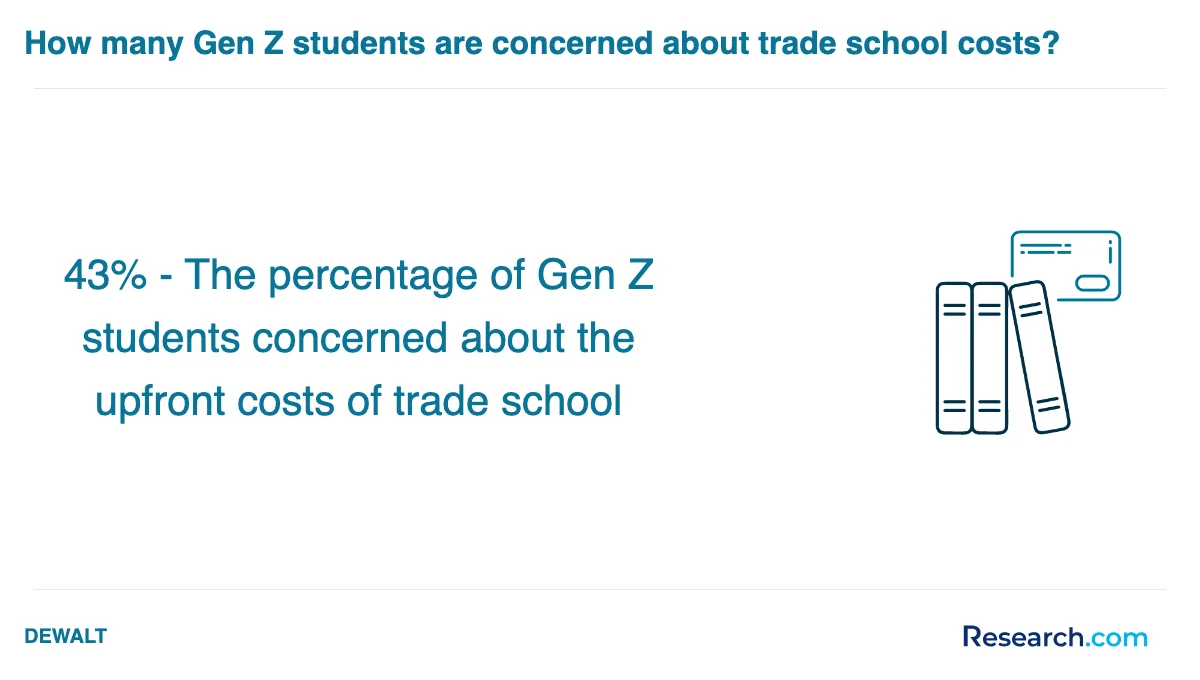
Trade school students in Carolina often find strong financial support through a blend of federal, state, and institutional aid designed to make education accessible and affordable. Many graduates reflect on the relief and motivation they felt upon completing the Free Application for Federal Student Aid (FAFSA), which unlocks eligibility for important grants, scholarships, and loans. For those attending popular schools like Wake Technical Community College or Greenville Technical College, the Next NC Scholarship in North Carolina stands out, helping families with incomes under $80,000 cover tuition and fees. This makes a tangible difference, turning dreams of skilled trades into reality without overwhelming debt.
South Carolina students share similar gratitude for programs like the Lottery Tuition Assistance, available to those enrolled in at least six credit hours at technical colleges such as Midlands Technical College. Graduates describe how this aid, paired with institutional scholarships and state tax credits, significantly eased their financial burdens, allowing focus on mastering their trades. Early applications are key, as many funds are first-come, first-served, inspiring students to take swift action for promising futures.
To enroll in a trade school program in Carolina, applicants generally need to have a high school diploma or a GED equivalent. This foundational credential is a must-have, ensuring students are ready for hands-on, technical training. For example, graduates from Aspire Trade High School often mention how starting early, even in 9th or 10th grade through a lottery process, gave them a head start with state certification exams.
Many community colleges set clear academic standards. Students at Johnston Community College, for instance, recall the importance of meeting those requirements to secure their spot. Beyond diplomas, some programs, especially in health sciences, ask for:
- Criminal background checks
- Drug screenings
- Proof of health insurance, including COVID-19 vaccination for clinical placements
Residency status also matters. Completing the North Carolina Residency Determination Service (RDS) is key to accessing affordable, in-state tuition-something that many graduates found crucial in managing educational expenses.
Age flexibility exists, with some trade schools welcoming younger students via special pathways while others waive prerequisites for those with work or military experience. Many Carolina trade school students applaud the accessible, supportive application process through CFNC, which helps streamline enrollment effortlessly.

In Carolina, trade school programs typically blend hands-on training with essential theory, creating a realistic preparation for the workforce. Many graduates recall how their time in popular Carolina schools felt directly relevant, as they engaged in real-world scenarios that mirrored local job sites.
Healthcare courses are highly sought after, featuring training in:
- Nursing, including preparation for the NCLEX licensure exam
- Medical Assisting with patient care and clinical skills
- Dental Assisting emphasizing anatomy and procedural proficiency
Skilled trades remain a cornerstone, where students thrive learning practical skills such as:
- HVAC system diagnostics and maintenance
- Welding Technology with hands-on fabrication exercises
- Automotive Systems focusing on modern vehicle repair
- Building Construction, Carpentry, Electrical, and Plumbing through immersive lab work
Others choose niche programs like Gunsmithing or Collision Repair, where smaller class sizes foster tight-knit peer support and specialized expertise. Graduates often describe flexible options-day, evening, or online-that allow balancing family or work while gaining skills.
Overall, these comprehensive courses reflect Carolina's evolving job market, motivating students with clear pathways to certifications and rewarding careers.
Trade school programs in Carolina offer diverse specializations tailored to evolving local industries. Graduates often praise the hands-on experience gained in skilled trades such as HVAC, electrical systems technology, and welding technology, which are readily available at institutions like Fayetteville Technical Community College. These programs equip students to confidently step into careers involving building construction, carpentry, or automotive systems technology.
Healthcare continues to be a thriving field with programs in nursing, medical assisting, and dental assisting at schools like Fortis College in Columbia, where students feel prepared and optimistic about passing licensure exams and meeting rising demand for healthcare workers.
Emerging technical areas attract students seeking innovation-driven careers. Forsyth Tech's offerings in biotechnology, electronics engineering technology, and supply chain management align with the region's expanding manufacturing sector. The variety at community colleges such as Isothermal Community College reflects this breadth with nearly 90 applied science and industrial training programs.
The richness of options is enhanced by Northeastern Technical College's extensive list of degrees, certificates, and continuing education, allowing students to follow passions across traditional and cutting-edge fields. Exploring high paying jobs trade school graduates often secure, many find that these Carolina programs create rewarding and practical pathways.
Choosing the best trade school program in Carolina starts with focusing on your career goals-whether it's healthcare, welding, or automotive technology-and researching schools that specialize in those areas. Graduates from Fayetteville Technical Community College often describe how hands-on training boosted their confidence and job readiness by simulating real workplace scenarios. Meanwhile, students at Edgecombe Community College appreciate the advanced facilities like the simulated hospital, which brought their healthcare training to life and made learning feel tangible and exciting.
Keep a close eye on the school's accreditation and program quality since these determine how employable you'll be after graduation. Many students find value in comparing financial options since affordability plays a big role in their choice. Exploring how to compare trade school costs in Carolina can help you uncover schools that match your budget without sacrificing education quality. Some students even look into scholarships and grants that reduce out-of-pocket expenses significantly.
For those considering flexible or cost-effective options, checking out the cheapest online maintenance technician training programs can open new doors. By analyzing graduate success rates and industry ties, you get a clearer picture of your potential career pathway and can pick a school aligned with your ambitions and lifestyle.
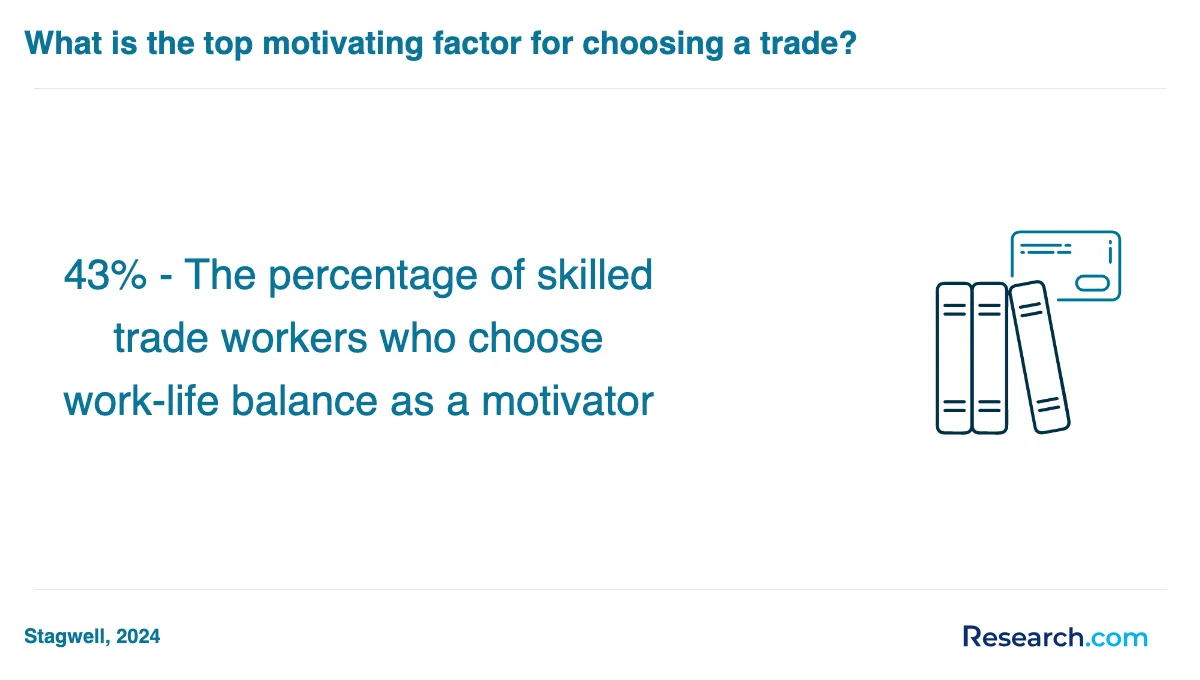
Career pathways for trade school graduates in Carolina are diverse and expanding rapidly, especially in skilled trades jobs in North Carolina. Graduates from institutions like Fayetteville Technical Community College often find rewarding roles as electricians, plumbers, HVAC technicians, and carpenters, where hands-on learning translates directly into job readiness. Many report feeling confident stepping onto construction sites or service calls, thanks to programs emphasizing real-world skills.
Healthcare trainees frequently enter growing fields such as dental hygiene, nursing assistance, or medical billing, meeting the strong demand for allied health professionals across the state. Trades in technology and manufacturing, including electronics engineering and computer-integrated machining, offer innovative careers boosted by apprenticeship programs that combine paid work with education.
Graduates recognize the advantages of starting careers quickly in these in-demand fields while earning competitive wages. Many express excitement about advanceable roles that stack credentials over time. If you're curious about earning potential, check out the average salary after trade school.
- Construction careers like carpentry and welding
- Healthcare roles including phlebotomy and pharmacy tech
- Technology fields such as supply chain management and biotech
- Agricultural and biotechnological specializations in northeastern Carolina
The job market for trade school graduates in Carolina is exceptionally promising, with many graduates from local trade schools quickly landing rewarding jobs. Graduates often share how hands-on programs align perfectly with the rapidly growing needs of industries such as construction, electrical work, and welding. With the job outlook for trade school graduates in North Carolina showing steady expansion, trades like HVAC and commercial truck driving offer stable careers and competitive wages.
Recent graduates report entering positions where their skills are highly valued, especially in sectors experiencing high demand skilled trades in Carolina. For example, welding students find themselves filling critical shortages identified nationally, giving them a sense of security and pride in their profession.
Local trade schools, including those within the South Carolina Technical College System, offer tailored courses that reflect real-world requirements, helping graduates to seamlessly transition into the workforce. Many students benefit from programs supported by initiatives like SC WINS, increasing access to affordable education. For those considering online options, exploring the cheapest carpentry training programs online can provide flexible pathways into these thriving trades.
- Construction and manufacturing are among the top employers.
- Job listings for HVAC technicians, auto body specialists, and maintenance technicians are abundant.
- Many graduates quickly secure roles with opportunities for advancement within local companies.
Most Affordable Trade School & Training Programs - Leading Certification Courses in Carolina for 2026
# 1 position
Dewey University-Carolina - Medical Insurance Specialist/Medical Biller.
associateDewey University-Carolina offers a Medical Insurance Specialist/Medical Biller program in a hybrid format, preparing students to manage medical and health insurance operations in various healthcare settings. The curriculum covers insurance processes, law, policy, records administration, software applications, personnel supervision, business mathematics, billing, and medical terminology. The program is accredited by the Accrediting Bureau of Health Education Schools. Annual in-state tuition is $7,630, with median earnings one year after completion at $16,262.
# 2 position
Dewey University-Carolina - Information Technology.
associateDewey University-Carolina offers a hybrid Information Technology program focusing on designing technological information systems. The curriculum covers computer hardware and software principles, algorithms, databases, telecommunications, application testing, and human interface design. The annual in-state tuition is $7,630. The program is accredited by the Accrediting Bureau of Health Education Schools, providing students with a structured approach to technology solutions for business and research data needs.
# 3 position
Dewey University-Carolina - Accounting.
associateDewey University-Carolina offers a hybrid Accounting program designed to prepare students for professional practice and related business functions. The curriculum covers accounting principles, financial and managerial accounting, cost accounting, tax accounting, auditing, and legal aspects. It also includes training in budget control, reporting procedures, statement analysis, consulting, business information systems, research methods, and ethics. The program’s annual in-state tuition is $7,630 and it is accredited by the Accrediting Bureau of Health Education Schools.
# 4 position
Dewey University-Carolina - Physical Therapy Assistant.
associateDewey University-Carolina offers a Physical Therapy Assistant program with a hybrid format, combining in-person and distance education. The program trains students to assist physical therapists by implementing treatment plans, training patients, and documenting progress. Coursework includes anatomy, physiology, biomechanics, and professional ethics. The annual in-state tuition is $7,630. Graduates earn a median income of $11,681 one year after completing the program. The program is accredited by the Accrediting Bureau of Health Education Schools.
# 5 position
Dewey University-Carolina - Medical Administrative/Executive Assistant and Medical Secretary.
certificate or diplomaDewey University-Carolina offers a hybrid Medical Administrative/Executive Assistant and Medical Secretary program designed to prepare students for roles supporting physicians, nurses, and healthcare administrators. Coursework covers medical terminology, business communications, healthcare operations, software applications, and professional ethics. The program is accredited by the Accrediting Bureau of Health Education Schools. Annual in-state tuition is $7,630, and median earnings one year after completion are $16,262.
# 6 position
Universidad Ana G. Mendez-Carolina Campus - Diagnostic Medical Sonography/Sonographer and Ultrasound Technician.
associateThe Diagnostic Medical Sonography/Sonographer and Ultrasound Technician program at Universidad Ana G. Mendez-Carolina Campus offers a hybrid format with some distance-education options. It prepares students to use medical ultrasound techniques under physician supervision for diagnostic purposes. The curriculum includes patient care, sonographic data processing, and equipment operation, emphasizing professional standards. Annual in-state tuition is $6,920, and median earnings one year after completion are $21,354. The program is accredited by the Middle States Commission on Higher Education.
# 7 position
Universidad Ana G. Mendez-Carolina Campus - Criminal Justice/Safety Studies.
associateUniversidad Ana G. Mendez-Carolina Campus offers a Criminal Justice/Safety Studies program with a hybrid format, including some distance-education options. The program covers criminal law, police and correctional systems, justice administration, and public attitudes toward criminal justice. Annual in-state tuition is $6,920. Graduates have median earnings of $18,249 one year after completion. The program is accredited by the Middle States Commission on Higher Education.
# 8 position
Universidad Ana G. Mendez-Carolina Campus - Dental Assisting/Assistant.
associateUniversidad Ana G. Mendez-Carolina Campus offers a Dental Assisting/Assistant program with a hybrid format, combining in-person and distance education. The curriculum prepares students for patient care, dental radiographs, office administration, and chairside assisting under professional supervision. Tuition for in-state students is $6,920 annually. The program is accredited by the Middle States Commission on Higher Education and includes comprehensive training in medical record-keeping, equipment maintenance, and patient instruction.
# 9 position
Universidad Ana G. Mendez-Carolina Campus - Medical Administrative/Executive Assistant and Medical Secretary.
certificate or diplomaUniversidad Ana G. Mendez-Carolina Campus offers a hybrid Medical Administrative/Executive Assistant and Medical Secretary program. It trains students in medical and business communications, medical terminology, healthcare operations, software applications, and professional ethics. The program prepares graduates to assist physicians, nurses, and healthcare administrators. Annual in-state tuition is $6,920. Median earnings one year after completion are $16,736. The program is accredited by the Middle States Commission on Higher Education.
# 10 position
Universidad Ana G. Mendez-Carolina Campus - Nursing Assistant/Aide and Patient Care Assistant/Aide.
certificate or diplomaThe Nursing Assistant/Aide and Patient Care Assistant/Aide program at Universidad Ana G. Mendez-Carolina Campus offers a hybrid format with some distance education options. It prepares students to perform routine nursing-related services under the supervision of registered or licensed practical nurses. The program’s annual in-state tuition is $6,920. Graduates earn a median income of $5,010 one year after completion. The program is accredited by the Middle States Commission on Higher Education.
Frequently Asked Questions about trade school programs
After completing trade school in Carolina, it is essential to develop a strategic plan for entering the job market. Start by utilizing the career services offered by most trade schools, which often include resume workshops, interview preparation, and job fairs tailored to local industries. According to the North Carolina Department of Commerce, sectors like healthcare, manufacturing, and construction are actively hiring skilled trade graduates.
Networking plays a crucial role; students should engage with local employers and join relevant trade associations to increase job opportunities. Additionally, obtaining certifications recognized in your field can improve employability and potential earnings, as reported by the U.S. Bureau of Labor Statistics.
Employers in Carolina consistently prioritize practical skills when evaluating trade school graduates. Technical proficiency relevant to fields such as electrical work, HVAC, and welding is essential, reflecting local industry demands. According to the North Carolina Department of Commerce, over 70% of employers value hands-on experience gained through internships or apprenticeships.
Beyond technical abilities, strong problem-solving skills and adaptability rank highly. These soft skills help graduates adjust to evolving workplace technologies and practices. Communication skills are also critical, especially for collaboration on job sites and understanding safety protocols, as reported by industry surveys from the South Carolina Workforce Investment Board.
Attention to detail and a solid work ethic remain foundational, ensuring quality and reliability in skilled trades. Overall, trade school programs emphasizing both technical mastery and interpersonal competencies tend to meet Carolina employers' expectations most effectively.
Finding internships in Carolina that align with your trade school program involves several practical steps. Begin by consulting your trade school's career services office, which often maintains connections with local employers and industry partners offering internships.
In addition, explore online job boards like Indeed and local government workforce websites, where internships frequently appear categorized by trade and region. The South Carolina Department of Commerce, for instance, highlights apprenticeship and internship programs in skilled trades.
Networking is essential; attending local industry events or trade associations can connect you directly with potential employers. According to the U.S. Bureau of Labor Statistics, internships in skilled trades in the Southeast region have grown steadily, reflecting demand for hands-on experience.
Finally, contacting businesses in key Carolina industries-such as manufacturing, construction, and automotive repair-can uncover hidden internship opportunities tailored to your vocational field.
In Carolina, earning a trade school diploma can significantly enhance career mobility and advancement prospects. According to the National Center for Education Statistics, graduates from accredited trade programs often find employment in high-demand industries such as healthcare, construction, and manufacturing, where technical skills are crucial.
The state's Department of Commerce reports that about 70% of trade school graduates in Carolina secure jobs within six months, often with starting salaries above the statewide average for entry-level positions. This diploma signals to employers that candidates possess practical, job-ready skills, which promotes faster hiring and opportunities for wage growth.
Trade credentials also enable workers to shift between related fields more easily, supporting long-term career flexibility. Additionally, many Carolina trade schools offer certifications aligned with industry standards, further improving advancement potential.
In Carolina, part-time job opportunities that complement trade school education often align with the practical skills students develop. For example, students in automotive or HVAC programs can find work as apprentices or technicians at repair shops. These roles help reinforce hands-on learning and provide valuable industry experience.
Healthcare trade students may work as medical assistants or pharmacy clerks in clinics and pharmacies. According to the U.S. Bureau of Labor Statistics, healthcare support occupations in South Carolina are projected to grow 16% from 2022 to 2032, indicating strong demand for part-time roles.
Facilities maintenance, carpentry, and electrical students often secure employment with local contractors or property management companies, gaining exposure to real-world job sites during evenings or weekends. This experiential learning supports academic instruction and enhances employability upon graduation.
To find the most affordable degree program near me in Carolina, PR, start by researching various institutions and their tuition costs, as well as any financial aids or scholarships they may offer. There are numerous universities near Carolina, PR offering a range of programs, and it's essential to compare their expenses against the quality and accreditation of their academic offerings. Utilize resources like Research.com to evaluate program rankings and reviews, ensuring you choose a cost-effective option that meets your educational and career goals.
- Trade Schools in North Carolina: What You Need to Know - Lowes Family Foundation https://lowescholarshipfund.org/trade-schools-in-north-carolina-what-you-need-to-know/
- Trade Schools, What Are The Benefits - InterCoast Colleges https://intercoast.edu/articles/benefits-of-trade-schools/
- CTE Programs: 6 Benefits of Considering Trade School https://www.cfnc.org/news/cte-programs/
- The School of Skilled Trades - Vocational School in NC https://schoolofskilledtrades.org/
- Professional Training & Career Development | nc.gov https://www.nc.gov/learning/professional-training-career-development
- Trade Schools in Charlotte: What to Consider - Charlotte Observer - Careers & Education https://www.charlotteobserver.com/careers-education/trade-schools-in-charlotte-what-to-consider/
- North Carolina Trade School – Unlock Your Potential at NCTS https://northcarolinatradeschool.com/
- Career and Technical Education Pathway | NC DPI https://www.dpi.nc.gov/students-families/enhanced-opportunities/advanced-learning-and-gifted-education/career-and-college-promise/career-and-technical-education-pathway
- Find The Best Trade Schools In North Carolina https://www.accreditedschoolsonline.org/vocational-trade-school/north-carolina/
- Skilled Trades Program Classes in SC | TCTC http://www.tctc.edu/programs/career-programs/skilled-trades/