
Most Affordable Certificate Programs - Leading Certification Courses in Quincy for 2026

Co-Founder and Chief Data Scientist
Choosing the right trade school certificate program in Quincy can shape your future in meaningful ways. This article introduces a carefully crafted ranking of the most affordable certificate programs, developed by the Research.com team of data scientists.
Our goal is to help you discover options that suit your needs and budget, making the decision easier and more confident.
Investing in a trade school diploma or certification opens doors to new skills and career opportunities, offering a fresh start with real potential.
Key benefits of getting trade school certificate in Quincy
- Trade school graduates in Quincy can earn solid salaries, such as $40,000 to $55,000 for HVAC or biotechnology, $35,000 to $45,000 for healthcare support roles, and up to $75,850 for experienced electricians, showing strong financial growth potential.
- Popular career paths for certificate holders include electrical technology, healthcare support, HVAC, and biotechnology, giving you versatile options to build a rewarding and stable career in growing industries.
- Online trade school programs offer flexibility and convenience, allowing students to balance education with work or family, just like many Quincy graduates who enjoy gaining skills without the commute or strict schedules.
- Most Affordable Certificate Programs - Leading Certification Courses in Quincy for 2026
- What can I expect from trade school certification programs in Quincy?
- Where can I work with trade school certification in Quincy?
What can I expect from trade school certification programs in Quincy?
When considering the average cost of a trade school certification program in Quincy, many students find the investment surprisingly manageable. Graduates from automotive technology or culinary arts programs often share how their total expenses-including materials and exam fees-ranged from a few hundred to a few thousand dollars, depending on the program length and resources.
For example, a graduate from the CompTIA IT Fundamentals+ program, which lasts about 20 weeks, notes that the only significant out-of-pocket cost was the exam fee, thanks to free materials and English language support offered. Others in health care or electrical technology programs have reported that flexible scheduling and financial aid options helped ease the financial burden, making it possible to balance work and study without stress.
Many trade schools in Quincy also partner with local employers, so students often see their certification as a fast track to a steady paycheck. This practical, affordable approach means students leave confident and ready for immediate employment, not overwhelmed by student debt.
Where can I work with trade school certification in Quincy?
After completing a trade school certification program in Quincy, many graduates find rewarding work across diverse industries right in their community. Those trained in healthcare fields like Certified Nursing Assistant or Pharmacy Technician often secure positions in nearby hospitals or outpatient clinics, gaining hands-on experience caring for patients while enjoying strong job growth.
Skilled trades students-such as those certified in HVAC or electrical technology-regularly land roles with local construction companies and maintenance teams, contributing directly to Quincy's ongoing housing development. Graduates from Quincy's trade schools often share how their practical skills lead to steady work and competitive pay in this high-demand sector.
Certification in IT, graphic arts, or business technology opens doors to vibrant small businesses and creative agencies in Quincy's tech and marketing scenes, where recent grads thrive by supporting digital projects and community initiatives. Meanwhile, hospitality and culinary students find welcoming opportunities in nearby restaurants and hotels that thrive on the city's bustling tourism.
Protective services and early education certifications also prepare students for meaningful careers with local police, fire departments, and schools, providing a stable, community-focused path. Many Quincy trade schools partner with employers, so students often transition seamlessly through internships and apprenticeships into satisfying local careers.
After completing a trade school certification program in Quincy, many graduates find themselves stepping into well-paying roles that offer real financial stability. Graduates from Quincy's renowned trade schools often report starting salaries around $41,000, especially in fields like plumbing or electrical work. One graduate shared how after finishing a plumbing certification, they began earning about $41,116 and saw their income grow steadily to over $84,000 within a few years by gaining experience and additional certifications.
Electricians who certified through local Quincy programs typically make about $56,900 annually, while those who trained as HVAC mechanics enjoy earnings near $47,000. These figures reflect not just pay but the pride of working in skilled trades-a feeling many Quincy graduates describe as both empowering and promising.
For those pursuing specialized trades, such as elevator installation or repair, salaries can reach an impressive $109,220 per year. Quincy trade school graduates often remark that their programs prepare them so well that they quickly move into these higher-paying roles, making the effort undeniably rewarding.
Overall, the strong demand for certified tradespeople in Quincy and surrounding areas means steady employment and excellent opportunities for growth in income and responsibility.
- Maria: Completing the HVAC certification program in Quincy transformed my career. The hands-on training was invaluable, and the instructors truly cared. Within weeks of graduating, I secured a rewarding job at a local company. Studying here gave me confidence and real skills that employers value.
- James: The welding course in Quincy was intense but incredibly rewarding. I loved the focus on practical work and safety standards. After graduation, I landed a welder position at a nearby shipyard. This program made me feel ready for the workforce and proud of my craftsmanship.
- Leah: Getting my cosmetology certification in Quincy was an amazing journey. The supportive environment and expert teachers helped me perfect my skills. Now, I run a successful salon here, making clients feel beautiful every day. This trade school gave me both education and a booming career path.
- Quincy offers a wide range of trade school programs including automotive technology, plumbing, health care, and IT, with both in-person and online options.
- Most programs require a high school diploma or GED, and some in health care or technical fields may need prerequisites or placement tests.
- Tuition costs typically range from $1,500 to $7,000, with financial aid, loans, and some grant-funded training available.
- Starting salaries for graduates vary by field, with medical assistants earning $35,000 to $40,000 and skilled trades like HVAC starting at $45,000 per year.
- Many programs include work-based learning and industry partnerships to help with real-world experience and job connections.
If you're eager to jump into the workforce quickly, many trade school certification programs in Quincy offer fast-track options that can be completed in as little as 12 weeks. For instance, graduates of the Medical Clinical Assistant Certificate program at Quincy College often share how the hybrid format-with a mix of hands-on labs and clinical internships-helped them gain confidence and land healthcare support roles in just three months.
For those aiming for more technical expertise, programs vary. The Radiologic Technology associate degree at Quincy College takes about two years to complete, providing a solid foundation and a sense of accomplishment that comes with mastering a highly specialized skill set.
Other students pursuing IT certifications through nearby centers like Compass Technical Training find that flexible schedules allow them to finish in several weeks to a few months, balancing studies with personal commitments.
Overall, most trade programs around Quincy span from a quick 12 weeks to about one year for many technical certificates, with some extended programs lasting two years. This variety lets you tailor your pace to fit your career goals and lifestyle.
The key difference between online and on-campus trade school certification programs in Quincy comes down to how you learn and interact. Online programs, like MassSTEP at Quincy College, offer great flexibility-graduates often share how they balanced work or family while accessing lectures and assignments remotely, sometimes with loaned Chromebooks. Imagine studying carpentry or healthcare technology from home, fitting classes into your schedule between 10 AM and 4 PM, Monday through Thursday.
On the other hand, students in Quincy High School's on-campus Career and Technical Education program experience hands-on training every day. Graduates recall the advantage of using specialized equipment and getting immediate feedback from instructors right there in the classroom. This in-person environment builds practical skills and teamwork that can't be replicated online.
Whether online or in-person, Quincy training options provide recognized certifications, but your choice depends on how much real-world practice or scheduling freedom you want.
The average cost of trade school in Quincy typically ranges from $5,664 to $14,643 for tuition and fees, placing it among the more affordable options in Massachusetts. For example, Quincy College charges a flat rate of $5,664 for certificate programs, making it an attractive choice for many students seeking accessible career training without breaking the bank. Graduates from programs like automotive technology or healthcare in Quincy often remark on how manageable these costs were compared to other options in the state, allowing them to focus more on learning and less on financial stress.
When considering Quincy MA trade certificate program tuition, it's important to factor in additional expenses such as books, supplies, and sometimes equipment or uniforms. These extras typically add between $500 and $5,000 to the total, depending on the field. Many students pursuing careers in skilled trades in demand find that investing in these materials upfront pays off quickly through hands-on experience and job readiness, which are the true value of vocational training.
Choosing a program in Quincy offers the practical benefit of being near local industries and employers familiar with these trade certifications. This connection often leads to smoother transitions into the workforce after graduation. If you're aiming for a rewarding, skill-based career, consider the full spectrum of costs and opportunities. You can learn more about the value and future outlook of skilled trades in demand as you weigh your options.

If you're pursuing a trade school certification in Quincy, you have several financial aid options to ease the burden of tuition. Many graduates from Quincy College, a well-known local school, share how federal Pell Grants became a game-changer for them-these grants don't require repayment and directly reduce tuition costs. Completing the FAFSA is your key step to unlock this aid.
State grants and scholarships specifically for Massachusetts residents also help Quincy students afford programs in fields like HVAC, automotive repair, or culinary arts. Around half of Quincy College students benefit from a mix of these aids, which is encouraging if you worry about finances.
Some trade students have used MassHire Career Center's Individual Training Account, covering full tuition if their household income is under $36,000. This funding is a lifeline for those balancing budgets while upgrading skills. Private scholarships tied to specific industries are another avenue, but they often require early applications and strong effort.
Loans are available but remember they must be paid back after graduation, so many graduates lean on grants first. Staying on top of academic progress is crucial to maintain aid throughout your studies.
To enroll in a trade school certification program in Quincy, you typically need to meet certain straightforward prerequisites that open doors to exciting career paths. For example, those joining Quincy Public Schools' Career, Vocational & Technical Education (CVTE) programs must be Quincy residents eligible for grades 10 through 12. Many graduates recall starting with exploratory seminars in 9th grade that helped clarify their interests before choosing a hands-on technical pathway in 10th grade.
If you're coming from a private school or are home-schooled in Quincy, you can still join by registering officially and providing necessary documents like a Home School Approval Letter. Non-resident students might get a spot if space allows, but specific state laws apply.
At Quincy College, most certificate programs require a high school diploma or GED. For instance, those pursuing healthcare certifications often need to show immunization records or consent to background checks, which graduates say feels reassuring for safety.
- CVTE applicants must be promoted to the grade level of their chosen program.
- Short-term non-credit courses at Quincy College usually have minimal prerequisites, perfect for adult learners or career changers eager to learn fast.
- English language learners enjoy tailored ESOL and ELL support to thrive in these programs.
Many students express pride in how Quincy trade schools create inclusive environments, valuing diversity, and offering competitive yet fair admissions based on performance and recommendations. This system feels welcoming and motivating for those ready to turn their ambitions into real-world skills.

Trade school certification programs in Quincy typically include courses that combine practical skills with industry standards, designed to get you job-ready quickly. Many graduates from Quincy High School's Career and Technical Education programs praise how courses like Automotive Technology, Carpentry, and Electrical Technology not only teach hands-on skills but also boost their confidence through real-world projects. These programs often cover soft skills such as teamwork and problem-solving, essential for workplace success.
When exploring a Quincy MA trade school course list, you'll find popular certifications in healthcare-Certified Nursing Assistant and Medical Clinical Assistant-offered at Quincy College, along with business and IT courses like QuickBooks and CompTIA IT Fundamentals+. The appeal of these certificate programs offered in Quincy trade schools lies in their flexibility: some are online or have schedules that suit working adults, making them ideal for those balancing work and study.
For those eager to start a skilled trade quickly, short-term training in Medical Billing and Coding or construction supervision license prep is common. If you are looking for affordable options, consider checking out the cheapest appliance repair technician programs online to complement your local studies.
When choosing the best Quincy trade school certification programs, start by focusing on those that align closely with the local job market. Graduates from Quincy College often share how their hands-on training with industry partners left them feeling confident and ready for real work scenarios. Look for schools that balance classroom learning with practical experience like internships or labs, which are common in Quincy's healthcare and IT fields.
It's also essential to consider flexible scheduling options. Many Quincy-area institutions offer night or hybrid classes, helping working adults manage education alongside other responsibilities. Graduates from Quincy High School's vocational courses often highlight the value of this flexibility in maintaining their work-life balance.
Finally, don't overlook the importance of comparing Quincy MA vocational training costs before enrolling. Affordable options are available, including cheapest online carpentry classes that provide quality instruction without straining your budget.
Graduates pursuing trade school certification programs in Quincy find a vibrant array of career paths ready to embrace their newly acquired skills. From healthcare to skilled trades, Quincy certificate program career opportunities are tailored to meet both the local job market demands and personal ambitions. For instance, many graduates emerge prepared for roles such as Certified Nursing Assistants or Pharmacy Technicians, stepping confidently into hospitals and clinics throughout the Quincy area.
Others have found success in information technology, thanks to targeted training at local centers like Compass Technical Training, which prepares them for dynamic fields including network administration and cybersecurity-fields growing rapidly in the Quincy-Boston metro area. Those passionate about hands-on trades carve paths as electricians, HVAC technicians, or carpenters, leveraging the real-world experience gained during their programs.
Exploring further, many enjoy creative and business-oriented careers in culinary arts, broadcasting, or graphic design. Some graduates even share how engaging internships and practical learning helped them break into competitive industries quickly.
- Healthcare support roles are expanding fast, ensuring strong job prospects.
- Information technology certifications lead to in-demand digital careers.
- Skilled trades offer steady employment with above-average starting wages.
- Creative and business certifications open doors to hospitality and media sectors.
For those interested in culinary paths, Quincy also connects students to some of the cheapest baking and pastry arts online programs, combining affordability with quality instruction.
With so many trade school jobs in Quincy MA, your next step could be just one certification away, grounded in the strong network and practical skills offered by local Quincy programs.
The trade school job opportunities in Quincy are robust, especially for graduates from programs tailored to meet local employer demands. Many certificate holders find quick employment in healthcare fields like Certified Nursing Assistant or Phlebotomy, where Quincy's community colleges partner directly with South Shore businesses. Graduates often share how practical, hands-on training allowed them to enter the workforce swiftly, supported by flexible schedules and strong connections with employers.
Here's what makes the Quincy MA career outlook for certificate graduates promising:
- Programs align closely with regional labor needs, ensuring training matches real job openings.
- Popular certificates such as Medical Clinical Assistant and Pharmacy Technician lead to competitive wages and career growth.
- Local resources like the MassHire South Shore Career Center provide ongoing job placement and funding support, easing transition into employment.
For anyone wondering is trade school better than college, Quincy's trade school paths offer a rapid, practical route into well-paying jobs with local demand, especially in fields where certification directly opens doors.
Most Affordable Certificate Programs - Leading Certification Courses in Quincy for 2026
# 1 position
John Wood Community College - Electrician.
certificate or diplomaJohn Wood Community College offers a hybrid Electrician program that trains students to install, operate, maintain, and repair electrical systems including residential, commercial, and industrial wiring. The curriculum covers electronics, wiring, power transmission, safety, and applicable codes. Annual in-state tuition is $5,700. The program is accredited by the Higher Learning Commission, providing technical skills relevant to electrical distribution panels, motors, controls, and inspection procedures.
# 2 position
John Wood Community College - Heating, Air Conditioning, Ventilation and Refrigeration Maintenance Technology/Technician.
certificate or diplomaJohn Wood Community College offers a hybrid Heating, Air Conditioning, Ventilation and Refrigeration Maintenance Technology/Technician program. It prepares students to repair, install, service, and maintain heating, air conditioning, and refrigeration systems. Instruction covers diagnostic techniques, testing equipment, and principles of mechanics, electricity, and electronics. The annual in-state tuition is $5,700. The program is accredited by the Higher Learning Commission.
# 3 position
John Wood Community College - Industrial Mechanics and Maintenance Technology/Technician.
certificate or diplomaJohn Wood Community College offers a hybrid Industrial Mechanics and Maintenance Technology/Technician program that prepares students to repair and maintain various industrial machinery and equipment, including cranes, pumps, engines, and conveyor systems. The program is accredited by the Higher Learning Commission. Annual in-state tuition is $5,700, providing an affordable option for students seeking technical skills in industrial maintenance with some distance-education flexibility.
# 4 position
John Wood Community College - Welding Technology/Welder.
certificate or diplomaJohn Wood Community College offers a Welding Technology/Welder program with a hybrid format that includes some distance education options. The program prepares students in various welding techniques such as arc welding, resistance welding, brazing, soldering, and high-energy beam welding. It covers welding metallurgy, safety, structural design, and relevant codes and standards. Annual in-state tuition is $5,700, and the program is accredited by the Higher Learning Commission.
# 5 position
John Wood Community College - Medical Office Management/Administration.
certificate or diplomaJohn Wood Community College offers a Medical Office Management/Administration program with a hybrid format, combining distance education and on-campus learning. The program prepares students to manage specialized business functions in medical or clinical offices. Coursework includes business operations, financial record-keeping, personnel supervision, healthcare policy administration, scheduling, public relations, and relevant laws. Annual in-state tuition is $5,700, and the program is accredited by the Higher Learning Commission.
# 6 position
John Wood Community College - Nursing Assistant/Aide and Patient Care Assistant/Aide.
certificate or diplomaThe Nursing Assistant/Aide and Patient Care Assistant/Aide program at John Wood Community College is a hybrid program designed to prepare students for routine nursing-related duties under nurse supervision. The annual in-state tuition is $5,700. Graduates have a median earning of $20,697.50 one year after completion. The program is accredited by the Higher Learning Commission and offers some distance-education options for student flexibility.
Frequently Asked Questions about trade school certificates
Preparing for the job market after completing trade school certification programs in Quincy involves several key steps. Graduates benefit from building a strong resume that highlights their newly acquired skills and hands-on experience. According to the Bureau of Labor Statistics, many trade occupations in Massachusetts show a projected growth of 5% to 10% through 2030, indicating positive employment opportunities.
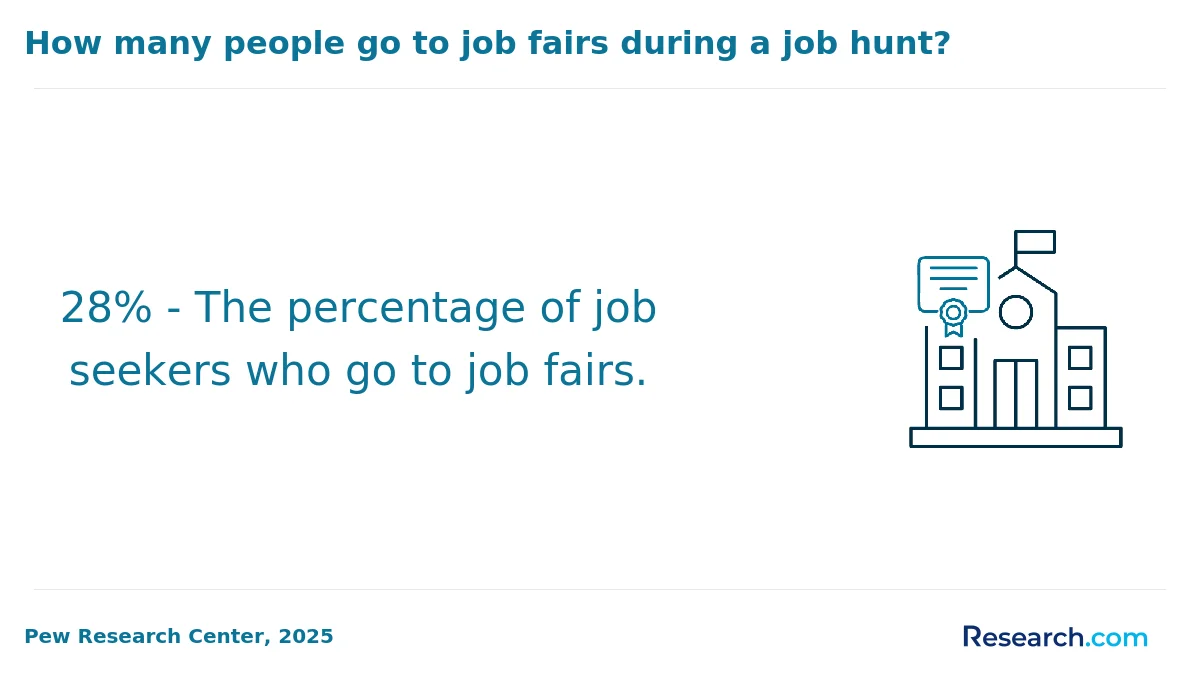
Networking is crucial: connecting with local employers and attending job fairs in Quincy can increase hiring chances. Additionally, obtaining any required state licenses or certifications beyond the trade school certificate is important to meet industry standards.
Many Quincy trade schools offer career services, including interview preparation and job placement assistance, which can be valuable for recent graduates.
Employers in Quincy highly value practical and technical skills when hiring graduates from trade school certification programs. According to data from the Massachusetts Executive Office of Labor and Workforce Development, hands-on experience with industry-standard tools and equipment is critical across fields like electrical work, HVAC, and automotive technology.
Beyond technical ability, employers also prioritize strong problem-solving skills and adaptability. The National Skills Coalition notes that 82% of employers seek candidates who can quickly adjust to new technologies and procedures.
Soft skills such as communication, teamwork, and time management are frequently mentioned as essential for success in Quincy's trade industries. These competencies help graduates integrate smoothly into workplace environments and contribute effectively to projects.
Finding internships in Quincy related to your trade school certification program involves several strategic steps. Start by consulting your school's career services or internship coordinator, as many trade schools maintain industry connections and partner with local businesses. Quincy's local Chamber of Commerce also offers resources and networking events helpful for discovering internship opportunities. According to the Massachusetts Executive Office of Labor and Workforce Development, Quincy's manufacturing and healthcare sectors offer numerous entry-level positions suited for trade students.
Online job platforms like Handshake and Indeed often list internships specific to Quincy's trades. Additionally, attending job fairs and industry meetups in the area can increase your chances of finding relevant placements. Early outreach and professional networking remain critical in securing internships that align with your certification goals.
Trade school certification programs in Quincy play a significant role in enhancing career mobility and advancement. These programs provide specialized skills that employers in local industries highly value, such as construction, healthcare, and manufacturing. According to the Massachusetts Executive Office of Labor and Workforce Development, certified workers often experience quicker job placement and higher starting wages compared to non-certified peers.
Additionally, certifications can open doors to promotions and higher-paying roles by validating a candidate's competency. Many Quincy employers prefer certified applicants because the training reduces onboarding time and improves job performance. Trade school certificates also enable career changers to enter new fields efficiently, supporting long-term professional growth within the regional labor market.
In Quincy, several part-time job opportunities align well with trade school certification programs, allowing students to gain practical experience while studying. For example, students in healthcare certifications often find entry-level positions as medical assistants or home health aides. According to the Massachusetts Executive Office of Labor and Workforce Development, these roles offer flexible hours and average wages between $15 and $20 per hour.
Those pursuing certifications in skilled trades, such as welding or HVAC, can seek part-time apprenticeships or technician helper roles. Local employers in Quincy frequently offer such positions to support hands-on learning.
Retail and customer service jobs in Quincy's industrial sectors also provide valuable skills in communication and time management, which complement vocational education.
If you're looking for the most affordable degree programs "near me" in Quincy, IL, there are several options to consider. In the Quincy, IL area, various community colleges and universities offer cost-effective degree programs across different fields of study, allowing students to pursue higher education without significant financial burden. Utilizing resources like Research.com can help you identify specific degree programs that are financially accessible and available near Quincy, IL.
- Most Affordable Trade School & Training Programs - Leading Certification Courses in Overland Park for 2026
- Most Affordable Trade School & Training Programs - Leading Certification Courses in Olathe for 2026
- Most Affordable Trade School & Training Programs - Leading Certification Courses in Topeka for 2026
- Most Affordable Trade School & Training Programs - Leading Certification Courses in Tulsa for 2026
- Most Affordable Trade School & Training Programs - Leading Certification Courses in Dearborn for 2026
- Free College for all Eligible Massachusetts Residents. | Quincy College https://quincycollege.edu/freecollege/
- About QAVTC | Quincy Public Schools | Quincy IL https://www.qps.org/schools/qavtc/about-qavtc/
- Financial Aid | Beauty School | Gem City College | Quincy IL http://www.gemcitycollege.com/financial-aid-3/
- Research - Our Methodology https://research.com/our-methodology
- Internship Programme | UN Trade and Development (UNCTAD) https://unctad.org/page/internship-programme
- College Graduate Skills for Employers | Entering the Job Market https://global.nmsu.edu/blog/general/skills-employers-look-for-in-college-grads/
- Short-Term Certificate and Training Programs | Massachusetts Education & Career Opportunities, Inc. (MassEdCo) https://www.massedco.org/programs-tools/short-term-certificate-and-training-programs
- What Employers Want From Trade School Graduates Today | UTI https://www.uti.edu/blog/education/employers-trade-school-graduates
- 5 Tips for Getting Ready for a Job After Trade School - Techneeds https://www.techneeds.com/2022/05/12/5-tips-for-getting-ready-for-a-job-after-trade-school/
- Metal Fabrication - Quincy High School https://qhs.quincypublicschools.com/academics/career_and_technical_education/metal_fabrication


