
Most Affordable Certificate Programs - Leading Certification Courses in District of Columbia for 2026

Co-Founder and Chief Data Scientist
Exploring affordable certificate programs in the District of Columbia can open exciting doors for your future. Whether you're looking to gain new skills or advance your career, choosing the right trade school program is a crucial step.
This article features a carefully crafted trade school certificate programs ranking created by the Research.com team of data scientists. It aims to help you make an informed and confident choice about which programs stand out.
Discovering the best options can lead to meaningful opportunities and personal growth. Your journey toward a rewarding career starts here.
Key benefits of getting trade school certificate in District of Columbia
- Expected salary: Trade school graduates in DC can earn impressive wages, like electricians making $45,000 to $100,000+, automotive technicians earning $35,000 to over $90,000, and plumbers or HVAC specialists starting around $40,000 and advancing to $75,000 or more.
- Popular career paths: Graduates often pursue trades such as electrical work, automotive repair, plumbing, HVAC, and welding-fields with strong demand and great opportunities to grow and specialize within DC's job market.
- Online certification benefits: Obtaining a trade certificate online allows flexible learning, saving time and commuting-ideal for busy students balancing work or family, providing the same valuable skills as traditional programs.
- Most Affordable Certificate Programs - Leading Certification Courses in District of Columbia for 2026
- What can I expect from trade school certification programs in District of Columbia?
- Where can I work with trade school certification in District of Columbia?
What can I expect from trade school certification programs in District of Columbia?
Students enrolling in trade school certification programs in the District of Columbia generally encounter costs ranging from around $3,000 to $8,000, depending on the program's length and industry focus. Graduates from healthcare certifications often share how manageable tuition combined with financial aid options made their path practical and rewarding. For example, those completing IT or skilled trades certifications report regularly balancing coursework with externships, which are integral and sometimes required parts of the program, without excessive financial strain.
The blend of technical instruction and hands-on experience-including lab work, shop practice, and employer partnerships-makes these programs valuable investments. Many students cite the personalized mentorship and job retention support post-graduation as key benefits that justify their expenses.
Flexible scheduling and online components further help accommodate working adults or those with family commitments, enhancing overall accessibility. Popular trade schools in DC emphasize industry-recognized credentials that often lead to well-paying job offers shortly after completion, helping graduates quickly recoup educational costs.
Where can I work with trade school certification in District of Columbia?
After completing a trade school certification program in the District of Columbia, graduates often find rewarding employment opportunities across healthcare, building trades, and construction sectors. For instance, a graduate from a well-known DC healthcare certification program can start working as a Medical Assistant or Medical Administrative Assistant in local hospitals, clinics, or specialized care centers, earning competitive wages above the city's minimum.
Those trained in building maintenance or HVAC frequently secure roles with government agencies, schools, or property management companies, thanks to hands-on externships included in DC programs. Graduates share how this direct experience helped them confidently step into careers as HVAC technicians or maintenance specialists within months.
Additionally, construction and apprenticeship programs supported by the DC Department of Employment Services prepare students for work with local contractors, union shops, and prominent institutions like the Smithsonian. Many graduates appreciate how industry-recognized credentials open doors to both residential and commercial project roles, often with benefits like health insurance and paid leave.
Graduates of trade school certification programs in the District of Columbia commonly start earning competitive salaries that quickly improve with experience. For example, electricians in DC often begin with annual wages between $45,000 and $60,000, while mid-career professionals can see salaries rise to $65,000 to $90,000. Those specializing in industrial or high-voltage electrical systems can earn $90,000 to $130,000, making this a highly rewarding career path.
Automotive technician graduates also find promising pay, starting around $35,000 to $47,000 annually. With skills gained through DC trade schools and experience, these technicians often advance to salaries in the $50,000 to $73,000 range, with luxury vehicle specialists earning up to $90,000.
Trade schools in DC preparing students for community and social service roles report average wages near $80,000. School counselors in the metro area can expect median salaries of about $85,863, reflecting strong demand.
Many graduates from popular DC technical schools share stories of quickly achieving financial independence and job satisfaction, attributing their success to hands-on training and local industry connections. The urban demand in DC for skilled trades ensures many graduates move into well-paid positions soon after certification.
- Jamal: Enrolling in the HVAC certification at DC Technical Institute was a game-changer. The hands-on training was superb, and the instructors truly cared. Within months, I secured a job with a local energy firm. This program gave me the confidence and skills to build a stable career right here in the District.
- Maria: The Electrical Trade program at Capital Skills Academy exceeded my expectations. I loved the combination of theory and practical labs, and the supportive community of students and teachers. Getting certified opened doors to a rewarding electrician position, making me proud and financially independent in Washington, D.C.
- Andre: The Plumbing Certification at Metro Career Center was intense but worth every minute. The focused curriculum prepared me well for real-world challenges. The school's job placement assistance helped me quickly find employment on a construction project downtown. Studying here was the best decision for my future in the trade.
- Many trade programs in DC accept adults over 18 and some do not require a high school diploma, but testing like the CASAS assessment may be needed.
- Program lengths vary from a few months to two years, with high school CTE students completing three- to four-year sequences including certifications and internships.
- Trade school costs in DC typically range from $5,000 to $15,000, and financial aid or sliding scale fees are often available for qualifying residents.
- Entry-level salaries for graduates range from $35,000 to $55,000 annually, with some skilled trades professionals earning $60,000 or more after gaining experience.
- Employment placement rates are strong, with over 80% of some program graduates finding jobs within six months of completion.
Most trade school certification programs in the District of Columbia can be completed in as little as 6 to 9 months. Graduates from workforce development providers that focus on healthcare and building trades often share how quickly they were able to gain practical skills and land jobs because their training was hands-on and intensive. This short timeframe is ideal for those eager to start working without a long delay.
Apprenticeships, by contrast, usually take from 1 to 5 years due to their blend of paid on-the-job learning and classroom instruction. Many students appreciate this route for the steady income and deep expertise it provides, making it a great choice for those committed to mastering a trade.
High school students in Career and Technical Education programs spend 3 to 4 years earning both diplomas and certificates, preparing them early for competitive entry into skilled fields.
Community college and technical school certificate programs typically range from several months up to two years, offering flexible options for students balancing work and study. Many find this path rewarding because it balances speed with thorough preparation.
The primary difference between online and on-campus trade school certification programs in the District of Columbia lies in how students engage with their learning. Online programs, like those at Career Technical Institute (CTI), offer the flexibility to study from home or anywhere with internet access. Graduates from these programs often appreciate balancing coursework with work or family, completing assignments through web portals and accessing resources anytime. Fields such as hospitality and IT thrive in this format where theoretical knowledge and digital skills dominate.
In contrast, on-campus programs such as those at SOME (So Others Might Eat) provide hands-on training essential for physically demanding trades. Students benefit from daily labs, direct instructor feedback, and externships, gaining real-world experience employers value. Graduates recall the support they received, from access to industry attire to transportation, making it easier to focus on skill-building in healthcare or construction.
Choosing between them depends on your lifestyle and career goals-whether you need flexibility or immersive practical experience.
The average trade school cost in DC varies widely depending on the program and institution, with most certification programs ranging from $200 to $6,550 in tuition. For example, graduates from Georgetown University's applied ophthalmic personnel certificate program often share how the higher tuition-between $3,550 and $6,550-reflects valuable clinical training that boosts their confidence entering the healthcare field. Meanwhile, other students have praised affordable options at local schools where short-term certificates, especially without clinical components, can cost as little as $200, making education accessible even for those balancing work and family commitments.
District of Columbia trade certificate tuition and fees typically remain below the national averages, offering a more budget-friendly choice. Many learners find these lower costs reassuring when planning finances, especially since most programs can be completed in less than a year, limiting ongoing expenses. Career-focused fields such as automotive technology or welding may cost more, sometimes upwards of $5,000 to $15,000, but the investment often reflects specialized equipment and hands-on training, helping graduates feel well-prepared and motivated.
Financial aid opportunities further reduce costs for many D.C. students, providing federal and state support that lightens the tuition burden. For those interested in affordable training outside traditional programs, exploring options for a cheap online home remodeling certification might be a practical alternative. Additional costs like books and exam fees are generally manageable, allowing students to focus on skills and career growth without overwhelming expenses.

Trade school certification students in the District of Columbia can access various financial aid options to ease their educational expenses. Many start by completing the FAFSA to qualify for federal aid like the Pell Grant and subsidized Stafford Loans. For example, graduates from well-known DC trade schools often share how Pell Grants bridged the gap between tuition and living costs, making certification programs more manageable.
The DC Tuition Assistance Grant (DCTAG) is especially valuable, offering up to $10,000 annually for public institutions or $2,500 for private schools within DC or HBCUs nationwide. Many students pursuing HVAC and medical technician certifications in DC rely on this to reduce their out-of-pocket expenses significantly.
Additional support includes the DC TAPIT program, which provides up to $4,000 for families on TANF, covering tuition and fees. The DC College Access Program (DC CAP) also helps with up to $2,000 yearly for graduates of DC public or charter schools attending accredited career programs.
Veteran students benefit from GI Bill® benefits if their trade school is approved, further opening doors to affordable certification opportunities. Graduates often recommend working closely with school financial aid offices to navigate these programs and unlock personalized aid packages that transform anxieties about cost into confidence about their career paths.
To enroll in a trade school certification program in the District of Columbia, you must first have a high school diploma or its equivalent, such as a GED. Graduates from popular DC trade schools often share how this basic step opened doors to opportunities in fields like electrical work or HVAC.
Applicants generally need to be at least 16 years old, though some trades with higher safety risks require older candidates. Physical ability is key-many students recall passing physical exams that confirmed they could handle demanding tasks on sites around the city.
- Passing a general aptitude test covering reading, math, and problem-solving is often required, ensuring readiness for technical challenges.
- Providing proof of related work experience may shorten training time, a helpful option for those with prior skills or apprenticeships in DC.
- Reciprocal certification is available for licensed individuals from other states, sometimes requiring a local laws exam.
- Applicants must submit a formal application, pay fees, and attend mandatory information sessions to fully understand program expectations.
Many graduates highlight that securing their own transportation was crucial, especially for construction trades requiring travel to multiple job sites within DC. These clear prerequisites help ensure you're prepared and confident to succeed in your chosen trade.

Trade school certification courses in District of Columbia focus on practical, career-ready skills across several in-demand fields. Graduates often highlight hands-on learning in programs that include healthcare courses like Medical Administrative Assistant and Medical Assistant, where students master vital clinical tasks such as patient care and health records management. Many appreciate the real-world externships that build confidence before entering the workforce.
Certificate program course options Washington DC also emphasize building trades with training in HVAC, plumbing, carpentry, and electrical systems. Students benefit from workshop experience and employer-partner externships, which deepen their skills and job prospects. Information Technology courses, including IT Support and Cybersecurity, teach critical troubleshooting and network security relevant to the evolving local tech scene.
Additional popular courses cover Automotive Technology, Aviation Maintenance, Hospitality Management, and Culinary Arts, often pairing certification with internships or job shadowing to boost career readiness. Students looking for trade programs that blend rich hands-on experience with industry connections may explore the cheapest construction training programs online to complement their DC-based studies.
To find the best trade school programs in District of Columbia, start by identifying those that focus on high-demand trades such as healthcare, IT, and construction. Many graduates from the University of the District of Columbia Community College praise its balance of hands-on training and flexible day and evening classes, which make it easier for working adults to complete certifications without sacrificing their current jobs. Practical experience through internships or externships is crucial; students have found these opportunities invaluable for transitioning smoothly into their careers.
When deciding how to choose a certification program in DC, consider programs offering industry-recognized credentials and robust job placement support. Graduates often share stories of being hired within months, thanks to schools that provide direct connections to local employers and ongoing mentorship. Programs that do not require a high school diploma or GED also open doors for a wider range of students aiming for career growth in the District.
Graduates of trade school certification programs in the District of Columbia have access to a spectrum of rewarding career paths tailored to meet local industry demands. Popular programs at institutions well-known in DC prepare students for in-demand roles such as Certified Nurse Aides and Medical Assistants, which often lead to employment in hospitals and clinics with competitive starting wages around $20 per hour. Graduates share that their strong practical training made transitioning into healthcare jobs more confident and intuitive.
Opportunities extend into information technology, where certification equips students for roles like IT support specialists and network administrators. Many graduates thrive in government agencies or non-profits across DC, highlighting how trade certification jobs in Washington DC remain a steady gateway to tech careers.
Other key areas include office administration and hospitality, where graduates find satisfying roles as administrative assistants or hotel associates, gaining experience and moving up quickly. Building trades certifications also open doors to hands-on construction and maintenance jobs, reflecting DC's ongoing industry growth.
Many programs also incorporate internships or externships, which alumni say significantly boost job readiness. For anyone exploring trade school careers, DC's alignment of education with local employers offers practical pathways into successful, stable employment.
The trade school job opportunities in District of Columbia are strong and growing, especially for graduates from local programs like the University of the District of Columbia's Community College and the Workforce Development and Lifelong Learning Center. Employers actively seek certified workers in healthcare, IT, construction, welding, HVAC, and automotive technology. Graduates often secure jobs quickly because these schools tailor certifications to D.C.'s market needs and maintain partnerships with local employers.
Wages reflect the region's high cost of living, making the earning potential for certified trades in DC very promising. Entry-level technicians in HVAC, welding, and electrical work regularly earn salaries that provide solid financial stability and opportunities to climb higher with experience. Students report feeling confident about their career prospects after completing hands-on training in these fields.
Examples of job-ready skills include:
- Health care certifications ready for immediate placement
- IT support skills aligned with government and private sector needs
- Construction and skilled trades certifications linked to booming infrastructure projects
For those weighing options, learning why is college better than trade school can help clarify pathways and benefits suited to your goals in D.C.'s vibrant job market.
Most Affordable Certificate Programs - Leading Certification Courses in District of Columbia for 2026
# 1 position
American University - Language Interpretation and Translation.
certificate or diplomaThe Language Interpretation and Translation program at American University offers a hybrid format with some distance education options. It prepares students for careers as professional interpreters and translators, covering multiple languages and specialized topics like simultaneous interpretation and business translation. The annual in-state tuition is $56,543. Graduates earn a median salary of $52,493 one year after completion. The program is accredited by the Middle States Commission on Higher Education.
# 2 position
Career Technical Institute - Medical Administrative/Executive Assistant and Medical Secretary.
certificate or diplomaThe Medical Administrative/Executive Assistant and Medical Secretary program prepares individuals to support physicians, nurses, and healthcare administrators. It covers business and medical communications, medical terminology, healthcare operations, public relations, software applications, and scheduling. Training includes record-keeping, policy compliance, and professional ethics. The program is accredited by the Council on Occupational Education. Median earnings for graduates one year after completion are $20,308.
Frequently Asked Questions about trade school certificates
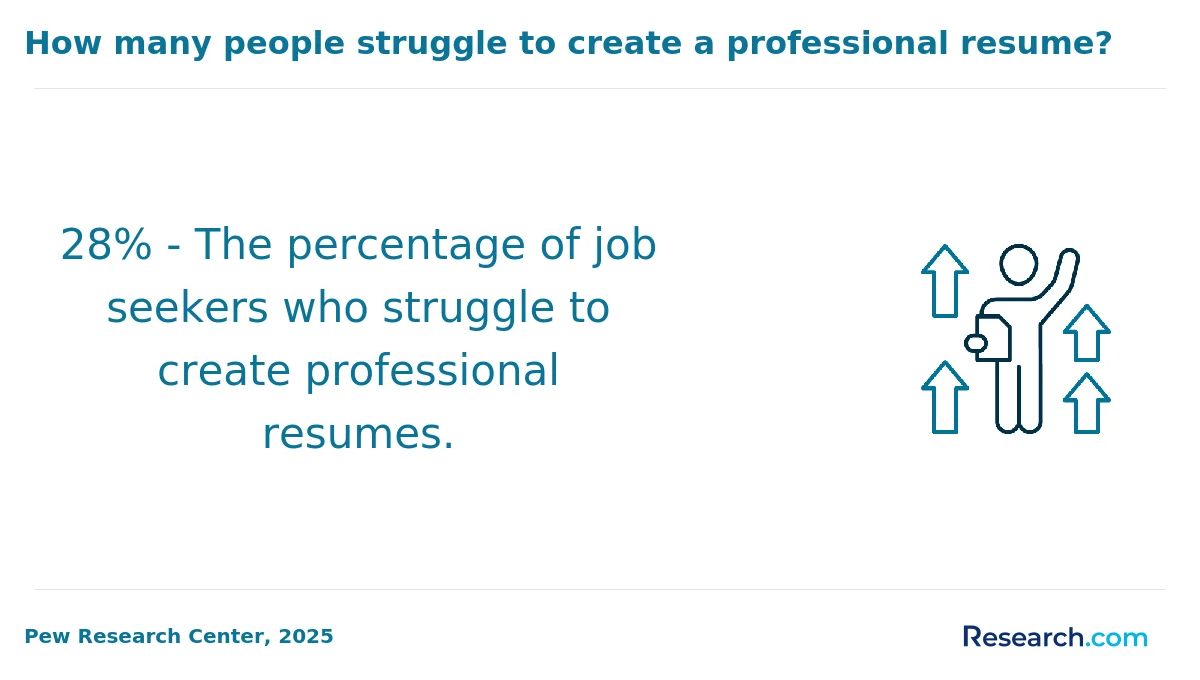
After completing a trade school certification program in the District of Columbia, preparing for the job market involves several practical steps. First, graduates should create a professional resume highlighting their technical skills and any hands-on experience gained during training. Networking is crucial; engaging with local trade associations and attending job fairs in DC can connect candidates with employers seeking certified professionals. According to the U.S. Bureau of Labor Statistics, skilled trade jobs in DC have a projected growth rate of around 7% through 2031, signaling steady demand. Additionally, obtaining relevant licenses or industry-recognized certifications beyond initial training can enhance employability in this competitive market.
Internships or apprenticeships are valuable for building work experience and industry contacts. Many trade schools in DC offer job placement assistance, which students should leverage to access job listings and employer partnerships. Finally, staying informed about local economic trends and labor market needs via resources like the District of Columbia Department of Employment Services can help graduates target the most promising opportunities aligned with their skills.
Employers in the District of Columbia highly value practical skills from trade school certification graduates. Key technical competencies include proficiency in electrical systems, HVAC maintenance, and information technology support, reflecting the region's demand in these fields, according to the D.C. Department of Employment Services. Strong problem-solving abilities and familiarity with industry-standard tools are also essential. Communication and teamwork skills rank high among soft skills employers expect. A 2023 survey by the Georgetown University Center on Education and the Workforce found that 68% of local employers prioritize adaptability and critical thinking in trade graduates. These combined skills greatly enhance job readiness in D.C.'s competitive labor market.
Finding internships in the District of Columbia related to your trade school certification involves targeting industries prominent in the area, such as construction, healthcare, IT, and hospitality. The D.C. Department of Employment Services offers resources and job fairs aimed at connecting certification holders with local employers. Many community colleges and trade schools also maintain partnerships that provide internship placements specifically tailored to their programs.
Online job portals like Handshake and Indeed frequently list internships catering to certified trades. According to the National Association of Colleges and Employers, about 60% of internships in metropolitan areas like D.C. lead to job offers upon completion, highlighting their value.
Utilizing networks such as local unions or professional trade associations can improve your internship prospects. These organizations often have exclusive listings and guidance for students with trade certifications.
Trade school certifications in the District of Columbia significantly enhance career mobility and advancement opportunities. According to the U.S. Bureau of Labor Statistics, occupations requiring postsecondary nondegree awards, such as trade certifications, typically experience faster job growth than the national average. In DC, sectors like healthcare, construction, and information technology actively value these credentials, which often lead to higher starting wages and promotional potential.
Data from the National Center for Education Statistics shows that within DC, individuals with trade certifications have a 15% higher employment rate compared to those with only a high school diploma. This advantage allows certified professionals to access more stable jobs and climb career ladders more quickly in competitive local markets.
Moreover, trade certifications offer focused, practical skills tailored to employer needs, reducing training costs for organizations and increasing demand for qualified workers. These factors make certification a practical pathway for career growth across many industries in the District.
Students enrolled in trade school certification programs in the District of Columbia can find various part-time job opportunities that align well with their studies. Positions such as pharmacy technicians, HVAC assistants, and medical billing clerks are common roles that complement education in healthcare, technology, and skilled trades. According to the U.S. Bureau of Labor Statistics, these jobs not only provide practical experience but often offer flexible hours, which suits students' schedules.
Additionally, the D.C. Department of Employment Services notes a growing demand for apprenticeships and internships in construction and IT sectors. These part-time roles enhance both technical skills and professional networks, aiding career advancement after certification.
Yes, there are affordable degree programs near the District of Columbia that cater to various academic interests and budget considerations. Some universities and colleges offer competitive tuition rates and financial aid opportunities, making education accessible to a wide range of students. Programs near me in the District of Columbia can be explored further by consulting resources like Research.com to find options tailored to individual needs and locations.
- Most Affordable Certificate Programs - Leading Certification Courses in Montana for 2026
- Most Affordable Certificate Programs - Leading Certification Courses in California for 2026
- Most Affordable Certificate Programs - Leading Certification Courses in Nevada for 2026
- Most Affordable Certificate Programs - Leading Certification Courses in Utah for 2026
- Most Affordable Certificate Programs - Leading Certification Courses in Wyoming for 2026
- Most Affordable Certificate Programs - Leading Certification Courses in Arizona for 2026
- Most Affordable Certificate Programs - Leading Certification Courses in Colorado for 2026
- Most Affordable Certificate Programs - Leading Certification Courses in New Mexico for 2026
- Most Affordable Certificate Programs - Leading Certification Courses in South Dakota for 2026
- Most Affordable Certificate Programs - Leading Certification Courses in North Dakota for 2026
- What Skills Will Future Business Graduates Need? | AACSB https://www.aacsb.edu/insights/articles/2025/08/what-skills-will-future-business-graduates-need
- How to Recruit Top Talent from Trade Schools | Onrec https://www.onrec.com/news/news-archive/how-to-recruit-top-talent-from-trade-schools
- What Skills Do Employers Want from Graduates? 20 Key Skills - HE Professional https://heprofessional.co.uk/edition/what-skills-do-employers-want-from-graduates-release
- 5 Tips for Getting Ready for a Job After Trade School - Techneeds https://www.techneeds.com/2022/05/12/5-tips-for-getting-ready-for-a-job-after-trade-school/
- Occupational Skills Training | does https://does.dc.gov/service/occupational-skills-training
- Research - Most Affordable Online Home Remodeling And Repair Trade School Programs https://research.com/degrees/most-affordable-online-home-remodeling-and-repair-trade-school-programs
- Internship Programme | UN Trade and Development (UNCTAD) https://unctad.org/page/internship-programme
- Collegescorecard https://collegescorecard.ed.gov/
- Traditional vs Online Education - Which One Is Right For You? | Penn Foster https://www.pennfoster.edu/blog/traditional-vs-online-education
- Career and Technical Education (CTE) | osse https://osse.dc.gov/service/career-and-technical-education-cte


