
Most Affordable Certificate Programs - Leading Certification Courses in Denver for 2026

Co-Founder and Chief Data Scientist
Choosing the right trade school certificate program in Denver can be overwhelming, but you’re not alone in this journey. This article introduces a carefully crafted trade school certificate programs ranking developed by the Research.com team of data scientists to help you make confident, informed decisions.
Discover affordable options that fit your goals and budget while opening doors to rewarding careers. Earning a trade school diploma or certification boosts your skills and enhances your future prospects.
Explore the possibilities and step toward a brighter, more secure future today.
Key benefits of getting trade school certificate in Denver
- Expected salaries: Trade school graduates in Denver can earn strong incomes, such as $27,411-$42,658 for dental assistants, $34,247-$55,538 for HVAC mechanics, and up to $85,218 for dental hygienists, showing great earning potential early in their careers.
- Popular career paths: Many graduates choose fields like plumbing, welding, electrical trades, nursing, and legal assistance, which offer stable, in-demand jobs with opportunities for growth in Denver's job market.
- Online certification benefits: Getting a trade certificate online offers flexibility and allows students to balance work and study-ideal for busy adults aiming to boost their skills without relocating or quitting their current jobs.
- Most Affordable Certificate Programs - Leading Certification Courses in Denver for 2026
- What can I expect from trade school certification programs in Denver?
- Where can I work with trade school certification in Denver?
What can I expect from trade school certification programs in Denver?
The average cost of a trade school certification program in Denver varies widely but often falls between $3,000 and $15,000, depending on the length and specialization. Graduates from programs at institutions like Lincoln Tech Denver or those within the Colorado Community College System recall investing not only financially but emotionally, finding value in the hands-on training and supportive environment. One graduate shared how a five-week pre-apprenticeship provided both practical welding skills and confidence to step into a well-paying job quickly, making the cost feel like a clear investment rather than an expense.
The accessible nature of these programs means that students often benefit from stipends, transportation help, and job placement support, easing financial pressure. The small class sizes and experienced instructors help many students feel personally guided through training that combines real-world equipment with nationally recognized certifications like OSHA 10.
For many, the programs deliver more than skills-they offer a gateway to steady employment and the pride of mastering a trade quickly without the burden of excessive student debt.
Where can I work with trade school certification in Denver?
After finishing a trade school certification program in Denver, many graduates step confidently into entry-level roles that offer both stability and growth. For instance, a graduate from Lincoln Tech recently shared how they quickly secured a position as an automotive technician at a local dealership, applying hands-on skills learned during their program. Opportunities abound in sectors like HVAC, electrical work, and welding, where companies value practical experience and certifications. Another graduate found meaningful work as a maintenance technician for a property management firm, appreciating the immediate impact they could make in their community.
The City and County of Denver's partnership with apprenticeship programs enhances career prospects, especially in construction trades such as plumbing and electrical work. Graduates in these fields can expect to enter union jobs with competitive starting wages around $20-$25 per hour. Many express enthusiasm about advancing their careers through wages that grow alongside their experience and additional credentials.
Trade schools in Denver support students by connecting them directly to employers seeking skilled laborers, keeping job doors wide open for those ready to build practical, fulfilling careers.
After finishing a trade school certification program in Denver, graduates often find themselves entering a world of promising financial opportunities. Many report starting salaries around $39,100 to $49,648 annually-figures that reflect the city's strong demand for skilled trades. One recent graduate who became a dental assistant shared how the average income of $80,219 annually in Denver felt like a real turning point, allowing them to support their family comfortably and gain confidence in their chosen path.
Others pursuing certifications such as pharmacy technician or medical billing saw starting salaries near $42,000, steadily rising with experience. A project management certificate holder from a popular Denver trade school described the excitement of earning over $100,000 annually, especially with tech and construction projects booming locally.
Across these varied paths-from hands-on trades to specialized technical roles-the consistent thread is that completing trade school in Denver offers a rewarding salary range. Graduates feel empowered by not just the paycheck, but the stability and growth their certifications provide within the community.
- "Completing the HVAC certification at Denver Technical Institute was a game changer. The hands-on training prepared me perfectly for real-world challenges, and within weeks I secured a great position with a local company. The supportive instructors made learning enjoyable and boosted my confidence throughout the program." - Jessica
- "Enrolling in the Electrical Trade program at Rocky Mountain Vocational School exceeded my expectations. The curriculum was detailed and relevant, helping me land an apprenticeship quickly in Denver's booming construction sector. The sense of accomplishment has been incredible-I truly feel empowered to build a solid career." - Derek
- "I loved my experience at Mile High Welding Academy. The small class sizes meant personalized guidance, and the state-of-the-art equipment gave me confidence. After certification, I was hired by an industrial fabricator in Denver. The program turned my passion into a stable, rewarding profession." - Samantha
- Denver offers over 1,000 certificate programs in fields like construction, automotive technology, data science, healthcare, and digital marketing.
- Most programs are open to Colorado residents aged 16 and older, requiring a high school diploma or GED, with flexible options for working adults.
- Programs typically take six months to two years to complete, depending on full- or part-time attendance and the chosen field.
- The average cost ranges from $3,000 to $12,000, with financial aid options including grants, scholarships, and some tuition-free opportunities for in-demand trades.
- Median starting salaries for skilled trades in Denver range from $40,000 to $55,000 annually, with potential to exceed $70,000 with experience and certifications.
Trade school certification programs in Denver often offer a quick yet thorough path to new career opportunities, typically taking less than a year to complete. Many graduates from Denver Technology Trade School, for instance, share how the 4-6 months timeline allowed them to balance studies with work, with courses designed to fit busy lives. The structured capstone projects and assignments helped solidify their skills without overwhelming their schedules.
For those drawn to construction and trades, programs like the two-semester track at CEC Early College provide a deeper dive, with certifications such as OSHA-10 enriching their resumes. Graduates often express pride in completing a full academic year of focused training, feeling fully prepared to enter the workforce.
Meanwhile, participants in the African American Trade Association's pre-apprenticeship program appreciate its compact five-week duration, enabling rapid job readiness in fields like electrical and plumbing. The blend of certifications earned makes them confident in starting new careers quickly.
CDL trainees, combining classroom and extensive behind-the-wheel hours, find themselves on the road within months, experiencing a rewarding sense of accomplishment as their driving hours accumulate.
Overall, Denver's trade certification timelines are tailored to fit diverse goals and lifestyles, making career shifts not only practical but genuinely empowering.
The main difference between online and on-campus trade school certification programs in Denver lies in how and where students engage with their studies. Graduates from online programs at places like the University of Denver appreciate the freedom to learn at their own pace, fitting coursework around busy jobs or family life. They often share how completing classes from home or a favorite coffee shop helped them balance responsibilities without feeling overwhelmed.
On-campus attendees at schools such as Lincoln Tech often recall the energy of hands-on labs and face-to-face support from instructors. These students thrive in a structured environment, benefiting from real-time collaboration and direct access to specialized equipment. Evening or weekend classes become social as well as educational, making the learning experience more communal.
Both paths offer valuable skill-building, but online learners might rely on virtual simulations, while on-campus students dive into physical practice. This difference shapes how students connect with their field-whether through keyboard or workbench, each method suits distinct lifestyles and goals in Denver's trade community.
The average cost of a trade school certification program in Denver depends largely on the institution and program type, with many students finding an accessible range between $9,000 to $14,000 at public schools and $16,000 to $25,000 at private institutions. Graduates from Pickens Technical College often recall balancing their budgets around the $9,772 net price, appreciating the practical skills gained without overwhelming debt. Meanwhile, those attending Lincoln College of Technology-Denver, where the net price reaches about $20,072, frequently note the value of specialized technical programs like automotive technology or HVAC despite the higher cost. This variety in pricing reflects the Denver trade school certification cost breakdown that students must consider when planning their education pathways.
Many students starting with shorter or focused programs, such as dental assisting at the National School of Dental Assisting, benefit from lower tuition fees ranging between $1,000 and $5,000, making certification more approachable for those eager to enter the workforce quickly. However, those pursuing advanced healthcare or aviation certificates might encounter costs that exceed $25,000, a trade-off justified by the specialized training involved and potential career returns.
Beyond tuition, students also budget an additional $1,500 to $7,000 for textbooks, materials, and fees, underscoring the importance of thorough financial preparation. Luckily, a variety of financial aid options, including grants and scholarships, can help ease these costs for many. Prospective students can explore what are the best trade schools and available financial supports through trusted resources to find the best fit for their goals and means.

Students pursuing trade school certification programs in Denver often find relief through various financial aid options tailored to their needs. Many graduates recall how completing the Free Application for Federal Student Aid (FAFSA) opened doors to federal grants like the Pell Grant and FSEOG, which helped ease tuition costs without the burden of repayment. At institutions such as Emily Griffith Technical College, institutional scholarships specifically designed for programs like welding or medical assisting provide additional support, making education feel genuinely affordable.
The Colorado Promise program, launched recently, especially resonates with students from families earning $90,000 or less, as it fully reimburses out-of-pocket tuition and fees for public trade schools, lifting a significant financial weight. Work-study opportunities also proved invaluable for some, enabling them to earn while learning, blending classroom skills with real-world experience. Veterans using GI Bill benefits frequently highlight how these resources make their Denver education feasible. In every case, personalized advising from local financial offices has been crucial, helping students navigate and maximize every available resource with confidence and hope.
Enrollment in trade school certification programs in Denver typically begins with a few straightforward prerequisites that ensure students are prepared and eligible. Most programs expect potential students to have a high school diploma or GED equivalency, a baseline that supports success in technical training. Graduates often recall how providing their official transcripts made the process smooth and reassuring.
Identification is another essential step-students must usually present proof of age, like a driver's license or birth certificate, affirming their eligibility. For those entering specialized trades such as pipefitting, additional requirements may include:
- Drug screening
- Assessment tests like the Kenexa Prove It Assessment
- Submission of work experience records in some cases
Veterans benefit from clear pathways by submitting discharge documents to access tailored support. Moreover, technology-focused certificates in Denver welcome residents aged 16 and older, often without strict education demands, making these programs inclusive. Graduates frequently share how these accessible prerequisites helped them confidently start careers in trades ranging from construction to graphic design.

Trade school certification programs in Denver typically include a well-rounded mix of courses tailored to meet local workforce demands. Students taking certificate program courses in Denver trade schools often engage in hands-on learning across several fields with direct community relevance. Popular classes focus heavily on skilled trades such as construction management, electrical work, welding, HVAC, automotive, and diesel technology, reflecting Denver's growing industries.
Healthcare courses also attract many motivated learners. Graduates from schools like Pima Medical Institute and Concorde Career College share how medical assisting, nursing assistant, dental assisting, and pharmacy technician programs prepared them for real clinical environments, blending classroom knowledge with externships that boost confidence and job readiness.
Many Denver trade schools now incorporate business and technology classes as well, covering cybersecurity, graphic design, and supply chain management. The Denver trade school certification class list is broad, offering pathways that fit diverse ambitions.
Students appreciate that these programs not only build skills but also prepare them for state and national certification exams, ensuring they enter the workforce ready. For those exploring options, understanding the course layout is essential, and resources like career trades provide valuable guidance.
Choosing the best trade school programs in Denver requires careful consideration of your career goals and the quality of hands-on training offered. Graduates from institutions like Lincoln Tech often praise how practical experience with modern equipment builds confidence and job readiness. Look for programs that prepare you for industry certifications and offer strong connections with local employers, which can make the transition from student to professional smoother.
Evaluate Denver trade school certification costs alongside available financial aid, scholarships, and paid internships to balance your investment with real-world learning opportunities. Flexibility is also key-many Denver programs offer hybrid formats, allowing you to balance education with work or family life. Some graduates share how self-paced courses in international trade helped them earn certificates without sacrificing their existing commitments.
To explore affordable options, consider checking resources like affordable online beauty and cosmetology trade school programs, which provide insight into scholarships and cost-effective paths. Ultimately, prioritizing accredited schools with strong career support helps ensure your certificate holds value across Colorado's job market.
Graduates of trade school certification programs in Denver find a variety of rewarding opportunities across the city's expanding industries. Many embark on careers in Denver skilled trades job opportunities, training at schools like Lincoln Tech or Emily Griffith Technical College, where they gain hands-on experience in fields such as automotive technology, HVAC, welding, and electrical work. These programs prepare students to step confidently into roles like automotive technician or welder, meeting industry standards and fueling the region's infrastructure growth.
Others pursue healthcare roles after completing programs at institutions like Pima Medical Institute or Concorde Career College, becoming medical assistants, dental hygienists, or surgical technologists. These positions are highly sought-after, reflecting the demand for healthcare support staff in Denver's communities.
Trade school careers in Denver also include paths in business and technology with certifications in bookkeeping, accounting, and business operations. Additionally, graduates interested in beauty and wellness find fulfilling work as cosmetologists or estheticians, with schools like Aveda Institutes offering excellent training.
Many graduates report feeling empowered by internships and industry partnerships that open doors to competitive starting wages and career growth. For those eager to explore high paying 6 month certificate programs online, Denver offers a strategic launchpad into promising professions.
The job market for trade school certification program graduates in Denver is currently thriving, reflecting a vibrant local demand for skilled workers. Graduates from institutions like Emily Griffith Technical College and Lincoln Tech often share stories of quickly securing employment in fields such as HVAC, welding, and electrical systems, where job growth projections range from 17% to 30% by 2030. These success stories highlight how well Denver's trade schools align training with the needs of the regional economy.
Employers in healthcare, construction, and automotive repair consistently seek new graduates, offering numerous opportunities for hands-on experience through apprenticeships and externships. For many, this direct connection to the workforce turns career transitions into exciting new beginnings. Flexible class schedules and hybrid programs help working adults upskill without pausing their income, contributing to higher employment outcomes.
Many prospective students explore options like low cost online freight broker trade school programs as a supplemental or alternative path, blending affordability with Denver's strong job market. Real-life experiences of graduates underscore a positive outlook for those pursuing technical careers locally, especially as the region's economy diversifies and grows.
Most Affordable Certificate Programs - Leading Certification Courses in Denver for 2026
# 1 position
Community College of Denver - Mammography Technology/Technician.
certificate or diplomaThe Mammography Technology/Technician program at Community College of Denver prepares registered radiographers to become registered mammographers. It covers anatomy and physiology, mammography instrumentation, positioning, procedures, and quality assurance. The hybrid program offers some distance-education options. Annual in-state tuition is $4,902. Graduates have a median earning of $72,086 one year after completion. The program is accredited by the Higher Learning Commission.
# 2 position
Community College of Denver - Veterinary/Animal Health Technology/Technician and Veterinary Assistant.
certificate or diplomaThe Veterinary/Animal Health Technology/Technician and Veterinary Assistant program at Community College of Denver prepares students to assist veterinarians and animal health professionals in patient care and clinical procedures. The curriculum covers animal nursing, health, nutrition, handling, clinical pathology, radiology, anesthesiology, dental prophylaxis, surgical assisting, laboratory procedures, and office administration. The program is accredited by the Higher Learning Commission. Annual in-state tuition is $4,902.
# 3 position
Community College of Denver - Welding Technology/Welder.
certificate or diplomaThe Welding Technology/Welder program at Community College of Denver offers a hybrid format with some distance education options. The annual in-state tuition is $4,902. This program prepares students to apply technical skills in various welding methods, including arc welding, brazing, and high-energy beam welding, alongside structural design and safety. Graduates have median earnings of $36,543 one year after completion. The program is accredited by the Higher Learning Commission.
# 4 position
Community College of Denver - Phlebotomy Technician/Phlebotomist.
certificate or diplomaThe Community College of Denver offers a Phlebotomy Technician/Phlebotomist program with a hybrid format, allowing some distance education. The program prepares students to draw blood samples under medical supervision, covering vascular anatomy, blood physiology, venipuncture, specimen handling, safety, and relevant regulations. The annual in-state tuition is $4,902. The program is accredited by the Higher Learning Commission.
# 5 position
Community College of Denver - Sterile Processing Technology/Technician.
certificate or diplomaThe Sterile Processing Technology/Technician program at Community College of Denver offers a hybrid learning format with some distance education options. It prepares students to clean, sterilize, and assemble surgical instruments and supplies for operating rooms and medical facilities. The curriculum includes sterilization, infection control, decontamination, and surgical instrumentation processing. The program is accredited by the Higher Learning Commission. Annual in-state tuition is $4,902.
# 6 position
Community College of Denver - Nursing Assistant/Aide and Patient Care Assistant/Aide.
certificate or diplomaThe Nursing Assistant/Aide and Patient Care Assistant/Aide program at Community College of Denver offers a hybrid format with some distance education. It prepares students to perform routine nursing-related tasks under supervision in hospitals or long-term care facilities. The program’s annual in-state tuition is $4,902. Graduates earn a median salary of $23,614 one year after completion. The program is accredited by the Higher Learning Commission.
# 7 position
Pima Medical Institute-Denver - Sterile Processing Technology/Technician.
certificate or diplomaThe Sterile Processing Technology/Technician program at Pima Medical Institute-Denver offers hybrid learning options. It trains students to clean, sterilize, and assemble surgical instruments and supplies for medical and surgical facilities. Instruction covers sterilization, infection control, decontamination, surgical instrumentation processing, distribution, and record-keeping. Graduates have median earnings of $31,071 one year after completion. The program is accredited by the Accrediting Bureau of Health Education Schools.
# 8 position
Pima Medical Institute-Denver - Veterinary/Animal Health Technology/Technician and Veterinary Assistant.
certificate or diplomaA program at Pima Medical Institute-Denver trains students to assist veterinarians and animal health professionals in patient care, clinical procedures, and owner communication. The curriculum includes animal nursing care, clinical pathology, radiology, anesthesiology, dental prophylaxis, surgical assisting, and office administration. It is accredited by the Accrediting Bureau of Health Education Schools and prepares students for roles in veterinary and animal health technology and assistance.
# 9 position
Pima Medical Institute-Denver - Medical Administrative/Executive Assistant and Medical Secretary.
certificate or diplomaThe Medical Administrative/Executive Assistant and Medical Secretary program at Pima Medical Institute-Denver offers a hybrid learning format. It prepares students for roles supporting physicians, nurses, and healthcare administrators through training in medical communications, terminology, healthcare operations, and professional ethics. Graduates have median earnings of $28,219 one year after completion. The program is accredited by the Accrediting Bureau of Health Education Schools.
# 10 position
Pima Medical Institute-Denver - Dental Assisting/Assistant.
certificate or diplomaThe Dental Assisting/Assistant program at Pima Medical Institute-Denver prepares students to provide patient care, take dental radiographs, and assist with office administrative tasks under supervision. The hybrid program includes training in medical record-keeping, equipment maintenance, sterilization, chairside assisting, and patient care before and after procedures. Graduates earn a median income of $27,301 one year after completion. The program is accredited by the Accrediting Bureau of Health Education Schools.
Frequently Asked Questions about trade school certificates
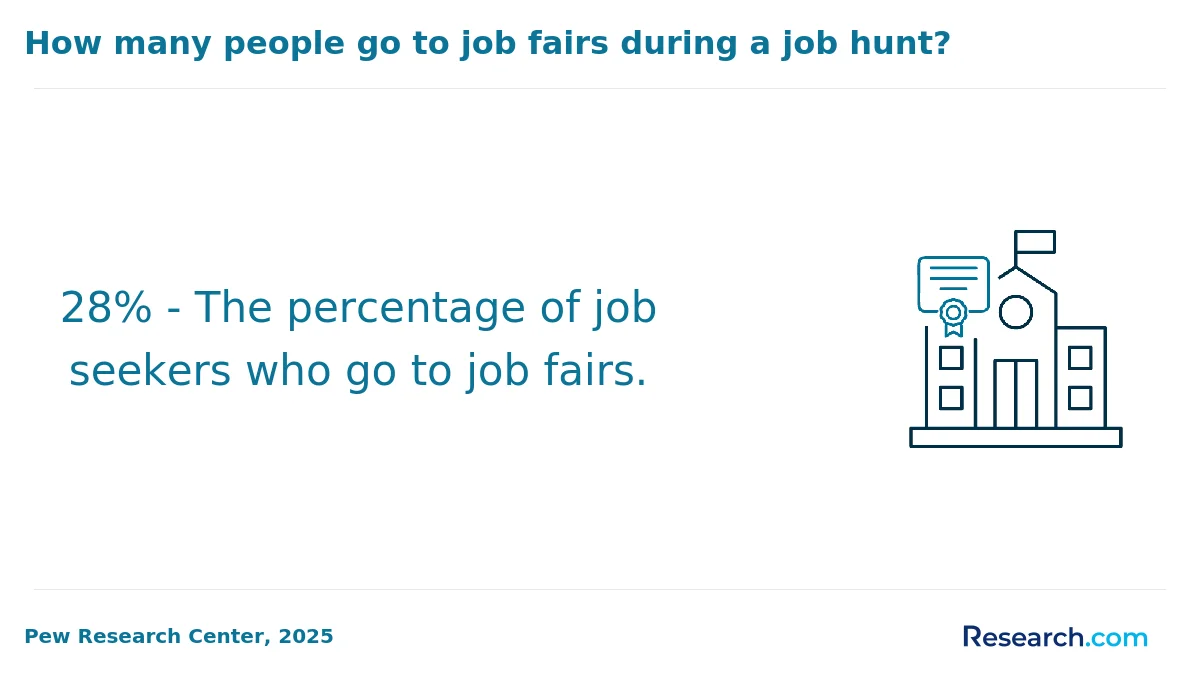
After completing trade school certification programs in Denver, preparing for the job market involves several key steps. First, graduates should develop a strong resume highlighting their specific skills and certifications, which are often highly valued by local employers in construction, HVAC, and automotive sectors. According to the Colorado Department of Labor and Employment, industries tied to trade skills in Denver expect employment growth of 7% through 2028. Networking is also crucial; attending local job fairs and joining professional associations can connect graduates with employers actively seeking certified technicians. Additionally, gaining hands-on experience through apprenticeships can improve job prospects significantly.
Denver's job market favors practical skills paired with certifications, making it important for job seekers to pursue continuing education and industry-recognized credentials when possible. Utilizing resources like Workforce Centers provides access to training, job listings, and career counseling tailored to trade graduates. Understanding labor demand trends and focusing on high-growth fields will better position new professionals for success in Denver's competitive job market.
Employers in Denver seeking graduates from trade school certification programs prioritize a blend of technical and soft skills.
According to recent data from the Denver Workforce Development Department, technical proficiency in areas such as electrical work, HVAC, plumbing, and welding rank among the highest-demand skills for certified graduates.
In addition to these job-specific skills, employers emphasize problem-solving abilities and strong communication skills. A 2023 survey by the Colorado Department of Labor reported that 68% of trade-related employers value teamwork and adaptability as critical traits.
Time management and safety awareness also rank highly, reflecting the hands-on nature of these occupations and the need to maintain workplace efficiency and compliance with regulations.
Finding internships in Denver that are relevant to your trade school certification program requires strategic planning and resourcefulness. Begin by contacting your trade school's career services or internship coordinator, as many local businesses collaborate with schools to offer hands-on training.
Denver's robust industries, such as construction, healthcare, and technology, frequently offer internship opportunities fitting various trades. Utilize job platforms like the Colorado Department of Labor website, which reports that nearly 30% of trade-related internships in Denver last between three to six months, providing ample experience.
Networking is crucial. Join local professional groups or attend industry events in Denver to connect with potential employers. Additionally, check with community colleges and workforce centers that often maintain updated internship listings for trade students.
Trade school certification programs in Denver significantly impact career mobility and advancement for many professionals. These certifications provide specialized skills that employers highly value within local industries such as construction, healthcare, and technology. According to the Colorado Department of Labor & Employment, individuals with trade certificates in Denver experience a 15-20% higher employment rate compared to those without credentials.
Certifications also open doors to higher-paying positions and opportunities for promotion. The Bureau of Labor Statistics indicates that workers with vocational training earn on average 10-30% more annually. Additionally, trade school graduates often benefit from faster job placement, which is crucial in Denver's competitive job market.
Furthermore, many Denver employers partner with trade schools, enabling practical experience and networking that support career growth. Earning a trade certification can therefore act as a powerful catalyst for upward economic mobility in the region.
Part-time job opportunities in Denver that complement trade school certification programs often align closely with the skills students acquire. For example, students in automotive repair can find part-time work as vehicle service assistants at local dealerships or repair shops. According to the Bureau of Labor Statistics, Denver's transportation and material moving sectors have a steady demand for entry-level workers, supporting students' practical experience.
Similarly, individuals training in HVAC or electrical certifications benefit from part-time roles as helpers or apprentices under licensed professionals, providing hands-on learning. The Colorado Department of Labor highlights that construction and maintenance jobs in Denver have increased by 4% annually, reflecting growth in related industries.
Healthcare certification students often secure roles such as medical assistants or pharmacy technicians on a part-time basis in clinics and hospitals. Indeed.com reports numerous listings specifically seeking candidates with current certifications for flexible, part-time schedules in Denver.
Yes, there are numerous affordable degree programs available near Denver, CO, offered by various public universities and community colleges. Prospective students near me can explore options such as the University of Colorado Denver and Community College of Denver, known for providing quality education with lower tuition costs. Research.com can serve as a helpful resource for identifying the most cost-effective programs and universities near Denver, CO that align with personal and professional goals.
- Most Affordable Trade School & Training Programs - Leading Certification Courses in Billings for 2026
- Most Affordable Trade School & Training Programs - Leading Certification Courses in Topeka for 2026
- Most Affordable Trade School & Training Programs - Leading Certification Courses in Olathe for 2026
- Most Affordable Trade School & Training Programs - Leading Certification Courses in Tulsa for 2026
- Most Affordable Trade School & Training Programs - Leading Certification Courses in Overland Park for 2026
- Most Affordable Trade School & Training Programs - Leading Certification Courses in Lancaster for 2026
- Most Affordable Trade School & Training Programs - Leading Certification Courses in Anaheim for 2026
- Client Challenge https://www.dpsk12.org/o/cecdenver/page/construction-trades
- Affordable Career Education Programs in Aurora, CO https://www.pickenstech.org/
- Trade Schools & Vocational Technical Schools in Denver CO https://www.best-trade-schools.net/locations/colorado/denver/
- Part-Time Job – Career & Professional Development | University of Denver https://career.du.edu/jobs/category/part-time-job/
- College Graduate Skills for Employers | Entering the Job Market https://global.nmsu.edu/blog/general/skills-employers-look-for-in-college-grads/
- Nces https://nces.ed.gov/
- Certificates | Colorado Community College System https://cccs.edu/colleges-programs/programs/certificates/
- Colorado trade schools face instructor shortage as student demand on the rise - CBS Colorado https://www.cbsnews.com/colorado/news/colorado-trade-schools-face-instructor-shortage-student-demand-increase/
- Financial Aid & Scholarships | Community College of Denver https://www.ccd.edu/financial-aid-scholarships
- 5 Tips for Getting Ready for a Job After Trade School - Techneeds https://www.techneeds.com/2022/05/12/5-tips-for-getting-ready-for-a-job-after-trade-school/


