
Most Affordable Certificate Programs - Leading Certification Courses in Boise for 2026

Co-Founder and Chief Data Scientist
Thinking about starting a trade school certificate program in Boise? This article highlights the most affordable options for 2026, making it easier to find the right fit for your goals and budget.
Based on a comprehensive ranking created by the Research.com team of data scientists, you’ll discover trustworthy insights to help guide your decision.
Whether you want to advance your skills or launch a new career, earning a certificate can open doors and boost your confidence. Dive in to explore opportunities designed to support your success and growth.
Key benefits of getting trade school certificate in Boise
- Expected salary: Trade school graduates in Boise can earn between $35,000 and $66,500 yearly, with careers like Training Specialists averaging around $60,000 and skilled trades such as electricians making up to $32 per hour.
- Popular careers: Many graduates find success in practical fields like HVAC, automotive service, and healthcare roles such as Licensed Practical Nurse (LPN) or Certified Nursing Assistant (CNA), which offer steady demand and rewarding work.
- Online certification benefits: Completing a trade school certificate online provides flexibility for busy students, allowing them to balance work and study while gaining valuable skills quickly from well-known Boise schools.
- Most Affordable Certificate Programs - Leading Certification Courses in Boise for 2026
- What can I expect from trade school certification programs in Boise?
- Where can I work with trade school certification in Boise?
What can I expect from trade school certification programs in Boise?
The average cost of a trade school certification program in Boise varies depending on the field of study. Graduates from welding or skilled trades programs typically pay between $3,700 and $5,000. Those who complete healthcare certifications often face tuition ranging from $11,000 to $20,000, reflecting the specialized training and clinical experiences involved. Cosmetology students generally spend about $14,000 to $16,000. For example, students at the College of Western Idaho pursuing a healthcare certificate might invest closer to the higher end due to required clinical rotations, while those at Pro-Weld Welding School benefit from shorter, more affordable hands-on programs aligned with industry standards.
Many find the investment worthwhile because these programs emphasize practical skills and job readiness. Flexible scheduling-offering morning, evening, or online options-means students working full time can balance studies and work life. Graduates often report feeling confident stepping directly into local jobs with credentials recognized by employers, making the cost a manageable step toward a stable, skilled career.
Where can I work with trade school certification in Boise?
After finishing a trade school certification program in Boise, you can find solid job opportunities across multiple industries that are actively hiring. For example, graduates from Carrington College often step into healthcare roles such as medical assistants or pharmacy technicians at local clinics and hospitals eager to hire certified professionals.
Those completing skilled trades certifications, like welding or HVAC from schools connected with Pro-Weld Welding School or Hoffman Construction Company, often start careers as welders, construction apprentices, or diesel mechanics. These jobs typically come with competitive pay and chances for on-the-job growth.
Beauty and wellness graduates from Aveda Institute or Paul Mitchell School regularly get hired as cosmetologists or estheticians in local salons and spas. Many share stories of quickly building loyal client bases or managing salon teams.
Other paths include appliance repair, automotive technology, or pet grooming, all fields with growing demand. Idaho apprenticeship programs also support entering high-demand trades while earning income and advancing skills.
After completing a trade school certification program in Boise, graduates typically earn an average annual salary of around $63,180, which breaks down to about $30.38 per hour. This makes it a smart choice for those looking to quickly enter a well-paying career. For instance, graduates from local schools like the College of Western Idaho often find work in fields such as HVAC, where the median annual wage is approximately $47,694 in the Boise area. This means you could expect around $22.93 per hour starting out.
Other trade school graduates who pursue careers as engineering technologists or technicians in Idaho report median salaries near $58,302 annually, showing steady earning potential.
Those who earn specialized certifications, like Training Specialist I, can earn a base salary averaging $60,000 per year, with bonuses bringing total compensation to roughly $63,000. Graduates often feel confident knowing their skills open doors to stable, rewarding jobs in Boise's growing job market.
- "Boise Welding Academy gave me hands-on experience that truly prepared me for a career in metal fabrication. The instructors were encouraging, and the small class sizes made learning personal. Now, I'm employed at a local manufacturing plant, and I feel proud to contribute my skills. It was definitely worth it!" - Marcus
- "Getting my Certified Nursing Assistant certificate through Treasure Valley Trades opened doors I never imagined. The supportive environment helped me balance studies with family life, and I landed a job at a Boise healthcare center quickly. I'm grateful for the confidence and expertise I gained here." - Emily
- "Studying HVAC technology at Gem State Technical School was a game changer. The coursework was challenging but rewarding, and the internship connections led me straight into an energy company job. I genuinely loved the community feel and how prepared I felt walking into the workforce." - Javier
- Most trade school certificate programs in Boise can be completed in 6 to 12 months, while diploma programs take 12 to 18 months, and associate degrees require about two years.
- Admission usually requires only a high school diploma or GED, with some schools offering open enrollment and no test score requirements.
- Tuition for welding certificate programs ranges from $2,800 to $4,700, and many other certificates cost less than a year at a four-year college.
- Federal financial aid may be available for degree-related programs, but standalone certificates often do not qualify.
- Average starting salaries for graduates in fields like HVAC and welding range from $38,000 to $50,000 per year, with opportunities for higher earnings over time.
- Hands-on training and apprenticeships are commonly included to improve job readiness and employment prospects.
Most trade school certification programs in Boise can be completed within 6 to 12 months, making them ideal for students eager to enter the workforce quickly. Graduates from Boise State University, for example, often remark on how the flexible pacing allowed them to balance coursework with full-time jobs or family obligations. One HVAC trainee shared how finishing the program in under a year gave them the confidence and skills to secure employment right away.
Many local options, including both online and in-person formats offered by community colleges and providers like ed2go, also fit within this timeframe. Trades like plumbing and welding focus on hands-on skills delivered efficiently. Students appreciate this approach because it minimizes downtime between training and earning a paycheck.
Some programs with more technical or healthcare components may extend slightly beyond one year, especially if attending part-time or completing externships, but most Boise trade schools design their courses to fit within a calendar year. This structure helps aspiring professionals stay motivated and see tangible progress quickly.
The primary difference between online and on-campus trade school certification programs in Boise comes down to how students access their coursework and interact with instructors. Online programs, like those offered by Boise State University and the College of Western Idaho, provide the flexibility to study from home or anywhere with internet access. Graduates often appreciate being able to balance education with work or family, completing assignments on their own schedule within 6-12 months.
On the other hand, on-campus programs involve attending Boise-area campuses for hands-on labs and in-person classes. This setup benefits students who thrive with structured schedules and direct feedback, especially in fields requiring specialized equipment, such as HVAC or welding. Those graduates frequently mention the value of immediate peer support and practical experience.
Both paths maintain solid curriculum standards, but choosing between them depends on your learning style and daily commitments. Financial aid eligibility may vary, especially since some certificates taken outside degree programs might not qualify. Reliable internet and basic tech skills are essential for online students, while on-campus attendees must account for commuting and fixed class times.
The average trade school cost in Boise differs significantly based on the program chosen, but tuition typically falls between $3,700 and $20,000. For example, graduates from welding programs often highlight the affordability of their training, usually paying between $3,700 and $5,000 for the full course. These programs provide a solid pathway for students eager to join the workforce quickly without a heavy financial burden.
On the other hand, cosmetology certificate programs in Boise tend to be more expensive, with costs ranging from $14,000 to $16,000, and sometimes reaching $20,000 for specialized certifications. Graduates in these fields often mention that the investment is worth it due to the strong demand for skilled cosmetologists in the area.
Health-related trades, including medical assisting and nursing certificates from institutions like Carrington College or the College of Western Idaho, generally cost between $11,000 and $20,000 per year. Boise trade school tuition and fees in these programs reflect the advanced training needed to ensure graduates are job-ready in competitive healthcare roles.
Costs don't stop at tuition, as many programs require additional expenses such as tools, uniforms, textbooks, and exam fees. For instance, some schools charge per credit-like $140 for in-district residents at the College of Western Idaho-which can affect the total cost depending on course load.
For students weighing options, checking scholarships and grants is crucial. Those looking into high paying 6 month certificate programs often find that financial aid can significantly lower their out-of-pocket expenses while maximizing career benefits.
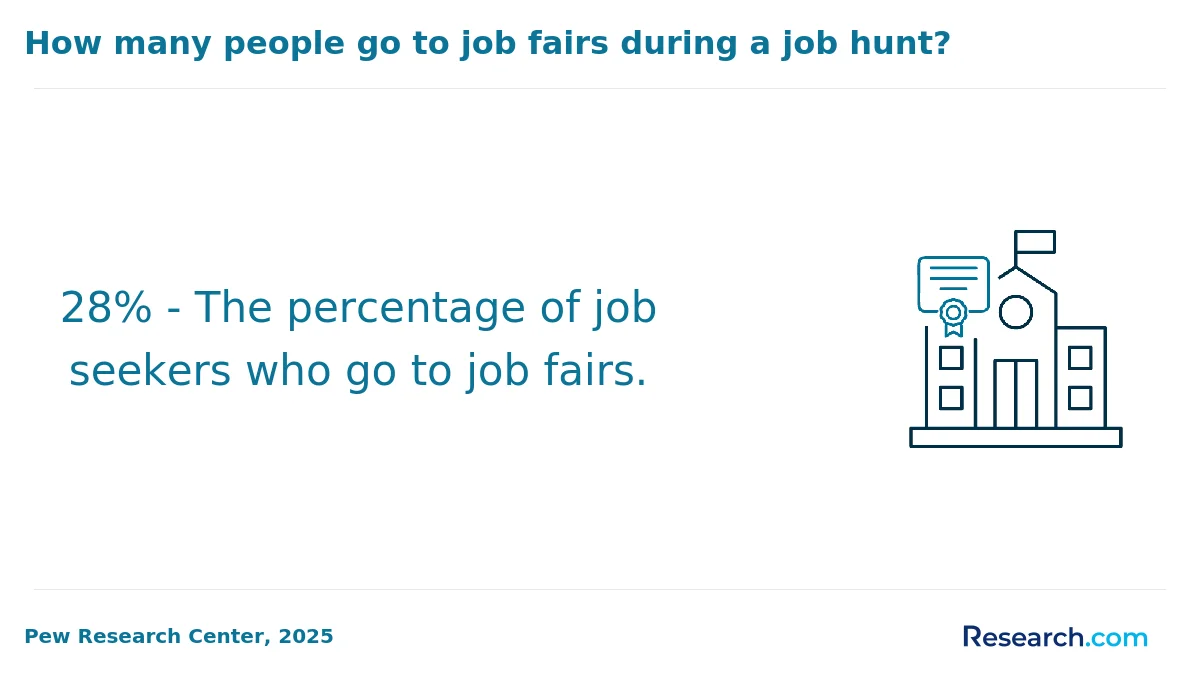
Students enrolling in trade school certification programs in Boise have several avenues for financial aid that make pursuing their goals more achievable. For instance, many graduates from the Paul Mitchell School recall relying on the Idaho Opportunity Scholarship, which offers up to $3,500 per year for those who meet GPA requirements and demonstrate financial need. Similarly, technical program students valued the Idaho Governor's Cup Scholarship, providing up to $3,000 to residents maintaining at least a 2.8 GPA.
Adult learners returning to certification programs at Boise State University often find support through the Idaho Opportunity Scholarship for Adult Learners, which grants up to $3,500 to applicants with a minimum 2.5 GPA. Many students appreciate how these forms of aid alleviate financial stress and help them focus on studies.
Additionally, local trade schools offer federal grants and loans, while paid apprenticeships via the Idaho Workers Opportunity Network allow students to earn wages as they learn skilled trades like welding or electrical work. This model has been a game-changer for many, letting them gain experience and reduce tuition simultaneously.
Graduates emphasize the importance of ensuring their trade programs are accredited, as it directly impacts eligibility for aid and credential recognition by employers.
Enrolling in a trade school certification program in Boise usually starts with having a high school diploma or GED. Graduates frequently share how this baseline opens doors to fields like welding, HVAC, or medical billing without unnecessary delays. Schools like Idaho CDL Training remind applicants of extra steps, especially for commercial driving programs, where you'll need a valid driver's license, birth certificate, and health paperwork.
Other practical prerequisites often include:
- Proof of immunizations
- Passing background checks
- Meeting specific age requirements
These requirements ensure you're ready for hands-on work and follow industry safety standards. Boise trade schools pride themselves on programs you can complete in 6 to 12 months, perfect if you want to start your career quickly. Many students find it encouraging that some programs even offer dual credit options, letting high schoolers earn college credits and feel more confident stepping into the workforce.
When graduates look back, they appreciate that these prerequisites helped build a solid foundation for the technical and professional challenges ahead, making their training feel purposeful and achievable.

Trade school certificate courses in Boise focus on building practical skills tailored to local employer needs, allowing graduates to step confidently into their careers. Popular programs offer hands-on training in fields like welding, where students master techniques consistent with American Welding Society standards, ensuring safe and precise fabrication. HVAC courses combine electrical basics with troubleshooting climate control systems, often including simulated service calls to prepare students for certifications such as HVAC Excellence or NATE.
Boise Idaho vocational program curriculum also includes plumbing, covering system design and code compliance, and electrical technology, focusing on wiring and circuitry fundamentals crucial for apprenticeships. Graduates from local trade schools often highlight the value of real-world practice integrated into these courses.
- Welding with pipe and gas tungsten arc welding techniques
- HVAC system diagnostics and refrigeration cycles
- Plumbing codes, blueprint reading, and piping materials
- Electrical theory and safety protocols
- Commercial Driver's License (CDL) training including safety and maneuvering
Additionally, Boise's trade certification options extend to manufacturing and technician skills in specialized presses. Many students appreciate the flexible scheduling, including hybrid options, that fit around work or family commitments. For those specifically interested in construction, consider exploring programs like the school for construction trades known for focused curriculum and practical exposure.
Start by focusing on your career goals and the local job market in Boise. Graduates from Boise's College of Western Idaho often highlight the value of programs that align closely with in-demand trades like welding or HVAC, where employers actively seek skilled workers. Choosing a program with solid accreditation and strong employment support, such as those recognized by Idaho's Division of Career Technical Education, can boost your job prospects and avoid wasting time on certificates that don't hold weight.
Look closely at the costs and available financial aid. Learning how to compare trade school costs in Boise means considering tuition but also scholarships, grants, and state programs like Idaho LAUNCH, which many students have used to cover most of their fees. Flexibility matters too-programs at Dennis Technical Education Center, for example, offer part-time or online options, perfect for balancing work and study.
Graduates frequently praise programs that combine classroom learning with real hands-on experience and local internships. Exploring options such as affordable home renovation trade programs online can also broaden your practical skills without draining your budget. This approach helps turn education into immediate job readiness in Boise's competitive trade sectors.
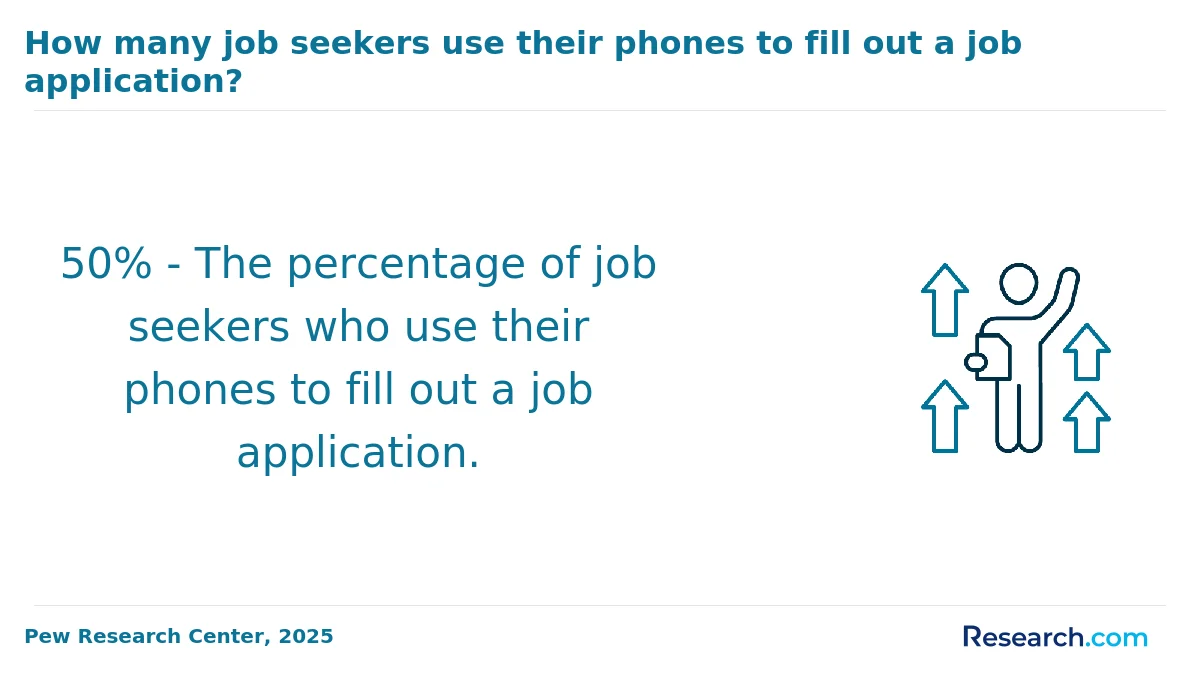
Trade school certification programs in Boise open doors to diverse career paths that match the city's dynamic job market. Graduates from programs at institutions like Carrington College often step into rewarding healthcare roles including medical assistant, dental assistant, practical nurse, pharmacy technician, and massage therapist. These roles serve as reliable entry points, allowing individuals to build skills and advance in the healthcare field.
For those targeting the trades, Boise offers numerous high-demand skilled trades jobs Boise employers seek. Skilled certifications in welding, HVAC, automotive repair, electrical, plumbing, and construction lead to apprenticeships and paid training opportunities through local organizations like the Idaho Workers Opportunity Network. Graduates share how hands-on experiences at trade schools quickly translate into well-paying jobs, with construction jobs offering median wages around $51,200 annually.
Technology certifications from the College of Western Idaho prepare students for careers in Cisco networking, semiconductor manufacturing, and electronics technology-fields aligned with Boise's growing tech sector. Additionally, business and service programs at places such as the Aveda Institute enable graduates to launch careers in cosmetology, barbering, esthetics, business administration, and marketing.
Many find value in exploring low cost online trade schools programs for electricians, which can supplement local credentials and broaden employment potential. Overall, trade school career opportunities in Boise provide pragmatic, hands-on pathways to stable and satisfying work in multiple industries.
The job market for trade school certification program graduates in Boise is vibrant and offers many opportunities due to strong local demand. Graduates from popular Boise programs like cosmetology, welding technology, and HVAC enjoy access to positions with competitive pay and benefits. Many local employers seek skilled workers in trades such as diesel mechanics, medical assisting, and electrical work, ensuring steady employment options.
Graduates often share experiences of quickly landing roles through internships and paid apprenticeships coordinated by community partners like the Idaho Workforce Development Council. These programs allow students to earn wages while gaining valuable on-the-job experience, making transitions into the workforce smoother and more rewarding.
Employers actively look for candidates with credentials from Boise trade schools, supported by Workforce Development Training funds that encourage companies to hire locally.
- More than 140 trade-related job openings are currently available in the region.
- Fields aligned with construction, healthcare, and manufacturing growth are particularly promising.
For those exploring the range of opportunities, the list of skilled trades in-demand further highlights growth sectors worth considering in Boise's job market landscape.
Most Affordable Certificate Programs - Leading Certification Courses in Boise for 2026
# 1 position
Carrington College-Boise - Dental Assisting/Assistant.
certificate or diplomaCarrington College-Boise offers a hybrid Dental Assisting/Assistant program designed to prepare students for patient care, dental radiography, and office administrative duties under professional supervision. The curriculum covers medical record-keeping, equipment sterilization, chairside assisting, and patient intake. Graduates have median earnings of $26,489 one year after completion. The program is accredited by the Western Association of Schools and Colleges Accrediting Commission for Community and Junior Colleges.
# 2 position
Carrington College-Boise - Medical Insurance Specialist/Medical Biller.
certificate or diplomaCarrington College-Boise offers an on-campus Medical Insurance Specialist/Medical Biller program designed to prepare students for managing medical and health insurance operations. The curriculum covers health insurance processes, law, policy, insurance office administration, billing, medical terminology, and communication skills. The program is accredited by the Western Association of Schools and Colleges Accrediting Commission for Community and Junior Colleges.
Frequently Asked Questions about trade school certificates
After completing trade school certification programs in Boise, effective preparation for the job market involves several key steps. First, graduates should update their resumes to highlight specific skills and certifications obtained, tailoring them to local industry demands. Boise's economy, with strong sectors in construction, manufacturing, and healthcare, offers varied opportunities for certified tradespeople. Networking is crucial; attending local job fairs and joining professional associations like the Idaho Associated General Contractors can open doors. Additionally, utilizing state resources such as Idaho Department of Labor's job placement services improves employment prospects. According to recent data, Boise-area trade school graduates see employment rates around 75% within six months post-graduation, reflecting the region's demand for skilled workers.
Employers in Boise highly value practical technical skills when hiring graduates from trade school certification programs. According to the Idaho Department of Labor, skills in HVAC technology, welding, and electrical systems are among the most in-demand. These skills ensure that candidates can perform job-specific tasks immediately upon employment.
Additionally, communication and teamwork remain critical soft skills. A 2023 survey by the Boise Chamber of Commerce found that 68% of local employers prefer candidates who demonstrate strong interpersonal abilities. Problem-solving and adaptability are also frequently highlighted, reflecting the evolving needs of Boise's industries.
Certifications that combine these technical and soft skills improve job prospects significantly in the Boise trade market.
Finding internships in Boise related to your trade school certification program involves leveraging local resources and industry connections. Start by contacting your trade school's career services office, which often has partnerships with Boise businesses offering hands-on training. You can also explore opportunities through the Idaho Department of Labor, which provides listings for internships and apprenticeships, especially in trades like manufacturing, health services, and IT.
Networking is crucial; attend Boise job fairs and industry events where employers actively seek certified trade students. Online platforms like Handshake and Indeed regularly feature internships specific to Boise.
According to the Idaho Department of Labor, the Boise metropolitan area offers approximately 1,200 internship opportunities annually, with a significant portion concentrated in construction and technical fields, making it conducive for trade school students to gain relevant experience.
Trade school certification programs in Boise significantly impact career mobility and advancement by equipping students with practical skills in high-demand fields. According to the Idaho Workforce Development Council, certified trade workers in Boise often experience faster job placement and higher starting wages compared to those without certification. Many local employers prioritize candidates with recognized certificates, which can lead to promotions and salary increases.
Certification programs also provide access to apprenticeships and on-the-job training, crucial for advancing in trades like plumbing, electrical work, or HVAC. Data from the U.S. Bureau of Labor Statistics shows that Boise's trade occupations grew by 7% from 2018 to 2023, indicating a strong market for certified professionals.
By completing these programs, students can more easily shift between roles or industries, enhancing their long-term economic stability and career growth within the Boise area.
Boise offers several part-time job opportunities that align well with trade school certification programs. Students pursuing certifications in fields like HVAC, electrical work, or automotive repair can find positions as apprentices or entry-level technicians. According to the U.S. Bureau of Labor Statistics, Idaho's trade and technical occupations have grown steadily, reflecting regional demand.
Retail and customer service roles at hardware stores or car dealerships also provide practical exposure while supporting coursework. Additionally, healthcare-related programs in Boise often pair well with part-time work as medical assistants or certified nursing assistants, with local facilities seeking part-time staff.
These jobs help reinforce skills learned in class, enhance resumes, and build professional networks critical for future employment in Boise's expanding trade sectors.
For those looking for affordable degree programs near Boise, ID, there are several universities and colleges in the area that offer cost-effective educational opportunities. Many institutions provide options for financial aid, scholarships, and flexible learning programs to help reduce the overall cost of obtaining a degree. To explore affordable programs "near me," prospective students can consider checking resources such as Research.com or directly contacting local universities for the most current information on tuition and available discounts.
- Most Affordable Trade School & Training Programs - Leading Certification Courses in Billings for 2026
- Most Affordable Trade School & Training Programs - Leading Certification Courses in Bremerton for 2026
- Most Affordable Trade School & Training Programs - Leading Certification Courses in Lancaster for 2026
- Most Affordable Trade School & Training Programs - Leading Certification Courses in Anaheim for 2026
- Most Affordable Trade School & Training Programs - Leading Certification Courses in Topeka for 2026
- Most Affordable Trade School & Training Programs - Leading Certification Courses in Olathe for 2026
- Most Affordable Trade School & Training Programs - Leading Certification Courses in Overland Park for 2026
- Most Affordable Trade School & Training Programs - Leading Certification Courses in Tulsa for 2026
- Trade School Careers https://auto.edu/blog/trade-school-careers
- Research - Best Online Trade Schools And Construction Programs https://research.com/degrees/best-online-trade-schools-and-construction-programs
- What Are Employers Looking for When Reviewing College Students’ Resumes? https://www.naceweb.org/talent-acquisition/candidate-selection/what-are-employers-looking-for-when-reviewing-college-students-resumes
- College of Western Idaho | Let's Get Started https://cwi.edu/
- Exploring the Benefits of Trade Schools for Career-Focused Students | MoldStud https://moldstud.com/articles/p-exploring-the-benefits-of-trade-schools-for-career-focused-students
- What Employers Want From Trade School Graduates Today | UTI https://www.uti.edu/blog/education/employers-trade-school-graduates
- Trade Schools in Idaho | Top Trade Schools https://toptradeschools.com/states/idaho/
- What Skills Do Employers Want from Graduates? 20 Key Skills - HE Professional https://heprofessional.co.uk/edition/what-skills-do-employers-want-from-graduates-release
- Collegescorecard https://collegescorecard.ed.gov/
- Career Technical Education - Boise School District https://www.boiseschools.org/parents___patrons/parents/career_technical_education


![2027 Best Advanced Standing Online MSW Programs [CSWE Accredited] thumbnail](/uploads/Online_Advanced_Standing_MSW_301dbd5368.jpg)


