
Most Affordable Associate Degree Programs - Leading Certification Courses in Des Moines for 2026

Co-Founder and Chief Data Scientist
Choosing the right associate degree program in Des Moines can feel overwhelming, but it doesn’t have to be. This article introduces an easy-to-navigate ranking of the most affordable associate degree programs, crafted by the Research.com team of data scientists.
Designed to guide you through your options, the ranking helps identify quality programs that fit your budget and career goals. Whether you’re starting fresh or switching paths, an associate degree opens doors to new opportunities and growth. Dive in to discover practical choices that could shape your future.
Key benefits of associate degrees in Des Moines
- Associate degree graduates in Des Moines can expect solid salaries: Education Associates earn about $38,216 yearly, Marketing Associates around $54,400, and DMACC graduates typically make $40,641 early in their careers.
- Popular career paths include education roles supporting K-12 schools and business or marketing positions, providing diverse options that fit different interests and skills.
- Online associate degrees offer flexibility and convenience, allowing students to balance work and study, making education more accessible without sacrificing quality.
- Most Affordable Associate Degree Programs - Leading Certification Courses in Des Moines for 2026
- What can I expect from associate degree programs in Des Moines?
- Where can I work after finishing associate degree programs in Des Moines?
What can I expect from associate degree programs in Des Moines?
Students pursuing an associate degree in Des Moines typically find the cost more affordable than attending a four-year university. For example, at Des Moines Area Community College (DMACC), tuition tends to be significantly lower, often ranging from a few thousand dollars per year. Many graduates share that the overall expense, including fees and materials, felt reasonable given the quality of education and support services they received. Financial aid and scholarships further ease the financial burden, making it manageable for working adults or those balancing family commitments.
A practical expectation is that most associate degrees take around two years of full-time study. Graduates often highlight the balance between cost and career-readiness, especially in fields like health sciences or information technology. The affordability, paired with resources such as tutoring and academic advising, creates a supportive environment well-suited for a diverse student population aiming to start a career or transfer to a four-year institution.
Where can I work after finishing associate degree programs in Des Moines?
Graduates from associate degree programs in Des Moines find ample job opportunities across several industries. Many graduates from local colleges quickly land positions in healthcare, working as dental hygienists or registered nurses at nearby hospitals and clinics. These jobs not only offer competitive pay but also solid benefits, providing financial stability early in one's career.
Others step into business roles such as accounting clerks or administrative assistants. Des Moines' vibrant business community, including finance and nonprofit sectors, regularly hires associate degree holders, making it easier for graduates from community colleges to secure steady office employment.
Technical and skilled trades fields also attract many graduates. Jobs like warehouse associate or parts department associate in manufacturing and logistics companies are common, often starting with $23 to $27 per hour along with health and retirement benefits. This path suits those who appreciate hands-on work and growth potential.
Retail and customer service positions, such as sales or service desk specialists, serve as entry points with clear advancement routes, welcoming graduates from Des Moines' well-regarded two-year schools. Many alumni share how these roles built their confidence and opened doors to long-term careers.
After completing an associate degree program in Des Moines, graduates can typically expect to earn around $49,500 annually as a median salary, which is a solid 18% higher than what most high school graduates make in the area. For many who attend popular local institutions, this means stepping into entry-level roles paying between $18.10 and $19.54 per hour-translating to roughly $37,000 to $40,000 per year.
Many graduates from these programs find themselves in careers like education or healthcare support, where starting salaries often hover near $38,000. Imagine a recent graduate from a Des Moines community college working as an Education Associate, comfortably earning around $38,216 yearly, while gaining hands-on experience in classrooms.
On the other hand, graduates aiming higher have options too. In Des Moines, associate degree holders can move into specialized and well-paid roles such as real estate brokers or commercial pilots, pulling in six-figure salaries. These jobs usually require extra certification but showcase how an associate degree is not just an endpoint-it can be the first step toward a rewarding career with strong financial growth.
- Emma: Pursuing my Associate Degree in Automotive Technology at Des Moines Area Community College was a game-changer. The hands-on training prepared me well, and I quickly landed a mechanic job at a local dealership. Studying at a trade school gave me confidence and practical skills that employers really value.
- Marcus: Earning my Associate Degree in Healthcare Administration opened doors I never expected. The small classes and expert instructors at Des Moines Technical Institute made learning engaging and relevant. Now, I'm proud to work at a nearby clinic, knowing my education made a real difference in my career.
- Jasmine: With an Associate Degree in Information Technology from a Des Moines trade school, I dove right into an IT support role. The focused curriculum was intense but rewarding, and I felt fully supported throughout. This experience strengthened my passion for tech and gave me a solid foundation in the job market.
- Most associate degree programs in Des Moines require maintaining a minimum 2.0 GPA, while specialized programs like nursing require a 2.7 GPA in certain prerequisite courses.
- Program completion typically involves 60-70 credit hours, with a five-year limit to meet all requirements or follow updated curricula.
- Tuition costs at Des Moines Area Community College are about $180 per credit hour for in-state students, totaling approximately $11,000 to $13,000 for the degree.
- Additional expenses may include fees for exams, clinical compliance, and equipment, especially in health sciences and technical fields.
- Entry-level salaries for associate degree holders range from $38,000 to $55,000 per year, with experienced professionals in healthcare and technical areas earning between $50,000 and $70,000 annually.
Completing an associate degree in Des Moines typically takes two years of full-time study, aligning with national standards. Graduates from Des Moines Area Community College (DMACC) often finish within this timeframe by taking around 60 semester credits over four semesters. Many find that committing to a full-time course load allows them to maintain momentum and graduate on schedule, which feels rewarding after two years of focused effort.
For those balancing work or family, Mercy College of Health Sciences offers flexible options like evening and weekend classes for their Associate of Science in Nursing program. Students completing the ASN part-time might take up to seven semesters, which suits those who need to pace their studies without sacrificing personal responsibilities. The reassurance that DMACC requires all credits to be completed within five years helps keep students on track and motivated to finish their degree while the curriculum stays relevant.
The consistent two-year plan with options for flexibility makes the path to an associate degree in Des Moines manageable and practical for many.
Online associate degree programs in Des Moines, like those at DMACC, offer unmatched flexibility for students juggling work or family. Graduates often share how easy it was to attend classes from home or even during breaks at their job, thanks to asynchronous course options. These programs cover fields such as Accounting and Business Administration and start multiple times a year, which helps students avoid waiting for traditional semester start dates.
On the other hand, on-campus programs at DMACC's Ankeny or Urban campuses create a vibrant college atmosphere. Students enjoy face-to-face interaction with instructors and peers, access to campus resources like libraries and labs, and a structured schedule that many find motivating. Graduates appreciate the sense of community and immediate support they experienced during their studies.
Both formats in Des Moines maintain the same academic standards and degree recognition. Whether studying online or on campus, you receive a credential respected by employers, reflecting real educational value backed by qualified faculty and comprehensive support services.
The average associate degree cost in Des Moines is largely influenced by tuition and living expenses at Des Moines Area Community College (DMACC), the area's main community college. For Iowa residents, in-state tuition runs about $5,768 per year for the 2025-2026 academic year, while out-of-state students pay roughly double at $11,537 per year. Graduates often recall budgeting carefully not only for tuition but also for books and supplies, which add around $810 annually.
Adding to tuition, the cost breakdown for Des Moines associate degree programs includes room and board, estimated at $8,190 per year on campus, plus about $2,358 for miscellaneous expenses. Many students living away from home find these figures helpful for planning, realizing that the total annual cost for in-state students reaches around $16,908. Out-of-state attendees prepare for a higher total of approximately $22,458.
Financial aid softens the impact for most students. The average net price after scholarships and grants was $10,119, making the investment feel more manageable. Students from lower-income families often share relief at net prices near $9,302, while those from higher-income families generally pay closer to $14,269. Part-time learners appreciate flexible credit-hour pricing: $201 for residents and $231 for non-residents for face-to-face classes, with online courses uniformly $231 per credit.
Those exploring career paths also find value in researching the top college majors in demand, which can guide both academic choices and financial planning in Des Moines. This practical understanding of costs empowers students to make informed decisions as they pursue their associate degrees.
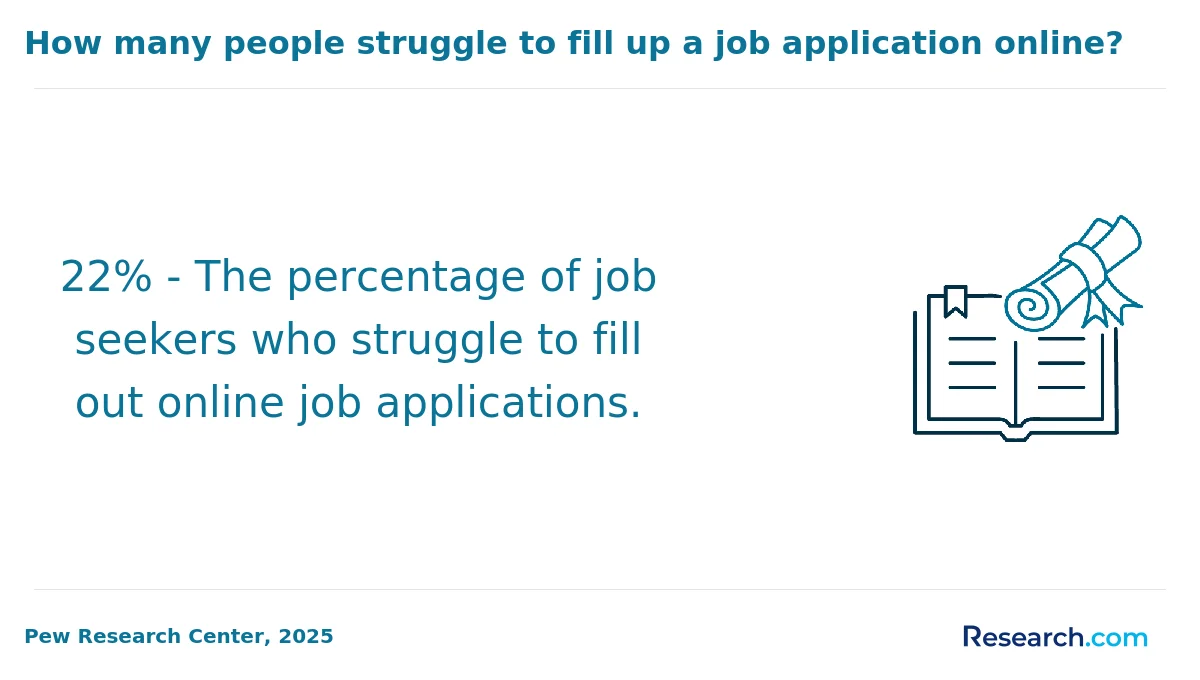
Students pursuing associate degrees in Des Moines have several financial aid options that make education more affordable. Filing the Free Application for Federal Student Aid (FAFSA) is the essential first step, unlocking eligibility for federal grants like the Pell Grant, work-study programs, and low-interest loans. Many students at Des Moines Area Community College (DMACC) share how receiving federal grants significantly eased their tuition burden, allowing them to focus more on studies than finances.
The Future Ready Iowa Last-Dollar Scholarship is a game changer for those attending Iowa community colleges. It covers any remaining tuition costs after federal and state aid, ensuring graduates from DMACC don't face unexpected expenses. Submitting FAFSA by December 31, 2025, is crucial to qualify.
Those enrolled in private colleges such as Mercy College of Health Sciences benefit from the Iowa Tuition Grant, providing up to $7,500 annually toward tuition. Students often describe the combined support of institutional scholarships and veteran benefits as empowering, giving them confidence to pursue their goals while working part-time on campus through work-study opportunities.
To enroll in an associate degree program in Des Moines, the baseline requirement is having a high school diploma or GED. Graduates often recall that this foundational step gave them immediate access to programs across local colleges.
Des Moines Area Community College (DMACC), a top choice for many, sets clear expectations:
- Maintain at least a 2.0 GPA on all degree-applicable coursework.
- Complete one-third of your semester credits directly at DMACC.
For students targeting specialized programs, like nursing at Mercy College of Health Sciences, the bar is higher. Applicants must present at least a 2.7 GPA in specific prerequisite courses such as Chemistry and Anatomy, reflecting their readiness for challenging coursework. Many graduates shared that passing standardized tests like the ATI TEAS and meeting clinical compliance were pivotal milestones in their journey.
Career-focused associate degrees, such as those in radiologic technology, may require meeting physical, technical standards, or licensure qualifications-ensuring students are prepared for hands-on professional roles.
Students planning to transfer to four-year universities appreciate early advising to navigate varied prerequisites and align coursework with transfer goals. Many found that direct communication with academic advisors turned potential confusion into confident planning.
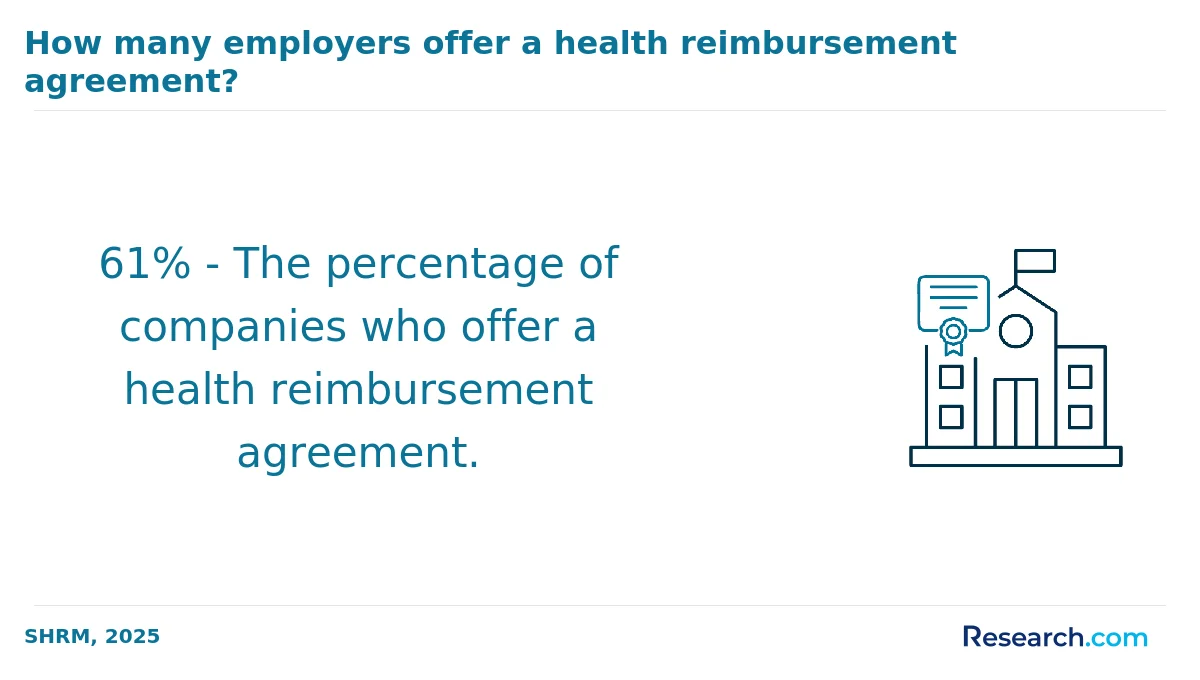
Associate degree course list Des Moines programs typically start with foundational classes that build strong skills in communication, critical thinking, and quantitative reasoning. Popular schools like Des Moines Area Community College (DMACC) offer general education courses including English composition, social sciences, natural sciences, and math, such as College Algebra and U.S. History. Graduates often share how these common classes in Des Moines associate programs gave them a reliable base to transfer credits smoothly or begin rewarding careers.
Career-focused paths add specialized courses tailored to the field. For instance, nursing students at Mercy College of Health Sciences engage in Anatomy & Physiology, Microbiology, and hands-on clinical training. Business students encounter Principles of Accounting, Business Law, and Marketing, ensuring practical knowledge ready for the workplace.
Technical associate degrees in automotive or IT blend classroom theory with real-world training, a key reason many find these programs so engaging. Those seeking a flexible progression might explore options ranging from credits transfer to entering the job market confidently, without missing critical learning steps.
For students curious about innovative degree routes or fast-tracking education goals, examining the easy phd options can provide inspiration and insight for long-term planning.
To choose the best associate degree programs in Des Moines, start by identifying your career goals and personal interests. Graduates from Mercy College of Health Sciences value its focus on healthcare fields like Nursing and Medical Assisting, while many DMACC alumni appreciate its broad options in Business and Applied Science, which also support smooth transfer to four-year universities. Accreditation is non-negotiable; all reputable Des Moines colleges, including DMACC and Mercy, uphold national quality standards, ensuring your degree holds weight with employers.
Scheduling flexibility is another key factor. Students balancing work and family find success in programs like UIU-Des Moines, which offers blended and online classes, or Mercy College's part-time formats designed for working adults. When comparing Des Moines associate degrees, consider costs and financial aid too-DMACC often stands out for affordability and robust aid opportunities. Many graduates speak positively about how accessible tutoring and career counseling boosted their confidence and job readiness. For a practical comparison of costs beyond tuition, explore scholarships and grants carefully.
Many Des Moines students also check out graduation rates and job placement to gauge program success firsthand. DMACC's welcoming environment and manageable coursework earn solid reviews, helping new students feel supported. To make an informed choice, connect with admissions counselors who can tailor advice to your personal objectives. And if you want to explore related options, consider looking into cheap online master degree programs to plan your educational path well in advance.
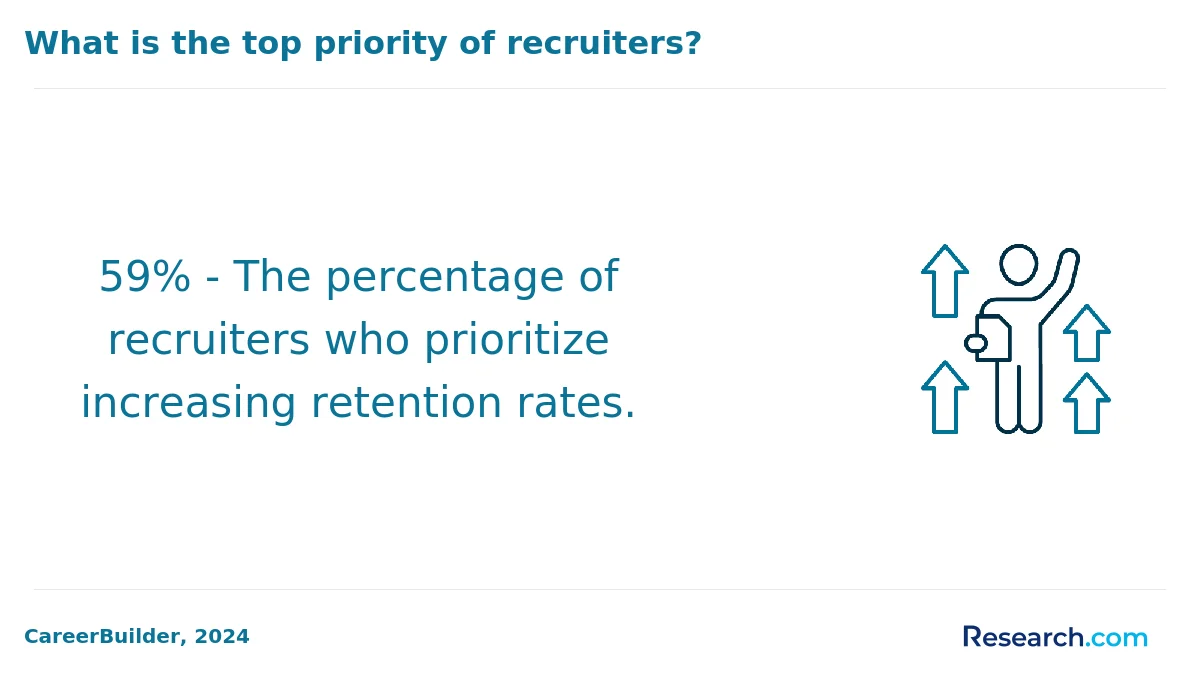
Associate degree graduates in Des Moines have practical career opportunities that align with regional workforce demands. Healthcare is a standout sector, where programs like Nursing (ASN), Medical Assisting, and Radiologic Technology offer immediate employment prospects. Graduates from Mercy College of Health Sciences often share how their training led quickly to fulfilling roles as registered nurses or paramedics, providing both job security and community impact.
Technical careers also thrive here. Engineering technologists, including electrical and electronic technicians, earn salaries above $70,000 annually. Positions such as industrial engineering technicians and supervisors in production boast competitive wages, making them attractive options in the local job market. These examples reflect a strong associate degree job market in Des Moines fueled by ongoing industrial growth.
Other fields available to associate degree holders include dental hygiene, accounting, IT, sales, and customer service. Graduates appreciate the flexibility an associate degree offers, often transferring credits towards a bachelor's degree to continue advancing without excessive debt. With over 680 job postings for such qualifications, recent grads find their skills in high demand.
For students exploring educational paths, Des Moines institutions provide well-designed programs aligned with employer needs. For those seeking short degree programs that pay well, this city's offerings represent a sound investment backed by tangible career outcomes.
The job market for associate degree graduates in Des Moines is strong and diverse, especially for those coming from well-known local colleges. Graduates frequently find rewarding positions in healthcare, accounting, IT, and logistics-fields that offer competitive wages and career growth. For example, healthcare roles like dental hygienists and registered nurses are always in demand, offering steady employment and good benefits. Many graduates from popular Des Moines programs report landing these positions quickly after finishing their studies.
Key opportunities often cited by associate degree holders include:
- Healthcare jobs with solid salaries and benefits
- Accounting clerks earning $42,000-$56,500 annually
- Warehouse management roles paying $75,000-$100,000 per year
- Technical design positions with hourly wages between $20 and $50
Students studying locally appreciate how these roles provide practical, well-paid career pathways without the time or expense of a four-year degree. The associate degree employment opportunities Des Moines provides have proven especially valuable in offering fast workforce entry and financial stability.
Statewide data shows 26% of Iowa jobs fit into middle-skill categories, with many paying above $50,000 annually. Graduates often share how this tangible economic value supports their families and local communities.
Those looking for the highest returns on short-term education can explore trade school high paying jobs that align well with associate degree credentials, further boosting their prospects in Des Moines's evolving job market.
Most Affordable Associate Degree Programs - Leading Certification Courses in Des Moines for 2026
# 1 position
Highline College - Information Technology.
associateHighline College offers a hybrid Information Technology program focusing on designing technological information systems to support business and research data needs. The curriculum covers computer hardware and software principles, algorithms, databases, telecommunications, application testing, and human interface design. The program’s annual in-state tuition is $4,623. It is accredited by the Northwest Commission on Colleges and Universities.
# 2 position
Highline College - Computer Systems Networking and Telecommunications.
associateHighline College offers a hybrid program in Computer Systems Networking and Telecommunications designed to prepare students as network specialists and managers. The curriculum covers operating systems, systems design, networking theory, management, security, and troubleshooting. The program is accredited by the Northwest Commission on Colleges and Universities. Annual in-state tuition is $4,623, and the program includes some distance-education options to accommodate diverse learning needs.
# 3 position
Highline College - Computer and Information Systems Security/Auditing/Information Assurance.
associateHighline College offers a hybrid program in Computer and Information Systems Security/Auditing/Information Assurance that prepares students to evaluate security needs and manage implementation and auditing of security systems. The curriculum covers computer architecture, programming, networking, cryptography, risk assessment, and legal regulations. The annual in-state tuition is $4,623. The program is accredited by the Northwest Commission on Colleges and Universities.
# 4 position
Highline College - Legal Assistant/Paralegal.
associateHighline College offers a Legal Assistant/Paralegal program designed to prepare students for roles involving research, drafting, investigatory, and administrative tasks under attorney supervision. The hybrid program includes instruction in legal research, document drafting, pleading, courthouse procedures, and various legal specializations. The annual in-state tuition is $4,623. The program is accredited by the Northwest Commission on Colleges and Universities.
# 5 position
Highline College - Criminal Justice/Law Enforcement Administration.
associateHighline College offers a Criminal Justice/Law Enforcement Administration program with a hybrid format, including some distance education options. This program prepares students to manage public law enforcement agencies, covering topics such as law enforcement history, operational leadership, labor relations, budgeting, and legal responsibilities. The annual in-state tuition is $4,623. The program is accredited by the Northwest Commission on Colleges and Universities.
# 6 position
Highline College - Interior Design.
associateHighline College offers a Hybrid Interior Design program focused on applied visual arts. The curriculum covers artistic principles, computer applications, drafting, lighting, acoustics, furniture, textiles, historical styles, structural design, building codes, and design applications for various commercial and residential spaces. The annual in-state tuition is $4,623. The program is accredited by the Northwest Commission on Colleges and Universities.
# 7 position
Highline College - Medical Insurance Coding Specialist/Coder.
associateHighline College offers a hybrid Medical Insurance Coding Specialist/Coder program that prepares students for specialized data entry, classification, and record-keeping related to medical diagnostics, billing, and insurance documentation. The curriculum includes medical terminology, anatomy, physiology, medical science fundamentals, coding, and relevant regulations. The annual in-state tuition is $4,623. The program is accredited by the Northwest Commission on Colleges and Universities.
# 8 position
Highline College - Home Health Aide/Home Attendant.
associateHighline College offers a Home Health Aide/Home Attendant program designed to prepare individuals to provide routine care and support for homebound disabled, recovering, or elderly people. The hybrid program includes instruction in nutrition, home sanitation, infection control, first aid, vital signs, personal hygiene, communication skills, home management, emergency recognition, geriatric care, and legal and ethical responsibilities. Annual in-state tuition is $4,623. The program is accredited by the Northwest Commission on Colleges and Universities.
# 9 position
Highline College - Business Administration and Management, General.
associateHighline College offers a Business Administration and Management, General program with a hybrid format that includes some distance education options. The program prepares students to plan, organize, direct, and control business functions. Coursework covers management theory, human resources, accounting, purchasing, logistics, marketing, and decision-making. Annual in-state tuition is $4,623. The program is accredited by the Northwest Commission on Colleges and Universities.
# 10 position
Highline College - Office Management and Supervision.
associateHighline College offers a hybrid Office Management and Supervision program designed to prepare students for managing business office operations and personnel. The curriculum covers employee supervision, labor relations, budgeting, scheduling, office systems, records management, facility design, and business data evaluation. The program’s annual in-state tuition is $4,623. It is accredited by the Northwest Commission on Colleges and Universities, ensuring recognized educational standards.
Frequently Asked Questions about associate degree programs
After completing an associate degree in Des Moines, preparing for the job market involves several key steps. First, graduates should utilize resources at local community colleges, such as career centers offering resume workshops and interview coaching. Networking within Des Moines' growing industries, including healthcare and manufacturing, is essential.
According to Iowa Workforce Development, sectors like healthcare technicians and skilled trades show above-average demand for associate degree holders. Gaining relevant certifications alongside an associate degree can improve employment prospects. Additionally, exploring internships or part-time roles during studies often leads to better job placement after graduation.
Staying updated on regional job trends and connecting with employers through job fairs held in Des Moines can further enhance opportunities for associate degree graduates.
Employers in Des Moines highly value practical skills in associate degree graduates to meet the local job market demands. According to data from the Iowa Workforce Development, technical proficiency in fields like healthcare, manufacturing, and information technology ranks among the top sought-after skills. Communication and teamwork are equally critical, as 85% of employers emphasize collaboration abilities for entry-level roles.
The National Association of Colleges and Employers highlights problem-solving and adaptability as essential soft skills, with 78% of employers prioritizing these traits for associate degree holders. Additionally, basic computer literacy and familiarity with relevant software tools are fundamental, especially in business and administrative positions.
Overall, a combination of technical knowledge and strong interpersonal skills makes graduates more competitive in Des Moines's evolving economy.
Finding internships in Des Moines that align with your associate degree program involves several strategic steps. Begin by utilizing the career services offered by local community colleges, such as Des Moines Area Community College (DMACC), which maintain partnerships with businesses to connect students with relevant internships.
Leverage online resources, including the Iowa Workforce Development's job bank, where companies often post internship opportunities tailored to various fields. Additionally, Des Moines has a growing business sector in finance, insurance, and health care, sectors that frequently offer internships suitable for associate degree students.
Networking is crucial; attend local job fairs and industry events organized by chambers of commerce to meet potential employers. According to a recent IowaWORKS report, 35% of internships in the area are secured through direct employer contact, highlighting the importance of personal outreach.
An associate degree in Des Moines can significantly enhance career mobility and advancement opportunities. Many local employers value the practical skills and foundational knowledge gained through these programs. According to the Iowa Department of Education, graduates with associate degrees in the region see an average wage increase of 15-25% compared to those with only a high school diploma.
In fields like healthcare, information technology, and business, an associate degree often serves as a stepping stone to mid-level positions, providing access to roles with better benefits and job security. Data from the Iowa Workforce Development Office suggests that workers holding associate degrees in Des Moines experience lower unemployment rates than those without postsecondary education.
Furthermore, the ability to transfer credits from an associate degree to a bachelor's program supports long-term career growth, making these degrees a strategic choice for many pursuing advancement in competitive markets.
Part-time job opportunities in Des Moines can effectively complement associate degree education by providing relevant experience and financial support. Many students pursue roles in healthcare, such as medical assistants or pharmacy technicians, aligning with health-related associate degrees. According to the U.S. Bureau of Labor Statistics, healthcare support roles are projected to grow faster than average, making them accessible and valuable for students.
Retail and administrative assistant positions are also popular, offering flexible hours and skill development in communication and organization. Additionally, Des Moines' growing tech sector presents part-time roles in IT support and data entry, suitable for students in computer science programs. Job seekers can find these openings through local job boards and workforce centers.
Yes, there are affordable degree programs available both near me and near Des Moines, WA, including options from community colleges and state universities that offer competitive tuition rates. Many institutions in this area provide financial aid opportunities and flexible payment plans to ease the financial burden on students. By utilizing resources like Research.com, you can find a list of programs and universities that cater to budget-conscious students seeking quality education.
- Most Affordable Trade School & Training Programs - Leading Certification Courses in Bremerton for 2026
- Most Affordable Trade School & Training Programs - Leading Certification Courses in Billings for 2026
- Most Affordable Trade School & Training Programs - Leading Certification Courses in Lancaster for 2026
- Most Affordable Trade School & Training Programs - Leading Certification Courses in Anaheim for 2026
- Most Affordable Trade School & Training Programs - Leading Certification Courses in Topeka for 2026
- Most Affordable Trade School & Training Programs - Leading Certification Courses in Olathe for 2026
- Most Affordable Trade School & Training Programs - Leading Certification Courses in Overland Park for 2026
- Most Affordable Trade School & Training Programs - Leading Certification Courses in Tulsa for 2026
- 20 In-Demand Jobs You Can Get With a Two-Year Degree | BestColleges https://www.bestcolleges.com/blog/in-demand-jobs-you-can-get-with-a-two-year-degree/
- Understanding Degrees at DMACC - AA, AS, AAS and AGS degrees https://www.dmacc.edu/advising/understandingdegrees.html
- Is an Online Degree the Same as a Traditional College Degree? | Bryan University Online© https://bryanuniversity.edu/faq/is-an-online-degree-the-same-as-a-traditional-college-degree/
- Is Getting an Associate Degree Worth It? And for What Fields? | NSHSS | National Society of High School Scholars https://www.nshss.org/resources/blog/blog-posts/is-getting-an-associate-degree-worth-it-and-for-what-fields/
- Des Moines Area Community College Tuition, Cost and Financial Aid - Ankeny, IA | Appily https://www.appily.com/colleges/des-moines-area-community-college/tuition-and-aid
- Financial Aid | Des Moines University https://www.dmu.edu/financial-aid/
- Explore the Different types of Credentials. | GEAR UP https://gearup.wa.gov/student-credentials
- Highest-paying Jobs for People With 2-year Degrees in Des Moines | Stacker https://stacker.com/stories/iowa/des-moines/highest-paying-jobs-people-2-year-degrees-des-moines
- UNI at Des Moines Area Community College | UNI@IACC https://iacc.uni.edu/community-college-partners/uni-des-moines-area-community-college
- Avenue Scholars Helping Des Moines Students Through College https://iowastartingline.com/2023/05/09/avenue-scholars-helping-des-moines-students-through-college/





