
Most Affordable Associate Degree Programs - Leading Certification Courses in Baltimore for 2026

Co-Founder and Chief Data Scientist
Are you considering pursuing an associate degree in Baltimore but worried about the costs? This article is designed to guide you through the most affordable associate degree programs available in 2026. Our detailed ranking, created by the Research.com team of data scientists, offers clear insights into trade school programs that provide the best value for your investment.
By exploring these options, you can make an informed decision that fits your goals and budget. Earning an associate degree opens doors to new career opportunities and personal growth, helping you build a brighter future with confidence.
Key benefits of associate degrees in Baltimore
- Associate degree graduates in Baltimore can earn competitive salaries, ranging from around $30,000 for entry-level roles to over $150,000 for specialized careers like air traffic controllers and commercial pilots.
- Popular career paths include criminal justice, healthcare, information technology, and skilled trades, with graduates from local colleges like Anne Arundel Community College reporting early-career salaries near $28,846.
- Online associate degree programs offer flexibility and convenience, helping busy students balance work and study, making it easier to earn a degree without disrupting daily life.
- Most Affordable Associate Degree Programs - Leading Certification Courses in Baltimore for 2026
- What can I expect from associate degree programs in Baltimore?
- Where can I work after finishing associate degree programs in Baltimore?
What can I expect from associate degree programs in Baltimore?
The average cost of an associate degree program in Baltimore is generally affordable compared to four-year institutions, making it an attractive option for many local students. Tuition and fees at community colleges like the Community College of Baltimore County and Baltimore City Community College typically range lower, which eases financial stress for students balancing work and family. Graduates often share how attending these schools allowed them to pursue career-focused education without overwhelming debt.
Many students appreciate the flexibility offered by popular campuses such as Anne Arundel Community College and Howard Community College, where evening and online classes enable them to maintain jobs while earning their degree. This balance helps students stay motivated and confident throughout their studies.
Financial aid is also accessible, with several students reporting help from state grants and federal programs that reduce the out-of-pocket expenses significantly. This makes the entire educational experience feel achievable and worthwhile in Baltimore's supportive college environments.
Where can I work after finishing associate degree programs in Baltimore?
After finishing an associate degree program in Baltimore, graduates find diverse job opportunities across healthcare, administration, IT, and public safety. Many start as office assistants or medical administrative assistants, applying skills learned at local community colleges like Baltimore City Community College. These roles offer stable pay, with annual salaries between $37,000 and $46,000, providing a solid entry point into the workforce.
Healthcare graduates often secure positions as licensed practical nurses or radiation therapists, enjoying competitive wages up to $100,000 a year. Graduates from trade schools report feeling confident stepping into roles such as IT support specialists or quality analysts, where hands-on experience gained during studies proves invaluable.
Others find rewarding careers in public safety or government offices as police officers or intelligence analysts, roles known for steady benefits and growth. Many alumni express satisfaction working close to home in Baltimore, appreciating the community connections formed through their education.
With average hourly wages around $19.74, Baltimore's associate degree holders experience real career gains, turning education into tangible job success stories.
Graduates from associate degree programs in Baltimore typically start with a median annual salary of about $49,500, offering a solid step up compared to a high school diploma. For example, students finishing programs at well-known Baltimore community colleges often find themselves earning around $40,000 to $50,000 a year, which helps many confidently cover living expenses and build savings early in their careers.
Hourly wages for associate degree holders in Maryland, including Baltimore, average near $19.28, but those in high-demand fields like healthcare, IT, and criminal justice have seen wages climb closer to $28 per hour. Graduates specializing in areas such as nursing or radiologic technology from popular Baltimore schools share that their paychecks reflect both their skills and the region's growth in these sectors.
Some associate degree holders working in areas just outside Baltimore, like Odenton or Severn, report even higher salaries ranging from $44,800 to $46,475. This practical earning potential allows students to pursue rewarding careers without the burden of long-term debt, making Baltimore a strategic choice for those ready to enter the workforce quickly.
- Marcus: Earning my Associate in Electrical Technology from a Baltimore trade school was life-changing. The hands-on training prepared me perfectly for my role as an electrician. I found a solid job quickly and now take pride in powering Baltimore's homes and businesses. Practical skills really made the difference.
- Jasmine: Getting my Associate in Business Administration here in Baltimore gave me both confidence and knowledge. The smaller classes and personal attention kept me engaged, and internships connected me with local companies. Now, I thrive as an office manager, grateful for the supportive trade school environment.
- Ethan: I pursued an Associate Degree in Culinary Arts at a Baltimore institute, and it was the best decision I ever made. Studying in a trade school meant more kitchen time and real-world experience. Today, I'm a chef in a bustling Baltimore restaurant, chasing my passion every day.
- Admission to associate degree programs in Baltimore is open to any high school graduate or high school equivalency diploma holder, with adult learners eligible after completing 15 college-level credits.
- Tuition at Baltimore City Community College is tuition-free for eligible students, while other community colleges charge between $3,000 and $4,000 annually for in-state students.
- Students must complete English and math placement assessments or provide transcripts for placement; transfer programs generally require a minimum 2.0 GPA, with some programs requiring up to 3.0.
- The Degrees to Succeed Transfer Program allows BCCC graduates to attend Coppin State University tuition-free for two years.
- Starting salaries for associate degree holders in Baltimore range from $38,000 to $45,000 annually, with experienced workers in healthcare and technical fields earning between $55,000 and $65,000.
Completing an associate degree program in Baltimore typically takes about two years of full-time study, which involves earning 60 to 65 credit hours-roughly 20 courses. At popular local community colleges, many graduates share how balancing 12 to 15 credit hours per semester helped them stay on track while managing work or family.
For some students, part-time enrollment extends this timeline, but it offers flexibility to handle other life demands. Others in technical or healthcare programs may take longer because of required practicum hours or limited lab availability. Graduates often highlight how these hands-on experiences, though time-consuming, made their training feel rewarding and directly relevant to their future jobs.
Baltimore students appreciate the availability of online and accelerated formats that condense coursework into shorter sprints, enabling motivated learners to graduate sooner. Transfer credits from prior learning also speed up progress, with many institutions in the city recognizing these achievements, allowing students to celebrate milestones earlier than expected.
In Baltimore, the key difference between online and on-campus associate degree programs is how and where you study. Online programs, like those at the Community College of Baltimore County, let students complete work anytime through platforms like Canvas. This flexibility is perfect for those juggling jobs or family, allowing you to watch lectures and submit assignments at your own pace. Graduates often appreciate this freedom and the ability to learn without commuting.
Conversely, on-campus programs require attending classes in person, offering hands-on lab sessions and direct interaction with instructors and classmates. This traditional setting is great for students who thrive on structured schedules and face-to-face support. For example, Baltimore City Community College's hybrid programs blend online classes with in-person activities, giving students the best of both worlds.
Cost is another factor-online courses are generally more affordable, eliminating expenses like housing and travel. Many Baltimore students find that choosing the right format depends on their personal learning style and daily commitments.
The average cost of an associate degree program in Baltimore typically depends on residency and the institution you choose. For Baltimore County residents attending the Community College of Baltimore County (CCBC), tuition is about $122 per credit hour. This means the total cost for the approximate 60 credit hours needed to graduate would be near $7,320. Many graduates recall feeling encouraged by how affordable their education was, allowing them to focus more on learning rather than financial stress.
For students living elsewhere in Maryland but attending CCBC, the price doubles to $244 per credit hour, making the total roughly $14,640. Out-of-state students pay similar rates at $245 per credit hour, around $14,700 in total tuition. Financial aid and scholarships available to Maryland residents often help reduce these costs, making it possible for many to succeed while managing expenses.
Other community colleges like Hagerstown Community College show similar patterns, with local residents paying less and non-county students facing higher per-credit costs. Online programs in Maryland commonly offer about $137.40 per credit hour for residents, which appeals to students requiring flexible schedules or balancing work and family life.
For those exploring affordable options, several students find success by researching financial aid opportunities and carefully comparing tuition rates per credit hour versus total program costs. Those interested in expediting their education may consider looking into accelerated bachelor's degree programs as further pathways after completing their associate degree.
Understanding Baltimore associate degree tuition and fees helps prospective students make informed decisions and feel confident about investing in their futures.
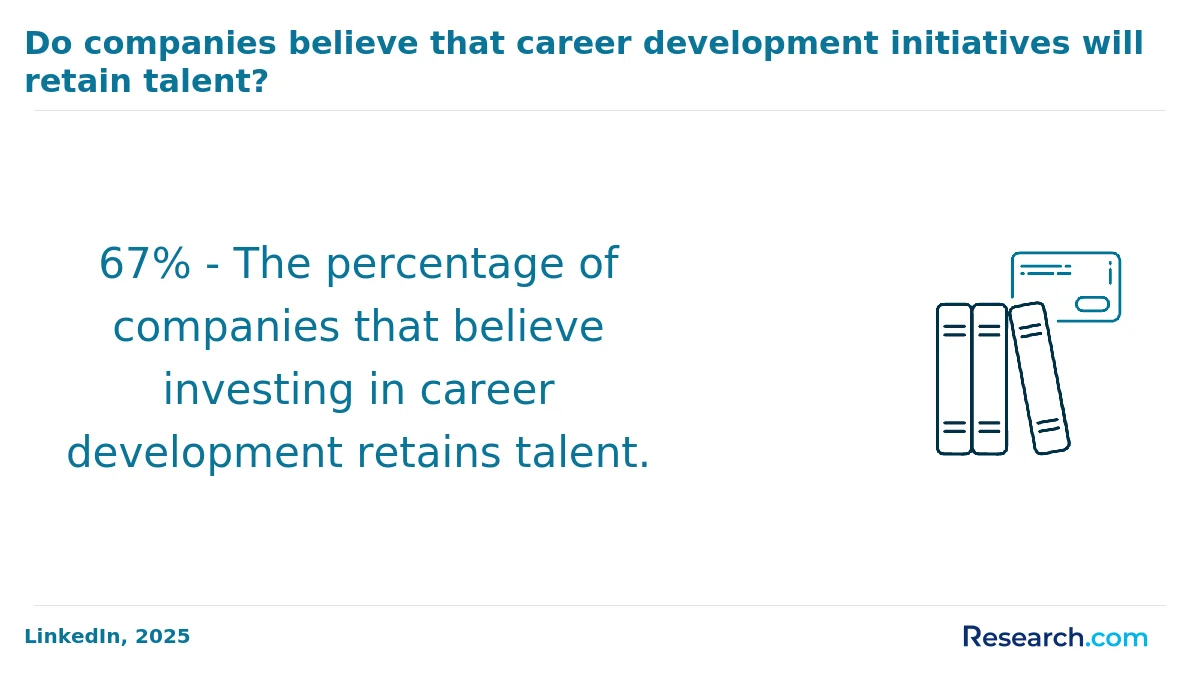
Students pursuing associate degrees in Baltimore often begin their financial aid journey by completing the Free Application for Federal Student Aid (FAFSA). For example, graduates from Community College of Baltimore County (CCBC) describe how submitting their FAFSA early-between October 1 and March 1-helped secure priority access to both federal grants like the Pell Grant and state scholarships.
Many find the Federal Pell Grant especially helpful since it doesn't require repayment, easing the burden as they balance studies and part-time work. Others have benefited from Federal Direct Loans and Federal Work-Study programs, which provide additional financial support through manageable loan options or on-campus jobs.
Local Maryland support includes the Community College Promise Scholarship, which covers up to $5,000 of tuition and fees after other aid is applied. Baltimore students meeting state residency and enrollment requirements say this scholarship transformed their ability to stay enrolled without financial stress.
Institutional aid at colleges like the University of Baltimore complements state and federal funding. Students consistently emphasize the importance of maintaining satisfactory academic progress to retain eligibility, underscoring how following academic and administrative guidelines leads to sustained financial support.
To enroll in an associate degree program in Baltimore, the first step is proving high school completion. Graduates from Baltimore City Community College (BCCC) or Community College of Baltimore County (CCBC) recall submitting their official high school diplomas or GEDs to fulfill this requirement smoothly. This is essential to move forward with your application.
Standardized tests like the SAT or ACT usually aren't mandatory, which eases the admission process for many students. However, placement tests in math, reading, and writing often determine your course starting levels. For example, CCBC students remember that scoring well on placement exams helped them enter classes suited to their skill levels without pressure.
Transfer students from other colleges must submit official transcripts. A popular graduate reflected on how transferring credits while completing at least 15 credits at their Baltimore college ensured they stayed on track for graduation.
- Specialized programs, especially in health fields, might require extra prerequisites and competitive admissions.
- Home-schooled students benefit from tailored enrollment procedures with additional documentation.
- International students should provide visa or immigration paperwork and seek support services.
This combination of accessible requirements and supportive resources makes starting an associate degree in Baltimore a practical and encouraging journey for many.
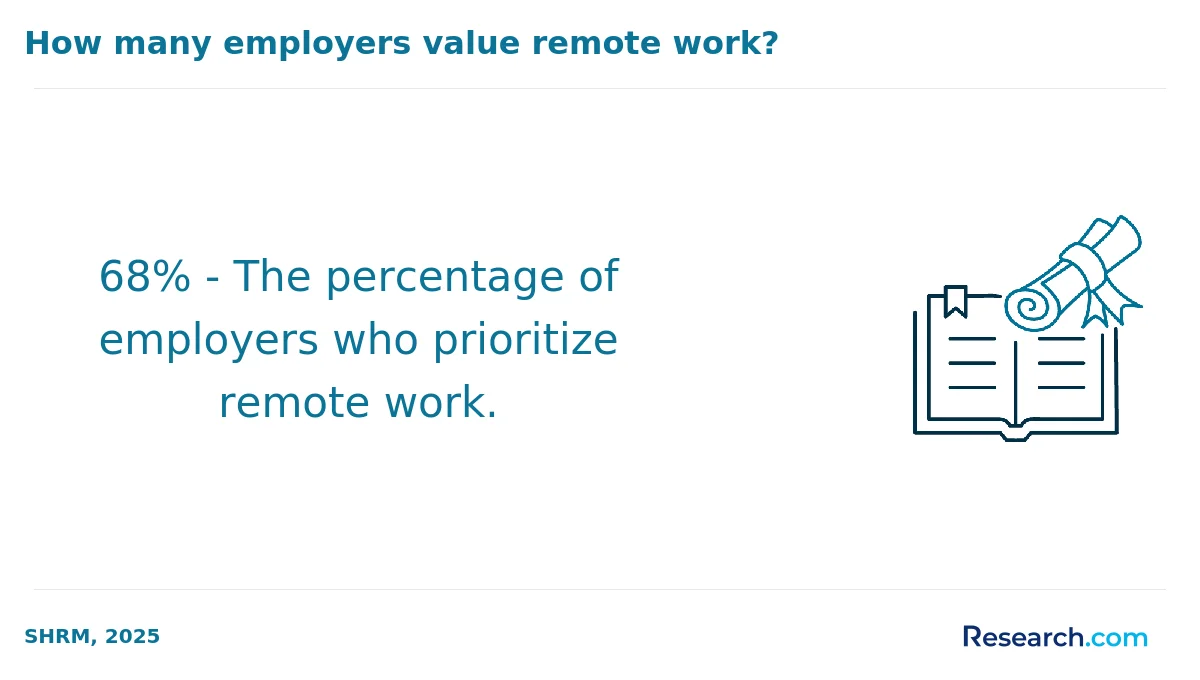
Associate degree programs in Baltimore typically combine a strong foundation in general education with specialized courses tailored to your chosen field. Graduates from popular schools like Baltimore City Community College often share how foundational classes in English composition, mathematics, social sciences, natural sciences, and humanities sharpened their critical thinking and communication skills. These core courses, essential in most Baltimore associate degree course requirements, create a well-rounded academic base.
Beyond this core, students can dive into fields that excite them. For instance, business-focused students gain practical skills in accounting and marketing, while those at the Community College of Baltimore County speak highly of hands-on health sciences training, including nursing and dental hygiene programs. Technology enthusiasts enjoy courses in cybersecurity and robotic systems, making their learning both engaging and relevant to local workforce needs. Many also appreciate the arts and education courses, which prepare them to connect with communities in meaningful ways.
Students balancing school and life find it helpful to explore options such as the top degree programs for older adults online, expanding access to quality education without sacrificing flexibility. Overall, Baltimore's associate degree program curriculum is designed for practical success and personal growth, reflecting the vibrant, supportive environment students mention across these well-regarded community colleges.
Start by focusing on programs with strong accreditation and good reputations in Baltimore, such as those at the Community College of Baltimore County (CCBC). Graduates often praise the practical support and engaged faculty, which make learning motivating and manageable. To find the best value associate degree Baltimore offers, consider the tuition costs carefully-CCBC's in-county rates at about $122 per credit hour make it an affordable choice compared to other local colleges, especially when combined with available financial aid and scholarships.
Many students appreciate program flexibility, balancing family and work by taking online or hybrid classes. These options allow you to progress at your own pace without compromising quality. When you compare Baltimore associate degree costs, factor in the types of programs offered-healthcare, IT, and business are popular fields with clear career paths, internships, and even certifications or licensure opportunities that can speed up employment.
Finally, successful graduates highlight the importance of career services and practical experiences supported by their schools. To explore in-demand fields further, check out masters degrees that make the most money for insights on advancing your education after your associate degree.
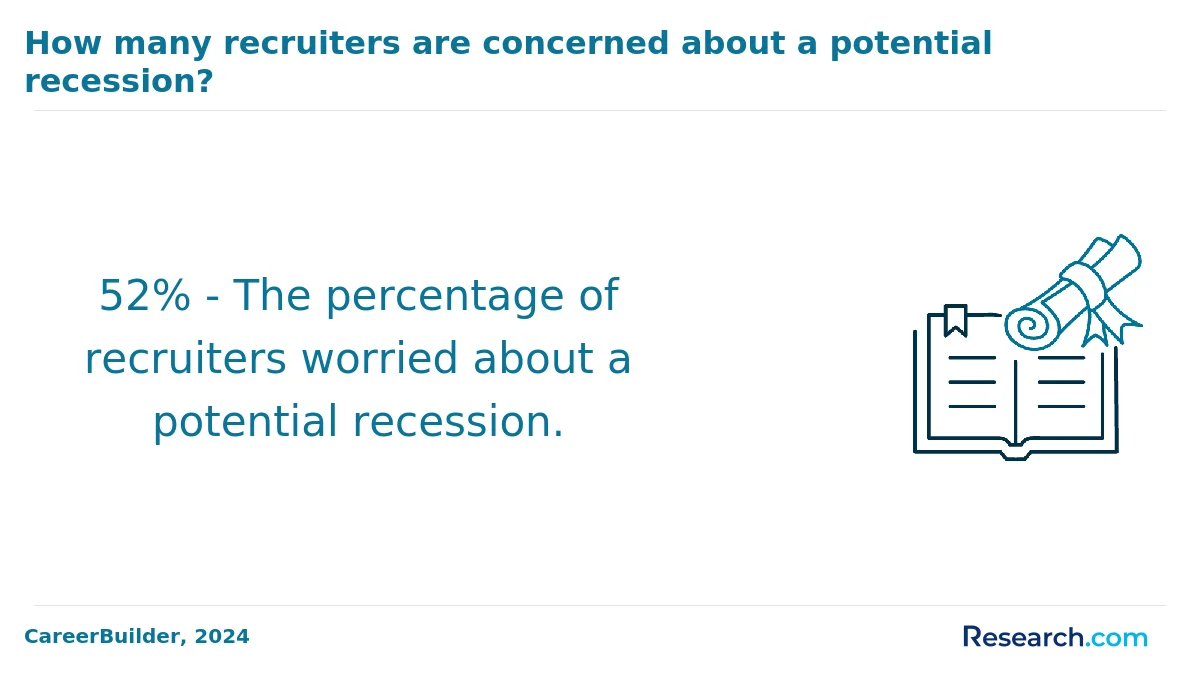
Associate degree jobs in Baltimore MD cover diverse fields, making it easy for graduates to find rewarding careers. Those who studied at institutions like The Community College of Baltimore County have transitioned into health care roles such as respiratory therapists and dental hygienists, thriving in local hospitals. IT graduates often become network technicians or cybersecurity analysts, benefiting from Baltimore's strong technology sector supported by government and private firms.
Baltimore associate degree career options also include business roles like administrative assistants and human resources assistants, where graduates play a crucial role in keeping companies organized and efficient. Skilled trades are popular too; graduates with an Associate of Applied Science in Professional Trades Administration find opportunities as carpenters or project managers, leveraging Baltimore's vibrant construction industry.
Public service jobs, such as human services assistants or mental health secretaries, offer meaningful work that positively impacts the community. Many Baltimore students appreciate affordable programs at accredited colleges online with no application payment, helping them launch careers quickly and confidently.
The job market for associate degree graduates in Baltimore is thriving, especially for those completing programs at well-known local schools. Graduates often find rewarding employment in healthcare, administration, technical support, and public safety. For example, healthcare graduates from Baltimore's community colleges report starting salaries around $26 to $32 per hour for roles like Licensed Practical Nurse, with experienced professionals earning upwards of $40 per hour. Administrative and technical assistant positions offer solid wages, often exceeding $46,000 annually.
State and local government roles provide stable career paths with starting salaries near $48,000, increasing with time and expertise. Baltimore's largest employers in healthcare and public services actively recruit associate degree holders, reflecting the demand to fill thousands of openings each year.
Baltimore graduates appreciate the real-world readiness their associate degree programs provide, allowing them to step confidently into jobs like production operators, quality analysts, and radiation therapists. Those considering career options may also explore the best jobs for introverts, a growing niche suited to many associate degree workers.
In summary, the Baltimore associate degree job market outlook remains positive, with ample opportunities for growth and stability rooted in diverse industries and local demand.
Most Affordable Associate Degree Programs - Leading Certification Courses in Baltimore for 2026
# 1 position
Community College of Baltimore County - Criminal Justice/Police Science.
associateThe Criminal Justice/Police Science program at Community College of Baltimore County prepares students for law enforcement roles, including patrol, investigations, traffic and crowd control, witness interviewing, evidence management, and report writing. The program focuses on crime prevention methods and weapon operation. Annual in-state tuition is $4,380. Graduates typically earn a median income of $40,129 one year after completion. The program is accredited by the Middle States Commission on Higher Education.
# 2 position
Community College of Baltimore County - Computer and Information Systems Security/Auditing/Information Assurance.
associateThe Computer and Information Systems Security/Auditing/Information Assurance program at Community College of Baltimore County prepares students to assess security needs, recommend safeguards, and manage security systems. The curriculum covers computer architecture, programming, networking, cryptography, auditing, law, risk assessment, and investigation techniques. Annual in-state tuition is $4,380. Graduates earn a median salary of $36,590 one year after completion. The program is accredited by the Middle States Commission on Higher Education.
# 3 position
Community College of Baltimore County - Veterinary/Animal Health Technology/Technician and Veterinary Assistant.
associateThe Community College of Baltimore County offers a Veterinary/Animal Health Technology/Technician and Veterinary Assistant program that prepares students to assist veterinarians and related professionals in patient care and clinical procedures. The curriculum covers animal nursing, health, nutrition, handling, clinical pathology, radiology, anesthesiology, dental prophylaxis, surgical assisting, laboratory procedures, office administration, and owner communication. The program is accredited by the Middle States Commission on Higher Education. Annual in-state tuition is $4,380.
# 4 position
Community College of Baltimore County - Computer and Information Sciences, General.
associateThe Computer and Information Sciences, General program at Community College of Baltimore County offers a comprehensive study of computing, computer science, and information science systems. The program features an annual in-state tuition of $4,380 and is accredited by the Middle States Commission on Higher Education. It provides foundational knowledge applicable to various computer and information science fields without focusing on specific titles or specializations.
# 5 position
Community College of Baltimore County - Computer Systems Networking and Telecommunications.
associateThe Computer Systems Networking and Telecommunications program at Community College of Baltimore County prepares students to work as network specialists and managers. It covers the design, implementation, and management of interconnected computer systems and software to enhance productivity. Instruction includes operating systems, systems design, networking theory, network management, security, configuration, and troubleshooting. The program's annual in-state tuition is $4,380. It is accredited by the Middle States Commission on Higher Education.
# 6 position
Community College of Baltimore County - Automobile/Automotive Mechanics Technology/Technician.
associateThe Community College of Baltimore County offers a hybrid program in Automobile/Automotive Mechanics Technology/Technician. This program prepares students to repair, service, and maintain various automobile systems including brakes, electrical, engines, transmissions, and HVAC. The annual in-state tuition is $4,380. The program is accredited by the Middle States Commission on Higher Education, ensuring recognized educational standards.
# 7 position
Community College of Baltimore County - Medical Administrative/Executive Assistant and Medical Secretary.
associateThe Medical Administrative/Executive Assistant and Medical Secretary program at Community College of Baltimore County offers a hybrid format with some distance education options. It prepares students for roles supporting physicians, nurses, and healthcare administrators through training in medical terminology, communications, software applications, scheduling, and healthcare regulations. The program’s annual in-state tuition is $4,380, and it is accredited by the Middle States Commission on Higher Education.
# 8 position
Community College of Baltimore County - Business Administration and Management, General.
associateThe Business Administration and Management, General program at Community College of Baltimore County offers a hybrid format with some distance-education options. It prepares students to plan, organize, direct, and control various business functions. The curriculum includes management theory, human resources, accounting, logistics, marketing, and business decision-making. Annual in-state tuition is $4,380. The program is accredited by the Middle States Commission on Higher Education.
# 9 position
Community College of Baltimore County - Accounting.
associateThe Accounting program at Community College of Baltimore County prepares students for accounting professions and related business functions. It covers principles such as financial, managerial, cost, and tax accounting, auditing, and business information systems. The program includes instruction on ethics, professional standards, and applications in various organizations. Annual in-state tuition is $4,380. Median earnings one year after completion are $32,902.65. The program is accredited by the Middle States Commission on Higher Education.
# 10 position
Community College of Baltimore County - Accounting Technology/Technician and Bookkeeping.
associateThe Accounting Technology/Technician and Bookkeeping program at Community College of Baltimore County prepares students to provide technical administrative support to accountants and financial personnel. Coursework includes posting transactions, record-keeping systems, accounting software operation, and general accounting principles. The annual in-state tuition is $4,380. Graduates have a median earning of $32,902.65 one year after completion. The program is accredited by the Middle States Commission on Higher Education.
Frequently Asked Questions about associate degree programs
After completing an associate degree in Baltimore, preparing for the job market involves several strategic steps. Graduates should start by researching local industries with strong employment rates for associate degree holders, such as healthcare, information technology, and skilled trades. According to the Maryland Department of Labor, occupations requiring an associate degree in Baltimore often see average salaries between $40,000 and $60,000 annually.
Networking is also crucial. Graduates can connect with local employers through job fairs, community colleges' career services, and professional organizations. Additionally, gaining relevant certifications or licenses can improve job prospects.
Building a professional résumé and practicing interview skills tailored to Baltimore's job market are essential for success.
Employers in Baltimore highly value both technical and soft skills in associate degree graduates. According to the Maryland Department of Labor, key technical skills include proficiency in computer applications, basic healthcare knowledge, and trade-specific expertise such as electrical or automotive repair. These skills align with Baltimore's strong healthcare, manufacturing, and technology sectors.
Soft skills are equally important. Communication, teamwork, and problem-solving abilities rank among the top qualities sought by local employers, as highlighted in the 2023 Greater Baltimore Workforce report. Nearly 70% of employers emphasize adaptability and work ethic when hiring graduates.
Focusing on these skills can improve job prospects for those pursuing associate degrees in Baltimore.
Finding internships in Baltimore relevant to your associate degree program involves leveraging local resources and connections. Many community colleges in Baltimore, such as Baltimore City Community College, offer career services that help students identify internship opportunities aligned with their fields of study. The Maryland Department of Labor also provides job and internship listings through its Workforce Exchange platform, which includes positions tailored to various associate degree disciplines.
The city's diverse economy features key industries like healthcare, IT, and public administration, where internships are frequently available. Networking through professional organizations and attending career fairs hosted by local colleges can increase your chances of securing an internship.
The Baltimore Internship Guide from the Baltimore City Office of Employment Development reported over 1,200 internship openings in 2023, many suitable for associate degree candidates seeking practical experience in technical and healthcare roles.
In Baltimore, earning an associate degree can significantly enhance career mobility and advancement opportunities. According to the Maryland Higher Education Commission, individuals with an associate degree tend to have higher employment rates than those with only a high school diploma. Employers in healthcare, technology, and skilled trades-sectors prominent in Baltimore's job market-frequently prefer candidates with this credential.
Many associate degree programs offer practical skills and industry certifications, allowing graduates to enter the workforce faster and advance more quickly than those with less education. Data from the U.S. Bureau of Labor Statistics also show that workers with associate degrees earn approximately 20% more on average than those with a high school diploma in Maryland.
This credential often serves as a stepping stone to advanced education and better job positions, supporting social mobility in Baltimore's diverse economic landscape.
Part-time job opportunities in Baltimore offer valuable experience that can complement an associate degree education effectively. Many students find roles in healthcare support, such as medical assistants or pharmacy technicians, aligning well with degrees in health sciences. According to the U.S. Bureau of Labor Statistics, Baltimore's healthcare sector is projected to grow by 12% through 2030, providing strong job prospects.
Retail and customer service positions also remain popular among associate degree students. These jobs build communication and organizational skills. Additionally, part-time administrative assistant roles in local government or businesses provide relevant office experience for degrees in business or information technology programs.
Employers in Baltimore often prefer candidates with some postsecondary education, making part-time work a practical way to enhance resumes and professional networks while studying.
To find the most affordable degree program near me, a useful strategy is to explore community colleges and public universities in the area, as they often offer lower tuition rates than private institutions. Near Baltimore, MD, for example, you can consider the University of Baltimore or Baltimore City Community College, both of which aim to provide quality education at an accessible price point. Research.com can be a helpful resource to compare programs and get detailed information about costs and financial aid options.
- Associate Degree Requirements | UMGC https://www.umgc.edu/online-degrees/associates/requirements
- Research - Best Careers For Introverts https://research.com/careers/best-careers-for-introverts
- Financial Aid & Scholarships / Financial Aid Programs https://www.bccc.edu/Page/1179
- Explore the Different types of Credentials. | GEAR UP https://gearup.wa.gov/student-credentials
- What is an associate’s degree? | Top Universities https://www.topuniversities.com/blog/what-associates-degree
- Highest-paying Jobs for People With 2-year Degrees in Baltimore | Stacker https://stacker.com/stories/maryland/baltimore/highest-paying-jobs-people-2-year-degrees-baltimore
- Understanding Requirements and Careers after an Associate Degree https://leapscholar.com/blog/requirements-and-careers-after-an-associate-degree/
- Is an Online Degree the Same as a Traditional College Degree? | Bryan University Online© https://bryanuniversity.edu/faq/is-an-online-degree-the-same-as-a-traditional-college-degree/
- Financial Aid - Community College of Baltimore County - Modern Campus Catalog™ https://catalog.ccbcmd.edu/content.php
- What Are Employers Looking for When Reviewing College Students’ Resumes? https://www.naceweb.org/talent-acquisition/candidate-selection/what-are-employers-looking-for-when-reviewing-college-students-resumes




