
Best Trade School & Training Programs - Leading Certification Courses in Rhinelander for 2026

Co-Founder and Chief Data Scientist
Choosing the right trade school in Rhinelander can shape your future career in meaningful ways. This article introduces the best trade schools and programs for 2026, designed to guide you toward smart decisions.
The trade school programs ranking was created by the Research.com team of data scientists to help you identify quality programs worth considering. Exploring these options can open doors to valuable skills and certifications that boost your job prospects.
Whether you’re starting fresh or advancing your career, earning a trade school diploma is a step toward personal and professional growth.
Key benefits of finishing trade school programs trade school in Rhinelander
- Strong earning potential: Trade school graduates in Rhinelander can earn competitive salaries, such as Wake Boat Technicians making $60,000 to $80,000 annually, or trade marketing analysts earning around $72,694 per year. Entry-level salaries start near $49,300, with experienced workers reaching over $79,600.
- Variety of career paths: Popular choices include skilled trades like construction, specialized technical roles, and trade marketing analysis, offering diverse opportunities to match your interests and strengths.
- Flexible online options: Completing a trade school diploma online can provide convenience and balance, allowing students to learn at their own pace while managing work or family, often with support tailored for remote learners in Rhinelander.
- Best Trade School & Training Programs - Leading Certification Courses in Rhinelander for 2026
- What can I expect from trade school programs trade schools in Rhinelander?
- Where can I work after finishing trade school programs trade schools in Rhinelander?
What can I expect from trade school programs trade schools in Rhinelander?
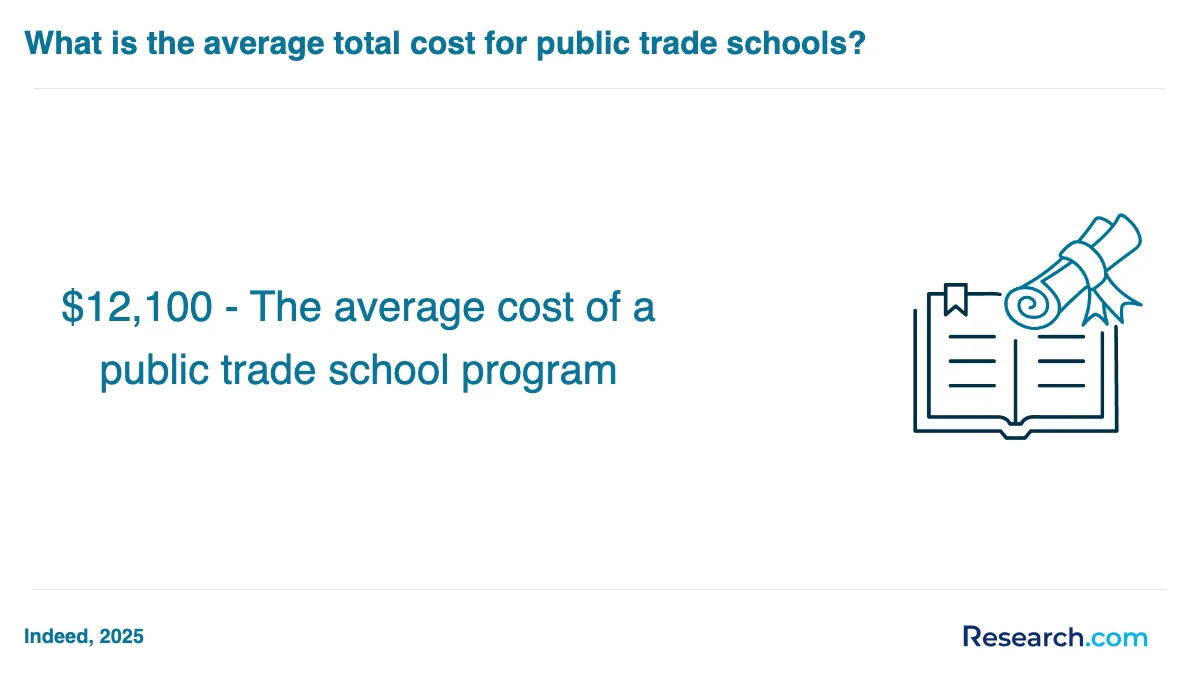
The average cost of a trade school program in Rhinelander typically ranges between $4,000 and $15,000, depending on the length and type of program. Graduates from Nicolet College often share how this investment feels manageable when balanced against the accelerated timeline and hands-on training they receive. Many recall starting apprenticeships in carpentry or plumbing shortly after enrolling, which helps offset expenses through paid on-the-job learning. Those pursuing certificates or associate degrees in fields like automotive technology or information technology appreciate the practical nature of the curriculum, making every dollar spent feel purposeful and directed toward real employment.
Students can expect financial aid and support services designed to ease the burden, complementing small class sizes and access to modern facilities. The affordability combined with quality instruction means graduates frequently emphasize confidence in their path and satisfaction with tangible skills that employers in Rhinelander actively seek. Investing in these programs often feels like a clear, attainable step toward stable, rewarding careers.
Where can I work after finishing trade school programs trade schools in Rhinelander?
After finishing a trade school program in Rhinelander, graduates often find themselves stepping into solid career opportunities that offer both stability and growth. Many alumni from well-regarded local trade schools quickly secure jobs in healthcare support roles, such as medical assistants or pharmacy technicians, where their hands-on training immediately proves valuable. One graduate shared how their program's practical experience led to a smooth transition into a long-term care facility, creating a strong sense of accomplishment.
Others who studied construction trades like carpentry or electrical work move on to thriving positions with local contractors or even start their own businesses, benefiting from Rhinelander's ongoing building projects. Manufacturing graduates recall how job fairs hosted by trade schools connected them directly with employers seeking skilled machinists and welders, sparking enthusiasm and confidence in their new careers.
Trade school students focusing on business administration or IT often land roles in office management or tech support at retail or logistics companies, appreciating the quick entry into Rhinelander's supportive job market. These success stories shine a hopeful light on what lies ahead for new graduates.
After completing a trade school program in Rhinelander, graduates often find themselves stepping into well-paying roles that exceed many traditional entry-level jobs. Many report starting salaries near the 25th percentile mark of $49,300 annually, which feels encouraging for those just launching their careers.
Graduates from popular trade schools in Rhinelander, pursuing fields like CNC repair, share stories of earning around $57,000 per year, a figure that steadily grows with experience. Imagine working hands-on with advanced machinery, quickly becoming a sought-after technician earning about $28 per hour. This tangible skill set translates to real financial confidence.
Others who take advantage of apprenticeships appreciate the initial wage flexibility, sometimes surpassing expected local rates as they prove their competence. Skilled tradespeople in Rhinelander often reach salaries of $79,600 or more, with the top professionals earning upwards of $97,700-proof that dedication and training open doors to thriving careers and financial stability in this community.
- Nicolet College in Rhinelander offers over 60 occupational training programs at its main and regional centers, while Northcentral Technical College nearby provides more than 190 programs including diplomas and associate degrees.
- Admission typically requires a high school diploma or equivalent, with an application process that may include placement tests or interviews.
- Tuition for public technical colleges in the area ranges from $3,700 to $5,400 per year, with most programs completing in one to two years and total costs between $4,000 and $11,000.
- About 95% of graduates from Northcentral Technical College find employment within one year, with starting salaries between $35,000 and $50,000 annually in fields like healthcare, manufacturing, and IT.
- Credits from these trade schools often transfer to four-year universities in Wisconsin, allowing students to continue their education if they choose.
Completing a trade school program in Rhinelander often fits within a flexible timeframe tailored to your lifestyle and goals. Many graduates from Nicolet Area Technical College have found certificate programs especially rewarding, wrapping up in just a few months to a year-perfect for those eager to start working quickly. Imagine finishing the Child Care Basics Certificate in a matter of months and stepping confidently into a new career shortly after.
Other students pursuing the Child Care Services Technical Diploma experience about a year of focused study, appreciating the balance between gaining valuable skills and maintaining other life commitments. For those aiming higher, associate degree programs like Early Childhood Education generally take two years, delivering a comprehensive education that opens even more opportunities.
What's truly encouraging is the mix of full-term and accelerated classes offered locally, enabling motivated students to advance swiftly or adjust pacing based on their needs. With these options, it's easy to picture yourself progressing at exactly the speed that fits your ambitions and schedule in Rhinelander's supportive trade school environment.
In Rhinelander, choosing between online and on-campus trade school programs often comes down to how you prefer to learn and balance your life. Online courses at Nicolet Area Technical College, for instance, make it possible to study business management or nursing from home, letting you set your own pace. Graduates appreciate the freedom to juggle work and family while still feeling connected thanks to small class sizes and personalized support.
On the other hand, on-campus programs offer hands-on experiences that are hard to replicate online. Imagine spending afternoons in a busy culinary arts kitchen or getting real-time feedback while working on automotive repairs-these are daily realities for those attending classes in person at Nicolet.
Students drawn to practical trades like cosmetology or automotive technology thrive on in-person labs where mastering skills happens through direct practice. Meanwhile, online options attract those seeking flexibility without sacrificing quality education. It's about what suits your style and goals in the Rhinelander community.
The average trade school tuition in Rhinelander typically falls between $5,000 and $17,000 per year, reflecting broader Wisconsin trends. Graduates from popular trade schools often share how the balanced cost makes technical education accessible without the burden of traditional college debt. Many public trade schools in the area offer programs from around $5,000 to $11,000 annually, attracting students focused on practical skills and quick workforce entry. This cost is appealing to those who want solid training within a manageable budget.
Private trade schools in Rhinelander, however, tend to have a higher price range, often between $10,000 and $22,000. Graduates from private institutions speak positively about the smaller class sizes and specialized programs, justifying the greater expense with more personalized instruction. When evaluating Rhinelander trade school cost breakdown, prospective students often consider these factors alongside tuition to make an informed choice.
For those seeking more affordable options, community colleges nearby provide tuition rates that are generally lower, around $4,194 for in-state students. This comparison helps many trade school seekers in Rhinelander weigh costs effectively. Additionally, students often look for available financial aid programs, state grants, and scholarships that can substantially lower costs.
Students exploring low cost online electrician trade school programs also find that hybrid learning options expand affordability and flexibility, making trade school an attractive route with manageable expenses for many Rhinelander residents.
Trade school students in Rhinelander commonly find that federal financial aid, such as the Pell Grant, plays a crucial role in making their education affordable. For example, many graduates from Nicolet College recall how the average federal grant award of over $4,000 eased their worries about tuition costs, allowing them to focus on hands-on learning rather than finances. State grants, like the Wisconsin Grant offering up to $3,150 annually, further soften the financial burden, especially for local residents enrolled in public trade schools.
Several students from technical programs often share how institutional scholarships and local awards, including those up to $2,250 provided by the Community Foundation of North Central Wisconsin, filled gaps that federal or state aid didn't cover. Work-study programs also stand out, giving students meaningful on-campus jobs that help pay bills while gaining valuable experience.
Altogether, these diverse aid options make pursuing trade education in Rhinelander feel not only realistic but empowering for many who envision rewarding careers ahead.
Enrolling in a trade school program in Rhinelander, particularly at Nicolet Area Technical College, is designed to be accessible and welcoming. Most students find that the primary prerequisite is a high school diploma or GED, which many graduates say provides a clear first step without unnecessary barriers.
Many students appreciate that there's usually no need to submit SAT or ACT scores, making the process less stressful. Instead, some programs might require placement testing to tailor coursework to your skill level, which graduates describe as a helpful way to start right where you need.
Applicants must complete a simple application form and pay a modest $30 fee, following a rolling admissions process that fits naturally around busy personal schedules-something many working adults find encouraging and flexible.
Those with prior Advanced Placement or dual enrollment credits can often accelerate their studies, allowing returning students and high school completers to save time and tuition.
- High school diploma or GED
- Completion of application and $30 fee
- Possible placement testing for course level
- Recognition of AP credits or dual enrollment
Specific programs may have additional requirements like background checks or immunizations, especially in health-related fields, but students report that advisors at Nicolet make these conditions clear and manageable.
The supportive environment found at Rhinelander trade schools, including resources for veterans and students with disabilities, helps many feel confident in starting their new careers.
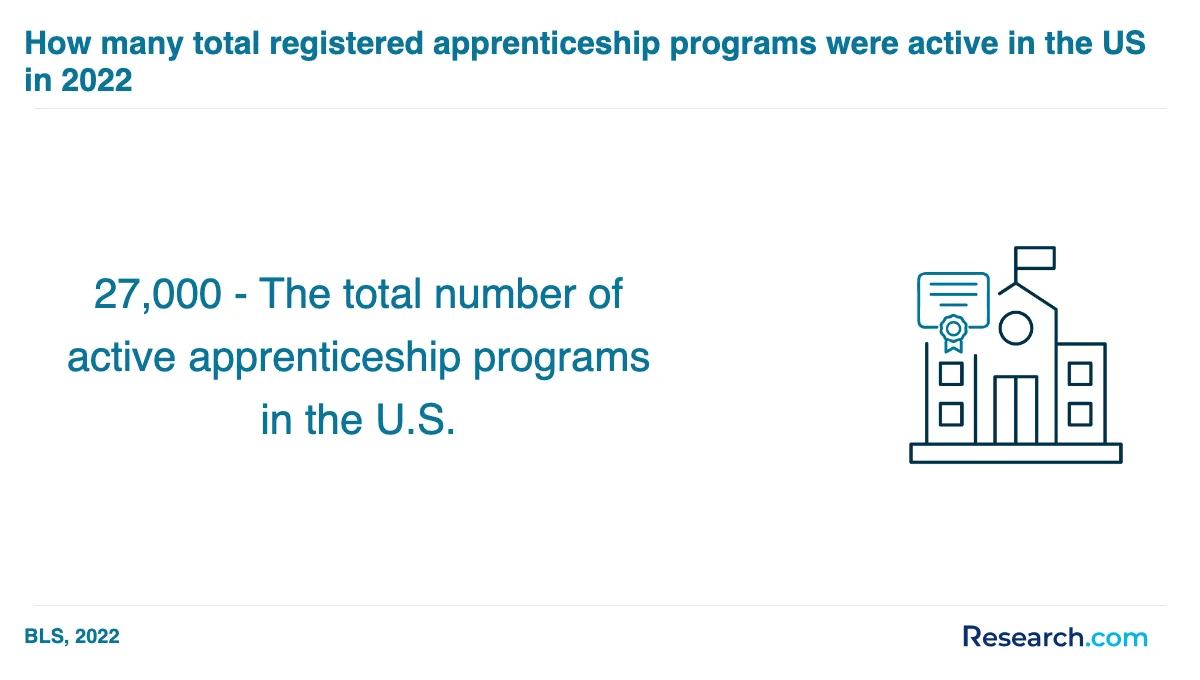
Trade school programs in Rhinelander typically offer courses tailored to immediate career success, blending hands-on learning with practical skills. Graduates from Nicolet Area Technical College often share how courses in building construction and manufacturing empowered them to confidently handle tools, read blueprints, and manage projects on day one of their jobs.
Healthcare programs are equally dynamic, with students experiencing real-world clinical settings in nursing, medical assisting, and dental assisting. This direct exposure helps graduates feel prepared and valued, supporting swift certification and employment.
Business and office administration courses equip students with essential skills in finance, management, and digital tools, helping them thrive in modern workplaces. Meanwhile, technology-focused classes like IT and web design attract those excited about coding and network management.
- Construction and manufacturing: carpentry, welding, plumbing
- Healthcare: nursing, phlebotomy, medical assisting
- Business: accounting, marketing, office administration
- Technology: IT, web design, digital media
- Specialized fields: culinary arts, automotive mechanics, criminal justice
With flexible scheduling including evening and online options, students can balance education with life, making the learning experience both accessible and motivating in Rhinelander's trade schools.
Trade schools in Rhinelander offer an exciting variety of specializations tailored for students eager to jumpstart their careers with hands-on skills. Graduates from Nicolet College and Northcentral Technical College often share how programs in healthcare, such as Medical Assistant or Radiography, provided them with real-world experience through clinical settings, making job placement smoother right after graduation.
Popular fields include:
- Healthcare specialties like Nursing Assistant and Phlebotomy
- Business areas including Digital Marketing Promotions and Tribal Business Management
- Culinary arts certificates in Baking and Culinary Management
- IT-focused programs such as Cybersecurity and Artificial Intelligence Technical Diplomas
- Mechanical trades like Electromechanical Technology and Industrial Electronics Technician
- Skilled trades with apprenticeships in Plumbing and Carpentry
Students appreciate the unique sawmill training at NTC, the only commercial-scale facility of its kind in the U.S., which equips them with rare industry expertise. Many find that short-term certificates, such as Leadership Essentials, let them upskill quickly, responding to employer demands in the Rhinelander region. If you want to explore what are the best trade school programs, visit what are the best trade school programs for more insights on career-aligned options.
Choosing the best trade school program in Rhinelander means starting with programs at local institutions like Nicolet College, where graduates often reflect on how the extensive curriculum matched their career goals perfectly. Evaluating factors like program length and flexibility is essential-many students appreciate the option for part-time attendance or online classes, which make balancing work and study doable. This practical approach helps future students feel confident about managing their schedules.
The quality of facilities plays a crucial role, too. Graduates from technical schools in Rhinelander frequently mention the value of updated labs and hands-on learning, which directly enhance their skills and job readiness. When you explore how to compare Rhinelander trade schools, factor in connections with local employers, as many programs offer internships or direct hiring routes, putting you steps ahead in employment.
For those mindful of costs, exploring options for low cost maintenance technician training online could be a smart addition to your search strategy.
Engaging with community events like the Wisconsin Education Fair in Rhinelander gives critical face-to-face insights that graduates say helped them choose a path that felt right for their future.

Career opportunities for trade school graduates in Rhinelander are diverse and aligned with both local industry demands and emerging sectors. Graduates from Nicolet College often step into vital healthcare roles such as Emergency Medical Technician (EMT) or Paramedic, where they experience rewarding work saving lives and supporting their communities. Others find fulfilling careers in skilled trades like welding, automotive technology, and construction, benefiting from hands-on experiences with modern equipment, including exposure to Northcentral Technical College's commercial-scale training sawmill.
Many students appreciate how business and office administration programs prepare them for practical roles in local companies, helping them develop skills that lead to steady employment. Information technology fields also attract new learners as digital literacy grows in importance, with diplomas focusing on support and cybersecurity offering paths to competitive jobs.
- Healthcare careers with strong community impact
- Skilled trades supported by cutting-edge training facilities
- Business roles fostering local economic growth
- Growing IT jobs adapting to modern needs
Success stories from graduates reveal how these programs translate into real earning potential, reflected in Rhinelander technical college jobs and salaries that encourage students to invest in their futures. For those interested in welding, exploring the cheapest online welding certification programs can be a strategic step toward entering highly sought-after skilled trades.
The job market for trade school graduates in Rhinelander is currently vibrant and full of promise. Graduates from popular trade schools in the area often report quickly finding roles in industries like HVAC, plumbing, electrical work, and auto repair. Many share experiences of securing positions even before finishing their programs, thanks to strong demand and local labor shortages. Employers in Rhinelander regularly offer competitive starting wages, typically ranging from $17 to $31 per hour for apprenticeships, which motivates students to pursue hands-on training.
Some key factors shaping employment opportunities for trade school graduates in Rhinelander include:
- A consistent flow of over 50 trade-related job openings in the city at any time.
- Partnerships between local organizations and vocational rehabilitation to boost job placement and on-the-job supports.
- The rising regional need for skilled workers, reflecting a statewide trend of businesses struggling to fill technical roles.
Graduates have described how studying in Rhinelander connects directly to this dynamic workforce, creating rewarding pathways to remain local. For those exploring training options, programs offering 6-month certificate programs that pay well stand out as accessible routes that align well with the needs of Rhinelander employers.
Best Trade School & Training Programs - Leading Certification Courses in Rhinelander for 2026
# 1 position
Nicolet Area Technical College - Criminal Justice/Police Science.
associateNicolet Area Technical College offers a Hybrid Criminal Justice/Police Science program designed to prepare students for roles in law enforcement. The curriculum covers patrol and investigative duties, traffic and crowd control, witness interviewing, evidence management, crime prevention, weapon operation, and report preparation. The program is accredited by the Higher Learning Commission. Annual in-state tuition is $4,724, providing accessible education with some distance learning options.
# 2 position
Nicolet Area Technical College - Industrial Mechanics and Maintenance Technology/Technician.
associateNicolet Area Technical College offers a Hybrid Industrial Mechanics and Maintenance Technology/Technician program designed to train students in repairing and maintaining industrial machinery such as cranes, pumps, engines, pneumatic tools, and conveyor systems. The program is accredited by the Higher Learning Commission. Annual in-state tuition is $4,724, providing a cost-effective opportunity for technical education focused on industrial equipment maintenance and repair skills.
# 3 position
Nicolet Area Technical College - Automobile/Automotive Mechanics Technology/Technician.
associateNicolet Area Technical College offers a Hybrid program in Automobile/Automotive Mechanics Technology/Technician. The program trains students to repair, service, and maintain various automobile systems, including brakes, electrical, engine, suspension, transmissions, and heating/air conditioning. Annual in-state tuition is $4,724. The program is accredited by the Higher Learning Commission, ensuring recognized standards of education and quality.
# 4 position
Nicolet Area Technical College - Business Administration and Management, General.
associateNicolet Area Technical College offers a fully online Business Administration and Management, General program designed to prepare students to plan, organize, direct, and control business functions. The curriculum includes management theory, human resources, accounting, purchasing, logistics, marketing, and decision-making. The program is accredited by the Higher Learning Commission. Annual in-state tuition is $4,724 for this distance-only course of study.
# 5 position
Nicolet Area Technical College - Accounting.
associateThe Accounting program at Nicolet Area Technical College prepares individuals for the accounting profession and related business functions. It covers principles and theory, financial and managerial accounting, cost accounting, tax accounting, auditing, and reporting procedures. The curriculum also includes budget control, legal aspects, statement analysis, business information systems, research methods, professional standards, and ethics. Annual in-state tuition is $4,724. The program is accredited by the Higher Learning Commission.
# 6 position
Nicolet Area Technical College - Industrial Mechanics and Maintenance Technology/Technician.
certificate or diplomaNicolet Area Technical College offers a hybrid program in Industrial Mechanics and Maintenance Technology/Technician. The program prepares students to repair and maintain industrial machinery, including cranes, pumps, engines, and conveyor systems. It covers various equipment such as pneumatic tools, marine deck machinery, and pipeline-distribution systems. The annual in-state tuition is $4,724. The program is accredited by the Higher Learning Commission.
# 7 position
Nicolet Area Technical College - Automobile/Automotive Mechanics Technology/Technician.
certificate or diplomaNicolet Area Technical College offers a hybrid Automobile/Automotive Mechanics Technology/Technician program that prepares students to repair, service, and maintain various automobile systems. The curriculum covers brake, electrical, engine performance, engine repair, suspension, steering, transmission, drive trains, and heating and air conditioning systems. The program is accredited by the Higher Learning Commission. Annual in-state tuition is $4,724, with some distance-education options available.
# 8 position
Nicolet Area Technical College - Plumbing Technology/Plumber.
certificate or diplomaNicolet Area Technical College offers a hybrid Plumbing Technology/Plumber program that prepares students to become licensed plumbers. The curriculum covers installation and maintenance of piping systems for steam, natural gas, oil, hot water, and industrial processes. Instruction includes water distribution, pressure adjustment, blueprint reading, welding, plumbing inspection, and relevant codes. The program is accredited by the Higher Learning Commission. Annual in-state tuition is $4,724.
# 9 position
Nicolet Area Technical College - Welding Technology/Welder.
certificate or diplomaNicolet Area Technical College offers a Welding Technology/Welder program with a hybrid format, combining in-person and distance education. The program trains students in arc welding, resistance welding, brazing, soldering, high-energy beam welding, and cutting. It covers welding metallurgy, safety, structural design, and applicable codes. Annual in-state tuition is $4,724, and the median earnings of graduates one year after completion are $31,922.6. The program is accredited by the Higher Learning Commission.
Frequently Asked Questions about trade school programs
After completing trade school in Rhinelander, preparing for the job market involves several key steps. First, graduates should utilize the career services offered by their school, including resume workshops and interview preparation. According to the U.S. Bureau of Labor Statistics, 89% of trade school graduates find jobs within six months of completing their programs. Networking locally by attending industry events and joining professional associations can also boost employment prospects.
Additionally, obtaining relevant certifications and licenses required in fields such as HVAC or welding increases job opportunities. Many employers in Rhinelander prioritize practical experience, so internships or apprenticeships can be valuable. Continuous learning and staying updated on industry trends will help graduates remain competitive in the local job market.
Employers in Rhinelander highly value technical proficiency when hiring trade school graduates. Skills such as operation of industry-standard machinery, electrical systems repair, and HVAC installation are among the top requirements. According to the Wisconsin Department of Workforce Development, over 70% of local employers prioritize certifications and hands-on experience.
Communication skills are also essential. Being able to explain technical issues clearly and collaborate with teams helps graduates succeed on the job. Time management and problem-solving are key soft skills that 65% of regional employers seek, as reported by local job market surveys.
Additionally, safety awareness is critical. Understanding workplace safety protocols significantly improves employability in trades like construction and manufacturing.
Finding internships in Rhinelander relevant to your trade school program involves several strategic steps. Start by connecting with local employers in industries related to your field, such as construction, automotive services, or healthcare. Rhinelander businesses often collaborate with trade schools to offer practical training opportunities. According to the Wisconsin Department of Workforce Development, the Northwoods region, including Rhinelander, supports numerous apprenticeship and internship programs, particularly in skilled trades.
Additionally, utilize your trade school's career services, as they frequently maintain partnerships with local companies and can guide you in securing internships. Networking through local chambers of commerce and job fairs is also valuable, exposing you to practical experiences and potential mentorships available nearby.
In Rhinelander, earning a trade school diploma significantly boosts career mobility and advancement opportunities. According to the U.S. Bureau of Labor Statistics, occupations requiring specialized skills, such as those obtained through trade schools, are projected to grow faster than average. Graduates typically experience higher employment rates and increased earnings compared to non-certified workers. Locally, industries like construction, automotive repair, and healthcare value the practical skills taught at trade schools, leading to quicker promotions and job stability.
Rhinelander's economy supports skilled trades, offering apprenticeships and on-the-job training that complement trade diplomas. This combination enhances a graduate's qualifications and professional network, crucial for long-term advancement. The Wisconsin Department of Workforce Development notes that median wages for certified trade professionals in the region exceed those of general laborers by up to 30%, underlining the diploma's direct impact on upward mobility.
In Rhinelander, part-time job opportunities often align well with trade school programs, providing practical experience alongside education. Positions in local automotive shops, retail hardware stores, and small-scale construction companies are common for students studying trades such as automotive technology, carpentry, or electrical work. These roles help develop hands-on skills that complement classroom learning.
Healthcare programs can benefit from part-time roles as medical assistants or pharmacy aides in nearby clinics and community pharmacies. According to the Bureau of Labor Statistics, part-time trade workers typically earn between $12 and $18 per hour in the Rhinelander area, offering students both income and relevant experience.
Local employers in manufacturing and utilities also offer seasonal or flexible work suited to trade students' schedules, supporting skill development and professional networking in the region.
Yes, there are several degree programs available near Rhinelander, WI, that may be worth exploring. Local community colleges and universities offer a variety of programs in fields such as business, healthcare, and education. To find the best degree programs near you, Research.com can provide valuable insights into program rankings and educational opportunities in your area.
- Northcentral Technical College https://www.ntc.edu/
- School District of Rhinelander - E4E/ACP Plan 2024 https://www.rhinelander.k12.wi.us/district/e4e-acp-plan-2024.cfm
- Employment & Vocational Services | Headwaters, Inc. http://www.headwatersinc.org/employment-vocational-services


