
Best Trade School & Training Programs - Leading Certification Courses in Queens for 2026

Co-Founder and Chief Data Scientist
The main question for Queens students is not simply “Which trade school is best?” It is which program can get you trained for a real job at a cost, schedule, and pace that makes sense for your life. This 2026 guide reviews trade school programs in Queens for students who want career-focused training in fields such as automotive technology, electrical work, healthcare support, construction, HVAC, IT, culinary arts, cosmetology, and related skilled trades.
Use this guide to compare practical factors that affect your return on investment: program length, total cost, financial aid, hands-on training, certifications, career paths, salary potential, admissions requirements, and whether online, on-campus, or hybrid learning fits your trade. The goal is to help you narrow your options before you apply, ask better questions when speaking with admissions offices, and choose a program that supports both employment readiness and long-term career growth.
The ranking is based on a detailed review developed by the Research.com team of data scientists. As with any trade school decision, students should also verify current tuition, accreditation, licensure requirements, financial aid eligibility, and job placement support directly with each school before enrolling.
Key benefits of finishing trade school programs trade school in Queens
- Clearer path to employment: Trade school programs are built around job-specific skills rather than broad general education requirements. In Queens, this can be especially valuable for students targeting roles in automotive service, electrical work, plumbing, HVAC, healthcare support, IT support, or construction.
- Expected salary: Trade school graduates in Queens can earn between $52,700 and $104,000 annually, depending on their trade and experience, with an average around $70,068 per year or $33.69 per hour.
- Popular career paths: Graduates often pursue roles like electricians, plumbers, HVAC technicians, and medical technicians. These careers can offer strong opportunities for growth, especially for workers who continue earning certifications and gaining supervised experience.
- Shorter training timeline: Many trade school programs are designed to be completed faster than traditional degree programs, helping students enter the workforce sooner and reduce time away from paid employment.
- Hands-on preparation: Strong programs emphasize labs, shops, clinical practice, simulations, or field-based training, which can help students build confidence before applying for entry-level jobs.
- Online diplomas: Earning a trade school certification online can support flexible learning schedules. Online formats are often strongest for business, IT, theory-based, or preparatory coursework, while hands-on trades may still require in-person labs, clinical hours, or shop training.
- Best Trade School & Training Programs - Leading Certification Courses in Queens for 2026
- What can I expect from trade school programs trade schools in Queens?
- Where can I work after finishing trade school programs trade schools in Queens?
What can I expect from trade school programs trade schools in Queens?
Trade school programs in Queens are usually career-focused, structured, and practical. Instead of spending most of your time on general academic coursework, you can expect training tied directly to a job role, tool set, certification, or technical skill. The experience varies by field: an automotive student may spend significant time diagnosing engines and electronic systems, while a healthcare support student may focus on patient care procedures, safety rules, and clinical readiness.
The average cost of a trade school program in Queens typically ranges between $5,000 and $20,000, depending on the length and specialization of the course. Some programs cost more once tools, uniforms, technology fees, books, certification exams, or supplies are included, so students should always ask for the full cost of attendance before enrolling.
Students considering NYADI The College of Transportation Technology often look closely at automotive programs because of their emphasis on hands-on training in diagnostics and electronic system repairs. Students comparing Apex Technical School often pay attention to scheduling options, including evening and weekend classes, which may make programs more manageable for adults balancing employment, family responsibilities, and commuting.
Many Queens trade school programs also prepare students for industry-recognized credentials, such as ASE or OSHA credentials. These certifications do not guarantee employment, but they can strengthen a résumé, show employers that a student has met recognized training standards, and help graduates compete for entry-level roles.
What to ask before enrolling
- Is the program accredited or approved where required?
- Does the program prepare students for a license, certification, or exam?
- Are tools, uniforms, books, exam fees, and supplies included in the quoted cost?
- How many hours are hands-on, lab-based, clinical, or shop-based?
- Does the school offer job placement support, employer partnerships, or apprenticeship guidance?
- Can you attend during the day, evening, weekend, online, or in a hybrid format?
Where can I work after finishing trade school programs trade schools in Queens?
After finishing a trade school program in Queens, graduates may find opportunities with local employers, contractors, shops, healthcare facilities, service companies, property managers, dealerships, and public or private infrastructure-related organizations. The right workplace depends on your trade, credentials, experience, and whether the role requires a license or supervised training after graduation.
Automotive graduates from schools such as Lincoln Tech often look for roles at local auto dealerships, repair shops, service centers, and fleet maintenance operations. Demand is supported by nearly 54,000 new automotive technician positions expected across New York State by 2030. For students who enjoy troubleshooting, working with tools, and solving mechanical and electronic problems, this can be a direct path from classroom and shop training into paid technical work.
Students trained in electrical and electronic systems technology may pursue work related to fiber-optic networks, security systems, telecommunications infrastructure, or utility support. These jobs can involve installation, testing, maintenance, and repair, often under the supervision of experienced technicians or licensed professionals.
Building trades students, including future plumbers, HVAC specialists, carpenters, and maintenance workers, may find work with construction firms, building service companies, property management groups, contractors, or facility maintenance teams. Queens’ ongoing residential, commercial, and infrastructure needs can make these trades practical options for students who want hands-on work with clear advancement potential.
Some experienced graduates eventually move into training, supervision, or instruction. For example, workers with strong field experience may later teach at schools such as Apex Technical School, helping new students learn the same trade while reducing the physical demands of full-time fieldwork.
After finishing a trade school program in Queens, reported earnings vary widely by trade, employer, credentials, overtime, union status, experience, and whether the role requires licensure. A practical expectation is that many graduates begin in entry-level roles and increase their income as they gain experience, complete certifications, and take on more complex work.
After finishing a trade school program in Queens, you can expect to earn an average annual salary of about $70,068, or roughly $33.69 per hour. Many graduates from popular schools in Queens share how they started with salaries near $52,700 but advanced to making above $85,000 as they gained hands-on experience and certifications.
For example, electricians trained locally often earn around $83,550 annually, while paralegals report about $78,850 per year. Some graduates from Berk Trade School have described moving from administrative roles making $20 per hour to becoming instructors earning up to $35.70 hourly.
Salary factors to compare before choosing a program
- Credential value: Some credentials are more recognized by employers than others. Ask which certifications the program prepares you to earn.
- Licensure rules: Certain trades may require a license, apprenticeship, supervised hours, or an exam before you can work independently.
- Work setting: Dealerships, hospitals, contractors, property managers, and public agencies may pay differently for similar skills.
- Experience: Entry-level wages can be much lower than experienced-worker wages, so ask schools for graduate outcomes by program, not just broad averages.
- Overtime and scheduling: Some trades offer overtime, evening shifts, emergency calls, or weekend work that can affect total earnings.
- Applicants typically need a high school diploma, GED, or HSE diploma, with some programs requiring a state ID, social security card, or work authorization.
- Popular trade fields include automotive technology, electrical work, healthcare, such as Certified Nurses' Aide, construction, and IT support.
- The cost of trade school programs ranges from $5,000 to $20,000, with options for scholarships, grants, and financial aid.
- Starting salaries for graduates range from $35,000 to $50,000, with experienced professionals in some trades earning over $70,000 annually.
- Many programs offer hands-on training, application assessments, and job placement assistance in partnership with local employers.
Completion time depends on the trade, schedule, credential level, and whether you attend full time or part time. Short certificate programs may move quickly, while programs with extensive lab work, shop hours, clinical practice, or certification preparation can take longer.
At Commonpoint Queens, some short-term certificate programs take only 6 to 8 weeks and may include hands-on learning, paid internships, and professional development. Culinary arts students at the same school may complete 12-week onsite programs that emphasize practical kitchen skills and real-world preparation.
Longer technical programs can take several months. Graduates from Apex Technical School report finishing programs such as Automotive Service and Repair in about 7 months. These programs typically focus on job-specific training rather than unrelated coursework, which can help students move toward employment readiness more quickly.
Full-time vs. part-time completion
| Schedule type | Best for | Trade-off |
| Full-time | Students who want to finish as quickly as possible | Less flexibility for work, caregiving, or other commitments |
| Part-time or evening | Working adults, parents, and students who need schedule flexibility | Usually takes longer to complete |
| Short-term certificate | Students seeking fast entry into a focused role or skill area | May offer narrower training than a longer program |
| Longer technical program | Students preparing for more equipment-intensive or certification-based trades | Requires a larger time and cost commitment |
The main difference is how much of the training can be completed through a computer versus how much must be practiced in person. Online trade school programs can work well for subjects that rely on lectures, readings, simulations, software, business skills, IT concepts, test preparation, or theory. On-campus programs are often better for trades that require tools, equipment, labs, shops, kitchens, clinical practice, or supervised hands-on demonstrations.
Students who choose online programs often value flexibility. They may be able to study business or IT coursework at home, access lectures and assignments outside regular classroom hours, and reduce commuting time. This format can be especially useful for students who work, care for family members, or need to study around an irregular schedule.
On-campus programs in Queens, including programs at Lincoln Technical Institute, may provide direct shop, lab, or workshop experience. Working in 50,000 square feet of real-world training space, such as auto bays or electrical labs, gives students access to tools, equipment, instructors, and peer learning that can be difficult to replicate online.
Hybrid programs can offer a useful compromise by placing theory online and keeping labs or practice sessions in person. For trades such as plumbing, welding, HVAC, automotive technology, culinary arts, and many healthcare support fields, students should be cautious about programs that appear entirely online but do not explain how hands-on competencies are verified.
How to choose the right format
- Choose online if the program is theory-based, software-based, or designed for flexible study.
- Choose on-campus if the trade requires physical tools, safety procedures, labs, clinical practice, or equipment training.
- Choose hybrid if you need flexibility but still want in-person skill checks and supervised practice.
- Always ask whether the format satisfies certification, employer, or licensure expectations in your field.
The average trade school cost in Queens NY varies by school type, program length, specialization, and whether the published price includes tools, books, uniforms, fees, certification exams, and supplies. Students should compare total program cost, not tuition alone.
When considering the average trade school cost in Queens NY, students often find that full program expenses range from about $20,000 to $37,000. Graduates from programs such as Lincoln Tech’s hands-on Automotive Technology program point to a cost around $37,221, which covers expenses such as tuition, tools, and uniforms.
For medical assisting or allied health fields, tuition may be somewhat lower but still substantial. Many Queens residents see prices near the higher end of national averages, which range from $2,000 to $20,000. Programs at nearby campuses similar to Lincoln Tech list fees around $21,000 to $23,000.
Lower-cost alternatives may be available through community colleges and SUNY trade programs, with tuition fees around $5,740 to $6,621 annually. However, these figures generally do not include extra expenses such as books and living costs. Several trade schools, including local options, encourage students to use federal Net-Price Calculators to estimate total costs more accurately and understand financial aid eligibility.
| Cost category | Reported amount | What to verify |
| Typical Queens trade school program range | $5,000 to $20,000 | Whether fees, tools, books, and exams are included |
| Full program expenses in some Queens programs | About $20,000 to $37,000 | Total cost of attendance and payment schedule |
| Lincoln Tech Automotive Technology example | Around $37,221 | Included tools, uniforms, and other required items |
| Nearby campus program fees similar to Lincoln Tech | Around $21,000 to $23,000 | Program-specific fees and certification costs |
| Community colleges and SUNY trade programs | Around $5,740 to $6,621 annually | Books, transportation, supplies, and living expenses |
Students who want fast workforce entry may also compare shorter credential options, including the highest paying 6 month certifications. Shorter programs can reduce time in school, but students should still confirm employer recognition, certification requirements, and long-term advancement potential.
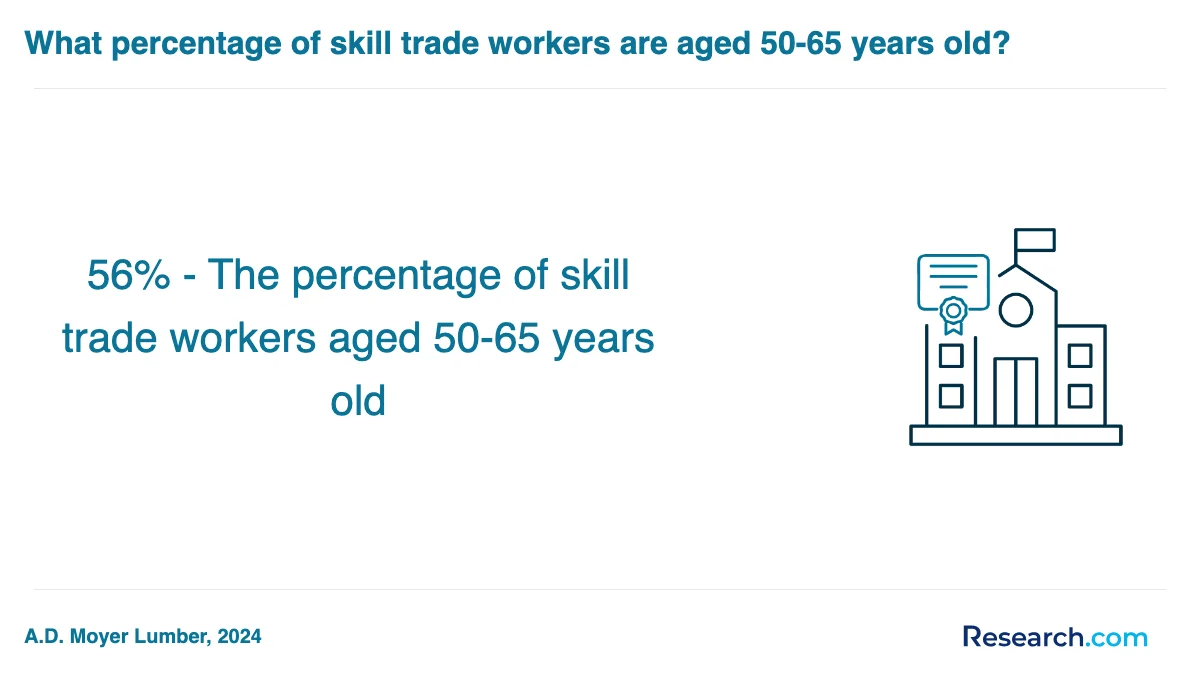
Financial aid for trade school in Queens may include federal grants, state grants, part-time study support, scholarships, and school-based aid. Eligibility depends on the school, program, enrollment status, financial need, citizenship or eligible noncitizen status, academic progress, and whether the program participates in specific aid programs.
Many students begin by submitting the FAFSA, which can unlock access to federal aid such as the Pell Grant. In 2025, the Pell Grant offers up to $7,395 per year for eligible students. Because grants generally do not need to be repaid, they can reduce the amount students must borrow or pay out of pocket.
Students at schools such as Apex Technical School and Lincoln Tech often work with financial aid advisors to combine Pell Grants with state programs such as New York’s Tuition Assistance Program (TAP). TAP now supports part-time learners, which can help students who attend school while working or caring for family. The Aid for Part-Time Study (APTS) program may also provide support for eligible students who are not enrolled full time.
Scholarships may be available based on financial need, academic achievement, background, career goals, or program area. Some awards are promoted through New York State’s Higher Education Services Corporation. Students should pay close attention to deadlines, required documents, enrollment rules, and whether an award can be used at the specific trade school they plan to attend.
Financial aid checklist
- Confirm that the school and program are eligible for the aid you want to use.
- Submit the FAFSA as early as possible.
- Ask whether Pell Grant, TAP, APTS, scholarships, or institutional aid can be combined.
- Request a written financial aid offer before committing.
- Compare grants and scholarships separately from loans, because loans must be repaid.
- Ask what happens to your aid if you switch from full-time to part-time enrollment.
Most Queens trade school programs require applicants to meet basic age, education, identity, and residency requirements. Some programs also require placement testing, admissions interviews, physical ability standards, proof of immunization, background checks, drug screening, or work authorization, depending on the trade and training site.
Most schools require students to be at least 17 years old. If you are under 18, parental consent is usually necessary. A high school diploma or equivalent, such as a GED or HSE diploma, is typically required. For example, students at Queensborough Community College may need to provide official transcripts or GED score sheets before starting.
Students who have not finished high school may still have options. Programs connected to the Queens Educational Opportunity Center may support students who need entrance assessments, remedial coursework, or additional preparation before beginning career training.
Applicants should also be ready to provide valid photo ID and proof of New York residency, especially when applying for state-subsidized or free programs. Some schools, such as Apex Technical School, may allow transfer credits for related coursework completed elsewhere, but students may need to show proficiency through exams or skills assessments.
- Minimum age 17, with parental consent usually required if under 18
- High school diploma, GED, or equivalent usually required
- Valid photo ID and proof of NY residency
- State ID, social security card, or work authorization may be required for some programs
- Possible transfer credits with proficiency exams
- Program-specific assessments may apply
Students should ask admissions staff for a complete requirements list before applying. This is especially important for veterans, adult learners, immigrants, students returning to school after a long break, and students interested in healthcare or licensed trades.
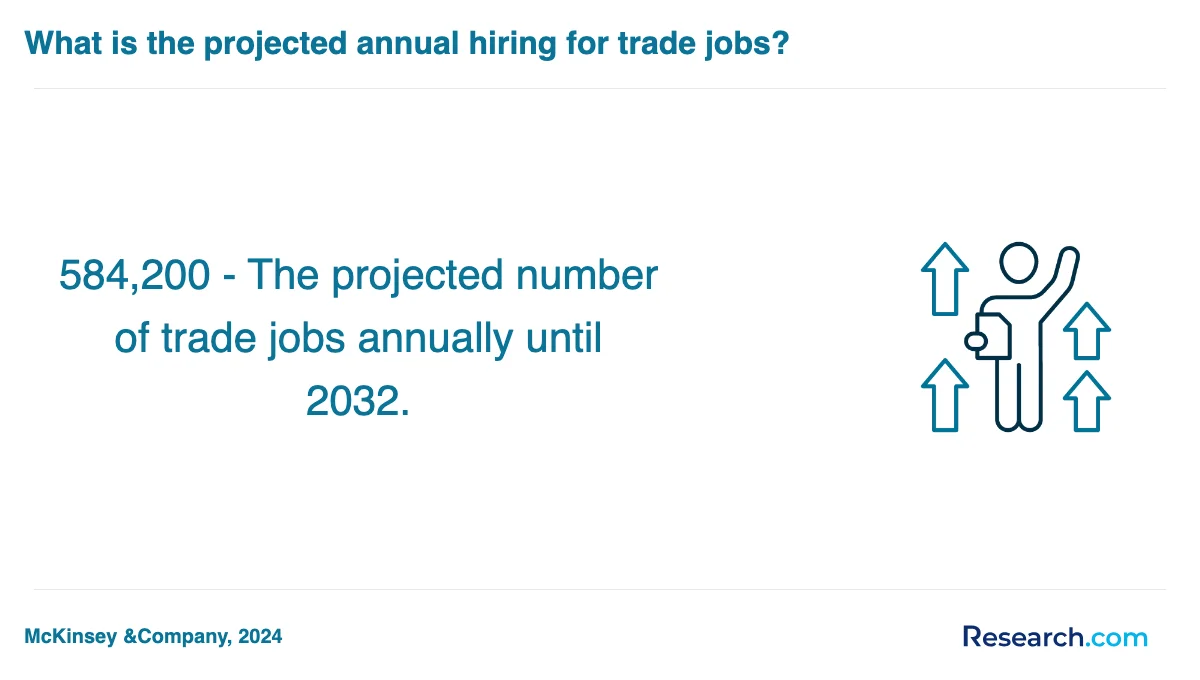
Trade school courses in Queens usually combine classroom instruction with applied practice. The exact course list depends on the field, but strong programs teach safety, tools, terminology, troubleshooting, workplace expectations, and the technical skills needed for entry-level employment.
- Skilled trades: Construction, electrical work, plumbing, and welding courses often focus on tools, materials, jobsite safety, measurements, installation methods, and hands-on shop practice.
- Automotive technology: Courses may cover auto repair, maintenance, computerized diagnostics, engine systems, electrical systems, and service procedures for work in dealerships, repair shops, or fleet operations.
- Health services: Certified Nurses' Aide (CNA) or Community Health Worker programs typically combine classroom learning with patient-care practice, safety procedures, communication skills, and clinical preparation.
- Culinary arts: Courses often teach kitchen fundamentals, food safety, preparation techniques, large-scale cooking, sanitation, and professional kitchen workflow.
- IT support: Courses may focus on troubleshooting, hardware, networks, operating systems, help desk practices, and entry-level technical support skills.
- Cosmetology: Programs may cover hair care, nail care, styling, sanitation, client service, and preparation for state certification where applicable.
Students comparing programs at schools such as Apex Technical School or Lincoln Tech’s Queens campus should look beyond course titles. Ask how many hours are spent in labs or shops, what equipment students use, whether instructors have field experience, and whether the coursework aligns with the certifications employers expect.
Queens trade schools offer specializations tied to local employment needs in transportation, construction, building maintenance, healthcare support, IT, culinary services, and personal care. The best specialization is the one that fits your strengths, schedule, physical requirements, certification goals, and expected work environment.
At Lincoln Tech’s Queens campus, students may focus on automotive service technology, diesel mechanics, and collision repair. The campus includes 14 fully-equipped auto bays and training by ASE-certified instructors. NYADI The College of Transportation Technology also offers ASE-certified programs with emphasis on engine performance and advanced diagnostics.
Construction-focused programs, including those at the School of Cooperative Technical Education (Co-op Tech), may prepare students for carpentry, electrical work, and general construction. These programs can also support students interested in union apprenticeships. OSHA safety certifications and specialized courses such as scaffold awareness may improve readiness for construction-related roles.
Other sought-after options include health services, IT, culinary arts, and cosmetology. Co-op Tech’s course options can support students pursuing medical support, computer fields, and professional kitchen careers. Cosmetology programs may prepare students for hair styling, nail care, salon work, and related hospitality or personal service roles. Students looking for lower-cost skill-building options may also compare the cheapest online appliance repair trade school programs.
- Automotive service and diesel technology
- Collision repair and advanced diagnostics
- Construction and electrical work with union preparation
- Carpentry, scaffold awareness, and OSHA-related safety training
- Health services and medical support
- IT support and computer-related fields
- Culinary arts and professional kitchen training
- Cosmetology, hair styling, and nail care
Choosing the best trade school program in Queens means matching a program to a specific career goal, not just choosing the nearest campus or the fastest certificate. Start by confirming accreditation, approval, or recognition where it matters for your trade. Then compare cost, schedule, hands-on training, employer connections, certification preparation, graduate outcomes, and student support.
Decision checklist for comparing Queens trade schools
- Accreditation and approvals: Confirm that the school is legitimate and that the program meets any requirements tied to employment, certification, or licensure.
- Career fit: Choose a program aligned with the job you actually want, whether that is construction, engineering-related technical work, healthcare support, automotive service, visual arts, IT, or another field.
- Hands-on training: Look for current equipment, labs, shops, clinical practice, internships, or work-based learning where appropriate.
- Graduate outcomes: Ask for job placement rates, starting salaries, employer partners, and examples of where graduates work. Make sure the data is program-specific.
- Total cost: Compare tuition, tools, uniforms, books, exam fees, transportation, and lost work time. Local public colleges may offer affordable tuition plus scholarships and federal aid.
- Schedule: Consider whether day, evening, weekend, part-time, online, or hybrid classes fit your responsibilities.
- Support services: Ask about tutoring, career counseling, résumé help, interview preparation, veteran support, and help finding apprenticeships or entry-level jobs.
Students comparing Queens trade schools may also review community college online programs to see whether a public, hybrid, or online pathway better supports their budget and schedule.
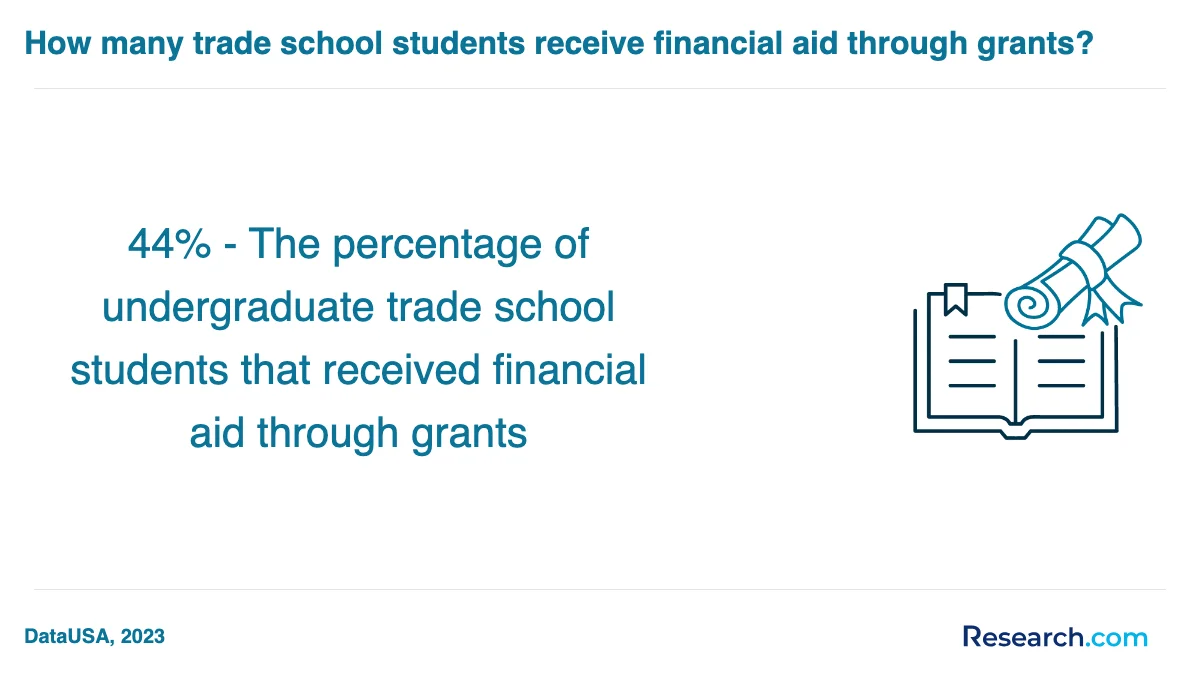
Trade school graduates in Queens can pursue career paths across healthcare, construction, automotive technology, electrical systems, telecommunications, creative production, cosmetology, and building services. The strongest path depends on the credential earned, the quality of hands-on training, local employer demand, and whether the occupation requires licensure or additional supervised experience.
Healthcare programs may prepare graduates for roles such as emergency medical technicians or pharmacy technicians. These roles support patient care, medication services, emergency response, and community health needs.
Construction and building systems programs can lead to work as carpenters, HVACR technicians, maintenance workers, or related skilled trade employees. Graduates may strengthen their employability by completing certifications such as OSHA safety training.
- Automotive technology: Prepares students for technician roles serving local dealerships, repair shops, and fleet operations.
- Electrical systems: Can support pathways toward electrician, telecommunications technician, or infrastructure-support roles.
- Healthcare support: May lead to emergency medical technician, pharmacy technician, Certified Nurses' Aide, or community health-related roles.
- Construction and HVACR: Can prepare students for carpentry, HVACR, maintenance, and contractor-support positions.
- Creative fields: Music production and sound engineering may appeal to students pursuing artistic or technical media roles.
- Cosmetology: Can support careers as salon stylists and beauty consultants. Students comparing affordability may explore the cheapest cosmetology online school programs.
Before enrolling, students should ask whether the program leads directly to employment, prepares them for an exam, or is only the first step toward additional credentials. This distinction matters for salary expectations and job readiness.
The job market for trade school graduates in Queens is shaped by local demand for maintenance, construction, automotive service, HVAC, electrical, plumbing, welding, healthcare support, and technical services. These fields often value applied experience, safety training, reliability, and the ability to work with tools, systems, customers, or patients from day one.
Queens offers over 660 skilled trade job openings right now. Graduates from trade schools in Queens frequently pursue roles in HVAC, maintenance mechanics, and carpentry because local employers often need workers with practical training and job-ready technical skills.
Automotive technology is especially notable. Projects forecast a need for nearly 54,000 automotive technicians statewide by 2030, and Queens students may benefit from programs with industry partnerships that help connect training to dealership, repair shop, or fleet service opportunities.
Electrical, plumbing, and welding programs can also align with the city’s ongoing construction and maintenance needs. Employers in these areas typically look for candidates who understand safety, can follow technical instructions, and have practiced core skills in labs, shops, or supervised settings.
Students who want to broaden their options may supplement local training with focused online coursework such as cheap maintenance technician training online. As always, confirm that any online training is recognized by employers and that it supports, rather than replaces, hands-on requirements for your target trade.
Best Trade School & Training Programs - Leading Certification Courses in Queens for 2026
# 1 position
St. John's University-New York - Computer and Information Sciences, General.
associateSt. John's University-New York offers a hybrid program in Computer and Information Sciences, General, accredited by the Middle States Commission on Higher Education. This program covers computing, computer science, and information systems without focusing on specific titles or content areas. The annual in-state tuition is $50,110. The program includes some distance-education options, providing flexibility for students pursuing this general computing field.
# 2 position
St. John's University-New York - Computer Systems Networking and Telecommunications.
associateSt. John's University-New York offers a hybrid program in Computer Systems Networking and Telecommunications that prepares students to manage and optimize linked computer systems and networks. The curriculum covers operating systems, systems design, networking theory, security, and troubleshooting. The program is accredited by the Middle States Commission on Higher Education. Annual in-state tuition is $50,110, providing a flexible learning option with some distance education available.
# 3 position
St. John's University-New York - Computer and Information Systems Security/Auditing/Information Assurance.
associateSt. John's University-New York offers a hybrid Computer and Information Systems Security/Auditing/Information Assurance program. It prepares students to assess security needs, recommend safeguards, and manage security device implementation, auditing, and maintenance. The curriculum includes computer architecture, programming, systems analysis, networking, cryptography, law, risk assessment, contingency planning, and investigation techniques. The program is accredited by the Middle States Commission on Higher Education. Annual in-state tuition is $50,110.
# 4 position
St. John's University-New York - Criminal Justice/Law Enforcement Administration.
associateSt. John's University-New York offers a Criminal Justice/Law Enforcement Administration program with a hybrid format that includes some distance-education options. The curriculum covers law enforcement history, operational command leadership, labor relations, incident response strategies, and organizational leadership. Students learn about legal responsibilities, budgeting, and public relations within public police organizations. The program is accredited by the Middle States Commission on Higher Education. Annual in-state tuition is $50,110.
# 5 position
St. John's University-New York - Business Administration and Management, General.
associateSt. John's University-New York offers a Business Administration and Management, General program with a hybrid format, including some distance-education options. The curriculum covers management theory, human resources, accounting, purchasing, logistics, marketing, and business decision-making. The annual in-state tuition is $50,110. The program is accredited by the Middle States Commission on Higher Education.
Frequently Asked Questions about trade school programs
After finishing trade school programs in Queens in 2026, certifications like OSHA Safety, NCCER (National Center for Construction Education and Research), and IT-specific certifications such as CompTIA A+ or AWS Certified Cloud Practitioner can significantly boost job prospects across various industries.
Employers in Queens highly value trade school graduates who possess strong technical skills relevant to their field, such as electrical work, HVAC, plumbing, or automotive repair. According to data from the New York State Department of Labor, hands-on experience and certifications often weigh heavily in hiring decisions.
Beyond technical ability, soft skills are crucial. Queens employers frequently look for reliability, effective communication, and problem-solving skills, which improve teamwork and job performance. A 2023 survey by the National Skills Coalition found that 75% of employers in New York prioritize these interpersonal abilities alongside trade competencies.
Time management and adaptability are also important, given the dynamic nature of most trade jobs in the region. Demonstrating both technical proficiency and essential soft skills significantly enhances a graduate's competitiveness in the Queens job market.
Finding internships in Queens that align with your trade school program involves leveraging local resources and industry connections. Start by contacting your trade school's career services office; many have established partnerships with Queens businesses and can guide you toward relevant internships. According to the NYC Department of Small Business Services, Queens hosts over 1,000 manufacturing and construction firms that frequently offer hands-on internship opportunities.
Online platforms like the NYC Internships site also list local openings that match various trade skills, such as electrical work, HVAC, or culinary arts. Additionally, professional networking through community workforce boards and local trade unions can open doors to internships that provide real-world experience.
Reaching out directly to employers in Queens, especially small and medium-sized firms, often yields internship options not publicly advertised. Persistence and taking advantage of community job fairs enhance your chances of securing a position relevant to your trade discipline. Utilizing these strategies improves your chances to gain practical skills while studying in Queens.
A trade school diploma in Queens significantly improves career mobility by equipping students with practical skills tailored to local industry needs. According to data from the New York State Department of Labor, occupations requiring trade certifications, such as electricians and HVAC technicians, are expected to grow by over 10% through 2028 in the NYC metro area. This growth creates opportunities for diploma holders to advance quickly.
Employers in Queens value trade school credentials as proof of job readiness, often leading to higher starting salaries compared to candidates without formal training. Additionally, trade school graduates report greater job retention rates and opportunities for promotions within five years. Local workforce reports highlight a strong link between trade diplomas and upward social mobility in Queens.
In 2026, part-time job opportunities offer trade school students in Queens practical experience, enabling them to apply classroom skills in real-world settings. These jobs help build professional networks and enhance time management skills, making students more attractive to future employers.
Trade school students in Queens often face several challenges that can impact their educational success and career prospects. One common issue is financial strain. According to the National Center for Education Statistics, many trade students rely on loans or part-time jobs, balancing work and study can be difficult. Additionally, students sometimes struggle with limited access to up-to-date training equipment and resources, which affects hands-on learning experiences.
Another challenge is navigating job placement. While trade programs typically have strong local industry ties, competition for apprenticeships in Queens can be intense. Finally, some students may find adjusting to a fast-paced curriculum challenging, as many trade schools offer condensed programs designed to enter the workforce quickly.
- Lincoln Tech in Queens NY - Vocational School and Career Training https://www.lincolntech.edu/campus/queens-ny
- Learn A Trade - SUNY https://www.suny.edu/trades/
- Vocational Training Programs for New Careers - Commonpoint https://www.commonpoint.org/program/vocational-training-programs-for-new-careers
- Queens | NYC CTE https://cte.nyc/web/cte-school-borough/queens
- Pathways College & Career Initiative | Queens Community House https://www.qchnyc.org/programs/young-adult-services/pathways-college-career-initiative
- Career and Technical Education at QCC, More than a Major https://www.qcc.cuny.edu/cteq/index.html
- Job Training Programs | Career Services | Jobs NYC https://jobs.nyc.gov/jobseekers/programs/
- Vocational programs and alternative pathways - Institute for Collaborative Education http://www.iceschoolnyc.org/vocational-programs-and-alternative-pathways
- Apex Technical School | New York Trade School Programs https://apexschool.com/
- Career Courses - Vandiver Center for Career Development https://www.queens.edu/internships/career-courses/


