Best Trade School & Training Programs - Leading Certification Courses in Phoenix for 2026

Co-Founder and Chief Data Scientist
Choosing a trade school in Phoenix is mostly a return-on-investment decision: which program can train you for a specific job, at a cost you can manage, in a timeline that fits your life. The best choice is not always the fastest or the cheapest. It is the program that matches your target occupation, offers enough hands-on practice, prepares you for required certifications or licensing steps, and gives you clear support for finding work after graduation.
This Research.com guide reviews trade school programs in Phoenix with a practical focus on cost, completion time, admissions requirements, online versus campus formats, financial aid, career paths, salaries, and job-market conditions. It is designed for high school graduates, working adults, career changers, veterans, and anyone comparing vocational training with a traditional college route.
Use this guide to narrow your options before contacting schools. Pay close attention to accreditation, total program price, tools and exam fees, completion rates, career services, employer connections, and whether the credential actually prepares you for the job you want in Arizona.
Key benefits of finishing trade school programs trade school in Phoenix
- Faster entry into the workforce: Many Phoenix trade school programs are built for focused career preparation rather than broad general education. Some programs can be completed in months, helping students begin earning sooner than they might through a traditional four-year degree path.
- Career-focused training: Programs commonly prepare students for hands-on roles such as electricians, HVAC technicians, medical assistants, dental hygiene workers, pharmacy technology professionals, welders, automotive technicians, and related skilled occupations.
- Competitive earning potential: Skilled trades in Phoenix average around $54,217 yearly, technology roles start near $65,000, and some specialized tech jobs exceed $100,000 with experience.
- Lower overall education cost for many students: Trade school can be more affordable than a four-year college degree, especially when students choose a shorter certificate or diploma program and qualify for financial aid.
- Flexible learning options: Online trade school programs may help students balance work, family, and study. Hybrid formats can be especially useful when a program requires both classroom theory and hands-on labs.
- Direct connection to local industries: Phoenix has demand in construction, healthcare support, automotive repair, advanced manufacturing, clean energy, and technical services, giving graduates multiple employment directions to consider.
- Best Trade School & Training Programs - Leading Certification Courses in Phoenix for 2026
- What can I expect from trade school programs trade schools in Phoenix?
- Where can I work after finishing trade school programs trade schools in Phoenix?
What can I expect from trade school programs trade schools in Phoenix?
Trade school programs in Phoenix are usually designed around a specific occupation. Instead of spending several years on broad academic requirements, students focus on job-ready technical skills, safety procedures, tools, equipment, workplace expectations, and certification preparation when applicable.
The average cost of a trade school program in Phoenix typically ranges from $22,000 to $25,000 for a full course of study, although the actual amount depends on the school, credential level, program length, and required supplies. This can be more affordable than a traditional four-year college degree, but students should still compare the total price carefully before enrolling.
Students at schools such as UEI College and Universal Technical Institute often point to the value of hands-on training, smaller class settings, and direct instructor feedback. For technical fields such as automotive technology, HVAC, electrical work, welding, and healthcare support, that applied practice is often the main reason to choose a trade school over a purely academic pathway.
Many programs can be completed in less than a year, which can reduce time away from the labor market. For example, students in HVAC or electrical programs at the National Technical Institute may finish their courses in just a few months while also accessing job placement assistance.
Before enrolling, ask each school for a written breakdown of tuition, fees, tools, books, uniforms, certification exam costs, and any charges that are not included in the advertised price. Also ask whether the program is eligible for federal student aid and whether credits or credentials transfer if you continue your education later.
Where can I work after finishing trade school programs trade schools in Phoenix?
Trade school graduates in Phoenix can work in several major employment sectors, including construction, healthcare, automotive services, advanced manufacturing, clean energy, maintenance, and technical support. The best fit depends on the credential earned, any required license or certification, and the amount of hands-on training completed.
Construction and building services are common destinations. Graduates may pursue roles as electricians, plumbers, HVAC technicians, welders, or maintenance workers. Local employers such as Sundt Construction and apprenticeship pathways supported by the Arizona Builders Alliance can provide entry points into the field. With experience, some workers move into lead technician, foreperson, supervisor, estimator, or project coordination roles.
Healthcare support is another practical route for Phoenix trade school graduates. Programs may prepare students for jobs as medical assistants, dental assistants, healthcare technicians, or administrative support workers in clinics, hospitals, specialty practices, and outpatient facilities. These jobs can appeal to students who want patient-facing work without committing to a long degree program.
Advanced manufacturing and clean energy also matter in the Phoenix labor market. Companies such as Taiwan Semiconductor Manufacturing Company (TSMC) and First Solar may need workers with training in electronics, equipment maintenance, production support, semiconductor-related systems, and solar technology. Students interested in these areas should look closely at whether a program teaches current equipment, safety standards, troubleshooting methods, and employer-recognized credentials.
After completing a trade school program in Phoenix, earnings depend on the occupation, employer, shift, certifications, experience, overtime availability, and whether the job requires licensure. Across varied skilled-trade opportunities in the area, many graduates earn an average annual salary of about $66,673, or roughly $32.05 per hour.
For specific skilled trades such as electricians or HVAC technicians, starting salaries usually average around $54,217 per year ($26.07 per hour). Some graduates report beginning near $46,000 and increasing to over $70,000 annually as they gain experience, complete certifications, and take on more complex work.
Specialized roles can pay more. International Trade Specialists, for example, can earn near $99,728 per year. Some Phoenix trade school alumni describe moving from apprentice-level earnings around $46,000 to higher incomes after building experience and technical expertise.
| Career or salary category | Reported pay | What affects earnings |
| Average across varied trade school outcomes in Phoenix | About $66,673 yearly, or roughly $32.05 per hour | Program type, employer demand, experience, overtime, and credentials |
| Skilled trades such as electrician or HVAC technician | Around $54,217 per year ($26.07 per hour) | Apprenticeship level, licensing steps, service experience, and specialization |
| Specialized roles such as International Trade Specialist | Near $99,728 per year | Industry knowledge, technical skills, experience, and role complexity |
When comparing programs, do not rely only on advertised salary claims. Ask schools for graduate employment outcomes by program, typical starting wages, certification pass rates, and the kinds of employers that hire their graduates.
- Applicants usually need a high school diploma, GED, or recognized equivalency, with the minimum enrollment age generally 16 or 17 years old.
- Many trade school programs in Phoenix use rolling admissions and offer multiple start dates throughout the year, which can help students begin training without waiting for a traditional semester cycle.
- Programs can often be completed in 10 to 12 months, making them much shorter than traditional college degrees.
- The cost of completing a program typically ranges from $10,000 to $20,000, with financial aid and scholarships available at many schools.
- Median starting salaries for graduates are between $40,000 and $55,000 annually, with experienced workers earning $60,000 or more.
- Accreditation, licensing alignment, career services, job placement rates, and total out-of-pocket cost are among the most important factors to check before enrolling.
- Hands-on training matters most in fields that involve equipment, tools, safety procedures, patient care, or technical troubleshooting.
- Students should verify whether a program prepares them for any required Arizona certification, licensing, or exam step before they sign an enrollment agreement.
Trade school programs in Phoenix typically take between four months and two years to complete. The timeline depends on the field, credential level, weekly schedule, and whether the student attends full time, part time, evenings, weekends, online, on campus, or in a hybrid format.
Many certificate and diploma programs are designed to be completed in under a year. Graduates from schools such as UEI College often describe about 10 months of focused training before moving into healthcare or skilled-trade roles. At The Refrigeration School (RSI), students may complete a seven-month Electrical Applications program that combines classroom instruction with hands-on lab work.
Accelerated tracks can be attractive for students who need to enter the workforce quickly. Some programs in HVAC, electrician training, and plumbing may finish in about four months. These shorter options can be efficient, but students should confirm that the compressed schedule still includes enough supervised practice and certification preparation.
Associate degree pathways generally take longer, often up to two years. They may include more general education, deeper technical coursework, or broader preparation for advancement. A longer program may be worthwhile if it improves eligibility for certain jobs, strengthens transfer options, or provides a credential that employers value.
Before choosing the fastest program, compare completion time with graduation rates, employer partnerships, externships, licensing outcomes, and schedule demands. A short program is only useful if it prepares you well enough to get hired and perform safely.
The main difference is how students learn and practice job skills. Online trade school programs deliver coursework through a digital platform, while on-campus programs require in-person attendance for lectures, labs, workshops, clinical practice, or equipment-based training. Many Phoenix students choose hybrid programs because they combine online convenience with required hands-on instruction.
| Format | Best for | Potential drawbacks |
| Online | Students who need schedule flexibility, live far from campus, work full time, or prefer to complete theory-based coursework from home | May not provide enough hands-on practice for trades that require tools, equipment, patient care, or supervised labs |
| On-campus | Students entering fields such as automotive repair, HVAC, electrical work, welding, healthcare support, and other practical trades | Requires commuting, set class times, and more schedule planning |
| Hybrid | Students who want online coursework for lectures and in-person labs for technical practice | Still requires campus attendance for specific skills, labs, or assessments |
Online programs can help students review lectures at night, study on weekends, and reduce commuting time. They may also make it easier to continue working while enrolled. However, students should be cautious with any fully online program that claims to prepare them for a hands-on trade without labs, externships, practicums, or local skills assessments.
On-campus programs are often stronger for occupations that require repeated practice with tools, machinery, diagnostic systems, safety procedures, or patient interactions. In-person instruction also allows students to get immediate feedback from instructors and learn workplace habits alongside peers.
Before enrolling in either format, ask how skills are assessed, whether any campus visits are required, what technology is needed, and whether the program meets certification or licensing requirements in Arizona.
The average trade school cost in Phoenix usually ranges between $6,000 and $18,000, with many students finding programs priced near the midpoint of this spectrum. This range reflects tuition and standard fees for common career and technical programs across the city as of 2025.
Costs vary widely by school type and program. At GateWay Community College, tuition charged per credit ranges between $85 and $441, which can make some certificates more affordable than private alternatives. Private and for-profit schools in Phoenix often cost more. Examples include Avalon School of Cosmetology, with a net price of $17,337, and Carrington College-Phoenix North, whose largest program costs $22,579.
Students should also budget for expenses beyond tuition. Depending on the field, these may include books, tools, uniforms, safety gear, software, background checks, drug screens, transportation, parking, licensing fees, and certification exam fees. These additional costs can change the true price of a program.
| Cost item | Why it matters |
| Tuition and required fees | This is the main advertised price, but it may not include everything needed to complete the program. |
| Tools, books, and supplies | Hands-on trades often require field-specific equipment, uniforms, or materials. |
| Certification or licensing exams | Some careers require passing an exam before employment or advancement. |
| Transportation and schedule costs | Campus labs, externships, and clinical hours can add commuting or childcare expenses. |
| Financial aid eligibility | Accreditation and program approval can affect access to federal aid, grants, and loans. |
Trade school can still be significantly less costly than attending Arizona's public universities, which average over $11,000 annually for in-state tuition. Students comparing campus and remote options can also review Research.com resources on online trade schools.

Financial aid for Phoenix trade school students may include federal grants, federal loans, work-study, school scholarships, community scholarships, Veterans Affairs benefits, employer support, and alternative loans. Availability depends on the school, program eligibility, accreditation status, student financial need, and enrollment level.
Federal aid is often the first place to start. The Federal Pell Grant has a maximum award of $7,395 for the 2025-26 academic year. Students must complete the Free Application for Federal Student Aid (FAFSA) annually to be considered for Pell Grants, federal loans, and the Federal Supplemental Educational Opportunity Grant (FSEOG).
Some Phoenix trade schools also provide institutional scholarships or grants. Students at local institutions such as Universal Technical Institute (UTI) may find awards based on merit, financial need, career goals, military status, or community partnerships. Scholarships and grants are especially valuable because they generally do not require repayment.
The Federal Work-Study program may provide part-time employment for eligible students, while Veterans Affairs benefits can support qualifying military students and veterans. Some schools also help students identify state-specific grants or private loans, but borrowers should compare interest rates, repayment terms, and total debt carefully.
Before committing, ask the financial aid office for a net price estimate in writing. Confirm how much aid is grant-based, how much is borrowed, when funds are disbursed, whether tools and exam fees are covered, and what happens financially if you withdraw before completing the program.
Most Phoenix trade schools require applicants to show that they are academically and legally eligible to enroll. The most common requirement is a high school diploma or GED, usually verified through official transcripts, diploma copies, or recognized equivalency documentation. Schools such as UEI College and Smith Chason College commonly use this requirement to confirm readiness for postsecondary training.
Age requirements also apply. Students must typically be at least 17 years old at enrollment, although some programs may allow a minimum enrollment age of 16 or 17 years old depending on the credential and school policy. Applicants are usually asked to provide a valid government-issued photo ID.
English proficiency is important because students must understand safety procedures, technical instructions, patient communication, exams, and workplace documentation. Students educated internationally may need to complete an English proficiency exam or provide equivalent documentation.
Additional prerequisites vary by program and may include:
- Math readiness for electrical, HVAC, automotive, welding, and technical troubleshooting programs.
- Physical ability to perform tasks such as lifting, standing, bending, or using tools safely in fields like welding, plumbing, and construction.
- Background checks, immunizations, drug screens, or CPR requirements for healthcare-related programs.
- Entrance exams to measure reading, math, or technical readiness.
- Technology readiness questionnaires for online or hybrid programs.
- Motivation essays or interviews for selective programs such as nursing pathways.
Applicants should ask for a complete admissions checklist before applying. Meeting the minimum requirements does not always mean a program is the right fit, especially if the occupation requires licensing, physical stamina, clean background checks, or comfort with math and technical problem-solving.
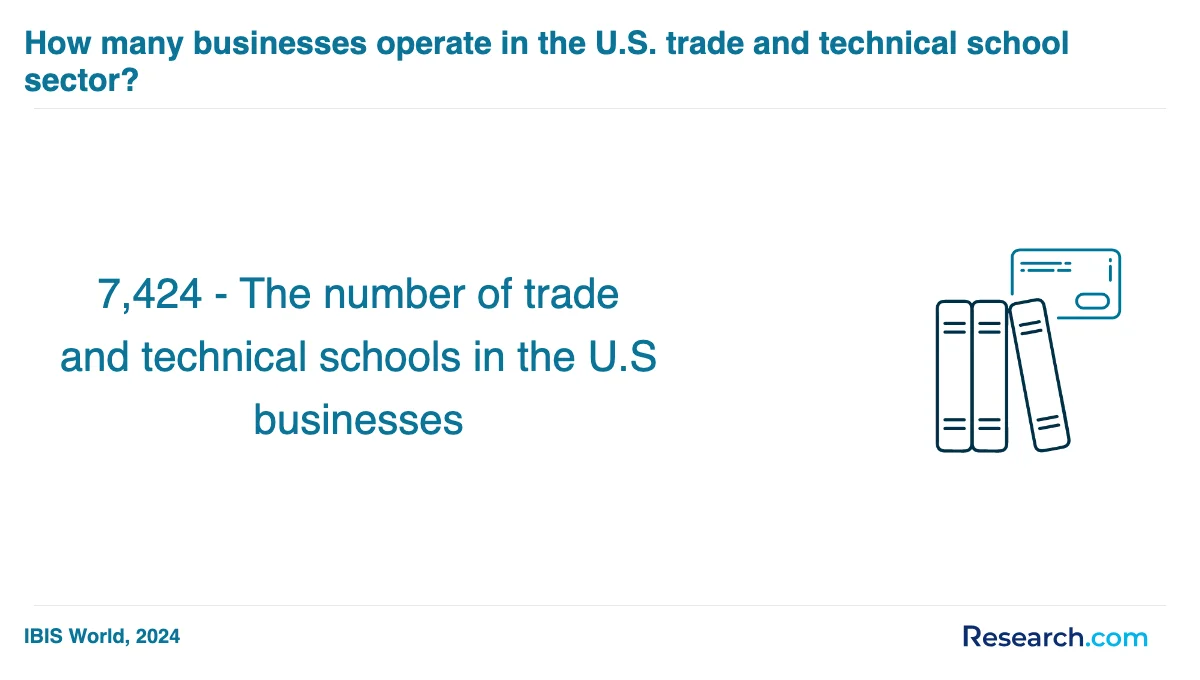
Typical trade school courses in Phoenix are practical, skill-based, and tied to specific job duties. Students usually combine classroom theory with lab work, simulations, supervised practice, safety training, and preparation for industry certifications when relevant.
Common course areas include:
- Automotive service technology: Diagnostics, repair procedures, electrical systems, brake systems, engine performance, and work on domestic and foreign vehicles, including programs offered by schools such as the Arizona Automotive Institute.
- Welding: MIG, TIG, and stick welding techniques, blueprint reading, fabrication, measurement, and safety protocols.
- HVAC: Heating, ventilation, air conditioning, refrigeration fundamentals, installation, troubleshooting, system maintenance, and safety practices.
- Electrician training: Residential and commercial electrical systems, wiring methods, circuits, code awareness, troubleshooting, and jobsite safety.
- Plumbing: Pipe systems, installation, repair, drainage, fixtures, tools, and practical problem-solving.
- Construction trades: Carpentry basics, site safety, measurement, materials, and project workflow.
- Diesel technology: Diesel engines, diagnostics, fuel systems, preventive maintenance, and repair procedures.
- Healthcare support: Medical assisting, dental assisting, clinical procedures, patient communication, billing basics, and administrative skills.
Some programs, such as those at UEI College Phoenix, include healthcare-related training in medical and dental assistant fields, combining clinical and administrative coursework. Other programs focus more heavily on mechanical, construction, or transportation skills.
Students should review the course sequence, lab hours, externship requirements, equipment used, and certification preparation. Small class sizes around 25:1 in Phoenix may support more individual instruction, but students should still ask how much hands-on practice they will receive before graduation.
Phoenix trade schools offer specializations across mechanical, construction, healthcare, aviation, automotive, energy, and technical fields. The right specialization should match both your interests and local employer demand.
Automotive technology and diesel technology are common choices for students who enjoy diagnostics, repair, and mechanical systems. Programs such as those at Universal Technical Institute in Avondale can prepare students to work with vehicles and related technologies used by local employers.
Welding technology is another strong option for students interested in fabrication, construction, manufacturing, and repair. Training typically emphasizes technique, safety, measurement, materials, and real-world practice.
Electrical and electronics technology is also growing in importance. Phoenix-area programs may include training in fire alarms, security systems, mechatronics, maintenance, and related technical systems. Students comparing local and flexible options can review Research.com information on cheapest online electrician training.
Other available specializations include construction trades such as carpentry, plumbing, and HVAC, often through fast-paced programs at institutions such as the Arizona Automotive Institute. Healthcare support and aviation maintenance also provide career-focused routes for students who want specialized technical preparation.
When choosing a specialization, confirm whether it leads to an entry-level job, an apprenticeship, a certification exam, or a licensing pathway. A program name alone is not enough; the curriculum should map clearly to the job requirements in Arizona.
The best trade school program in Phoenix is the one that connects your career goal with credible training, reasonable cost, strong outcomes, and the support needed to finish. Start by identifying the exact job you want, then work backward to the credential, certification, license, or apprenticeship pathway required for that job.
Accreditation should be one of the first checks. Recognized accreditation can affect instructional quality, employer confidence, transfer options, and financial aid eligibility. For healthcare and nursing-related programs, agencies such as the Commission on Collegiate Nursing Education may be relevant depending on the credential.
Program outcomes are equally important. Ask schools for graduation rates, job placement rates, certification exam pass rates, employer partners, and typical starting wages. If a school cannot explain how graduates move from training into work, compare it carefully with other options.
Students who work or have family responsibilities should compare schedule flexibility. Evening, weekend, accelerated, online, and hybrid options can make completion more realistic. However, avoid choosing convenience over adequate hands-on training, especially in fields that require labs, clinical practice, tools, or supervised safety procedures.
Cost should be evaluated as total cost, not just tuition. Institutions such as Arizona College of Nursing may provide scholarships and financial aid advisors, but students should still review net price, loan amounts, repayment obligations, and additional fees. Students interested in emerging energy fields may also compare options such as affordable solar technician certification online.
Checklist for comparing Phoenix trade schools
- Is the school accredited, and is the specific program approved for the credential you need?
- Does the curriculum prepare you for required certification, licensing, or apprenticeship steps?
- How much hands-on training is included?
- What is the total cost, including tools, supplies, fees, and exams?
- What financial aid is available, and how much would you need to borrow?
- What are the program’s completion, placement, and exam pass rates?
- Which employers hire graduates?
- Can the schedule realistically fit your work, transportation, and family commitments?
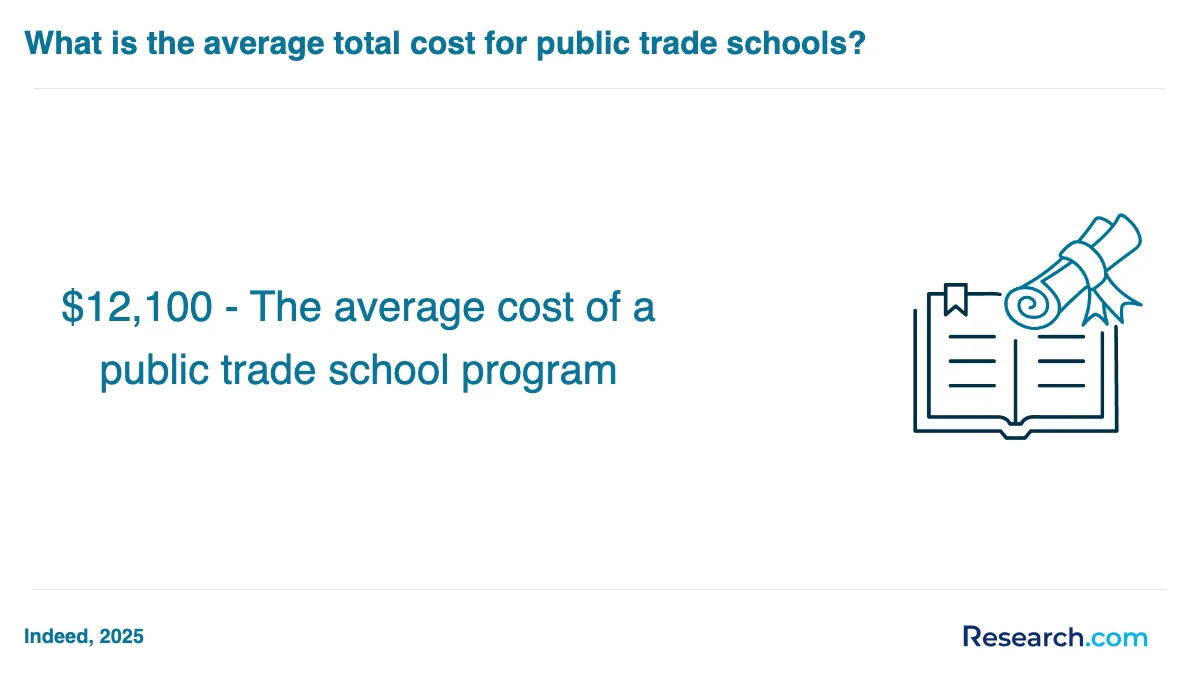
Trade school graduates in Phoenix can pursue career paths in skilled trades, healthcare support, automotive technology, manufacturing, clean energy, logistics, aviation maintenance, and building services. The strongest options are usually those connected to Phoenix’s construction growth, healthcare needs, advanced manufacturing expansion, and transportation economy.
Construction-related skilled trades remain a major pathway. Graduates may work as electricians, plumbers, HVAC technicians, welders, general laborers, maintenance workers, or construction support specialists. Employers such as Sundt and apprenticeship pathways supported by the Arizona Builders Alliance can provide practical entry points. With experience, workers may move into supervisory, inspection, estimating, or independent contracting roles.
Healthcare support roles are another common outcome. Graduates may become medical assistants, dental assistants, billing and coding specialists, or healthcare technicians. These roles can offer a relatively short training period and a direct route into clinics, hospitals, dental offices, and outpatient care settings.
Advanced manufacturing and clean energy also create opportunities. Companies such as Taiwan Semiconductor and First Solar may need workers trained in semiconductor fabrication support, equipment maintenance, production systems, or solar technology installation. Automotive technology, welding, and diesel mechanics remain practical choices as well, supported by programs at institutions such as the Arizona Automotive Institute and GateWay Community College.
Students who want flexible or business-oriented training can also explore options beyond traditional shop-based trades, including most affordable online freight broker training programs.
The job market for Phoenix trade school graduates is supported by growth in construction, manufacturing, healthcare, clean energy, and technical services. Demand is especially visible in skilled trades jobs in Phoenix Arizona, including electricians, HVAC technicians, welders, plumbers, and related roles needed for infrastructure, housing, commercial development, and facility maintenance.
Employers such as Sundt and Kitchell may recruit certified or well-trained workers for construction and technical roles. Graduates with hands-on skills, safety training, reliability, and certification preparation are often better positioned for entry-level hiring and advancement.
Manufacturing is another important sector, with major employers such as TSMC and First Solar contributing to demand for workers in production, maintenance, electronics, equipment troubleshooting, and clean-energy-related roles. Statewide projections reinforce the favorable demand for trade school graduates in Phoenix, showing over 1,100 new manufacturing jobs annually.
Several factors support the job outlook:
- Population and business expansion increasing labor demand.
- Projected 30% industry growth fueled by infrastructure projects and retirements.
- Healthcare adding 27,000 jobs statewide by 2026, with many technical roles fitting trade credentials.
- A relatively low 4.1% unemployment rate as of June 2025.
Students should still be realistic: job outcomes vary by program, credential, employer demand, and individual performance. To improve employment prospects, choose a program with strong career services, employer relationships, documented placement outcomes, and preparation for any required exams or licensing steps. Students who want a shorter route into the workforce can also compare high paying 6 month certificate programs offered locally or online.
Best Trade School & Training Programs - Leading Certification Courses in Phoenix for 2026
# 1 position
GateWay Community College - Diagnostic Medical Sonography/Sonographer and Ultrasound Technician.
associateThe Diagnostic Medical Sonography/Sonographer and Ultrasound Technician program at GateWay Community College offers a hybrid format combining in-person and distance education. The program prepares students to use medical ultrasound for diagnosing various conditions, covering patient care, sonographic data processing, and equipment operation. Accredited by the Higher Learning Commission, the program charges an annual in-state tuition of $2,358. Graduates earn a median salary of $63,579 one year after completion.
# 2 position
GateWay Community College - Diagnostic Medical Sonography/Sonographer and Ultrasound Technician.
certificate or diplomaGateWay Community College offers a Diagnostic Medical Sonography/Sonographer and Ultrasound Technician program with a hybrid format, including some distance education options. The program prepares students to use medical ultrasound techniques for diagnosing various conditions under physician supervision. Tuition for in-state students is $2,358 annually. Graduates earn a median salary of $63,579 one year after completion. The program is accredited by the Higher Learning Commission.
# 3 position
Phoenix College - Business Administration and Management, General.
associatePhoenix College offers a Business Administration and Management, General program with a hybrid format that includes some distance education options. The program prepares students to manage and control organizational functions through courses in management theory, human resources, accounting, logistics, marketing, and business decision-making. Annual in-state tuition is $2,358. Graduates have a median earning of $56,057 one year after completion. The program is accredited by the Higher Learning Commission.
# 4 position
GateWay Community College - Computer and Information Sciences, General.
associateGateWay Community College offers a Hybrid program in Computer and Information Sciences, General, emphasizing computing, computer science, and information systems. The program is accredited by the Higher Learning Commission. Annual in-state tuition is $2,358. This program provides some distance-education options to accommodate different learning preferences. It is a general program not specialized in specific computer science or information science fields.
# 5 position
GateWay Community College - Information Technology.
associateGateWay Community College offers a hybrid Information Technology program that emphasizes designing technological information systems for business and research needs. The curriculum covers computer hardware and software, algorithms, databases, telecommunications, user tactics, application testing, and human interface design. The program is accredited by the Higher Learning Commission, with an annual in-state tuition of $2,358.
# 6 position
GateWay Community College - Computer Science.
associateGateWay Community College offers a Computer Science program in a hybrid format, combining in-person and distance education. The curriculum covers computer theory, problem-solving, system design, and user interfaces with a scientific approach. Students learn computational science principles, programming, and practical applications. The annual in-state tuition is $2,358. The program is accredited by the Higher Learning Commission.
# 7 position
GateWay Community College - Computer Systems Networking and Telecommunications.
associateGateWay Community College offers a hybrid program in Computer Systems Networking and Telecommunications focused on designing, implementing, and managing linked computer systems and software. The program prepares students to work as network specialists and managers, covering operating systems, systems design, networking theory, security, and troubleshooting. The annual in-state tuition is $2,358. The program is accredited by the Higher Learning Commission.
# 8 position
GateWay Community College - Computer and Information Systems Security/Auditing/Information Assurance.
associateGateWay Community College offers a fully online program in Computer and Information Systems Security/Auditing/Information Assurance. The curriculum prepares students to assess security needs, recommend safeguards, and manage security systems and audits. Key topics include computer architecture, programming, networking, cryptography, law, risk assessment, and troubleshooting. The program is accredited by the Higher Learning Commission. Annual in-state tuition is $2,358.
# 9 position
GateWay Community College - Court Reporting and Captioning/Court Reporter.
associateGateWay Community College offers a fully online Court Reporting and Captioning/Court Reporter program. The curriculum prepares students to accurately record and transcribe legal proceedings using print or electronic methods. Instruction covers legal terminology, shorthand, equipment operation, and professional ethics. The program is accredited by the Higher Learning Commission, with an annual in-state tuition of $2,358.
# 10 position
GateWay Community College - Criminal Justice/Safety Studies.
associateGateWay Community College offers a hybrid Criminal Justice/Safety Studies program that covers the criminal justice system, including criminal law, policy, police and correctional systems, and the judiciary. The program emphasizes public attitudes toward criminal justice issues and the administration of justice. Annual in-state tuition is $2,358. The program is accredited by the Higher Learning Commission, providing students with a solid educational foundation in this field.
Frequently Asked Questions about trade school programs
After completing a trade school program in Phoenix, preparing for the job market involves several practical steps. First, graduates should obtain relevant certifications or licenses applicable to their field, as these credentials often boost employability in trades like HVAC, electrical work, or welding. According to the Arizona Office of Economic Opportunity, the construction and skilled trades sectors are expected to grow by 11% through 2030, highlighting strong demand for qualified workers.
Networking within local industry groups and attending job fairs can increase connections with employers. Additionally, creating a clear, skills-focused resume and seeking internships or apprenticeships offer valuable hands-on experience. Utilizing Phoenix-based workforce centers and online job platforms tailored to trade careers can also improve job placement chances.
Employers in Phoenix highly value both technical and soft skills in trade school graduates. According to a 2023 report by the Arizona Department of Economic Security, proficiency in practical skills such as electrical work, HVAC repair, and welding ranks among the most sought-after technical abilities.
Alongside technical expertise, communication skills and problem-solving are critical. Employers emphasize the ability to work independently and as part of a team, reflecting a national trend highlighted by the National Skills Coalition.
Time management and adaptability also stand out as key attributes, especially in Phoenix's rapidly growing construction and manufacturing sectors. Certifications, such as OSHA safety training, further enhance employability in local trade markets.
Finding internships in Phoenix that align with your trade school program begins with utilizing local resources. Many trade schools have career services departments that connect students with employers offering internships. Engaging with these offices can provide direct leads tailored to your field.
Additionally, online platforms such as Indeed and Glassdoor list numerous internship opportunities in Phoenix's key industries like construction, healthcare, and information technology. According to the Greater Phoenix Economic Council, these sectors have grown by over 10% in recent years, increasing internship availability.
Networking through local trade organizations and job fairs can further enhance your chances of securing relevant placements. The Arizona Department of Economic Security also offers programs and listings specifically targeting internships for vocational students.
A trade school diploma in Phoenix significantly enhances career mobility and advancement opportunities within local industries. According to the Arizona Department of Education, graduates with trade certificates often experience faster job placement, particularly in construction, healthcare, and automotive sectors, which dominate Phoenix's economy.
Employers in the region value practical skills validated by a diploma, frequently leading to higher starting wages and promotions over peers without formal training. Data from the U.S. Bureau of Labor Statistics shows that certified skilled workers in Phoenix can earn up to 20% more than those without credentials.
Moreover, trade school graduates benefit from strong networks and apprenticeships connected to local businesses, which facilitate upward mobility. These connections are crucial in Phoenix's competitive job market, helping individuals transition into supervisory or specialized roles more efficiently.
Part-time job opportunities in Phoenix can effectively complement trade school education by providing practical experience and income. Many students find roles in construction, electrical work, and automotive repair-fields that align closely with common trade programs. According to the Arizona Office of Economic Opportunity, the Phoenix metropolitan area shows robust demand for skilled labor, with part-time wages averaging $15 to $20 per hour in these sectors.
Retail and hospitality jobs also offer flexible schedules valuable for students attending classes. Additionally, apprenticeships and internships through local unions and companies provide hands-on training while earning a paycheck. These positions help students build resumes and professional networks within their trades.
To choose the best degree program near Phoenix, AZ, start by identifying your career goals and educational interests, which will help narrow down suitable programs. Research.com is a valuable resource to explore and compare programs, allowing you to evaluate academic offerings, faculty, and campus facilities of universities both near me and specifically near Phoenix, AZ. Additionally, consider factors such as tuition costs, scholarship opportunities, and partnerships with local industries that might support your professional development.
- Best Trade School & Training Programs - Leading Certification Courses in Los Angeles for 2026
- Best Trade School & Training Programs - Leading Certification Courses in Kyle for 2026
- Best Trade School & Training Programs - Leading Certification Courses in Walla Walla for 2026
- Best Trade School & Training Programs - Leading Certification Courses in Emporia for 2026
- Best Trade School & Training Programs - Leading Certification Courses in Springfield for 2026
- Best Trade School & Training Programs - Leading Certification Courses in Little Rock for 2026
- Phoenix Trades Education Center | Carrington College https://carrington.edu/location/phoenix-tec/
- The Difference Between Trade School and College | University of Phoenix https://www.phoenix.edu/blog/trade-school-vs-college-key-differences-job-opportunities.html
- Arizona Trade School | AAI Career Technical Training Programs https://www.aai.edu/programs/