
Best Trade School & Training Programs - Leading Certification Courses in Long Island City for 2026

Co-Founder and Chief Data Scientist
If you're considering trade schools in Long Island City for 2026, this article is designed to guide you through your options. Choosing the right program can open doors to a rewarding career with hands-on skills and certification.
The article features a trade school programs ranking created by the Research.com team of data scientists. This ranking helps you make an informed choice about which schools and programs deserve your attention.
Reading this will empower you with valuable insights to confidently pursue a diploma or certification that fits your goals and aspirations.
Key benefits of finishing trade school programs trade school in Long Island City
- Expected Salary: Trade school graduates in Long Island City can earn competitive salaries, with many making between $55,200 and $89,200 annually, and top earners reaching over $109,000, especially in fields like electrical, plumbing, and HVAC.
- Popular Career Paths: Graduates from local schools such as Berk Trade & Business School find success in trades like construction management and skilled labor, with median incomes rising over time and strong employment rates.
- Online Learning Benefits: Completing a trade school diploma online offers flexibility and convenience, allowing students to balance work and study, often leading to successful employment while saving time and commuting costs.
- Best Trade School & Training Programs - Leading Certification Courses in Long Island City for 2026
- What can I expect from trade school programs trade schools in Long Island City?
- Where can I work after finishing trade school programs trade schools in Long Island City?
What can I expect from trade school programs trade schools in Long Island City?
The average cost of a trade school program in Long Island City typically ranges between $10,000 and $20,000, depending on the length and specialization of the course. Graduates of local schools often describe the investment as worthwhile, given the intensive, hands-on training they receive. For example, students completing a 900-hour program at Apex Technical School share how the seven-month experience equipped them with skills directly applicable to entry-level jobs without the burden of a lengthy college timeline.
Many recall the accessible location as a major advantage, making daily commutes less stressful and saving time and money. The modern equipment and focused curriculum are frequently praised, as graduates felt confident stepping into careers in automotive technology, HVAC, or plumbing without a steep learning curve on the job.
This balance of cost, accessibility, and practical training creates a rewarding environment where students feel supported and ready to thrive in New York's dynamic skilled trades market.
Where can I work after finishing trade school programs trade schools in Long Island City?
Graduates from trade school programs in Long Island City step directly into a vibrant job market where hands-on skills are highly valued. Many find rewarding careers with construction companies and property management firms, tackling real projects like electrical work, plumbing repairs, or HVAC installations in bustling NYC neighborhoods. One graduate from Apex Technical School shares how soon after completing their program, they secured a position with a local hospital's maintenance team, gaining both stability and pride in contributing to the community's well-being.
Union apprenticeship programs also open doors for ambitious tradespeople, offering structured training and clear advancement paths in specialized fields such as structural steel or drywall finishing. These programs often lead to long-term careers where experience translates to higher wages and respect in the industry.
Others leverage their experience to become instructors at schools like Apex, sharing their craft with new learners while staying connected to their trade. For many, these diverse paths in Long Island City reflect not just jobs, but fulfilling careers built on skill, growth, and tangible impact.
After finishing a trade school program in Long Island City, many graduates find themselves earning a compelling average annual salary of $73,463. Imagine starting your career earning roughly $35.32 per hour, which translates to about $1,412 a week-enough to cover rent and still enjoy the vibrant city life. Some newcomers initially see around $29,539, but many quickly grow beyond that as they gain experience.
Graduates of popular trades such as electrician, HVAC technician, and medical assistant often share stories of moving from modest beginnings to six-figure earnings within a few years. One graduate from a renowned local trade school recalls moving into their first apartment in Long Island City within months of graduation, encouraged by the growing demand for skilled labor.
Ranges vary broadly, with most earning between $55,200 and $89,200, while top performers with certifications and advanced skills in skilled trades surpass $100,000. These figures frequently outpace the city's median salary of $65,000, proving trade school is a viable path to financial independence amid Queens' bustling economy.
- Applicants usually need to be 17 or 18 years old and have a high school diploma or GED, with some flexibility for adult learners.
- The admissions process includes an interview, application, transcripts, and sometimes placement tests in reading, writing, and math.
- Program lengths vary from three to four years depending on the trade, with options for day, night, or hybrid schedules.
- The average cost ranges from $10,000 to $25,000, and some apprenticeship programs offer paid on-the-job training.
- Starting salaries for graduates are typically between $35,000 and $50,000, with experienced professionals earning $60,000 to $80,000 annually.
Completing a trade school program in Long Island City often feels like a fast track to a new career, especially for those eager to start working quickly. Many students at Apex Technical School find themselves finishing programs such as Automotive Service and Repair in just 7 to 8 months. This program breaks down 900 hours into manageable 150-hour segments, making the commitment feel attainable and structured.
Others drawn to hands-on trades, like Combination Welding Technology, experience flexible pacing, often completing courses within a few months depending on their schedules. Graduates often recall how the condensed timeline helped them stay motivated without feeling overwhelmed.
For those who prefer earning while learning, apprenticeships at places like the Finishing Trades Institute of New York stretch over several years-3 to 4 years for Structural Steel painters or Glaziers-but combine classroom time with paid work, adding real-world experience that many find deeply rewarding.
Ultimately, Long Island City trade schools cater to diverse needs with day and night classes, empowering students to balance life and learning while advancing confidently toward their goals.
The key difference between online and on-campus trade school programs in Long Island City lies in how you experience the learning journey. For instance, graduates of on-campus programs often recall the hands-on labs and direct interaction with instructors as invaluable, especially in fields like HVAC or medical assisting where physical skills matter. The ability to ask questions face-to-face and practice on real equipment creates a sense of confidence that many students cherish.
On the other hand, online programs appeal to working adults and busy parents who value flexibility. Graduates from online schools like Kaplan College Online appreciate being able to study at their own pace without the stress of commuting, fitting classes around their personal schedules. Though they miss some hands-on training, the convenience and accessibility often outweigh this, especially when paired with virtual discussions and video chats that keep them connected.
Hybrid programs in Long Island offer a balanced alternative, blending online lectures with essential on-campus labs, which many find ideal for combining flexibility with practical experience.
The average trade school tuition in Long Island City generally falls between $12,900 and $15,500 per academic year, reflecting the broader New York State trend. Graduates from popular vocational programs often recall the balance of manageable tuition alongside the invaluable hands-on experience they gained. While tuition fees cover core costs, many students quickly realize that additional expenses like books, supplies, and sometimes specialized equipment are essential investments. One graduate remembers budgeting carefully to cover these costs without compromising their study experience in a top trade school in Long Island City.
Students looking into Long Island City vocational program cost breakdowns should also factor in housing expenses. Living in this bustling New York area adds $12,000 to $18,000 annually, significantly affecting total program cost. A recent student shared how navigating these living costs required strategic planning, yet their commitment to completing the program was fueled by the promising career prospects post-graduation. The total expenses can range from $31,000 to $44,000, encompassing tuition and living costs, aligning with national averages.
Many schools offer a federal Net Price Calculator, a tool that was crucial for one graduate to estimate accurate out-of-pocket costs and identify financial aid opportunities. For those considering affordable options, resources like cheap online hvac training provide alternatives that lower upfront expenses without sacrificing quality education.
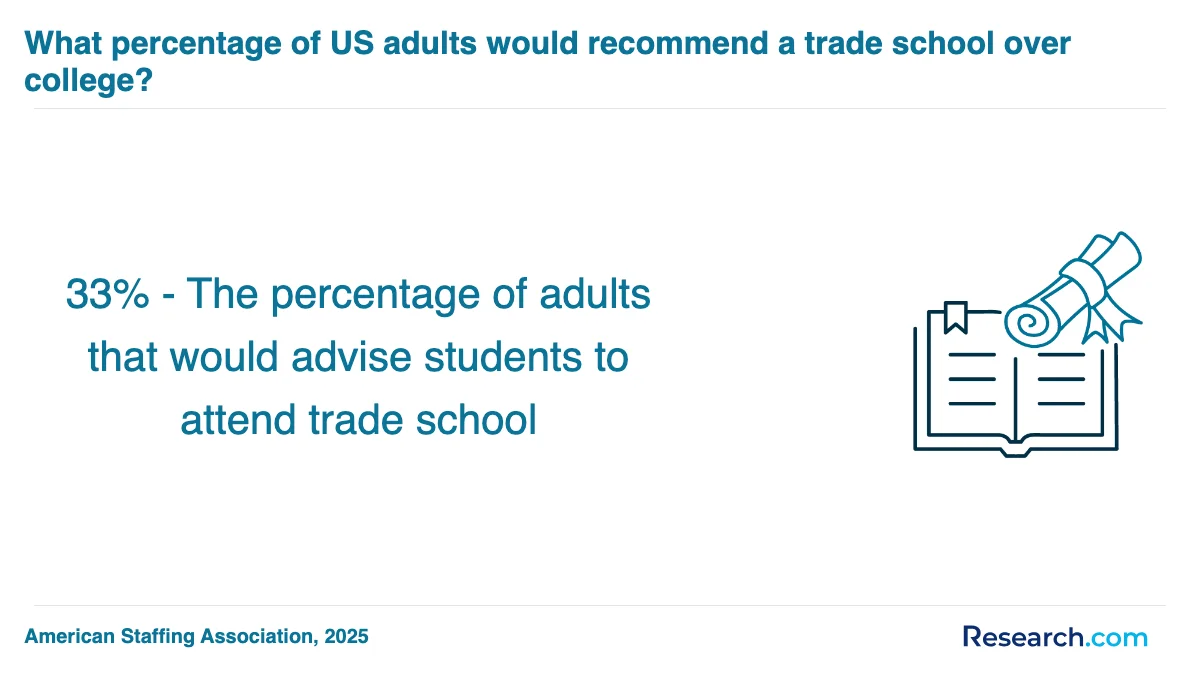
Trade school students in Long Island City commonly tap into the Federal Student Aid program to help cover costs. Completing the FAFSA each year is a key step, unlocking access to grants, loans, and work-study options. Many graduates recall the relief of receiving federal grants that eased the financial burden while attending schools like Apex Technical School.
New York State's Tuition Assistance Program (TAP) offers another crucial lifeline, with grants ranging from $1,000 to over $5,600 depending on income and family situation. Students juggling part-time jobs and classes find TAP especially valuable, as they see tangible support directly linked to their efforts and local ties.
Scholarships targeting Long Island residents add a hopeful dimension. For instance, those applying for the Whelan Foundation Scholarship have unlocked up to $20,000 yearly, transforming dreams into reality. Other scholarships celebrate diversity and community connection, giving motivated learners further motivation.
Trade schools often provide personalized counseling to demystify financial aid. Students frequently share how one-on-one sessions helped them navigate aid packages, explore alternative loans, and build manageable payment plans. This guidance fosters confidence and a clear path forward amid financial uncertainty.
Enrolling in a trade school program in Long Island City often starts with straightforward prerequisites that aim to welcome determined learners. Most schools, like Apex Technical School, require applicants to be at least 17 years old. Graduates often recall that being just shy of 18 meant securing parental consent, a simple but necessary step that opened doors to hands-on training right away.
Commonly expected is a high school diploma or GED. Yet, many schools offer flexibility: students without a diploma can enroll as non-matriculated learners, earning credits toward equivalency through coursework-a lifeline for those eager to advance despite unconventional backgrounds.
Proof of identity and New York residency also matter, especially when applying for in-state tuition or financial aid.
- Some specialized programs, like nursing or electrical trades, require passing entrance exams or completing prerequisite courses in science or math.
- Health clearances and background checks are standard for safety-sensitive fields.
- Advanced standing and credit transfers are available after transcript review and proficiency exams.
This blend of rules and support ensures students arrive prepared, yet motivated, ready to turn ambition into growing expertise in Long Island City's bustling trade industries.

Trade schools in Long Island City offer a variety of hands-on courses designed to jumpstart your career with practical skills. Graduates often talk about the excitement of working directly with tools and technology from day one. Popular programs include:
- Advanced manufacturing and automotive technology, where students get real experience repairing engines or operating heavy machinery like excavators and bulldozers, similar to what the LEARN Center offers.
- Construction trades with training in electrical installation and building techniques, preparing students for immediate workforce entry.
- Culinary arts and hospitality programs at places like Long Island City High School, where graduates take pride in mastering food safety, baking, and restaurant management skills.
- Information technology courses focusing on computer repair, networks, and troubleshooting, perfect for those drawn to the digital economy.
- Creative fields such as TV and film production, where hands-on editing and production classes spark passion for media careers.
- Cosmetology, metalworking, and animal care programs from schools like Wilson Tech, where students gain state-required certifications alongside practical expertise.
These programs are crafted to ensure you leave with industry certifications and confidence, ready to thrive in Long Island City's evolving job market.
Trade schools in Long Island City offer an array of specializations tailored to equip students with hands-on skills that immediately translate into jobs. Graduates from automotive service programs often share how repairing engines and diagnosing brake issues prepared them for the strong local demand, with the city forecasting over 54,000 automotive technician jobs by 2030. Students in electrical and advanced electrical technology appreciate learning to manage complex systems like fiber optics and security alarms, making their skills highly sought after by both residential and commercial employers.
Others pursuing specialties such as plumbing and pipefitting describe mastering blueprint reading and safety codes that boosted their confidence entering NYC's dynamic construction market. Construction and building skills graduates recount real-world projects involving drywall, carpentry, and painting that helped them thrive in fast-paced renovation sites.
Many also emphasize finishing trades like glazing or structural steel painting, appreciating how those multi-year programs prepare them for high-rise infrastructure roles. Meanwhile, health tech students highlight accredited programs in Licensed Practical Nursing and diagnostic sonography that open doors in one of the city's most stable sectors.
Choosing among these options means exploring trade school programs that pay well and align with Long Island City's robust economy.
Choosing the best trade school program in Long Island City starts with focusing on your career goals and the trades that spark your passion. Graduates from Aviation High School often recall how hands-on FAA-approved courses and mandatory shop work gave them confidence and practical skills that made job hunting less daunting. Meanwhile, those who attended Berk Trade and Business School appreciate its accreditation and focused curriculum, which helped them fast-track into the workforce with recognized credentials.
When deciding how to choose a trade school in Long Island City, consider the value of graduation rates and career support services. Students who completed programs with strong job placement and resume coaching consistently report feeling prepared and optimistic about their futures. Cost and schedule flexibility also weigh heavily on decisions-especially for working adults balancing family and finances. Long Island City schools offer varied tuition and program lengths; for instance, Berk Trade's short programs at $13,200 demonstrate a commitment to accelerated learning.
If you're interested in affordable options, exploring resources like cheapest carpentry training online can reveal flexible pathways that complement local opportunities in Long Island City.

Trade school career opportunities in Long Island City unlock a wide spectrum of rewarding paths tuned to local demand. Graduates often find themselves stepping confidently into union-supported construction roles-carpentry, electrical, plumbing, and HVAC are staples, thanks to programs like Opportunities Long Island that blend classroom know-how with hands-on training. Many grads share stories of apprenticeships leading directly to union jobs, providing both financial security and skill mastery.
Healthcare is another fertile ground. Graduates equipped through vocational schools embark on careers as medical assistants, dental hygienists, and pharmacy technicians. Those coming from Long Island City High School's CTE programs find their culinary arts and hospitality skills increasingly valuable in hospital kitchens and care facilities.
In the thriving digital and business sectors, trade schools keep pace with evolving demands-offering courses in IT support, web design, and business management. These programs groom students for roles in technical support and small business operations with clear upward trajectories.
- Automotive repair specialists service local vehicles with precision and confidence.
- Media production students confidently enter NYC's vibrant entertainment industry.
- Hospitality grads manage bustling events, hotels, and restaurants.
Many of these avenues hinge on mastering specific vocations, such as completing the best hvac online course with certificate, which students in Long Island City pursue eagerly to tap into the in-demand skilled trades Long Island City offers.
The trade school job opportunities in Long Island City are robust, with graduates from well-known schools like Apex Technical School consistently finding roles in electrical work, plumbing, welding, and automotive repair. Many new graduates share stories of quickly securing apprenticeships or entry-level technician roles, thanks to the hands-on skills and certifications they've earned. These real-life experiences highlight a positive employment outlook fueled by ongoing urban development and infrastructure projects.
Local employers highly value practical training, and schools often maintain strong ties with unions and companies, which helps graduates transition smoothly into the workforce. The Long Island City skilled trades employment outlook is bright, with nearly 200 open positions ranging from electricians to maintenance technicians as of early 2025.
Apprenticeships combine paid on-the-job training with classroom learning, allowing graduates to build career momentum. Exploring what trades will be in demand in the future can further guide students in choosing high-potential paths.
- Extensive job placement support boosts confidence
- Programs aligned with growing NYC sectors such as healthcare and IT
- Ongoing city projects ensure steady demand for skilled workers
Best Trade School & Training Programs - Leading Certification Courses in Long Island City for 2026
# 1 position
CUNY LaGuardia Community College - Physical Therapy Assistant.
associateThe Physical Therapy Assistant program at CUNY LaGuardia Community College is offered in a hybrid format, combining on-campus and distance education. It prepares students to assist physical therapists by implementing treatment plans, training patients, and conducting interventions. Coursework covers anatomy, physiology, biomechanics, neuroscience, and professional ethics. The program is accredited by the Middle States Commission on Higher Education. Annual in-state tuition is $5,218, and median earnings one year after completion are $40,463.
# 2 position
CUNY LaGuardia Community College - Legal Assistant/Paralegal.
associateThe Legal Assistant/Paralegal program at CUNY LaGuardia Community College offers a hybrid format, combining in-person and distance education. It prepares students to perform legal research, drafting, and administrative functions under attorney supervision. The program includes instruction in courthouse procedures and legal specializations. Annual in-state tuition is $5,218. Graduates have median earnings of $36,358 one year after completion. The program is accredited by the Middle States Commission on Higher Education.
# 3 position
CUNY LaGuardia Community College - Business Administration and Management, General.
associateCUNY LaGuardia Community College offers a fully online Business Administration and Management, General program. It prepares students to plan, organize, direct, and control business functions, covering management theory, human resources, accounting, purchasing, marketing, and decision-making. The program is accredited by the Middle States Commission on Higher Education. Annual in-state tuition is $5,218. Median earnings of graduates one year after completion are $29,953.
# 4 position
CUNY LaGuardia Community College - Veterinary/Animal Health Technology/Technician and Veterinary Assistant.
associateCUNY LaGuardia Community College offers a program in Veterinary/Animal Health Technology/Technician and Veterinary Assistant. The curriculum prepares students to assist veterinarians and animal health professionals in patient care, clinical procedures, and owner communication. Instruction covers animal nursing, health, nutrition, handling, clinical pathology, radiology, anesthesiology, surgical assisting, and office administration. The program's annual in-state tuition is $5,218 and it is accredited by the Middle States Commission on Higher Education.
# 5 position
CUNY LaGuardia Community College - Tourism and Travel Services Management.
associateThe Tourism and Travel Services Management program at CUNY LaGuardia Community College offers a hybrid format with some distance-education options. It prepares students to manage travel-related enterprises and convention or tour services. Coursework covers travel agency management, event planning, tourism marketing, travel law, and industry operations. The program’s annual in-state tuition is $5,218, and median earnings one year after completion are $27,031. It is accredited by the Middle States Commission on Higher Education.
# 6 position
Apex Technical School - Heating, Air Conditioning, Ventilation and Refrigeration Maintenance Technology/Technician.
certificate or diplomaThe Heating, Air Conditioning, Ventilation and Refrigeration Maintenance Technology/Technician program at Apex Technical School prepares students to repair, install, service, and maintain HVAC and refrigeration systems. This hybrid program covers diagnostic techniques, testing equipment, and principles of mechanics, electricity, and electronics. Graduates earn a median salary of $36,136 one year after completion. The program is accredited by the Accrediting Commission of Career Schools and Colleges.
# 7 position
CUNY LaGuardia Community College - Criminal Justice/Law Enforcement Administration.
associateCUNY LaGuardia Community College offers a Criminal Justice/Law Enforcement Administration program with a hybrid format, including some distance education. The program prepares students to manage public law enforcement agencies through courses in leadership, law enforcement history, labor relations, and budgeting. Annual in-state tuition is $5,218. Graduates have median earnings of $25,515 one year after completion. The program is accredited by the Middle States Commission on Higher Education.
# 8 position
Apex Technical School - Automobile/Automotive Mechanics Technology/Technician.
certificate or diplomaApex Technical School offers a hybrid program in Automobile/Automotive Mechanics Technology/Technician that prepares students to repair, service, and maintain various automobile systems. The curriculum covers brake systems, electrical systems, engine performance and repair, suspension and steering, transmissions, and heating and air conditioning systems. Graduates have median earnings of $30,036 one year after completion. The program is accredited by the Accrediting Commission of Career Schools and Colleges.
# 9 position
CUNY LaGuardia Community College - Computer Science.
associateThe Computer Science program at CUNY LaGuardia Community College offers a hybrid format with some distance-education options. It emphasizes computer theory, problem-solving, and system design from a scientific perspective. Instruction covers computational science principles, programming, and practical applications. The annual in-state tuition is $5,218. Graduates have a median earning of $24,888 one year after completing the program. The program is accredited by the Middle States Commission on Higher Education.
# 10 position
New York School for Medical and Dental Assistants - Dental Assisting/Assistant.
certificate or diplomaThe Dental Assisting/Assistant program at New York School for Medical and Dental Assistants is a hybrid course preparing students to provide patient care, take dental radiographs, and assist dentists and hygienists. Instruction includes office duties, scheduling, equipment maintenance, sterilization, radiography, chairside assisting, and supervised practice. Graduates earn a median salary of $28,538 one year after completion. The program is accredited by the Accrediting Commission of Career Schools and Colleges.
Frequently Asked Questions about trade school programs
Preparing for the job market after completing a trade school program in Long Island City involves several important steps. First, graduates should actively engage in internships or apprenticeships during their studies, as these provide practical experience highly valued by local employers. According to the Bureau of Labor Statistics, about 7% of trade school graduates in New York City secure jobs through such hands-on training opportunities.
Additionally, obtaining industry-recognized certifications can significantly boost employability. Skills in electrical work, plumbing, HVAC, and automotive repairs are in demand within Long Island City's growing industrial and service sectors. Networking with local trade unions and businesses also enhances job prospects. Career services offered by Long Island City trade schools often include resume workshops and job placement assistance tailored to the city's labor market.
Employers in Long Island City value trade school graduates who demonstrate strong technical skills and hands-on experience relevant to their fields. According to the U.S. Bureau of Labor Statistics, skills in areas like electrical work, HVAC maintenance, and welding are highly sought after due to local industry demands.
Beyond technical knowledge, soft skills such as problem-solving, communication, and teamwork rank high. A 2023 survey by the National Association of Colleges and Employers found that 80% of employers emphasize these qualities when hiring.
Time management and adaptability also play critical roles, especially as construction and manufacturing sectors evolve.
Finding internships in Long Island City related to your trade school program involves several strategic steps. Begin by leveraging your school's career services, as many trade schools maintain partnerships with local businesses offering internships. According to the New York State Department of Labor, Long Island City's growing industrial and tech sectors present increasing opportunities for hands-on training.
Networking is another crucial approach. Attend local job fairs, industry meetups, and trade associations to connect with potential employers. Online platforms like local community job boards and the NYC Department of Small Business Services can also list relevant internship openings.
Additionally, contacting nearby companies directly with a well-prepared resume can uncover unadvertised internships. Persistence and personalized applications often yield positive results in this competitive market.
A trade school diploma in Long Island City can significantly impact career mobility and advancement. According to the New York State Department of Labor, industries like construction, electrical, and HVAC show faster job growth than the national average. Completing a trade program equips students with practical skills directly aligned with local employer needs, often leading to quicker job placement.
Graduates typically earn higher entry-level wages compared to those with only a high school diploma. For example, median incomes for trade-certified workers in Queens exceed $50,000 annually, according to the U.S. Bureau of Labor Statistics. This economic benefit supports upward social mobility for many residents.
Moreover, trade school diplomas frequently serve as a foundation for career advancement through apprenticeships, certifications, and union membership, which are prominent in the Long Island City labor market. Employers value hands-on experience and specialized credentials, which enable graduates to access supervisory roles and higher-paying positions more rapidly.
Part-time job opportunities in Long Island City that complement trade school education often align with the specific skills students develop during their programs. For those enrolled in fields like electrical work, HVAC, or plumbing, apprenticeships or entry-level technician roles provide practical experience alongside classroom learning. According to the New York State Department of Labor, these positions can pay between $15 and $25 per hour, depending on employer and expertise.
Retail and customer service jobs in nearby commercial districts offer flexible hours, helping students maintain income while studying. Additionally, administrative assistant roles in local businesses help students build organizational skills relevant to many trades.
Long Island City's rapid growth supports demand for construction labor and general maintenance work, ideal for students in building trades. The U.S. Bureau of Labor Statistics notes that part-time construction workers in the NYC metro area often transition into full-time careers after gaining initial experience.
To find the best degree program near Long Island City, NY, start by identifying your field of interest and checking local colleges or universities that offer strong programs in that area. Utilize resources like Research.com to compare program rankings, faculty credentials, and alumni outcomes to ensure you're selecting a high-quality education. Additionally, attending open houses and speaking with admissions counselors at institutions near me will provide valuable insights into their offerings and learning environment.
- NYC Trade School Programs | Apex Technical School https://apexschool.com/programs/
- Learn A Trade - SUNY https://www.suny.edu/trades/
- What Is a Trade School? Benefits of Career-Focused Training https://intercoast.edu/articles/what-is-a-trade-school/
- The top six career and technical schools https://nypost.com/2015/09/27/the-top-six-career-and-technical-schools/
- Front | Opportunities Long Island https://opportunitieslongisland.org/
- Career Skills & Workforce Training - LaGuardia Community College https://www.laguardia.edu/ce/career-skills-training/
- Finishing Trades Institute Of New York Apprenticeship – District Council 9 NY – IUPAT Painters & Allied Trades https://www.districtcouncil9.net/ftiny/


