
Best Trade School & Training Programs - Leading Certification Courses in Grand Island for 2026

Co-Founder and Chief Data Scientist
Choosing the right trade school in Grand Island can shape your future career and open doors to rewarding opportunities. This article introduces a trade school programs ranking developed by the Research.com team of data scientists to help you navigate your options with confidence.
By exploring these carefully researched programs, you’ll discover which schools offer quality education and valuable certifications. Earning a diploma or certification can boost your skills, increase job prospects, and provide a strong foundation for success in today’s workforce.
Take this step toward a brighter future with information designed for you.
Key benefits of finishing trade school programs trade school in Grand Island
Getting a trade school diploma in Grand Island can lead to great earnings, like Medical Lab Technicians making up to $138,200 annually and Career and Technical Education teachers earning up to $91,860 per year. Popular career paths include medical lab technology, respiratory therapy, and technical education roles, all in strong demand locally. Many students benefit from online trade school programs, which offer flexibility and convenience while still providing quality training, allowing graduates to balance work, family, and study more easily compared to traditional on-campus classes.
- Best Trade School & Training Programs - Leading Certification Courses in Grand Island for 2026
- What can I expect from trade school programs trade schools in Grand Island?
- Where can I work after finishing trade school programs trade schools in Grand Island?
What can I expect from trade school programs trade schools in Grand Island?
The average cost of a trade school program in Grand Island typically reflects affordability, designed to support quick entry into the workforce without overwhelming debt. Many programs at Central Community College and Joseph's College Cosmetology range from a few thousand to under $15,000, depending on the length and specialization. Graduates often highlight that financial aid options and flexible payment plans helped ease the burden.
Students appreciate how small class sizes and hands-on training enable practical skill development without the cost of lengthy degrees. One graduate in welding shared how completing a program in under two years allowed them to start earning around $27,100 annually soon after. Another who studied cosmetology found that the 15-month program's clear curriculum and internship opportunities made the financial investment worthwhile.
Overall, students value the manageable workload and accessible admissions, noting that the cost is balanced by strong connections to local employers in healthcare, construction, and IT. The affordability combined with supportive instruction makes trade schools in Grand Island a smart, pragmatic choice to fast-track career goals.
Where can I work after finishing trade school programs trade schools in Grand Island?
Graduates from trade schools in Grand Island often find rewarding careers in healthcare, manufacturing, construction, and public services. Many health science program completers secure positions at local facilities like St. Francis Medical Center as licensed practical nurses, medical assistants, or phlebotomists. These roles offer steady work in hospitals, clinics, and nursing homes, providing immediate employment with competitive wages. Graduates from manufacturing-related schools frequently land jobs as welders, machine operators, or quality control technicians, benefiting from paid apprenticeships offered by regional companies. This pathway proves particularly appealing for those who enjoy hands-on work and technical challenges.
Trade school alumni focusing on construction trades report positive experiences working with local contractors or starting small businesses, especially in carpentry, HVAC, and electrical fields. With Grand Island's growing infrastructure projects, these skills are in constant demand. Others trained in IT or maintenance often join school districts or government offices as support technicians or administrative assistants, gaining stable, community-focused careers. These outcomes reflect Grand Island's diverse job market and low unemployment, making trade school a practical choice for building a secure future.
After finishing a trade school program in Grand Island, graduates typically start with salaries ranging from $40,000 to $55,000 depending on their chosen trade. For example, many who train as electricians or HVAC technicians at popular local trade schools see their earnings steadily climb to between $60,000 and $70,000 within a few years of experience. This reflects the growing demand for skilled workers in these fields around Grand Island.
Graduates from programs focusing on education-related trades, including those aiming to become Career/Technical Education Teachers, report starting salaries near $45,400, with potential to earn up to $91,860 as they gain experience. Those entering the Grand Island Public Schools system generally make about $46,947 beginning out, with averages rising to nearly $69,000 according to recent data.
Many trade school grads share stories of quick job placements and salary increases fueled by hands-on skills learned through practical, in-person training at well-known Grand Island institutions. The clear upward pay trajectory makes trade school a smart, financially practical choice for establishing a stable career locally.
- Trade school programs in Grand Island typically last from a few months up to two years, with the largest program taking about 15 months and having a 60% graduation rate.
- In-state tuition at Central Community College averages around $2,700 per year, while out-of-state students pay about $4,050 annually.
- Central Community College has a 100% acceptance rate, with both campus and online course options, and nearly half of students choose online classes.
- Popular fields include business, welding, HVAC, healthcare, cosmetology, paralegal studies, medical assisting, and electrical technology.
- The average starting salary for graduates is approximately $27,100 per year, with many programs tailored to meet local job market needs.
Trade school programs in Grand Island typically take between 9 and 24 months to complete, depending on the credential and field of study. Many students appreciate that certificate programs, focused on immediate job skills, can be finished in under a year, allowing them to start working quickly. For instance, those attending Central Community College often complete technical certificates in about 9 to 12 months, which fits well for students eager to enter the workforce without delay.
Diploma programs usually span 12 to 18 months, providing a solid balance of practical and theoretical training. Graduates from Joseph's College Cosmetology, where the average program length is 15 months, frequently share how the focused curriculum helped them gain confidence and find jobs soon after finishing.
Associate degrees, requiring around two years full-time, are ideal for students wanting a broader education while still developing trade skills. While part-time options exist, most full-time students in Grand Island complete their programs in two years or less, reflecting the city's strong emphasis on efficient, career-ready training.
Online trade school programs in Grand Island offer the flexibility to study from home or anywhere with internet access. Graduates often mention how this allowed them to balance work and family commitments while pursuing certificates or associate degrees in fields like allied health or business administration through schools such as Central Community College. Many appreciate being able to set their own study schedule without the pressure of fixed class times.
On-campus programs, on the other hand, provide hands-on training that is essential for trades like HVAC or welding. Graduates often describe the value of in-person labs and workshops where they gained practical skills alongside direct interaction with instructors and peers. Attending classes on campus in Grand Island means regular face-to-face support and access to resources like campus events that can enhance learning and networking.
Ultimately, the difference lies in how you manage time and learning style-online suits those needing flexibility, while on-campus offers immersive, structured experiences favored by students seeking hands-on practice and community engagement.
The average trade school cost in Grand Island varies primarily based on residency status and program length. At Central Community College, a prominent local choice, in-state tuition and fees are about $2,700 annually, making it an affordable option compared to the state average of roughly $18,925 per year. Graduates often describe a sense of relief and satisfaction knowing they could pursue skilled trades without overwhelming debt. These lower tuition and fees for Grand Island trade schools enable students to focus more on learning valuable skills rather than stressing over finances.
Beyond tuition, there are additional expenses such as books and materials, which generally fall between $500 and $1,000 per program. Student fees can add another $500 to $1,000. Many who completed their programs mention budgeting carefully for these costs but also note that local scholarships and financial aid available help ease the burden considerably. These financial supports reflect the state's commitment to making trade education accessible.
When considering the total cost of a trade school program in Grand Island, students typically spend between $15,000 and $35,000 depending on program duration and their tuition status. For those exploring low cost online cosmetology programs or other trades, this range is manageable and offers practical pathways to careers with strong local demand.

Trade school students in Grand Island can access several financial aid options that make pursuing their careers more manageable. Most start by completing the FAFSA, unlocking eligibility for federal grants like the Pell Grant, which helped a recent diesel tech graduate cover tuition without adding debt. Those with exceptional need may qualify for the FSEOG, providing additional grant money that students at local technical colleges have found invaluable for supplies and fees.
State and community scholarships also play a big role. For example, Skilled Trades Scholarships from the Grand Island Community Foundation have supported carpentry students each year with $500 awards, easing their financial burden. Likewise, Nebraska residents pursuing trade programs can benefit from the Sowers Club Scholarship, offering up to $1,000 annually-something a recent welding graduate highlighted as a key aid source.
Furthermore, local scholarships like those from the Lincoln Community Foundation and Grand Island Public Schools Foundation put hundreds of thousands of dollars within reach, supporting various trades like HVAC and electrical work. For parents funding education, Direct PLUS loans offer an option to cover remaining costs, with clear fixed rates, allowing families to plan ahead without surprises.
To enroll in a trade school program in Grand Island, the main prerequisite is having a high school diploma or GED equivalent. Graduates from programs like Central Community College (CCC) often recall how straightforward it was to apply with this basic qualification. CCC's open admissions policy means nearly everyone who meets this requirement can start their application without stress.
Applicants should be ready to submit:
- Official high school transcripts.
- If applicable, official college transcripts from dual-credit or previous college courses for transfer credit consideration.
Some career paths, especially in healthcare or technical fields, ask for extra steps-like finishing specific math or science classes or proving technical skills. For example, Nursing or Paramedicine programs at CCC require additional criteria, ensuring students are fully prepared for hands-on training.
International students must show English proficiency with tests like TOEFL, plus financial support documents. This thorough, yet accessible process makes embarking on one of Grand Island's 30+ career and technical programs a positive, achievable goal.

Trade school programs in Grand Island focus on practical skills that lead directly to employment in key local industries. For example, Central Community College offers a wide range of career-focused programs covering areas like welding, electrical technology, HVAC, and medical assisting. Graduates mention how their hands-on training combined with classroom instruction prepared them well for the workforce from day one.
Students interested in personal services often choose Joseph's College Cosmetology, where courses in cosmetology, esthetics, and instructor training provide a strong foundation. One graduate shared that the 15-month cosmetology program's mix of technique and creativity helped boost confidence and job readiness.
Additional popular programs in Grand Island include:
- Business administration
- Paralegal studies
- Allied health sciences
Many students appreciate that these programs, typically lasting one to two years, allow them to quickly start or advance careers with relevant certifications and practical experience that local employers value.
Trade school programs in Grand Island offer a variety of specializations that align well with both local job markets and broader industry trends. Graduates from Central Community College frequently highlight the practical skills gained in Automotive Mechanics, Welding, and Business Support Services, fields that keep local businesses running smoothly and provide steady work opportunities.
Healthcare-focused programs, including Emergency Services, Healthcare Support, and Sports Medicine/Therapy, prepare students for immediate employment in hospitals and clinics, addressing the growing regional demand for health professionals. Students training in these areas often share stories of hands-on patient care during their education, which builds confidence and job readiness.
Technical sciences like Construction, Manufacturing, Engineering, Information Technology, and Alternative Energy provide crucial skills for evolving industries. For example, alternative energy students gain knowledge that matches shifting priorities toward sustainability, a key factor in many new job trades.
Creative and service-oriented fields at Joseph's College Cosmetology-such as Cosmetology, Esthetics, and Instructor Training-equip students for rewarding careers in personal care, often completed in about 15 months.
Emerging areas such as Aviation Technician, Agribusiness, Architecture & Design, Law & Public Safety, and Multimedia Production add valuable diversity for students seeking unique career paths.
Exploring all options can help you find a pathway that fits your goals in Grand Island. For a comprehensive overview of viable careers, consider checking out job trades that are in demand today.
Choosing the best trade school program in Grand Island means focusing on programs that align with your career goals and personal circumstances. Graduates from Central Community College often praise the variety of 37 technical and academic transfer programs available, which provides options whether you want healthcare, business, or specialized trades like fire safety training. These flexible offerings can fit different schedules and commitments, making it easier to balance education with work or family life.
Accreditation matters greatly for employers and licensing boards. Graduates from Joseph's College Cosmetology highlight how the accredited programs, with roughly 15-month lengths and a 60% graduation rate, helped them step confidently into their careers. When comparing schools in Grand Island, also consider graduation rates and job placement services to ensure your investment pays off quickly and effectively.
Financial factors are crucial. Some students reduce costs by joining programs like the Career Scholars Cooperative Education Program at Wayne State College, which offers scholarships plus paid work experience. If affordability is a top priority, explore low cost freight broker classes online that can complement your training plans. Weigh these elements carefully when searching for the best trade school programs in Grand Island.
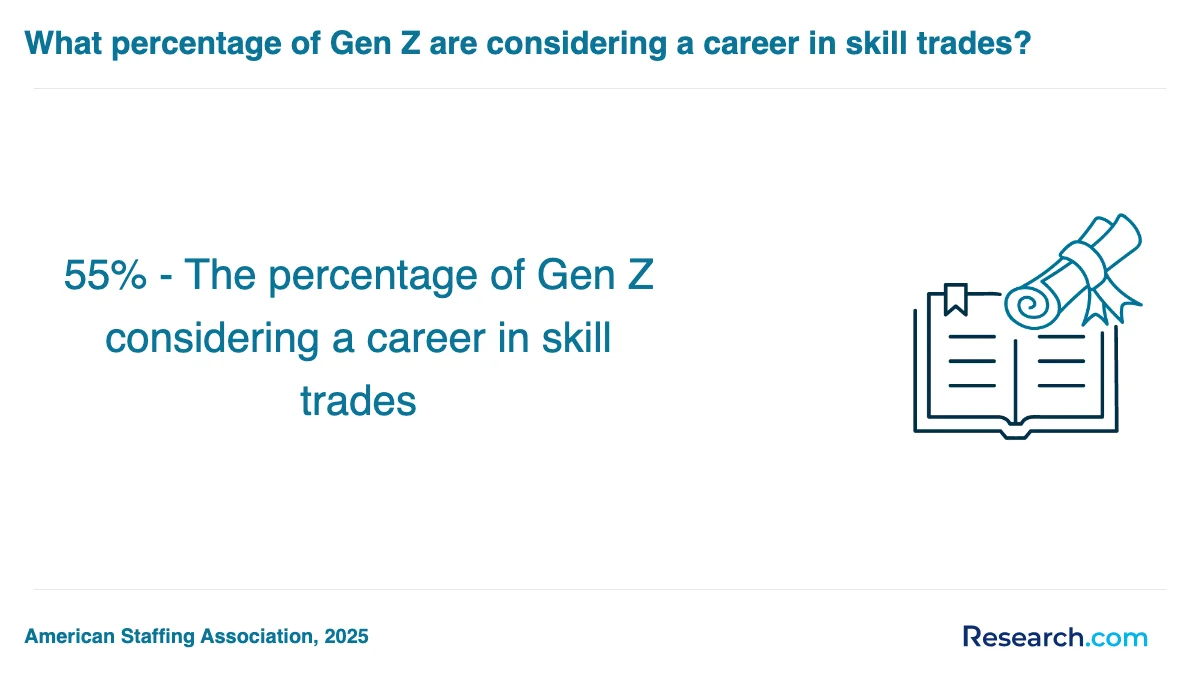
Trade school graduates in Grand Island have access to a variety of career opportunities that match both local industry needs and personal interests. Healthcare roles such as medical assistants, nursing aides, and pharmacy technicians are in steady demand, supported by Central Community College's extensive healthcare programs. Graduates often describe the strong community support and immediate job prospects that come with these positions.
High-demand skilled trades careers Grand Island include welding, manufacturing, automotive technology, and construction. These fields benefit from targeted certificate and associate degrees designed with input from local employers, ensuring graduates are workforce-ready within 1-2 years. Many students who completed these programs secured roles quickly due to the city's thriving manufacturing sector.
Business, IT, and communications careers also draw graduates, especially those trained at the Career Pathways Institute, which offers hands-on experience suited for small and large employers alike. Personal services such as cosmetology and esthetics are popular too, with programs like Joseph's College Cosmetology producing graduates eager for flexible work in salons and spas. Students exploring automotive options can consider auto mechanic certification programs that are well-regarded locally.
The job market for trade school graduates in Grand Island is strong due to close collaboration between educational institutions and local employers. Graduates from Central Community College, a popular trade school in Grand Island, often find job opportunities quickly in healthcare, skilled trades, and technology sectors. Many graduates share that completing certificate programs allowed them to enter the workforce within one to two years, gaining practical skills that employers actively seek.
Hands-on learning experiences through initiatives like the Career Pathways Institute provide invaluable work-based training and internships, making students more competitive upon graduation. This direct involvement with businesses helps ensure that Grand Island skilled trades employment outlook remains positive.
For students balancing work and study, Central Community College's flexible online options enable completion of programs without sacrificing income, boosting confidence in career advancement. Additionally, scholarships from local organizations support those pursuing these in-demand trade careers.
Overall, trade school graduates in Grand Island benefit from a strong support network and employer connections, enhancing job opportunities for trade school graduates in Grand Island. For those exploring flexible learning paths, consider the best vocational trade online programs that complement Grand Island's offerings.
Best Trade School & Training Programs - Leading Certification Courses in Grand Island for 2026
# 1 position
Central Community College - Dental Assisting/Assistant.
associateCentral Community College offers a fully online Dental Assisting/Assistant program designed to prepare students for patient care, dental radiography, and office administrative tasks under professional supervision. The curriculum covers medical record-keeping, scheduling, equipment maintenance, sterilization, radiography, chairside assisting, and patient care. The program’s annual in-state tuition is $3,360, and graduates earn a median salary of $53,860 one year after completion. It is accredited by the Higher Learning Commission.
# 2 position
Central Community College - Dental Assisting/Assistant.
certificate or diplomaCentral Community College offers a fully online Dental Assisting/Assistant program that prepares students to provide patient care, take dental radiographs, and perform office administrative tasks under supervision. The curriculum includes instruction in medical record-keeping, equipment maintenance, chairside assisting, and supervised practice. The program is accredited by the Higher Learning Commission, with an annual in-state tuition of $3,360 and median earnings of $53,860 one year after completion.
# 3 position
Central Community College - Electrician.
associateCentral Community College offers a hybrid Electrician program designed to prepare students to install, operate, maintain, and repair electric apparatus and systems in residential, commercial, and industrial settings. The curriculum includes instruction on electronics, wiring, power transmission, safety, job estimation, testing, inspection, and relevant codes. The program’s annual in-state tuition is $3,360, and it is accredited by the Higher Learning Commission.
# 4 position
Central Community College - Electrician.
certificate or diplomaCentral Community College offers a hybrid Electrician program that prepares students to install, operate, maintain, and repair electrical systems in residential, commercial, and industrial settings. The curriculum covers electronics principles, wiring, power transmission, safety, electrical testing, and applicable codes. The program is accredited by the Higher Learning Commission. Annual in-state tuition is $3,360, providing a cost-effective option for technical training in this field.
# 5 position
Central Community College - Automobile/Automotive Mechanics Technology/Technician.
associateCentral Community College offers a hybrid program in Automobile/Automotive Mechanics Technology/Technician that prepares students to repair, service, and maintain various automobiles. The curriculum covers brake systems, electrical systems, engine performance and repair, suspension and steering, transmissions, and heating and air conditioning systems. The program’s annual in-state tuition is $3,360. Graduates earn a median salary of $46,758 one year after completion. The program is accredited by the Higher Learning Commission.
# 6 position
Central Community College - Automobile/Automotive Mechanics Technology/Technician.
certificate or diplomaThe Automobile/Automotive Mechanics Technology/Technician program at Central Community College prepares students to repair, service, and maintain all types of automobiles. This hybrid program covers brake systems, electrical systems, engine performance and repair, suspension and steering, transmissions, and heating and air conditioning. The annual in-state tuition is $3,360. Graduates earn a median salary of $46,758 one year after completion. The program is accredited by the Higher Learning Commission.
# 7 position
Central Community College - Criminal Justice/Safety Studies.
associateCentral Community College offers a Criminal Justice/Safety Studies program focusing on the criminal justice system, its organizational components, and legal and public policy contexts. The curriculum includes criminal law and policy, police and correctional systems organization, administration of justice, the judiciary, and public attitudes toward criminal justice issues. The program’s annual in-state tuition is $3,360. It is accredited by the Higher Learning Commission.
# 8 position
Central Community College - Heating, Air Conditioning, Ventilation and Refrigeration Maintenance Technology/Technician.
associateCentral Community College offers a Hybrid Heating, Air Conditioning, Ventilation and Refrigeration Maintenance Technology/Technician program. It trains students to repair, install, service, and maintain HVAC and refrigeration systems using technical knowledge and diagnostic techniques. The curriculum covers mechanics, electricity, and electronics related to these systems. The annual in-state tuition is $3,360. The program is accredited by the Higher Learning Commission.
# 9 position
Central Community College - Industrial Mechanics and Maintenance Technology/Technician.
associateCentral Community College offers a hybrid Industrial Mechanics and Maintenance Technology/Technician program that prepares students to repair and maintain industrial machinery and equipment, including cranes, pumps, engines, motors, and conveyor systems. The program is accredited by the Higher Learning Commission. Annual in-state tuition is $3,360, providing an affordable option for technical education with some distance-education flexibility.
# 10 position
Central Community College - Heating, Air Conditioning, Ventilation and Refrigeration Maintenance Technology/Technician.
certificate or diplomaCentral Community College offers a Hybrid program in Heating, Air Conditioning, Ventilation and Refrigeration Maintenance Technology/Technician. The curriculum prepares students to repair, install, service, and maintain HVAC and refrigeration systems using diagnostic techniques and testing equipment. Instruction covers mechanics, electricity, and electronics principles relevant to these systems. The program’s annual in-state tuition is $3,360 and it is accredited by the Higher Learning Commission.
Frequently Asked Questions about trade school programs
Preparing for the job market after completing trade school in Grand Island involves practical steps tailored to local industry demands. Graduates should focus on building strong resumes that highlight their hands-on skills and certifications. Networking with local employers through job fairs and trade associations in Grand Island can open doors to employment opportunities.
According to the Nebraska Department of Labor, trades such as welding, HVAC, and electrical work show steady employment growth around Grand Island, with job openings expected to increase by 5% over the next decade.
Obtaining relevant licenses and certifications, such as OSHA safety training, can improve a candidate's competitiveness. Additionally, leveraging career services offered by trade schools, including interview preparation and apprenticeship placements, can enhance readiness for the workforce.
Employers in Grand Island consistently seek trade school graduates with a blend of technical expertise and strong soft skills. According to the Nebraska Department of Labor, proficiency in hands-on skills such as welding, electrical work, and HVAC systems ranks highly due to local industry demands. Additionally, problem-solving abilities and mechanical aptitude are vital for success in these trades.
Communication skills are also frequently emphasized, as many roles require teamwork and clear interaction with clients. Attendance, punctuality, and a strong work ethic remain non-negotiable traits, with employers reporting higher retention rates among graduates demonstrating these qualities. Practical experience gained through internships or apprenticeships often gives candidates a competitive edge.
Finding internships in Grand Island relevant to your trade school program involves several strategic steps. Start by contacting your trade school's career services office, as many local employers collaborate directly with schools to offer internships.
The Grand Island Area Chamber of Commerce lists businesses in key industries such as manufacturing and healthcare, which frequently provide internships suitable for trade students. According to Nebraska Department of Labor data, over 60% of trade students in Grand Island secure internships through local company partnerships.
Additionally, online job platforms and the Nebraska Career Connections website can help locate internship opportunities tailored to your specific trade. Networking events hosted by trade organizations and local business expos also provide valuable connections.
Persistence and proactive outreach to employers in sectors aligned with your program will improve your chances of finding meaningful internships that enhance your skills.
In Grand Island, a trade school diploma can significantly enhance career mobility and advancement. According to data from the Nebraska Department of Labor, occupations requiring vocational credentials often experience faster job placement rates than those needing only a high school diploma.
The diploma certifies practical skills demanded by Grand Island employers in fields like construction, electrical work, and healthcare technology. Graduates typically find opportunities for wage increases and promotions more quickly compared to peers without specialized training.
Moreover, the Grand Island workforce development reports indicate that many local businesses prioritize candidates with trade credentials due to their hands-on experience. This often translates into more stable employment and clearer career pathways within the regional job market.
For residents considering career changes or advancement, trade school diplomas in Grand Island can be an effective tool for gaining relevant skills that meet local demand, supporting long-term professional growth.
Part-time job opportunities in Grand Island that complement trade school education are diverse, especially in fields like automotive repair, construction, and healthcare. Many local employers, such as repair shops and clinics, seek students who bring specialized skills from their training. According to the Nebraska Department of Labor, automotive service technician roles in Grand Island offer part-time positions paying approximately $15 to $20 per hour.
Construction companies hire students part-time for labor and assistant roles, providing hands-on experience relevant to trade programs. Additionally, healthcare facilities often offer part-time positions such as medical assistants or pharmacy aides, aligning with healthcare trade school curricula. These roles help students apply classroom knowledge while earning income.
To find the best degree program near me, one could start by evaluating local educational institutions for their offered programs and reviewing their reputations. Near Grand Island, NE, consider visiting or contacting local colleges and universities to explore their degree offerings and student resources, and Research.com can be a helpful resource in assessing program rankings and reviews. Additionally, engaging with current students and alumni from nearby schools can provide valuable insights into the quality and outcomes of specific programs.
- Best Trade Schools In Nebraska 2024 https://www.accreditedschoolsonline.org/vocational-trade-school/nebraska/
- Automotive students at Career Pathways Institute get hands-on experience https://www.ksnblocal4.com/2021/11/11/automotive-students-career-pathways-institute-get-hands-on-experience/
- How to Gain Vocational Trade Skills through Internships and Volunteering | Volunteer Forever https://www.volunteerforever.com/article_post/how-to-gain-vocational-trade-skills-through-internships-and-volunteering/


