
Best Trade School & Training Programs - Leading Certification Courses in Georgia for 2026

Co-Founder and Chief Data Scientist
Choosing the right trade school in Georgia can open doors to rewarding careers and hands‑on learning. This article helps you navigate your options with a trade school programs ranking developed by the Research.com team of data scientists. Their data‑driven approach ensures you get trustworthy insights on which programs shine.
Whether you’re starting fresh or seeking new skills, a trade school diploma or certification can boost your confidence and job prospects. Reading this guide will empower you to make an informed choice that fits your goals and dreams.
Key benefits of finishing trade school programs trade school in Georgia
- Strong salary potential: Trade school graduates in Georgia can earn between $42,600 and $131,161 annually, depending on the job. High-paying roles include ultrasonographers ($131,161), respiratory therapists ($104,437), and dental hygienists ($99,013), showing great financial opportunity.
- Popular career paths: Graduates often pursue jobs like electricians, plumbers, and wind turbine technicians with salaries from $65,000 to $68,000, or mid-range positions such as boilermakers and industrial mechanics earning up to $74,000, ensuring a wide variety of rewarding options.
- Benefits of online trade school: Online diploma programs offer flexibility to learn at your own pace and balance your studies with work or family. Many online graduates in Georgia report feeling confident and well-prepared for high-demand trades without commuting or relocating.
- Best Trade School & Training Programs - Leading Certification Courses in Georgia for 2026
- What can I expect from trade school programs trade schools in Georgia?
- Where can I work after finishing trade school programs trade schools in Georgia?
What can I expect from trade school programs trade schools in Georgia?
Students enrolling in trade school programs across Georgia typically encounter affordable tuition rates, with some schools offering net prices as low as $1,800 per year. Graduates from well-regarded institutions often share how this accessibility allowed them to focus fully on hands-on training without the financial stress common at traditional colleges. Many programs are designed to be completed in less than two years, appealing to those eager to enter the workforce quickly.
Beyond cost, students can expect a blend of classroom learning and extensive practical experience, often in state-of-the-art labs mimicking real job environments. For example, graduates from campuses offering HVAC or welding programs describe the confidence gained from working with industry-grade equipment before stepping into employment.
Flexible scheduling options, including evening and part-time classes, make it possible for working adults or parents to balance education with life responsibilities. Partnerships with local employers frequently lead to internships and direct job placements afterward, a reality echoed by many trade school alumni who found meaningful work soon after graduation.
Where can I work after finishing trade school programs trade schools in Georgia?
After finishing a trade school program in Georgia, graduates find themselves stepping into a job market ripe with opportunity. Popular programs at schools like Atlanta Technical College and Georgia Piedmont Technical College prepare students for careers that align tightly with the state's workforce demands. Many graduates start as electricians, plumbers, or heavy equipment operators, entering industries where hands-on skills are highly valued. For instance, a recent graduate who trained in construction finds steady work on building projects across Metro Atlanta, benefiting from the region's expanding infrastructure.
Welding programs are another fast track to employment, with Georgia employers actively seeking skilled welders for manufacturing and industrial work. Graduates often share how quickly they moved from classroom training to full-time welding positions, supported by partnerships their schools have with local companies.
Careers as HVAC technicians, diesel mechanics, or commercial truck drivers also shine as practical choices. Many trade school alumni report feeling confident walking into apprenticeships or entry-level roles, thanks to Georgia employers recognizing their "pre-vetted" status. This direct pipeline from trade school to job offers creates a real sense of accomplishment and financial stability early on in their careers.
After finishing a trade school program in Georgia, graduates can expect a range of earnings depending on their field and experience. Many graduates from popular programs in Atlanta or Augusta report starting salaries around $42,600 annually, which offers a solid foundation for those entering less specialized trades.
Those who hone their skills and earn certifications often see their wages climb quickly. For instance, graduates trained in healthcare-related trades like ultrasonography or respiratory therapy have reported salaries exceeding $100,000 per year. This kind of earning power is a reality for many who choose Georgia's accredited trade schools as their launchpad.
Urban areas, particularly Atlanta, mean higher paychecks. Graduates working there commonly see average wages near $64,500, with some reaching close to $96,000. Skilled trades like elevator installation or electrical power line work also offer strong wages in the $80,000 range.
Many graduates share the excitement of moving into stable, well-paying jobs within months of graduation, grateful they made a concrete choice to pursue trade education in Georgia. With clear paths to raises and promotions, trade school can directly translate into financial independence and career growth.
- Applicants generally need a high school diploma, GED, or HiSET, but some programs accept college transcripts or home-school documentation.
- Minimum age to enroll is typically 16 years old, with some programs requiring placement exams like ACCUPLACER or COMPASS instead of SAT/ACT scores.
- Tuition costs range from $3,000 to $5,000 per year, with most programs lasting 12 to 24 months and totaling $6,000 to $10,000.
- Graduates in fields such as healthcare, welding, HVAC, and automotive technology can expect starting salaries between $35,000 and $45,000 per year.
- Some trade schools offer tuition waivers for seniors aged 62 and older and provide job placement support tailored to local workforce needs.
Completing a trade school program in Georgia typically takes anywhere from a few months to two years, depending on the trade and whether you attend full-time or part-time. For instance, many graduates from popular fields like medical assisting or welding finish their programs in less than a year, often around 16 weeks for full-time schedules at schools such as Georgia Trade School. These programs offer an ideal pace for motivated students eager to enter the workforce quickly.
Some students appreciate the flexibility of part-time schedules, which extend programs to about six months, allowing them to balance work and study effectively. More specialized trades like HVAC technicians usually require up to two years, reflecting the advanced skills and certifications involved.
Automotive technician graduates often complete their training in approximately 10 months, benefiting from well-structured curricula that respect their time and career goals. Associate degrees may take the full two years, while certificate options are much quicker.
For many in Georgia, the joy of completing a program within a year or less creates a powerful sense of achievement and readiness for the next career step.
Online trade school programs in Georgia, like those offered by Central Georgia Technical College or Georgia Piedmont Technical College, let students study from anywhere with internet access. Graduates often describe the convenience of fitting coursework around job shifts or family needs, completing lessons at their own pace. However, they also emphasize the discipline needed, as schools like North Georgia Technical College expect students to log in regularly and dedicate at least 15 hours weekly per course.
In contrast, on-campus programs require physically attending classes, labs, and events. Many students appreciate this traditional setup for the hands-on experience and immediate support from instructors and classmates, especially when using specialized equipment. The face-to-face environment at campuses helps students stay focused and engaged-something some find motivating compared to solo online study.
Both formats have their strengths: online offers flexibility and accessibility, ideal for busy adults, while on-campus provides structure and direct interaction. Students in Georgia choose based on what fits their lifestyle and learning preferences best.
The average trade school cost in Georgia can vary substantially depending on whether you attend a public or private institution and the program you choose. For public trade schools, annual tuition typically ranges between $9,500 and $21,000, making these schools a more budget-friendly option for many students. For instance, a graduate from West Georgia Technical College recalls that paying around $4,000 per academic year for full-time enrollment was manageable, especially with the availability of financial aid. These public schools provide quality hands-on training while keeping tuition fees within reach.
Private trade schools in Georgia usually come with a higher price tag, with tuition and fees ranging from roughly $16,500 to $31,500 annually. Graduates from private institutions often mention the advantage of specialized programs and enhanced campus resources that justify these costs. For many, the investment is worth it for the focused career preparation and networking opportunities.
Factors such as program length and specialization also impact Georgia trade school tuition and fees. Short certificate programs cost less overall, but multi-year associate degrees will increase total expenses. Specialized fields like automotive technology or welding can add to the overall price due to equipment needs. It's encouraging that several state financial aid options and scholarships are available, sometimes even covering tuition entirely for qualifying students. Exploring the opportunities in these easy trades to learn that pay well can balance your costs and increase your future earning potential.
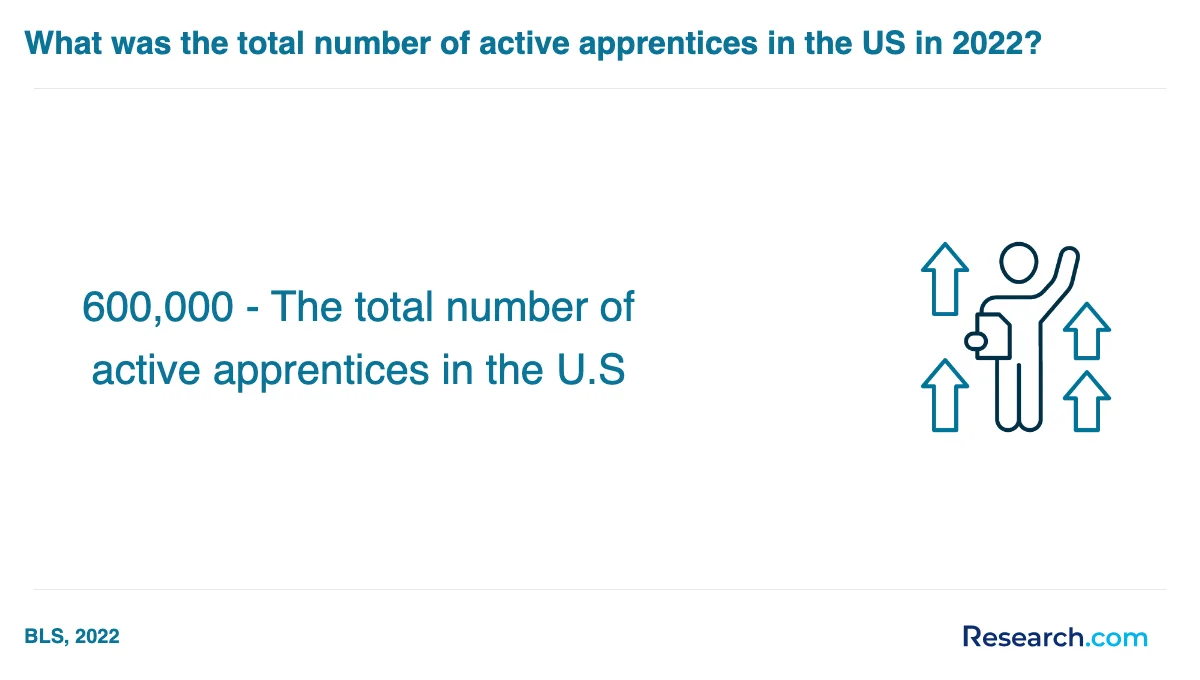
Trade school students in Georgia can access multiple financial aid options that make technical education affordable. Completing the FAFSA is the first step, as it determines eligibility for federal aid like the Federal Pell Grant, which can provide up to $7,395 annually depending on need and enrollment. For those with higher financial need, additional help might come through the Federal Supplemental Educational Opportunity Grant, although funding is limited and first-come, first-served.
State-specific aid is a major plus for Georgia students. The HOPE Grant supports those enrolled in diploma or certificate programs at TCSG schools such as Georgia Piedmont Technical College or Atlanta Technical College, covering up to 30 semester hours of tuition. Students have shared how this relief lets them focus on learning rather than balancing multiple jobs. The ACE Grant, targeting public high school students pursuing approved career paths, covers tuition, fees, and books, easing costs further.
Scholarships tailored to trades like welding or culinary arts are also common, often rewarding commitment and community involvement. Graduates from well-known Georgia trade schools often credit these awards for enabling them to complete their programs debt-free. Additionally, youth from foster care can qualify for the State of Georgia Post-Secondary Tuition Waiver, removing tuition barriers entirely.
To enroll in a trade school program in Georgia, you'll first need to meet the minimum age requirement, which is typically 16 years old. This age limit enables both recent high school graduates and students dually enrolled in high school to start their trade education early. Graduates from popular Georgia technical colleges often recall how starting at 16 gave them a head start without the stress of SAT or ACT scores.
Educational qualifications are straightforward but essential. Most trade schools require a high school diploma or GED. If you completed high school outside the U.S., you'll need an official evaluation of foreign transcripts, which students sometimes find time-consuming but necessary for smooth admission.
Here are some common admission steps you'll likely face:
- Submitting an application along with a non-refundable fee (about $25), which helps secure your spot.
- Providing proof of lawful presence in the U.S., typically a government-issued ID or driver's license.
- Sending official transcripts from high school or any previous colleges attended.
Many graduates recall appreciation for the practicality of no standardized test requirements or minimum GPAs, making access to trade programs more inclusive. For hands-on careers like healthcare or equipment operation, be ready for possible physical exams or immunization proof. This ensures you're prepared for real-world responsibilities you'll face during training.

Trade school programs in Georgia typically focus on practical, hands-on training that prepares you for in-demand jobs quickly. You'll find a variety of courses tailored to local industries, making your skills highly relevant in the job market. Graduates of Fortis College in Smyrna, for example, have successfully stepped into roles as HVAC technicians or welders thanks to programs designed around real-world applications like installation, repair, and industrial manufacturing.
Popular courses you can expect include:
- Skilled trades such as HVAC, welding, and industrial maintenance, which combine technical knowledge with hands-on practice.
- Healthcare paths like Medical Assisting, Dental Assisting, Radiologic Technology, and Medical Office Administration, focusing on both clinical skills and administration for doctors' offices and clinics.
- Technical programs in precision manufacturing, information technology, and electrical work, often supported by state grants to make learning affordable.
At schools like UEI Stone Mountain, students appreciate completing healthcare diplomas in 10 months while gaining lab experience that mirrors actual workplace conditions. North Georgia Technical College offers a broad spectrum of courses, giving you the flexibility to match your interests with growing sectors from engineering to transportation. By choosing a program structured around employer needs, you're setting yourself up for steady employment right after graduation.
Trade school programs in Georgia encompass a wide range of practical specializations designed to meet local industry demands. Graduates from schools like Southern Crescent Technical College often highlight hands-on training in fields such as Welding and Joining Technology, Automotive Technology, and Diesel Equipment Technology. These areas prepare students for careers repairing trucks, heavy machinery, or emergency power generators with credentials recognized statewide.
Healthcare trade programs at institutions like Fortis College in Atlanta equip students for vital roles in Dental Hygiene, Medical Assisting, Radiologic Technology, and Medical Office Administration, helping them secure jobs in clinics or hospitals across Georgia. Similarly, Athens Technical College offers certifications in Electrical Construction Systems Technology, EMT training, and Pest Control Technician, which many graduates find immediately employable.
Many students appreciate the diversity of choices available, including less traditional specialties such as Culinary Arts-where prospective chefs can explore an affordable online baking and pastry certificate program-and Audio/Video Technology & Film. This breadth ensures you can find a path that's both engaging and aligned with Georgia's workforce needs.
Start by focusing on the specific trade you want to pursue in Georgia, whether it's automotive repair, healthcare, or skilled construction. Graduates from popular colleges in Georgia often share that selecting a program with strong employer partnerships made their job search easier and more rewarding. Accreditation matters too; attending an accredited school ensures you receive quality education and keeps federal financial aid options open. Many students who looked into how to compare trade school programs in Georgia emphasize checking graduation and job placement rates to feel confident about their investment.
Program length and flexibility should fit your life. Some trade schools offer evening or weekend classes, which recent graduates appreciate when balancing work and family. Financial considerations are key-public technical colleges in Georgia sometimes offer lower tuition, plus scholarships for veterans or military families. For those searching options online, you can explore cheap maintenance technician training online, helping you widen your choices without leaving home.
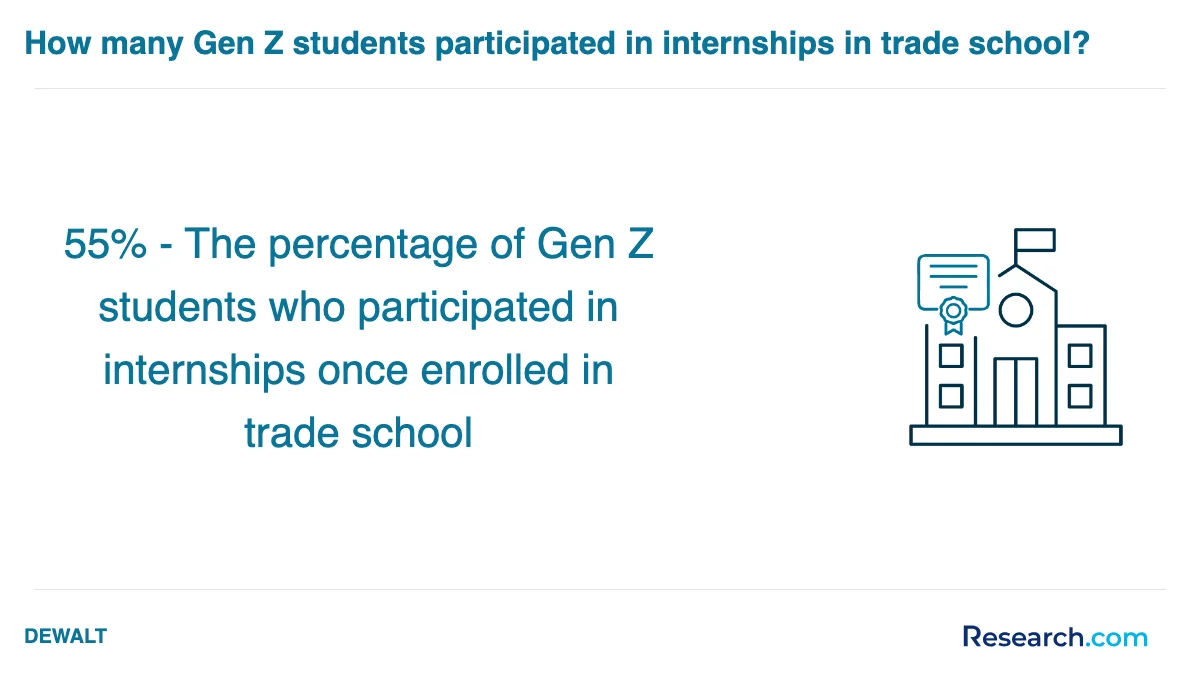
Trade school graduates in Georgia have a wealth of career opportunities that align closely with the state's booming industries. Skilled trades jobs in Georgia cover a broad spectrum, from construction and welding to electrical work and HVAC. Many graduates from Georgia's respected technical colleges quickly step into roles as electricians, plumbers, welders, and HVAC technicians, benefiting from hands-on training that mirrors the demands of local employers. One graduate shared how their program's practical focus made it easy to transition into a stable construction career supported by the state's ongoing development projects.
Career opportunities for trade school graduates in Georgia also thrive in commercial truck driving, healthcare support such as medical and dental assistants, and expanding IT fields. Students in popular trade schools gain certifications useful for jobs as network administrators and technical support specialists. For those drawn to automotive careers, programs in automotive technology and diesel repair prepare students for rewarding positions. Many find success through routes like trade schools for auto mechanics.
- Residential and commercial construction worker
- Structural and pipe welder
- Long-haul or regional truck driver
- Medical or dental assistant
- IT support and network administrator
- Automotive and diesel technician
Graduates consistently highlight the confidence gained from real-world projects undertaken during their studies, which translates into high job placement rates statewide. This practical experience combined with Georgia's growing market ensures that graduating students are well-positioned to pursue secure and fulfilling careers in the skilled trades jobs in Georgia.
The job market for trade school graduates in Georgia is thriving, thanks to the state's strong economic growth and infrastructure investments. Graduates from popular trade schools often find themselves quickly snapped up by employers seeking skilled tradespeople in construction, electrical work, and welding. Many graduates share how hands-on training and employer partnerships gave them a clear advantage in securing jobs immediately after finishing their programs. The current job outlook for skilled trades in Georgia is bolstered by projects like the Savannah Harbor Expansion and $1.5 billion in highway upgrades, creating thousands of new openings for trades like electricians, HVAC technicians, and heavy equipment operators.
Trade school students in Georgia benefit from programs that closely align with industry needs, including:
- Direct collaboration with local employers for internships and job placements
- Training in high-demand areas such as commercial truck driving and diesel technology
- Life skills and certification courses embedded within curricula
These factors contribute to a strong demand for trade school graduates in Georgia, with many entering well-paid fields offering stable growth and job security.
For those interested in starting a trade career, several schools provide affordable online certificate programs in home repair, blending flexibility with practical learning.
Best Trade School & Training Programs - Leading Certification Courses in Georgia for 2026
# 1 position
Augusta Technical College - Electrician.
associateAugusta Technical College offers a hybrid Electrician program that prepares students to install, operate, maintain, and repair electrical systems, including residential, commercial, and industrial wiring. The curriculum covers electronics principles, safety, electrical testing, and applicable codes. In-state tuition is $4,022 annually. Graduates earn a median salary of $67,147 one year after completion. The program is accredited by the Southern Association of Colleges and Schools Commission on Colleges.
# 2 position
Augusta Technical College - Electrician.
certificate or diplomaThe Electrician program at Augusta Technical College offers hybrid learning to prepare students for installing, operating, maintaining, and repairing electrical systems in residential, commercial, and industrial settings. The curriculum covers electronics, wiring, power transmission, safety, and electrical codes. Annual in-state tuition is $4,022. Graduates have median earnings of $67,147 one year after completion. The program is accredited by the Southern Association of Colleges and Schools Commission on Colleges.
# 3 position
Oconee Fall Line Technical College - Electrician.
certificate or diplomaThe Electrician program at Oconee Fall Line Technical College offers hybrid learning to prepare students for installation, operation, maintenance, and repair of electric apparatus and systems in residential, commercial, and industrial settings. The curriculum covers electronics, wiring, power transmission, safety, electrical testing, and applicable codes. Annual in-state tuition is $3,201. The program is accredited by the Southern Association of Colleges and Schools Commission on Colleges.
# 4 position
Oconee Fall Line Technical College - Diagnostic Medical Sonography/Sonographer and Ultrasound Technician.
associateOconee Fall Line Technical College offers a Diagnostic Medical Sonography/Sonographer and Ultrasound Technician program with a hybrid format, including some distance education. Graduates earn a median salary of $60,210 one year after completion. The program trains students to operate sonography equipment and interpret sonographic data under physician supervision. Tuition for in-state students is $3,201 annually. It is accredited by the Southern Association of Colleges and Schools Commission on Colleges.
# 5 position
Georgia Northwestern Technical College - Industrial Mechanics and Maintenance Technology/Technician.
associateGeorgia Northwestern Technical College offers a hybrid Industrial Mechanics and Maintenance Technology/Technician program that prepares students to repair and maintain industrial machinery and equipment such as cranes, pumps, engines, and conveyor systems. The program’s annual in-state tuition is $3,132. Graduates have median earnings of $62,982 one year after completion. It is accredited by the Southern Association of Colleges and Schools Commission on Colleges.
# 6 position
Georgia Northwestern Technical College - Industrial Mechanics and Maintenance Technology/Technician.
certificate or diplomaGeorgia Northwestern Technical College offers a Hybrid Industrial Mechanics and Maintenance Technology/Technician program preparing students to repair and maintain industrial machinery including cranes, pumps, engines, and conveyor systems. The program's in-state tuition is $3,132 annually. Graduates earn a median salary of $62,982 one year after completion. It is accredited by the Southern Association of Colleges and Schools Commission on Colleges, providing technical skills for various industrial equipment maintenance roles.
# 7 position
Southern Crescent Technical College - Allied Health and Medical Assisting Services, Other.
certificate or diplomaSouthern Crescent Technical College offers a hybrid Allied Health and Medical Assisting Services program. The annual in-state tuition is $3,126. Graduates typically earn a median income of $33,676 one year after completing the program. This instructional program covers allied health and medical assisting services not specifically listed elsewhere. It is accredited by the Southern Association of Colleges and Schools Commission on Colleges.
# 8 position
Georgia Northwestern Technical College - Diagnostic Medical Sonography/Sonographer and Ultrasound Technician.
associateGeorgia Northwestern Technical College offers a Diagnostic Medical Sonography/Sonographer and Ultrasound Technician program with a hybrid format, including some distance-education options. The program trains students to perform medical ultrasound techniques under physician supervision to diagnose conditions. It covers patient care, data recording, sonographic processing, and ethical standards. Annual in-state tuition is $3,132. Graduates earn a median salary of $60,744 one year after completion. The program is accredited by the Southern Association of Colleges and Schools Commission on Colleges.
# 9 position
Georgia Northwestern Technical College - Diagnostic Medical Sonography/Sonographer and Ultrasound Technician.
certificate or diplomaGeorgia Northwestern Technical College offers a hybrid Diagnostic Medical Sonography/Sonographer and Ultrasound Technician program designed to train students in medical ultrasound techniques for diagnosing various conditions. The curriculum includes patient care, data integration, sonographic data processing, and equipment operation, following professional standards and ethics. The program is accredited by the Southern Association of Colleges and Schools Commission on Colleges. Annual in-state tuition is $3,132, with median earnings of $60,744 one year after completion.
# 10 position
Georgia Northwestern Technical College - Mammography Technology/Technician.
certificate or diplomaGeorgia Northwestern Technical College offers a Hybrid Mammography Technology/Technician program that prepares registered radiographers to become registered mammographers. The curriculum covers anatomy and physiology, mammography instrumentation, positioning, principles and procedures, and quality assurance. The annual in-state tuition is $3,132. Graduates have median earnings of $60,744 one year after completing the program. The program is accredited by the Southern Association of Colleges and Schools Commission on Colleges.
Frequently Asked Questions about trade school programs
Preparing for the job market after completing a trade school in Georgia involves several key steps. First, graduates should obtain all relevant certifications and licenses required for their specific trade, as many employers value these credentials highly. According to the Georgia Department of Labor, sectors such as construction, healthcare, and manufacturing show strong demand for skilled trade workers, making specialization beneficial.
Networking is crucial. Joining local trade associations or attending job fairs can connect graduates with potential employers. Additionally, creating a professional resume that highlights hands-on experience gained during training can improve job prospects.
Internships and apprenticeships are valuable, offering real-world experience and often leading to full-time employment. The Georgia Technical College System reports that students engaged in apprenticeships have higher employment rates within six months of graduation.
Employers in Georgia prioritize specific skills when hiring trade school graduates. According to the Georgia Department of Economic Development, technical proficiency in fields such as welding, HVAC, electrical work, and automotive repair remains essential. Graduates must demonstrate hands-on experience and mastery of industry-standard equipment.
Soft skills are equally important. Communication, problem-solving, and teamwork often top employer surveys. The Georgia Labor Market Explorer reports that 68% of employers value adaptability and reliability in trade workers.
Additionally, many employers seek graduates with certifications relevant to Georgia's industries, ensuring both safety and compliance with state regulations.
To find internships in Georgia relevant to your trade school program, begin by contacting your school's career services office. Many trade schools in Georgia have partnerships with local employers who offer internships tailored for students. The Georgia Department of Labor also provides a helpful job and internship listings portal, which can be filtered by industry and region.
Additionally, websites like Georgia Work Ready and the Technical College System of Georgia's internship resources highlight opportunities in fields such as automotive technology, healthcare, and skilled trades. Networking through local trade associations and attending job fairs in cities like Atlanta or Savannah can also increase your chances of securing an internship.
A trade school diploma in Georgia often serves as a vital stepping stone for career mobility and advancement. Graduates typically gain practical skills aligned with local industry needs, which greatly enhances employability. According to the Georgia Department of Labor, jobs requiring trade certifications are expected to grow by 12% through 2030, faster than many other fields.
Many employers in sectors like construction, healthcare, and automotive value hands-on experience combined with formal training. This credential can lead to higher wages; for example, the Georgia Center for Opportunity reports that certified trade workers earn an average of 20% more than uncertified counterparts.
Additionally, trade diplomas often enable workers to move into supervisory roles or start their own businesses, providing income growth and job stability. Overall, completing a trade school program in Georgia presents clear opportunities for upward career movement supported by labor market demand.
Part-time job opportunities in Georgia that align with trade school education offer valuable hands-on experience while supporting students financially. Popular roles include apprentice electrician, automotive technician assistant, HVAC helper, and medical assistant aide. These positions enable skill application in real work environments, enhancing learning outcomes.
According to the Georgia Department of Labor, demand for skilled tradespersons is rising, especially in construction and healthcare sectors, making part-time roles more available. Wages for part-time trade jobs in Georgia range broadly, with hourly rates between $12 and $20 depending on the field and experience.
Many trade programs encourage internships or externships that double as paid part-time work, providing practical exposure and networking advantages crucial for post-graduation employment.
Choosing the best degree program near me involves assessing my career goals, comparing available options, and considering the reputation and accreditation of institutions near Georgia. Many universities offer excellent programs across various disciplines, and resources like Research.com can guide me in evaluating their strengths and specializations. Additionally, visiting campuses, speaking with current students, and reviewing program specifics will help ensure the program aligns with my personal and professional aspirations.
- Best Trade School & Training Programs - Leading Certification Courses in North Carolina for 2026
- Best Trade School & Training Programs - Leading Certification Courses in Mississippi for 2026
- Best Trade School & Training Programs - Leading Certification Courses in Kentucky for 2026
- Best Trade School & Training Programs - Leading Certification Courses in Louisiana for 2026
- Best Trade School & Training Programs - Leading Certification Courses in West Virginia for 2026
- Best Trade School & Training Programs - Leading Certification Courses in Arkansas for 2026
- Best Trade School & Training Programs - Leading Certification Courses in Missouri for 2026
- Best Trade School & Training Programs - Leading Certification Courses in Indiana for 2026
- Best Trade School & Training Programs - Leading Certification Courses in Maryland for 2026
- Best Trade School & Training Programs - Leading Certification Courses in Illinois for 2026
- Apprenticeship Programs – TCSG | Technical College System of Georgia https://www.tcsg.edu/for-students/apprenticeship-programs/
- Benefits for attending a trade school | NSHSS | National Society of High School Scholars https://www.nshss.org/resources/blog/blog-posts/benefits-for-attending-a-trade-school/
- Trade Schools | How Trade Schools Teach Hard and Soft Skills https://www.ict.edu/continuing-education/trade-schools/
- MAT in Workforce Education (Trade and Industrial Education) - Mary Frances Early College of Education https://coe.uga.edu/academics/degrees/mat-workforce-education-trade-industrial-education/
- Transforming Lives: How the Technical College System of Georgia Helps Students Succeed - Georgia Trend Magazine https://www.georgiatrend.com/2025/03/31/transforming-lives-how-the-technical-college-system-of-georgia-helps-students-succeed/
- 20 Best Vocational Trade Schools In Georgia 2024 https://www.accreditedschoolsonline.org/vocational-trade-school/georgia/
- Career Training and Trade School in East Point, GA https://www.lincolntech.edu/campus/east-point-ga
- Skilled Trades - WorkSource https://atlworks.org/find-career-training/career-training-services/skilled-trades/
- Program Information - GA Trade School https://www.georgiatradeschool.com/program-information/
- Career Plus - Gwinnett Technical College https://gwinnetttech.edu/adult-education/career-plus/


