
Best Certificate Programs - Leading Certification Courses in Pittsburgh for 2026

Co-Founder and Chief Data Scientist
Choosing the right trade school certificate program in Pittsburgh can be a game changer for your career. This article introduces the best options for 2026, backed by a detailed ranking created by the Research.com team of data scientists. Their analysis helps you identify programs that offer real value and strong career prospects.
Whether you’re starting fresh or upgrading your skills, earning a trade certification opens doors to new opportunities and personal growth. Explore this guide to find programs that fit your goals and help you take confident steps toward a rewarding future.
Key benefits of getting trade school certificate in Pittsburgh
Trade school certification in Pittsburgh offers several benefits:
- Graduates can expect starting salaries like $42,000-$47,000 per year in plumbing or $32,000-$38,000 in healthcare roles such as nurse aides, with some technician jobs paying up to $30.00 per hour.
- Popular career paths include plumbing, HVAC, maintenance technician, and healthcare support, with many certificates offered by schools like the Community College of Allegheny County (CCAC) leading to strong local job opportunities.
- Online trade school options provide flexible schedules and the chance to balance work and study, making education more accessible while achieving the same certification recognized by Pittsburgh employers.
- Best Certificate Programs - Leading Certification Courses in Pittsburgh for 2026
- What can I expect from trade school certification programs in Pittsburgh?
- Where can I work with trade school certification in Pittsburgh?
What can I expect from trade school certification programs in Pittsburgh?
The average cost of a trade school certification program in Pittsburgh varies but often remains affordable thanks to financial aid options. Many students find that programs, such as those at All-State Career School or the Community Empowerment Association, offer tuition ranging from a few thousand dollars up to around $10,000, depending on the trade and program length.
Graduates commonly share relief and pride in how accessible these programs really are. For example, one graduate who completed a construction certification at the Community Empowerment Association describes balancing hands-on training with classroom work without a heavy financial burden, thanks to scholarships and workforce funding.
Trade schools in Pittsburgh typically assist with applying for federal aid, veterans' benefits, and local workforce initiatives, making the cost manageable even for students working part-time or supporting families. Many programs cover the cost of certification exams, meaning no surprise fees after graduation.
Students can expect transparent pricing and real value-investing in skills that local employers actively seek, helping graduates confidently step into well-paying, stable jobs.
Where can I work with trade school certification in Pittsburgh?
After finishing a trade school certification program in Pittsburgh, many graduates jump straight into roles where their hands-on skills are in high demand. For example, those completing commercial truck driving programs often find steady jobs with logistics firms or trucking companies operating regional routes from this busy transportation hub. It's common to hear how new drivers quickly gain confidence navigating Pittsburgh's highways, knowing employers are eager to fill these vital positions.
Graduates from HVAC-R programs frequently secure jobs with local property management companies or HVAC contractors. They share stories of tackling seasonal maintenance challenges, which keeps their work engaging and reliable year-round. Similarly, welding technician grads find opportunities in manufacturing plants or construction sites, proud to contribute to Pittsburgh's strong industrial sector.
Those who earn apprenticeship certificates through schools like CCAC appreciate the hands-on experience that leads directly to roles in carpentry, plumbing, or sheet metal work with building contractors and trade unions. Technology certifications from programs such as Per Scholas open doors in IT support and cybersecurity across Pittsburgh's growing tech and healthcare industries.
These career paths offer more than just jobs; they provide a sense of achievement and community, turning students into skilled professionals ready to build rewarding futures right here in Pittsburgh.
After finishing a trade school certification program in Pittsburgh, you can expect to earn competitive salaries that reflect the strong demand for skilled workers in the region. Many graduates from popular local programs report starting salaries around $50,000, with some reaching up to $60,000 annually, especially those with in-demand certifications like the Cisco CCNA, which opens doors in IT and networking.
For example, graduates holding Microsoft Office Specialist certificates often find roles earning between $40,000 and $50,000 per year in administrative positions. Meanwhile, those entering skilled trades like plumbing can start apprenticeships earning up to $55,000 annually, with clear pathways for growth based on experience.
Diesel technician graduates tell stories of earning hourly wages from $26.50 to $46.00, which can translate to $55,000 to $95,000 yearly, especially when overtime and advanced skills come into play. These figures come from real Pittsburgh-area trade schools known for preparing students to step confidently into the workforce with strong earning potential.
- "Completing the HVAC certification at Pittsburgh Technical College was a game-changer. The hands-on training prepared me for real-world challenges, and within months I landed a job with a well-respected local company. The supportive instructors made every lesson engaging. Truly grateful for this pathway to steady work." - Marcus
- "Studying automotive technology at the Pittsburgh Institute of Aeronautics was intense but rewarding. The blend of theory and practical experience boosted my confidence, helping me secure a technician position quickly. It's amazing how a focused program can open doors and fulfill a lifelong passion for cars." - Alicia
- "Earning my welding certification through Ridge Technical School was empowering. The small class sizes allowed personalized attention, and the certifications are highly regarded by employers around Pittsburgh. This journey not only enhanced my skills but also my pride in craftsmanship and future prospects." - Jamal
- Trade school certification programs in Pittsburgh are open to high school students and adults, focusing on Career and Technical Education (CTE).
- Applicants generally need a high school diploma or GED, with some programs requiring background checks, physical exams, or work experience.
- Program costs range from $5,000 to $18,000, though some public CTE programs offer free certifications to high school students while earning college credits.
- Graduates typically find jobs quickly, with entry-level salaries between $35,000 and $50,000 per year; experienced workers can earn $60,000 to $80,000 annually.
- Programs are accredited and often require passing state or industry licensing exams for regulated careers.
Trade school certification programs in Pittsburgh can vary widely in length, from just a few weeks to several years, depending on the field you choose. Many students aiming for quick entry into the workforce appreciate short-term programs like the 6-week Introduction to the Construction Trades pre-apprenticeship. Graduates often share how this compact schedule helped them gain essential OSHA and CPR certifications quickly, boosting their confidence and job readiness.
For those looking at more technical fields, programs typically span 8 to 18 months. For example, welding students at Rosedale Technical College often complete daytime courses in 8 months, while evening students take about 13 months. Graduates describe feeling well-prepared and satisfied with the hands-on training that matches local industry demands.
On the other hand, apprenticeship-based certificates in trades like plumbing or ironworking usually require 3 to 4 years at Community College of Allegheny County, combining classroom learning with on-the-job training. Many alumni value this path for the deep expertise it builds and for meeting state journeyman standards.
In Pittsburgh, the main difference between online and on-campus trade school certification programs comes down to how and where you learn. Graduates from Community College of Allegheny County's online programs often share how the flexible schedule helped them balance family or work while earning certificates in fields like cybersecurity or accounting. They appreciate being able to study from home yet still engage deeply through group projects or occasional hands-on activities.
On the other hand, students at places like All-State Career School highlight the value of in-person training for skills that require physical practice. For example, welding or commercial truck driving students benefit from real-time feedback and the chance to work directly with equipment, something that's tough to replicate online.
Whether you choose CCAC's Virtual Campus or an on-campus option, Pittsburgh's trade schools tailor their programs to fit different needs while maintaining strong academic standards. Your choice depends largely on your lifestyle and career goals.
When considering the average trade school tuition in Pittsburgh, most students find that programs typically cost between $10,000 and $20,000. This range reflects tuition and fees at local schools like All-State Career School-Pittsburgh, where graduates share how manageable the costs were given the quality and hands-on training they received. For example, their Truck and Bus Driver program runs about $11,596, plus around $519 for books and supplies-small expenses that fit well within many budgets. On the other hand, more intensive programs like Welding Technology or HVAC can push costs closer to $20,000, which students often justify by the strong job prospects gained from these specialized trades.
Understanding the Pittsburgh trade school program total cost also means accounting for longer, more technical courses such as those at the Pittsburgh Institute of Aeronautics. Graduates from their Aviation Maintenance Technology program, which spans almost two years, report tuition of around $42,140, with additional expenses for tools and certification tests. Such investments reflect the specialized equipment and extended training time needed for these careers.
Many local students appreciate community colleges and technical schools because they offer shorter certificate programs for $5,000 to $12,000, making certification accessible without compromising on quality. These schools often provide additional support and flexible scheduling, ensuring learners find a path that fits their lives. If you're exploring your options, consider browsing community college online programs that can supplement or reduce expenses while you train for your new career.
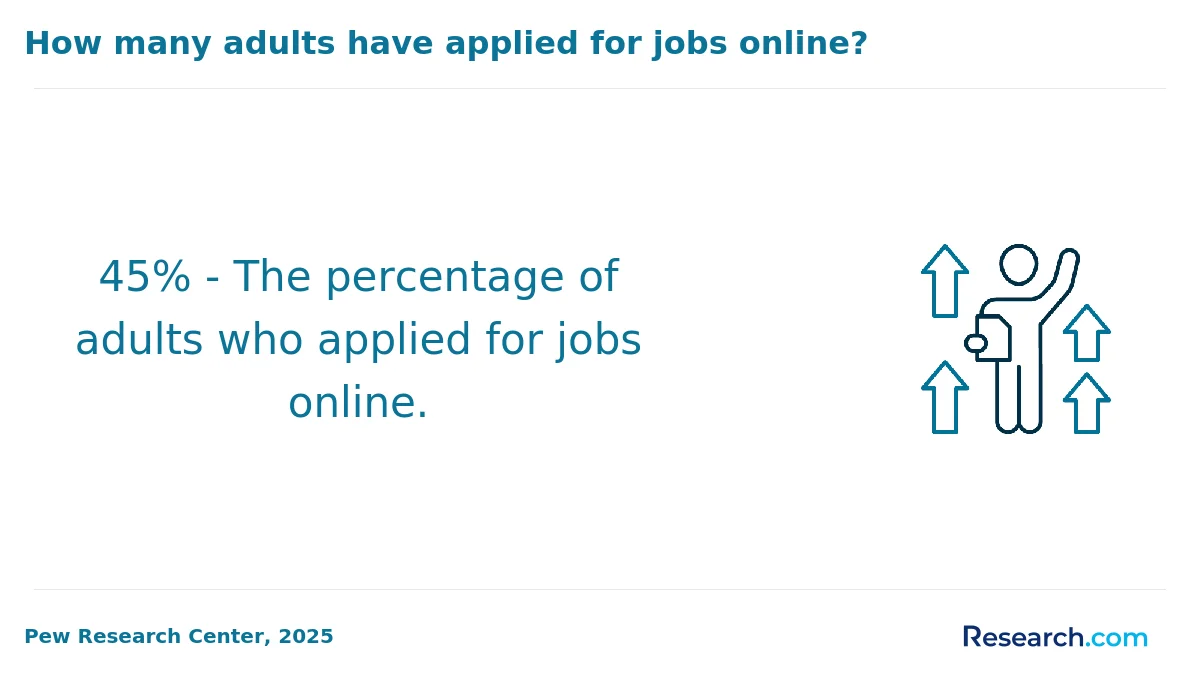
Students in Pittsburgh pursuing trade school certification programs often rely on federal aid like the Federal Pell Grant, which supports those with financial need and doesn't have to be repaid. Many graduates from local schools like Pennsylvania Institute of Technology have shared how the Pell Grant helped them focus on their studies without constant financial stress. The "year-round Pell" option can be a real game-changer for those attending summer classes, offering up to 150% of the standard award in a year.
State aid is also pivotal. Pennsylvania residents can tap into the Pennsylvania State Grant through PHEAA, which covers up to eight full-time semesters based on need and residency. Several students at Pittsburgh Technical College have praised this grant for making their education affordable.
For younger residents, local scholarships like the Economic Opportunity Scholarship in Trade and Apprenticeship provide an average award of $5,000 annually. It's designed for 18- to 25-year-olds from Allegheny County, encouraging ambition while easing financial burdens. Veterans benefit from tailored programs, and loans or workforce grants like WIOA round out the support.
Enrolling in a trade school certification program in Pittsburgh usually starts with a high school diploma or GED as the basic gateway. For many students at local schools like the Trade Institute of Pittsburgh, this is all you need to jump-start your journey, especially since some programs are tuition-free and open to beginners. Graduates often share how mastering fundamental math and problem-solving skills early on helped them comfortably tackle carpentry or masonry courses.
Keep in mind these common prerequisites that can vary by program:
- Be at least 18 years old and pass a drug screening, a standard expectation at institutions such as the Community Empowerment Association.
- Have a valid driver's license-preferred, but not always mandatory.
- For specialized areas like commercial truck driving, prepare to clear a D.O.T. physical and drug test before licensing.
- Complete background checks, especially for regulated trades like welding or HVAC.
Students pursuing CTE teacher certification at places like Point Park University will find additional steps, such as documenting four years of work experience or holding a bachelor's degree, plus passing occupational exams and completing 18 to 42 credit hours of coursework.
The good news is many Pittsburgh trade schools design their programs to be accessible, balancing essential entry criteria with supportive pathways for career changers or upskillers eager to build a rewarding trade profession.
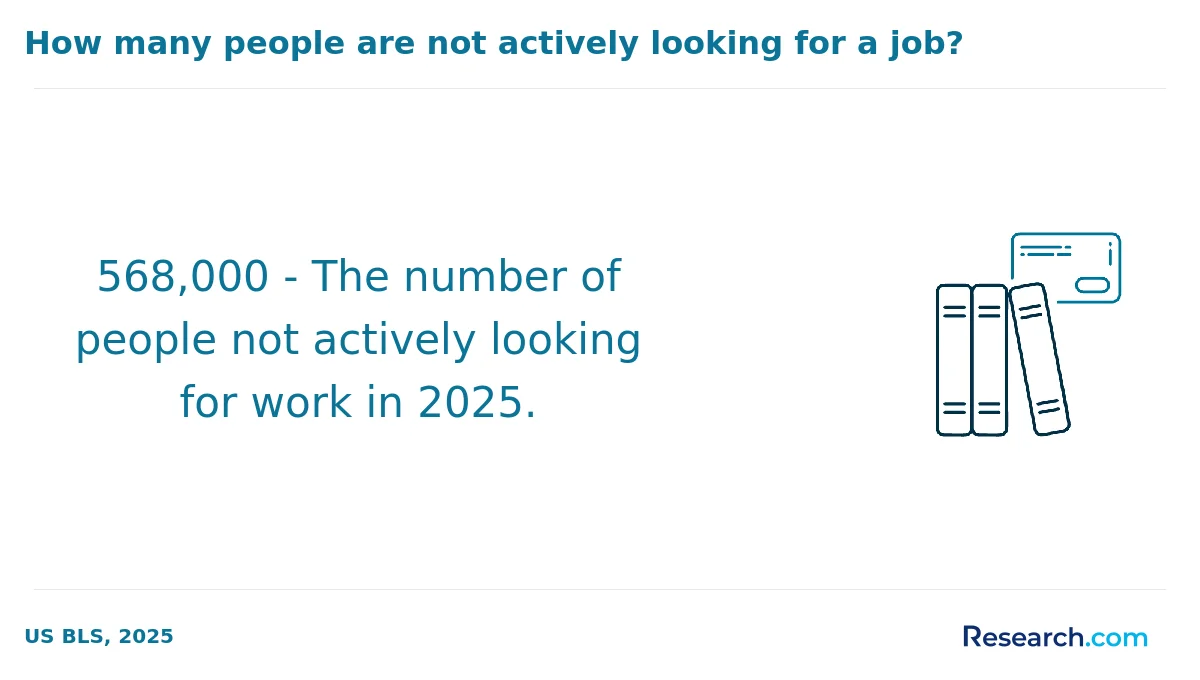
When you dive into certificate program courses in Pittsburgh trade schools, expect a hands-on approach that balances real-world skills with essential theory. Graduates from schools like the Community College of Allegheny County often share how their training in carpentry, electrical construction, and plumbing included learning to read blueprints, understand OSHA safety regulations, and operate heavy equipment confidently.
Mechanical and technical trades programs, such as those at All-State Career, cover HVAC installation, welding technology, and refrigeration fundamentals. Students describe the satisfaction of mastering processes like metal cutting and blueprint interpretation for complex mechanical systems. The Pittsburgh trade school certification curriculum is designed to give you practical knowledge in areas like:
- Welding and fabrication techniques
- Equipment operation and maintenance
- Trade-specific skills such as pipe fitting or structural assembly
For those exploring transportation careers, commercial truck driver training focuses on vehicle safety and federal regulations, ensuring you're road-ready. Pittsburgh Public Schools' CTE programs extend options into IT, healthcare, and machining, blending core theory with hands-on labs and certification prep. Some students have benefited from the most affordable flooring installers certification online, which complements local practical training perfectly, providing more pathways to success.
When choosing the best trade school programs in Pittsburgh, start by verifying program accreditation to ensure your credential holds value with employers. Graduates from accredited schools like All-State Career School often share how this recognition helped them access better job opportunities and financial aid. Consider how well the curriculum aligns with Pittsburgh's job market-fields such as healthcare, HVAC, and construction are in high demand, so programs focused on these can increase your chances of employment. Many graduates appreciate schools that offer hands-on training and real-world experience, such as those found in Pittsburgh Public Schools' CTE programs, which make transitioning into the workforce smoother.
Look into whether the school prepares you for widely recognized industry certifications, as this can impact your earning potential. Some programs even cover exam costs, making certification more affordable. Flexibility matters too: students who work often find evening or weekend classes at local carpentry centers helpful. Also, check if the program meets Pennsylvania's state licensing requirements to avoid surprises when entering your trade.
To navigate Pittsburgh career certification cost comparison effectively, explore financial options and consider programs that fit your schedule and goals. For those interested in electrical trades, there are low cost electrical lineman programs online which some local students use to minimize expenses while still gaining valuable certification.
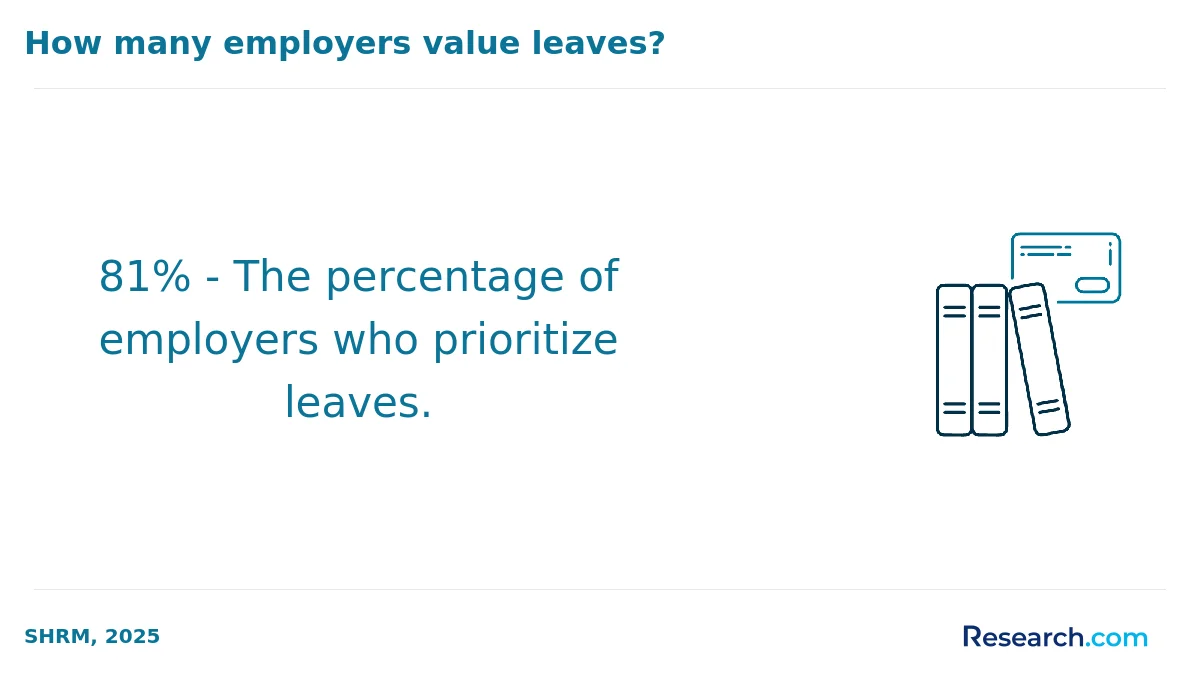
Trade school certification programs graduates in Pittsburgh enjoy a variety of career opportunities that fit local market needs and personal ambitions. Graduates from schools like the Community College of Allegheny County and All-State Career often find rewarding roles in skilled trades such as HVAC, welding, and electrical work-fields fueled by Pittsburgh's commitment to infrastructure projects and commercial development. Many alumni share how hands-on learning boosted their confidence to start immediately in jobs that offer stability and growth.
Beyond trades, strong career opportunities for trade school graduates in Pittsburgh include healthcare roles such as medical assistants and phlebotomy technicians, where clinical training makes the transition to hospitals and clinics smooth and fulfilling. Others have taken advantage of programs in commercial truck driving, gaining CDL licensing to enter the logistics sector that thrives here.
Additional possibilities include culinary arts, graphic design, and mortuary science programs. Graduates from institutions like Bidwell Training Center feel proud to join creative and service industries with recognized certifications that enhance trade school jobs and salaries in Pittsburgh. For those exploring options, even specialized cheap online appliance repair courses offer pathways to solid careers close to home.
- Skilled trades: HVAC, welding, electrical, carpentry
- Healthcare: medical assistant, phlebotomy technician, dental assistant
- Transportation: commercial truck driving with CDL licensing
- Creative and service fields: culinary arts, graphic design, mortuary science
The Pittsburgh trade school job outlook is strong, with nearly 500 active openings for skilled workers such as service technicians, HVAC installers, and welding technicians. Graduates from local schools like All-State Career School and Bidwell Training Center often share how practical hands-on training helped them secure jobs quickly. These programs emphasize skills directly aligned with employer needs, making graduates competitive candidates in construction, manufacturing, and technical fields.
Employment opportunities for trade school graduates in Pittsburgh benefit from programs that do more than teach technical skills; they offer career placement services and partnerships with local businesses. Graduates often report feeling supported through connections facilitated by workforce development initiatives like the Workforce Innovation and Opportunity Act (WIOA). For many, trade school isn't just about learning a skill-it's about stepping confidently into the local job market with real prospects.
To better understand what is involved and how such programs equip you for success, see what is a vocation or trade school.
Best Certificate Programs - Leading Certification Courses in Pittsburgh for 2026
# 1 position
Rosedale Technical College - Automobile/Automotive Mechanics Technology/Technician.
certificate or diplomaRosedale Technical College offers a hybrid Automobile/Automotive Mechanics Technology/Technician program that trains students to repair, service, and maintain various types of automobiles. The curriculum covers brake systems, electrical systems, engine performance and repair, suspension and steering, transmissions, and heating and air conditioning systems. Annual in-state tuition is $16,700. Graduates have median earnings of $45,479 one year after completion. The program is accredited by the Accrediting Commission of Career Schools and Colleges.
# 2 position
Rosedale Technical College - Heating, Air Conditioning, Ventilation and Refrigeration Maintenance Technology/Technician.
certificate or diplomaRosedale Technical College offers a hybrid program in Heating, Air Conditioning, Ventilation and Refrigeration Maintenance Technology/Technician. The curriculum covers repair, installation, service, and maintenance of HVAC and refrigeration systems, including diagnostic techniques, testing equipment, and relevant mechanics, electricity, and electronics principles. Annual in-state tuition is $16,700. Graduates have a median earning of $41,126 one year after completion. The program is accredited by the Accrediting Commission of Career Schools and Colleges.
# 3 position
Community College of Allegheny County - Electrical and Power Transmission Installation/Installer, General.
certificate or diplomaThe Electrical and Power Transmission Installation/Installer, General program at Community College of Allegheny County offers a hybrid learning format. It prepares students to install residential, commercial, and industrial electrical systems and power transmission lines. Coursework includes electricity, safety, wiring, blueprint interpretation, equipment maintenance, and relevant codes. The program is accredited by the Middle States Commission on Higher Education. Annual in-state tuition is $4,842, with median earnings one year after completion at $151,803.
# 4 position
Institute of Medical Careers - Medical Insurance Coding Specialist/Coder.
certificate or diplomaThe Medical Insurance Coding Specialist/Coder program at the Institute of Medical Careers is fully online, preparing students to perform specialized data entry, classification, and record-keeping related to medical diagnostics, treatment, billing, and insurance documentation. The curriculum includes medical terminology, anatomy, medical science fundamentals, and regulations on Medicare and insurance. The program is accredited by the Accrediting Bureau of Health Education Schools. Median earnings one year after completion are $24,805.
# 5 position
Institute of Medical Careers - Medical Administrative/Executive Assistant and Medical Secretary.
certificate or diplomaThe Medical Administrative/Executive Assistant and Medical Secretary program at the Institute of Medical Careers is fully online, designed to prepare students for roles supporting healthcare professionals and administrators. The curriculum covers medical terminology, healthcare operations, communications, software applications, scheduling, and professional ethics. Graduates have median earnings of $24,805 one year after completion. The program is accredited by the Accrediting Bureau of Health Education Schools.
# 6 position
Community College of Allegheny County - Automobile/Automotive Mechanics Technology/Technician.
certificate or diplomaThe Community College of Allegheny County offers a hybrid Automobile/Automotive Mechanics Technology/Technician program that prepares students to repair, service, and maintain various automobile systems. Instruction covers brake systems, electrical systems, engine performance and repair, suspension, steering, transmissions, and heating and air conditioning. The program is accredited by the Middle States Commission on Higher Education. Annual in-state tuition is $4,842, and median earnings one year after completion are $34,509.15.
# 7 position
Community College of Allegheny County - Heating, Air Conditioning, Ventilation and Refrigeration Maintenance Technology/Technician.
certificate or diplomaThe Heating, Air Conditioning, Ventilation and Refrigeration Maintenance Technology/Technician program at Community College of Allegheny County prepares students to repair, install, service, and maintain HVAC and refrigeration systems. This hybrid program includes instruction on diagnostic techniques, testing equipment, and mechanical, electrical, and electronic principles. The annual in-state tuition is $4,842. The program is accredited by the Middle States Commission on Higher Education.
# 8 position
Community College of Allegheny County - Phlebotomy Technician/Phlebotomist.
certificate or diplomaThe Phlebotomy Technician/Phlebotomist program at Community College of Allegheny County offers a hybrid format with some distance education. It trains students to draw blood samples using various techniques and covers vascular anatomy, physiology, specimen handling, safety, and regulations. Annual in-state tuition is $4,842. Graduates earn a median salary of $28,701 one year after completion. The program is accredited by the Middle States Commission on Higher Education.
# 9 position
Community College of Allegheny County - Sterile Processing Technology/Technician.
certificate or diplomaThe Sterile Processing Technology/Technician program at Community College of Allegheny County prepares students to clean, sterilize, and assemble surgical instruments and equipment for medical facilities. This hybrid program covers sterilization, infection control, decontamination, surgical instrumentation processing, distribution, and record-keeping. Annual in-state tuition is $4,842. Graduates have a median earning of $28,701 one year after completion. The program is accredited by the Middle States Commission on Higher Education.
# 10 position
Rosedale Technical College - Electrician.
certificate or diplomaRosedale Technical College offers a hybrid Electrician program that prepares students to install, operate, maintain, and repair electric systems including residential, commercial, and industrial wiring. The curriculum covers electronics, wiring, power transmission, safety, testing, inspection, and applicable codes. Annual in-state tuition is $16,700. Graduates have a median earning of $37,133 one year after completion. The program is accredited by the Accrediting Commission of Career Schools and Colleges.
Frequently Asked Questions about trade school certificates
Preparing for the job market after completing trade school certification programs in Pittsburgh involves several key steps. First, graduates should develop a professional resume highlighting their newly acquired skills and hands-on experience, which employers in Pittsburgh highly value. Networking is crucial; attending local job fairs and connecting with Pittsburgh-based trade unions or industry groups can increase employment opportunities.
According to the Pittsburgh Regional Alliance, nearly 70% of trade school graduates secure jobs within six months, especially in sectors like construction and manufacturing. Additionally, obtaining relevant licenses or additional certifications required by Pennsylvania can enhance job prospects.
Finally, leveraging career services offered by trade schools helps in preparing for interviews and identifying job openings tailored to Pittsburgh's labor market.
Employers in Pittsburgh highly value both technical and soft skills in graduates of trade school certification programs. Key technical skills include proficiency in electrical systems, welding, HVAC maintenance, and automotive repair, reflecting the region's strong manufacturing and industrial sectors.
According to the Pennsylvania Department of Labor & Industry, 68% of employers in the area prioritize candidates with hands-on experience using industry-standard equipment. Additionally, mechanical reasoning and troubleshooting abilities are essential for on-the-job success.
Soft skills such as communication, punctuality, and teamwork rank equally important. The Greater Pittsburgh Chamber of Commerce reports that 75% of employers seek graduates who demonstrate reliability and adaptability alongside technical competence.
Finding internships relevant to your trade school certification program in Pittsburgh involves several strategic steps. Start by exploring local resources such as the Pittsburgh Workforce Development Office, which connects students with opportunities across skilled trades. According to the Pennsylvania Department of Labor, Pittsburgh hosts over 1,200 registered apprenticeship and internship openings annually in industries like construction, manufacturing, and healthcare.
Trade schools often partner with local businesses; therefore, consult your school's career services or internship coordinators for company contacts. Additionally, leverage online portals like PA CareerLink, tailored for Pennsylvania job and internship listings.
Networking at industry events and trade fairs in Pittsburgh also helps uncover unadvertised internships, giving you a practical edge.
Trade school certification programs in Pittsburgh offer a clear pathway to enhanced career mobility and advancement. According to the Pennsylvania Department of Labor & Industry, certified tradespeople in the region often experience higher employment rates and increased earning potential. Certifications validate specific skills, making candidates more attractive to local employers in industries such as manufacturing, healthcare, and construction.
In Pittsburgh's competitive job market, possessing a recognized certificate can lead to promotions or specialized roles that might otherwise be inaccessible. The Pittsburgh Workforce Innovation Network reports that certificate holders are 20% more likely to advance within five years compared to non-certified peers. This makes trade certification a valuable tool for social and economic advancement in the area.
Part-time job opportunities in Pittsburgh can effectively complement trade school certification programs by providing practical experience and income. Positions such as apprentice electrician, HVAC technician assistant, and automotive service aide align well with popular trade certifications. According to the U.S. Bureau of Labor Statistics, Pittsburgh's construction and manufacturing sectors show steady demand for skilled workers, often hiring part-time or entry-level employees.
Additionally, local hospitals and maintenance companies frequently seek part-time facilities maintenance workers, which benefits students in certification programs for plumbing, electrical, or HVAC trades. Platforms like the Pittsburgh Workforce Development Board highlight that part-time roles in technical support and equipment operation are growing by approximately 3% annually.
Balancing part-time work with trade education helps students build relevant skills and strengthen resumes for future career advancement in Pittsburgh's competitive job market.
To find the best degree program near Pittsburgh, PA, you can start by researching local universities and colleges that offer programs of interest, ensuring they align with your career goals and educational needs. Visiting campuses near me or reaching out to admissions offices can provide valuable insights into program specifics, faculty expertise, and campus resources. Resources like Research.com can be useful in identifying top-rated programs and exploring detailed reviews and rankings of institutions near Pittsburgh, PA.
- Best Trade School & Training Programs - Leading Certification Courses in Akron for 2026
- Best Trade School & Training Programs - Leading Certification Courses in Hamburg for 2026
- Best Trade School & Training Programs - Leading Certification Courses in Adrian for 2026
- Best Trade School & Training Programs - Leading Certification Courses in Florence for 2026
- Best Trade School & Training Programs - Leading Certification Courses in Angola for 2026
- Trade Institute of Pittsburgh | https://tipgh.org/
- Apprentice Programs https://www.ccac.edu/academics/apprentice-programs.php
- How To Get Into A Trade School - New Castle School of Trades https://www.ncstrades.edu/blog/how-to-get-into-a-trade-school/
- How Long is Trade School? - Best Trade Schools https://www.best-trade-schools.net/next-student-guide/what-is-a-trade-school/length/
- Hot Job Trends: The Benefits of Attending Trade School | JobTrain https://www.jobtrainworks.org/hot-job-trends-benefits-of-attending-trade-school/
- 'My Kid Is Going to a Four-Year College No Matter What' - Pittsburgh Parent https://www.pittsburghparent.com/my-kid-is-going-to-a-four-year-college-no-matter-what/
- Research - Our Methodology https://research.com/our-methodology
- The Differences Between Certificates, Credentials & Degrees https://diplomasafe.com/credential-vs-certificate/
- Trade Schools & Certification Programs - ccmrwithmsthrash https://ccmrwithmsthrash.com/trade-schools-certifications/
- Trade School Careers https://auto.edu/blog/trade-school-careers


