
Best Certificate Programs - Leading Certification Courses in Jacksonville for 2026

Co-Founder and Chief Data Scientist
If you’re considering advancing your skills with a trade school certificate in Jacksonville, this article is made just for you. Our detailed ranking of trade school certificate programs, developed by the Research.com team of data scientists, aims to guide you toward the best options available in 2026.
Discover programs that match your goals and lifestyle, helping you make an informed decision. Earning a trade school diploma or certification can open doors to new career opportunities and personal growth. Take this step with confidence and optimism for your future.
Key benefits of getting trade school certificate in Jacksonville
- Trade school graduates in Jacksonville can expect competitive salaries, such as $33,000 to $41,000 per year for manufacturing roles, $40,000 to $50,000 annually in electrical, HVAC, and plumbing trades, and $35,000 to $45,000 for healthcare support positions.
- Popular career paths include CNC machine operation, electrical work, HVAC, plumbing, drafting, and healthcare support, all offering strong opportunities for growth and stability in the local job market.
- Online trade school certification offers flexible learning schedules and the ability to balance work and study, making it easier for busy students to earn valuable credentials without attending traditional classes on campus.
- Best Certificate Programs - Leading Certification Courses in Jacksonville for 2026
- What can I expect from trade school certification programs in Jacksonville?
- Where can I work with trade school certification in Jacksonville?
What can I expect from trade school certification programs in Jacksonville?
The average cost of a trade school certification program in Jacksonville typically falls between $5,000 and $15,000, depending on the field and length of study. Graduates from programs like Tulsa Welding School often share how the investment felt manageable compared to traditional college expenses, especially given the shorter duration of 7 to 9.5 months. Many students appreciate that programs combine classroom learning with hands-on training using industry-standard equipment, which accelerates their readiness for the workforce.
Costs cover not just instruction but also access to tools and career assistance, which graduates say make the fee worthwhile. For example, HVAC certification programs often include EPA exam preparation, adding value without extra costs. Flexible payment options and part-time schedules help students who work while studying, easing financial pressure. Those enrolled in Jacksonville University's UpSkill Institute find online courses cost-effective and convenient for balancing life responsibilities.
Students leaving these programs frequently highlight a strong return on investment, as employers in Northeast Florida seek the practical skills they acquired. This combination of affordability, quality, and career support makes Jacksonville trade schools attractive for many pursuing fast, focused trades training.
Where can I work with trade school certification in Jacksonville?
After finishing a trade school certification program in Jacksonville, you'll find a wide array of career options waiting for you. Graduates from popular local trade schools often share how their certifications unlocked doors in thriving industries like construction, healthcare, and manufacturing. For example, completing a carpentry or facilities maintenance program quickly leads to jobs as a carpenter or maintenance technician, where annual salaries can reach up to $59,310. Many find rewarding work with local contractors or property management companies, enjoying the satisfaction of seeing their projects come to life.
Others who pursued healthcare certifications, such as becoming a Certified Nurse Assistant or Clinical Medical Assistant, have stepped confidently into hospitals and clinics across Jacksonville, earning steady incomes near $40,000 a year. The city's growing healthcare sector means consistent demand and stable employment.
Manufacturing and HVAC graduates have praised starting roles in production plants or HVAC service companies, with HVAC mechanics earning about $59,810 annually. Additionally, electrical apprenticeships offer real hands-on experience, starting at around $18 per hour and steadily increasing. Many students report feeling proud and excited to build these skills while seeing their paychecks grow.
Trade school certification programs also open doors in computer technology and automotive repair, placing graduates in dealerships, tech firms, or service centers. The variety of paths ensures you'll find something that fits your strengths and passions right here in Jacksonville.
After finishing a trade school certification program in Jacksonville, many graduates find themselves stepping into well-paying jobs sooner than expected. For example, those trained as machine operators in local manufacturing plants often begin earning between $16 and $20 per hour, which means an annual salary around $33,000 to $41,600. These roles typically require just the certificate and some on-the-job training, making it easier for graduates to start strong.
Others who complete programs in construction trades, like electrical helpers or plumbing assistants, see starting pay from $15 to $22 per hour. That adds up to roughly $31,000 to $45,000 a year. Many graduates recall feeling proud when their skills landed them these steady jobs where experience and further certifications can push earnings even higher.
Healthcare certificate holders, such as medical or dental assistants trained at Jacksonville's popular trade schools, usually earn between $32,000 and $38,000 annually. Those who pursue technical fields like CAD technician report starting salaries closer to $40,000 to $50,000. Graduates often share how these figures brought immediate financial relief and boosted their confidence in a competitive job market.
- "Completing the HVAC certification at Jacksonville Technical Institute truly changed my life. The hands-on training and supportive instructors prepared me well for real-world challenges. Within two months of graduating, I secured a job with a reputable local company. I'm grateful for the practical skills and confidence I gained here." - Marcus
- "The Welding program in Jacksonville was everything I hoped for and more. Learning in a focused, industry-driven environment helped me build critical skills quickly. The job placement assistance connected me with a manufacturing firm where I now thrive. This certification opened doors I never thought possible." - Alicia
- "Studying Electrical Technology at Coastal Trade Academy in Jacksonville was an empowering journey. The small class sizes and personalized attention made learning enjoyable and effective. After finishing, I landed an electrician apprenticeship right in the city. It's rewarding to see how this education launched my career and boosted my confidence." - Dylan
- A high school diploma or GED is required to apply for trade school certification programs.
- Tuition typically ranges from $3,000 to $10,000, but some industry certification exams are free for high school students through CTE programs.
- Most programs can be completed in one year or less, allowing for quick entry into the workforce.
- Starting salaries for graduates range from $35,000 to $50,000 in fields like HVAC, welding, and medical assisting.
- Experienced skilled tradespeople in Jacksonville can earn $55,000 to $80,000 or more annually.
- Credits earned from technical certificates may be applied toward an associate degree if students continue their education.
In Jacksonville, most trade school certification programs can be completed in one year or less, which means you can rapidly gain the skills needed to enter the workforce. Graduates from Florida State College at Jacksonville (FSCJ), for example, often celebrate finishing certificate programs in just eight to sixteen weeks, opening doors to new jobs quickly. Imagine starting a welding journey that takes as little as seven months at Tulsa Welding School's Jacksonville campus to become a professional welder, or extending your expertise through a nine-and-a-half-month Welding Specialist program.
For those interested in electrical work, apprenticeships offered by Jacksonville's Electrical Training Alliance typically take about four years, blending hands-on experience with classroom learning-much like those who've successfully secured full certification and now work confidently in the field.
Even high school students can earn certifications through Duval County Public Schools' CTE programs during their studies, graduating ready for trade careers. These timelines show there's a pathway for everyone, whether you want a quick certificate or a multi-year apprenticeship.
The key difference between online and on-campus trade school certification programs in Jacksonville is how you experience learning. Online programs, like those offered by Jacksonville University's UpSkill Institute, provide remarkable flexibility. Graduates often share how they balanced coursework with jobs or family, studying comfortably from home while mastering subjects like HVAC/R or construction through interactive virtual labs and simulations.
On the other hand, on-campus programs give you hands-on practice that many students find invaluable. Picture working alongside instructors and peers in fully equipped labs where you can physically handle welding tools or plumbing equipment. Many students appreciate this tactile, face-to-face environment because it builds confidence and practical skills needed for the job.
Both formats offer strong academic support and expert faculty, but your choice depends on whether you prioritize flexible scheduling or direct, hands-on training. Jacksonville's trade schools aim to suit your personal needs and career goals, making certification accessible and rewarding in either format.
The average cost of trade school programs in Jacksonville typically hovers around $24,000 per year, covering tuition and mandatory fees. However, students often find that this figure varies depending on their chosen field of study and the institution's status as public or private. For instance, graduates from specialized programs like healthcare or cosmetology recall paying as little as $250 for shorter courses, whereas comprehensive diplomas, such as those offered at the Aveda Institute, ranged from nearly $10,000 to over $16,000. These real-life examples highlight how affordability in Jacksonville trade school tuition and fees can depend heavily on the scope and duration of the certification.
Many students pursuing technical certificates experience a tuition range closely aligned with Florida's broader average of $18,000 to $25,000 for full certification programs. Public trade schools tend to be more budget-friendly, usually charging between $9,500 and $23,000 annually, while private schools may ask for $18,500 to $37,500. One graduate shared how selecting a public school not only lowered costs but also enabled access to financial aid, including federal grants and scholarships, that lessened the financial burden significantly.
Considering costs outside of tuition-such as supplies, licensing fees, and living expenses-is also essential. To navigate this, students often explore options like affordable online landscaping training to supplement their education without incurring excessive costs. Understanding these dynamics equips prospective students in Jacksonville with the clarity needed to pursue their trade certification goals confidently and within their budget.
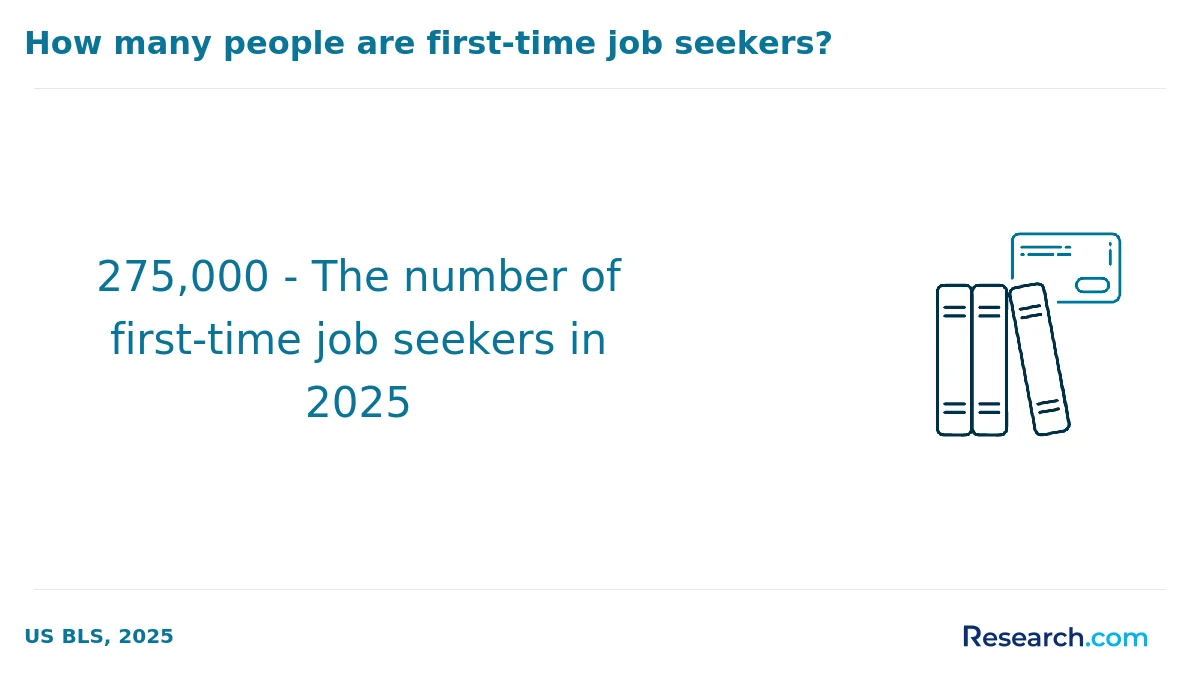
Many students at Jacksonville trade schools find that financial aid makes their certification programs truly within reach. Completing the FAFSA is the first step-they quickly learn it opens doors to federal grants like the Pell Grant and FSEOG, which don't require repayment and ease the pressure of tuition costs. One graduate from a popular HVAC certification program shared how this support allowed them to focus fully on hands-on training without financial stress.
Federal student loans, such as Direct Stafford Loans and PLUS Loans for parents, also help cover school expenses when grants aren't enough. Students know loans require repayment but appreciate the opportunity to invest in their future careers.
State programs like Florida's Student Assistance Grant and Bright Futures Scholarship further reduce costs for Jacksonville residents. Many recipients from local trade schools express relief and pride in receiving these rewards for their academic performance.
Scholarships from Jacksonville-area institutions, like the Driving Futures Forward Scholarship, make a big difference, with awards up to $3,000 in some fields. Veterans often tap into GI Bill® benefits, seeing firsthand how military service benefits translate into educational opportunities.
Financial aid counseling at Jacksonville trade schools guides students clearly through these options, helping them avoid confusion and maximize their aid. This personalized support transforms anxious applicants into confident program completers ready to build rewarding careers.
The primary prerequisite to enroll in a trade school certification program in Jacksonville is typically a high school diploma or its equivalent, like a GED. Graduates from local programs, including those at J-Tech Institute and Miller-Motte College, often share how this basic step opened doors to hands-on training without unnecessary barriers.
Some programs, especially in healthcare or technical fields, ask for a few additional steps to ensure you're set up for success. These may include:
- Passing a basic skills assessment
- Showing proficiency in math and reading
- Meeting minimum GPA or qualifying test scores for dual enrollment options
For high school students in Jacksonville, joining Career and Technical Education programs means you might start earning industry certifications early, sometimes with no prerequisites beyond regular school enrollment. This experience not only builds confidence but also makes transition into college-level trade programs much smoother.
Graduates often emphasize that reaching out to the admissions office for each school helped clarify specific requirements, making their journey focused and stress-free.
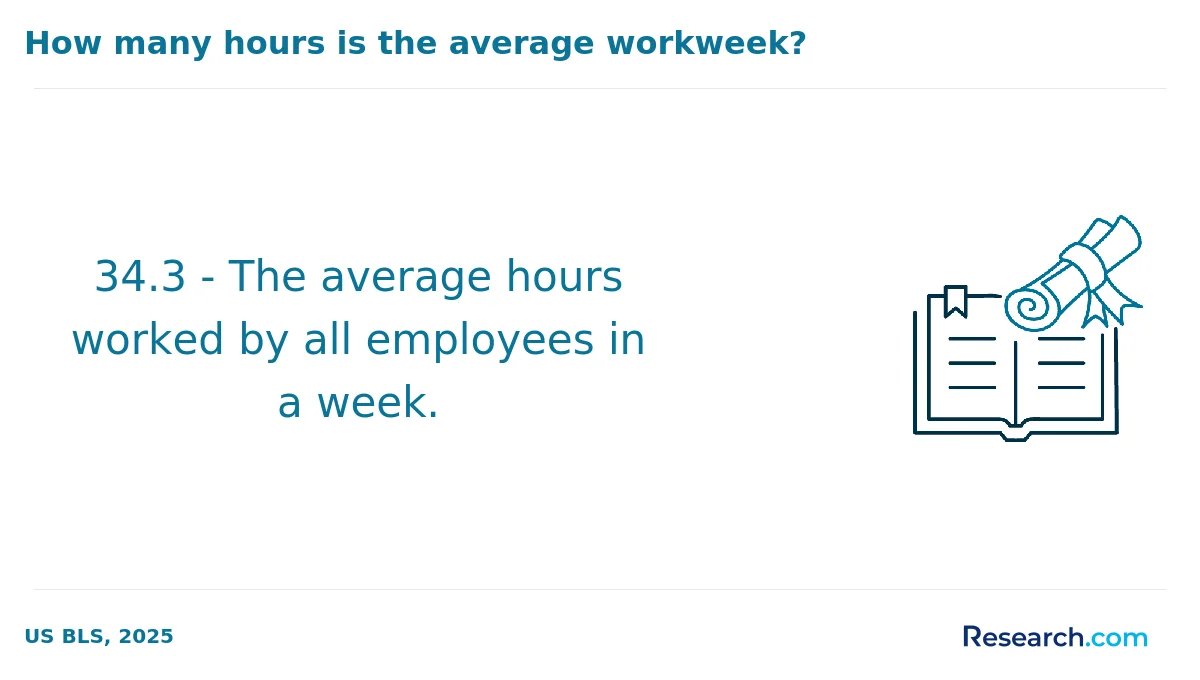
Trade school courses in Jacksonville commonly focus on hands-on skills that lead directly to job opportunities. Graduates often praise programs for their practical approach, whether training as electricians, HVAC/R technicians, or welders. Popular institutions like Jacksonville University's UpSkill Institute and J-Tech Institute emphasize real equipment use and industry-standard certifications, making students feel confident stepping into local jobs.
Beyond skilled trades, Jacksonville certificate program curriculum frequently includes healthcare-related courses such as clinical medical assistant, certified nurse assistant, and medical office administration. These programs prepare students with both clinical and administrative skills, giving them versatility in the healthcare field. Many students find the balance between hands-on practice and classroom learning helps them secure roles quickly after finishing.
Transportation and logistics certificates, especially CDL preparation courses, are also a strong focus. These short-term programs teach safe driving and regulatory standards, helping students confidently pass licensing exams needed for truck driving careers.
Technology and manufacturing options include computer technician and advanced manufacturing courses, which align well with growing local industries. Many students appreciate flexible online or hybrid classes that allow them to work while studying. For those considering options, exploring the cheapest online maintenance technician trade programs is a smart move.
Choosing the best trade school certification program in Jacksonville means focusing on what fits your personal goals and lifestyle. Graduates from local schools like J-Tech Institute often share how hands-on learning in automotive or welding classes gave them confidence to start working immediately after finishing. Accreditation matters: schools recognized by the Florida Department of Education ensure your certificate holds weight with employers. When you compare trade school costs in Jacksonville, factor in program length and flexibility. Some courses wrap up in under a year, perfect for those balancing work and study, while others offer evening classes that ease scheduling conflicts.
Consider the financial aid options each school provides-many students appreciate scholarship opportunities that make education affordable. Finally, check if the program offers career support such as internships or job placement help; those services can make all the difference. To find programs that are not only affordable but lead to solid careers, explore trade school programs that pay well, so your investment truly pays off.
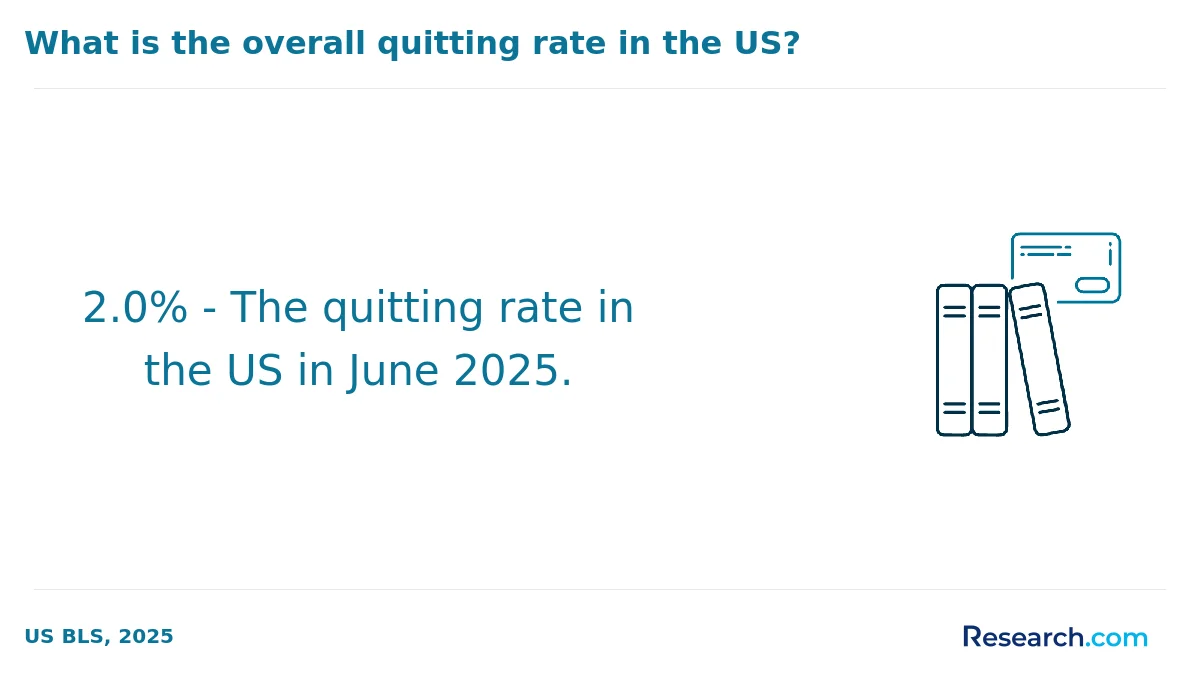
Graduates from trade school certification programs in Jacksonville enjoy a variety of career paths that reflect the city's expanding industries. Many find success in construction and skilled trades, leveraging certifications in carpentry, electrical work, plumbing, or HVAC to access high-demand jobs with competitive wages. For instance, graduates from Florida State College at Jacksonville often secure electrician roles earning upwards of $62,350 annually. Others enter healthcare support careers as Certified Nurse Assistants or Clinical Medical Assistants, with steady employment in local hospitals and clinics, earning around $39,530 to $44,200 per year.
The world of information technology and office administration also offers solid options. Trade program graduates can become computer technicians or office administrators, supporting Jacksonville's growing business sector with salaries near $60,340 and $46,040, respectively. Manufacturing and logistics careers are another strong choice, with certifications leading to production technician and warehouse manager roles.
Opportunities also exist through specialized programs in utilities, sports marketing, and culinary arts, often partnering with Jacksonville employers. Many students find these pathways rewarding, quickly advancing due to hands-on experience and local internships. To explore more about quick-to-learn trade jobs that lead to well-paying careers, check out quick-to-learn trade jobs that lead to well-paying careers.
Jacksonville job opportunities for trade program graduates are diverse, offering multiple avenues to build a fulfilling career after certification.
The job market for trade school certification program graduates in Jacksonville is vibrant and full of opportunity. Local trade schools such as J-Tech Institute, Keiser University, and Tulsa Welding School equip graduates with skills that directly match employer needs, making trade school job opportunities in Jacksonville highly promising. Graduates often secure positions in HVAC, automotive technology, welding, and healthcare with companies like BAE Systems and Arlington Toyota, which value certification and provide clear advancement paths.
Many Jacksonville graduates report positive experiences thanks to programs that include hands-on training and certifications like ASE and EPA, helping them enter the workforce quickly and confidently. Healthcare roles at Concorde Career Institute and HCI College also offer strong employment outlooks for certificate holders.
Entry-level tradespeople in Jacksonville can expect starting salaries from $35,000 to $62,000 annually, often with benefits such as health savings accounts and retirement plans. Internship and placement support from institutions and partners like Year Up United further enhance graduates' chances of success. For a detailed look at trade school highest paying jobs, explore trade school highest paying jobs.
Best Certificate Programs - Leading Certification Courses in Jacksonville for 2026
# 1 position
Florida State College at Jacksonville - Dental Assisting/Assistant.
certificate or diplomaFlorida State College at Jacksonville offers a hybrid Dental Assisting/Assistant program designed to prepare students for patient care, dental radiography, and office administrative tasks under professional supervision. The curriculum covers medical record-keeping, scheduling, equipment maintenance, sterilization, chairside assisting, and taking dental impressions. The program's annual in-state tuition is $2,878 and it is accredited by the Southern Association of Colleges and Schools Commission on Colleges.
# 2 position
Tulsa Welding School-Jacksonville - Heating, Air Conditioning, Ventilation and Refrigeration Maintenance Technology/Technician.
certificate or diplomaThe Heating, Air Conditioning, Ventilation and Refrigeration Maintenance Technology/Technician program at Tulsa Welding School-Jacksonville offers hybrid training with some distance-education options. It prepares students to repair, install, service, and maintain heating, air conditioning, and refrigeration systems. Instruction covers diagnostic techniques, testing equipment, and principles of mechanics, electricity, and electronics relevant to these systems. The program is accredited by the Accrediting Commission of Career Schools and Colleges.
# 3 position
Concorde Career Institute-Jacksonville - Dental Assisting/Assistant.
certificate or diplomaThe Dental Assisting/Assistant program at Concorde Career Institute-Jacksonville prepares students to support dentists and dental hygienists through patient care, radiography, and office duties. The hybrid program includes training in medical records, scheduling, equipment maintenance, sterilization, chairside assisting, and taking impressions. Graduates earn a median income of $25,407 one year after completion. The program is accredited by the Accrediting Commission of Career Schools and Colleges.
# 4 position
Florida State College at Jacksonville - Heating, Air Conditioning, Ventilation and Refrigeration Maintenance Technology/Technician.
certificate or diplomaFlorida State College at Jacksonville offers a hybrid program in Heating, Air Conditioning, Ventilation and Refrigeration Maintenance Technology/Technician. The curriculum equips students with technical skills to repair, install, service, and maintain heating and refrigeration systems, including diagnostic techniques and the use of testing equipment. Annual in-state tuition is $2,878. The program is accredited by the Southern Association of Colleges and Schools Commission on Colleges.
# 5 position
Florida State College at Jacksonville - Computer Numerically Controlled (CNC) Machinist Technology/CNC Machinist.
certificate or diplomaFlorida State College at Jacksonville offers a hybrid Computer Numerically Controlled (CNC) Machinist Technology program that trains students to operate CNC machine tools for cutting, drilling, shaping, and finishing products. The curriculum covers CNC programming, setup, troubleshooting, blueprint reading, machining operations, technical math, CAD/CAM systems, and safety practices. Annual in-state tuition is $2,878. The program is accredited by the Southern Association of Colleges and Schools Commission on Colleges.
# 6 position
Florida State College at Jacksonville - Interior Design.
certificate or diplomaFlorida State College at Jacksonville offers a fully online Interior Design program focused on professional planning, designing, and furnishing of interior spaces. The curriculum includes instruction in computer applications, drafting, interior lighting, color coordination, furniture, textiles, and building codes. The program is accredited by the Southern Association of Colleges and Schools Commission on Colleges. Annual in-state tuition is $2,878.
# 7 position
Concorde Career Institute-Jacksonville - Nursing Assistant/Aide and Patient Care Assistant/Aide.
certificate or diplomaThe Nursing Assistant/Aide and Patient Care Assistant/Aide program at Concorde Career Institute-Jacksonville prepares students to perform routine nursing-related duties under the supervision of registered or licensed practical nurses. This hybrid program includes some distance-education options. Graduates have a median earning of $46,513 one year after completion. The program is accredited by the Accrediting Commission of Career Schools and Colleges.
# 8 position
Tulsa Welding School-Jacksonville - Electrician.
certificate or diplomaThe Electrician program at Tulsa Welding School-Jacksonville offers a hybrid format with some distance-education options. It trains students to install, operate, maintain, and repair electrical systems including residential, commercial, and industrial wiring. The curriculum covers electronics principles, power transmission, safety, job estimation, electrical testing, and relevant codes. Graduates have a median earning of $30,684 one year after completion. The program is accredited by the Accrediting Commission of Career Schools and Colleges.
# 9 position
Tulsa Welding School-Jacksonville - Welding Technology/Welder.
certificate or diplomaThe Welding Technology/Welder program at Tulsa Welding School-Jacksonville offers a hybrid format with some distance education options. It prepares students to apply technical skills in various welding methods including arc welding, resistance welding, and high-energy beam welding. The curriculum covers welding metallurgy, safety, structural design, and applicable codes. Median earnings one year after completion are $31,821. The program is accredited by the Accrediting Commission of Career Schools and Colleges.
# 10 position
Concorde Career Institute-Jacksonville - Sterile Processing Technology/Technician.
certificate or diplomaThe Sterile Processing Technology/Technician program at Concorde Career Institute-Jacksonville offers hybrid learning with some distance-education options. It trains students to clean, sterilize, and assemble surgical instruments and supplies for medical facilities, including instruction in sterilization, infection control, decontamination, and surgical instrumentation processing. The program is accredited by the Accrediting Commission of Career Schools and Colleges.
Frequently Asked Questions about trade school certificates
After completing trade school certification programs in Jacksonville, preparing for the job market involves several key steps. First, graduates should create a professional resume highlighting their specific skills and certifications, as these are crucial in trade industries. According to the U.S. Bureau of Labor Statistics, skilled trades like electrical and HVAC technicians can expect job growth of about 8% through 2032, making targeted job searches important.
Networking with local employers and attending Jacksonville job fairs can open direct pathways to employment. Additionally, many trade schools offer career services that assist with interview preparation and job placement.
Hands-on experience through internships or apprenticeships is highly valuable, often leading to permanent positions in the local trades market.
Employers in Jacksonville highly value practical skills among trade school certification graduates. Technical proficiency in fields like electrical work, HVAC, welding, and automotive repair is essential, as local industries demand hands-on expertise.
In addition to technical ability, employers emphasize strong problem-solving skills and attention to detail. According to the Florida Department of Economic Opportunity, over 60% of job postings for certified trade roles highlight these traits.
Communication and teamwork are also critical. Many employers in Jacksonville seek graduates who can work effectively with colleagues and clients, enhancing productivity on the job.
Time management and adaptability rank among key soft skills, helping graduates meet project deadlines in fast-paced environments.
This blend of technical knowledge and interpersonal skills positions trade school graduates for success in Jacksonville's competitive job market.
Finding internships in Jacksonville relevant to your trade school certification program requires a strategic approach. Start by contacting your school's career services department, as many trade schools have established partnerships with local businesses.
Jacksonville is home to diverse industries such as healthcare, construction, and logistics, all of which offer internship opportunities aligned with various certifications. Websites like the Jacksonville Chamber of Commerce and the Florida Department of Economic Opportunity provide listings and resources specifically for internships and apprenticeships in these sectors.
Networking through local trade associations and attending job fairs in Jacksonville also increases your chances. According to the National Association of Colleges and Employers, approximately 60% of internships in Florida convert into job offers, highlighting the value of these experiences.
Trade school certification programs in Jacksonville play a significant role in enhancing career mobility and advancement. These certifications provide practical skills that local employers highly value, especially in sectors like construction, healthcare, and technology. Data from the Florida Department of Education shows that certified trade professionals in Jacksonville earn an average wage 15-20% higher than non-certified workers in similar roles.
Certification also helps workers quickly enter or re-enter the job market due to the focused curriculum and shorter program length compared to traditional degrees. Moreover, many Jacksonville businesses prefer candidates with trade certifications, considering them ready for immediate employment and promotion opportunities.
According to the U.S. Bureau of Labor Statistics, occupations requiring trade certifications often report faster job growth in the Jacksonville metro area, supporting long-term career progression. This makes trade school certificates valuable assets for workers seeking stability and upward movement within local industries.
Part-time job opportunities in Jacksonville complementing trade school certification programs are diverse and practical. Many students find work as apprentice technicians, assisting electricians, HVAC specialists, or plumbers. These roles provide valuable hands-on experience aligned with skilled trades training.
Retail roles at home improvement stores like The Home Depot offer insight into materials and tools, enhancing technical knowledge. According to the U.S. Bureau of Labor Statistics, Jacksonville's trade and technical sectors have seen steady growth, increasing opportunities for part-time employment in construction-related fields.
Additionally, part-time administrative positions at local trade companies help students understand business operations connected to their certification fields. These jobs aid in developing communication and organizational skills vital for career advancement.
There are several universities and colleges offering quality degree programs near Jacksonville, FL, so those looking for educational opportunities in the area have a range of options to consider. Programs near me include those in fields like business, engineering, health sciences, and education, with both undergraduate and graduate degrees available. Research.com can be a helpful resource for comparing programs and universities, ensuring that students find the best fit for their needs near Jacksonville, FL.
- Trade Schools, What Are The Benefits - InterCoast Colleges https://intercoast.edu/articles/benefits-of-trade-schools/
- Why Choose Trade Schools? Discover the Pros of Vocational Education in 2025 | OshaEducationCenter.com https://www.oshaeducationcenter.com/pros-and-cons-of-trade-schools/
- Trade School Training in Jacksonville, FL | Tulsa Welding School https://www.tws.edu/blog/skilled-trades/trade-school-training-in-jacksonville-fl/
- 1/30/25 - Hands-On Learning vs. Traditional Education: Why the Trades Offer the Best of Both Worlds - Gould Construction Institute https://www.gwgci.org/hands-on-learning-vs-traditional-education-trades/
- Hot Job Trends: The Benefits of Attending Trade School | JobTrain https://www.jobtrainworks.org/hot-job-trends-benefits-of-attending-trade-school/
- Back to school: What to expect when you enter trade school https://www.fortis.edu/blog/skilled-trades/back-to-school--what-to-expect-when-you-enter-trade-school-.html
- Research - Most Affordable Online Landscaping Technology Trade School Programs https://research.com/degrees/most-affordable-online-landscaping-technology-trade-school-programs
- Petersonsdata https://petersonsdata.com/
- Shortage of skilled tradespeople result in construction delays https://www.jacksonville.com/story/business/2023/06/07/shortage-of-skilled-tradespeople-result-in-construction-delays-increase-in-apprentice-programs/70139878007/
- Workforce Education https://www.fscj.edu/academics/workforce-education





