
Most Affordable Physical Therapist Assistant Schools & Training - Budget-Friendly PTA Trade Programs in Nebraska for 2026

Co-Founder and Chief Data Scientist
If you're considering a career as a physical therapist assistant in Nebraska, choosing the right trade school is essential. This article presents a physical therapist assistant trade school programs ranking created by the Research.com team of data scientists to help you make an informed decision.
By exploring these top programs, you can find affordable options that fit your goals and budget. Earning a diploma or certification opens doors to a rewarding healthcare career, offering both personal fulfillment and job stability. Let this guide support your journey toward a bright future.
Key benefits of finishing physical therapist assistant trade school in Nebraska
- Graduates of physical therapist assistant trade schools in Nebraska can expect an average salary of around $62,585 per year, with hourly wages near $30.46, making it a rewarding career choice.
- Career paths often include positions in hospitals, outpatient clinics, and rehabilitation centers, offering diverse opportunities to grow and specialize in areas like acute care.
- Completing a physical therapist assistant program online provides flexibility and convenience, allowing students to balance work and study while gaining skills valued by employers statewide.
- Most Affordable Physical Therapist Assistant Schools & Training - Budget-Friendly PTA Trade Programs in Nebraska for 2026
- What can I expect from physical therapist assistant trade schools in Nebraska?
- Where can I work after finishing physical therapist assistant trade schools in Nebraska?
What can I expect from physical therapist assistant trade schools in Nebraska?
Enrolling in a physical therapist assistant (PTA) trade school program in Nebraska means committing to a hands-on, well-structured education that prepares you for immediate work in healthcare. Programs at schools like Clarkson College in Omaha offer small class sizes where you receive personalized attention from experienced faculty, making the learning environment supportive and engaging.
You can expect a mix of courses covering anatomy, physiology, biomechanics, and neuroscience, combined with practical training in therapeutic exercise and patient care skills. Graduates often recall how clinical rotations in real healthcare settings-such as hospitals and rehabilitation centers-were crucial for building confidence and applying classroom knowledge.
Programs typically take two years and lead to an Associate of Science or Applied Science degree. After finishing, you'll be ready to pass Nebraska's licensing exams, including the National Physical Therapy Examination for PTAs. Many graduates appreciate the steady job outlook in Nebraska, knowing their training equips them to work in diverse settings like outpatient clinics or nursing homes.
Where can I work after finishing physical therapist assistant trade schools in Nebraska?
After completing a physical therapist assistant trade school program in Nebraska, graduates find diverse job opportunities across the state. Many work in hospitals, helping patients recover after surgeries or injuries, often as part of a team in fast-paced environments. Others take positions in outpatient clinics, treating sports injuries or chronic problems, a common path for those who trained at popular Nebraska trade schools. Rehabilitation centers and skilled nursing facilities also employ PTAs to provide long-term care, especially for patients recovering from strokes or managing neurological conditions.
Graduates often share how rewarding it is to work directly with patients in home health agencies, delivering therapy in familiar settings that boost patient comfort and independence. This hands-on experience is a highlight for students from Nebraska's well-regarded PTA programs. The state's job market is strong, with hundreds of openings statewide, including urban hubs like Omaha and Lincoln as well as rural areas. Practical schedules and competitive pay add to the career appeal, making this a smart and stable choice after trade school.
After finishing a physical therapist assistant trade school program in Nebraska, graduates typically start with an average annual salary around $62,585. This aligns well with national averages and provides a solid foundation for entry-level professionals. For instance, many graduates from well-known Nebraska trade schools report feeling confident stepping into jobs that pay between $56,836 and $68,816 annually, depending on their location and employer.
Hourly wages often provide a clearer picture for new PTAs. In Omaha, a common job market for graduates, starting pay usually ranges from about $19.98 to $24.62 per hour. This range allows new PTAs to cover living expenses comfortably while gaining valuable experience. As they build skills, many see their hourly rates increase to an average of roughly $25.82 within a few years.
Graduates who pursue specialized settings, like acute care, often find salaries close to $95,000 annually, reflecting the extra certifications and experience required. Overall, completing PTA training in Nebraska offers a practical, rewarding career path with clear financial growth opportunities.
- Admission requires a high school diploma or equivalent, and programs usually award an Associate of Applied Science (AAS) degree.
- PTA programs in Nebraska typically last two years, combining classroom learning with hands-on clinical experience.
- Certification requires passing the National Physical Therapy Examination (NPTE) for PTAs ($400 fee) and the Nebraska law exam ($50 fee), plus an initial licensure application fee around $90.
- Students must meet health and physical requirements, including a physical exam, vaccinations, tuberculosis test, background check, drug screen, and CPR certification.
- Total tuition and fees for a two-year program generally range from $10,000 to $16,000, excluding books and other expenses.
- Job growth for PTAs in Nebraska is projected at 31% through 2026, with starting salaries between $42,000 and $50,000 per year and experienced PTAs earning up to $60,000 annually.
Completing a physical therapist assistant trade school program in Nebraska typically takes about two years. Graduates from popular Nebraska trade schools often share how this timeline felt just right-long enough to gain solid hands-on skills but short enough to start working without unnecessary delay.
For example, students at well-known Nebraska colleges describe a mix of classroom learning and clinical practice that builds confidence steadily. They recall balancing studies with part-time jobs or family commitments, appreciating that the program's length made this manageable. This practical pace allows many to envision themselves stepping into real clinics sooner rather than later.
One graduate mentioned how finishing in two years felt like a rewarding sprint, where every semester brought new, relevant skills that directly prepared them for the workforce. Nebraska's trade schools design these programs with a clear focus on efficient, career-ready training tailored to local healthcare needs-making the timeline both realistic and motivating for prospective students.
The main difference between online and on-campus physical therapist assistant (PTA) trade school programs in Nebraska lies in how students complete their coursework and hands-on training. Graduates from popular Nebraska trade schools often describe online PTA programs as flexible yet demanding. Most lectures and assignments happen online, allowing students to study around jobs or family time. However, these programs require in-person clinical experiences-like intensive skills weekends or clinical placements at hospitals or rehab centers-to develop essential hands-on skills.
On the other hand, on-campus programs are more structured, with daily classes and labs held in person at the trade school. Students appreciate the face-to-face interaction with instructors and peers, which builds a strong support network and hands-on confidence from day one. For example, graduates recall practicing patient simulations in specialized labs that helped them feel ready for real-world clinical settings.
Both formats award an associate degree after about two years and prepare students to pass the National Physical Therapy Exam for Nebraska licensure. Choosing between formats depends largely on how much schedule flexibility you need and your comfort with traveling for practical training.
The average cost physical therapist assistant program Nebraska students face varies significantly based on the institution and residency status. For example, a graduate from Northeast Community College in Norfolk shares that tuition can range from approximately $6,100 to $13,300, depending on whether you qualify as a resident and specific program components. This range reflects the reality that tuition fees physical therapist assistant schools Nebraska charge can differ quite a bit, requiring careful budgeting.
At Clarkson College in Omaha, the tuition structure is calculated per credit hour, with a rate of $651 each. Graduates there mention that understanding the total number of required credits upfront helps plan finances with confidence. Nebraska Methodist College, also in Omaha, charges slightly less at $623 per credit hour, giving students more control over pacing and costs by choosing lighter or heavier course loads.
In contrast, the University of Nebraska Medical Center (UNMC) sets semester tuition at $9,526 for residents and $15,987 for non-residents, highlighting how important it is to weigh tuition fees physical therapist assistant schools Nebraska offer against residency benefits. Students often find it useful to factor in additional expenses like textbooks, fees, and living costs, which can impact their overall budget.
Many students considering physical therapist assistant programs also compare them to related fields by researching topics such as occupational therapy vs. physical therapy to confirm their best career fit before investing. Focusing on clear financial planning and exploring cost structures within Nebraska's trade schools is key to making an informed decision.
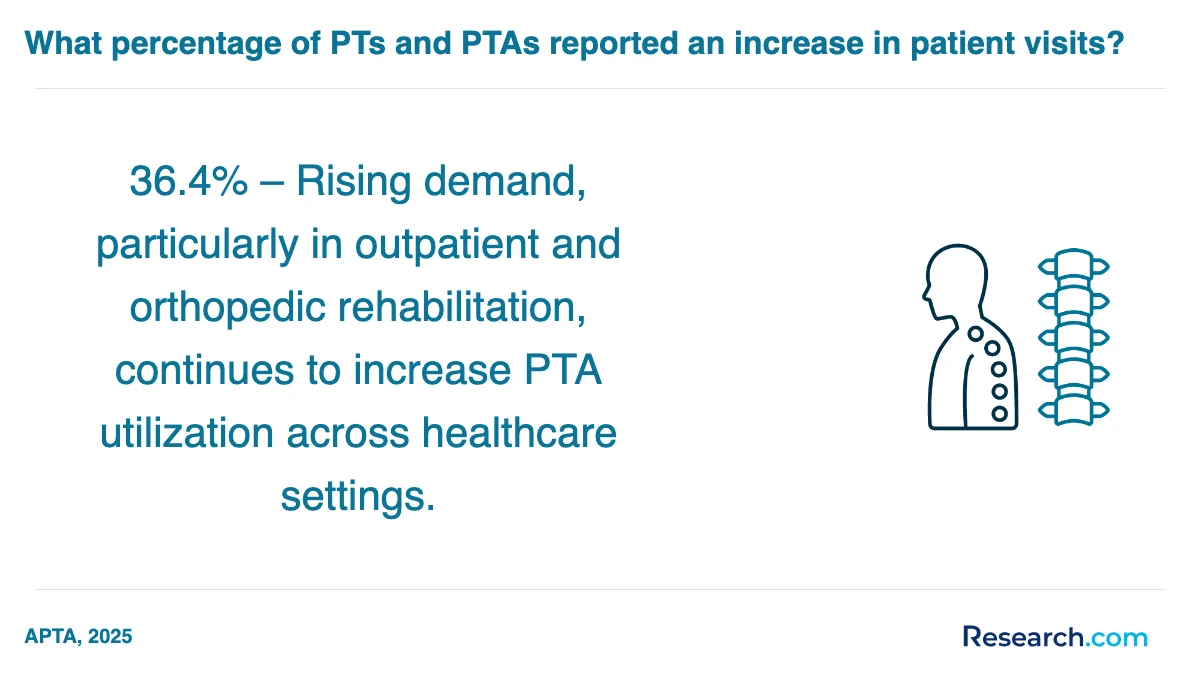
Physical therapist assistant students in Nebraska often rely on Federal Student Aid by submitting the FAFSA to access Pell Grants, federal loans, and sometimes Federal Work-Study. Graduates from Nebraska Methodist College recall how Pell Grants significantly eased their tuition burden, letting them focus more on clinical practice than finances.
Institutional scholarships at schools like Bryan College of Health Sciences provide targeted awards based on merit or financial need. One graduate shared that receiving a school scholarship made balancing work and study manageable during the program's most intense semesters.
Private scholarships, listed on databases such as Fastweb, offer additional relief. Many local PTA students have successfully applied for these competitive awards, which often require essays but bring welcome financial breathing room.
State-specific grants like the Nebraska Opportunity Grant help low-income students pay for trade school. Students from various Nebraska programs recommend applying early to maximize aid options and reduce stress throughout their studies.
To enroll in a physical therapist assistant trade school program in Nebraska, you generally need a high school diploma or GED. This is the baseline requirement at popular Nebraska trade schools, ensuring you have the foundational knowledge to succeed.
Many Nebraska programs also require:
- Completion of prerequisite courses such as biology, anatomy, and algebra, demonstrating your readiness for technical coursework.
- Proof of immunizations and a current CPR certification, which are essential since clinical practice involves direct patient care.
- A background check and sometimes a drug screening, reflecting the professional nature of healthcare environments.
Graduates often share how meeting these prerequisites was manageable yet crucial. For example, one graduate mentioned how taking extra biology classes beforehand gave them confidence entering the program at a well-known Nebraska trade school. Another recalled how securing CPR certification early helped them feel prepared and ready for hands-on clinical work.
These requirements ensure students are not only academically prepared but also ready for the responsibilities of patient interaction, making the learning experience more rewarding and less stressful.
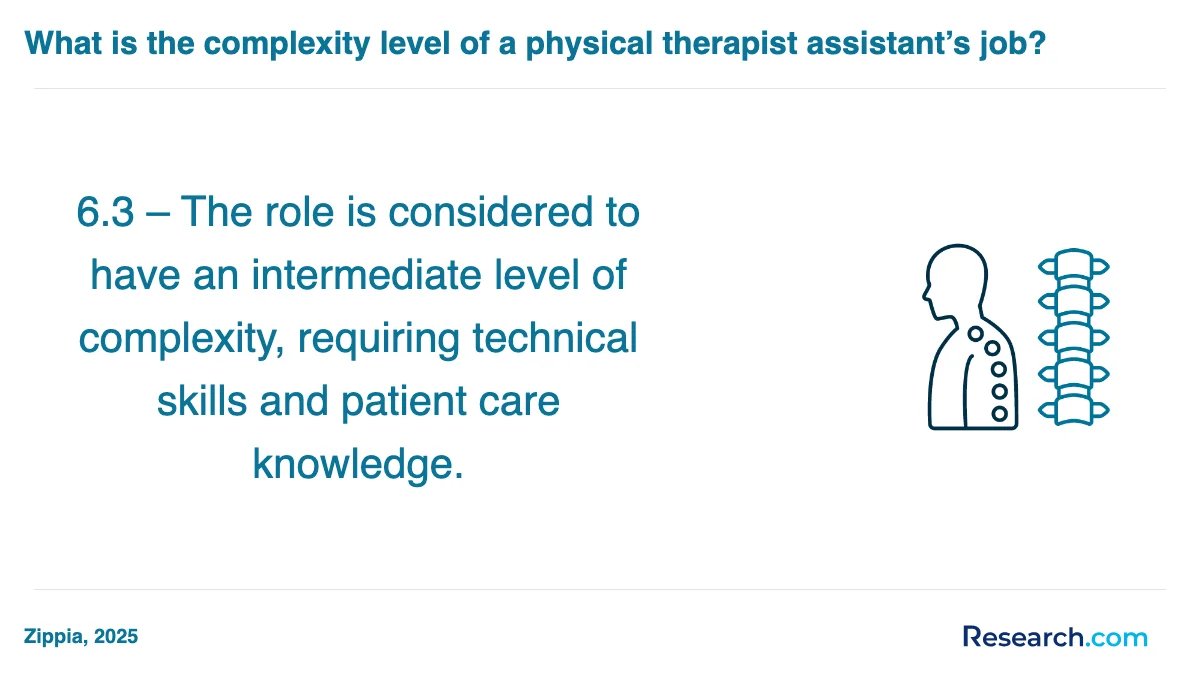
Physical therapist assistant trade school programs in Nebraska focus on courses that build a solid foundation and practical skills. Graduates commonly recall starting with core science classes like anatomy, physiology, and kinesiology, which give a clear understanding of the human body's mechanics-essential for effective therapy.
As they advance, students at popular Nebraska trade schools take specialized courses such as:
- Physical Therapy Procedures
- Orthopedic Assessment and Intervention
- Neurologic Rehabilitation
- Pathology (disease and injury study)
- Ethics and Professionalism
Hands-on labs using tools like virtual reality and interactive anatomy tables bring lessons to life, helping students confidently practice skills before patient interaction. Clinical rotations in real healthcare settings provide supervised experience, which many graduates describe as rewarding and essential to feeling prepared for their careers.
Communication courses are also emphasized, teaching how to clearly interact with patients and healthcare teams. Some graduates from Nebraska Methodist College highlight learning to navigate healthcare communication as a key confidence booster.
Programs also cover Nebraska-specific legal and ethical standards, ensuring students understand state regulations. This comprehensive approach helps students transition smoothly into local healthcare environments with practical knowledge and assured readiness.
Physical therapist assistant specializations in Nebraska commonly include focused training pathways that allow students to develop expertise tailored to diverse healthcare settings. Graduates from popular trade schools, such as Northeast Community College, often highlight the value of Advanced Proficiency Pathways covering areas like:
- Acute Care
- Cardiovascular/Pulmonary
- Geriatrics
- Oncology
- Orthopedics
- Pediatrics
- Wound Management
These specializations help students not only grasp essential concepts but also prepare them for the variety of patient needs seen in Nebraska's clinical environments. Students from Methodist College appreciate the clinical rotations in hospitals, outpatient clinics, and skilled nursing facilities that complement their coursework, providing real-world experience in diverse treatment settings.
When exploring PTA program specialization options Nebraska offers, it's useful to consider how these focused areas align with your career goals. Hands-on training combined with specialized knowledge equips graduates to confidently assist patients with conditions ranging from orthopedic rehabilitation to complex pulmonary care.
Those committed to advancement often seek out trade schools with medical assistant programs that provide flexible options and relevant clinical experience, making the path manageable and rewarding. For more details on related educational paths, consider checking out trade schools with medical assistant programs.
Start by verifying that the program is accredited by the Commission on Accreditation in Physical Therapy Education (CAPTE), as this is essential for sitting for the National Physical Therapy Examination (NPTE) and obtaining licensure in Nebraska. Graduates from programs in Omaha and Lincoln often highlight how CAPTE accreditation gave them confidence in the curriculum's quality and their job readiness.
Location matters since most well-regarded PTA programs are in cities like Norfolk or Lincoln. Many students share that choosing a school close to home helped them manage clinical rotations without added commute stress. If relocation isn't an option, consider programs offering flexible schedules or hybrid formats.
Degree options can vary, so compare programs offering Associate of Science or Associate of Applied Science degrees. Some schools provide clear transfer pathways toward bachelor's degrees, which recent graduates found valuable for long-term career growth. When you research how to compare PTA schools in Nebraska, look closely at curriculum balance-graduates praise schools with strong hands-on labs and multiple clinical rotations.
Cost and financial aid are crucial. Many find community colleges provide affordable tuition without compromising education quality. Finally, check NPTE pass rates and employment outcomes; programs with high success rates produce graduates who feel ready and optimistic about their careers. For those needing flexibility, consider exploring physical therapist assistant associate degree online options that Nebraska students have used to balance work and study effectively.
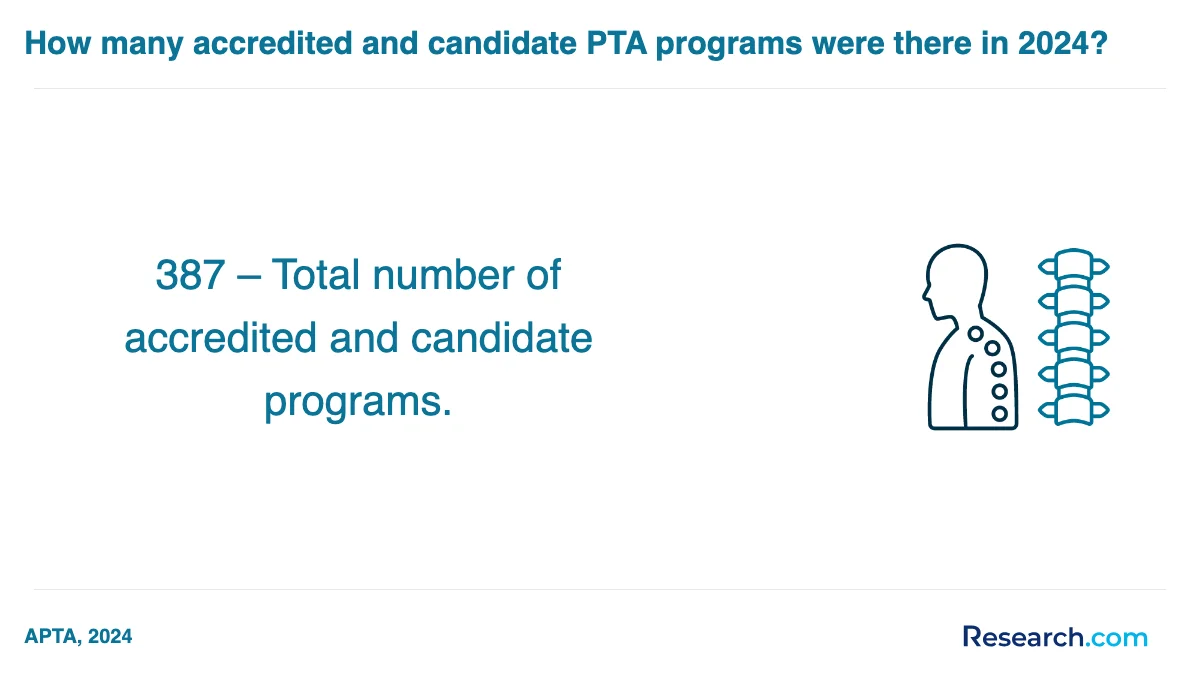
Graduates of physical therapist assistant trade school programs in Nebraska find multiple career paths that align with their skills and interests. Many begin their careers in inpatient rehab units or outpatient physical therapy clinics, where they assist patients recovering from surgery or managing chronic conditions. These settings offer practical experience in direct patient care and typically pay between $25 to $60 per hour depending on experience.
Others work in skilled nursing facilities or home health agencies, supporting elderly or disabled patients to regain mobility. This role requires strong communication abilities and some independence, making it a fulfilling option for many graduates. Popular Nebraska trade schools prepare students well for such diverse settings with hands-on training.
In addition to clinical roles, some graduates pursue leadership or supervisory positions, benefiting from employer support for career advancement or further education to become licensed physical therapists.
- Full-time, part-time, and PRN schedules offer flexibility for balancing personal commitments
- Competitive benefits like sign-on bonuses and educational assistance are common in Omaha and other urban areas
- The state's high demand is evident with over 240 job postings statewide as of August 2025
Those interested in exploring Nebraska physical therapy career opportunities further may find valuable insight into what are the best medical careers helpful for long-term planning.
The physical therapist assistant job outlook Nebraska remains strong, reflecting ongoing growth and demand statewide. Graduates from popular PTA trade schools in Nebraska often find rewarding positions in both urban centers like Omaha and smaller rural communities. Many report smooth transitions into roles at hospitals, outpatient clinics, and rehab facilities with steady hiring trends and competitive wages fueling confidence in their career choices.
Recent graduates note these highlights when stepping into the workforce:
- Annual salary averages near $62,585, with opportunities reaching higher pay in specialized care settings.
- Hourly wages in Omaha can reach upwards of $53 in certain roles, making entry-level work feel financially viable.
- Consistent job openings-around 39 per year-ensure reliable employment prospects.
Nebraska's aging population and expanding healthcare services boost the physical therapist assistant job outlook Nebraska, providing graduates ongoing demand and options. Hands-on learning at local trade schools combines well with real-world clinical placements in nearby hospitals. Many students appreciate knowing their training directly translates into solid job prospects, enhancing motivation and planning clarity.
For those weighing how to start, it helps to understand what's the difference between physical therapist and chiropractor, a key consideration in choosing your path within allied health.
Most Affordable Physical Therapist Assistant Schools & Training - Budget-Friendly PTA Trade Programs in Nebraska for 2026
# 1 position
Southeast Community College Area - Physical Therapy Assistant.
associateThe Physical Therapy Assistant program at Southeast Community College Area offers a hybrid format with some distance education options. The program prepares students to assist physical therapists by implementing treatment plans, training patients, and documenting progress. Instruction covers applied anatomy, physiology, biomechanics, neuroscience, and professional ethics. Annual in-state tuition is $3,540. Graduates earn a median salary of $39,334 one year after completion. The program is accredited by the Higher Learning Commission.
# 2 position
Northeast Community College - Physical Therapy Assistant.
associateNortheast Community College offers a Physical Therapy Assistant program in a hybrid format, combining in-person and distance education. The program trains students to assist physical therapists by implementing treatment plans, conducting interventions, and monitoring patient progress. Coursework includes anatomy, physiology, biomechanics, neuroscience, and professional ethics. The annual in-state tuition is $3,840. Graduates have median earnings of $42,190 one year after completion. The program is accredited by the Higher Learning Commission.
# 3 position
Clarkson College - Physical Therapy Assistant.
associateThe Physical Therapy Assistant program at Clarkson College is fully online and prepares students to assist physical therapists in patient care, treatment interventions, and clinical documentation. The curriculum includes anatomy, physiology, biomechanics, neuroscience, and professional ethics. Annual in-state tuition is $15,168. Graduates have median earnings of $41,699 one year after completion. The program is accredited by the Higher Learning Commission.
# 4 position
Nebraska Methodist College of Nursing & Allied Health - Physical Therapy Assistant.
associateNebraska Methodist College of Nursing & Allied Health offers a Physical Therapy Assistant program in a hybrid format, combining distance education with in-person training. The program prepares students to assist physical therapists by implementing treatment plans, training patients, and documenting progress. Coursework covers anatomy, physiology, biomechanics, neuroscience, and professional ethics. Annual in-state tuition is $18,173. The program is accredited by the Higher Learning Commission. Median earnings one year after completion are $37,878.
Frequently Asked Questions about physical therapist assistant
After completing a physical therapist assistant (PTA) trade school in Nebraska, preparing for the job market involves several important steps. First, graduates must pass the National Physical Therapy Exam (NPTE) for PTAs, administered by the Federation of State Boards of Physical Therapy. Passing this exam is required to obtain state licensure in Nebraska.
Networking is also crucial. Joining local professional organizations, such as the Nebraska Physical Therapy Association, can help connect new PTAs with potential employers. Nebraska's healthcare sector is growing, with demand for PTAs expected to increase by 27% through 2030, according to the U.S. Bureau of Labor Statistics.
Additionally, gaining experience through internships or volunteer work can improve job prospects. Finally, preparing a strong resume highlighting clinical skills and certifications will support successful job applications.
Employers in Nebraska seek physical therapist assistant (PTA) graduates who demonstrate strong clinical skills combined with effective communication. According to the Nebraska Department of Labor, practical knowledge of therapeutic exercises and patient care techniques is essential. PTAs must also show the ability to follow detailed treatment plans developed by physical therapists accurately.
Interpersonal skills rank high, as PTAs frequently work directly with patients of all ages. Employers value empathy, patience, and teamwork abilities to ensure positive patient outcomes. Additionally, familiarity with electronic health records (EHR) is increasingly important due to Nebraska's healthcare digitization efforts.
Problem-solving and adaptability are also critical, helping graduates respond to varied patient needs in diverse settings such as hospitals, outpatient clinics, and rehabilitation centers.
Finding internships in Nebraska relevant to physical therapist assistant (PTA) trade school programs involves several strategic steps. First, students should consult their school's clinical education coordinator, who typically maintains partnerships with local healthcare providers. Nebraska has a growing healthcare sector, with many rehabilitation centers and hospitals offering PTA internships.
The Nebraska Department of Health and Human Services and the American Physical Therapy Association (APTA) Nebraska chapter list approved clinical sites. These sites ensure compliance with educational standards and provide hands-on experience. According to APTA Nebraska, over 50 facilities statewide regularly accept PTA interns.
Additionally, students can explore internships through local hospitals, outpatient clinics, and skilled nursing facilities. Networking with professionals during school and attending state healthcare job fairs can also reveal opportunities.
Obtaining a physical therapist assistant (PTA) diploma from a trade school in Nebraska significantly enhances career mobility and advancement opportunities. Graduates are eligible to sit for the National Physical Therapy Exam, required for state licensure, which is essential for employment across Nebraska's healthcare facilities.
According to the Nebraska Department of Labor, the demand for PTAs is projected to grow by 18% through 2030, faster than the average for all occupations. This growth supports upward mobility as licensed PTAs gain access to diverse clinical settings and specialized roles.
Trade school diplomas also provide practical skills and clinical experience, making graduates competitive candidates for entry-level PTA positions, which can lead to supervisory or specialized therapy roles with further education.
Students enrolled in physical therapist assistant (PTA) trade schools in Nebraska have several part-time job opportunities that can enhance their education and practical skills. Common roles include physical therapy aides, rehabilitation aides, and patient care assistants. These positions provide valuable hands-on experience working under physical therapists, which is essential for understanding patient care and therapy techniques.
According to the Nebraska Department of Labor, the healthcare support occupation sector is expected to grow by 15% through 2030, reflecting increasing demand for PTAs and aides. Working part-time in clinics, nursing homes, or outpatient rehabilitation centers allows students to apply classroom knowledge in real-world settings while earning income.
Such jobs often require minimal prior experience, making them accessible to students. Additionally, these roles help build communication skills and familiarity with medical equipment commonly used in therapy sessions.
There are affordable Physical Therapist Assistant (PTA) degree programs available through community colleges and technical schools, particularly near Nebraska, where institutions often cater to the financial needs of local students. To find specific programs near me, exploring regional educational institutions and resources like Research.com can be a helpful step in identifying cost-effective options. Many of these programs offer financial aid, scholarships, and payment plans to make pursuing a PTA degree more accessible.
- Most Affordable Physical Therapist Assistant Schools & Training - Budget-Friendly PTA Trade Programs in Kansas for 2026
- Most Affordable Physical Therapist Assistant Schools & Training - Budget-Friendly PTA Trade Programs in Missouri for 2026
- Most Affordable Physical Therapist Assistant Schools & Training - Budget-Friendly PTA Trade Programs in Minnesota for 2026
- Most Affordable Physical Therapist Assistant Schools & Training - Budget-Friendly PTA Trade Programs in Oklahoma for 2026
- Most Affordable Physical Therapist Assistant Schools & Training - Budget-Friendly PTA Trade Programs in Illinois for 2026
- Most Affordable Physical Therapist Assistant Schools & Training - Budget-Friendly PTA Trade Programs in Wisconsin for 2026
- Most Affordable Physical Therapist Assistant Schools & Training - Budget-Friendly PTA Trade Programs in Texas for 2026
- Most Affordable Physical Therapist Assistant Schools & Training - Budget-Friendly PTA Trade Programs in Indiana for 2026
- Most Affordable Physical Therapist Assistant Schools & Training - Budget-Friendly PTA Trade Programs in Mississippi for 2026
- Most Affordable Physical Therapist Assistant Schools & Training - Budget-Friendly PTA Trade Programs in Alabama for 2026
- Physical Therapist Assistant Associate's Degree Program https://www.methodistcollege.edu/allied-health/associate-degrees/physical-therapist-assistant
- Physical Therapy Assistant Schools in Nebraska | Physical Therapist Assistant Jobs in NE https://www.physicaltherapistassistantedu.org/nebraska/
- Physical Therapist Assistant https://www.southeast.edu/academics/programs/physical-therapist-assistant/index.php
- Physical Therapist Assistant https://northeast.edu/degrees-and-programs/physical-therapist-assistant
- Physical Therapy Assistant Schools in Nebraska - Find Programs Near You https://ptassistant.org/ne/
- Physical Therapist Assistant | Clarkson College https://www.clarksoncollege.edu/physical-therapist-assistant/
- Nebraska - Physical Therapist Assistant | Midlands Technical College https://www.midlandstech.edu/node/9868
- How to Become a Physical Therapist Assistant in Nebraska (Salary, Schools, and Certification) https://www.exploremedicalcareers.com/physical-therapist-assistant-aide/pta-nebraska/
- What is a physical therapist? | College of Allied Health Professions | University of Nebraska Medical Center https://www.unmc.edu/alliedhealth/career-exploration/pt.html
- Physical Therapist Assistant Clinical Internship http://slchc.edu/physical-therapy/physical-therapist-assistant-clinical-internship/


