
Most Affordable Physical Therapist Assistant Schools & Training - Budget-Friendly PTA Trade Programs in Montana for 2026

Co-Founder and Chief Data Scientist
Looking to start a rewarding career as a physical therapist assistant in Montana? This article introduces the most affordable trade schools for 2026, designed to help you find the right program without breaking the bank.
The featured ranking was developed by the Research.com team of data scientists to guide you toward quality schools worth considering. Their data-driven approach ensures you get trustworthy information to make informed decisions.
Completing a physical therapist assistant program can open doors to a fulfilling healthcare career with strong job prospects. Explore your options and take the first step toward a brighter future.
Key benefits of finishing physical therapist assistant trade school in Montana
- Graduates can expect an annual salary between $60,000 and $62,500 in Montana, with some earning up to $68,741, offering a solid income start in the field.
- Career paths include working in hospitals, outpatient clinics, or rehabilitation centers, as shown by successful graduates from popular Montana trade schools who find rewarding roles quickly.
- Completing a physical therapist assistant program online provides flexibility and convenience, helping students balance work and study effectively, as experienced by online program graduates in Montana.
- Most Affordable Physical Therapist Assistant Schools & Training - Budget-Friendly PTA Trade Programs in Montana for 2026
- What can I expect from physical therapist assistant trade schools in Montana?
- Where can I work after finishing physical therapist assistant trade schools in Montana?
What can I expect from physical therapist assistant trade schools in Montana?
Students enrolling in physical therapist assistant trade school programs in Montana can expect a rigorous, well-structured path typically culminating in an Associate of Applied Science degree within about two years. Programs at Flathead Valley Community College and Great Falls College-Montana State University emphasize a selective admissions process, requiring completion of prerequisite courses in anatomy, physiology, and general education. Graduates often describe the challenge of maintaining strong academic performance to secure one of the limited spots, such as the 20 annual admissions at Great Falls College.
The curriculum combines classroom learning, lab work, and substantial hands-on clinical experiences. For example, students complete 11-12 credit hours of supervised clinical practice in diverse settings like hospitals and rehabilitation centers, which many find invaluable for building confidence and real-world skills.
Cost-wise, residents face around $13,600 in total expenses at Great Falls College, including tuition and materials. Graduates appreciate the program's focus on critical thinking, ethical practice, and patient communication, preparing them thoroughly to work under licensed physical therapists in Montana's growing healthcare environment.
Where can I work after finishing physical therapist assistant trade schools in Montana?
After completing a physical therapist assistant trade school program in Montana, graduates find diverse employment opportunities across the state's healthcare sector. Many work in physical therapy clinics, hospitals, and rehabilitation centers, including well-known employers like Logan Health and Bozeman Health. These settings offer hands-on experience as part of rehabilitation teams under licensed physical therapists, providing a fulfilling environment for recent graduates.
Skilled nursing facilities and outpatient clinics in cities such as Billings and Great Falls also hire PTAs, allowing graduates to build strong community connections. Additionally, home health agencies attract many due to flexible schedules and the chance to directly impact patients' recovery in their homes, which graduates often describe as a rewarding and personal experience.
Rural Montana presents unique career paths where PTAs serve smaller clinics or travel between remote facilities, meeting critical healthcare needs. Graduates from popular Montana trade schools consistently report satisfaction in these roles, emphasizing steady job availability and competitive wages ranging from $23 to $52 per hour based on experience and location.
After completing a physical therapist assistant trade school program in Montana, graduates typically earn an average annual salary of about $60,110. Entry-level positions often start around $47,040 per year, while experienced professionals can reach up to $63,150. These figures reflect data from popular trade schools across Montana, where students have shared positive experiences about quickly securing jobs that offer steady and rewarding pay.
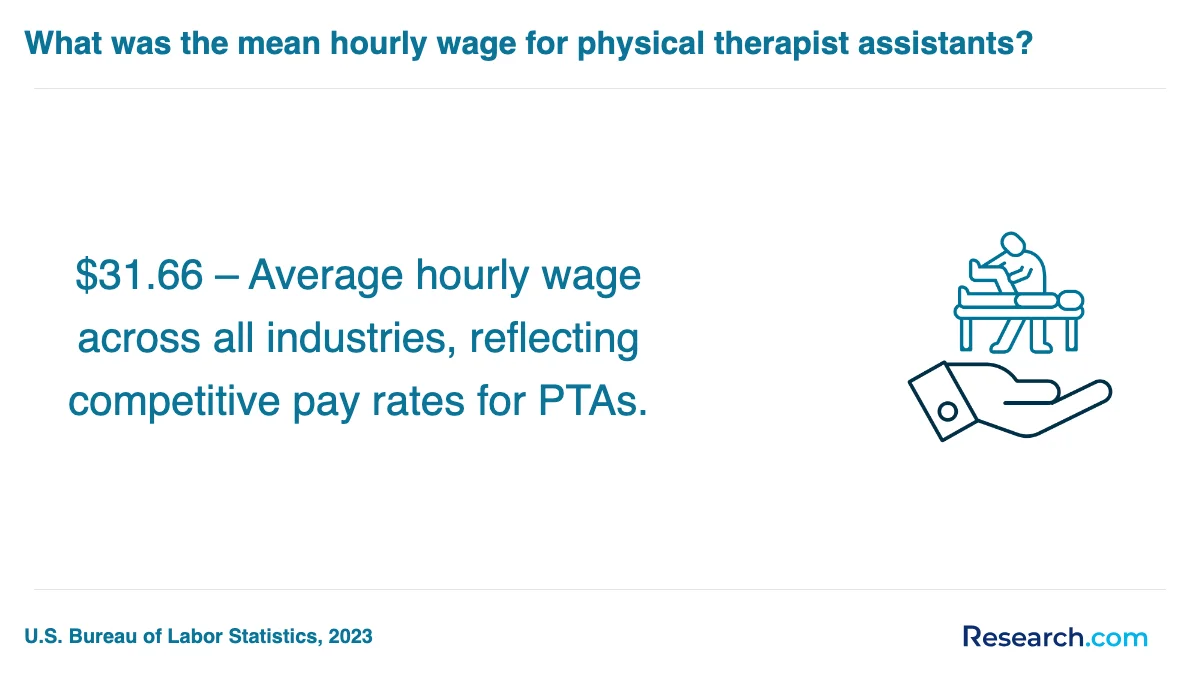
Hourly wages average approximately $29.32, with most salaries ranging from $24.71 to $32.64, depending on factors like location and employer type. For example, graduates working in larger cities or specialized facilities report hourly rates up to $40.82, which can significantly boost take-home pay.
In smaller cities like Great Falls, starting wages tend to be a bit lower, averaging around $23.84 per hour, but still provide a solid income for new graduates. Many students from Montana's well-known trade schools find the combination of hands-on training and local job connections invaluable for entering this stable, growing field.
- Applicants must be at least 18 years old and complete prerequisite courses with a minimum grade of C before applying.
- Most programs award an Associate of Applied Science (AAS) degree and require about 75-76 credits to graduate.
- 30-40 clinical observation hours with a licensed PTA or physical therapist are required for admission.
- Tuition for in-state students at public community colleges ranges from $7,000 to $14,000 for the full two-year program.
- Graduates must pass the National Physical Therapy Examination (NPTE) and a state jurisprudence exam to get licensed in Montana.
- Starting salaries for PTAs in Montana range from $48,000 to $54,000 per year, with experienced PTAs earning up to $62,000 or more.
Completing a physical therapist assistant trade school program in Montana typically takes about two years. This timeframe aligns with the structured curriculum offered by popular trade schools in the state, which balance classroom instruction, lab practice, and clinical experience. Graduates often describe the pace as intensive but manageable, with many appreciating how the program's length allows them to quickly enter the workforce while still gaining comprehensive training.
For example, students attending well-known Montana trade schools often share that the two-year duration feels just right for mastering essential skills like patient assessment and rehabilitation techniques. One graduate reflected on balancing study and hands-on practice, noting how the program's design prepared them for real-world challenges without unnecessary delays.
In Montana's trade school environment, this typical completion time ensures that students remain motivated by seeing steady progress toward certification and employment. The focused schedule helps learners stay engaged and confident, fostering a positive educational experience tailored to launch a rewarding career as a physical therapist assistant.
The main difference between online and on-campus physical therapist assistant (PTA) programs in Montana lies in the balance between flexibility and hands-on experience. Online programs, such as hybrid options at Clarkson College, allow students to complete most coursework remotely, which benefits those living in rural areas or managing work and family commitments. Graduates often express appreciation for this flexibility, describing how it made pursuing their education manageable without relocating or lengthy commutes.
However, all Montana PTA programs require in-person attendance for labs and clinical training to develop essential practical skills. This hybrid approach ensures students gain confidence and competence in real-world settings.
On-campus programs, like the two-year Associate of Applied Science degree at Great Falls College-Montana State University, provide structured schedules with daily face-to-face interaction. Graduates from Great Falls often highlight the immediate access to faculty and peers as motivating factors that enriched their learning experience.
Both formats meet rigorous accreditation standards and prepare students for licensure, but the choice depends on individual needs for flexibility versus immersive campus engagement.
Understanding the average cost of physical therapist assistant programs in Montana is crucial for prospective students planning their education budget. At Great Falls College Montana State University (MSU), the on-campus PTA program for the 2025-2026 academic year estimates total expenses of about $13,604, which includes tuition and fees, lab/course fees, program fees, and books/supplies. Students often appreciate the clear breakdown of costs, helping them manage finances effectively while engaging fully in hands-on learning experiences.
In contrast, graduates from Flathead Valley Community College (FVCC) report a significantly lower total program cost of approximately $4,991 over five semesters. This affordability is attractive for many Montana residents seeking quality training without incurring substantial debt. FVCC's small class sizes and supportive faculty contribute to a positive learning environment, helping students feel confident and prepared for their clinical placements.
When considering tuition fees for PTA programs in Montana, it's important to also factor in additional costs such as travel for clinical placements, which can vary depending on location. Alumni from both institutions remember navigating these expenses but valued the investment for their successful careers.
For those exploring quick highest paid healthcare certifications, programs like these in Montana offer a practical balance of cost, education quality, and career outcomes, making the choice to become a physical therapist assistant an achievable and rewarding goal.
Physical therapist assistant students in Montana benefit from multiple financial aid options that significantly ease the cost of education. Federal aid programs, such as the Federal Pell Grant and the Federal Supplemental Educational Opportunity Grant (FSEOG), provide critical support based on financial need. Graduates from Montana trade schools report that completing the FAFSA was essential to unlock these funds, which cover tuition and reduce reliance on loans.
State-specific assistance further enhances affordability. Many Montana community colleges and trade schools participate in grant programs or tuition waivers targeting low- to moderate-income families. For example, students attending well-regarded programs like those at Great Falls College highlight how state grants made their $13,604 program costs manageable, allowing them to focus on studies without overwhelming financial stress.
Institutional scholarships and work-study opportunities also play a vital role. Graduates often recall how internal scholarships helped cover supplies and fees beyond federal aid. Those enrolled in non-credit physical therapy aide certificates, however, must seek alternative funding such as vocational rehabilitation, since these programs typically don't qualify for federal grants.
Enrolling in a physical therapist assistant (PTA) trade school program in Montana requires meeting several key prerequisites designed to ensure student success and readiness for the demands of the field. Most Montana trade schools popular for PTA training, such as those in Billings and Missoula, expect applicants to have a high school diploma or equivalent.
Beyond basic education, these programs often require:
- Completion of prerequisite courses in anatomy, physiology, and sometimes algebra or biology
- Proof of immunizations and a clean criminal background check due to clinical placement requirements
- A minimum GPA, commonly around 2.5, reflecting academic readiness
- Basic CPR certification before clinical rotations begin
Graduates from Montana programs recall that meeting these prerequisites helped them feel prepared and confident entering hands-on clinical settings. For example, one graduate shared that having prior coursework in human biology made understanding patient care techniques smoother during internship hours.
These requirements also align with Montana's state regulations and accreditation standards, ensuring students gain the knowledge and practical skills necessary for employment upon graduation.

Physical therapist assistant trade school programs in Montana, such as those at Great Falls College Montana State University, feature a well-structured curriculum designed to build essential skills quickly. Graduates often recall starting with foundational courses like anatomy and physiology, which provide a clear understanding of human movement and biology critical for patient care.
Core technical classes include:
- Introduction to Physical Therapist Assisting
- Anatomy and Kinesiology for the PTA
- Therapeutic Exercise for the PTA
- Introduction to Orthopedics
These courses help students relate classroom concepts directly to physical therapy tasks. Many find the pathophysiology course particularly eye-opening, as it reveals the medical conditions they will treat daily.
Clinical experience is a highlight, with three rotations that place students in real rehabilitation settings through fall, spring, and summer semesters. This hands-on approach is often described by graduates as both challenging and rewarding, boosting confidence before entering the workforce.
Specialized courses like Neurorehabilitation and a final Seminar and Project ensure students are well-prepared for the National Physical Therapy Exam and practical demands of Montana's healthcare environment.
Physical therapist assistant specializations in Montana are generally limited within trade school programs, as formal specialization tracks are not typically part of the curriculum. Instead, Montana PTA programs emphasize broad, foundational training to equip graduates with versatile skills applicable across multiple healthcare settings. For example, students at Great Falls College-Montana State University gain hands-on clinical experience in diverse environments such as acute care, outpatient clinics, rehabilitation centers, and extended care facilities. This variety in clinical placements enables students to develop a well-rounded understanding rather than a narrow specialization.
Graduates often feel confident transitioning to roles in different physical therapy settings because their education includes:
- Comprehensive coursework in anatomy, physiology, and patient care
- Real-world clinical rotations spanning various healthcare facilities
Since Montana PTA program specialization options remain limited, many students pursue additional certifications or continue education post-graduation to develop expertise in niche areas. Those eager for advanced focus may find value in following the steps to become a physical therapist to further enhance their career opportunities.
Choosing the best physical therapist assistant programs in Montana involves analyzing accreditation, curriculum, and hands-on training opportunities. Graduates from Great Falls College MSU often highlight the value of CAPTE accreditation, which ensures qualification for the National Physical Therapy Examination and aligns with employer expectations. The program structure-such as Great Falls College's intensive three-semester on-campus format or their flexible hybrid option in Bozeman-helps students balance learning with personal commitments.
When selecting a physical therapist assistant school in Montana, consider prerequisites and clinical experiences. Many students find the required courses like Human Anatomy and Physiology crucial for confidence during clinical rotations. Firsthand clinical training at Great Falls College leads to real patient interactions that graduates describe as rewarding and essential to career readiness.
Program costs and employment outcomes are key data points. Residency tuition of approximately $13,600 and a 90% employment success rate within two years demonstrate a strong return on investment. Montana students seeking flexible scheduling or certification options might also explore online healthcare certifications to supplement their education. This targeted research helps ensure the best fit for your professional goals.

Graduates from physical therapist assistant trade school programs in Montana enter diverse career paths within the state's health care system. Key employment settings include hospitals, outpatient clinics, skilled nursing facilities, and rehabilitation centers where PTAs support licensed therapists by assisting patients with movement restoration and pain management. Many graduates from popular trade schools in Montana find these roles fulfilling, enabling them to engage directly with patient recovery.
Several graduates pursue specialized roles, reflecting growing interest in physical therapy assistant specialties in Montana. These include pediatrics, geriatrics, and clinical education tracks, offering opportunities to tailor care for unique patient needs. Others explore flexible options like home health, working one-on-one with patients in their residences, or travel PTA positions that provide variety and higher pay through short-term assignments across urban and rural areas.
Examples from trade school alumni show that physical therapist assistant jobs in Montana often come with competitive salaries and benefits, making the field both rewarding and sustainable. For students looking to maximize their opportunities, enrolling in one of the best online associate degree in physical therapist assistant programs can be a strategic step toward licensure and diverse career pathways.
The physical therapist assistant job outlook in Montana shows a steady demand but reveals a competitive environment due to the state's small population and fewer overall job openings than many other states. Graduates from popular trade schools across Montana often find employment in urban centers such as Billings, where hourly wages range from $30 to $43.58, offering promising compensation opportunities. Salary data supports this, with the average PTA hourly wage statewide about $29.32 and annual earnings typically falling between $56,776 and $68,741. These figures highlight the possibility of solid income growth as graduates gain experience or specialize.
Graduates have shared positive experiences about gaining employment in hospitals and rehabilitation clinics despite the limited openings, noting:
- The value of targeted training at Montana's trade schools to build in-demand skills
- The importance of flexibility in location to increase job prospects
- Competitive pay compared to other allied health professions in the state
For prospective students looking to understand the physical therapist assistant salary in Montana, it is advisable to consider how the job market varies by city and to explore program offerings that emphasize both clinical skills and adaptable expertise. This approach mirrors insights from the noted similarities between occupational therapy and physical therapy, helping students position themselves effectively in Montana's unique healthcare landscape.
Most Affordable Physical Therapist Assistant Schools & Training - Budget-Friendly PTA Trade Programs in Montana for 2026
# 1 position
Flathead Valley Community College - Physical Therapy Assistant.
associateFlathead Valley Community College offers a Physical Therapy Assistant program in a hybrid format, combining distance education with on-campus learning. The program trains students to assist physical therapists by implementing treatment plans, conducting interventions, and monitoring patient progress. Tuition for in-state students is $4,748 annually. Graduates earn a median salary of $38,335 one year after completion. The program is accredited by the Northwest Commission on Colleges and Universities.
# 2 position
Great Falls College Montana State University - Physical Therapy Assistant.
associateGreat Falls College Montana State University offers a Physical Therapy Assistant program delivered in a hybrid format with some distance-education options. The program trains students to assist physical therapists by implementing treatment plans, training patients, conducting interventions, and documenting progress. Instruction covers anatomy, physiology, biomechanics, neuroscience, and professional ethics. Annual in-state tuition is $3,904. The program is accredited by the Northwest Commission on Colleges and Universities.
Frequently Asked Questions about physical therapist assistant
After completing a physical therapist assistant (PTA) trade school in Montana, preparing for the job market involves several key steps. First, graduates must obtain Montana state licensure by passing the National Physical Therapy Exam (NPTE) for PTAs, as required by the Montana Board of Physical Therapy.
Networking is crucial; engaging with local healthcare facilities and professional organizations, such as the Montana Chapter of the American Physical Therapy Association, can open job opportunities. Additionally, clinical experience gained during schooling often leads to job offers, so excelling in internships is important.
According to the U.S. Bureau of Labor Statistics, Montana's employment of PTAs is projected to grow by 14% through 2031, faster than average for all occupations, indicating a positive job market. Graduates should also prepare a strong resume highlighting both technical skills and patient care experience to stand out to employers.
Employers in Montana prioritize several key skills when hiring physical therapist assistant (PTA) graduates from trade schools. Strong clinical abilities are essential, including knowledge of therapeutic exercises and patient care techniques, as these directly impact treatment outcomes. Communication skills are also highly valued, since PTAs must effectively interact with patients and healthcare teams.
According to the Montana Department of Labor & Industry, attention to detail and the ability to follow treatment plans accurately rank among the top qualities sought by employers. Additionally, adaptability is important because PTAs often work with diverse patient populations and conditions.
Technical proficiency with medical equipment and electronic health records is increasingly required, reflecting a growing digital component in healthcare settings. Overall, successful graduates demonstrate a balance of hands-on skills, empathy, and professionalism, aligning with industry standards in Montana's healthcare environment.
Finding internships relevant to physical therapist assistant (PTA) programs in Montana involves several key steps. First, students should consult their trade school's clinical education coordinator, who often has established partnerships with local healthcare facilities. These partnerships are crucial because Montana requires PTA students to complete supervised clinical hours for program completion and licensure eligibility.
Additionally, the Montana Physical Therapy Association provides resources and networking opportunities that can lead to internship placements. Facilities such as hospitals, rehabilitation centers, and outpatient clinics in cities like Billings and Missoula frequently accept PTA interns, offering practical experience essential for skill development.
Students can also explore the American Physical Therapy Association's website for Montana-specific internship listings. According to the Bureau of Labor Statistics, Montana's demand for PTAs is expected to grow by 20% through 2030, making internships vital for gaining hands-on experience in this expanding field.
Obtaining a physical therapist assistant (PTA) diploma from a trade school in Montana significantly enhances career mobility within the state's healthcare sector. Accredited PTA programs prepare graduates for the National Physical Therapy Exam, a requirement for licensure in Montana, which legally enables practice as a PTA. This credential is essential for employment in hospitals, outpatient clinics, and rehabilitation centers across Montana.
Montana's Department of Labor reports a steady growth of approximately 12% in PTA job openings through 2030, reflecting expanding demand. Holding a diploma boosts eligibility for entry-level positions and can lead to higher wages compared to uncertified aides.
Furthermore, a PTA diploma can serve as a stepping stone for advanced certifications or further education, increasing long-term career advancement opportunities in Montana's healthcare field.
Part-time job opportunities in Montana can significantly complement physical therapist assistant (PTA) trade school education by providing practical experience and financial support. Common roles include physical therapy aide positions in clinics or hospitals, where students assist therapists with patient care and administrative tasks. According to the U.S. Bureau of Labor Statistics, these roles help build relevant skills while maintaining flexible hours for students.
Other options include working as rehabilitation aides or fitness trainers, which can enhance understanding of musculoskeletal health. Local healthcare facilities in Montana, such as Billings Clinic or St. Peter's Health, often offer part-time roles suitable for PTA students. These jobs foster hands-on learning and improve employment prospects post-graduation.
To choose the most affordable Physical Therapist Assistant degree program near me in Montana, start by researching local community colleges and universities that offer PTA programs with competitive tuition rates. It is helpful to compare the cost of tuition, fees, and additional expenses such as books at various institutions near Montana to find the most budget-friendly option. Additionally, consider reaching out to the schools directly for information on financial aid opportunities and program accreditation, as these factors can significantly influence the overall cost and value of your education.
- Most Affordable Physical Therapist Assistant Schools & Training - Budget-Friendly PTA Trade Programs in Idaho for 2026
- Most Affordable Physical Therapist Assistant Schools & Training - Budget-Friendly PTA Trade Programs in Washington for 2026
- Most Affordable Physical Therapist Assistant Schools & Training - Budget-Friendly PTA Trade Programs in Oregon for 2026
- Most Affordable Physical Therapist Assistant Schools & Training - Budget-Friendly PTA Trade Programs in Minnesota for 2026
- Most Affordable Physical Therapist Assistant Schools & Training - Budget-Friendly PTA Trade Programs in Wisconsin for 2026
- Most Affordable Physical Therapist Assistant Schools & Training - Budget-Friendly PTA Trade Programs in Kansas for 2026
- Most Affordable Physical Therapist Assistant Schools & Training - Budget-Friendly PTA Trade Programs in California for 2026
- Most Affordable Physical Therapist Assistant Schools & Training - Budget-Friendly PTA Trade Programs in Arizona for 2026
- Most Affordable Physical Therapist Assistant Schools & Training - Budget-Friendly PTA Trade Programs in Oklahoma for 2026
- Most Affordable Physical Therapist Assistant Schools & Training - Budget-Friendly PTA Trade Programs in Illinois for 2026
- Physical Therapy Assistant Schools in Montana | Physical Therapist Assistant Jobs in MT https://www.physicaltherapistassistantedu.org/montana/
- Physical Therapy Assistant Schools in Montana - Find Programs Near You https://ptassistant.org/mt/
- Physical Therapist Assistant AAS Degree Program | FVCC https://www.fvcc.edu/program/physical-therapist-assistant-aas
- Physical Therapist Assistant - Great Falls College https://www.gfcmsu.edu/academic-program/physical-therapist-assistant/
- Online Certified Physical Therapy Aide (Voucher Included) from Helena College University of Montana https://careertraining.helenacollege.edu/training-programs/certified-physical-therapy-aide-voucher-included/
- How to Become a Physical Therapist Assistant in Montana (Salary, Schools, and Certification) https://www.exploremedicalcareers.com/physical-therapist-assistant-aide/pta-montana/
- Physical Therapist Assistant - Default | Montana State University https://www.montana.edu/onemsu/programs/physical-therapist-assistant.html
- Physical Therapist Assistant | Great Falls College MSU Academic Catalog https://catalog.gfcmsu.edu/academic-programs/physical-therapist-assistant/
- 2025 Best Physical Therapy Assistant Schools in Montana https://www.collegefactual.com/majors/health-care-professions/allied-health-medical-assisting-services/physical-therapy-technician-assistant/rankings/top-ranked/rocky-mountains/montana/
- Becoming a Physical Therapist Assistant | APTA https://www.apta.org/your-career/careers-in-physical-therapy/becoming-a-pta





