
Most Affordable Phlebotomy Technician Schools & Training - Budget-Friendly Phlebotomy Tech Trade Programs in West for 2026

Co-Founder and Chief Data Scientist
Looking to start a rewarding career as a phlebotomy technician in the West? This article introduces the most affordable trade schools offering phlebotomy programs for 2026. Our ranking, created by the Research.com team of data scientists, helps you identify quality programs worth considering.
Discover options that fit your budget while gaining valuable skills and certification to boost your job prospects. Whether you’re changing careers or starting fresh, earning a phlebotomy diploma can open doors to steady employment and personal growth.
Explore your possibilities with confidence and take the first step toward a fulfilling future.
Key benefits of finishing phlebotomy technician trade school in West
- Graduates in the West can expect competitive salaries, with hourly wages ranging from $21.85 up to $32.13 and annual earnings between $52,000 and $59,000, offering strong financial stability.
- A phlebotomy technician graduate from a popular Western trade school can find diverse career paths in hospitals, outpatient centers, or diagnostic labs, ensuring plenty of job opportunities.
- Completing a phlebotomy technician program online provides flexibility and quicker entry into the workforce, as experienced by many students who balance learning with work and family life.
What can I expect from phlebotomy technician trade schools in West?
Expect a fast-paced, hands-on experience designed to quickly equip you with essential phlebotomy skills. Many programs in the West, such as those at popular trade schools, balance about 50% lecture time with 50% practical lab work, allowing graduates to gain confidence in drawing blood through venipuncture and capillary puncture techniques. You'll practice specimen processing and learn critical topics like infection control and patient privacy, which former students often say helped them feel prepared for real healthcare environments.
Clinical externships are a highlight, offering up to 100 hours of supervised experience in hospitals or clinics. Graduates frequently describe this as a turning point, where classroom knowledge meets actual patient interaction, helping them feel ready for their careers. Admission is generally accessible with a high school diploma or GED, easing concerns for many.
Tuition typically remains affordable, usually under $5,500, with some programs even offering payment plans, making this career pathway achievable. The combination of practical training and clinical exposure in these Western programs leaves students feeling both capable and optimistic about their job prospects.
Where can I work after finishing phlebotomy technician trade schools in West?
Graduates of phlebotomy technician trade schools in the West often find themselves welcomed in a variety of healthcare settings, reflecting the region's growing demand for skilled technicians. Many begin their careers in hospitals, clinical laboratories, and outpatient care centers, where their training directly applies to daily patient care tasks. For instance, graduates from well-known trade schools in California report securing positions at major medical centers like Kaiser Permanente or community hospitals, earning between $25 and $38 per hour depending on experience and location.
Others choose to work in plasma donation centers, such as BioLife Plasma Services, where entry-level technicians receive paid training and benefit from flexible schedules. This hands-on environment appeals to those who enjoy patient interaction and teamwork. Mobile phlebotomy services also offer an attractive career path, especially for graduates seeking part-time or contract work with flexible hours, traveling to patients' homes or community events while earning around $23 to $25 per hour.
Outpatient clinics, urgent care centers, and physician offices represent additional opportunities. Many graduates appreciate the supportive work environments and benefits like health insurance and 401(k) plans. These real-life experiences highlight the diverse and rewarding career pathways available immediately after completing a phlebotomy technician program in the West.
How much can I make after finishing phlebotomy technician trade schools in West?
After finishing a phlebotomy technician trade school program in the West, graduates typically see starting wages around $16 to $18 per hour, translating to approximately $33,000 to $37,000 annually. Many who trained at well-known West Coast trade schools share how this entry-level pay helped them quickly cover living expenses while gaining essential hands-on experience.
With two to four years of experience, earnings often rise to $18 to $20 per hour, or $37,000 to $42,000 per year. Graduates describe this phase as rewarding, where increased confidence and skill open doors to better-paying positions, especially in outpatient centers or diagnostic labs common in urban Western regions.
Certification significantly boosts potential income. Certified technicians in the West have reported starting salaries above the median, with some reaching $21 to $24 per hour and annual wages exceeding $44,000. In high-demand areas, particularly where healthcare shortages exist, salaries can surpass $55,000, reflecting the value employers place on experience and credentials.
These figures highlight the tangible benefits of pursuing phlebotomy programs in the West, where location, certification, and experience blend to create promising career pathways.
Most Affordable Phlebotomy Technician Schools & Training - Budget-Friendly Phlebotomy Tech Trade Programs in West for 2026
# 1 position
North Seattle College - Phlebotomy Technician/Phlebotomist.
certificate or diplomaNorth Seattle College offers a Hybrid Phlebotomy Technician/Phlebotomist program preparing students to draw blood samples using various techniques under medical supervision. The curriculum covers vascular anatomy, blood physiology, skin puncture, venipuncture, specimen handling, safety, and regulations. Accredited by the Northwest Commission on Colleges and Universities, the program has an annual in-state tuition of $5,058, with median earnings of $49,101 one year after completion.
# 2 position
Clark College - Phlebotomy Technician/Phlebotomist.
certificate or diplomaClark College offers a Hybrid Phlebotomy Technician/Phlebotomist program that trains students to draw blood samples using various procedures. The curriculum includes vascular anatomy, blood physiology, venipuncture, specimen handling, safety, and regulatory standards. The program is accredited by the Northwest Commission on Colleges and Universities. Annual in-state tuition costs $4,632, and median earnings one year after completion are $33,570.
# 3 position
Arapahoe Community College - Phlebotomy Technician/Phlebotomist.
associateArapahoe Community College offers a hybrid Phlebotomy Technician/Phlebotomist program that trains students to draw blood samples using various techniques under medical supervision. The curriculum covers vascular anatomy, blood physiology, venipuncture, specimen handling, safety, and regulations. The program's annual in-state tuition is $4,308. Graduates have a median earning of $63,746 one year after completion. It is accredited by the Higher Learning Commission.
# 4 position
Clover Park Technical College - Phlebotomy Technician/Phlebotomist.
certificate or diplomaThe Phlebotomy Technician/Phlebotomist program at Clover Park Technical College offers a hybrid format with some distance education options. It prepares students to draw blood samples using various techniques while teaching vascular anatomy, physiology, venipuncture, safety, and regulations. Annual in-state tuition is $6,634. Graduates have median earnings of $42,066 one year after completion. The program is accredited by the Northwest Commission on Colleges and Universities.
# 5 position
College of Southern Nevada - Phlebotomy Technician/Phlebotomist.
certificate or diplomaThe College of Southern Nevada offers a Phlebotomy Technician/Phlebotomist program in a hybrid format, combining in-person and distance education. The program trains students to draw blood samples using various techniques, covering vascular anatomy, blood physiology, and safety procedures. Annual in-state tuition is $4,110. The program is accredited by the Northwest Commission on Colleges and Universities.
# 6 position
Tillamook Bay Community College - Phlebotomy Technician/Phlebotomist.
certificate or diplomaTillamook Bay Community College offers a Phlebotomy Technician/Phlebotomist program with a hybrid format, including some distance-education options. The program trains students to draw blood samples using various techniques while covering anatomy, physiology, safety, and regulatory standards. Annual in-state tuition is $4,680. The program is accredited by the Northwest Commission on Colleges and Universities.
# 7 position
Casper College - Phlebotomy Technician/Phlebotomist.
certificate or diplomaCasper College offers a hybrid Phlebotomy Technician/Phlebotomist program that trains students to draw blood samples using various procedures. The curriculum covers vascular anatomy, blood physiology, skin puncture, venipuncture, specimen handling, safety, sanitation, and regulations. The program is accredited by the Higher Learning Commission. Annual in-state tuition costs $4,410, providing accessible education for those seeking certification in this healthcare field.
# 8 position
Saddleback College - Phlebotomy Technician/Phlebotomist.
certificate or diplomaThe Phlebotomy Technician/Phlebotomist program at Saddleback College offers a hybrid format with some distance-education options. It trains students to draw blood samples using various techniques under medical supervision. The curriculum covers vascular anatomy, physiology, venipuncture, specimen handling, safety, and relevant regulations. Annual in-state tuition is $1,432. The program is accredited by the Western Association of Schools and Colleges Accrediting Commission for Community and Junior Colleges.
# 9 position
De Anza College - Phlebotomy Technician/Phlebotomist.
certificate or diplomaDe Anza College offers a hybrid Phlebotomy Technician/Phlebotomist program that prepares students to draw blood samples under medical supervision. The curriculum covers vascular anatomy, blood physiology, venipuncture, specimen handling, safety, and regulations. The program’s annual in-state tuition is $1,562. It is accredited by the Western Association of Schools and Colleges Accrediting Commission for Community and Junior Colleges.
# 10 position
MTI College - Phlebotomy Technician/Phlebotomist.
certificate or diplomaMTI College offers a Phlebotomy Technician/Phlebotomist program in a hybrid format, combining distance education with in-person training. The program prepares students to draw blood samples under medical supervision, covering vascular anatomy, blood physiology, venipuncture techniques, specimen handling, and safety procedures. Graduates earn a median income of $36,215 one year after completion. The program is accredited by the Western Association of Schools and Colleges Accrediting Commission for Community and Junior Colleges.
Key Findings
- Admission usually requires a high school diploma or GED and may include a background check.
- Programs typically last from one semester to about four months, enabling quick entry into the workforce.
- Total costs at some schools, like Arizona Western College, range from $1,480 to $1,570 including tuition, fees, and licensure.
- Coursework covers medical terminology, lab procedures, and hands-on blood collection techniques such as venipuncture.
- Graduates are prepared to take the National Healthcare Association Certified Phlebotomy Technician (CPT) Exam to improve job prospects.
- Entry-level phlebotomists nationally earn between $32,000 and $38,000 annually, with demand strong in healthcare settings.
How long does it take to complete phlebotomy technician trade schools in West?
Completing a phlebotomy technician trade school program in West typically takes between four to twelve weeks, depending on the school's curriculum and scheduling options. Graduates from well-known trade schools in the region often share that the accelerated pace allowed them to quickly gain practical skills without sacrificing quality. For example, many praised the hands-on training sessions that simulated real clinical environments, making the learning process both engaging and confidence-building.
Some programs offer flexible evening or weekend classes, accommodating students who balance work or family commitments. This flexibility is especially appreciated by those who want to enter the workforce promptly while maintaining other responsibilities. In these trade schools, students often recall feeling a strong sense of accomplishment as they progressed through each module, with instructors providing ample one-on-one support.
The relatively short completion time contrasts with traditional degree programs, allowing students in West to start their careers sooner and enjoy the emotional reward of tangible progress. This rapid yet thorough training model suits many aspiring phlebotomists eager to make a positive impact in healthcare quickly.
What's the difference between online and on-campus phlebotomy technician trade school programs?
The primary difference between online and on-campus phlebotomy technician trade school programs in the West centers on how coursework and hands-on training are delivered. Graduates from popular West trade schools often describe online programs as offering unmatched flexibility, allowing them to study anatomy and lab safety through video modules and quizzes on their own schedule. This suits those juggling jobs or family, as many online programs are self-paced and can be completed in weeks rather than months.
However, both formats require essential in-person lab practice and clinical externships. Online students typically travel to designated sites to gain these skills, sometimes using simulation kits before real-world practice. Graduates appreciate this blend but note that the occasional commute for hands-on training is necessary for certification.
Conversely, on-campus students benefit from daily face-to-face mentorship and structured routines, which some find motivating and supportive during skill development. Many recall the immediate feedback from instructors as a confidence booster. Tuition tends to be higher on campus, but the immersive environment is praised for fostering connections and consistent progress.
What is the average cost of phlebotomy technician trade schools in West?
The average cost of phlebotomy technician programs in the Western United States varies significantly, typically ranging from around $695 to over $2,000 depending on the school and included services. For example, graduates from the Medical Career Academy in Idaho recall how the affordable $695 tuition covered 72 hours of instruction and had flexible in-house payment plans, making it accessible for many. On the other hand, students at California's HealthStaff Training Institute experience a more intensive 10-week program priced at $2,295, which includes books and supplies along with approvals from key regulatory bodies, reflecting the higher cost for comprehensive schooling.
Such phlebotomy technician program tuition fees in Western states often factor in not just instruction hours but also materials, uniforms, certification exam attempts, and clinical externships-elements that directly impact both price and student satisfaction. Graduates from these programs often express confidence in their training, especially when programs offer features like CPR certification or national certification exam preparation, as seen in Texas's College of Health Care Professions, where tuition is $1,200 for a 12-week course with extensive hands-on experience.
For prospective students weighing options, hearing the positive experiences of those who finished these programs helps illustrate the practical value behind varying tuition rates. Considering personal circumstances against the offerings of institutions is essential in selecting the right fit that balances cost and quality. If you're exploring the best path forward, understanding what is the easiest medical field to study may also guide your decision process to ensure a rewarding career investment.
What financial aid is available for phlebotomy technician trade schools in West?
Students enrolling in phlebotomy technician programs in West often find federal financial aid accessible through community colleges and public technical schools, provided they complete the FAFSA application. This step can unlock grants like the Pell Grant and state-specific funding such as the Workforce HEAPS grant, which many graduates from BridgeValley Community and Technical College have used to ease tuition costs. These funds can make a tangible difference, turning what once felt like a financial obstacle into an achievable goal.
For those attending private schools in West, such as PhlebotomyUSA in West Covina, federal aid is typically unavailable. However, flexible tuition payment plans and acceptance of third-party vouchers from local workforce boards or employers offer practical alternatives. Graduates often appreciate the ability to spread payments over two years, which reduces immediate financial pressure and allows them to focus on mastering their skills.
Additionally, some programs provide scholarships, discounts, or work-study options, which students have found helpful in managing expenses while gaining hands-on experience. Exploring these options early with program advisors helps many feel empowered and confident about financing their education.
What are the prerequisites for enrolling in phlebotomy technician trade schools in West?
Enrolling in a phlebotomy technician trade school program in West usually requires meeting several foundational prerequisites designed to ensure students are prepared for the rigors of hands-on medical training. Most programs expect applicants to have a high school diploma or GED, which serves as proof of basic academic skills. Graduates from well-known West trade schools often reflect on how this baseline helped them quickly grasp essential concepts in anatomy and patient care.
In addition to academic credentials, many programs require:
- Proof of immunizations and a recent health physical to ensure safety during clinical practice
- A background check to meet healthcare regulations and maintain patient trust
- Basic CPR certification, as emergency preparedness is crucial in medical environments
Some students recall that showing a genuine interest in healthcare and strong interpersonal skills during interviews positively influenced their acceptance. Trade schools in West often emphasize these soft skills because phlebotomists interact directly and empathetically with patients, sometimes easing nervousness during blood draws.
Finally, applicants might need to pass a basic reading and math assessment to confirm they can follow complex instructions and perform precise measurements-critical when handling blood samples. Graduates frequently mention that this preparation helped them feel confident and ready on day one of clinical rotations, where real patient interaction begins.
What are the typical courses in phlebotomy technician trade schools in West?
Phlebotomy technician trade schools in the West typically offer a curriculum designed to balance theory and hands-on practice, preparing students for real-world healthcare environments. Graduates from popular West Coast programs often recall starting with foundational courses such as Introduction to Phlebotomy & Infection Control, which emphasize safety protocols vital to preventing cross-contamination in busy clinics or hospitals.
Other essential courses include:
- Legal Issues in Healthcare covering patient rights and HIPAA, ensuring students understand the ethical and legal responsibilities in their role.
- Anatomy & Physiology, focusing on the circulatory system to teach precise blood draw locations, which graduates find crucial during clinical externships.
- Medical Terminology, helping students confidently communicate with medical staff and interpret documentation.
- Phlebotomy Equipment & Supplies and Phlebotomy Procedures, offering hands-on training with needles and collection devices, which many students describe as empowering for mastering venipuncture and capillary puncture techniques.
- Patient Assessment and Compassionate Care, sharpening interpersonal skills so students can provide empathetic, professional care in diverse patient settings.
Students from these West Coast trade schools emphasize how clinical externships, typically 80-100 hours, solidify their confidence by exposing them to real patient interactions and specimen handling, bridging classroom lessons with the demands of healthcare careers.
What are the available specializations in phlebotomy technician trade schools in West?
Phlebotomy technician specializations in Western United States programs often include key practical skills designed to prepare students for varied clinical environments. Graduates from trade schools such as Arizona Western College frequently highlight training in venipuncture techniques, specimen processing, infection control, and related medical terminology as crucial components of their education. These skill areas equip students to confidently perform blood draws and handle lab specimens under real-world pressures.
Some programs offer advanced phlebotomy training programs in Western US that go beyond the basics, including arterial puncture techniques and skin puncture certifications, similar to California's CPT I and CPT II licensure levels. This layered approach allows graduates to tailor their qualifications to meet state-specific regulatory demands and career aspirations.
Students often report that hands-on training in private vocational schools, like the Arizona Medical Training Institute, enhances their practical abilities and boosts their readiness for patient interaction. For those budget-conscious, exploring the most affordable online phlebotomy technician certification program options allows access to quality education with flexibility, making the path to certification more attainable.
How do you choose the best phlebotomy technician trade school program in West?
Choosing the best phlebotomy technician programs in the West starts with verifying program accreditation, which ensures training meets industry standards and prepares students for certification exams like CPT or ASCP-PBT. Graduates from accredited schools often share how their confidence grew during hands-on clinical rotations, a critical part of the curriculum that blends theory with real-world practice in hospitals or clinics. For example, students from popular Western colleges highlight the benefit of extensive venipuncture training and patient interaction, which made them feel ready and competent upon graduation.
When considering how to select affordable phlebotomy trade schools in Western states, it's essential to weigh tuition costs alongside additional expenses such as textbooks and certification fees. Many students appreciate flexible schedules offered by schools that allow part-time study, making it easier to balance work and education. Some even point out that understanding admission requirements early-like needing immunization records or CPR certification-helped them smoothly navigate enrollment. For those wondering about practical skills, it's useful to explore whether programs address if are medical assistants trained to draw blood, clarifying scope of practice during training.
What career paths are available for phlebotomy technician trade school graduates in West?
Graduates of phlebotomy technician trade school programs in the West find numerous options within healthcare jobs for phlebotomy graduates in Western states, often starting as phlebotomy technicians in hospitals, clinics, or blood centers. Many recall their first roles involved mastering blood draws and sample handling, typically earning about $32,710 annually. These initial experiences help build confidence and a stable income.
Several graduates from well-known trade schools in the region describe using their certifications as a gateway to advanced healthcare roles, supported by employers who value their foundational skills. Career paths include:
- Medical Assistant roles that blend clinical duties with administration, offering roughly $43,892 per year.
- EKG Technician positions focused on cardiac diagnostics with salaries near $43,200.
- Medical Lab Technician jobs requiring specimen analysis, averaging $59,943 annually.
- Transitioning into Nursing through additional coursework, increasing responsibility and pay to around $88,350.
- Physician's Assistant roles after specialized education, with earnings exceeding $120,000.
Such phlebotomy technician career opportunities in the West are attractive partly because many states here do not mandate state licensure, though national certification is preferred and can notably boost job prospects. Graduates often highlight the advantage of earning a stable income while planning further education. More information about the phlebotomy technician salary and career growth is available through regional resources, helping prospective students weigh their options thoughtfully.
What is the job market for phlebotomy technician trade school graduates in West?
The phlebotomy technician job outlook in Western states shows a promising and steady demand, driven by a growing healthcare sector that values skilled, certified professionals. Graduates from popular trade schools in the West often share positive experiences securing jobs quickly, citing practical training and certification as key factors in their success. Many find rewarding roles in hospitals, clinics, and diagnostic labs where their hands-on skills are essential.
Several factors contribute to this favorable market:
- Robust annual openings, with around 19,600 nationwide, reflecting strong turnover and retirements.
- Competitive hourly wages averaging $25.36 per hour regionally, which often include bonuses and comprehensive benefits.
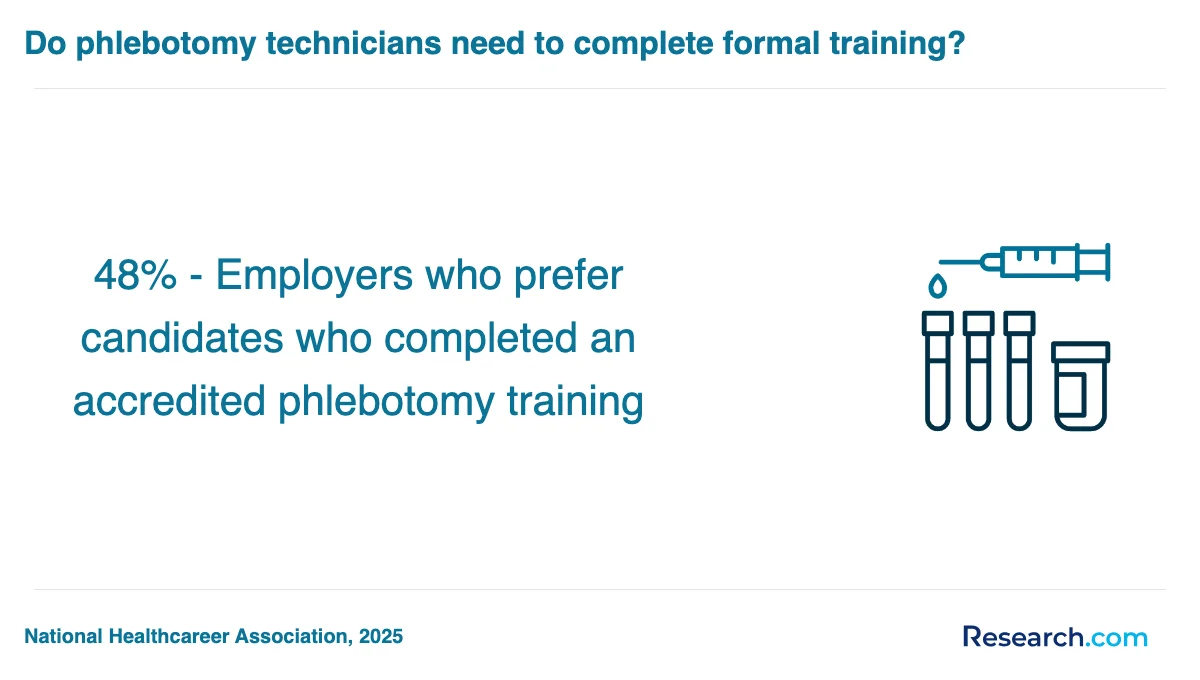
- Preference among employers for candidates with accredited training, which West phlebotomy programs emphasize.
For example, graduates from West Coast trade schools highlight how their education prepared them for roles paying close to the average phlebotomist salary in California and West, reassuring newcomers about financial stability. These success stories illustrate an accessible pathway to a reliable healthcare career. Students exploring fast certifications in the medical field that pay well will find phlebotomy technician training in the West particularly appealing due to the alignment of steady demand and competitive wages.
Frequently Asked Questions about phlebotomy technician
After completing a phlebotomy technician trade school in West, preparing for the job market involves several key steps. First, obtaining certification from recognized bodies such as the National Phlebotomy Association or the American Society for Clinical Pathology is essential, as many employers in West require this credential.
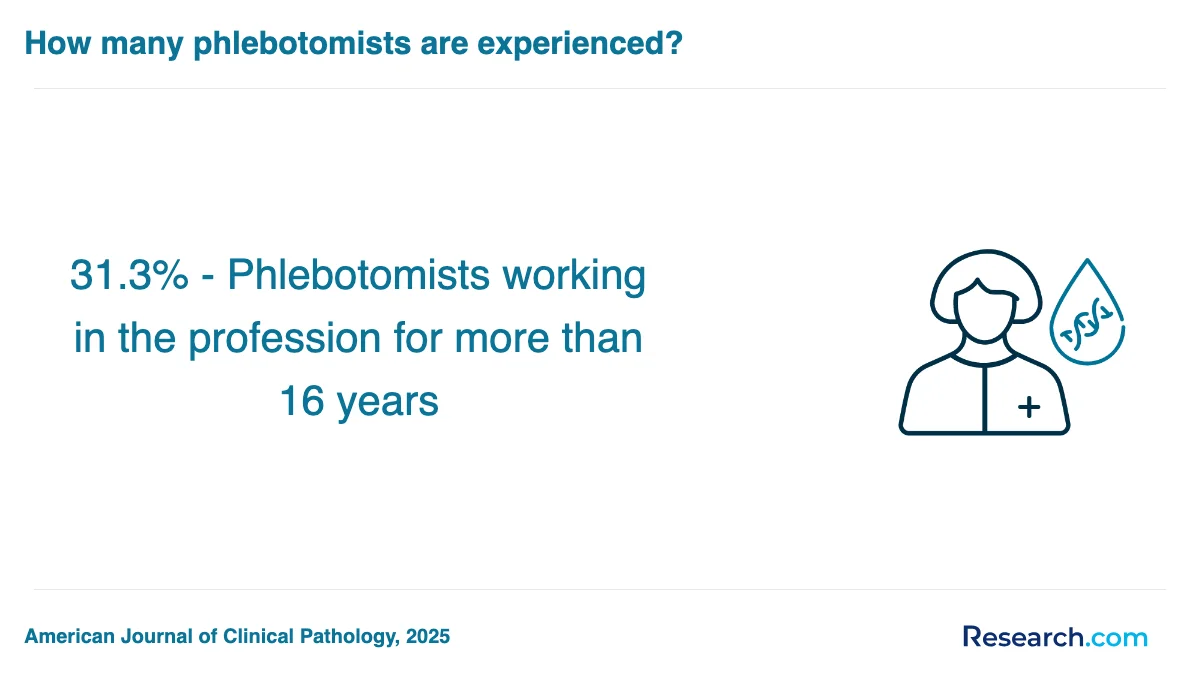
Next, gaining practical experience through internships or externships offered by trade schools can improve job prospects. According to the Bureau of Labor Statistics, phlebotomy jobs in the West are expected to grow by 11% through 2031, highlighting strong demand.
Networking with local healthcare providers and attending job fairs focused on medical careers in West also helps graduates connect with potential employers.
Employers in the West prioritize several key skills when hiring phlebotomy technician trade school graduates. Technical proficiency in venipuncture and capillary puncture is essential, as these are the core tasks of the profession. According to the Bureau of Labor Statistics and regional healthcare reports, accuracy and efficiency in blood collection help reduce patient discomfort and improve lab results.
Strong communication skills are also crucial, enabling technicians to explain procedures clearly and reassure patients. Additionally, knowledge of safety protocols and infection control is mandatory, given strict healthcare regulations in states like California and Washington.
Employers value graduates who demonstrate professionalism, attention to detail, and the ability to work well under pressure in clinical settings.
Finding internships for phlebotomy technician programs in West involves several strategic steps. Start by contacting local hospitals, clinics, and blood donation centers that often collaborate with trade schools to offer practical training. Many accredited phlebotomy programs in West maintain partnerships with healthcare facilities to help students secure internships.
Additionally, state workforce agencies and community college career centers provide resources for locating internships. According to the California Employment Development Department, healthcare occupations, including phlebotomy, are expected to grow by 16% through 2030, increasing internship opportunities.
Networking with instructors and attending job fairs in West can also connect students with potential internship sites. Ensure the internship meets state certification requirements, as West mandates specific clinical hour completions for licensing.
Obtaining a phlebotomy technician trade school diploma in West significantly enhances career mobility and advancement opportunities. According to the U.S. Bureau of Labor Statistics, certified phlebotomy technicians in the Western states see a median annual wage increase of approximately 10% compared to non-certified workers. This diploma provides essential clinical skills recognized by employers, facilitating entry into hospitals, clinics, and laboratories. Additionally, many West-based employers prefer candidates with formal training, which can lead to faster promotions and eligibility for specialized roles within medical laboratories.
State certification requirements in West also emphasize diploma completion, making this credential crucial for legal practice and professional growth. Data from the West Department of Labor shows that diploma holders experience a 15% higher employment rate within six months post-graduation than those without formal training.
Students enrolled in phlebotomy technician trade schools in West can benefit from several part-time job opportunities that enhance their practical skills. Common roles include working as medical assistants, patient service representatives, or laboratory aides. These positions provide hands-on experience with patient interaction and specimen handling, complementing classroom learning.
According to the U.S. Bureau of Labor Statistics (2023), West has a growing demand for phlebotomy technicians, with a projected 12% employment increase over the next decade. Part-time work in healthcare settings not only builds relevant experience but may also improve job prospects after certification.
Local hospitals and outpatient clinics are typical employers offering flexible schedules for students, allowing them to balance work and study effectively.
To find the most affordable Phlebotomy Technician degree program near me in West, consider starting with local community colleges or vocational schools, as they often offer lower tuition rates compared to larger universities. Research.com can be a helpful resource for identifying programs near West that match your criteria for affordability and program quality. Additionally, reach out to the admissions offices of schools in your area to ask about financial aid opportunities that could further reduce costs.
Top Trending Rankings
References
- Phlebotomy Technician Cover Letter Examples (Template & 20+ Tips) https://resumaker.ai/cover-letter-examples/phlebotomy-technician/
- Phlebotomy Technician No Experience Cover Letter Examples & Templates https://www.vantagelens.com/blog/phlebotomy-technician-no-experience-cover-letter-examples-templates/
- Phlebotomist Cover Letter | How To Stand Out From The Crowd https://www.onlinedegree.com/article/phlebotomist-cover-letter/
- Phlebotomy Technician Technical Diploma | Northcentral Technical College https://www.ntc.edu/academics-training/programs/all/technical-diploma/phlebotomy-technician
- Phlebotomy Technician | Education for professionals at PCC https://www.pcc.edu/professional/health/entry/phlebotomy/
- How to Apply - Phlebotomy Technician Certificate Program (Arizona, Florida, and Minnesota) - Mayo Clinic College of Medicine & Science https://college.mayo.edu/academics/health-sciences-education/phlebotomy-technician-certificate-program-florida-and-minnesota/application-process/
- Phlebotomy Training Program Information https://www.cdph.ca.gov/Programs/OSPHLD/LFS/Pages/PhlebotomyTrainingProgram.aspx
- Phlebotomy Technician - Program Page https://rtc.edu/academics/areas-of-study/hhs/phlebotomy.php
- Phlebotomy Technician https://www.com.edu/ce/allied-health/phlebotomy-technician-certificate.html
- Phlebotomy Technician https://www.mnwest.edu/academics/all-programs/phlebotomy-technician.php


